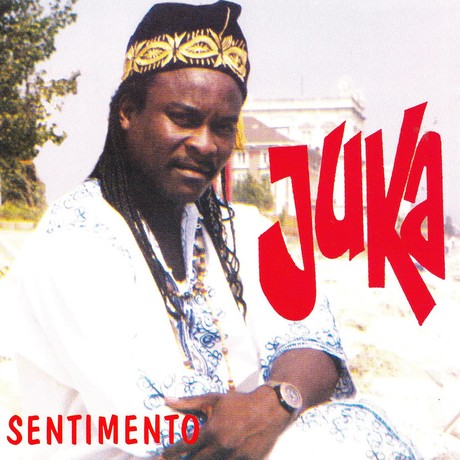
Biography
Juka Castro: the voice of São Tomé that conquered Lisbon
On Sunday, May 5, 2013, at the United Nations headquarters in New York, singer Juka Castro launched a traditional rhythm from São Tomé. The hall exploded with energy; the audience stood up. This archipelago in the Gulf of Guinea has established itself on the world stage thanks to a man his compatriots call the “Príncipe de São Tomé”.
In brief
| Stage Name | Juka Castro |
| Birth | April 24, 1967, São Tomé, São Tomé and Príncipe |
| Nationality | São-tomense |
| Activities | Singer, composer, dancer, choreographer, music producer |
| Genres | zouk, kizomba, soukous, afro-pop, ússua, socopé |
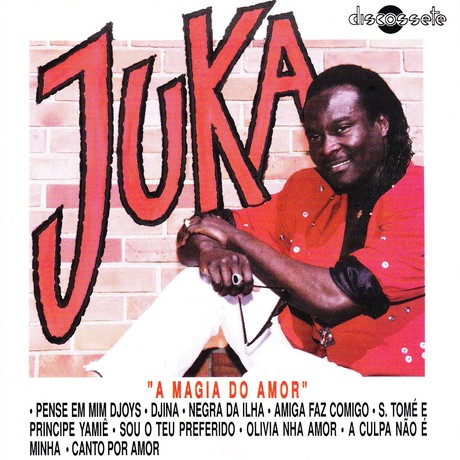
| Notable Works | “Angelina”, “Amiga (Amor Caliente)”, “Alô Cherry” |
| Distinctions | São Tomé representative at the UN concert (2013) |
Key dates
| Year | Event |
|---|---|
| 1967 | Birth in São Tomé |
| 1974 | Start of music at age 7; his mother brings him a harmonica from Portugal |
| 1982 | Move to Lisbon, age 15 |
| 1992 | First album “Alô Cherry”, start of professional career |
| 2013 | Concert at the UN Headquarters in New York |
| 2024 | 18th album “Amor me leva” |
Journey: from São Tomé to Lisbon and then the world
Juka Castro’s musical story begins very early. At seven, while his archipelago was still feeling the tremors of independence (gained in 1975), his mother returned from a trip to Portugal with a harmonica. He took it, tried it out, and began making sounds. His brother, meanwhile, stomped his feet to batuque rhythms—a word designating an African rhythmic tradition—and the two boys improvised together, unaware that they were laying down the first notes of a journey lasting more than half a century.
In 1982, Juka left São Tomé for Lisbon at fifteen. The Portuguese city is an inexhaustible musical soil: kizomba boils there, Angolan zouk triumphs there, and African communities weave networks. Juka did not just listen. He danced, he learned the steps, he became a professional dancer and dance teacher—a transition that gave him a sense of rhythm and movement characteristic of all his performances. His first discography, “Alô Cherry” (1992), laid the foundations for a sound where sweet melodies meet dancing rhythms.
Juka Castro established his career in Lisbon, recording in studios of the Portuguese diaspora—spaces where Angolan, Cape Verdean, and Brazilian artists cross paths. His sound borrows from zouk, kizomba—this romantic genre born in Angola—and Congolese soukous, while integrating the colors of São Tomé. The ússua (a Santomese celebration rhythm), socopé (a folk dance), and the dêxa from Príncipe Island irrigate his compositions.
This sonic mosaic found its finest showcase in 2013, at the concert organized by the UN for World Portuguese Language Day. Juka shared the stage with artists from Angola, Mozambique, Cabo Verde, and Brazil. His performance brought the audience to its feet. “Sharing the stage with voices from Angola, Mozambique, Cabo Verde, Timor-Leste, and Brazil was very good for me. The highlight was this very warm music, very hot São Tomé—the audience couldn’t hold back, and neither could I… It was a party,” he confides in an interview reported by the UN. For Juka, music is a diplomatic act, a way to make visible a country that no one knows.
With more than 18 albums to his credit, Juka has established himself as a pillar of the Santomese scene in the diaspora. His titles speak of love, identity, and belonging—universal themes carried by melodies that invite movement. “Angelina” has accumulated more than half a million streams on Spotify, just like “Amiga (Amor Caliente)”, which propelled his sound to an Iberian-American audience. He also organizes solidarity festivals, such as the one he mounted to support Rock Neto, a Santomese singer injured in Angola.
Major Works
| Work | Year | Why it is essential |
|---|---|---|
| “Alô Cherry” | 1992 | First album, musical cornerstone |
| “Angelina” | 2015 | Biggest success, 500,000+ streams |
| “Amiga (Amor Caliente)” | 2015 | Iberian-American explosion |
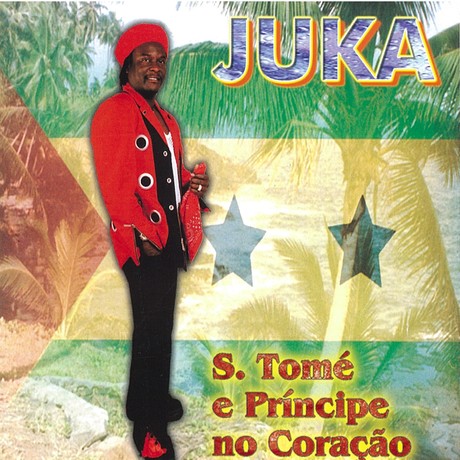
| “S. Tomé e Príncipe No Coração” | 2015 | Identity hymn to the archipelago |
| “Eu Amo o Meu País” | — | Patriotic manifesto |
| “Amor me leva” | 2024 | 18th album, generational bridge |
Legacy
Juka Castro embodies a successful musical migration. He took the rhythms of São Tomé, confronted them with the zouk and kizomba of Lisbon, and made this blend his trademark. His journey paved the way for other Santomese artists (Camilo Domingos, Filipe Santo, Kalu Mendes) who, like him, built their catalogues through the studios of the Portuguese diaspora. Nearly forty years after his debut, he continues to tour in Europe, Africa, and the United States, carrying a sound that reminds us that São Tomé and Príncipe—this volcanic archipelago of 200,000 inhabitants in the middle of the Atlantic—possesses music that deserves to be heard.
Sources and references
- “Music of São Tomé and Príncipe”, Wikipedia, https://en.wikipedia.org/wiki/Music_of_São_Tomé_and_Príncipe, accessed October 24, 2024.
- “Juka vai lançar o 18º álbum em julho com o título ‘Amor me leva’”, RSTP, https://rstp.st/2024/05/20/juka-vai-lancar-o-18o-album-em-julho-com-o-titulo-amor-me-leva/, accessed October 24, 2024.
- “Juka promete novo CD ainda este ano”, Opaís, https://opais.ao/sem-categoria/juka-promete-novo-cd-ainda-este-ano/, accessed October 24, 2024.
- “Especial: Concerto em Português nas Nações Unidas”, UN News, https://news.un.org/pt/story/2013/05/1436811, accessed October 24, 2024.
- Juka, Apple Music, https://music.apple.com/se/artist/juka/213900772, accessed October 24, 2024.
- Juka, Spotify, https://open.spotify.com/artist/3uokciivXi0tdI9Q4HLTST, accessed 24 October 2024.
- « The Conjuntos Built Puxa, and New Voices Keep Rewriting the Island Studio », Blue Tree Audio, https://music.bluetreeaudio.com/countries/sao_tome_and_principe/bands-diaspora-women-and-music-now, accessed 24 October 2024.
- Juka, Afrisson, https://www.afrisson.com/juka-11497/, accessed 24 October 2024.