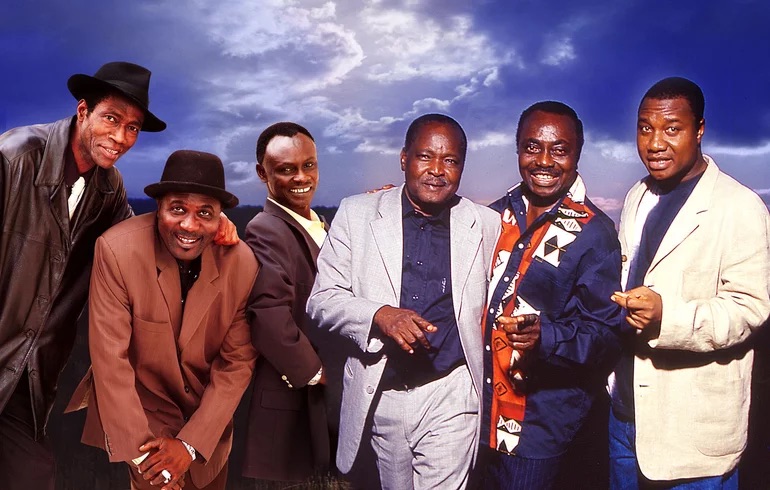
Biography
Africando: when New York salsa meets the voices of Dakar
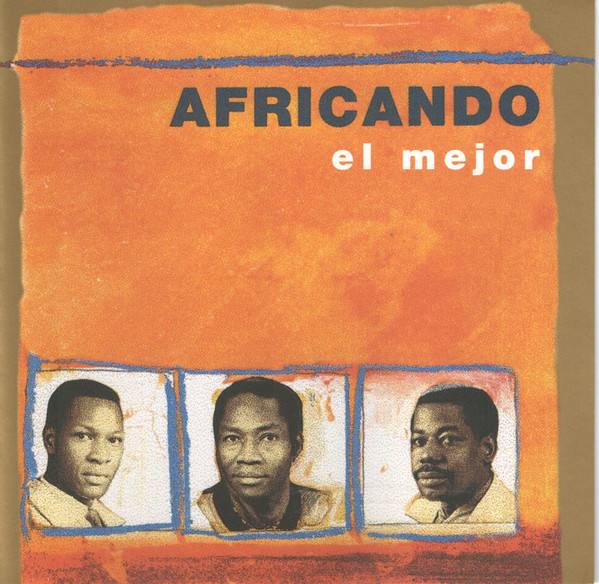
In 1993, in a New York studio, three Senegalese singers began singing in Wolof over Cuban salsa arrangements. The resulting record made the world stage take notice: this salsa, an art born in Cuba blending son, bolero, and guaracha, had crossed the Atlantic since the 19th century to take root in African capitals. Africando will reveal these shared roots to the world, uniting Harlem brass bands with the streets of Dakar in a musical dialogue never heard before.
In brief
| Name | Africando |
| Formation | 1992, Dakar, Senegal |
| Founders | Ibrahima Sylla (producer), Boncana Maïga (flutist, arranger) |
| Style | Afro-salsa, Afro-Cuban music |
| Emblematic works | Trovador, Baloba!, Martina |
| Awards | Africar Music Awards 1993 (Abidjan) |
Key dates
| Year | Event |
|---|---|
| 1992 | Project created in Dakar by Ibrahima Sylla and Boncana Maïga |
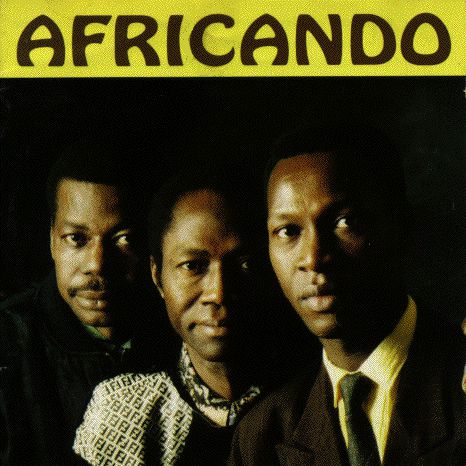
| 1993 | Release of the first album, Trovador, and winning the Africar Music Awards prize |
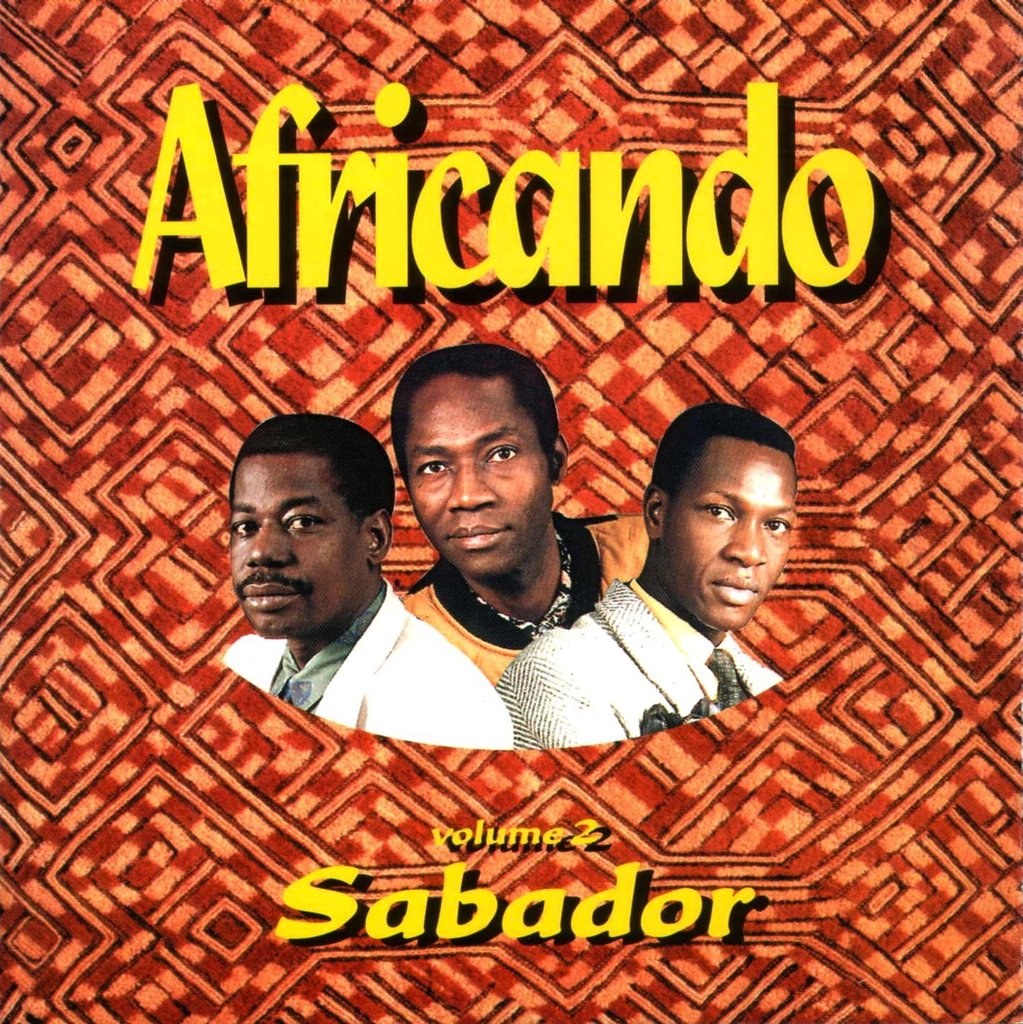
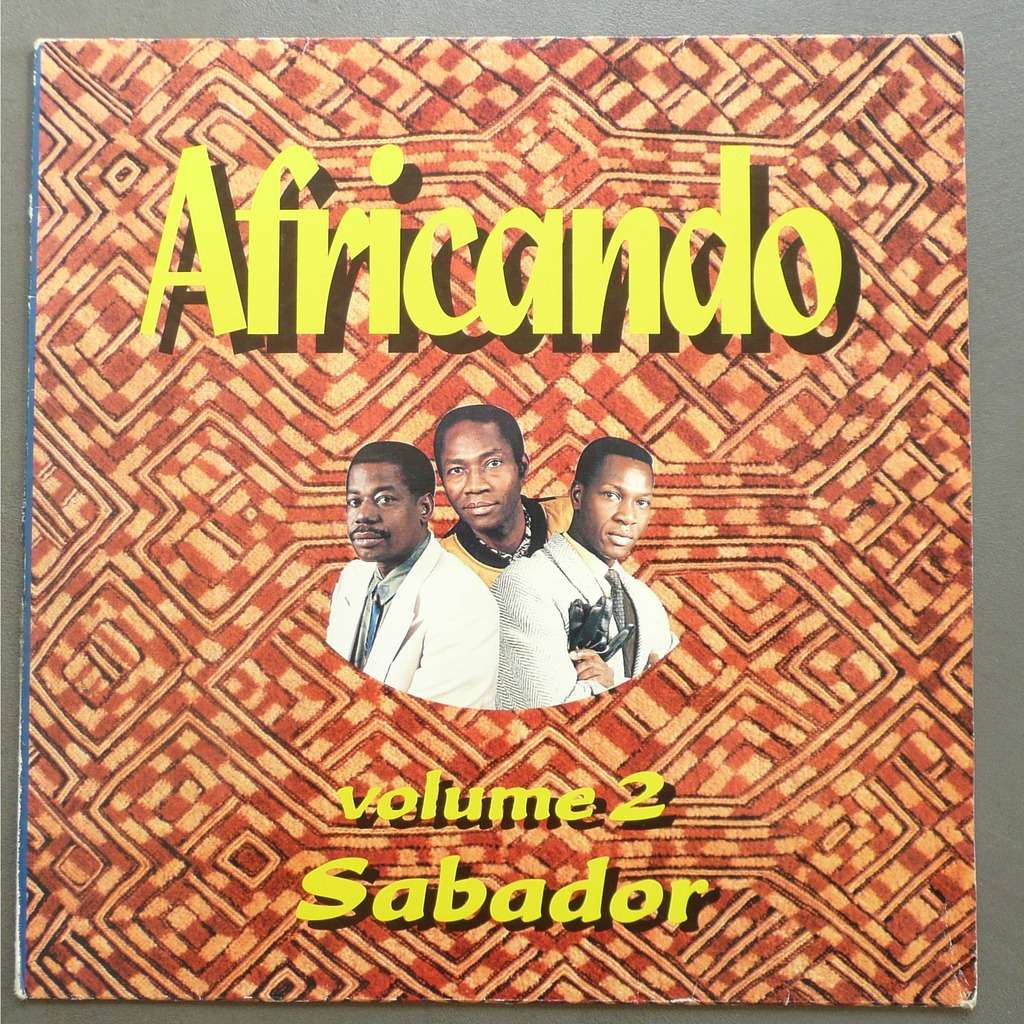
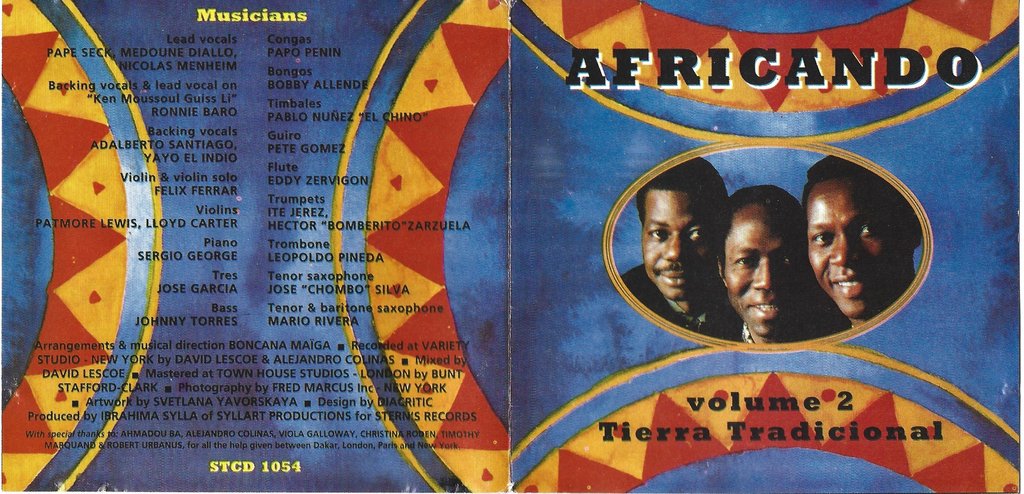
| 1994 | Release of Sabador (subtitle Tierra Tradicional), critical consensus |
| 1995 | Death of Pape Seck, one of the founders, in Dakar |
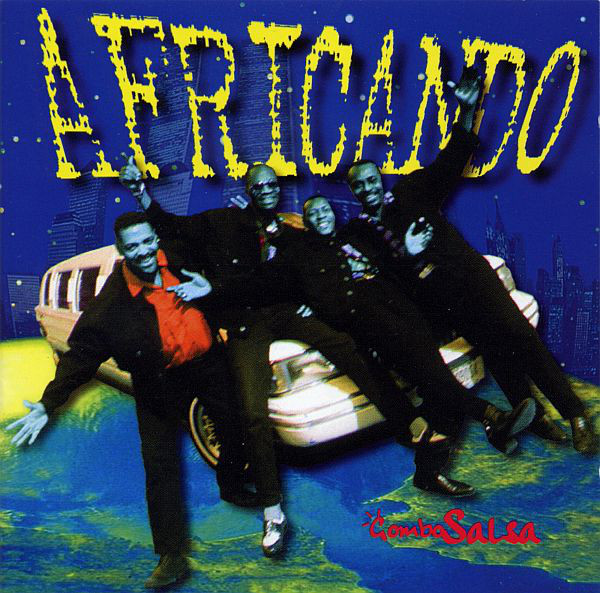
| 1997 | Release of Gombo Salsa; integration of Gnonnas Pedro (Benin) |
| 1998 | Baloba! sells 10,000 copies in France in ten days |
| 2000 | Album Mandali (under the name Africando All Stars) featuring African stars |
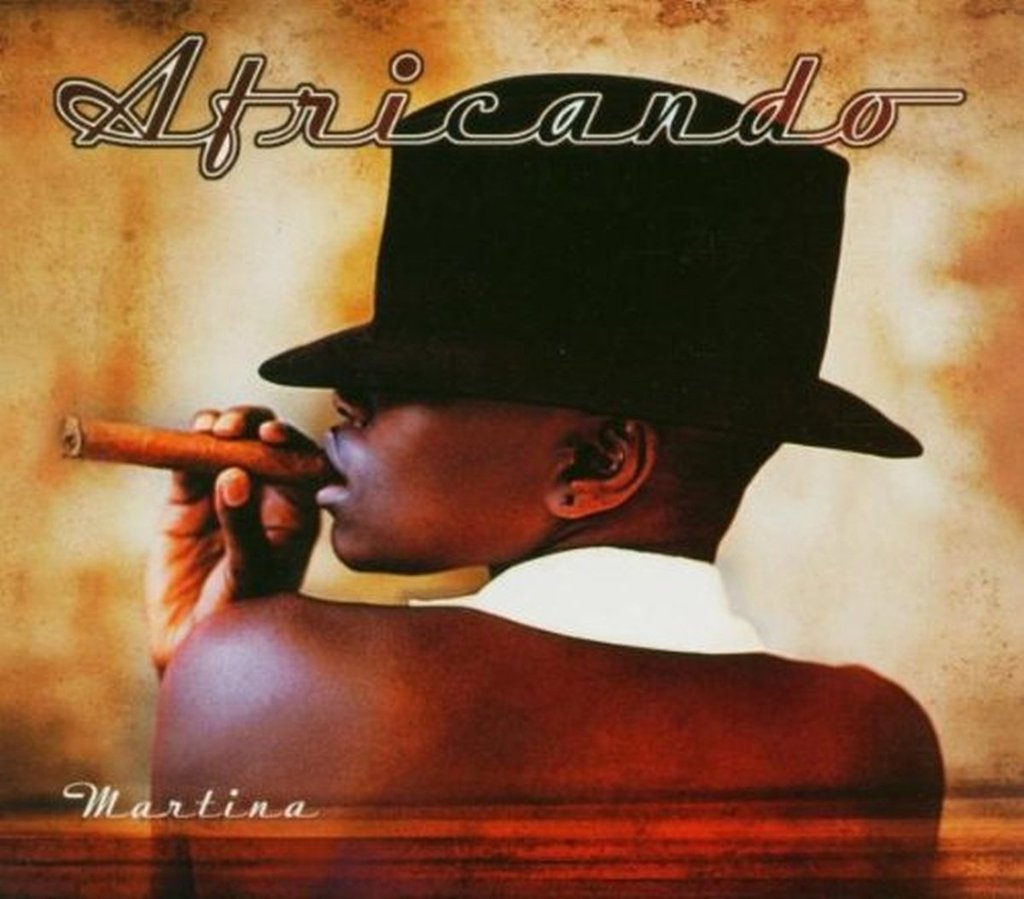
| 2003 | Martina, tribute to women; return to the name Africando |
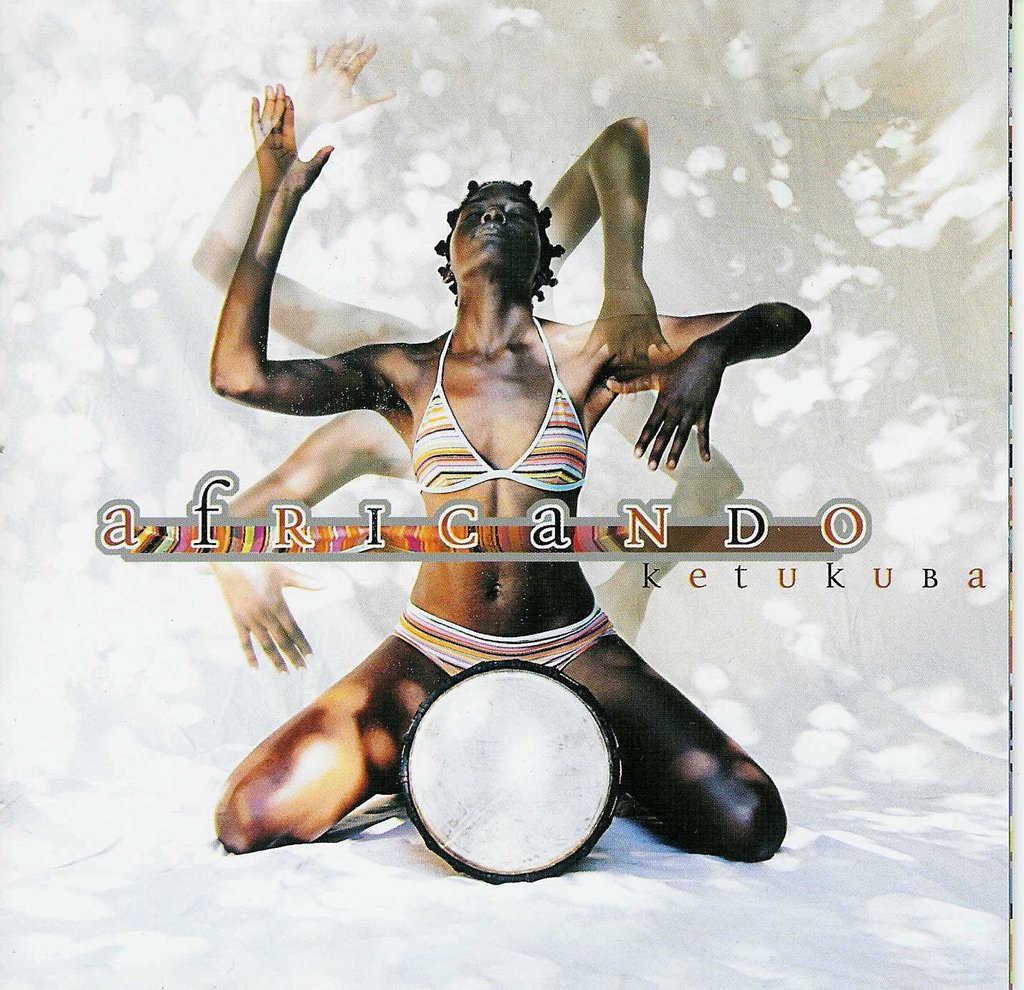
| 2006 | Kékutuba, dedicated to Gnonnas Pedro who died in 2004 |
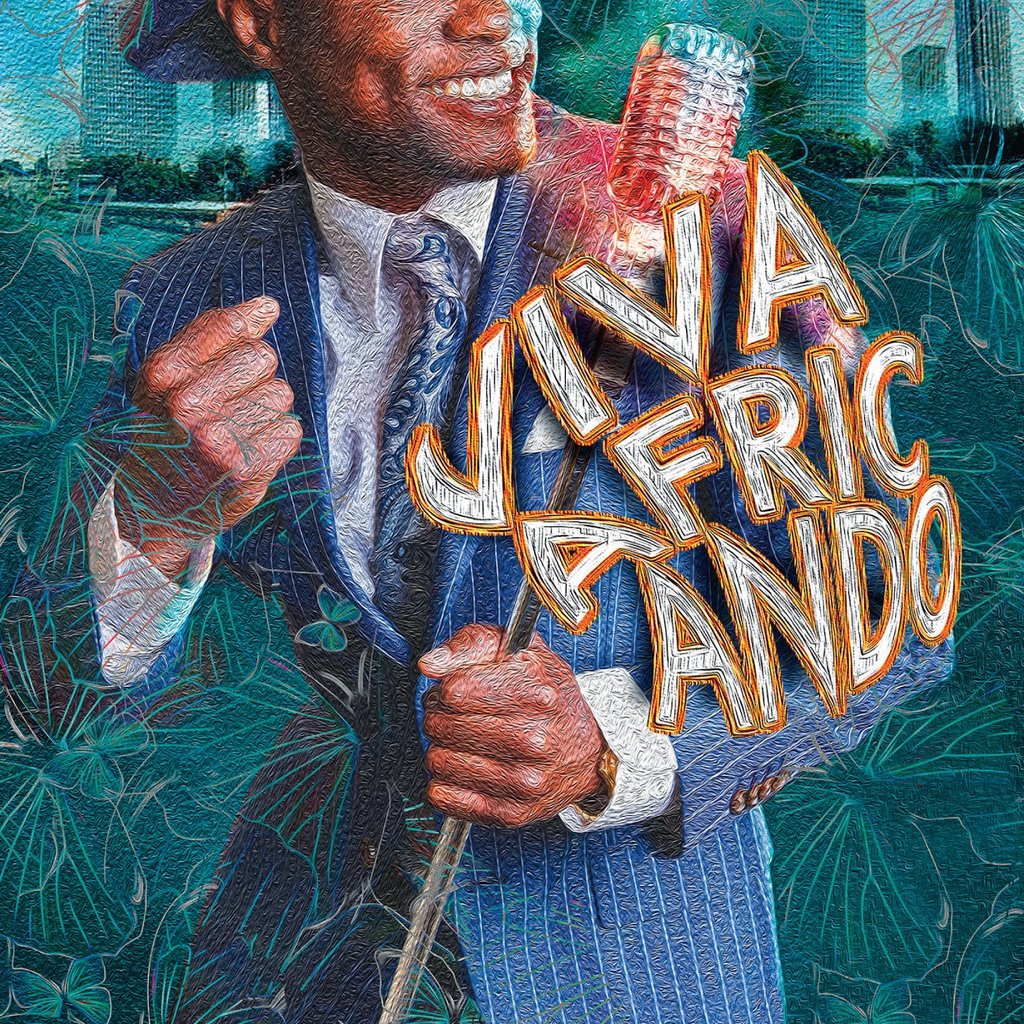
| 2013 | Viva Africando, last album; Ibrahima Sylla passes away in December |
A musical bridge between Cuba and Africa
The story of Africando is born from an intuition: that of Ibrahima Sylla, a Senegalese producer born in 1956 in Kaolack from a great family of Tidiane religious, and Boncana Maïga, a Malian trained at the Havana Conservatory from 1963 to 1973. Passionate about Cuban music since his Dakar adolescence, Sylla owned thousands of records and dreamed of recording on support what the Afro-Cuban groups in Dakar played in clubs since the 1940s. Maïga, flutist, arranger, and collector of 6,000 Cuban records, had lived salsa from the inside — his group Las Maravillas de Mali triumphed in Cuba before returning to Mali, and he participated in the Fania All Stars African tour.
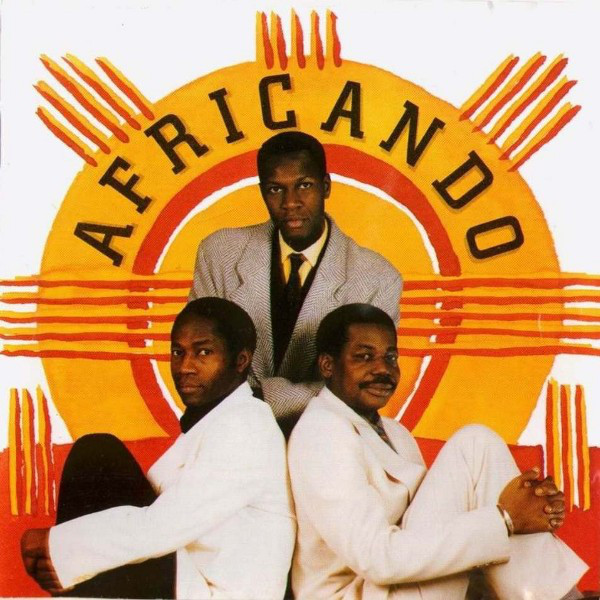
In 1992, the two men gathered in Dakar a 100% Senegalese vocal trio: Médoune Diallo (ex-Orchestra Baobab), Pape Seck (ex-Star Band of Dakar, considered the father of mbalax, the quintessential Senegalese musical style), and Nicolas Menheim (Super Étoile de Dakar). They went to record in New York where the best New York salsa musicians — from Fania All Stars, Orquesta Broadway, Eddie Palmieri, or Tito Puente — accompanied them. The album Trovador was released in 1993 on the Stern’s Africa label and caused a scandal of beauty: Wolof titles over authentic Cuban rhythms, Harlem brass crossing with Dakar djembés. Médoune Khoule by Pape Seck and Yaye Boye became hits in Africa, Cuba, Puerto Rico, New York, and Miami. The Africar Music Awards of Abidjan crowned the project that same year. Sabador, volume 2 in 1994, confirmed it.
After the tragic death of Pape Seck in February 1995, Africando strengthened its pan-African vocation. The Beninese Gnonnas Pedro, nicknamed by the local scene, arrived with the vodun rhythms of his Benin Gulf — this music whose typical 3-2 rhythm, characteristic of Afro-Cuban music in Santiago de Cuba, actually draws its origins from vodun rhythms of southern Benin, Togo, and Nigeria. In 1998, the group adopted the name Africando All Stars for the album Mandali, calling upon Tabu Ley Rochereau (DRC), Koffi Olomidé, Salif Keïta, Sekouba Bambino, and Amadou Balaké. The project expanded to an entire continent, and the success was all the more brilliant.
Major works
| Work | Year | Why it is essential |
|---|---|---|
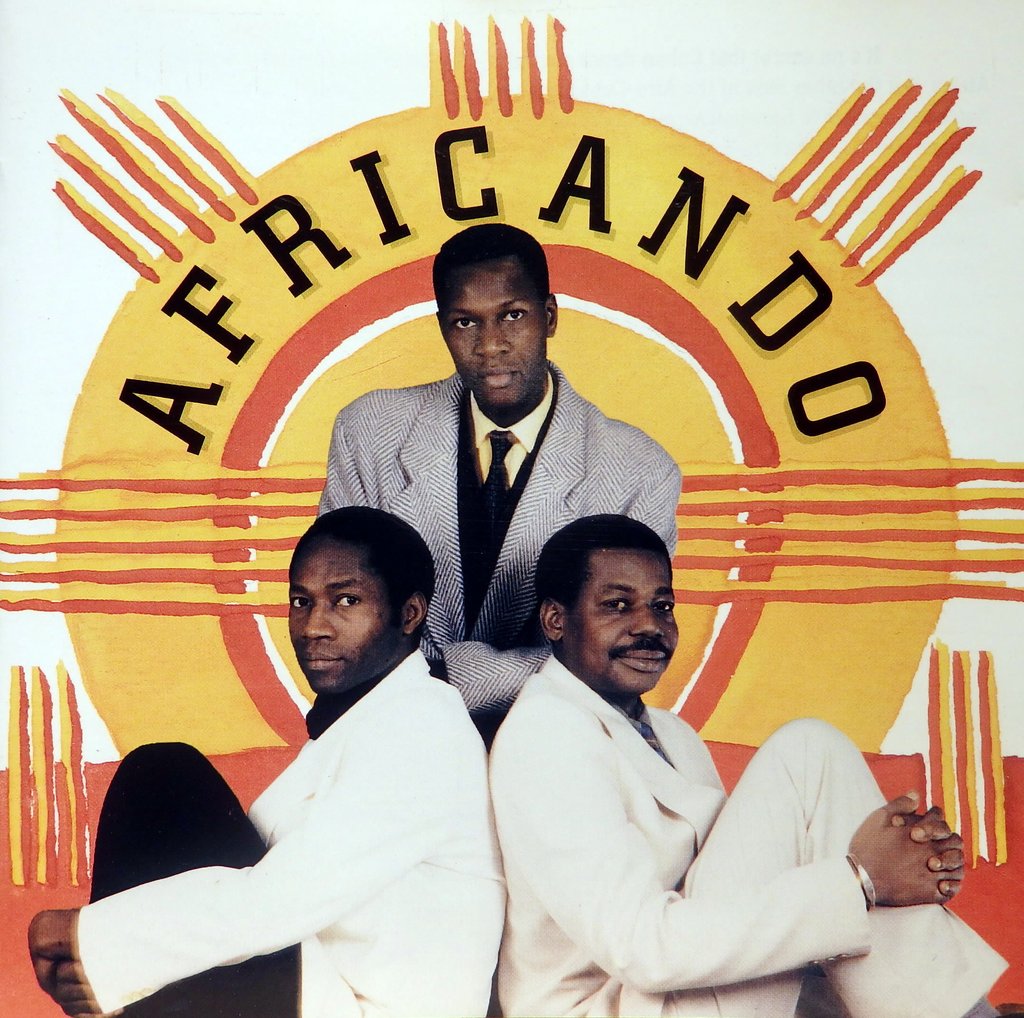
| Trovador | 1993 | First album; the Cuba-Senegal bridge; title Médoune Khoule |
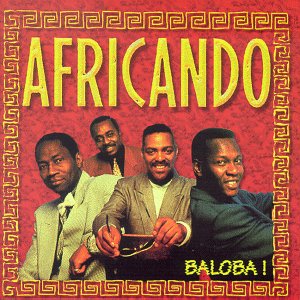
| Baloba! | 1998 | 10,000 copies in France; bold covers by Khaled and Piaf |
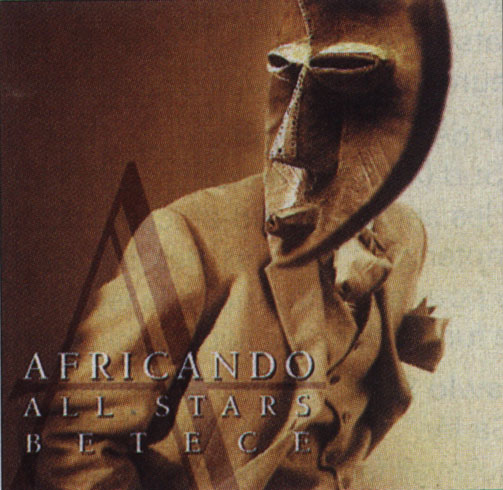
| Mandali (Betece) | 2000 | The Africando All Stars; a summit of pan-African guests |
| Martina | 2003 | Tribute to women; return of the name Africando alone |
| Kékutuba | 2006 | Dedicated to Gnonnas Pedro; jazz-salsa descargas; new Senegalese voices |
Legacy and influence
Africando opened a path that few other projects followed: an honest dialogue between two shores of the Atlantic, without folklore or exoticism. Africando’s first album was the first record by African musicians to penetrate American charts, a rare feat for the time. Founding members Médoune Diallo and Gnonnas Pedro passed away without taking the group’s secret with them; Pascal Dieng, Bass Sarr, James Gadiaga, and René Cabral helped grow the Dakar salsa scene of the 2000s. The last album, Viva Africando (2013), released a month before the death of Ibrahima Sylla, bears the mark of a projector who nearly extinguished the project’s ambitions. But music remains: it still travels between Harlem and Dakar, between congas and djembés, between Wolof and Spanish.
Sources and references
- “Africando”, Wikipedia (English version), https://en.wikipedia.org/wiki/Africando, accessed October 22, 2024.
- “Africando”, RFI Musique, https://www.rfi.fr/fr/musique/20210216-africando, accessed October 22, 2024.
- “Africando — Dakar, Senegal”, Latin World, https://latinworld.nl/latin/artiesten/africando-dakar-senegal-563, accessed October 22, 2024.
- “Frank Bessem’s Musiques d’Afrique — Africando”, Musiques d’Afrique, https://www.musiques-afrique.net/senegal/art_africando.html, accessed October 22, 2024.
- « Ibrahima Sylla », Wikipedia (French version), https://fr.wikipedia.org/wiki/Ibrahima_Sylla, accessed 22 October 2024.
- « Ibrahima Sylla obituary », The Guardian, https://www.theguardian.com/music/2014/jan/30/ibrahima-sylla, accessed 22 October 2024.
- « Orchestra Baobab and Africando, Bringing Afropop Full Circle », The Washington Post, https://www.washingtonpost.com/archive/lifestyle/2002/02/06/orchestra-baobab-and-africando-bringing-afropop-full-circle/c09d3dc4-18ac-4450-8635-8d79b68afb54/, accessed 22 October 2024.
- « Le Label », Syllart Records, https://syllart.com/, accessed 22 October 2024.