Biography
Alain Jean-Marie: bebop and biguine, an Antillean soul
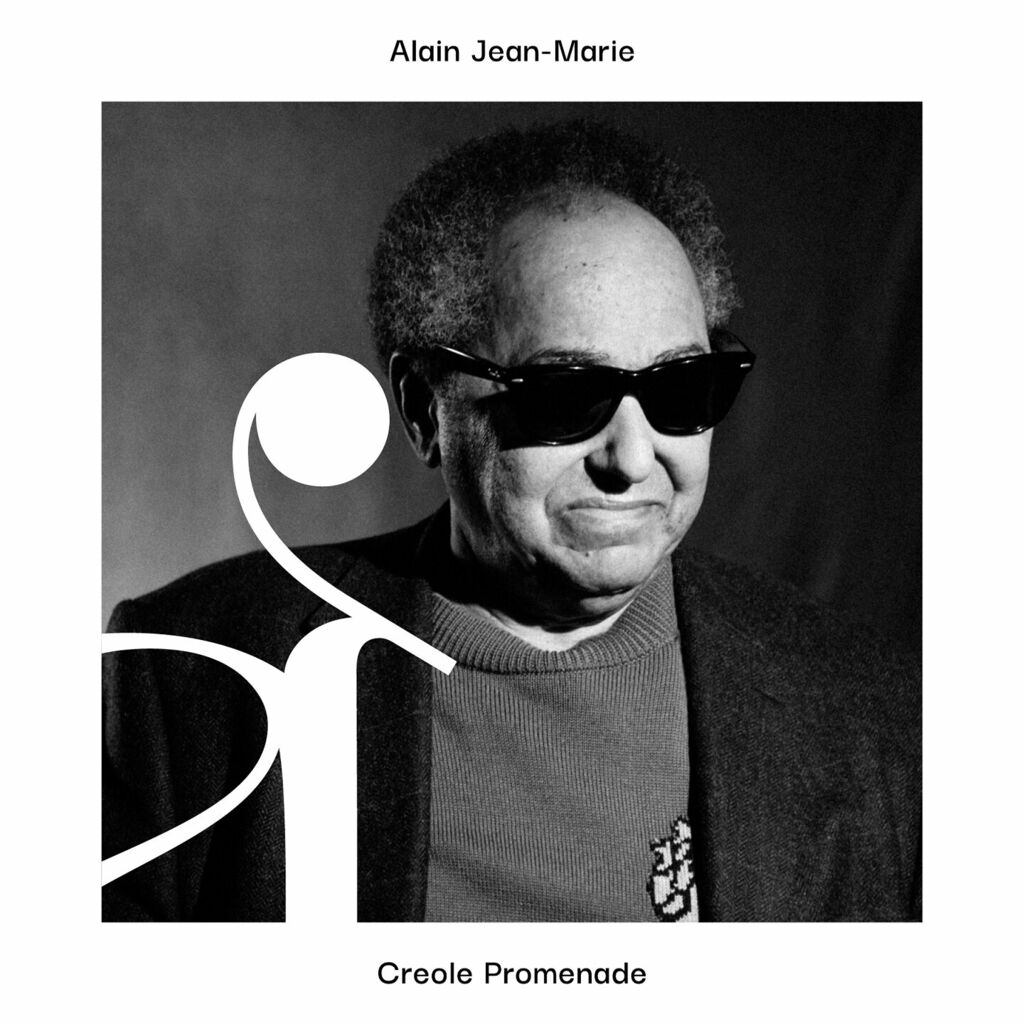
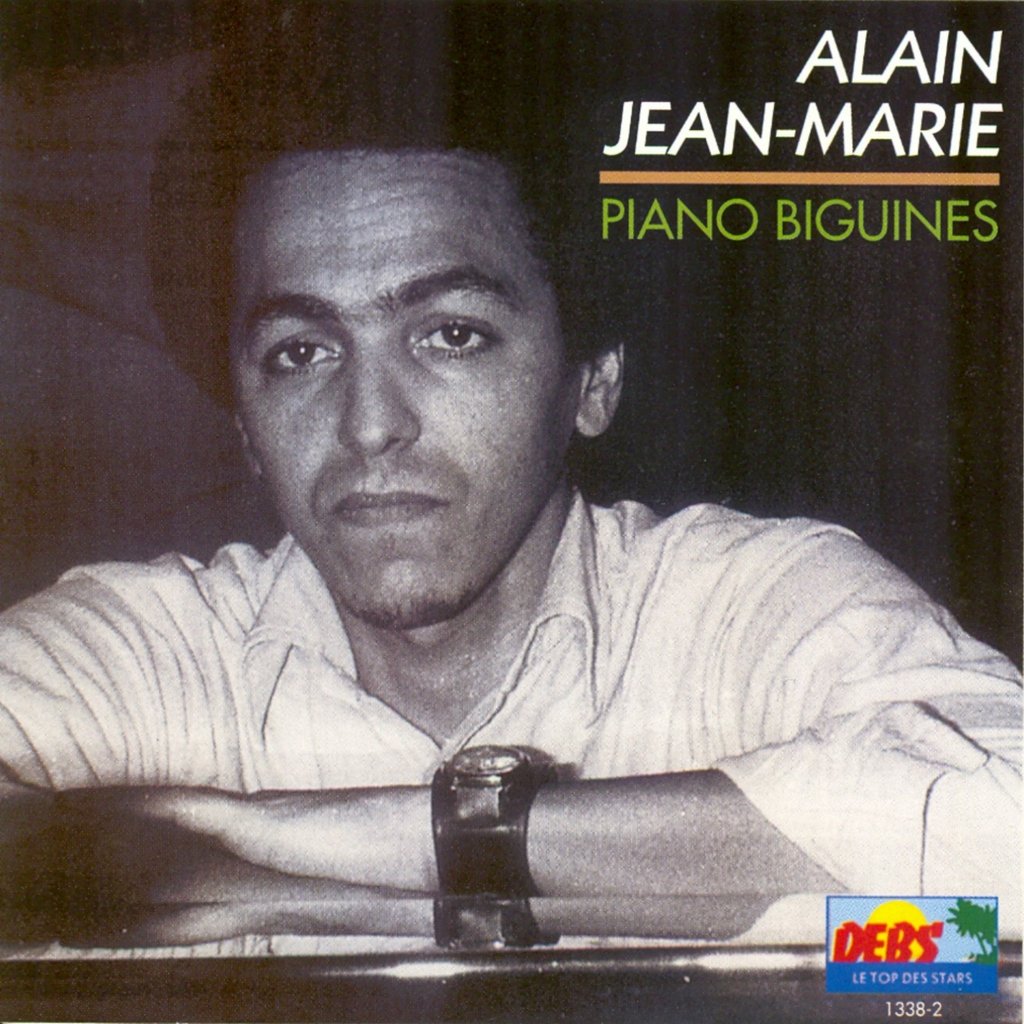
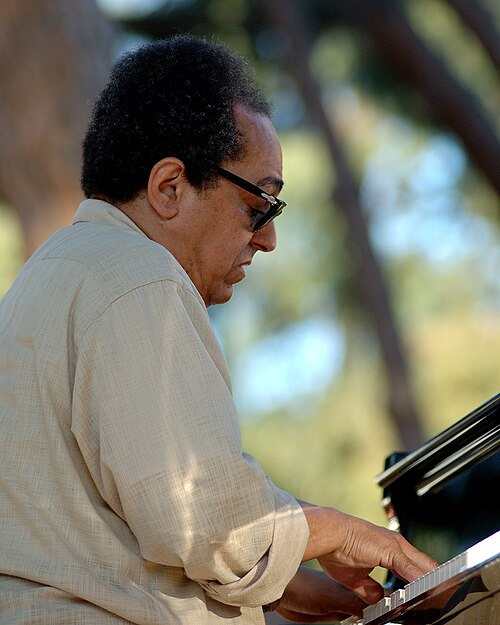
In April 2024, at the age of 78, Alain Jean-Marie set foot in Havana for the first time. “Cuba has been so present in my imagination, it’s the realization of a dream,” he confides in the documentary Alain Jean-Marie, impressions cubaines. This Guadeloupean pianist, discreet yet indispensable, spent his life building bridges between the bebop discovered on the radio and the Caribbean rhythms of his childhood.
In brief
| Full name | Alain Judes Jean-Marie |
| Birth | October 29, 1945, Pointe-à-Pitre, Guadeloupe |
| Field | Jazz, biguine |
| Instrument | Piano |
| Signature works | Biguine Reflections, Afterblue, Gwadarama |
| Awards | Django-Reinhardt Prize (1979), Boris Vian Prize (1999), Django d’Or (2000), Honorary Victoire (2021), Knight of the National Order of Merit (2012) |
Key dates
| Year | Event |
|---|---|
| 1945 | Birth in Pointe-à-Pitre, to a Martinican father and a Guadeloupean mother |
| 1967-1970 | Relocation to Montreal for the “Terre des Hommes” exhibition, meeting American musicians |
| 1973 | Relocation to Paris |
| 1979 | Django-Reinhardt Prize |
| 1992 | Release of Biguine Reflections, biguine-jazz fusion |
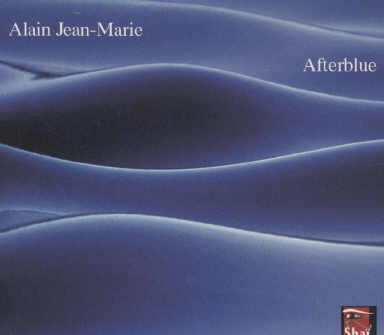
| 1999 | Afterblue, Boris Vian Prize |
| 2000 | Django d’Or for best French jazz musician |
| 2021 | Honorary Victoire at the Victoires du Jazz, awarded by Archie Shepp |
Self-taught and accompanist of legends, then creator of jazz biguine
Alain Judes Jean-Marie was born on October 29, 1945, in Pointe-à-Pitre. At eight years old, he took a few piano lessons from a neighbor, then claimed to be self-taught—but the radio offered him an exceptional school: bebop. Miles Davis, John Coltrane, Charlie Parker, Bud Powell absorbed him. From the age of twelve, he crossed paths with Robert Mavounzy and Édouard Mariépin. With the money from dances, he rushed to Henri Debs’ record store to find Benny Goodman and Cuban sessions. His adolescence was split between biguine—a dancing Antillean rhythm, heir to European court dances mixed with African rhythms—and the complex harmonies of bebop. He played in Guadeloupe dances all night long, learning endurance.
In 1967, he settled in Montreal for the “Terre des Hommes” exhibition, met many American musicians there, and his orientation turned resolutely toward jazz. With Winston Berkley and Jean-Claude Montredon, he formed the fusion group Liquid Rock: “It was the result of hippie culture; we decided to live it, but in an Antillean way.” He returned to the Antilles in 1969 and recorded his first tracks.
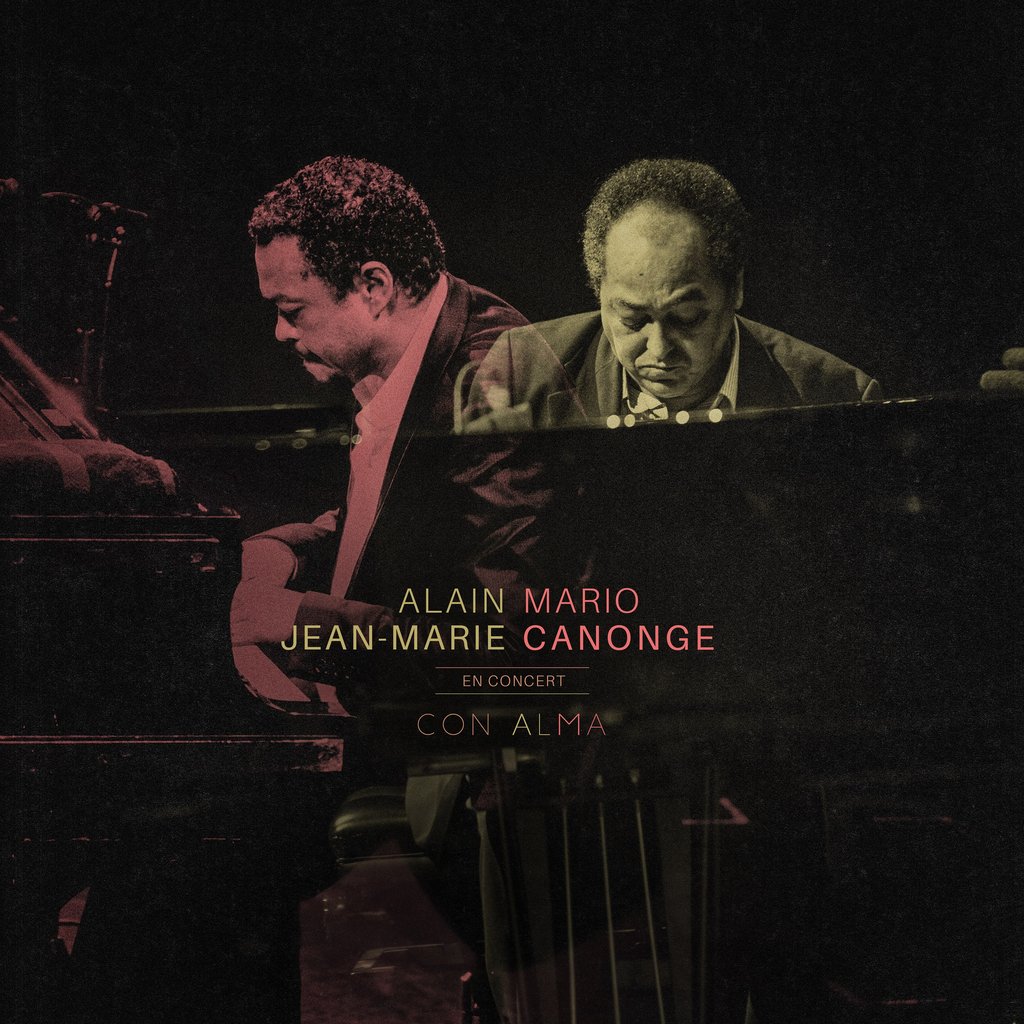
In 1973, he arrived in Paris. After the closure of La Cigale in 1975, he went from club to club—the Opportun, the Duc des Lombards, the Sunset/Sunside—and became the preferred accompanist for American jazzmen passing through the capital. Chet Baker was his first: “That great trumpeter had so much gentleness, an incredible sense of melody. A force, a sobriety, elegance in his music. I had the pride of being among his preferred accompanists.” He also rubbed shoulders with Art Farmer, Sonny Stitt, Max Roach, Abbey Lincoln, Archie Shepp, and many others. In 1979, the Django-Reinhardt Prize recognized his talent as an accompanist. In 1986, he became the musical director of Lady Day, a tribute show to Billie Holiday with Dee Dee Bridgewater.
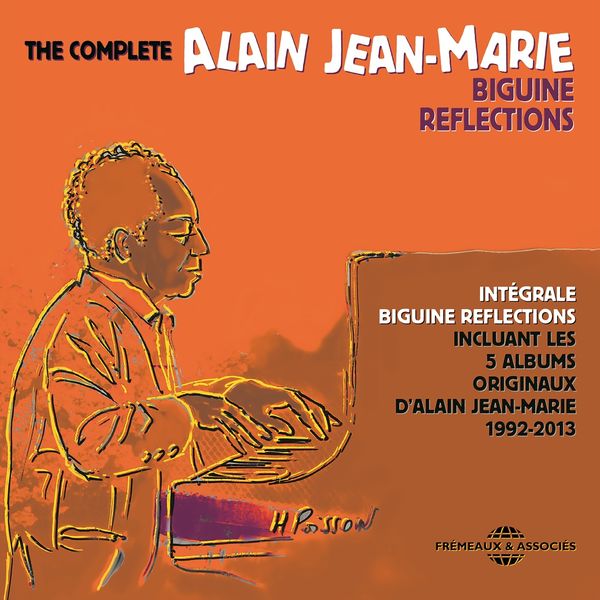
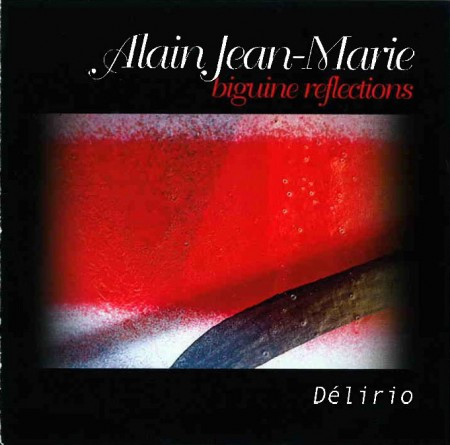
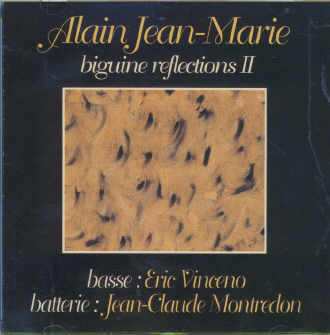
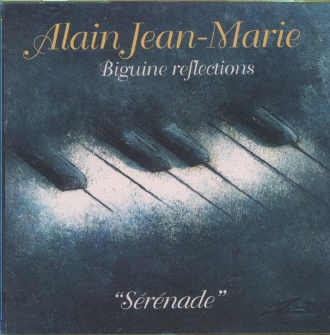
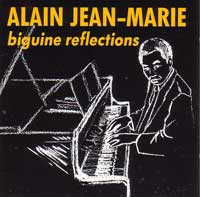
After decades of accompaniment, he returned to his roots. In 1992, young Guadeloupeans urged him to release a biguine album. Biguine Reflections was born, and the style, almost forgotten since the advent of zouk, came back to life. “Robert Mavounzy and Al Lirvat were great biguine musicians, but also great jazzmen. There are natural links between us,” he noted. The series continued with Biguine Reflections II (1996), Sérénades (1998), Délirio (2000), Chofé Biguine La (2001, grand orchestra), Tropical Blues (2013). Afterblue (1999) earned him the Boris Vian Prize; That’s What (2004) revisited standards; Gwadarama (2009) dove into gwoka and zouk; Tropical Jazz Trio (2019) was hailed “Coup de cœur Jazz et Blues” by the Académie Charles-Cros. In 2021, Archie Shepp himself awarded him an Honorary Victoire. “I seek purity,” he said again.
Major works
| Work | Year | Why it’s essential |
|---|---|---|
| Biguine Reflections | 1992 | The founding meeting between bebop and biguine |
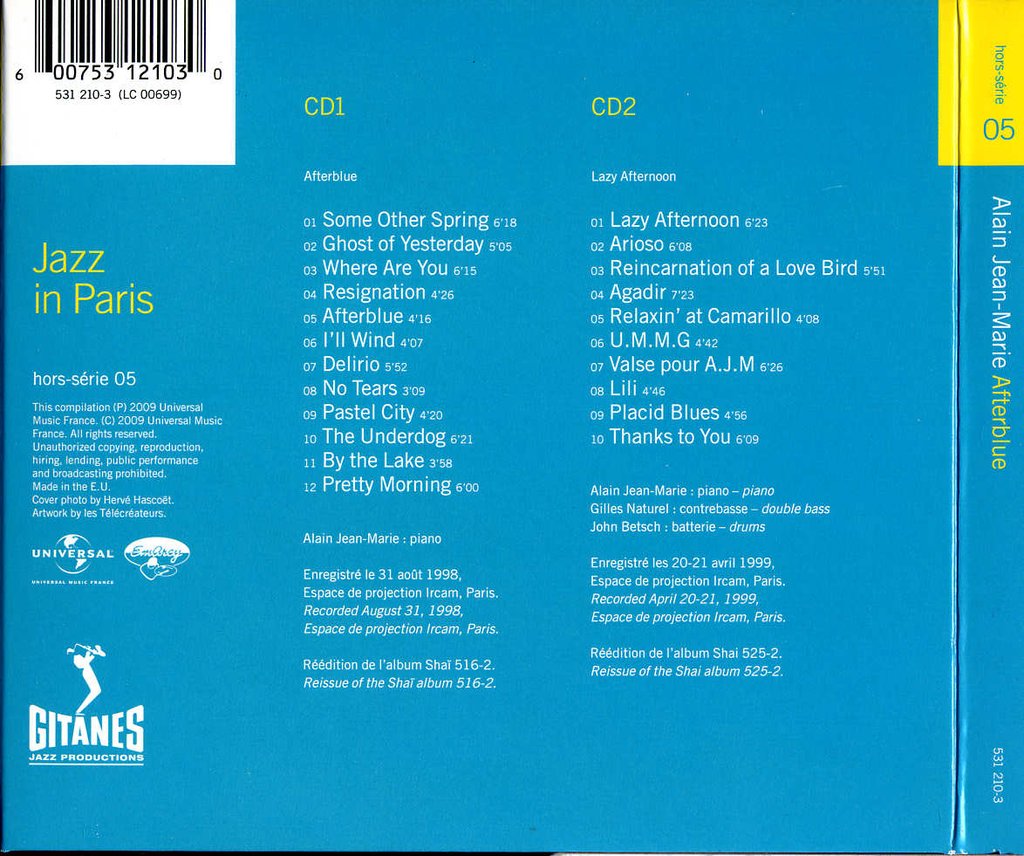
| Afterblue | 1999 | Solo piano awarded the Boris Vian Prize |
| Gwadarama | 2009 | Gwoka and zouk revisited with a jazz sensibility |
| Tropical Jazz Trio | 2019 | Dialogue between piano, double bass and percussion, Ellington and the Caribbean |
Legacy
Alain Jean-Marie spent his life breaking down barriers in jazz. He made biguine a respectable jazz language, not merely picturesque folklore, allowing generations of Caribbean musicians to be fully jazzmen without uprooting themselves. Discretion, demand, and Antillean grounding: a legacy that continues to resonate in 2024.
Sources and references
-
“Alain Jean-Marie”, Wikipedia, https://fr.wikipedia.org/wiki/Alain_Jean-Marie, accessed October 19, 2025.
-
“Alain Jean-Marie”, Wikipedia (EN), https://en.wikipedia.org/wiki/Alain_Jean-Marie, accessed October 19, 2025.
-
“Alain Jean-Marie, impressions cubaines: the famous jazz pianist tells his story in a beautiful documentary filmed in Havana”, franceinfo, https://www.franceinfo.fr/culture/cinema/documentaires/alain-jean-marie-impressions-cubaines-le-celebre-pianiste-de-jazz-se-raconte-dans-un-beau-documentaire-realise-a-la-havane-a-re-voir-sur-france-tv_6609618.html, accessed October 19, 2025.
-
“Guadeloupean pianist Alain Jean-Marie honored at the 2021 Victoires du Jazz”, Outre-mer La 1ère France Info, https://la1ere.franceinfo.fr/guadeloupe/le-pianiste-guadeloupeen-alain-jean-marie-honore-aux-victoires-du-jazz-2021-1123294.html, accessed 19 October 2025.
-
“Alain Jean-Marie”, SACEM — Musée SACEM, https://musee.sacem.fr/index.php/Detail/entities/26381, accessed 19 October 2025.
-
“Alain Jean-Marie”, Caratini Jazz Ensemble, https://www.caratini.com/biographie/jazz_ensemble/page4/page22/index.html, accessed 19 October 2025.
-
“Alain Jean-Marie”, Losons Jazz Club, https://losonsjazzclub.fr/wp-content/uploads/2021/07/bioAlainJeanMarie.txt, accessed 19 October 2025.
-
“Alain Jean-Marie”, AllMusic, https://allmusic.com/artist/jean-marie-mn0000622645, accessed 19 October 2025.
-
Xavier Daverat, “Alain Jean-Marie”, in Philippe Carles, André Clergeat, Jean-Louis Comolli (dir.), Dictionnaire du jazz, Paris, Robert Laffont, coll. “Bouquins”, 1994, p. 612-613.
-
“Musician: Alain Jean-Marie”, Afro Caribbean Beats, https://afrocaribbeanbeats.com/en/musicien/alainjeanmarie, accessed 19 October 2025.