Biography
Anselmo Ralph
In 2006, thousands of young Angolans flocked to the Miami Beach in Luanda for an unforgettable concert: Anselmo Ralph sang rhythm and blues with gospel backing vocals and a Latin guitar. That night, the venue was packed — seven thousand spectators, a record for the Karl-Marx hall the following weekend. He forever changed the musical landscape of his country.
In brief
| Full name | Anselmo Ralf Andrade Cordeiro (the French Wikipedia indicates another name: Anselmo Cordeiro da Mata Maquico) |
| Birth | March 12, 1981, Luanda (Angola) |
| Genre(s) | R’n’B, kizomba, ghetto-zouk, Latin pop |
| Instruments | Vocals |
| Active period | 1995–present |
| Signature works | Histórias de Amor, “Não Me Toca” (2012), “Única Mulher” |
| Awards | MTV EMA Best African Artist (2006), MTV AMA Best Lusophone (2014) |
Key dates
| Year | Event |
|---|---|
| 1981 | Birth in Luanda, Angola |
| 1995 | Creation of the hip hop group NGB (Nova Geração Bantu) in Luanda |
| 2000 | Move to New York, unsuccessful attempts in the Latin and English scenes |
| 2006 | Release of Histórias de Amor; number one in Angola and Portugal; MTV EMA Best African Artist |
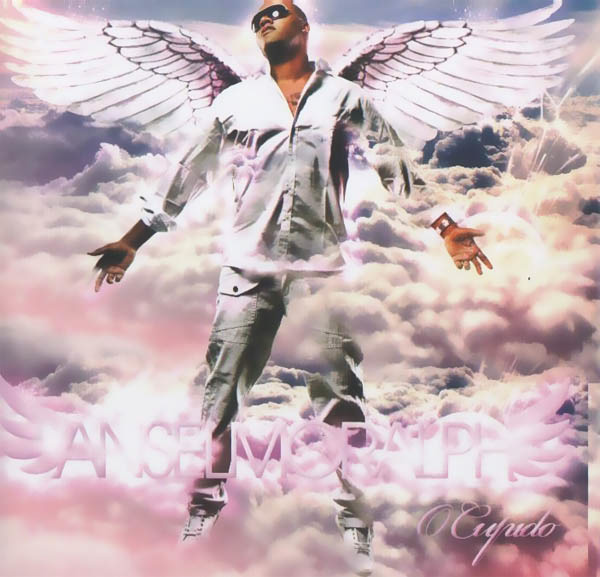
| 2009 | Release of O Cupido; concert at the Cidadela with more than 40,000 spectators |
| 2011 | Launch of “A Dor do Cupido”; four-times platinum certification in Portugal |
| 2013 | Release of A Dor do Cupido; number 2 on the Portuguese album chart |
| 2014 | Wins at the Angola Music Awards; MTV Africa AMA Best Lusophone victory |
| 2014–2018 | Coach on The Voice Portugal (RTP 1); return in 2022 with The Voice Generations |
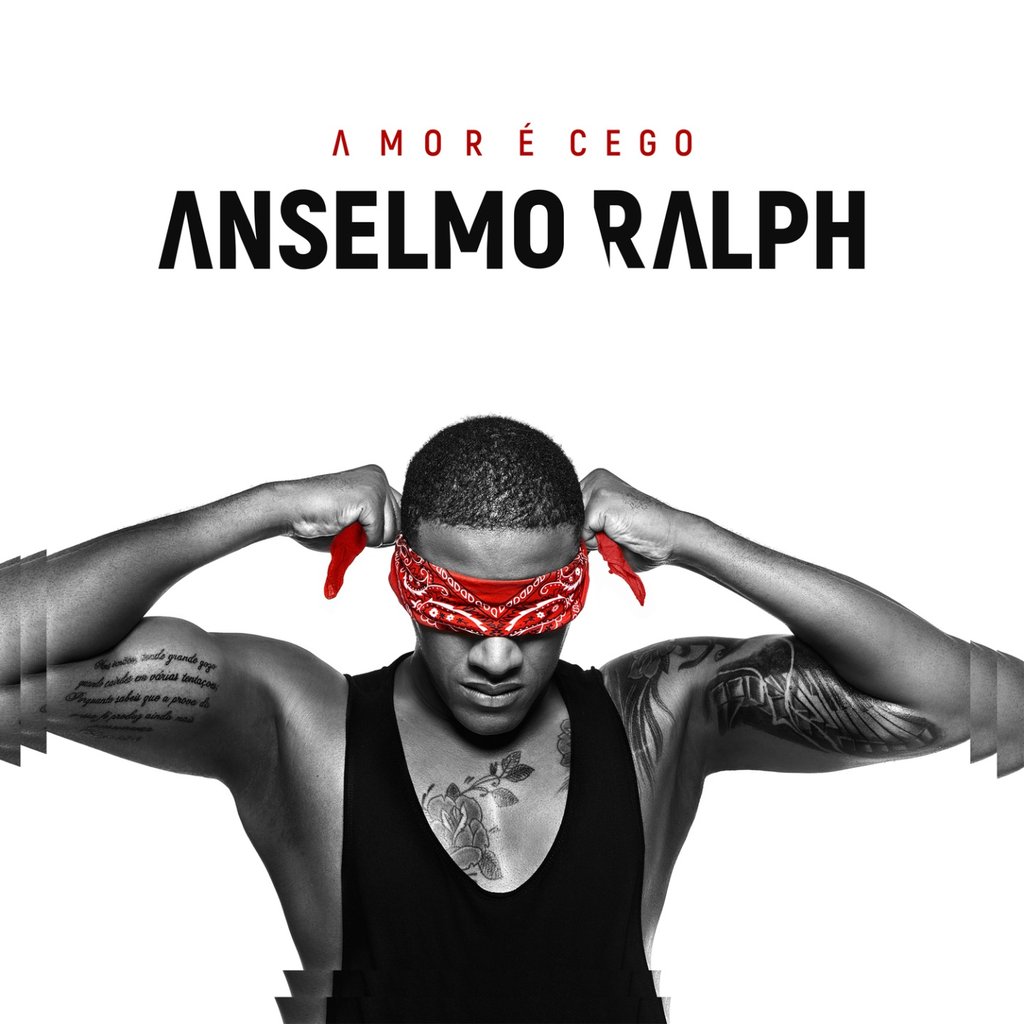
| 2016 | Signing with Sony Music; release of Amor É Cego |
| 2025 | Release of the single “Amar Outra Vez”; acoustic concert in Lisbon |
Origins and ascent
Anselmo Ralph Andrade Cordeiro was born on March 12, 1981, in Luanda, still under the Angolan civil war. Since his father was a diplomatic official, the family moved to Madrid in 1991. As an adolescent in the Spanish capital, he discovered Juan Luis Guerra — the Dominican singer who blends merengue, bachata, and Caribbean poetry — and felt for the first time the link between African and Latin American music. This intuition would become his trademark.
Returning to Luanda in 1995, Anselmo formed the hip hop group NGB (Nova Geração Bantu). The collective recorded the album Tá-se Bem on the EP Studios label (EP for Eduardo Paím, a pioneering producer). But financial problems prevented distribution: the album would not appear until 1999, by which time the group had disbanded. This setback marked Anselmo: he understood that for Angolan music to exist beyond its borders, it required international ambition.
In 2000, he tried his luck in New York and joined the Hispanic Latin scene by singing in a rock band. He recorded demos in English, won over a few university associations and the choir of the International Church of Christ, but disagreements with record labels eventually exhausted him. Disappointed, he returned to Luanda in 2003 to produce his first album on his own.
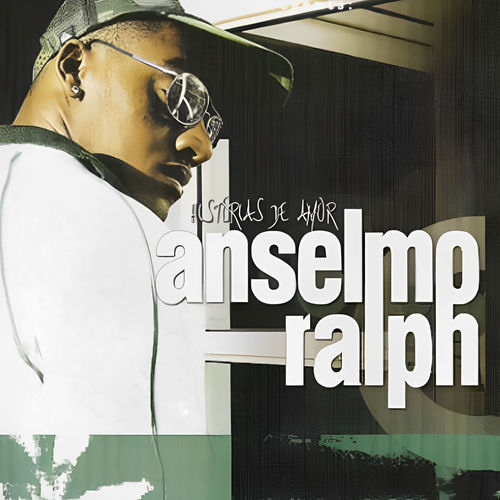
This first album, Histórias de Amor, was released in 2006 and produced by Aires Francisco alias Aires no Beat. The record marries American R’n’B, gospel backing vocals, and raw African sensuality. It reached number one on the charts in Angola and Portugal. Anselmo went on a concert tour: at the Miami Beach, then at the Karl-Marx in front of seven thousand spectators. He received two nominations for the Channel O Music Video Awards (Best R&B, Best Director) and won the 2006 MTV Europe Music Awards in Copenhagen, in the Best African Artist category.
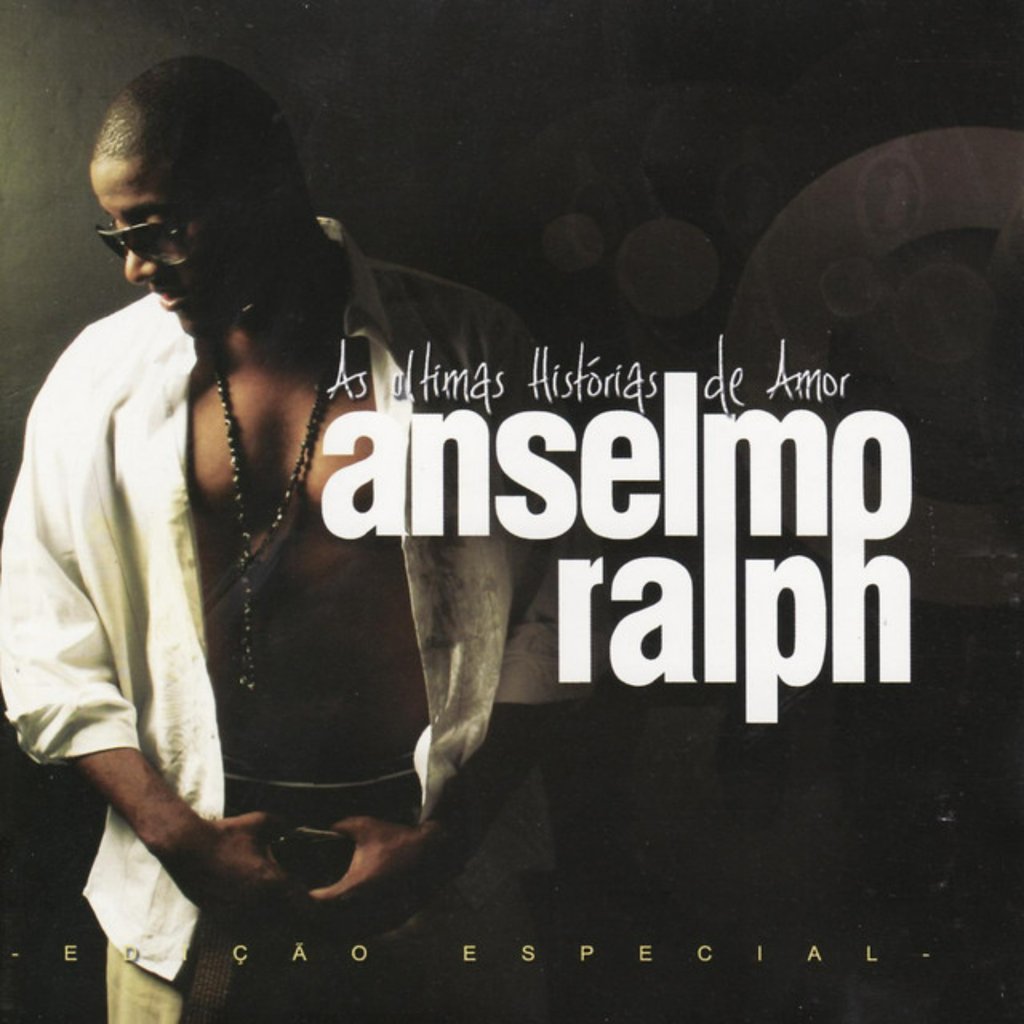
In February 2007, the second album As Ultimas Histórias de Amor was released with the hit “Um Dois”. He won Best Male Voice at the 2007 Rádio Luanda Awards. His signing with LS Produções opened the doors to South African studios. In February 2009, he launched O Cupido, a double CD/DVD recorded between the Bom Som studios in Angola and Jazzworx in South Africa. The concert at the Cidadela attracted more than 40,000 spectators over two days.
The 2011–2013 period confirmed him: “A Dor do Cupido” received four platinum certifications in Portugal; the full album A Dor do Cupido (2013) reached second place on the Portuguese album chart and produced the hits “Não Me Toca” (number 2 single in Portugal), “Animal”, and “Está Dificil”. In collaboration with Swiss producers Nellson Klasszik and Dji Tafinha, he broadened his palette. The year 2014 brought him the Angola Music Awards (album, artist of the year), followed by the MTV Africa AMA Best Lusophone victory — the first Angolan artist to receive this distinction.
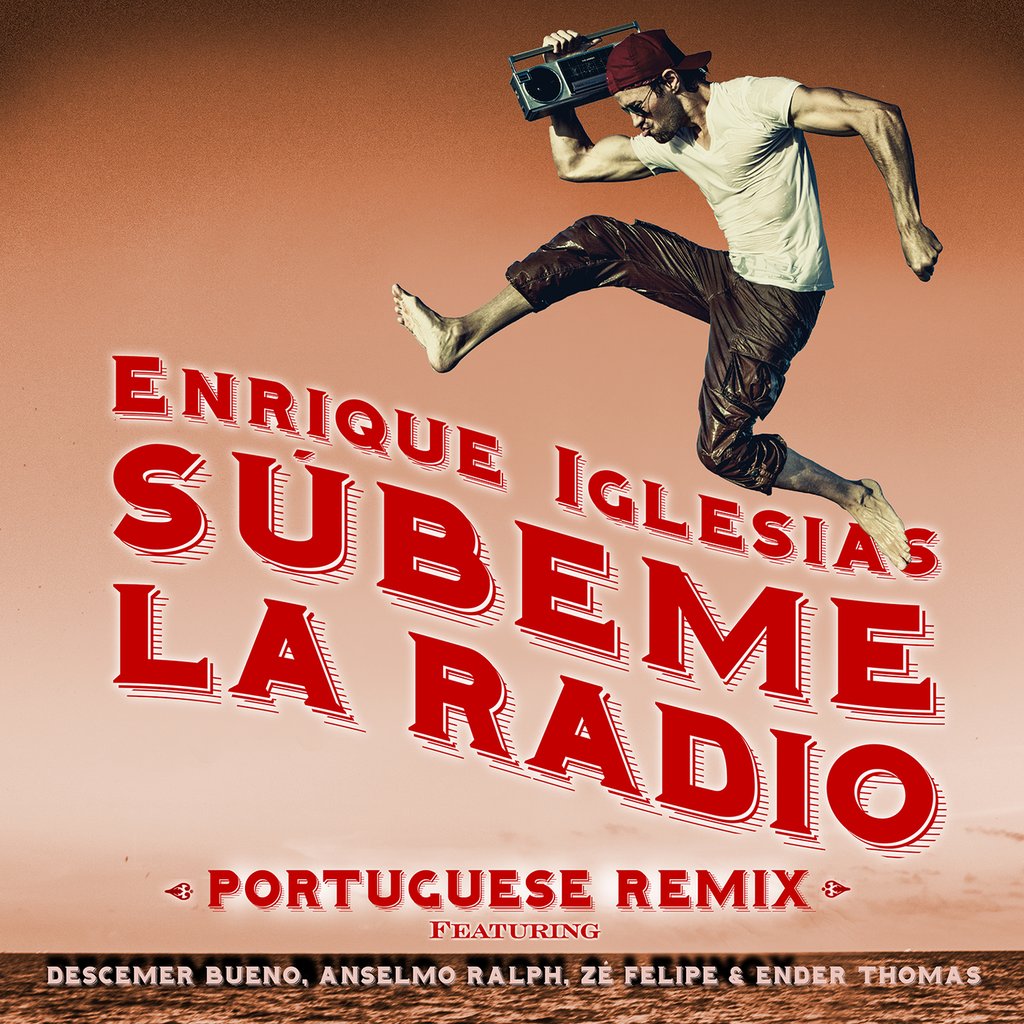
From 2014 to 2018, Anselmo Ralph was a coach on The Voice Portugal (RTP 1), then returned in 2022 with the Generations version. He signed with Sony Music for three Spanish albums (Amor É Cego, 2016) and multiplied international collaborations (David Carreira, Enrique Iglesias, Mi Casa for Coke Studio Africa). In 2025, he released the single “Amar Outra Vez” and performed at the Estádio do Restelo in Lisbon.
Major works
| Work | Year | Why it’s essential |
|---|---|---|
| Histórias de Amor | 2006 | First R’n’B album to explode sales in Angola; the founding act of the genre |
| O Cupido | 2009 | Reference double CD/DVD; concert at the Cidadela with more than 40,000 spectators |
| A Dor do Cupido | 2013 | Number 2 in Portugal; four-times platinum and several major hits |
| Amor É Cego | 2016 | First Spanish album under Sony Music; opening onto international markets |
Heritage and influence
Anselmo Ralph played a pioneering role in spreading rhythm and bout beyond Angolan borders. By blending American R’n’B, Latin melodies, and authentic African sensuality, he demonstrated that Angolan music could conquer Portuguese and Lusophone charts. The ghetto-zouk he helped popularize — this mix of kizomba and zoup’a that dominated clubs from Cape Town to Lisbon — is largely his work.
Several Angolan artists of his generation cite Histórias de Amor as a source of inspiration. He remains one of the few Lusophone African singers to have been coached on The Voice Portugal, and his success continues to open doors for young Angolan musicians in the European industry.
Sources and references
- « Anselmo Ralph », Wikipedia (English), https://en.wikipedia.org/wiki/Anselmo_Ralph, accessed November 6, 2025.
- « Anselmo Ralph — Biography », AllMusic, https://www.allmusic.com/artist/anselmo-ralph-mn0003037678, accessed November 6, 2025.
- « Anselmo Ralph — Biography & Discography », Coda Music, https://codamusic.me/artists/anselmo-ralph/, accessed November 6, 2025.
- « Anselmo Ralph », Wikipedia (French), https://fr.wikipedia.org/wiki/Anselmo_Ralph, accessed November 6, 2025.
- « Anselmo Ralph », Kiddle Encyclopedia, https://kids.kiddle.co/Anselmo_Ralph, accessed November 6, 2025.
- « Anselmo Ralph », Music In Africa, https://musicinafrica.net/directory/anselmo-ralph/, accessed November 6, 2025.