Biography
Bana OK: The Heir to TP OK Jazz
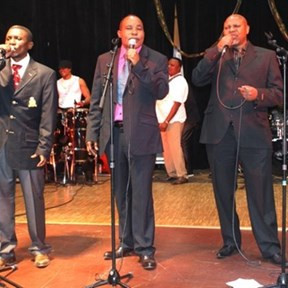
On February 1st, 1994, a hundred musicians gathered in Kinshasa to officially mark the birth of a new orchestra. The vacancy left by Franco Luambo’s death on October 8, 1989, was not merely that of a singer: it was that of an entire musical empire. The chosen name—Bana OK—immediately bore the legacy of a legendary group and the promise of a difficult succession. Under the direction of Lutumba Simaro, known as “the Poet,” “Bana” means “children” in Lingala: the children of OK carry their father’s name while asserting their autonomy.
In Brief
| Group Name | Bana OK |
| Origin | Kinshasa, Zaire (now the Democratic Republic of Congo) |
| Formation Date | January 4, 1994 (Brussels) / officially February 1st, 1994 in Kinshasa |
| Genre | Congolese Rumba, Soukous |
| Founding Members | Lutumba Simaro (guitar, vocals), Rondot Kassongo (saxophone), Josky Kiambukuta (vocals), Ndombe Opetum (vocals) |
| Activities | ~1994–2004 |
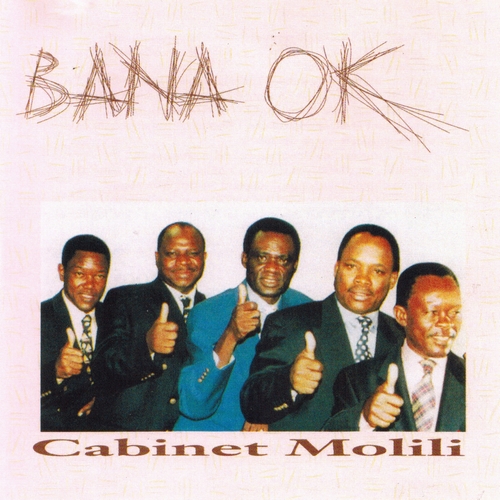
| Emblematic Works | Les Quatre Opérations, Trahison, Cabinet Molili |
| Distinctions | Transmission of the repertoire and style of TP OK Jazz |
Key Dates
| Year | Event |
|---|---|
| 1993 | Breakup of TP OK Jazz; disputes with Franco’s family |
| 1994 (Jan 4) | Creation of Bana OK in Brussels under Lutumba Simaro’s direction |
| 1994 (Feb 1) | Official founding in Kinshasa with ~30 former TP OK Jazz members |
| 1994 | Release of Cabinet Molili (Sonodisc) |
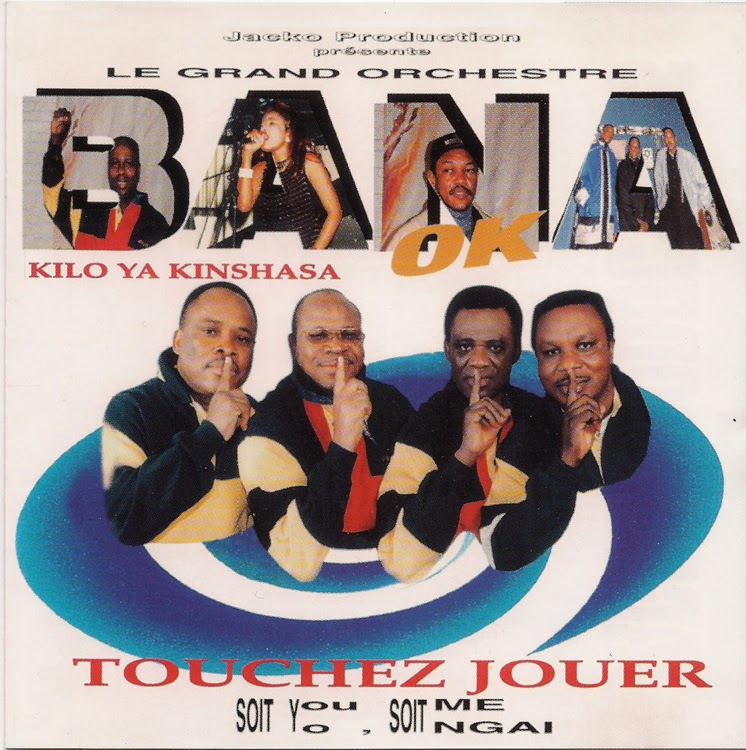
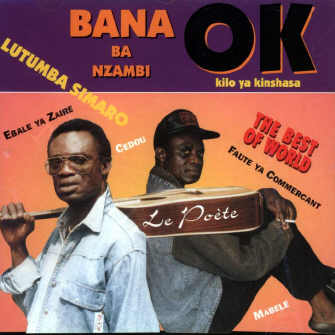
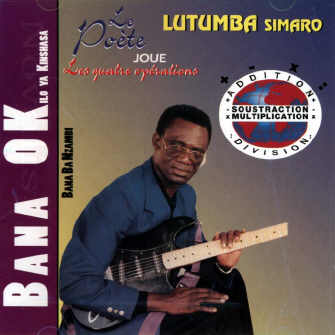
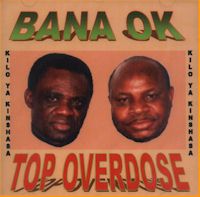
| 1995 | Les Quatre Opérations and Kilo ya Kinshasa — foundational albums |
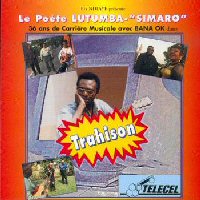
| 1997 | Trahison, a landmark album in the repertoire |
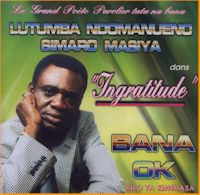
| 1999 | Dernier avertissement (Josky) and Ingratitude (Simaro) — turning point |
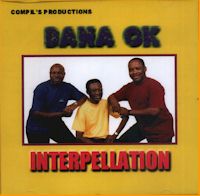
| 2001 | Interpellation (maxi-single) |
| 2002 | Death of guitarist Jerry Dialungana |
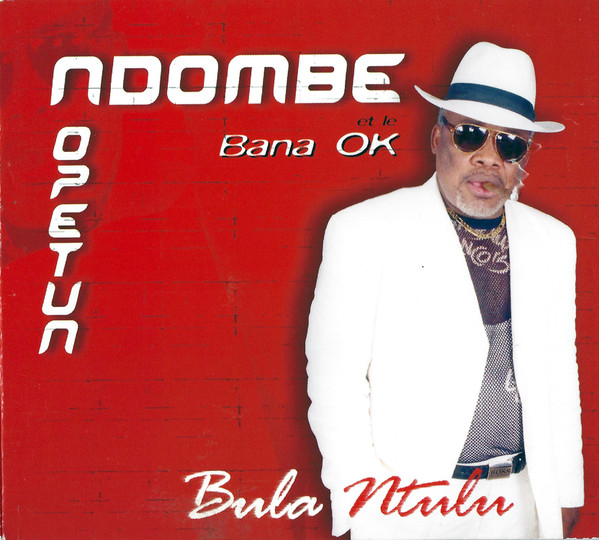
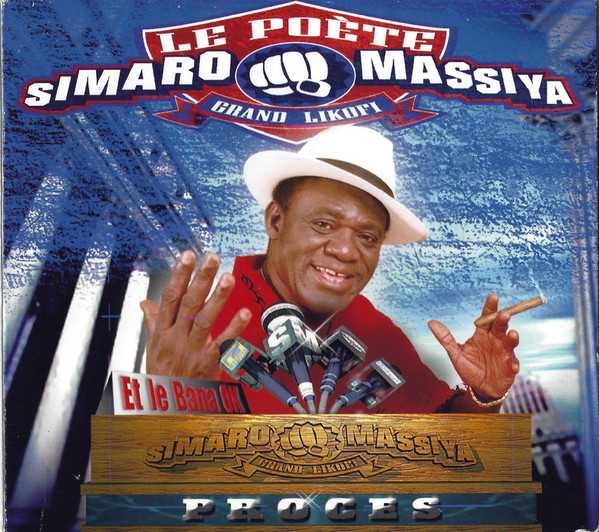
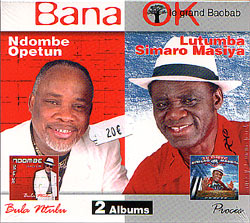
| 2004 | Procès (Simaro) and Bula Ntulu (Ndombe Opetum) — last notable albums |
| 2019 | Death of Lutumba Simaro in Paris (March 30) |
| 2021 | Death of Josky Kiambukuta in Kinshasa (March 7) |
The Weight of an Inheritance
Franco Luambo was the Grand Master of Zairian music. When he died in October 1989, TP OK Jazz, the orchestra he founded in 1956, lost its architect, main composer, and financial pillar. Lutumba Simaro, guitarist and vice-president, temporarily assumed leadership: he had until then managed the Kinshasa branch and administrative aspects. But very quickly, the group’s survival faced a family storm.
Franco’s heirs demanded an income split of 60% for the family and 40% for the musicians—a proposal the latter refused. Conflicts also arose over concert organization without family approval and supervision of the group’s instruments. Lutumba resigned at the end of 1993. The majority of musicians followed him and founded Bana OK.
The name is an act of fidelity: the children of OK carry their father’s name while asserting their autonomy. “Bana” means “children” in Lingala, the local language. Bana OK is not a copy—it is the attempt, sometimes desperate, of a great musical family to survive its founder.
Between Parisian Split and Survival in Kinshasa
The 1990s were years of intense activity for Bana OK, but also of fractures. In 1995, Simaro recorded Les Quatre Opérations, an album that established itself as an artistic manifesto: the texts were more engaged, more lyrical, hence its nickname “author.” Malage de Lugendo and Dizzy Mandjeku left the group to form OK International, a schism that musician Ntesa Dalienst deplored. Ntesa himself passed away in 1996.
Bana OK would also divide geographically. From the end of the 1990s, the group existed under two wings: in Kinshasa, Simaro maintained a local formation; in Paris, Josky Kiambukuta, Ndombe Opetum, Makoso, Elba Kuluma, and Shakembo attempted to regularize financial issues with Solfège Music, the producer of their last albums. This Parisian fracture would durably weaken the structure.
Nevertheless, Bana OK produced more than ten albums between 1994 and 2004, a remarkable continuity for the Congolese music scene, where lineup changes and financial disagreements generally cause formations to disappear within a few years.
The Soukous of the Second Generation
Soukous—this Congolese music born from the fusion between Caribbean rumba and American rhythm & blues, characterized by interwoven guitars and danceable rhythms—is the sonic foundation of Bana OK. The style of TP OK Jazz was based on sebene, this instrumental section where guitars respond in loops of virtuosity, developed by Mose Fan Fan in the 1960s. Bana OK perpetuates this language while infusing it with a new urgency: political texts, calls for social justice, denunciation of ingratitude—themes that make Lutumba Simaro a poet in the true sense of the term.
The group’s voices—Josky Kiambukuta, whose range extends from tenor to baritone, and Ndombe Opetum, with his deep timbre—ensure the vocal continuity of TP OK Jazz. Simaro’s compositions, often collaborative, preserve the rhythmic and harmonic structure of Congolese rumba while integrating the concerns of a post-Franco generation.
Major Works
| Work | Year | Why It’s Essential |
|---|---|---|
| Les Quatre Opérations | 1995 | Simaro’s first major album with Bana OK; socially engaged lyrics and poetic language |
| Trahison | 1997 | Condemnation of family breakups, a staple in the repertoire |
| Cabinet Molili | 1994 | First album after the split, faithful to the TP OK Jazz style |
| Dernier avertissement | 1999 | Album by Josky Kiambukuta; vocals and compositions from the main vocal heir |
| Ingratitude | 1999 | Simaro denounces musical debts and the quest for royalties |
Legacy
Bana OK was not merely a successor: it was an attempt to resist the dissolution of a musical empire. The group’s two decades of life allowed the TP OK Jazz repertoire to survive the passing of its three pillars—Franco, Lutumba Simaro, and Josky Kiambukuta—all of whom died between 2019 and 2021. More recent formations, such as those by Young Mokto or the contemporary soukous scene of the 2010s, still draw from the harmonic and rhythmic vocabulary forged by Bana OK. The group’s continuity, despite splits, disputes over royalties, and successive deaths, remains a rare example in the history of Congolese music.
Sources and References
- “TPOK Jazz”, Wikipedia (English), https://en.wikipedia.org/wiki/TPOK_Jazz, accessed November 10, 2026.
- “TP OK Jazz”, Wikipedia (French), https://fr.wikipedia.org/wiki/TP_OK_Jazz, accessed November 10, 2026.
- “Josky Kiambukuta”, Wikipedia (English), https://en.wikipedia.org/wiki/Josky_Kiambukuta, accessed November 10, 2026.
- “D.R. Congo: Bana OK”, Musiques d’Afrique (Frank Bessem), https://www.musiques-afrique.net/rdc/art-bana-ok.html, accessed November 10, 2026.
- “Bana OK”, Discogs, https://www.discogs.com/artist/2225841-Bana-OK, accessed November 10, 2026.
- “Lutumba Simaro: Legend of Congolese Music”, ADIAC Congo, https://www.adiac-congo.com/content/les-souvenirs-de-la-musique-congolaise-biographie-et-oeuvres-de-lutumba-simaro-suite-et-fin, accessed November 10, 2026.
- “Musicians from the Bana OK band play a Congolese rumba tune”, Reuters Connect, https://www.reutersconnect.com/item/musicians-from-the-bana-ok-band-play-a-congolese-rumba-tune, accessed November 10, 2026.