Biography
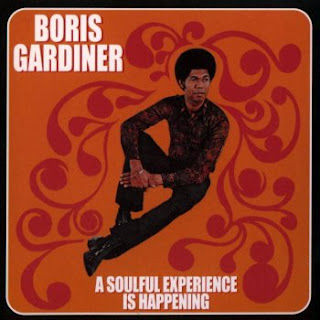
Boris Gardiner
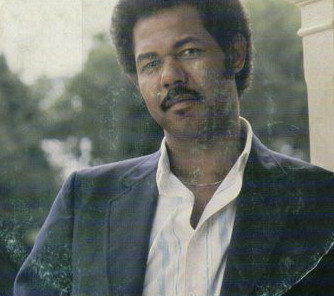
He shuns publicity: bassist, arranger and Jamaican singer-songwriter recognized by his bass lines, Boris Gardiner traversed five decades of local music without becoming a star. His career began at 17, between the hospital and the first club in Kingston, then led to unexpected international successes: a 45 rpm single at #14 on the UK charts in 1970, followed by a worldwide number one in 1986.
In Brief
| Full Name | Boris Gardiner (O.D.) |
| Birth | January 13, 1943, Kingston (Rollington Town), Jamaica |
| Genre | Music — ska, lovers rock, soul, R&B, reggae |
| Instruments | Vocals, electric bass, guitar, percussion |
| Groups Founded/Belonged To | The Rhythm Aces, Kes Chin and the Souvenirs, Carlos Malcolm & the Afro Caribs, The Broncos / Boris Gardiner Happening |
| Notable Works | “Elizabethan Reggae” (1970), Everything to Me (1986), “I Wanna Wake Up With You” |
| Honors | O.D. (2006), Number 1 in the United Kingdom in 1986, Grammy Award (2016, for the sample of “Every Nigger Is a Star”) |
Key Dates
| Year | Event |
|---|---|
| 1960–61 | Joined The Rhythm Aces; “A Thousand Teardrops” reached #2 on Jamaican charts |
| ~1965 | Learned bass with Carlos Malcolm after the original bassist left |
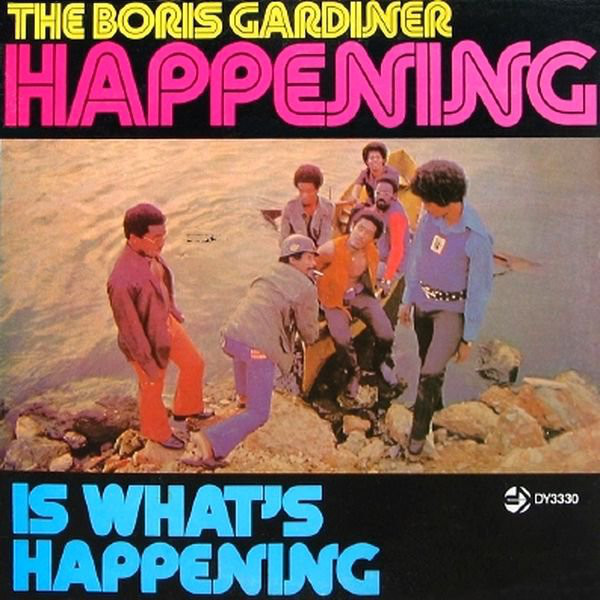
| 1967 | Formed The Broncos at the residency club (Bronco Club); became The Boris Gardiner Happening |
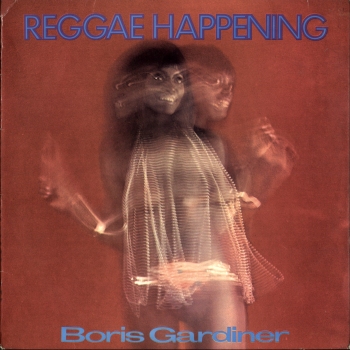
| 1970 | “Elizabethan Reggae” reached #14 on the UK charts; released Reggae Happening |
| 1973 | Scored the film Every Nigger Is a Star; played with The Upsetters |
| 1986 | “I Wanna Wake Up With You” reached #1 in the United Kingdom; Everything to Me |
| 2015–17 | “Every Nigger Is a Star” sampled by Kendrick Lamar (To Pimp a Butterfly) and in the film Moonlight |
| 2006–2019 | O.D. (2006); Lifetime Award IRAWMA and Reggae Gold (2019) |
Beginnings Between the Hospital and Kingston Clubs
Born in Rollington Town, Boris Gardiner attended a public school in Franklin Town, then St. Monica’s College, and sang at the school: he was already a favorite. At 17, he developed a heart condition called tachycardia; hospitalized for several weeks at Kingston Public Hospital, he received confirmation that he would live with this disability for the rest of his life. He did not resume his studies — exhausted and weakened — but Richard Ace, leader of the group The Rhythm Aces, came to his house: “Bwoy, Boris a good singer”. He joined the group in 1960 with Delano Stewart (future Gaylads).
With The Rhythm Aces, he recorded “Angella” then wrote “A Thousand Teardrops”, which reached #2 on Jamaican charts. With his brother Barrington Gardiner, he also wrote “C-H-R-I-S-T-M-A-S”, covered four times under the title “The Meaning Of Christmas”. The group dissolved amicably after a few years, but Gardiner had learned to sing and arrange from that time.
The Rise: Kes Chin, Carlos Malcolm and the Self-Taught Bassist
In 1963, he joined Kes Chin and the Souvenirs — one of Jamaica’s greatest orchestras at the time. “I learned a lot from Kes Chin!” He played guitar then gradually moved up to bass. After a few years, he joined Carlos Malcolm and the Afro Caribs — a large five-wind formation. Around 1965, when original bassist Audley Williams returned to Canada, Carlos entrusted the bass to him and he practiced with a beginner’s book, listened to ska hits and practiced every line until mastering it. After a year or a year and a half, he became confident; after five years with Carlos Malcolm, he decided to form his own group.
In 1967, The Broncos was born at the Bronco Club in Cross Roads — a name chosen as tribute to that club. The group became The Boris Gardiner Happening when the manager of Courtleigh Manor Hotel (Robert Lake Jr.) convinced him to play for him; Paul Douglas joined on drums and Tinga Stewart took the vocals, launching their careers.
Sessions, Unexpected Successes and Legacy
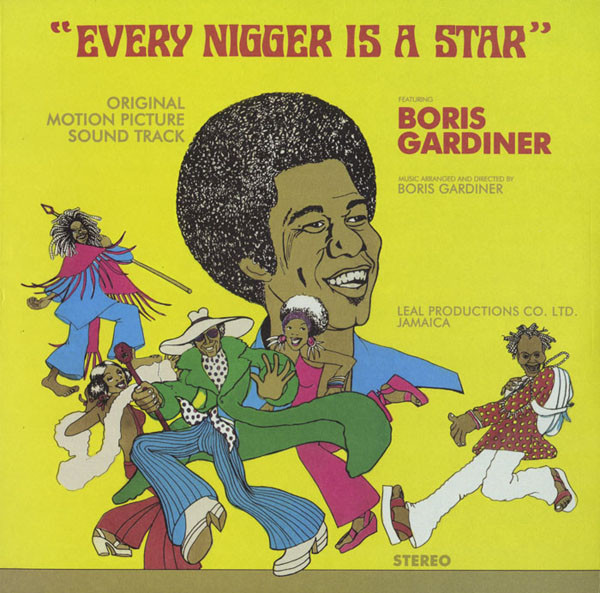
From the late 1960s onwards, Gardiner was a highly sought-after studio bassist: he played with The Now Generation, The Upsetters (under the direction of Lee “Scratch” Perry), The Aggrovators and The Crystalites. At Studio One by Coxsone Dodd, he played on “On Top” by The Heptones, “Nanny Goat” by Larry and Alvin and “Feel Like Jumping” by Marcia Griffiths — more than a hundred tracks according to his own words. He also played at The Black Ark — notably on “Real Rock” and Junior Murvin’s song, “Police and Thieves”. He also participated in the film Every Nigger Is a Star (1973), composed with his brother.
In 1969-70, Byron Lee sent him the version of Ronald Binge’s “Elizabethan Serenade” for him to adapt as ska. The track reached #14 on the UK chart in January 1970 — an international first. But upon its release in the United Kingdom, the first copies credited Byron Lee as performer (not Gardiner). The latter stated: “Up until today I didn’t get one penny off of Elizabethan Reggae!” Even though he never received royalties on this hit, the label Dynamic Sounds eventually took back his name.
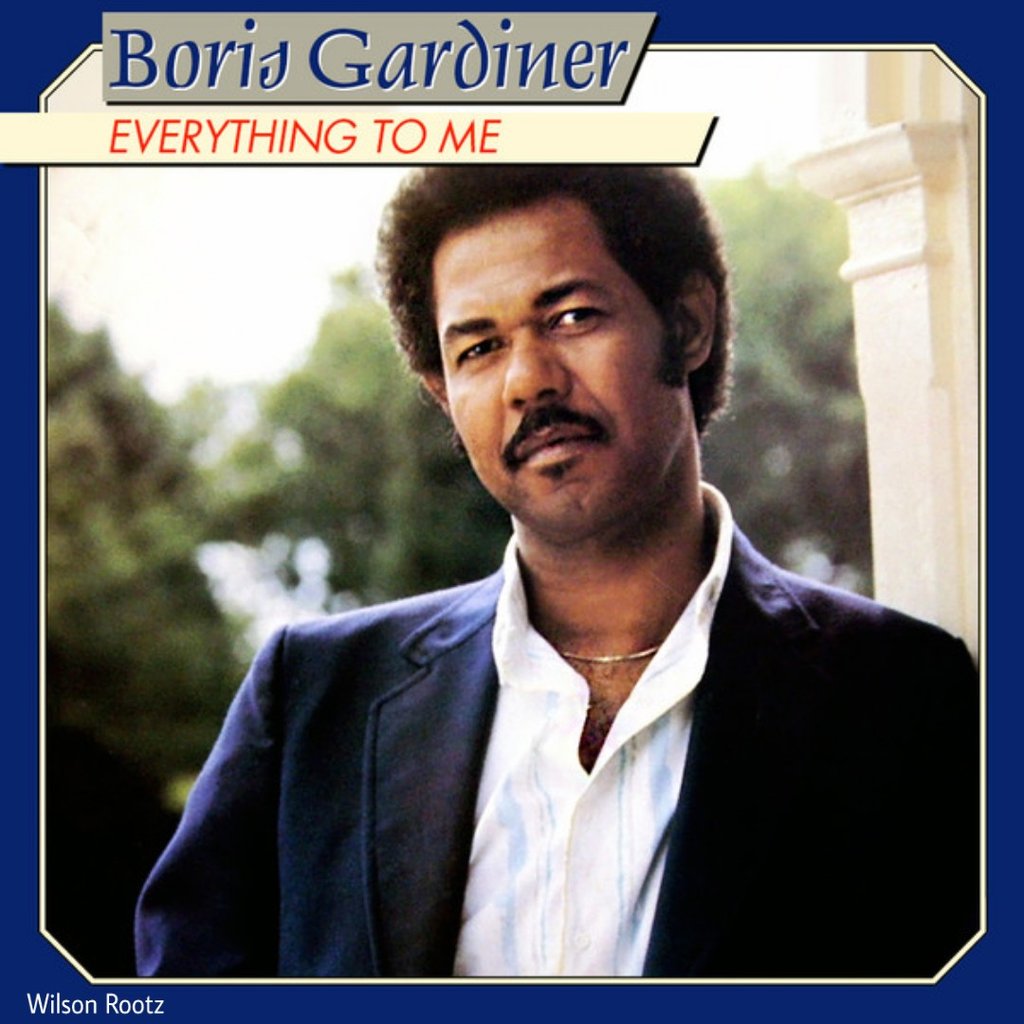
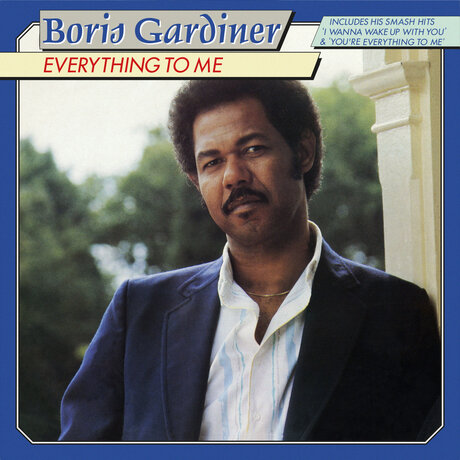
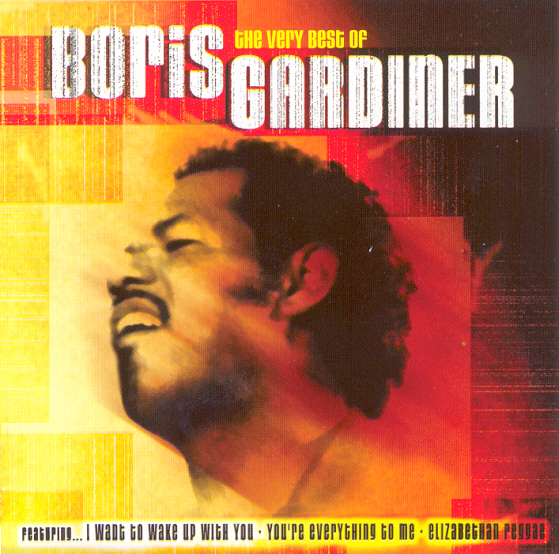
In 1986, Gardiner released the single “I Wanna Wake Up With You” (a Ben Peters standard), which reached #1 in the United Kingdom. The album Everything to Me includes the 45 “You’re Everything to Me” at #11; he then signed with RCA Records. In 2002, The Very Best of Boris Gardiner was released, a best-of compilation of 22 tracks.
In 2015, “Every Nigger Is a Star” was sampled in the opening track of To Pimp a Butterfly by Kendrick Lamar — an album that went platinum and won the Grammy Award (2016). The film Moonlight, awarded with several Oscars (including Best Picture), opens with this same track.
Major Works
| Work | Year | Why It’s Essential |
|---|---|---|
| Reggae Happening | 1970 | First solo album; according to Ian McCann, “sold respectably for a reggae LP” in the UK |
| “Elizabethan Reggae” (45 rpm) | 1970 | First major international hit, #14 UK; remixed version of a song by Ronald Binge |
| Everything to Me | 1986 | Turning-point album: features the #1 UK hit “I Wanna Wake Up With You” |
| Every Nigger Is a Star (film) | 1973 | Score for Calvin Lockhart’s film; sampled by Kendrick Lamar and featured in Moonlight |
Legacy and Influence
Boris Gardiner never achieved the commercial fame of Bob Marley — but he was the backbone of Studio One and Black Ark, the understated bassist behind dozens of classics. He launched the careers of Tinga Stewart and Earl Sixteen in the Boris Gardiner Happening, and a belated recognition — O.D. in 2006, Lifetime Award IRAWMA and Reggae Gold in 2019 — restores his essential role.
Sources and References
- “Boris Gardiner”, Wikipedia (English), en.wikipedia.org/wiki/Boris_Gardiner, accessed November 24, 2026.
- “Interview: Boris Gardiner in Kingston (Part 1)”, United Reggae, unitedreggae.com, accessed November 24, 2026.
- “Interview: Boris Gardiner in Kingston (Part 2)”, United Reggae, unitedreggae.com, accessed November 24, 2026.
- “Boris Gardiner”, AllMusic, allmusic.com, accessed November 24, 2026.
- “Boris Gardiner”, The Reggae Museum, thereggaemuseum.com, accessed November 24, 2026.
- “Boris Gardiner”, Music Unites Jamaica Foundation, musicunitesjamaica.com, accessed November 24, 2026.