Biography
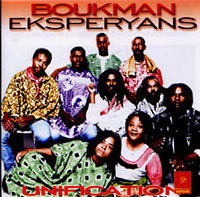
Boukman Eksperyans: the musical revolution of Haiti
In 1990, in Port-au-Prince, a soldier armed his rifle to prevent a group from playing at the carnival1. The crowd did not retreat.
In brief
| Group name | Boukman Eksperyans |
| Origin | Port-au-Prince, Haiti |
| Genres | Mizik rasin, vodou jazz, reggae, afro-pop |
| Active period | 1978 – present |
| Founders | Theodore « Lolo » Beaubrun Jr., Mimerose « Manze » Beaubrun, Daniel Beaubrun, Marjorie Beaubrun |
| Iconic albums | Vodou Adjae, Kalfou Danjere, Libete (Pran Pou’l!) |
| Distinctions | Grammy nomination (1992), UN Ambassadors for Peace and Goodwill (2002) |
Mizik rasin (roots music) is a Haitian movement born at the end of the 1970s that places Vodou traditions and social realities at the heart of song2.
Key dates
| Year | Event |
|---|---|
| 1978 | Founded by Lolo, Mimerose, Daniel and Marjorie Beaubrun |
| 1989 | Victory at the Konkou Mizik contest |
| 1990 | Ké-m pa sote becomes the carnival anthem |
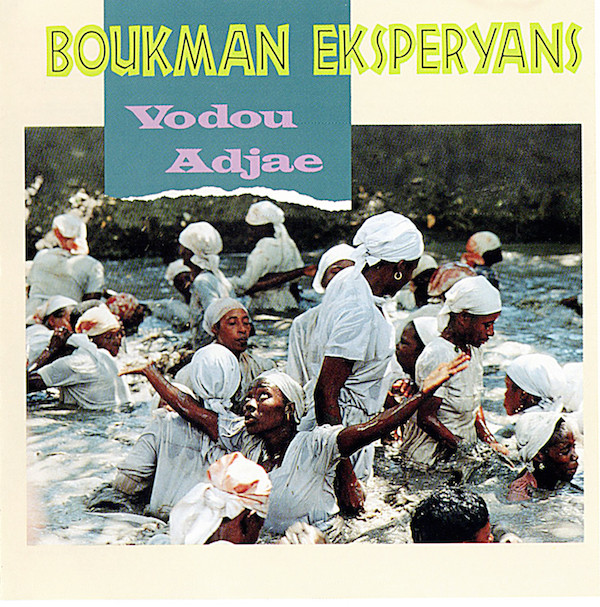
| 1991 | Release of Vodou Adjae (Mango Records); Grammy nomination |
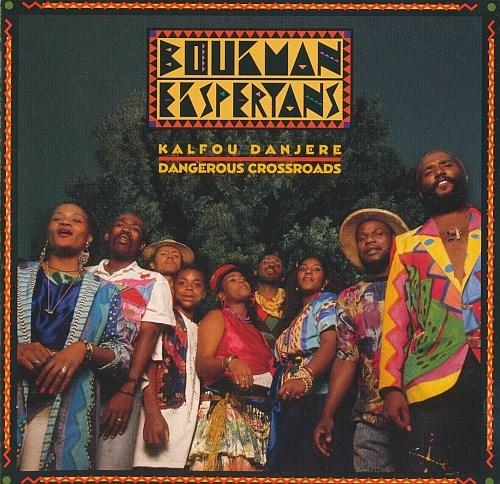
| 1992 | Release of Kalfou Danjere; songs banned by the dictatorship |
| 1994 | Exile in Kingston; recording at Tuff Gong studio |
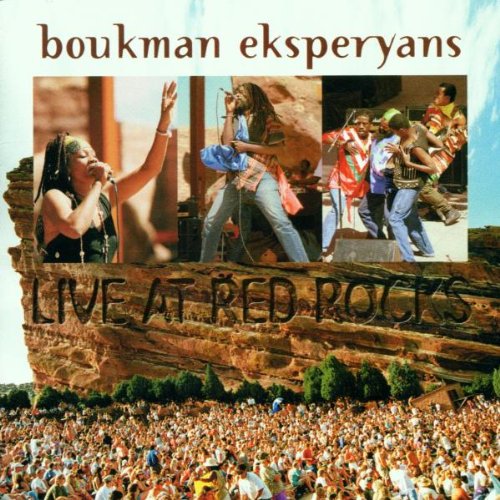
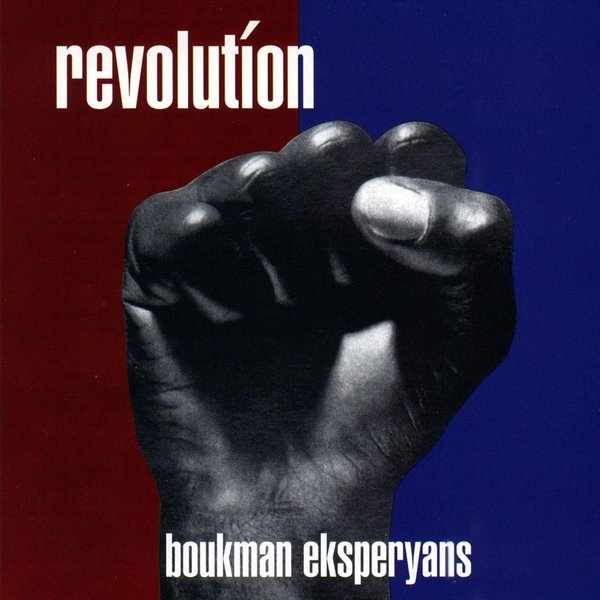
| 1998 | Revolutíon and Live at Red Rocks |
| 2002 | Lolo and Manze named UN Peace Ambassadors |
| 2009 | Release of La Révolte des zombies |
| 2022 | USA/Europe tour in support of Arcade Fire |
From Vodou spirituality to vodou jazz
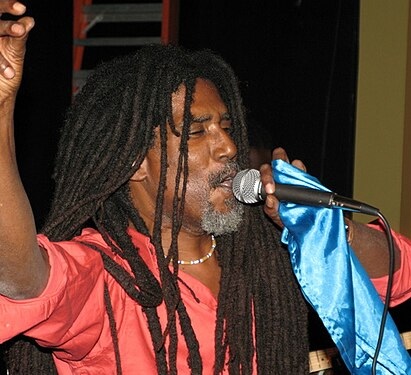
Theodore Beaubrun Jr., known as Lolo, and his brother Daniel grew up in the Protestant elite of Haiti. Their father, a satirical comedian nicknamed Languichatte Debordus and director of the National Theatre, introduced them to James Brown. After their parents’ divorce, Lolo followed his mother to Brooklyn, where Jimi Hendrix, Carlos Santana and Bob Marley marked his ear2. In 1976, the discovery of Bob Marley shook him: « I was surprised to see how he made people conscious ».
Returning to Haiti in 1978, Lolo found a musical scene where minidjaz groups (mini-jazz — a popular form of dance music) ignored committed lyrics. He and Mimerose, an anthropologist, entered a lakou vodou (Haitian spiritual community centered around a courtyard) where they met the future pioneers of the mizik rasin revolution. They founded Moun Ife, « people of the place of spirits », then adopted the name Boukman Dutty, a Vodou priest who led the Haitian slave revolt in August 1791. The word eksperyans pays homage to The Jimi Hendrix Experience1.
The group’s innovation is electrifying3. Fanfan Alexis, the first guitarist, suggested the name Boukman. Vodou jazz is born.
The musical weapon and exile
1989, the Konkou Mizik contest. Wet Chenn (« Remove the chains ») wins victory2. In 1990, Ké-m pa sote (« My heart does not skip, you do not frighten me ») triumphs at the carnival. The chorus becomes a war cry. Soldiers attempt to muzzle the group.
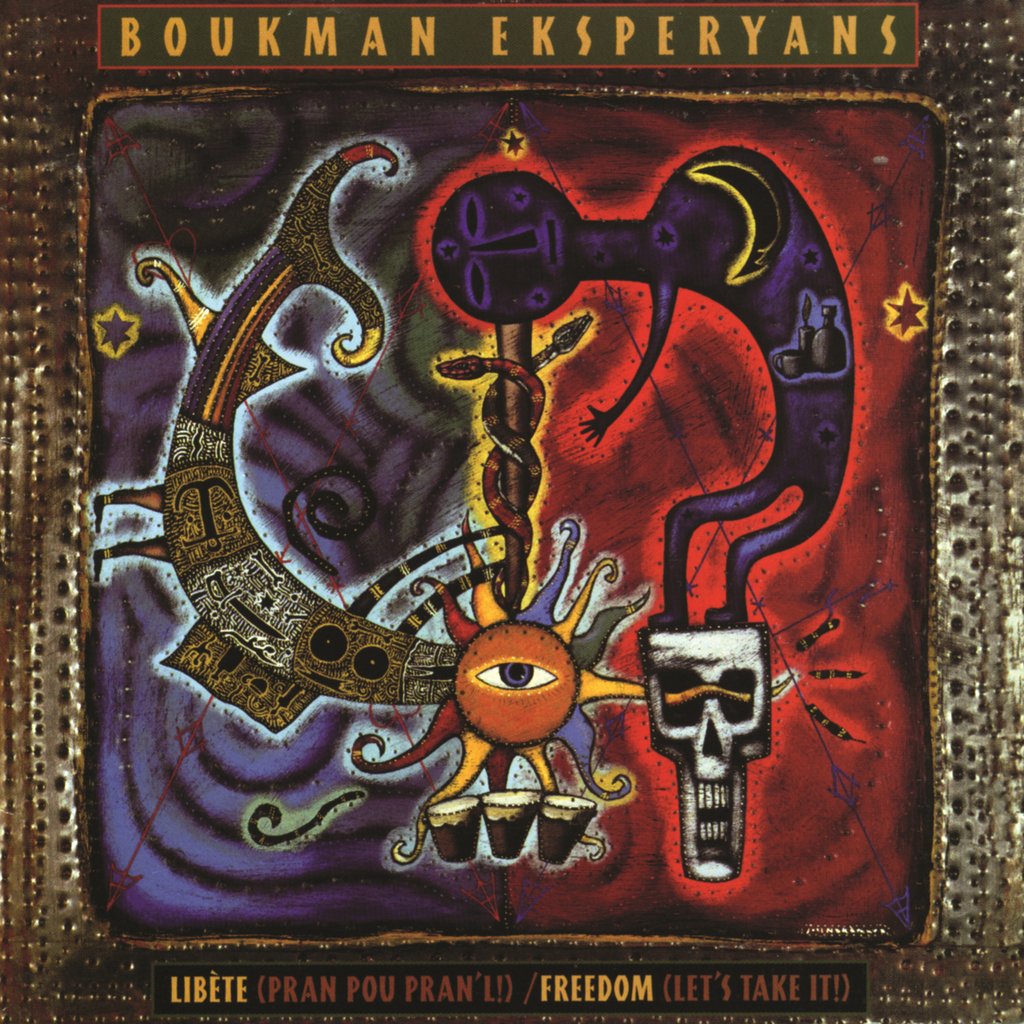
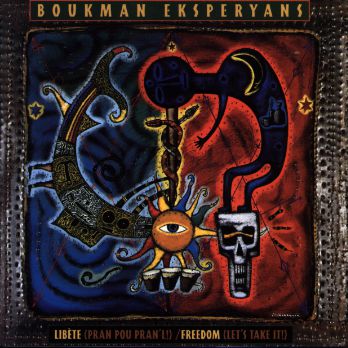
Vodou Adjae (1991), produced by Chris Blackwell on Mango Records, reveals Haitian Vodou to the world3. The 1992 Grammy nomination officializes this recognition. But the September 1991 coup against Aristide forces exile. Kalfou Danjere (1992) is recorded as a direct reaction. In Kingston, the group records at Bob Marley’s Tuff Gong studio for Libete (Pran Pou’l!).
From 1994 to our days, the international career continues4.
In 2009, La Révolte des zombies proposes a concept album on spiritual zombification. Lolo defines his approach: « It is a spiritual awakening that will also bring social, political, economic change »5. In 2022, the group embarks on an arena tour in North America and Europe. Its legacy continues with Paul Beaubrun, Lolo’s son, who carries on the mizik rasin tradition.
Major works
| Work | Year | Why it is essential |
|---|---|---|
| Vodou Adjae | 1991 | First international album; Grammy nomination |
| Kalfou Danjere | 1992 | Response to the coup d’état |
| Libete (Pran Pou’l!) | 1995 | Recorded in exile at Tuff Gong studio |
| La Révolte des zombies | 2009 | Concept album on spiritual zombification |
| Live at Red Rocks | 1999 | Legendary concert at Red Rocks Amphitheatre |
Legacy
Boukman Eksperyans made music a political weapon6. Its invention, vodou jazz, paved the way for an entire generation of Haitian artists. International recognition — Grammy, UN Ambassador — testifies to the power of a music that refuses to choose between spirituality and commitment. As Lolo says: « We do not need intermediaries ».
Sources and references
-
Wikipedia (2026), Boukman Eksperyans, accessed 31 October 2026, https://en.wikipedia.org/wiki/Boukman_Eksperyans ↩︎ ↩︎
-
Baker’s Biographical Dictionary of Popular Musicians (2026), Boukman Esperyans, Encyclopedia.com, accessed 31 October 2026, https://www.encyclopedia.com/education/dictionaries-thesauruses-pictures-and-press-releases/boukman-esperyans ↩︎ ↩︎ ↩︎
-
AllMusic (2026), Boukman Eksperyans — Biography, accessed 31 October 2026, https://www.allmusic.com/artist/boukman-eksperyans-mn0000771568 ↩︎ ↩︎
-
World Music Central (2017), Artist Profiles: Boukman Eksperyans, by Angel Romero, accessed 31 October 2026, https://worldmusiccentral.org/artist-profiles-boukman-eksperyans ↩︎
-
RFI Musique (2009), La révolte de Boukman Eksperyans, by Bertrand Lavaine, accessed 31 October 2026, https://musique.rfi.fr/musique/20090813-revolte-boukman-eksperyans ↩︎
-
Afropop Worldwide (2019), Best of The Beat on Afropop: Boukman Eksperyans, Haiti’s Real Revolutionaries, accessed 31 October 2026, https://www.afropop.org/articles/best-of-the-beat-on-afropop-boukman-eksperyans-haitis-real-revolutionaries ↩︎