Biography
Cachao: the bassist who invented mambo
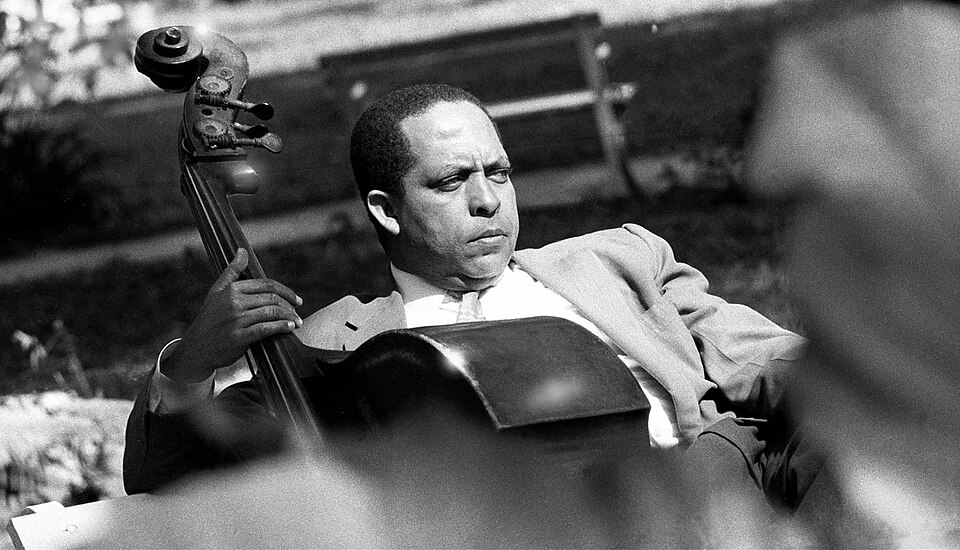
Havana, late 1930s. In the corridors of the charanga Arcaño y sus Maravillas, two brothers extend the final section of the danzón and accelerate the tempo. The younger brother, Cachao, presses down on the strings of his double bass with a new gesture. The result will become mambo, a genre that will conquer the whole world.
In brief
| Full name | Israel López Valdés |
| Birth | September 14, 1918, Havana, Cuba |
| Death | March 22, 2008, Coral Gables, Florida, United States |
| Field | Double bass, composition, danzón, mambo, descarga |
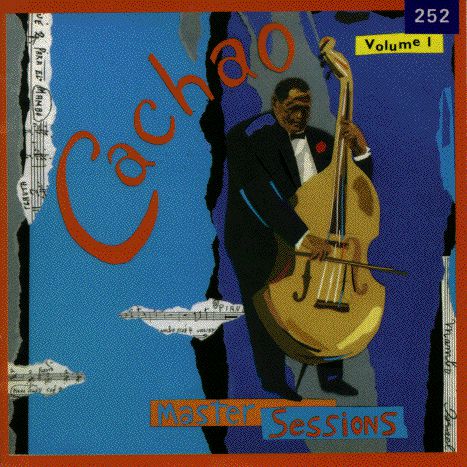
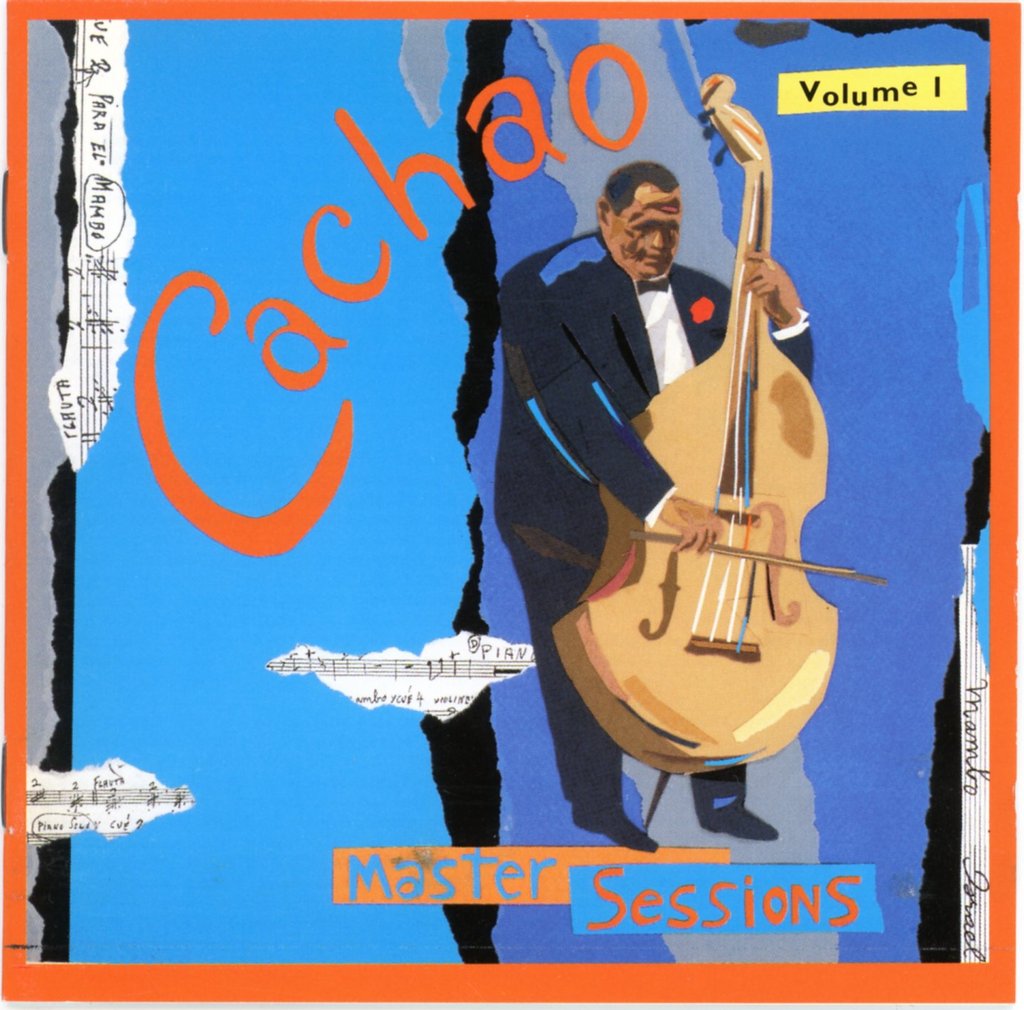
| Notable works | Descargas: Cuban Jam Sessions in Miniature, Master Sessions Vol. 1 |
| Honors | Grammy Awards, Latin Grammy, Walk of Fame star, NEA National Heritage Fellowship (1995) |
Key dates
| Year | Event |
|---|---|
| 1918 | Birth in Havana, in the house where José Martí grew up |
| 1927 | Starts playing double bass at age 9, under the direction of his father Pedro and his brother Orestes |
| 1930-1960 | Principal double bassist of the Orquesta Filarmónica de La Habana |
| 1937-1938 | With Orestes, invents mambo within Arcaño y sus Maravillas |
| 1957 | First recording of descargas (Panart) |
| 1962 | Exile: Madrid, then New York in 1963 |
| 1994 | Grammy Award for Master Sessions Vol. 1 |
| 2003 | Latin Grammy for El arte del sabor (with Bebo Valdés and Carlos « Patato » Valdés) |
| 2008 | Death at age 89 in Coral Gables, Florida |
From classical double bass to global mambo, from exile to renewal
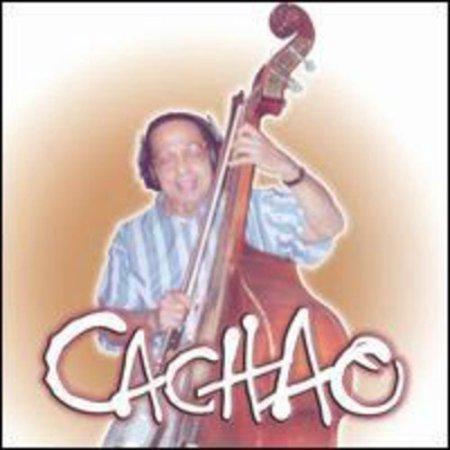
Israel López Valdés was born on September 14, 1918 in the Belén neighborhood of Havana. His family is a dynasty of musicians: between 35 and 40 double bassists are counted among his relatives. His father Pedro plays danzón; his mother Rafaela teaches piano, double bass and theory. His older brother Orestes, nicknamed « Macho », plays cello, trumpet and piano. His grandfather Aurelio gives him the nickname « Cachao », an Argot Spanish word meaning « banter ». He starts playing bongo at age 8 and double bass from age 9. At 13, he joins the Orquesta Filarmónica de La Habana, where he stays for 31 years, playing under world-renowned conductors. At the same time, he accompanies silent films in his neighborhood, where young pianist Bola de Nieve shares the orchestra pit.
In 1937, Cachao and Orestes join Antonio Arcaño’s charanga. The two brothers compose thousands of danzóns together. Cachao expands the final section of the danzón and injects an African syncopated rhythm, with bass lines that respond to the congas. This extension, called « nuevo ritmo », becomes mambo. The first attempt, composed in 1937, is a failure: too fast to dance. Six months later, they adjust the tempo. In 1938, Cachao and Orestes’ mambo is broadcast for the first time on Cuban radio. With the addition of congas in 1939, the genre crystallizes.
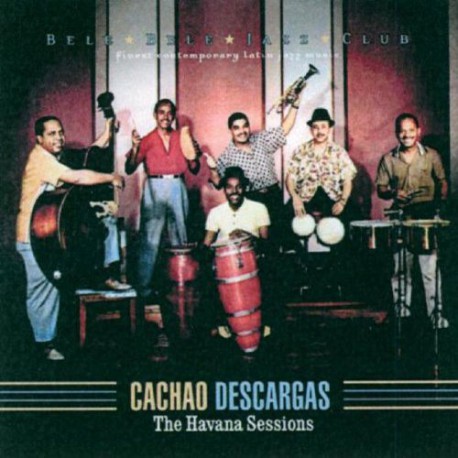
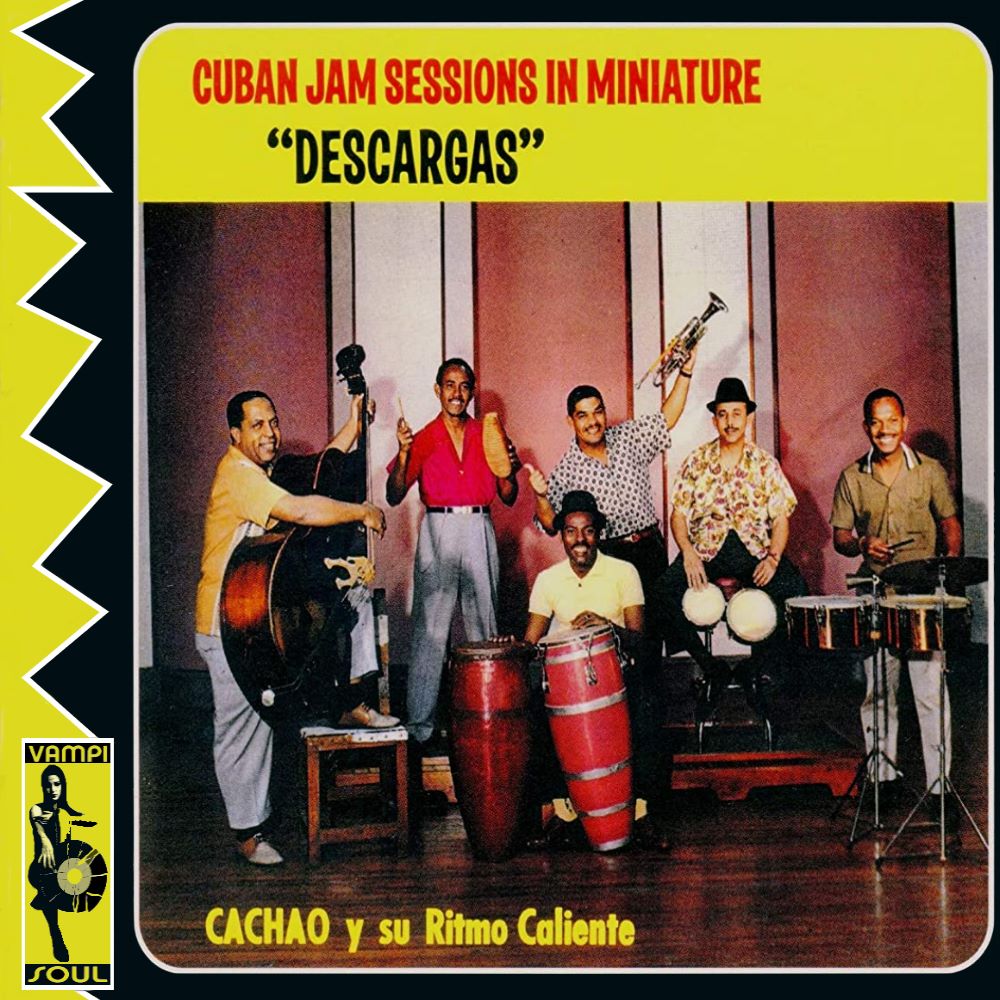
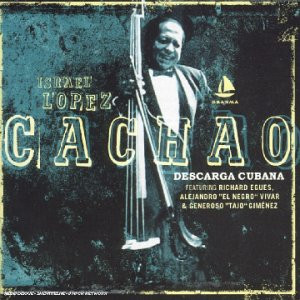
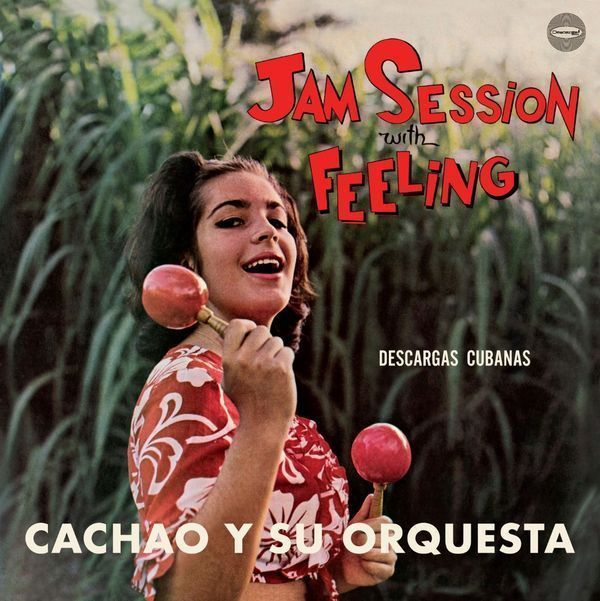
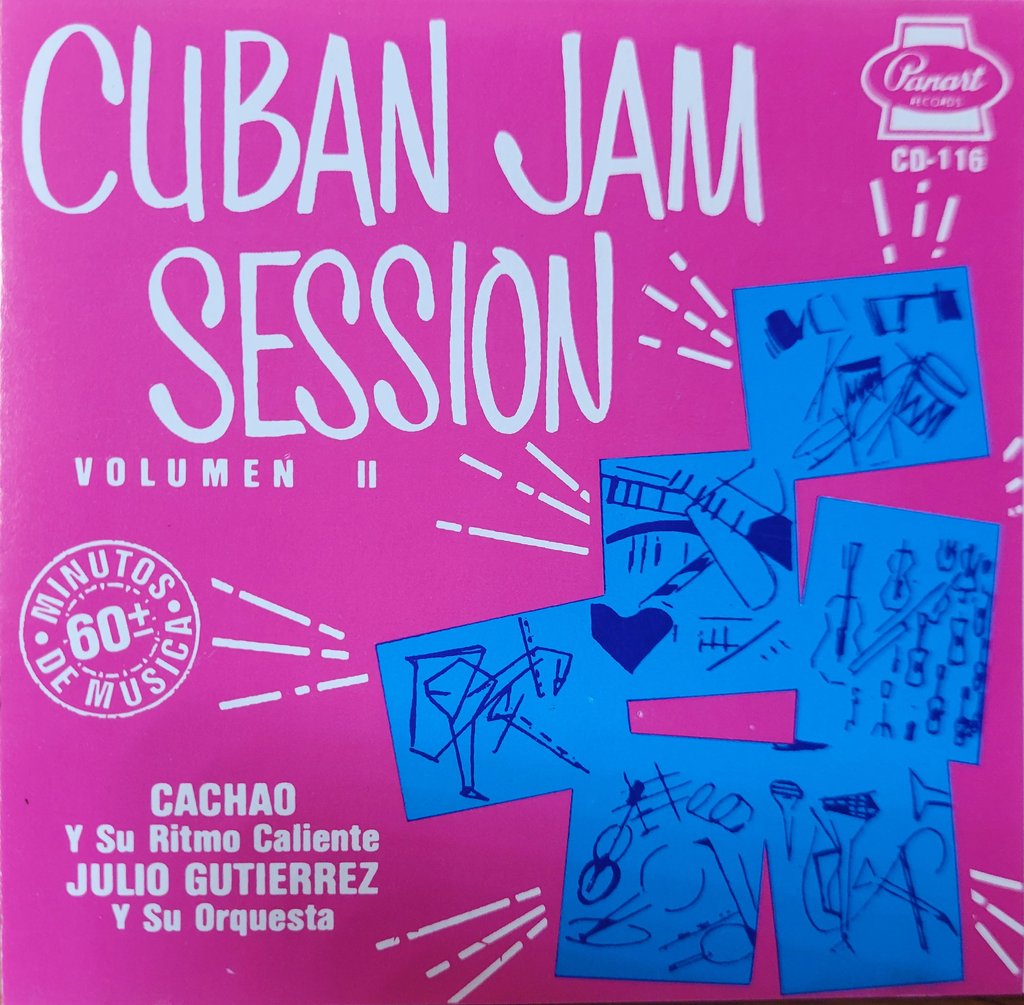
Cachao leaves Arcaño in 1949 and forms his own ensemble. In the 1950s, he creates descargas, improvised jam sessions that break the rigid codes of Cuban dance music. The first recording, Descargas: Cuban Jam Sessions in Miniature, is released by Panart in 1957 and becomes an international reference. In 1962, facing the Castro revolution, Cachao leaves Cuba. Two years in Spain, then New York. During the boogaloo and salsa years, he plays as a studio musician and in concerts with the city’s great Latin orchestras. But the 1970s and 1980s are a desert: Cachao lives in Las Vegas, then Miami, playing weddings and baptisms. His name is forgotten.
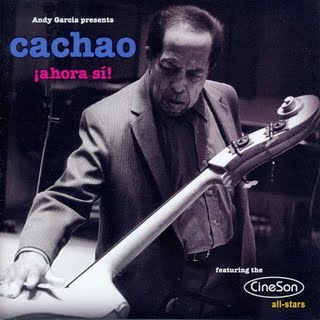
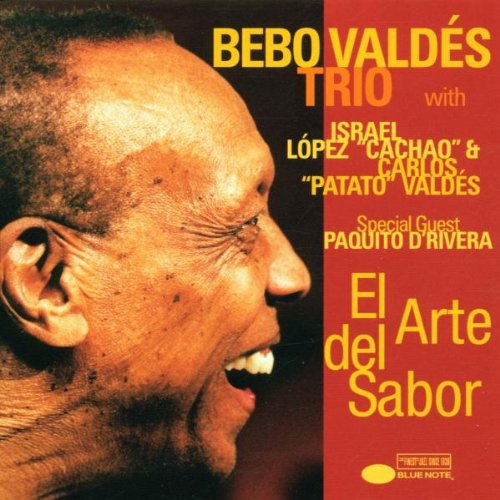
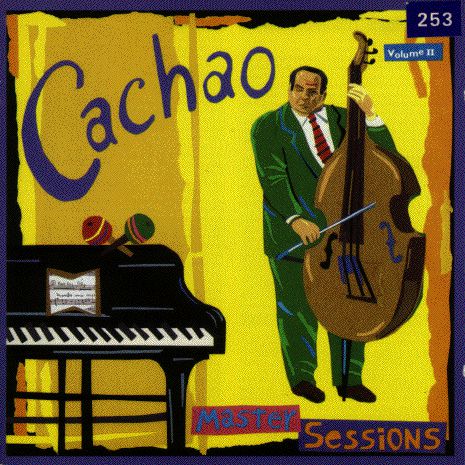
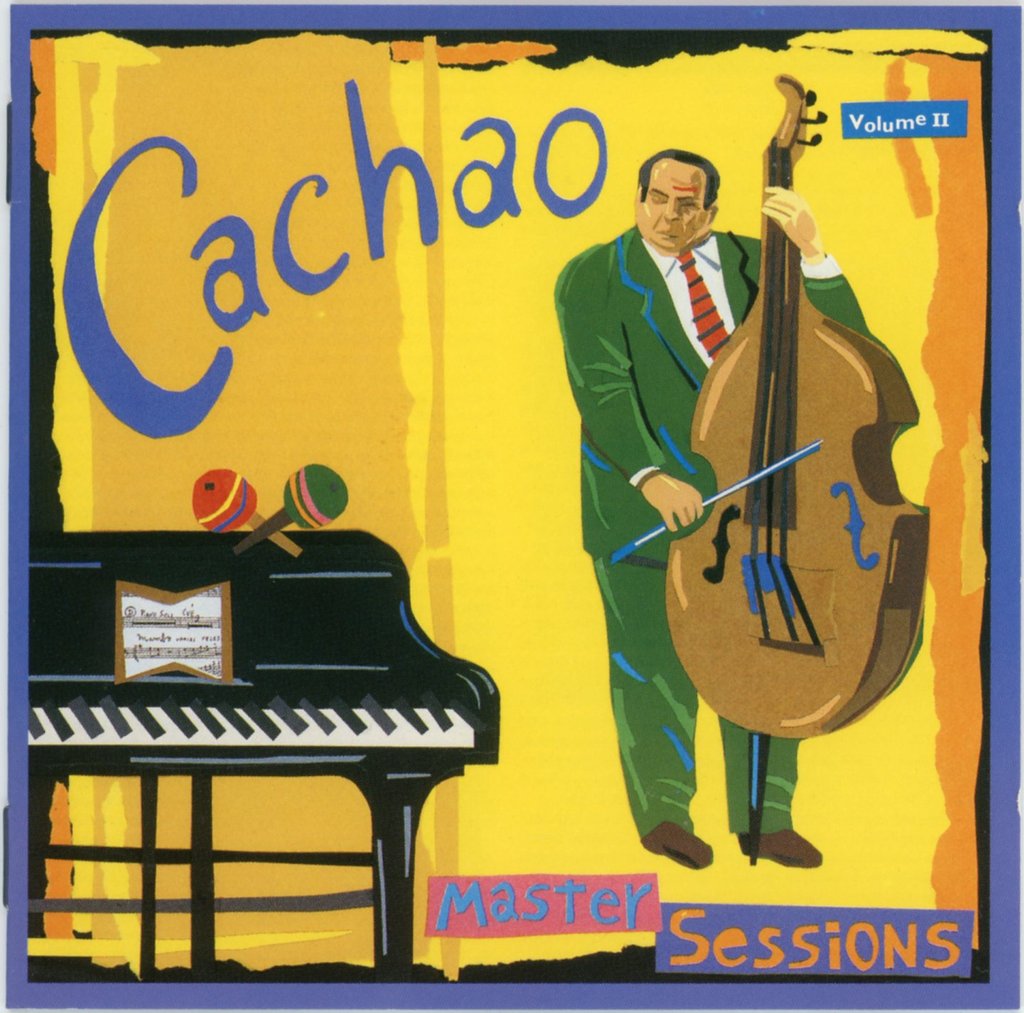
Everything changes in 1992. Cuban-American actor Andy García produces a documentary titled Cachao — como su ritmo no hay dos and organizes a tribute concert. The success is so great that two comeback albums are released: Master Sessions Vol. 1 (1994), which wins a Grammy Award, and Master Sessions Vol. 2 (1995). In 2003, a Latin Grammy crowns El arte del sabor, his collaboration with pianist Bebo Valdés and percussionist Carlos « Patato » Valdés. A fifth Grammy arrives in 2005 for the album ¡Ahora Sí!. Before his death, he receives a star on the Hollywood Walk of Fame and is ranked 24th greatest double bassist of all time by Bass Player magazine.
Major works
| Work | Year | Why it’s essential |
|---|---|---|
| Danzón « Mambo » | 1938 | The founding piece that gave its name to the global genre; syncopated extension of classical danzón |
| Descargas: Cuban Jam Sessions in Miniature | 1957 | First recording of descargas, it invented the format of Afro-Cuban jam sessions |
| Master Sessions, Vol. 1 | 1994 | Comeback produced by Andy García, Grammy Award winner |
| El arte del sabor | 2003 | Legendary collaboration with Bebo Valdés and Carlos « Patato » Valdés, Latin Grammy |
Legacy and influence
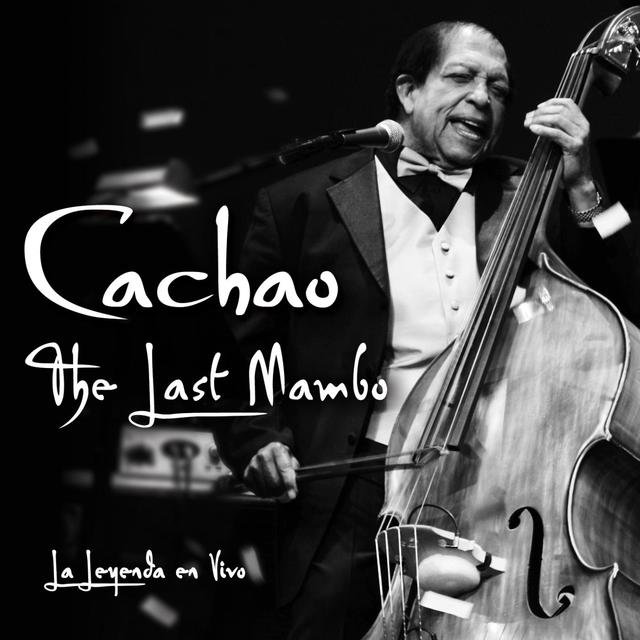
Cachao shaped the rhythmic foundation of all modern Latin music. His innovation in mambo influenced Tito Puente, Perez Prado and generations of Latino-American musicians. His descargas paved the direct path to salsa, which would explode in New York during the 1960s and 1970s. Johnny Pacheco, bassist of the Fania All-Stars, recognized that Cachao’s descargas were the laboratory where salsa was invented. After his death in 2008, the posthumous album The Last Mambo won a Grammy in 2012. According to PBS, he is the most important musician in Cuban music history.
Sources and references
-
« Cachao », Wikipedia, https://en.wikipedia.org/wiki/Cachao, accessed October 20, 2026.
-
CACHAO (1918-2008), Universalis Encyclopedia, https://www.universalis.fr/encyclopedie/cachao/, accessed October 20, 2026.
-
« Cachao — Biography », AllMusic, https://allmusic.com/artist/cachao-mn0000639697, accessed October 20, 2026.
-
“Cachao, Mambo’s Inventor, Dies at 89”, The New York Times, https://www.nytimes.com/2008/03/24/arts/music/24Lopez.html, accessed 20 October 2026.
-
“Israel López”, National Endowment for the Arts, https://www.arts.gov/honors/heritage/israel-lopez, accessed 20 October 2026.
-
“About Cachao”, PBS American Masters, https://www.pbs.org/wnet/americanmasters/cachao-uno-mas-about-cachao/1619/, accessed 20 October 2026.
-
“Israel ‘Cachao’ Lopez: Bassist and pioneer of mambo”, The Independent, https://prod-mw.independent.co.uk/news/obituaries/israel-cachao-lopez-bassist-and-pioneer-of-mambo-799895.html, accessed 20 October 2026.