Biography
Cassiya
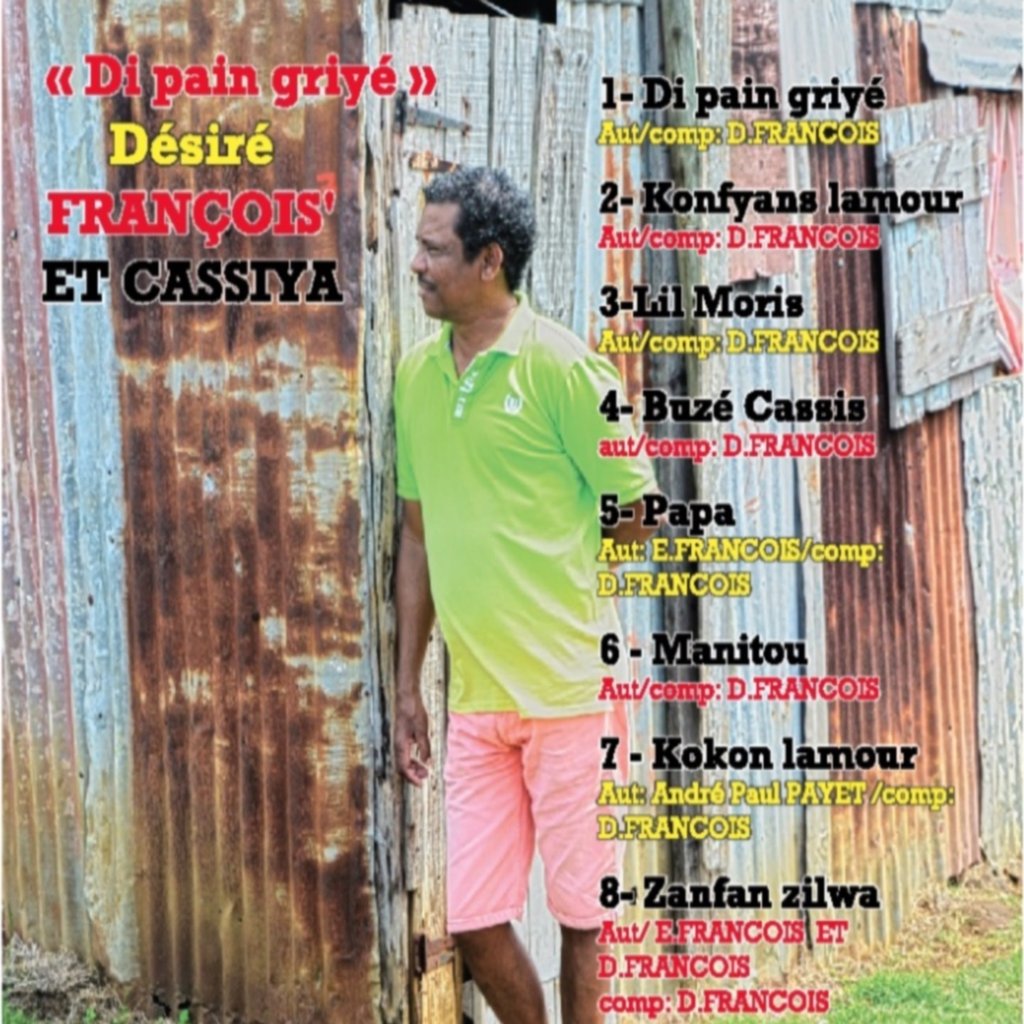
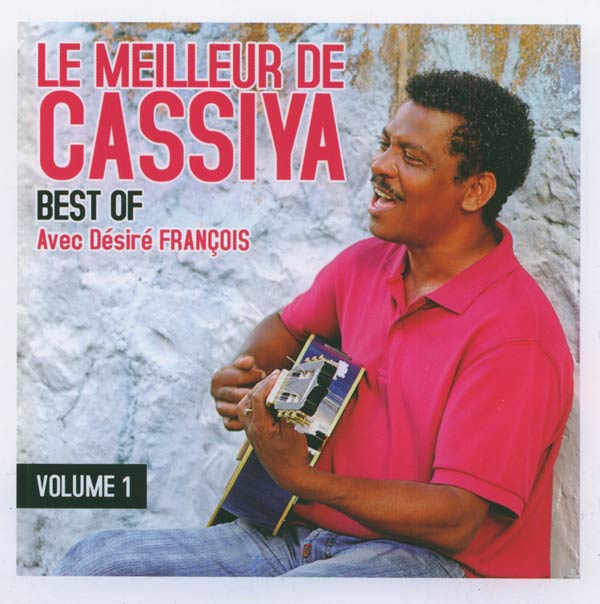
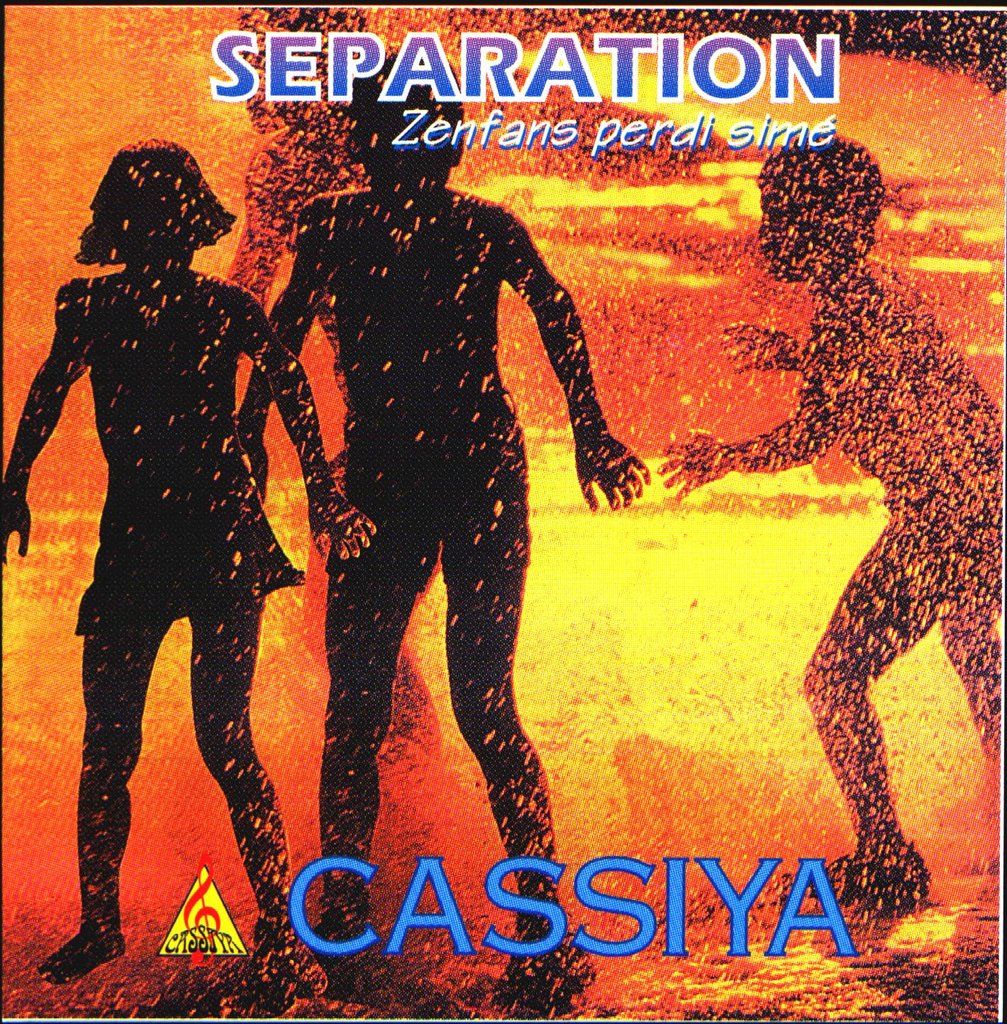
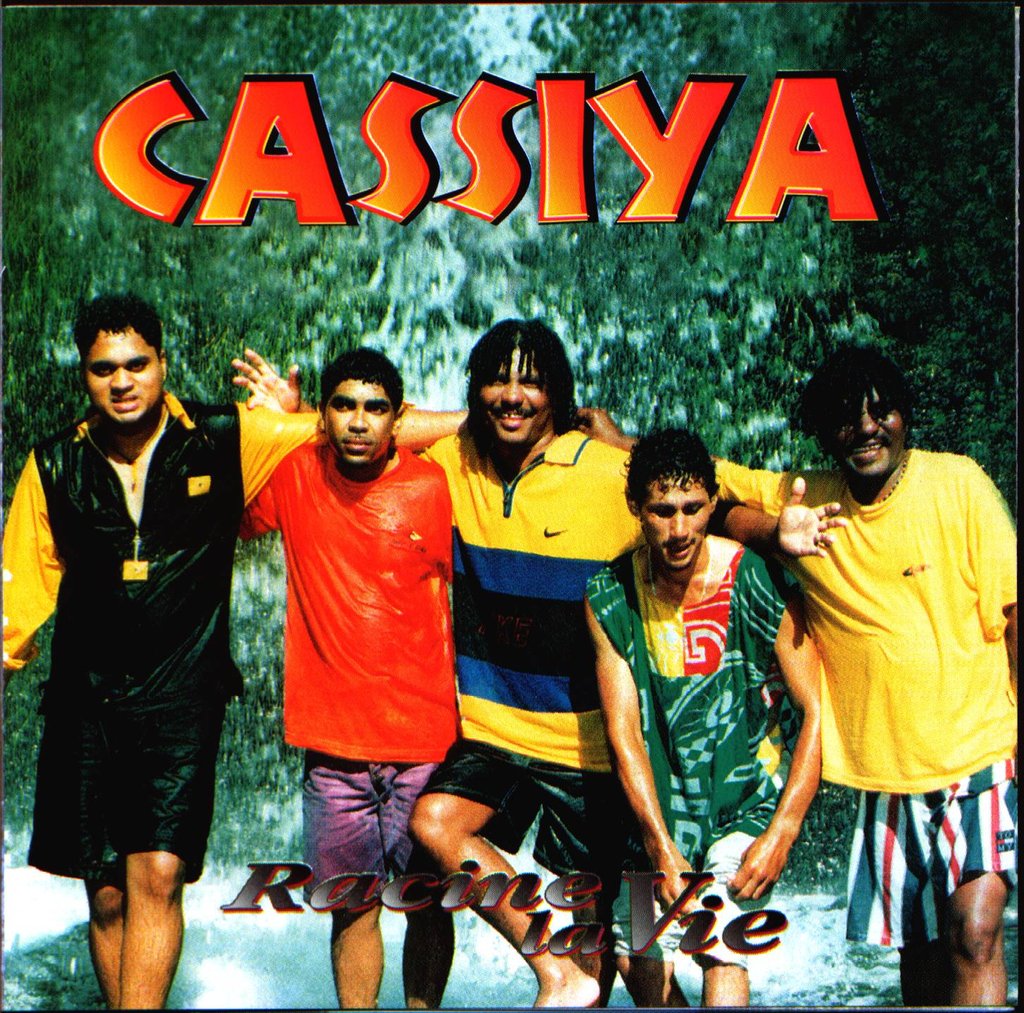
In a small studio in Port-Louis, in November 1993, the Cassis band recorded Séparation, a track that smells of the sweat from popular dance parties and the memory of ancestors1. Behind this sound that marked generations, a bassist named Désiré François and an orchestra with jazzy arrangements transformed neighborhood music into a cultural institution of the Indian Ocean.
In brief
| Name | Cassiya |
| Origin | Cassis, Port-Louis, Mauritius |
| Genre | Mauritian Sega (electric) |
| Active period | 1993–2008 |
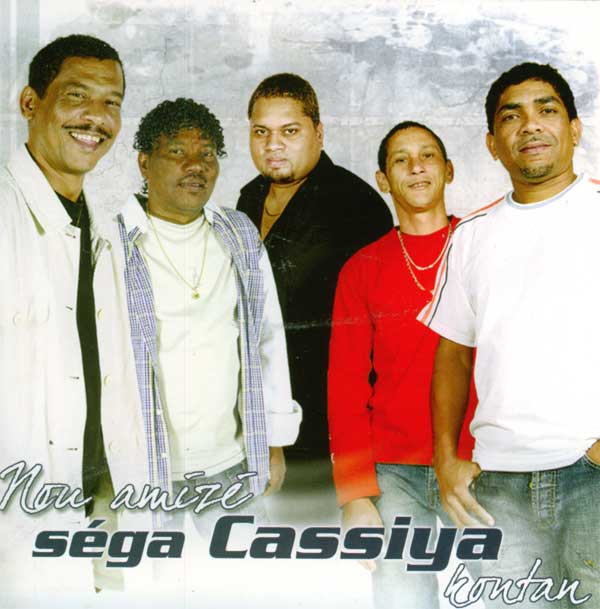
| Founding members | Désiré François, Alain Lafleur, Gérard Louis, Alain Ramanisum, Bruno François |
| Composer | Dominique Isidore |
| Labels | Cassiya Productions, GL Records |
| Signature hits | Djouni Djouna, Ici cote nou été, Marlène |
Key dates
| Year | Event |
|---|---|
| 1987 | The future members play in the group « Zenfan Cassis » |
| 1993 | Release of Séparation zenfans perdi simé ; Cassiya launches |
| 1994 | Djouni Djouna designated « record of the year » |
| 1994 | Cassiya II ; reinforcements from Bruno François and Sylvio Ravina |
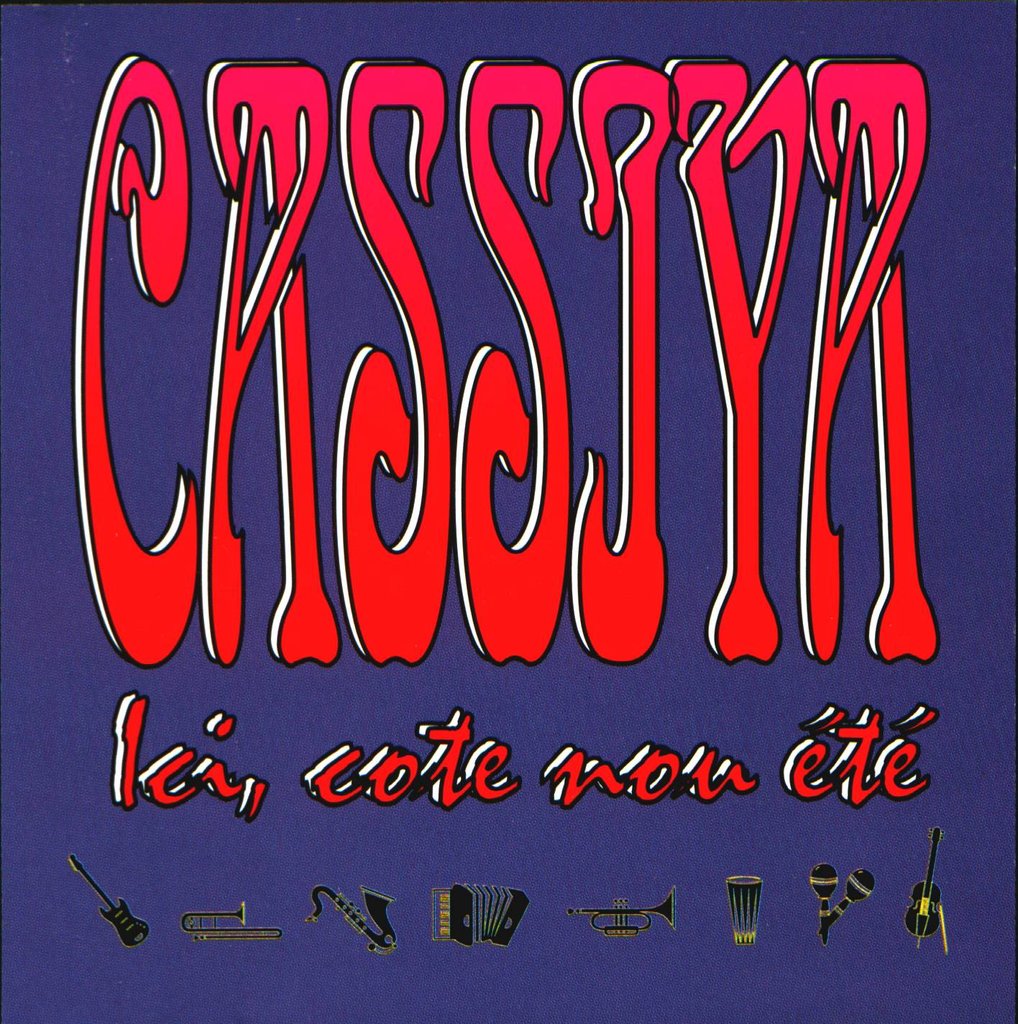
| 1995 | Ici cote nou été designated « record of the year » |
| 1999 | Concerts at the Olympia and Zénith in Paris |
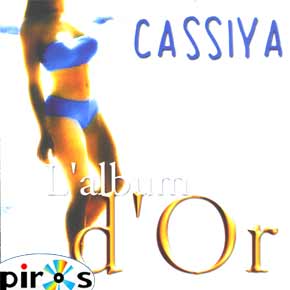
| 2003 | Cassiya l’album d’or — gold record in Réunion |
| 2008 | Official separation of the group |
From the Cassis suburb to jazzy-flavor sega
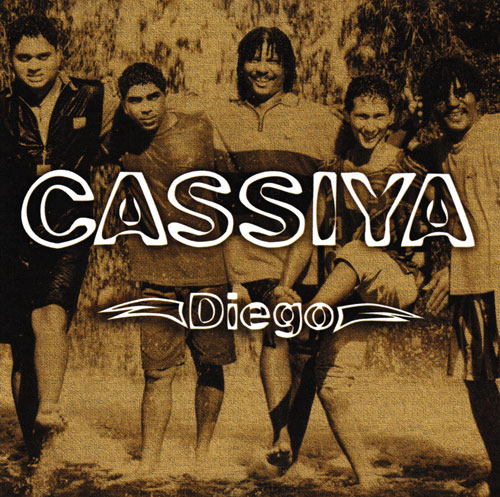
Désiré François was born in the popular Cassis suburb, in Port-Louis, where the first echoes of sega resonate between wooden houses and gravel alleys2. Fascinated by football in his youth, he switched to the guitar at sixteen and began writing songs nourished by the daily life of the neighborhood — hot nights, family disputes, dreams elsewhere.
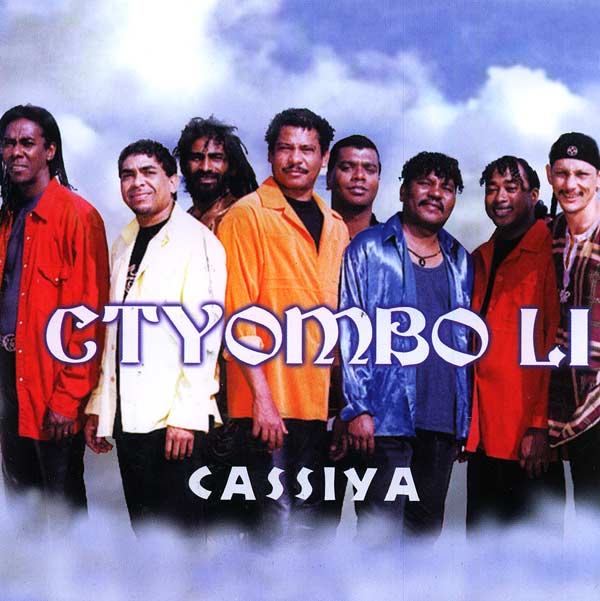
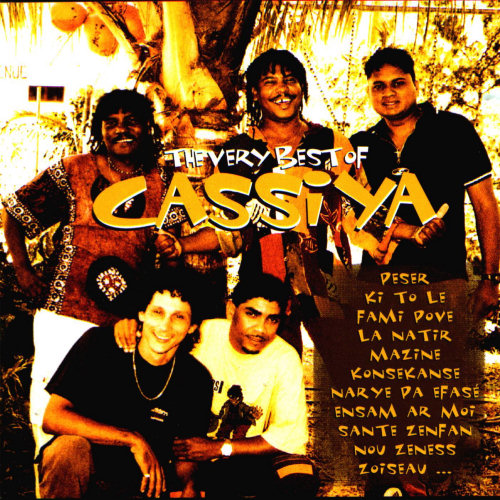
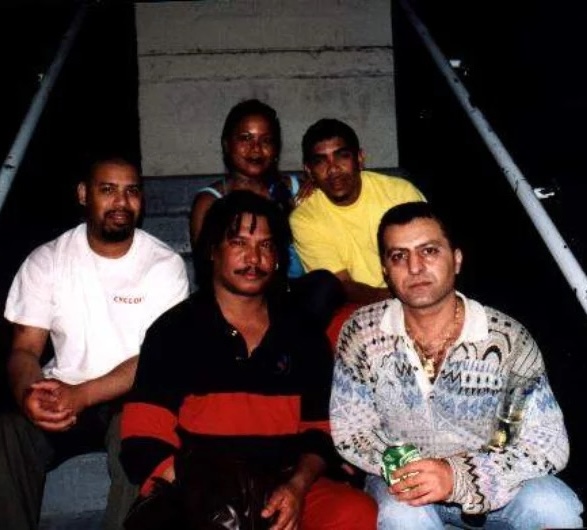
In 1987, he joined an amateur group called « Zenfan Cassis » with his friend Alain Lafleur. The bassist and guitarist quickly got along and decided to found a more professional formation. The initial base gathered Alain Ramanisum (keyboards), Gérard Louis (musical arrangements), Eddy Armel (vocals), Jallil Auckbaraulee (drums), and Dominique Isidore, cousin of Désiré François. The latter became the lead singer while Alain Lafleur also lent his voice3.
Cassiya’s sound is distinguished by an electric sega — bass, guitar, drums — that moves away from traditional drum sega while leaving its soul intact. Dominique Isidore imposed a guitar technique proper, baptized « isidore », using unusual chords and sinuous melodies4. Gérard Louis, for his part, brought jazz-tinted arrangements, giving the sega a color that immediately hooks.
The consecration, from Mauritius to Paris
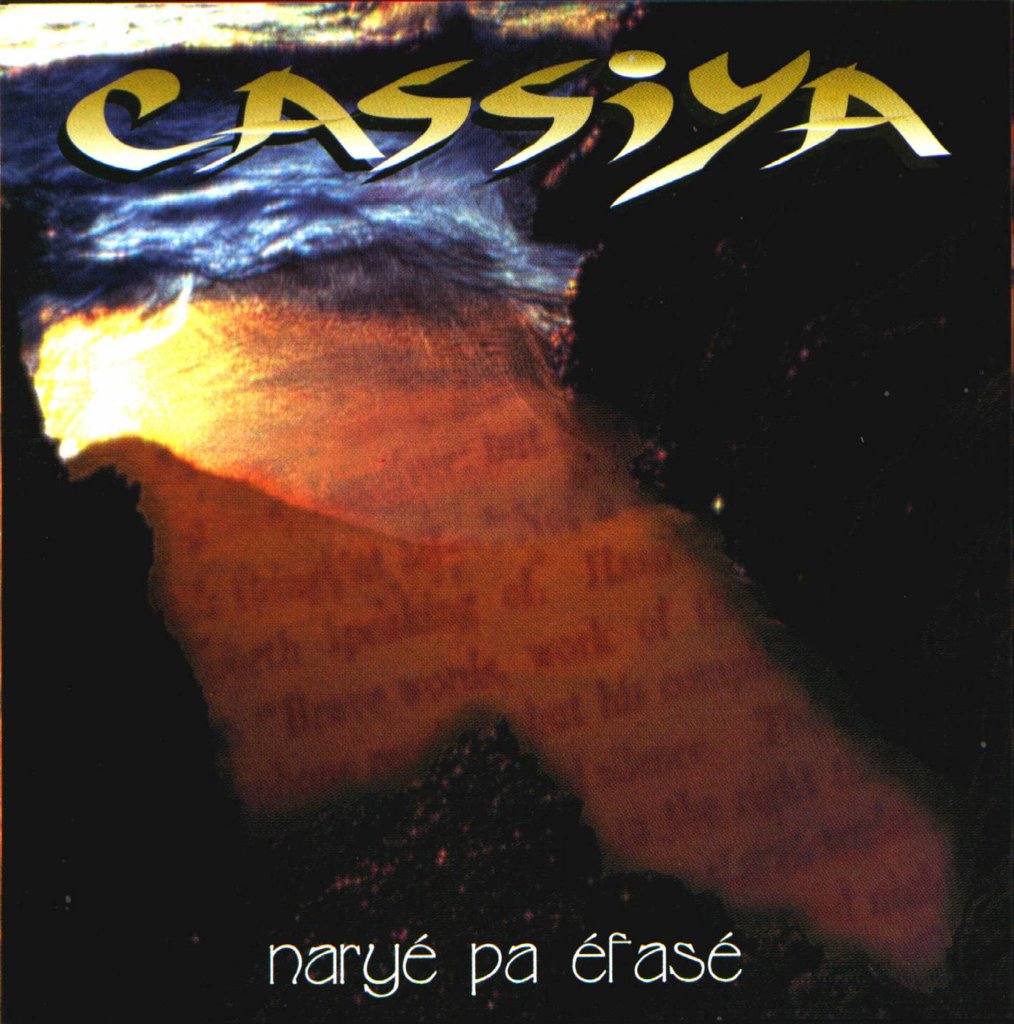
The first album Séparation zenfans perdi simé was released in October 1993 and the success was immediate5. Djouni Djouna was designated « record of the year » in 1994, followed by Ici cote nou été in 1995. Mauritians dance, the Mauritian diaspora in South Africa and Réunion reproduces the steps.
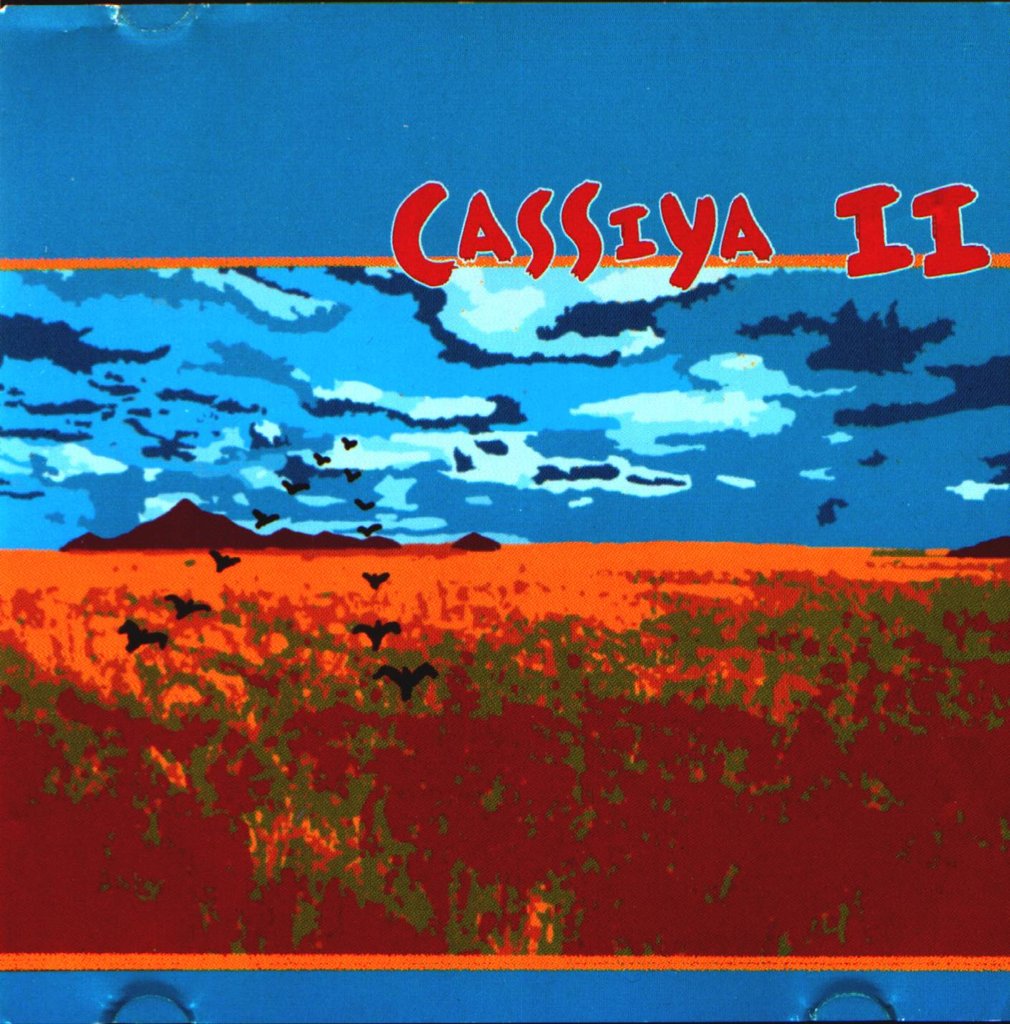
In 1994, the arrivals of Bruno François and Sylvio Ravina strengthened the formation6. The album Cassiya II fixed the group’s identity, a jazzy-flavor sega that hooks with Désiré François’ voice. The group went on tour in France, Belgium and England, then returned triumphant.
1999 was the absolute year: Cassiya performed at the Olympia in Paris during the World Cup, then at the Zénith of Paris. Scenes where, for many European audiences, Mauritian sega was a total discovery.
Cracks and legacy
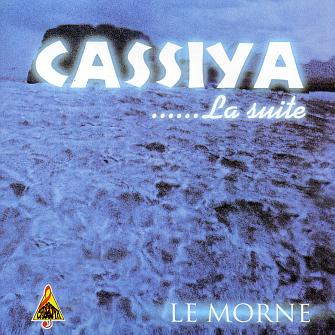
After Cassiya la suite (2001), the group cracked. Alain Ramanisum went solo. In 2003, Cassiya released a Live à St. Gilles (La Réunion) which ranks among the best-selling records. But divergences led to the departure of Gérard Louis and Sylvio Ravina, who died in 2005.
Cassiya Roots, formed in 2022 by the founding members (except Désiré François), continues to bring back the hits.
Major works
| Work | Year | Why it’s essential |
|---|---|---|
| Séparation zenfans perdi simé | 1993 | First album ; imposes a modern electric sega |
| Cassiya II | 1994 | Revelation in the Indian Ocean ; jazzy-flavor sega identity |
| Ici cote nou été | 1995 | Record of the year ; song about the wealthy and the deprived |
| Cassiya la suite | 2001 | Confirmed the status of best group in the region ; single Le Morne |
| Cassiya l’album d’or | 2003 | Gold record certification in Réunion ; commercial culmination |
Legacy
Cassiya changed the game for Mauritian music. Where sega remained confined to local evenings, the group lifted it onto major international stages, from the Zénith of Paris to festivals in Australia. Its influence touched sega musicians in Réunion.
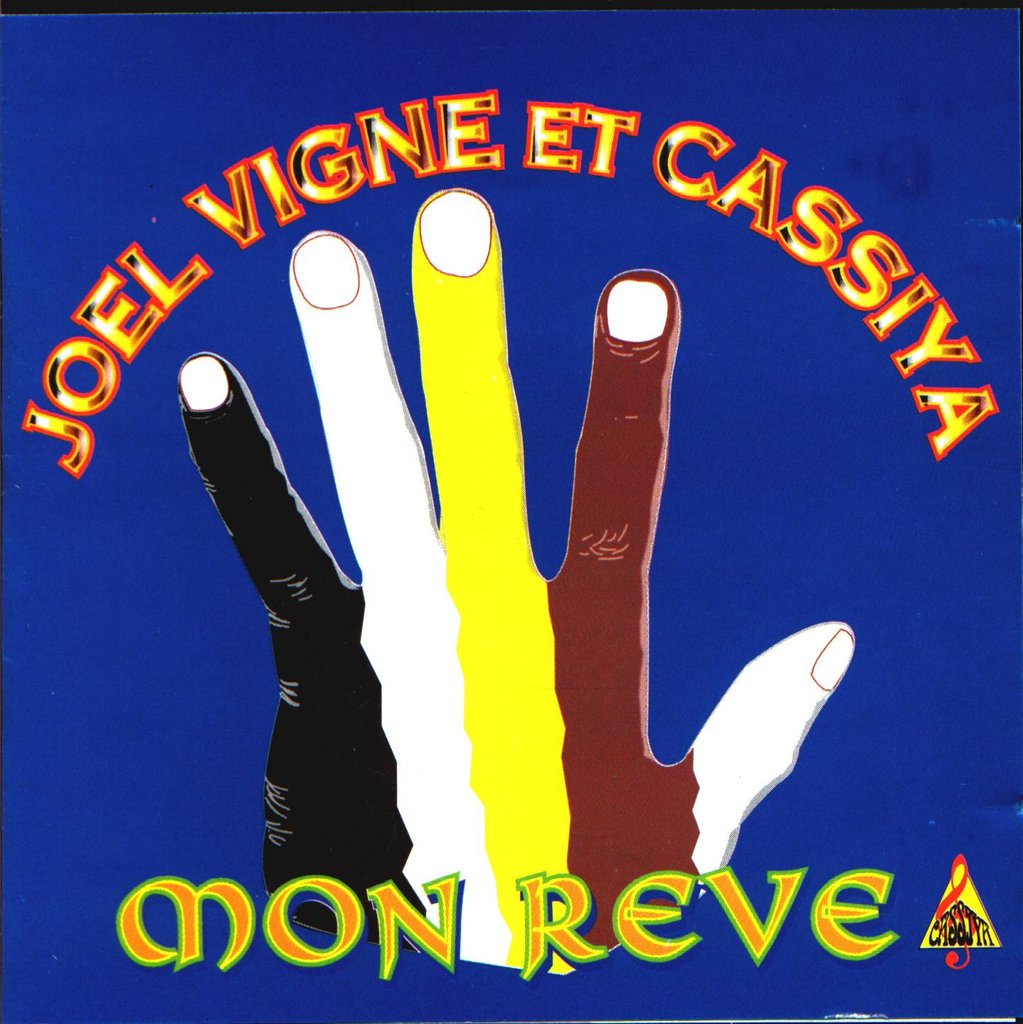
More than thirty years after its debut, the name Cassiya remains a reference for all those who claim a sega rooted in tradition but open to the world. Marlène, Rêve nou ancêtre, Ici cote nou été or Djouni Djouna are not just hits. The ravanne — that goat skin stretched over a circular frame that carries the sega rhythm — resonates like the memory of an entire people.
Sources and references
-
RFI Musique, Cassiya, cult group of Mauritian sega, celebrated over 30 years of vinyl career, by Carmen Lunsmann, June 30, 2025, accessed October 28, 2026 ↩︎
-
Afrisson, Cassiya, by Sylvie Clerfeuille, updated May 24, 2020, accessed October 28, 2026 ↩︎
-
Le Défi Media Group, Cassiya Roots, a new chapter in the history of the emblematic group from Mauritius, May 7, 2023, accessed October 28, 2026 ↩︎
-
L’Express.mu, The reunification of a legend, by Stephan Jauffret-Rezannah, accessed October 28, 2026 ↩︎
-
Wikipedia (en), Cassiya, accessed October 28, 2026 ↩︎
-
Wikipedia (fr), Cassiya, accessed October 28, 2026 ↩︎