Biography
Cécile Kayirebwa: the voice of the «land of a thousand hills»
In 2013, Cécile Kayirebwa took legal action against Rwandan radio stations that played her songs without paying her royalties. At 67, this singer born in Kigali in 1946 spent her life defending Rwandan music, first as a founding member of the Circle of Rwandan Song and Dance at the age of fifteen, then as an exile in Belgium where she continued her international career without ever renouncing her roots.
In brief
| Full name | Cécile Kayirebwa |
| Birth | 22 October 1946, Kigali, Rwanda |
| Field | Traditional Rwandan music and world music |
| Instruments / roles | Singing, composition |
| Emblematic works | Ubumanzi, Rwanda, Amahoro |
| Honors | Festival Kigali Dutarame (2026) |
Key dates
| Year | Event |
|---|---|
| 1946 | Born in Kigali to amateur singers |
| 1961 | Founding member of the Circle of Rwandan Song and Dance (age 15) |
| 1973 | Flees Rwanda with her family on the eve of war, settles in Belgium |
| 1975-1980 | Member of the group Iyange for five years |
| 1983 | Studies Rwandan heritage at the Royal Museum for Central Africa, Tervuren |
| 1984 | Joins Bula Sangoma, tours Europe and America |
| 1990 | Release of Ubumanzi, her most acclaimed album |
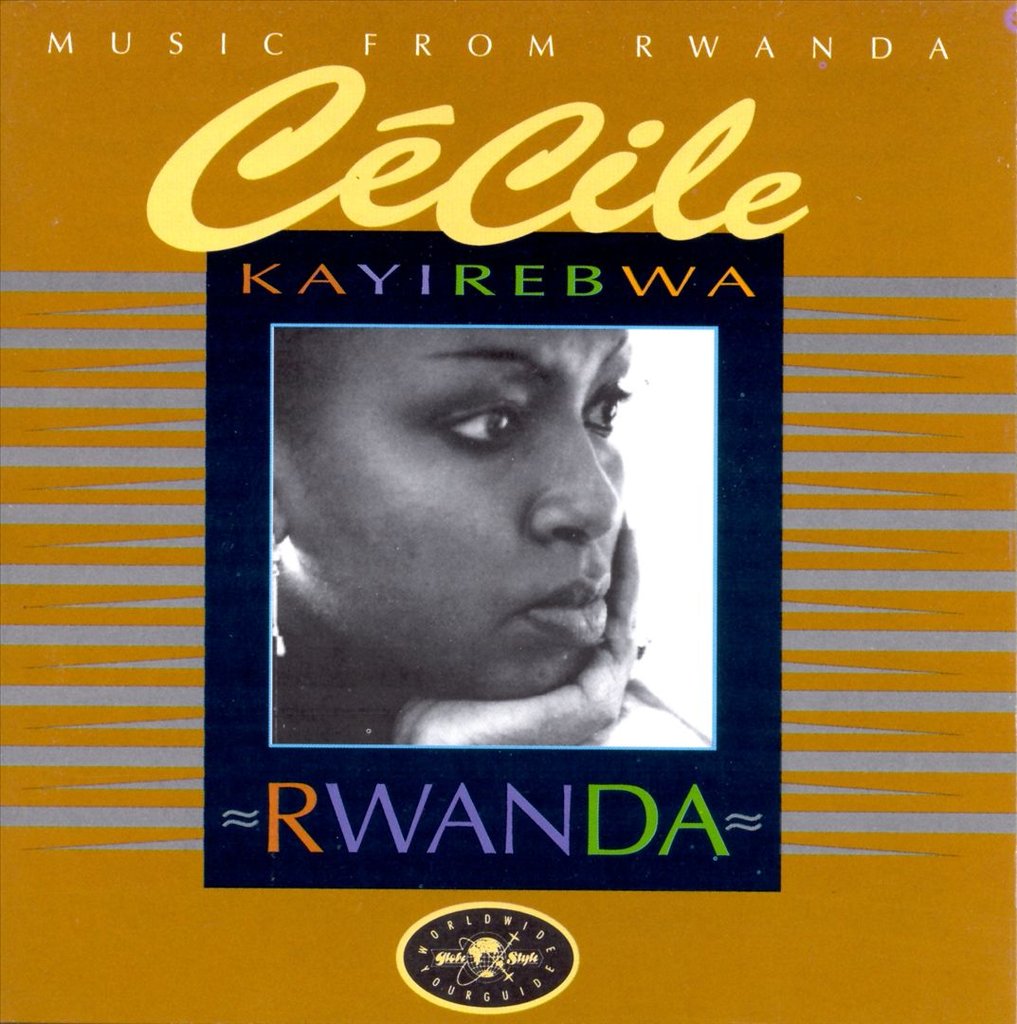
| 1994 | Release of Rwanda on Globe Style |
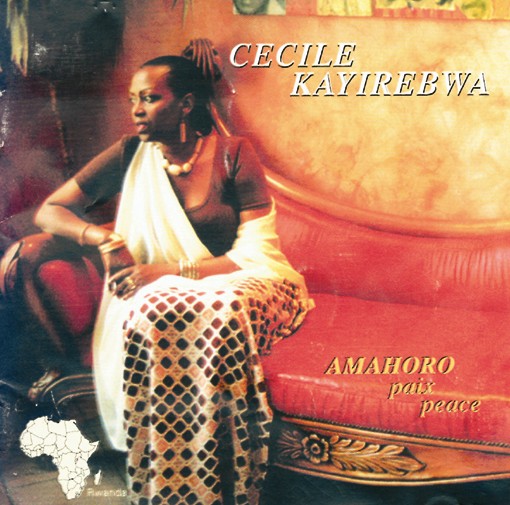
| 2002 | Release of Amahoro («Peace») |
| 2006 | Vocal contributions to the soundtrack of the film Shooting Dogs |
| 2013 | Sues Rwandan radios for non-payment of royalties |
| 2016 | Celebrations of her 70th birthday at the Serena Hotel in Kigali |
Origins and early musical development
Cécile Kayirebwa grew up in Kigali in a household where singing was a shared passion. Her two parents loved to sing, and the child would already be humming hits heard on the radio — Johnny Hallyday, Stevie Wonder, France Gall. As a teenager, she joined the Circle of Rwandan Song and Dance, a school group whose performances were broadcast on Radio Rwanda. This commitment marked the beginning of a vocation: at fifteen, in 1961, she became a founding member.
After school, she trained as a social assistance agent. This job allowed her to travel throughout Rwanda, and it was in the heart of villages that she absorbed the poetry and traditional music of the country. Her determination was clear: she wanted to preserve and share Rwandan musical wealth with the whole world. She composed her first songs, including a hymn dedicated to Queen Rosalie Gicanda.
In 1973, the war broke out. Cécile, her husband and their children fled to Belgium, where she settled permanently. Initially welcomed in the remote village of Lozère, where her mother lived with a French soldier, the family then settled in Belgium. Cécile learned French and, to make ends meet, sang French versions of Stevie Wonder and Jimmy Cliff in Belgian discotheques.
Exile, reunions and consecration
From 1975 onwards, Cécile joined the group Iyange and stayed with this formation for five years. In 1983, she deepened her knowledge of Rwandan musical heritage at the Royal Museum for Central Africa in Tervuren. The following year, she joined the group Bula Sangoma, with whom she went on tour in Europe and America and recorded her first album. She also formed a bilingual duo with a friend, Arcadia, which released the single “Amour Sucre”.
Her first solo album, Music from Rwanda, was released in 1986 with the support of the group Nzongo Soul. Between 1986 and 1994, she released a series of cassettes, later compiled by the label Globe Style into a CD titled Rwanda. This 1994 record showcases her style: polyphonic, multidirectional, blending traditional Rwandan instruments such as the umuduri (rhythmic wooden plaque) and the ikembe (thioiba, small wooden keyboard instrument) with pop influences she absorbed during her exile.
Her visit to Rwanda in 1988 was belated: her mother had passed away. There, she sang “Umunezero” («Happiness»), a song that met with great success among the Rwandan Patriotic Front. In 1987, she performed a concert tour in Rwanda and Uganda with the Ingeli orchestra, including a tribute to King Mutara III.
Major works
| Work | Year | Why it is essential |
|---|---|---|
| Music from Rwanda | 1986 | First solo album, laid the foundations of her style |
| Ubumanzi | 1990 | Her most acclaimed album, turning point of her career |
| Rwanda (Globe Style) | 1994 | International showcase, blending tradition and pop |
| Amahoro | 2002 | «Peace» — a message of reconciliation in the midst of Rwandan reconstruction |
| Ibihozo | 2005 | Lullabies and love songs, nostalgic and intimate |
Legacy
Cécile Kayirebwa is undoubtedly one of the most internationally recognized Rwandan musicians. For forty years, she worked in Rwanda and Belgium to promote her country’s music while supporting the Rwandan diaspora through its hardships. She co-founded with Christine Coppel the association «Hope, the Children of a Thousand Hills», dedicated to humanitarian aid in Rwanda.
Her music transcends ethnic and social divisions — a stance aligned with the country’s reconciliation needs. In 2006, her voice appears on the soundtrack of Dario Marianelli’s film Shooting Dogs, brought to international screens. Her 70th birthday, celebrated in 2016 at the Serena Hotel in Kigali, and the tribute from the Festival Kigali Dutarame in 2026 attest to the public recognition accorded to her.
Sources and references
- «Cécile Kayirebwa», Wikipedia, https://en.wikipedia.org/wiki/C%C3%A9cile_Kayirebwa, accessed 24 October 2026.
- Craig Harris, «Cecile Kayirebwa — Biography», AllMusic, https://www.allmusic.com/artist/cecile-kayirebwa-mn0000661808, accessed 24 October 2026.
- « Cécile Kayirebwa », Music In Africa, https://musicinafrica.net/directory/cecile-kayirebwa/, consulté le 24 octobre 2026.
- Andy Morgan, « Kayirebwa, Cecile Biography », Gateway of Africa, https://www.gatewayofafrica.com/artists/biography/165.html, consulté le 24 octobre 2026.
- « Cecile Kayirebwa », Ace Records, https://www.acerecords.co.uk/cecile-kayirebwa, consulté le 24 octobre 2026.
- Sharon Kantengwa, « PHOTOS: Kayirebwa celebrates 70th birthday with music show », The New Times Rwanda, https://www.newtimes.co.rw/article/135559/Entertainment/photos-kayirebwa-celebrates-70th-birthday-with-music-show, consulté le 24 octobre 2026.
- « Kigali Dutarame 2026–A special tribute to Cécile Kayirebwa’s music », The New Times Rwanda, https://www.newtimes.co.rw/article/39091/entertainment/music/kigali-dutarame-2026-a-special-tribute-to-cecile-kayirebwas-music, consulté le 24 octobre 2026.