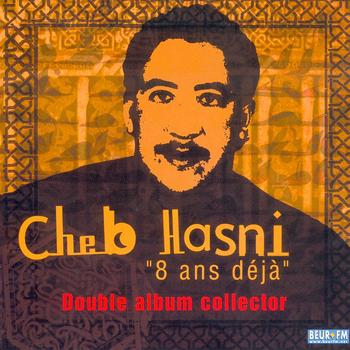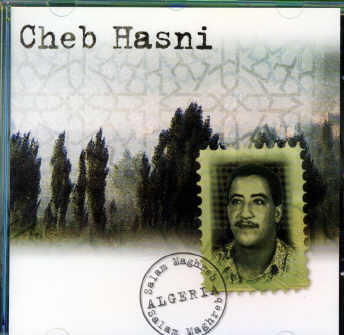
Biography
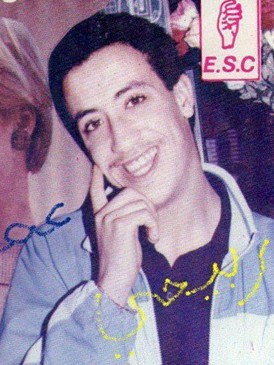
Cheb Hasni: the nightingale of sentimental raï
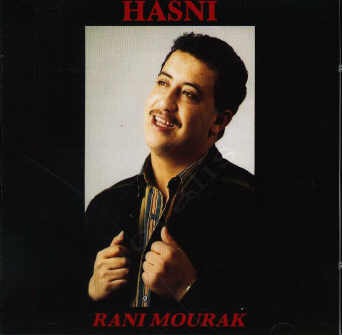
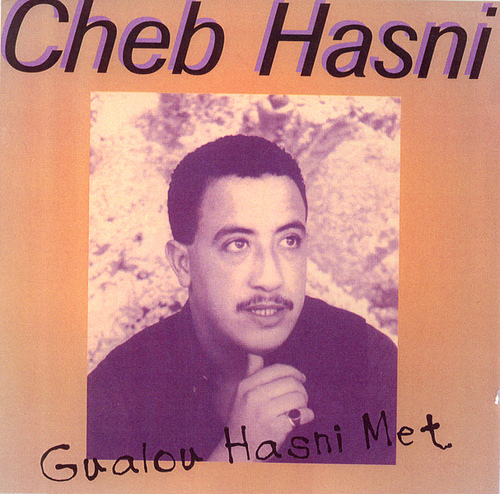
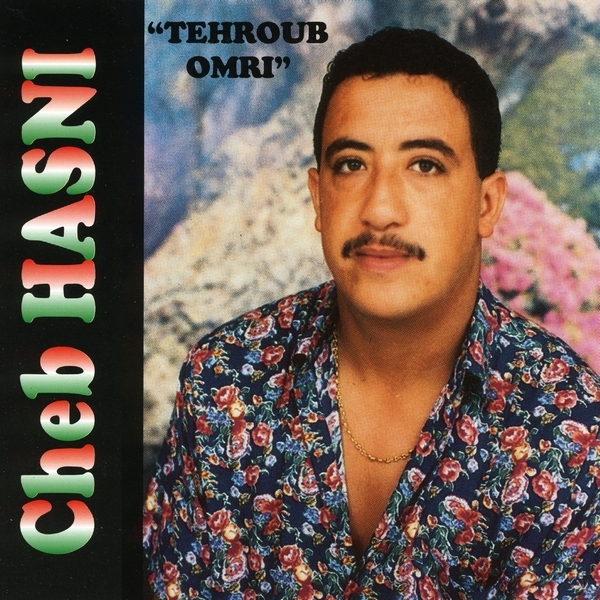
On September 29, 1994, on the way back from the studio in the Gambetta district of Oran, a man shot two bullets into Cheb Hasni’s head. At 26 years old, the “Nightingale of raï” — also nicknamed “the Algerian Julio Iglesias” — had silenced a voice that Islamist extremists had been threatening for months. His death turned Algerian raï into protest.
In brief
| Full name | Hasni Chakroun, known as Cheb Hasni |
| Birth | February 1, 1968, Oran (Algeria) |
| Death | September 29, 1994, Oran (Algeria), assassinated |
| Field | Raï — singing, synthesizer, accordion, oud |
| Iconic works | “Baraka”, Bayda mon amour, Madenitch net ferkou |
| Honors | National Order of Merit (posthumously, 2017) |
Key dates
| Year | Event |
|---|---|
| 1968 | Birth in Oran, Gambetta suburb, in a working-class family of seven children |
| 1983 | Sports injury at age 15 — end of the dream of pro football with ASMO |
| 1986 | Move to cabarets in Oran with the Naoui brothers |
| 1987 | Duo with Chaba Zahouania on “Baraka” — over one million cassettes sold |
| 1989 | Album Eli Maaref el Hob and the hit “Rabta El Hanna Khala” |
| 1992 | Signing with international manager; world tours (Paris, Boston, Tokyo…) |
| 1993 | Mythical concert in Algiers: 150,000 spectators for the 31st anniversary of independence |
| 1994 | Assassination in Oran by gunfire; more than 150,000 people at the funeral procession |
From the football pitch to the stage: a blazing ascent and a tragic destiny
Hasni Chakroun grew up in the popular suburb of Gambetta, one of seven children of a welder. An adolescent passionate about football — he played at ASMO of Oran at age 9 — a knee injury in 1983 put an end to his sporting dream. Withdrawn into himself, he sang as soon as he left school. His second chance came during the wedding of a friend: the formation of the Naoui brothers, who played in the guinguettes of Oran, was present. Struck by his clear voice, they integrated him into their show.
The decisive turning point arrived when a producer offered him to sing in a duo with the famous Chaba Zahouania. The title “Baraka” (“The blessing”), released in 1987, was a bomb: its bold lyrics on carnal love and wine resonated with Maghrebian youth. It sold nearly one million cassettes in France and in the Parisian suburbs. The media then dubbed him “the Julio Iglesias of raï” — a light voice, tender love choruses, and luxurious orchestral arrangements.
Between 1986 and his death in 1994, Hasni kept releasing hits — about four per year. His first solo album Madenitch net ferkou (“if you don’t let me fall”) confirmed the enthusiasm; in 1989, Eli Maaref el Hob (“The know-how of love”) established “Rabta El Hanna Khala”, hymn to conjugal joy; and his hit “Bayda mon amour” became the anthem of the Algerian diaspora. In 1992, he signed with manager Nourredine Gafaïti and embarked on world tours. From Paris to Marseille, from Boston to Washington DC, from Tunis to Tokyo: it was there that the public acclaimed him, because Algerian curfews and censorship limited his home scenes. His last concert in Algeria, on July 5, 1993, gathered more than 150,000 spectators at the stadium of Algiers.
The rise of Islamist integralism from 1991 changed the game. His songs on free love, unemployment, and drugs clashed with conservatives. Threats multiplied, but Hasni refused to flee and stayed in Oran while his family took refuge in France. On September 29, 1994, at dusk, a man on a motorcycle shot two bullets at him — one in the throat, the other in the head. Dying on the spot, he left behind more than four hundred recorded tracks. According to researcher Aziz Chouki, “his death changed the texts”: raï turned towards contestation. His model, “raï love”, inspired an entire generation (Cheb Nasro himself bequeathed his first songs on the tracks of his idol). Algeria awarded him the National Order of Merit posthumously in 2017.
Major works
| Work | Year | Why it is essential |
|---|---|---|
| “Baraka” (with Chaba Zahouania) | 1987 | The founding hit of sentimental raï; one million cassettes sold in France |
| Madenitch net ferkou (album) | 1987 | First solo album; established the nickname “Julio Iglesias of raï” |
| “Rabta El Hanna Khala” | 1989 | Hymn to conjugal joy from Eli Maaref el Hob |
| “Bayda mon amour” | 1989 | The ultimate romantic title, cradle of the Algerian diaspora in France |
| “Dawrou El’auto” (clip) | 1990 | First visual; icon of Algerian youth in France |
Legacy and influence
Cheb Hasni transformed Algerian raï into the language of gentle revolt. With songs that spoke frankly of love, unemployment, drugs, and immigration, he gave a voice to thousands of young Maghrebis. After his assassination in 1994, raï became a protest movement, and his tender style inspired a whole generation of singers.
Sources and references
- “Cheb Hasni: the assassinated Algerian musical legend”, Far Out Magazine, https://faroutmagazine.co.uk/cheb-hasni-the-assassinated-musician-who-stood-up-against-fundamentalism/, accessed November 2, 2025.
- “Cheb Hasni — Biography”, AllMusic (by Craig Harris), https://www.allmusic.com/artist/cheb-hasni-mn0000106631, accessed November 2, 2025.
- “Cheb Hasni”, Wikipedia (en), https://en.wikipedia.org/wiki/Cheb_Hasni, accessed November 2, 2025.
- “Cheb Hasni”, Wikipedia (fr), https://fr.wikipedia.org/wiki/Cheb_Hasni, accessed November 2, 2025.
- “Cheb Hasni”, Britannica, https://www.britannica.com/biography/Cheb-Hasni, accessed November 2, 2025.
- « Algeria: Cheb Hasni — popular rai hero assassinated », Freemuse, https://freemuse.org/news/algeria-cheb-hasni-popular-rai-hero-assassinated, accessed November 2, 2025.
- « ALGERIA Cheb Hasni: the champion of sentimental raï », Le Monde, October 1, 1994, https://www.lemonde.fr/archives/article/1994/10/01/algerie-cheb-hasni-le-champion-du-rai-sentimental_3853888_1819218.html, accessed November 2, 2025.