
Biography
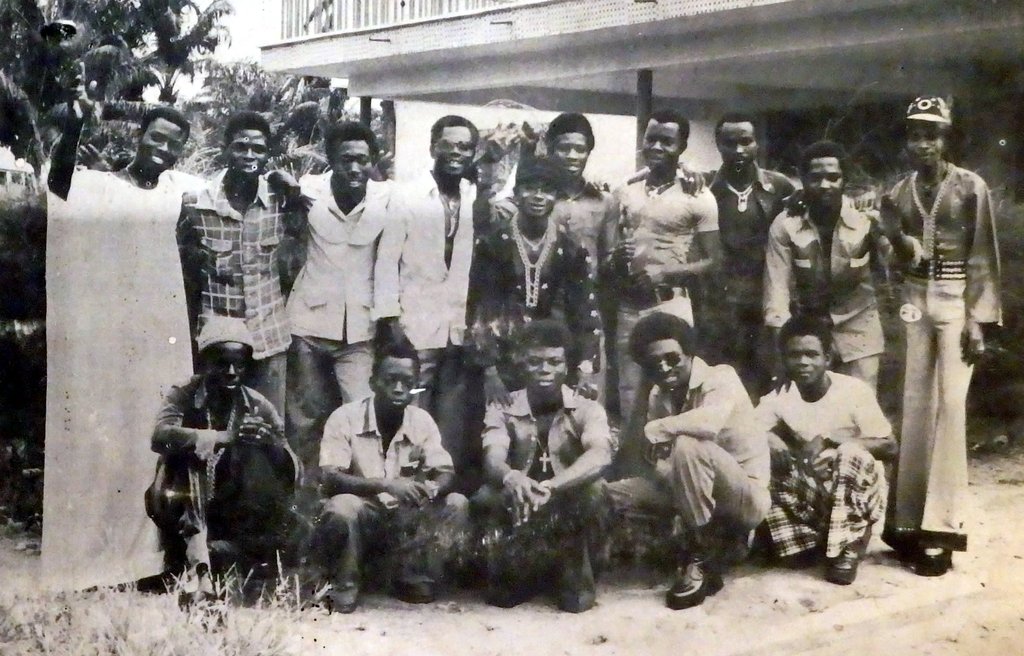
City Boys Band: The Joyful Voice of Ghanaian Highlife
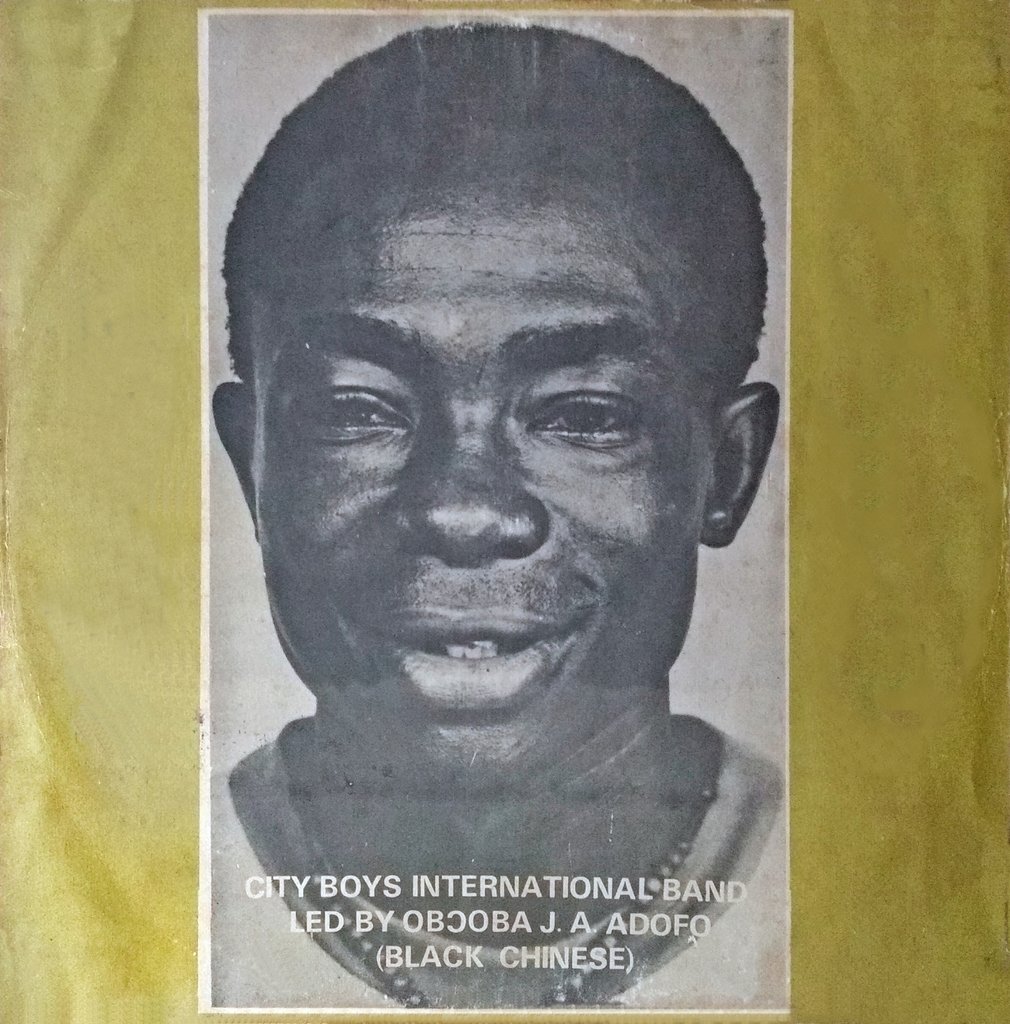
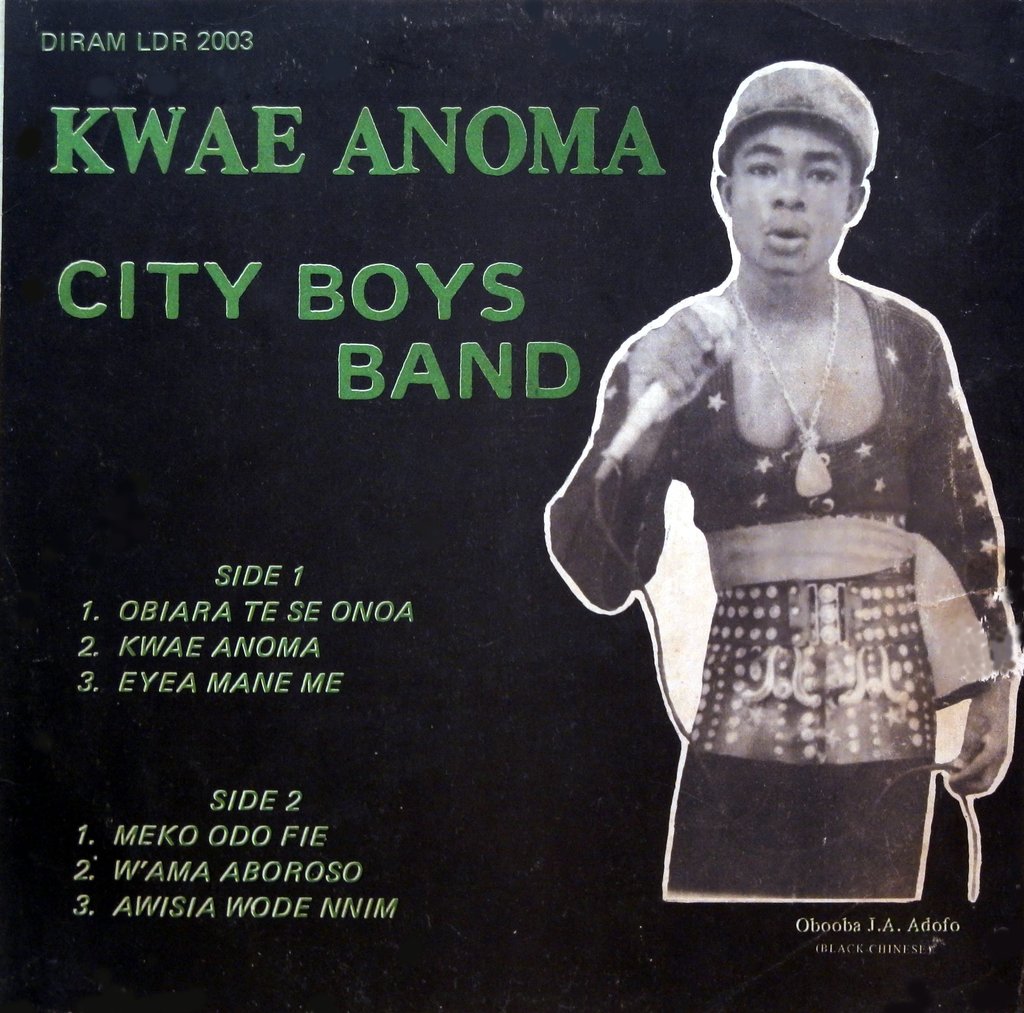
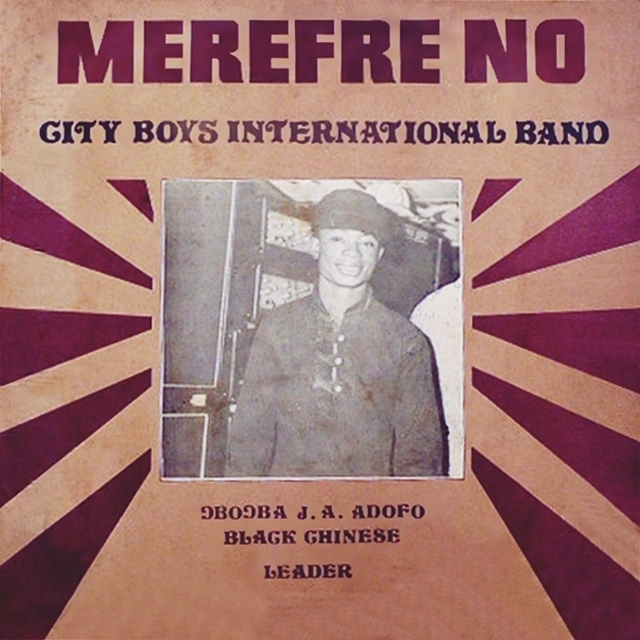
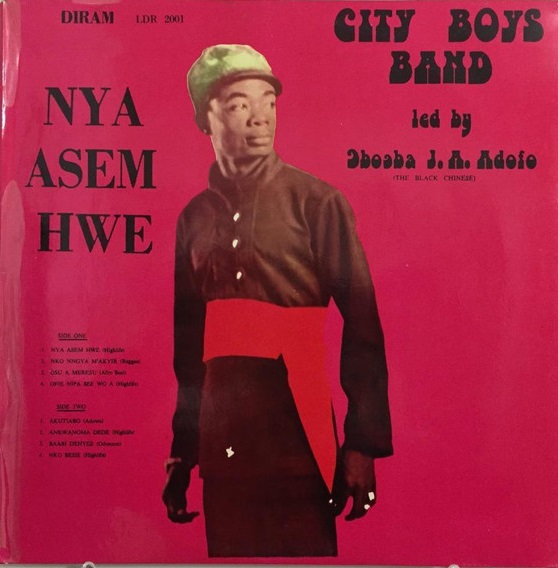
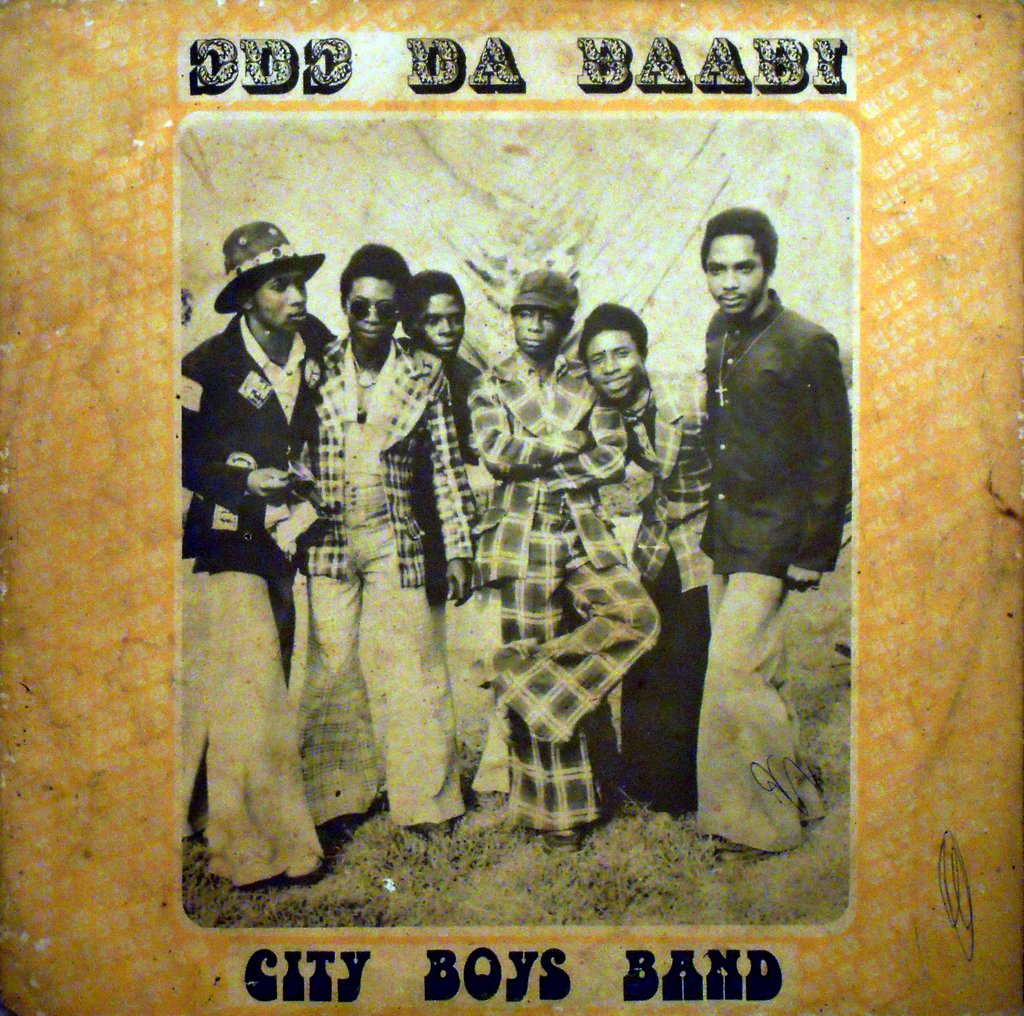
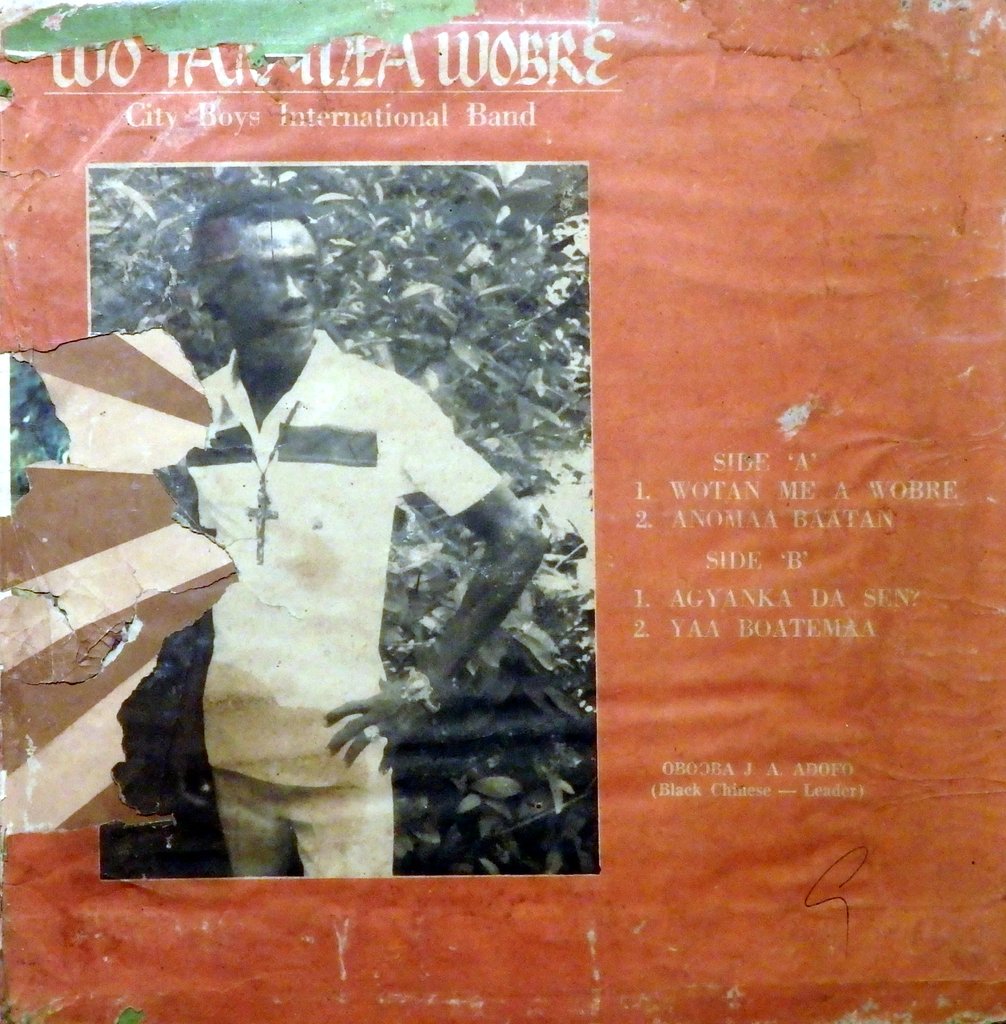
Kumasi, 1972. On a concert party stage, J.A. Adofo — alias “the Black Chinese” or “Chairman Muo” — launches a verse about love’s disappointments. The audience dances and laughs: that is the City Boys sound. A group that transforms every concert into a theatrical show blending songs and comedic skits.
In Brief
| Origin | Kumasi, Ghana |
| Founded | Around 1970 |
| Founder | Obuoba J.A. Adofo (alias “the Black Chinese”, “Chairman Muo”) |
| Genre(s) | Highlife, concert party |
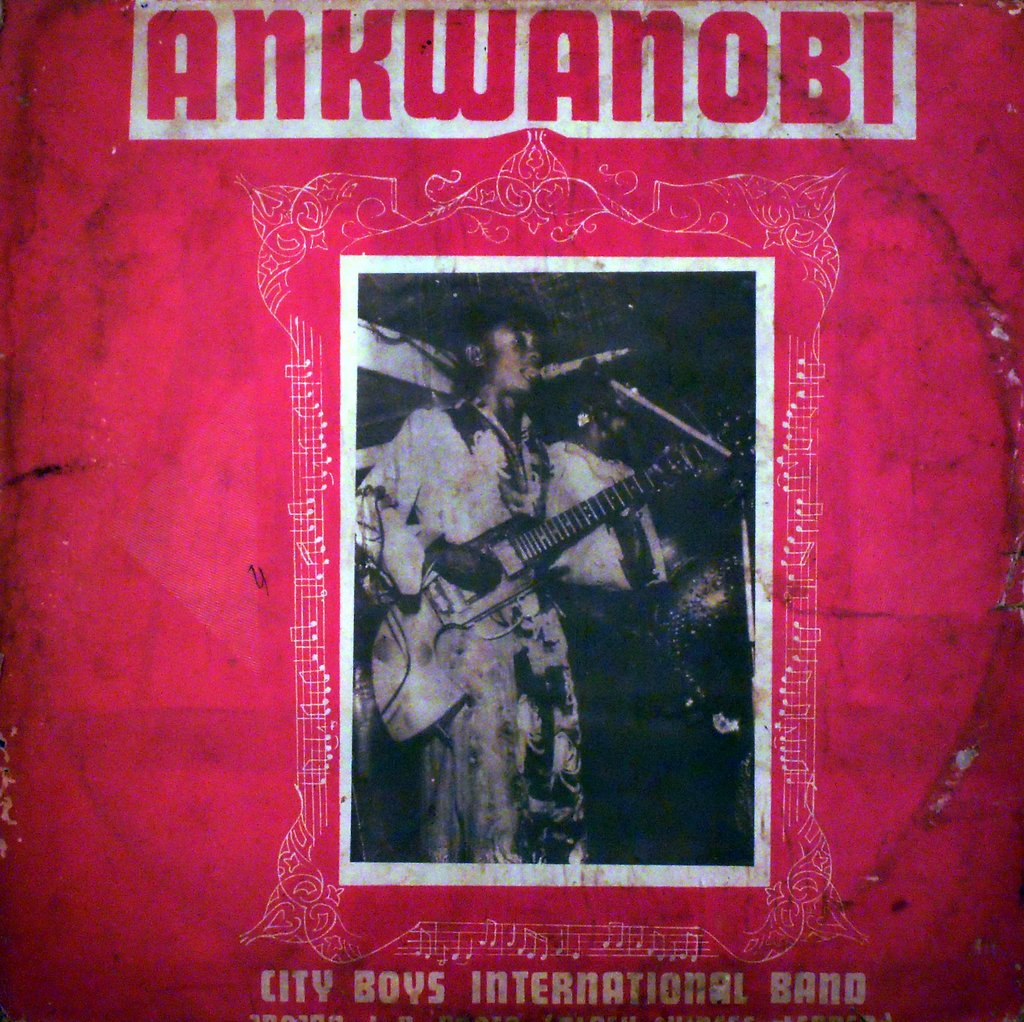
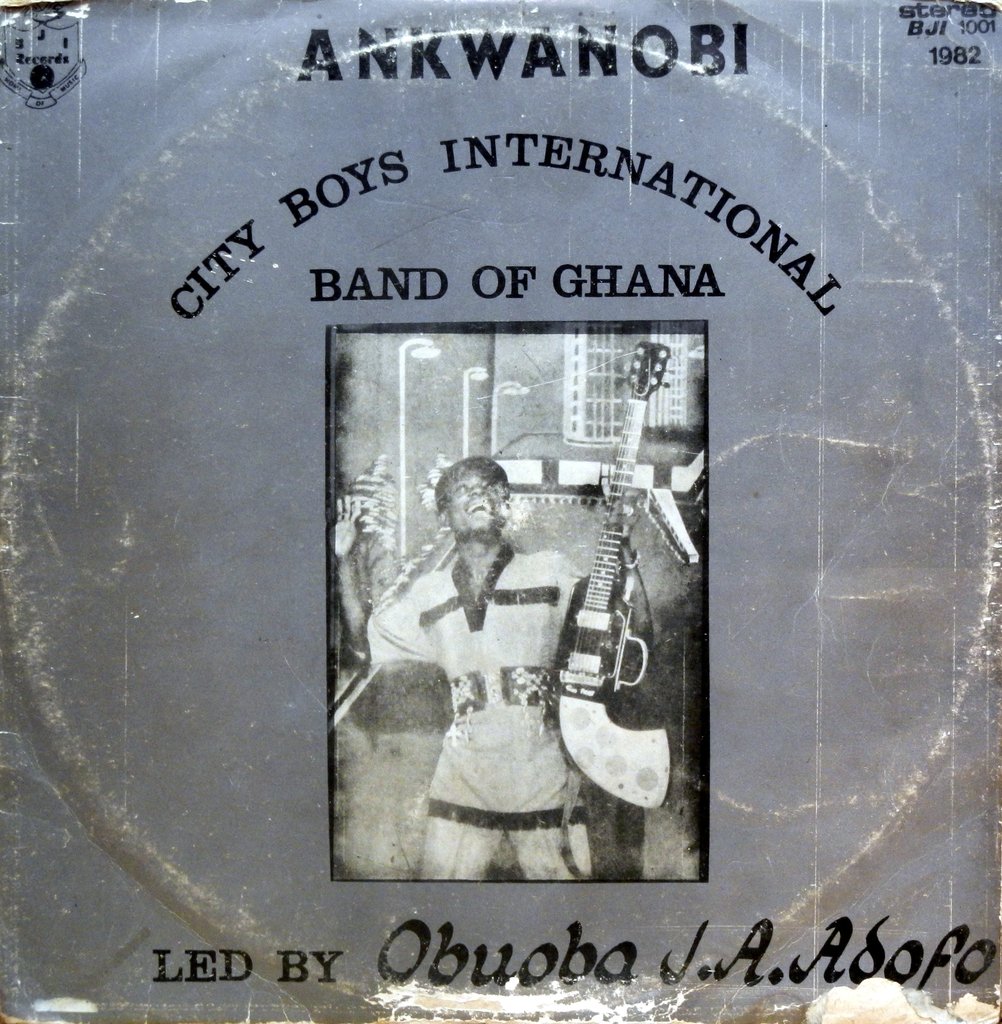
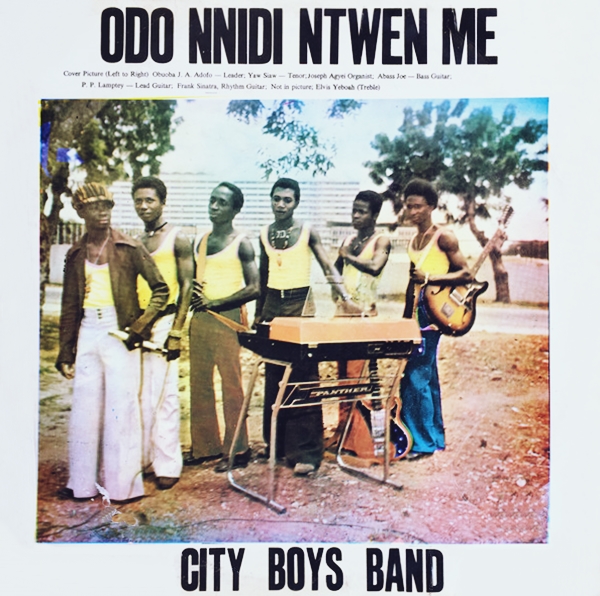
| Notable Works | “Odo Nnidi Ntwen Me”, “Ankwanobi”, Aka Menkoaa |
| Distinctions | Lifetime Achievement Award (3Music Awards and VGMA, 2019) |
Key Dates
| Year | Event |
|---|---|
| 1970 | First album by J.A. Adofo, Kwame Ancra Yie |
| Around 1970 | Creation of the City Boys Band in Kumasi with Alex Oppong Asare and other musicians from Accra |
| 1974-1976 | Recordings at Rainbow Studio, Accra; first vinyl albums |
| 1976-1982 | Highlife reggae experimentation; success in Ghana and Nigeria |
| 1970s-80s | Golden era: over 30 albums, tours in West Africa |
| 2019 | Lifetime Achievement Award (VGMA and 3Music Awards) |
| 2022-2024 | American tour; new album Owu Nfame (2023) |
One Singer, Lyrics and a Show
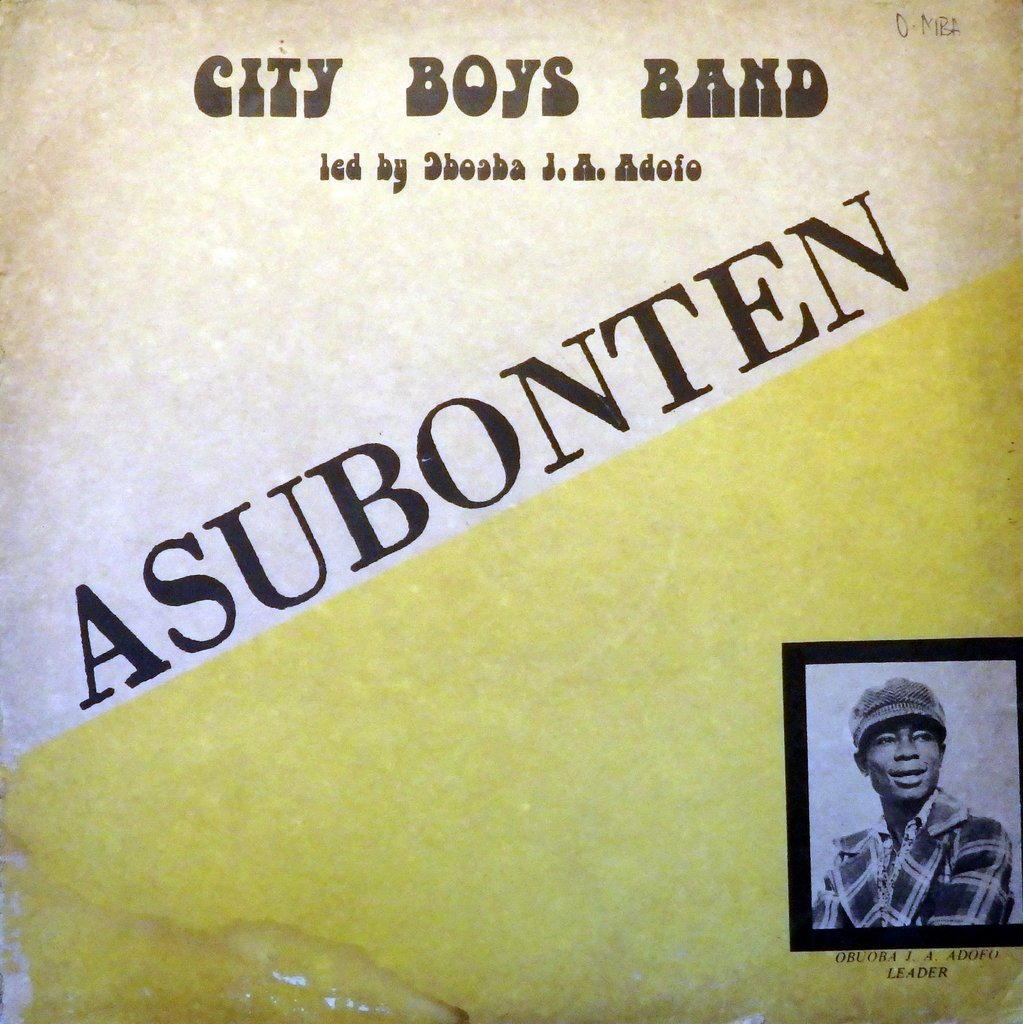
Obuoba Jackson Alfred Adofo was born around 1952 in the village of Oboo. Passionate about music since adolescence, he listened on the radio to his uncle Nana Kwame Ampadu’s records — a highlife legend and leader of the African Brothers. After his studies at Obo Presbyterian School, Adofo moved to Accra and spent hours observing rehearsals by E.K. Nyame, another icon of the genre. Producer M. Osarfo tested him and signed his first album, Kwame Ancra Yie, in 1970.
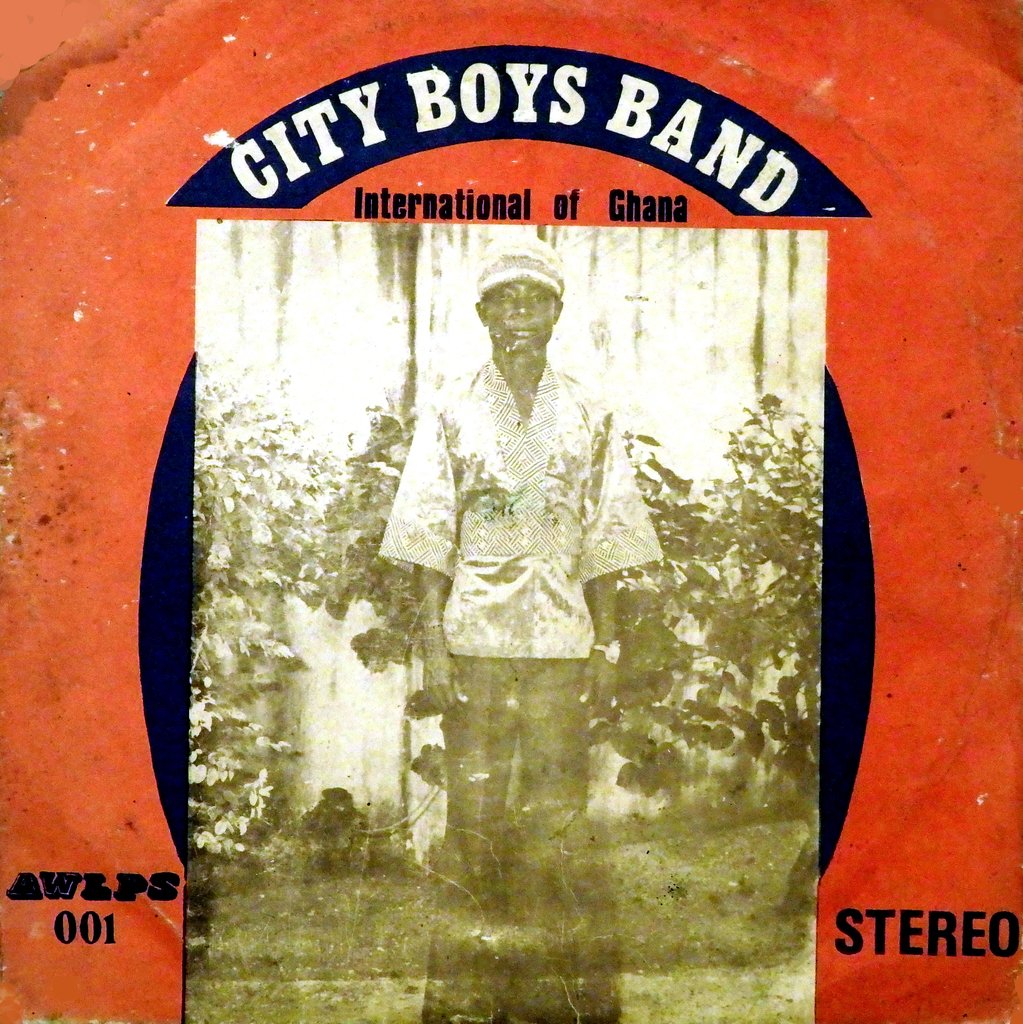
Adofo deliberately chose love songs — an uncommon angle at the time, when most musicians dealt with death or social conflicts. This decision paid off: he became the leader of the City Boys Band, formed around 1970 in Kumasi with singers like Alex Oppong Asare, Adu Kwasi and Anthony Kwabena Yeboah. The group blended highlife and concert party — a Ghanaian theatrical tradition of comedic theater stemming from American and British revues, indigenized in the 1930s by Bob Johnson then generalized after independence.
On stage, Adofo improvised satirical commentary on urban customs — money, laziness, girls’ coquetry — turning every show into an educational tale where laughter protects morality.
From Highlife to Reggae, Across Africa and Nigeria
The strength of the City Boys Band comes from its ability to absorb external influences without ever betraying its roots. Around the mid-1970s, well before Alpha Blondy and Lucky Dube, they recorded highlife versions of reggae — a stylistic gamble. The New York Times reported that the Ashanti Brothers and City Boys were among the US-inspired groups dominating the Ghanaian scene at the time.
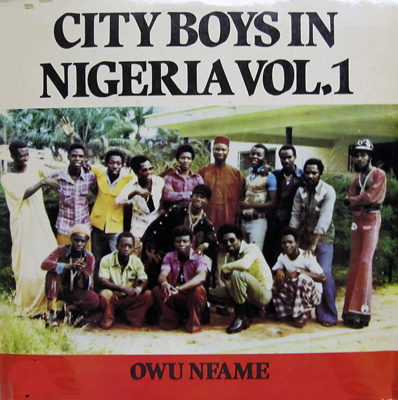
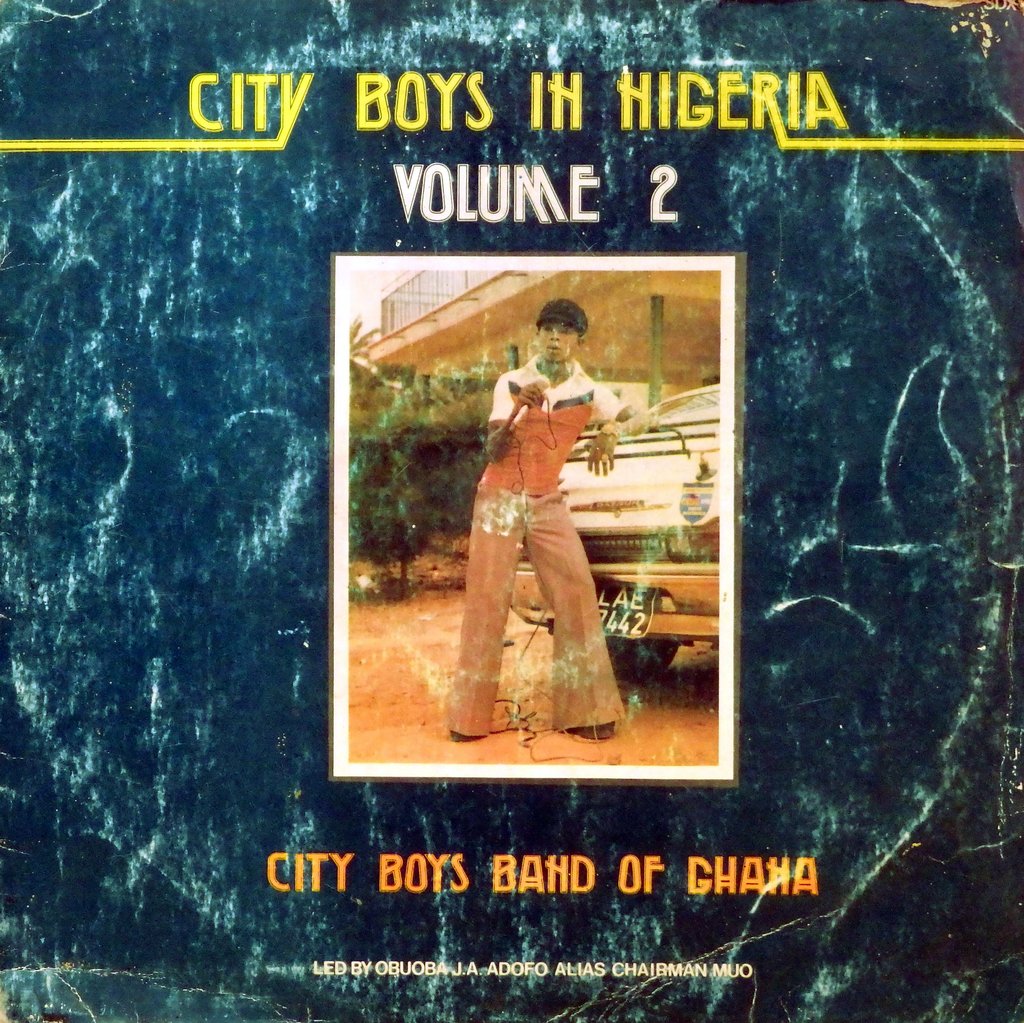
The group extended its influence zone to Nigeria, a colossal market for West African highlife. Albums like City Boys in Nigeria (volumes 1 and 2, Scodisc Sound) circulated through Lagos and Kano. The record Aka Menkoaa (1977, Awosco & Sons Records) even saw a Nigerian reissue on the Alau label. In Ghana, hits piled up: “Ankwanobi” became an indispensable standard for parties and dances, to the point that citing this track without playing it would be considered bad omens.
In the 1980s and 1990s, the City Boys Band was a pillar of Ghanaian live music. Over 30 albums to its name, tours from Africa to Africa — Nigeria, Côte d’Ivoire, Benin. Adofo himself was a one-man orchestra: singer, guitarist and songwriter, he also taught guitar to American students in the 2000s.
Transmission and Sustainability
Transmission happened naturally: Obuoba Adofo handed over group leadership to his son Rubean, known as Adofo Jnr. “I want to represent my country, Ghana,” he told the Mirror in 2022. The first American tour — the Super Highlife Show in New York and the Bronx — confirmed that the relay was operational.
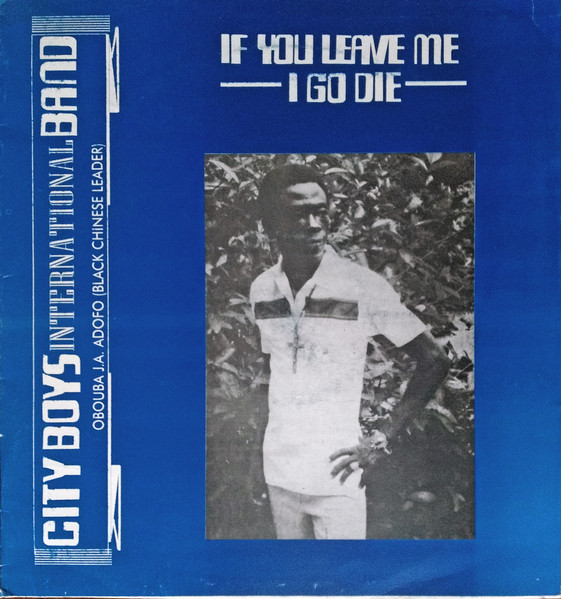
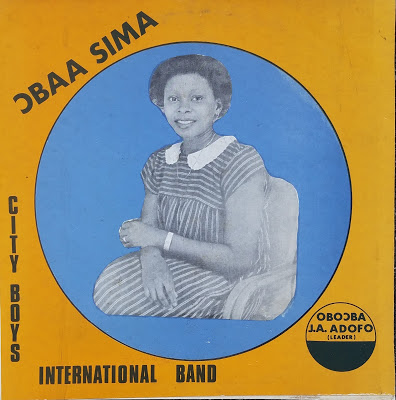
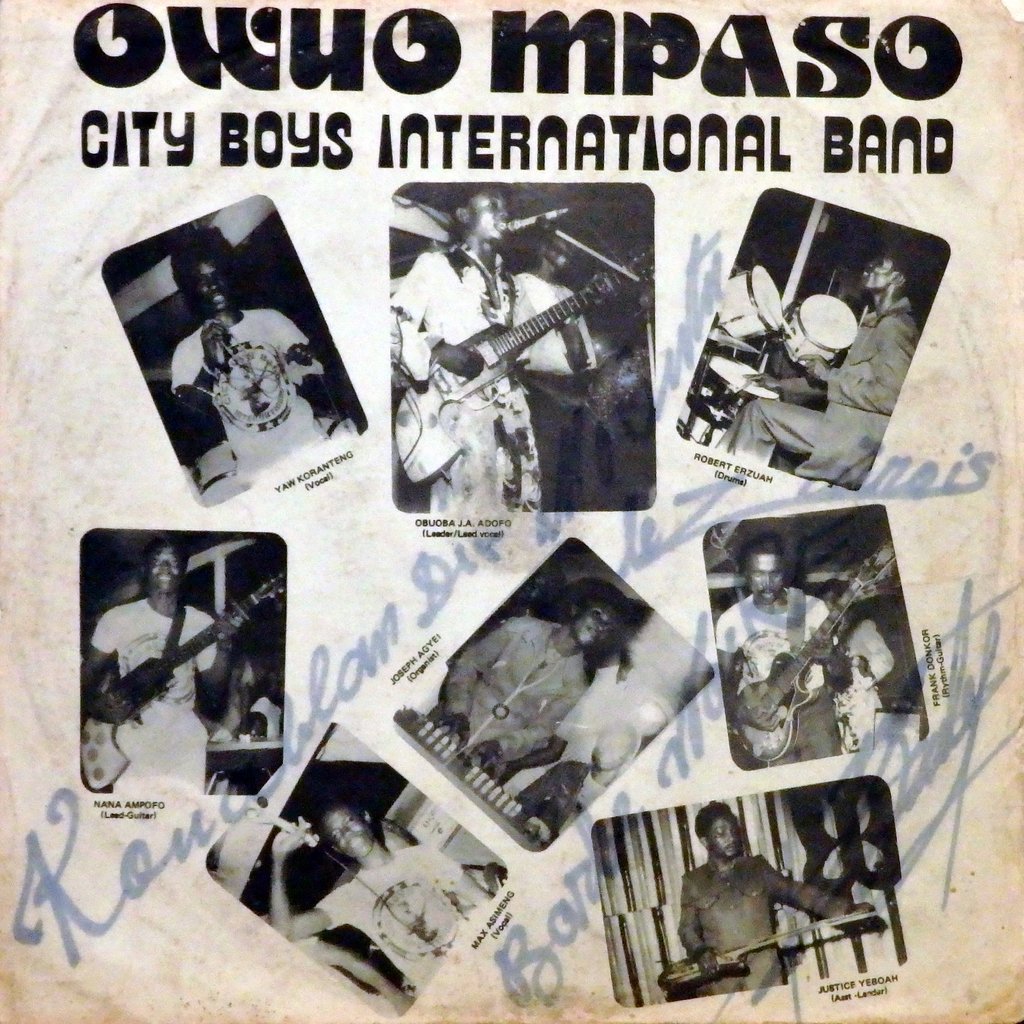
The City Boys International Band received Lifetime Achievement Awards in 2019 at both major Ghanaian ceremonies, VGMA and 3Music Awards. Today’s generation is rediscovering the group thanks to digital reissues (Apple Music, Bandcamp) and international concerts. The last studio album recorded by the group, Owu Nfame (2023), proves that a formation founded at the turn of the 1970s still knows how to compose living songs.
Major Works
| Work | Year | Why It’s Essential |
|---|---|---|
| “Odo Nnidi Ntwen Me” | ca 1974 | Group’s first hit, recorded at Accra’s Rainbow Studio |
| “Ankwanobi” | 1970s | Indispensable highlife party standard, popular anthem |
| Aka Menkoaa (LP) | 1977 | Major album reissued in Nigeria; proof of export success |
| City Boys in Nigeria (vol. 1-2) | 1970s | Highlife-reggae experiments, early stylistic breakthrough |
| Owu Nfame (EP) | 2023 | Last studio album, creativity still alive after half a century |
Legacy and Influence
The City Boys Band contributed to making Ghanaian highlife an exportable genre — in Nigeria, the United States and Europe. J.A. Adofo is a tutelary figure: by marriage uncle to Nana Kwame Ampadu, he formed a musical dynasty spanning three generations. Contemporary artists on the Ghanaian highlife scene cite his educational lyrics and concert party approach as sources of inspiration. Between vinyl reissues and family tours, the City Boys continues to keep alive a tradition that remains one of the most joyful faces of West African highlife.
Sources and References
- “Obuoba J.A. Adofo”, Wikipedia (EN), https://en.wikipedia.org/wiki/Obuoba_J.A._Adofo.
- « Obuoba J.A. Adofo », Grokipedia, https://grokipedia.com/page/obuoba_ja_adofo.
- Ben Lawrence, « The City Boys », Ghana Goods, https://ghanagoods.co.uk/the-city-boys/.
- « City Boys International Band », Discogs, https://www.discogs.com/artist/1330092-City-Boys-International-Band.
- « Ghana Month: 10 Solid Music Bands Before The 90s », The Ghana Report, https://theghanareport.com/ghana-month-10-solid-music-bands-before-the-90s-that-made-a-spotlight-on-ghana-music-industry/.
- Jayne Buckman-Owoo, « Adofo Jnr, City Boys Band International on the move », Graphic Online, 11 April 2022, https://www.graphic.com.gh/entertainment/music/adofo-jnr-city-boys-band-international-on-the-move.html.
- « I never wanted my son to do music because of juju – JA Adofo », GhanaWeb, https://ghanaweb.com/GhanaHomePage/entertainment/I-never-wanted-my-son-to-do-music-because-of-juju-JA-Adofo-2041495.
- « How I Started Music As A Career In 1970s – Obuoba J.A. Adofo », Throwback Times, 25 November 2018, https://throwbacktimesng.wordpress.com/2018/11/25/how-i-started-music-as-a-career-in-1970s-obuoba-j-a-adofo-founder-ghana-city-boys-international-band.
- « Highlife » (inscription au Patrimoine culturel immatériel de l’UNESCO), https://ich.unesco.org/.
- « City Boys Band, Odo Nnidi Ntwen Me (ca 1974) », Gramophone Records Museum & Research Centre of Ghana / Fondation Langlois, https://www.fondation-langlois.org/html/f/media.php?NumObj=73470.