Biography
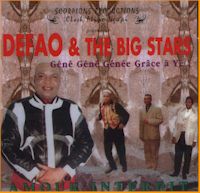
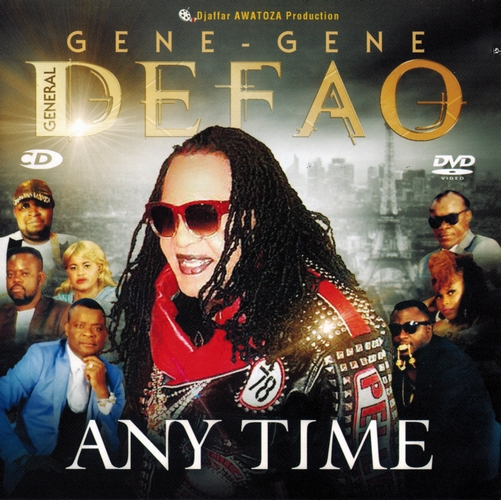
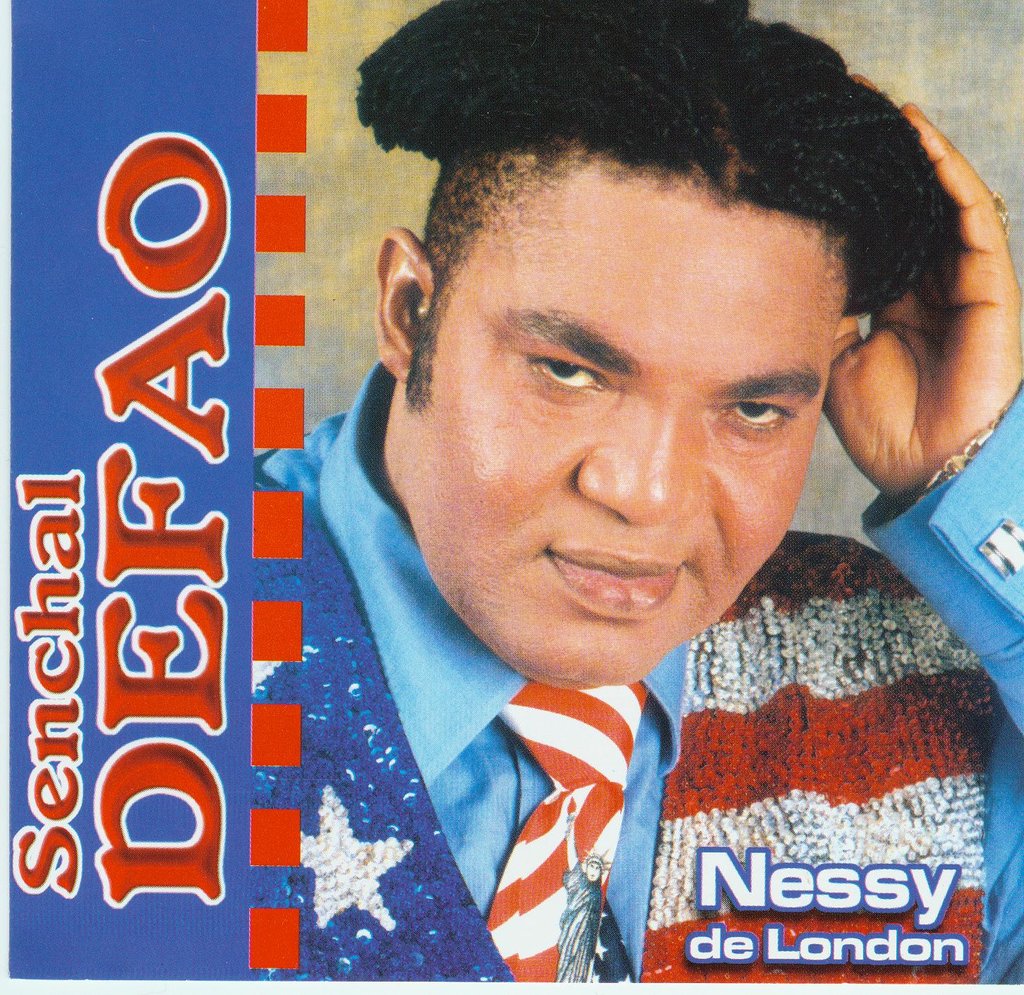
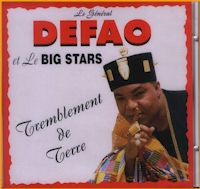
Général Defao
Six days before his 63rd birthday, on Monday, December 27, 2021, Général Defao collapsed in his hotel room in Douala. Transported to Laquintinie Hospital, he passed away that same evening. A musician suffering from diabetes and a victim of complications related to Covid-19, this artist who had survived decades of tours did not survive the brutal silence. He will remain the undisputed master of ndombolo, a dancer whose steps made Central and Southern Africa vibrate for nearly forty-five years.
In Brief
| Full Name | François Lulendo Matumona |
| Nickname | Le Général Defao, Fanfan |
| Birth | December 31, 1958, Léopoldville (Kinshasa), Belgian Congo |
| Death | December 27, 2021 (62 years), Douala, Cameroon |
| Fields | Ndombolo, Congolese rumba, soukous |
| Roles | Singer, dancer, songwriter, bandleader |
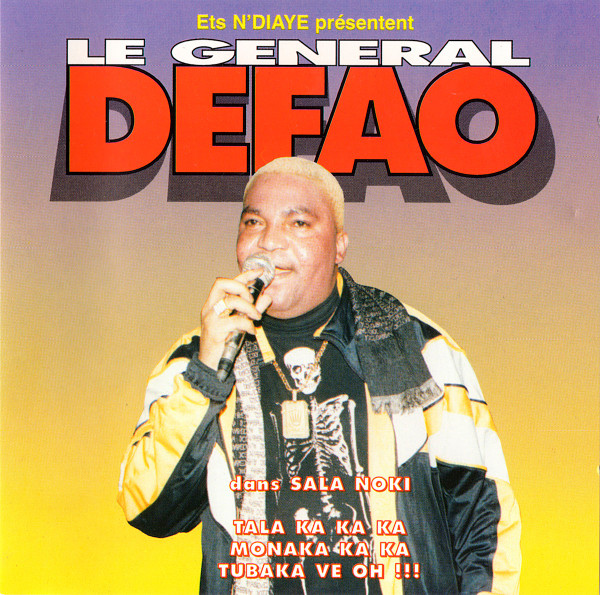
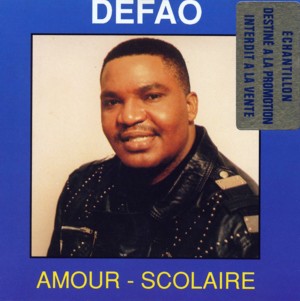
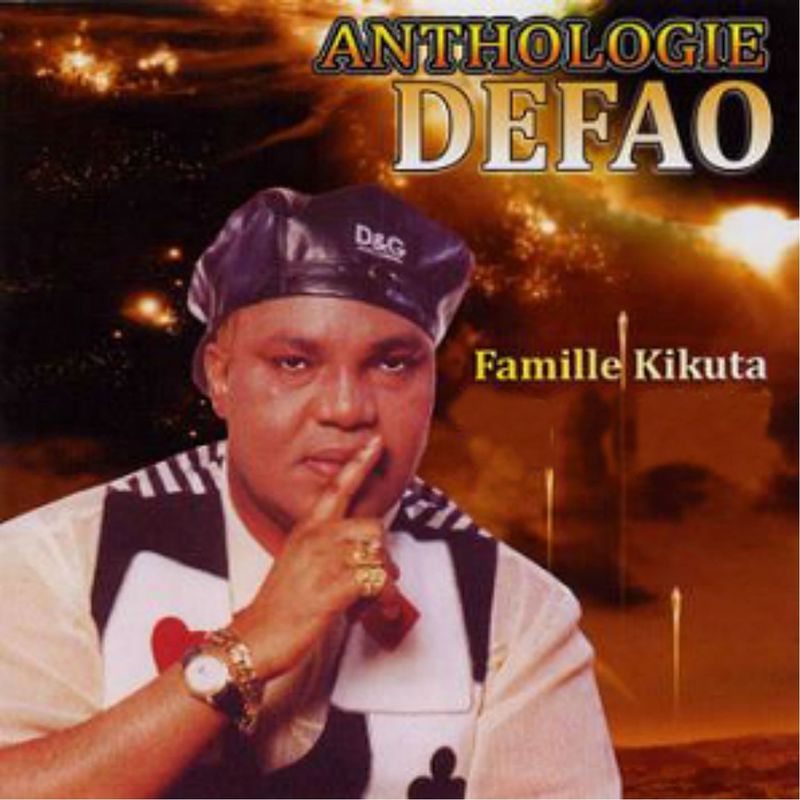
| Iconic Works | “Amour Scolaire”, “Sala Noki”, “Copinage”, “Famille Kikuta” |
| Awards | Congolese Musician of the Year 1995 and 1996 |
Key Dates
| Year | Event |
|---|---|
| 1958 | Birth of François Lulendo Matumona in Léopoldville (Kinshasa) |
| 1981 | Integration into Grand Zaïko Wawa of Félix Manuaku Waku |
| 1983 | Entry into Choc Stars, star of soukous |
| 1985 | First recordings in Paris |
| 1991 | Creation of Big Stars with Djo Poster Mumbata |
| 1992-1994 | Hits Amour Scolaire, Donat and Famille Kikuta |
| 1995-1996 | Congolese Musician of the Year (twice) |
| 1997-1998 | Sala Noki and Copinage (with Mbilia Bel), triumph of ndombolo |
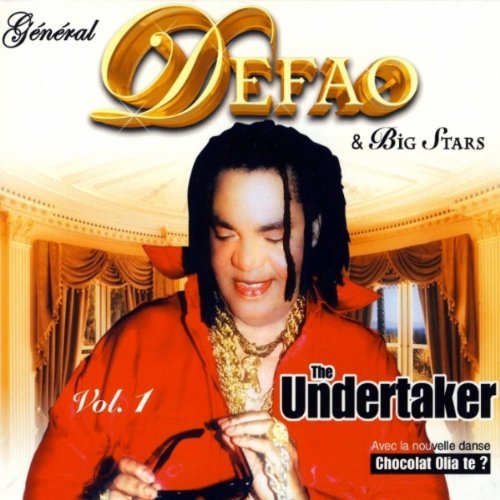
| 2011 | Comeback with The Undertaker Vol. 1 |
| 2019-2021 | Return to Kinshasa; posthumous recording and death of Bety Poni |
From the Foire Neighborhood to the Stages of Africa
François Lulendo Matumona was born on December 31, 1958, in the Foire neighborhood in Lemba, a popular district of Kinshasa. His family later moved to the Bumbu neighborhood, where young François discovered Congolese urban music. Influenced by Gina Efonge, Nyoka Longo, Papa Wemba and especially Tabu Ley Rochereau — his absolute idol — he shaped an aesthetic that would mark his entire career: elegant attire, inventive choreography and magnetic charisma. During the Mobutu period, he was called Fanfan, a affectionate nickname derived from his first name. Under the impetus of the authenticity program, his family added the post-nom “Tulendo” to his identity.
His entry into the scene is the subject of divergent legends: some placing his debut with Suka Movema, others in an orchestra that became Fogo Star. Regardless, around 1976, he appeared in small formations in Kinshasa — Suka Movema, Forgo Stars, Korotoro and Somo West — where he stood out as a singer and dancer.
In 1981, guitarist Félix Manuaku Waku spotted the talent and integrated him into Grand Zaïko Wawa. Defao found himself propelled onto the stages of Kinshasa, where his look and his “dance moves” immediately captivated the public. With Djo Poster, nicknamed “Grand Muyaka”, he became a pillar of the Kinshasa scene, known as much for his singing as for his signature choreography.
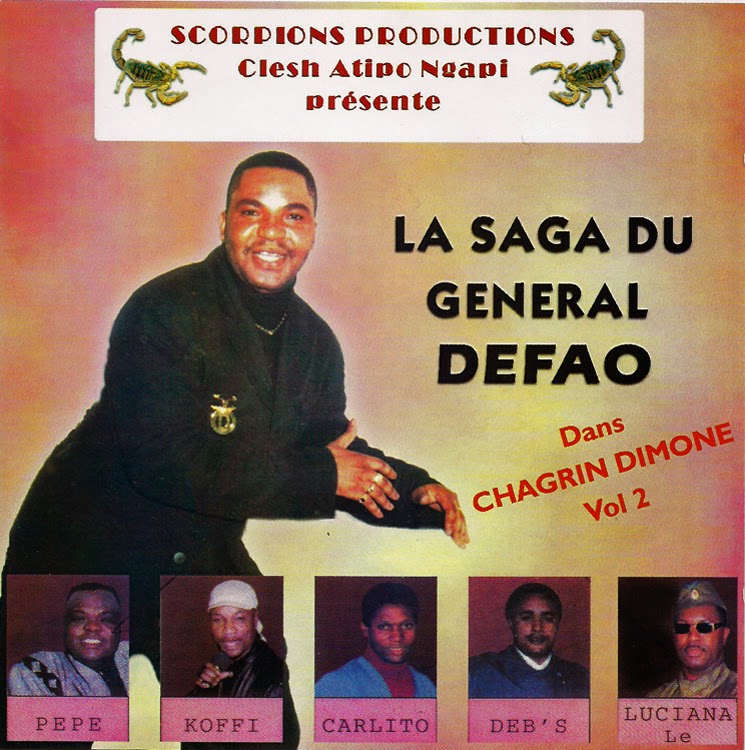
In 1983, he joined the Choc Stars of bassist Benoît “Ben” Mutombo Nyamabo. Alongside Bozi Boziana, Carlyto Lassa, Debaba and Djuna Djanna, he contributed to the dissemination of soukous throughout the country. With guitarist Roxy Tshimpaka, known as “Grand Niawu”, and the atalaku Ditutala, he popularized the Roboti-Robota style. This period saw the birth of cult albums like Chagrin Dimone (1988) and a collaboration with Pepé Kallé on La Force tranquille. He recorded in Paris, where his group signed tracks with Koffi Olomidé.
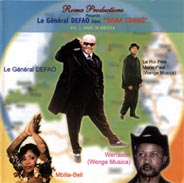
In 1991, capitalizing on his growing popularity, Defao founded Big Stars with Djo Poster Mumbata. The orchestra became a nursery for young talents: Montana Kamenga, Kabosé Bulembi, Théo Mbala and Azanga took their first steps there. Amour Scolaire (1992), Donat and Famille Kikuta (1994) dominated the Zairian hit-parades. The public recognized the Defao signature: catchy rhythms leading towards the emerging ndombolo, and studious choreography. In 1995 and 1996, he was crowned Congolese Musician of the Year for two consecutive years. His album Sala Noki (1997) is a masterpiece of ndombolo. The following year, Copinage, in duo with Mbilia Bel, was a commercial triumph. Defao crossed borders: in Mombasa and Nairobi in 1998, he brought his repertoire to the east of the continent.
From 2000 onwards, his fame declined somewhat. He exiled himself to Lusaka and then, in 2001, to Nairobi in Kenya. Yet, far from Kinshasa for nearly two decades, he did not disappear. In 2011, he returned in force with The Undertaker Vol. 1, an album produced over several years and supported by music videos shot in Africa and Europe. Critics praised this notable comeback.
On August 10, 2019, taking advantage of the political change in the DRC, Defao finally returned to Kinshasa. He reconstituted Big Stars with former members and recorded Bety Poni, released posthumously on the day of his death.
Major Works
| Work | Year | Why it is essential |
|---|---|---|
| Amour Scolaire | 1992 | The founding hit that made Big Stars an institution of soukous |
| Sala Noki | 1997 | Compass of ndombolo: catchy rhythms and unforgettable choreography |
| Copinage (with Mbilia Bel) | 1998 | Masterpiece of crossover, mythical duo between two Congolese heavyweights |
| The Undertaker Vol. 1 | 2011 | Notable comeback proving that a General knows no downtime |
Heritage and influence
General Defao remains a pivotal figure between classic soukous and ndombolo. His music, rhythms, and especially his choreographies forged a spectacular language that Congolese young artists continue to claim. His 1990s albums are remixed and rediscovered by soukous DJs around the world. His fans keep his living memory alive through the posthumous releases of Bety Poni and the digital reissue of his entire discography.
Sources and references
- « Defao », Wikipédia, https://en.wikipedia.org/wiki/Defao, accessed 9 November 2026.
- « Matumona Defao (General Defao) », Africultures, https://africultures.com/personnes/?no=42113, accessed 9 November 2026.
- « Defao », Afrisson, https://www.afrisson.com/general-defao-136/, accessed 9 November 2026.
- « Defao », AllMusic, https://www.allmusic.com/artist/mn0000984007, accessed 9 November 2026.
- « Defao & The Big Stars », Musiques d’Afrique, https://www.musiques-afrique.net/rdc/art-defao.html, accessed 9 November 2026.
- « RDC/Musique : décès du Général Defao à Douala suite à la Covid-19 », Wakat Séra, https://www.wakatsera.com/rdc-musique-deces-du-general-defao-a-douala-suite-a-la-covid-19, accessed 9 November 2026.
- « Defao », Univers Rumba Congolaise, https://www.universrumbacongolaise.com/artistes/defao, accessed 9 November 2026.