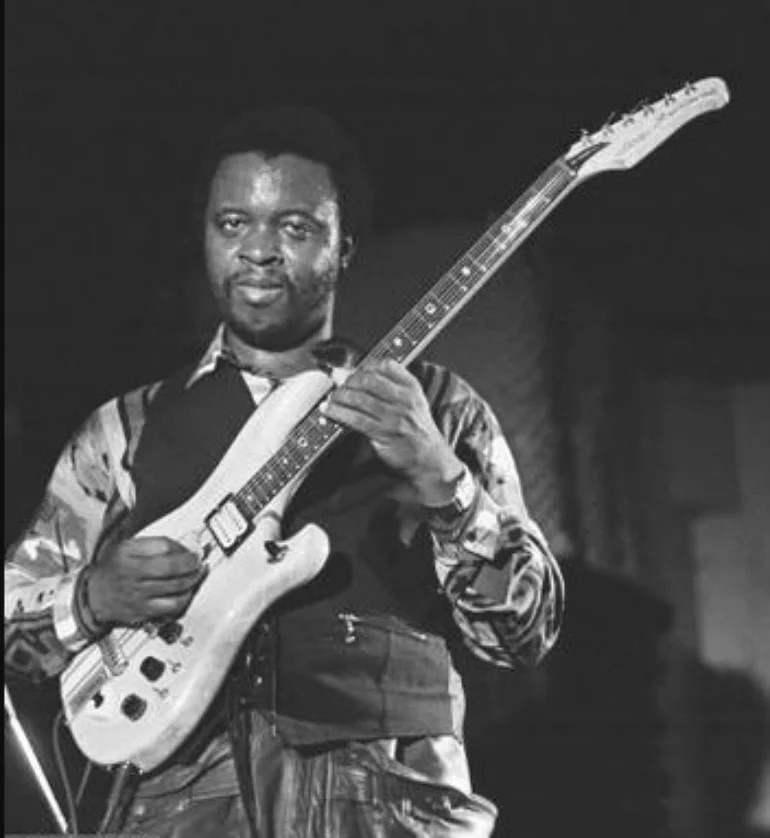
Biography
Diblo Dibala: the “Machine Gun” of soukous
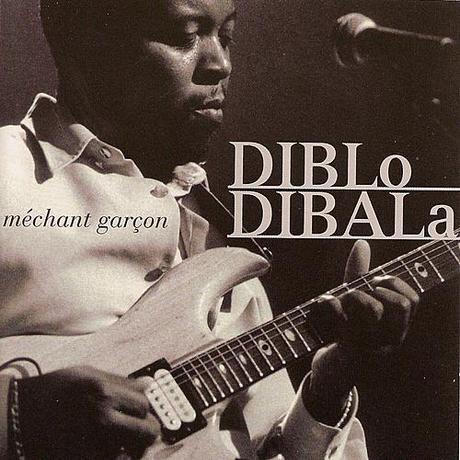
It is a lightning-fast, rapid-fire guitar riff that made dance halls in Paris and Africa rise to their feet at the end of the 1980s. On the waves of Iyole, the album signed by Kanda Bongo Man and Diblo Dibala, the sound is of a new energy1. No slow introduction, no preamble: straight into the heart of the guitar playing. Soukous, this Congolese dance born at the crossroads of ancestral rhythms and Cuban rumba, has entered its modernity2. The machine is called Diblo Dibala—a guitarist whose playing is so fast that he was nicknamed “Machine Gun,” a reference to the tempo of his playing that still makes soukous lovers dream today.
In brief
| Full name | Diblo Dibala |
| Birth | August 9, 1954, Kisangani (Zaire, now DRC) |
| Fields | Soukous, Congolese rumba |
| Instruments | Guitar, vocals |
| Emblematic groups | TPOK Ok Jazz, Loketo, Matchatcha |
| Nickname | “Machine Gun” |
| Status | Still active artist (born in 1954) |
| Major works | Iyole, Super Soukous, Laissez-passer, Dernier Jugement |
Key dates
| Year | Event |
|---|---|
| 1954 | Birth in Kisangani, in northern Zaire |
| 1969 | Joined Franco’s TPOK Ok Jazz as second solo guitar |
| 1979 | Settled in Brussels, then Paris in 1981 |
| 1981 | Release of Iyole with Kanda Bongo Man |
| 1986 | Founded Loketo with Aurlus Mabele |
| 1990 | Created Matchatcha |
| 1995 | Release of Laissez-passer |
| 2003-2007 | Release of Zikololo and Special Dance with Matchatcha |
| 2020-2025 | Still publishing music, still active |
Musical career
Diblo Dibala was born on August 9, 1954, in Kisangani, in northern Zaire, a city crossed by the Ubangi River. His family moved to Kinshasa when he was six years old.
At fifteen, he already led his own group. His reputation attracted Franco Luambo Makiya, the giant of Congolese music and leader of TPOK Ok Jazz3. Franco, fascinated, challenged the young guitarist to a duel—a Zairian tradition where musicians measure themselves—and, impressed, offered him the position of second solo guitar.
Diblo stayed with Franco for only a short time. He went on to work with Vox Africa, Orchestra Bella Mambo and Bella Bella, the orchestra of the Soki brothers. It was with Bella Bella that he met Kanda Bongo Man4.
In 1979, Diblo sold his guitar to finance a plane ticket to Brussels. Two years later, he settled in Paris. He reunited with Kanda Bongo Man and together they shifted soukous into a new era. No slow preamble, the tempo swells immediately5. Their first record in this accelerated style, Iyole (1981), made a sensation6. The DJs of Kinshasa were fervent about it7. Diblo’s playing made him a highly sought-after session guitarist: he accompanied Pepe Kalle, pioneer of soukous and founder of Empire Bakuba, as well as David Byrne and Remmy Ongala. Diblo became an indispensable figure of the Congolese musical diaspora in Paris, driven by a continuous flow of recording sessions8. These Parisian recordings of the 1980s and 1990s, with their sequencers and synthesizers, gave birth to what was called TGV soukous—a fast-paced style named after the French high-speed train for its frantic rhythm.
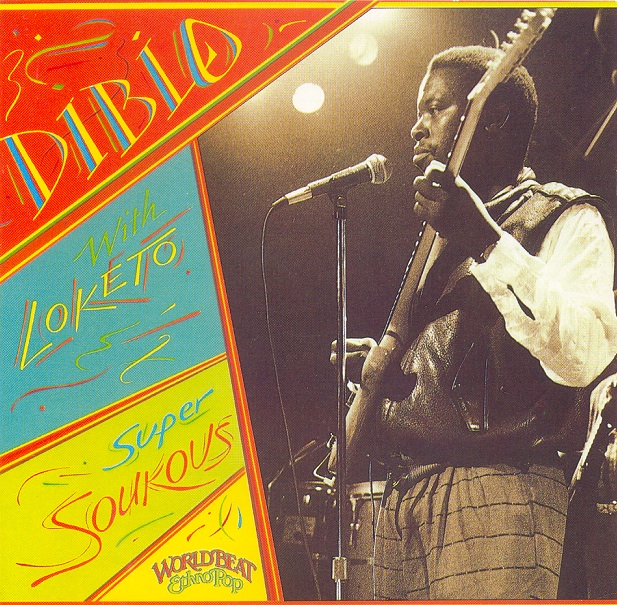
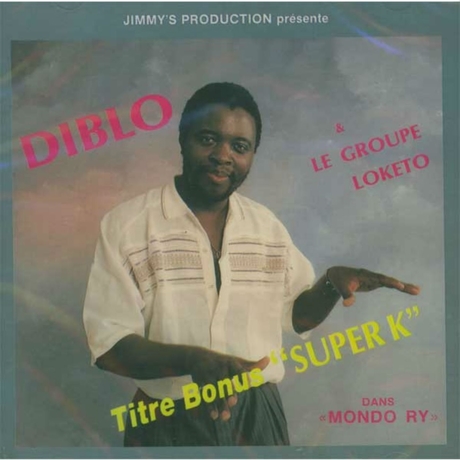
In 1986, he founded Loketo—which means hips in Lingala—with Aurlus Mabele and Mav Cacharel. The group toured the world, from Parisian halls to African festivals, attracting thousands of fans across the Congolese diaspora. Trouble (1987), Super Soukous (1989), Soukous Trouble and Extra Ball marked an entire generation8. Diblo embraced new studio technologies, integrating sequencers and synthesizers into the core of his sound. Tensions with Mabele, a singer with a strong personality, created a split. In 1990, Diblo left Loketo.
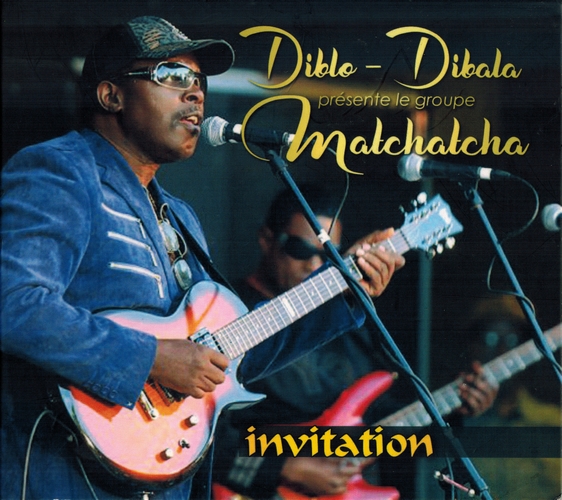
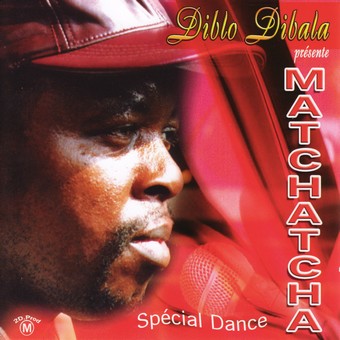
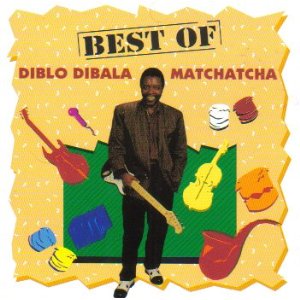
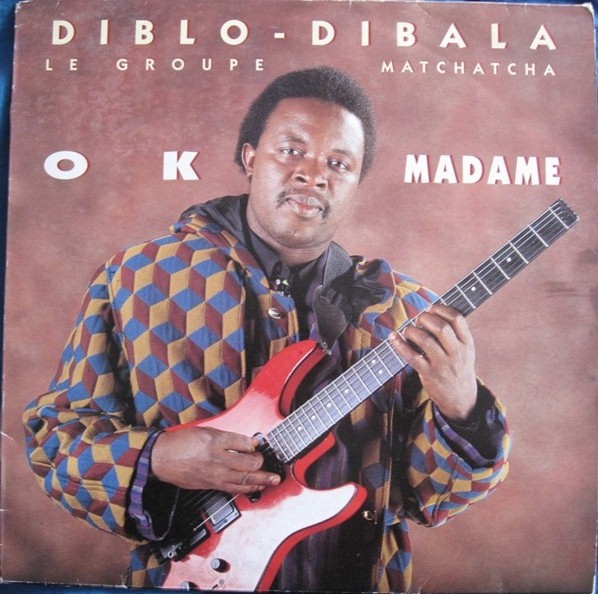
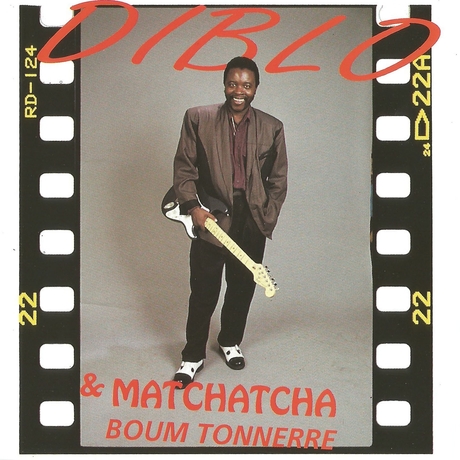
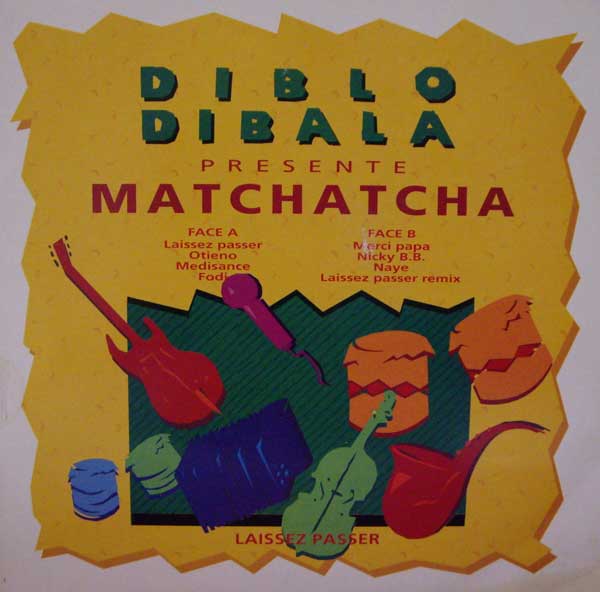
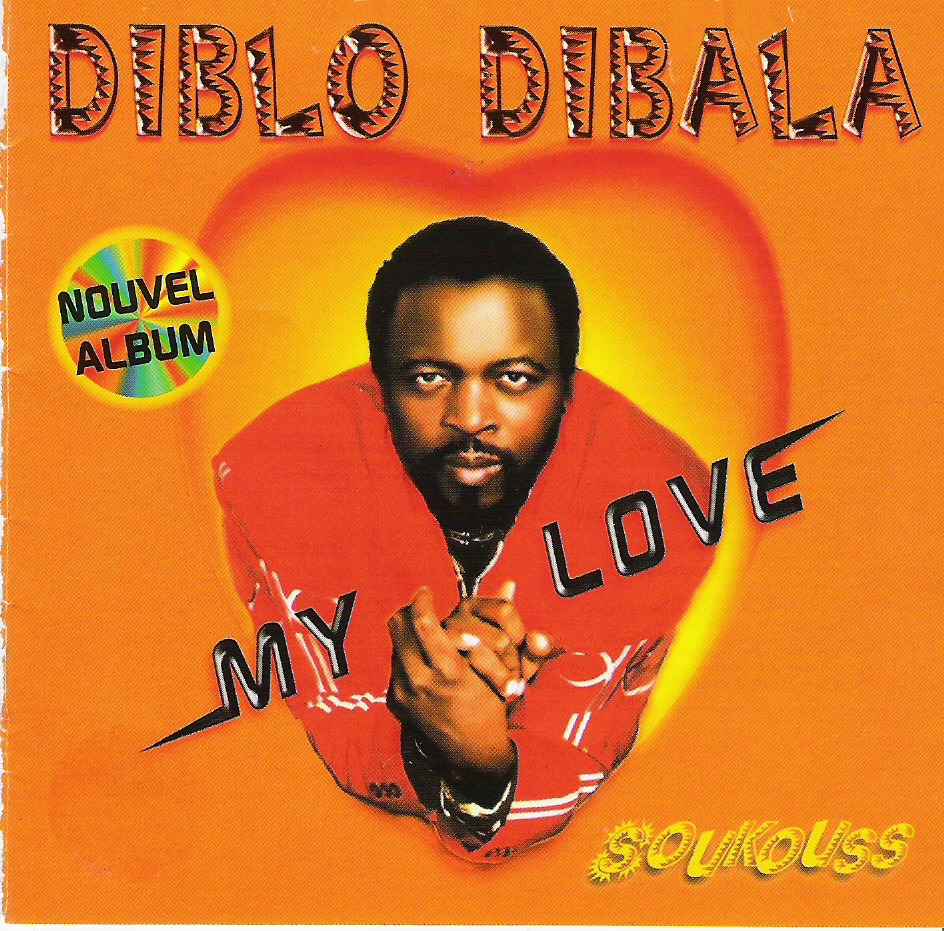
Diblo then founded Matchatcha, named after a plant that causes itching9, a group that became a reference for soukous of the 1990s and 2000s. Alongside former Loketo members like Freddy de Majunga on rhythm guitar, Matchatcha released album after album: Laissez-passer (1992), O.K. Madame (1993), Dernier Jugement (1998), Zikololo (2003) and Special Dance (2007)10. The group underwent many changes, but Diblo’s imprint remained the guiding thread. Over the decades, Diblo produced and participated in more than sixty albums for other artists11. On My Love (1996), he blended Western club beats with an almost heavy metal guitar approach, challenging the purists12. His influence extended well beyond soukous: Loketo rhythms directly inspired the ndombolo, a genre that dominated the Congolese scene from the 1990s to the 2000s13.
Today, soukous has evolved into ndombolo, and Diblo Dibala, now seventy years old, continues to publish music14. His playing nicknamed “Machine Gun”15 redefined the boundaries of soukous. The Paris sessions of the 1980s and 1990s—those with Kanda Bongo Man, Loketo and the myriad artists he accompanied—remain one of the most creative periods in soukous history16.
Major works
| Work | Year | Why it is essential |
|---|---|---|
| Iyole (with Kanda Bongo Man) | 1981 | The album that modernized soukous: immediate tempo |
| Super Soukous (Loketo) | 1989 | Peak of modernized soukous: sequencers and lightning-fast guitar |
| Laissez-passer | 1995 | Diblo’s signature album, his playing in its purest form |
| Dernier Jugement (Matchatcha) | 1998 | Matchatcha’s groove at its peak |
Heritage
Diblo Dibala is an indispensable figure in Congolese music and the African diaspora in Europe16. His approach to the guitar — fast, precise, nervous virtuosity — has inspired generations of Congolese guitarists, from Sam Mangwana to the young talents of the Kinshasa scene in the 2000s. His sessions in Paris during the 1980s and 1990s — those with Kanda Bongo Man, Loketo, and the myriad artists he accompanied — remain one of the most creative periods in the history of soukous. Dibala is at the heart of this story. His influence transcends genre boundaries: he can be heard in the work of more contemporary groups like Bana Muzique and new generations of Congolese guitarists in Paris. More than a guitarist, Dibala is an architect of modern sound, a bridge between Franco’s tradition and the innovations of European African diasporas.
Sources and references
-
AllMusic, Craig Harris, Diblo Dibala, allmusic.com, accessed 29 October 2026 ↩︎
-
Jabulani Radio, Diblo Dibala Biography, jabulaniradio.com, 9 December 2024, accessed 29 October 2026 ↩︎
-
Amoeba Music, Diblo Dibala Biography, amoeba.com, accessed 29 October 2026 ↩︎
-
Afrisson, Nago Seck, Diblo Dibala, afrisson.com, 7 May 2007 (updated 24 May 2020), accessed 29 October 2026 ↩︎
-
AllMusic, op. cit. ↩︎
-
Afrisson, op. cit. ↩︎
-
Jabulani Radio, op. cit. ↩︎
-
Apple Music / Qobuz, Diblo Dibala discography, accessed 29 October 2026 ↩︎
-
Amoeba Music, op. cit. ↩︎
-
Jabulani Radio, op. cit. ↩︎
-
Jabulani Radio, op. cit. ↩︎
-
Afrisson, op. cit. ↩︎
-
Wikipedia, Diblo Dibala, fr.wikipedia.org, 24 April 2026, accessed 29 October 2026 ↩︎
-
Jabulani Radio, op. cit. ↩︎