Biography
Djeli Moussa Diawara
In 1982, in a studio in Abidjan with the still-virgin sound of the digital age, Djeli Moussa Diawara recorded four tracks standing up, facing his strings. He was only twenty years old. This dusty record, rediscovered decades later in a rotting cardboard box, soon became the grail for every African music collector. The man did not fall from the sky: he is djeli, heir to a lineage of Manding griots who have transmitted for centuries the history, memory, and values of a people in the tremolo of the kora.
In Brief
| Full name | Djeli Moussa Diawara (formerly Jali Musa Jawara) |
| Birth | February 1962, Kankan, Guinea |
| Genre | Manding music, afro-jazz, afro-blues, flamenco, salsa |
| Main instruments | Kora (32 strings), balafon, guitar |
| Signature works | Yasimika, Flamenkora, Ocean Blues |
| Distinctions | Composer of international film soundtracks |
Key Dates
| Year | Event |
|---|---|
| 1962 | Birth in Kankan, Guinea, in a family of Manding griots |
| 1979 | Departure for Abidjan with his half-brother Mory Kanté, leaving the Rail Band |
| 1982 | Recording of the self-titled album in Abidjan (released 1983) |
| 1985 | Participation in Bringin’ It All Back Home by Johnny Copeland |
| 1988 | Release of Soubindoor, signed to World Circuit |
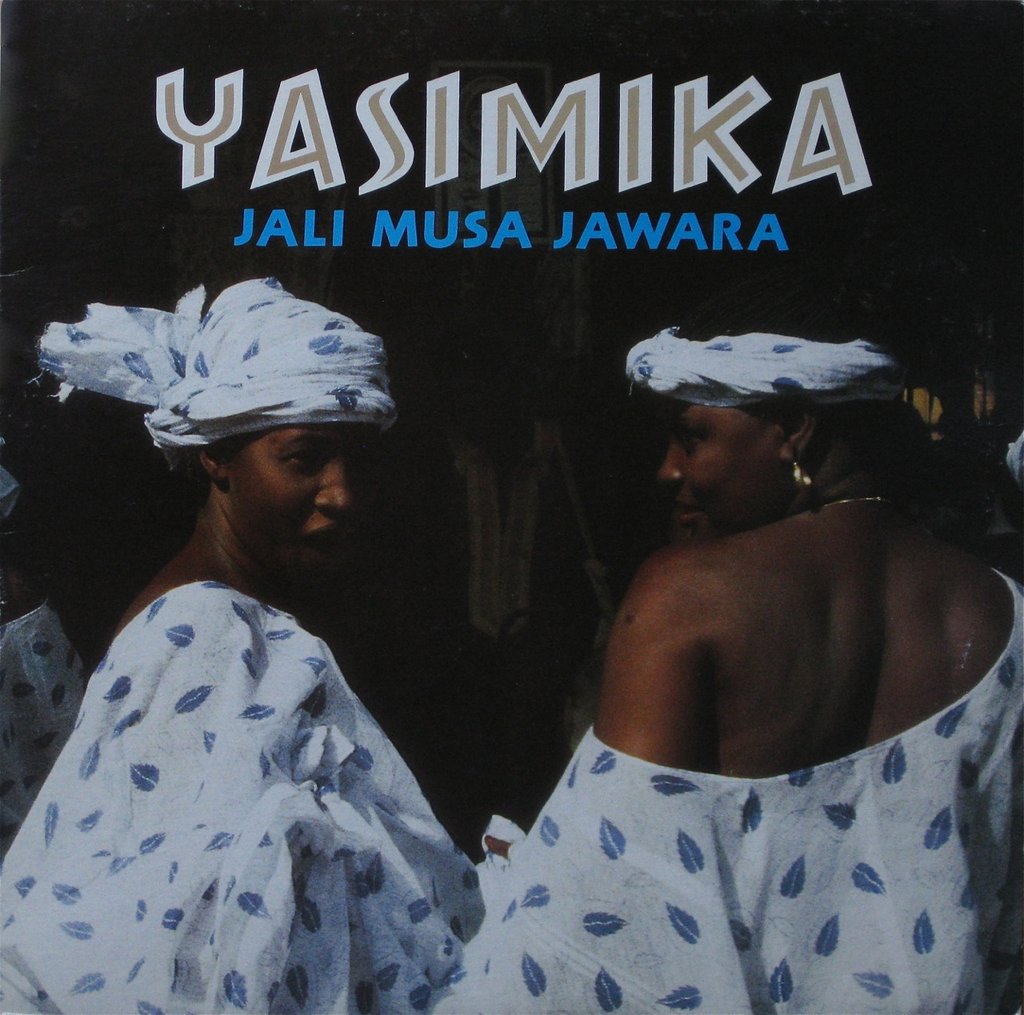
| 1990 | Reissue of Yasimika on CD (Hannibal); departure for Paris |
| 1992 | Release of Cimakan (Celluloid) |
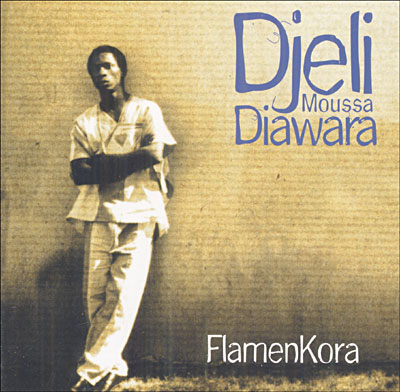
| 1998 | Release of Flamenkora, kora-flamenco fusion |
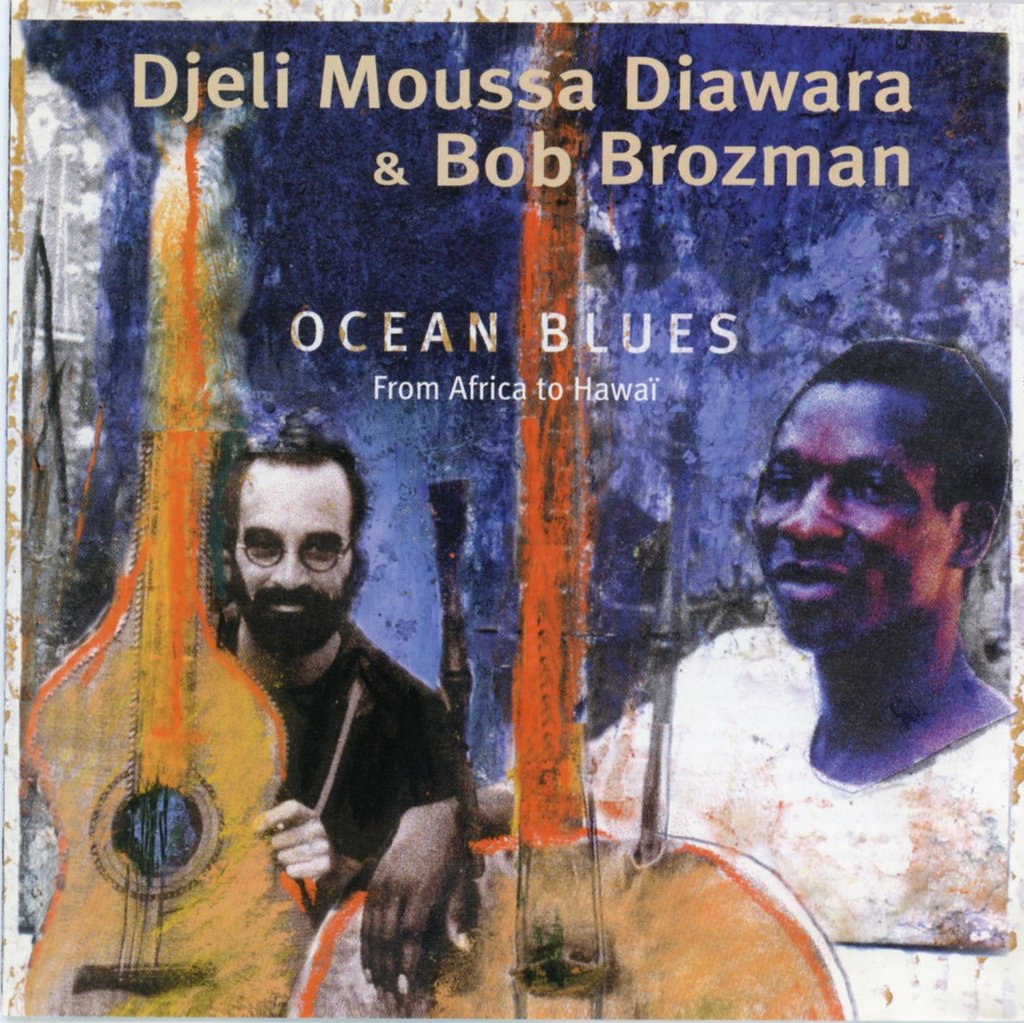
| 2000 | Ocean Blues with American guitarist Bob Brozman: Guinea-Hawaii encounter |
| 2004–2010 | Founding member of the Kora Jazz Trio with Abdoulaye Diabaté and Moussa Cissokho |
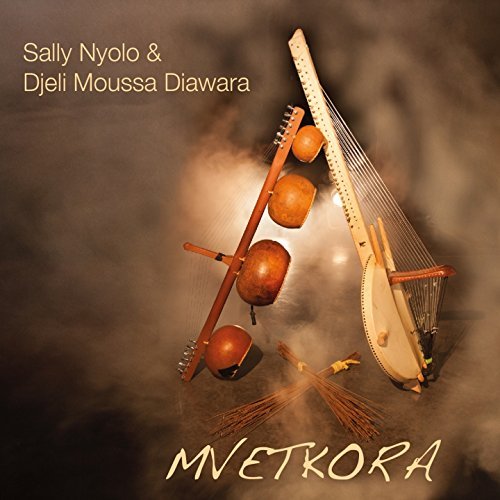
| 2016 | Collaboration Mvetkora with Sally Nyolo (Cameroon) |
| 2020–2022 | Par Amour and Mvetkora II, the ever-traveling kora |
Origins, Departure, and Revelations
Djeli Moussa Diawara was born in February 1962 in Kankan, the historic city of upper Guinea, within a family of Manding griots. His father was a balafon player; his mother a singer and chorister. He learned the balafon, kora, and guitar in childhood, immersed in the nights of jeliba where griots recount battles, alliances, and genealogies. The word djeli — or jali in Mandinka, griot in French — designates an heir to this sacred function: living memory, poet, musician, and advisor to chiefs.
In 1979, his life changed with his older half-brother Mory Kanté — also from a family of musicians — who had just left the Malian Rail Band. They moved to Abidjan, the West African musical metropolis. Djeli Moussa first played in restaurants, then accompanied Mory Kanté on guitar. The young man discovered Ivorian stages, rubbed shoulders with visiting musicians, and sharpened his ear on the riffs that would cross through his own compositions.
At eighteen, he emancipated himself and founded his own ensemble with balafon, kora, guitar, and female backing vocals. As early as 1982, he recorded his self-titled album in the Abidjan studio, published the following year by the Parisian label Tangent. Four tracks: “Haïdara” and three other enchanting pieces that immediately made this record a rare object, exchanged like a relic by African music collectors. In 1985, he crossed the Atlantic for the American stage, participating in Bringin’ It All Back Home, the album by blues guitarist Johnny Copeland — the global seed was sown.
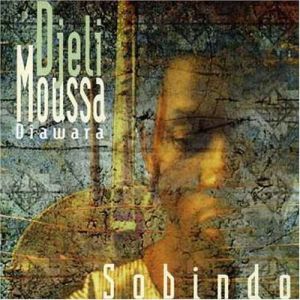
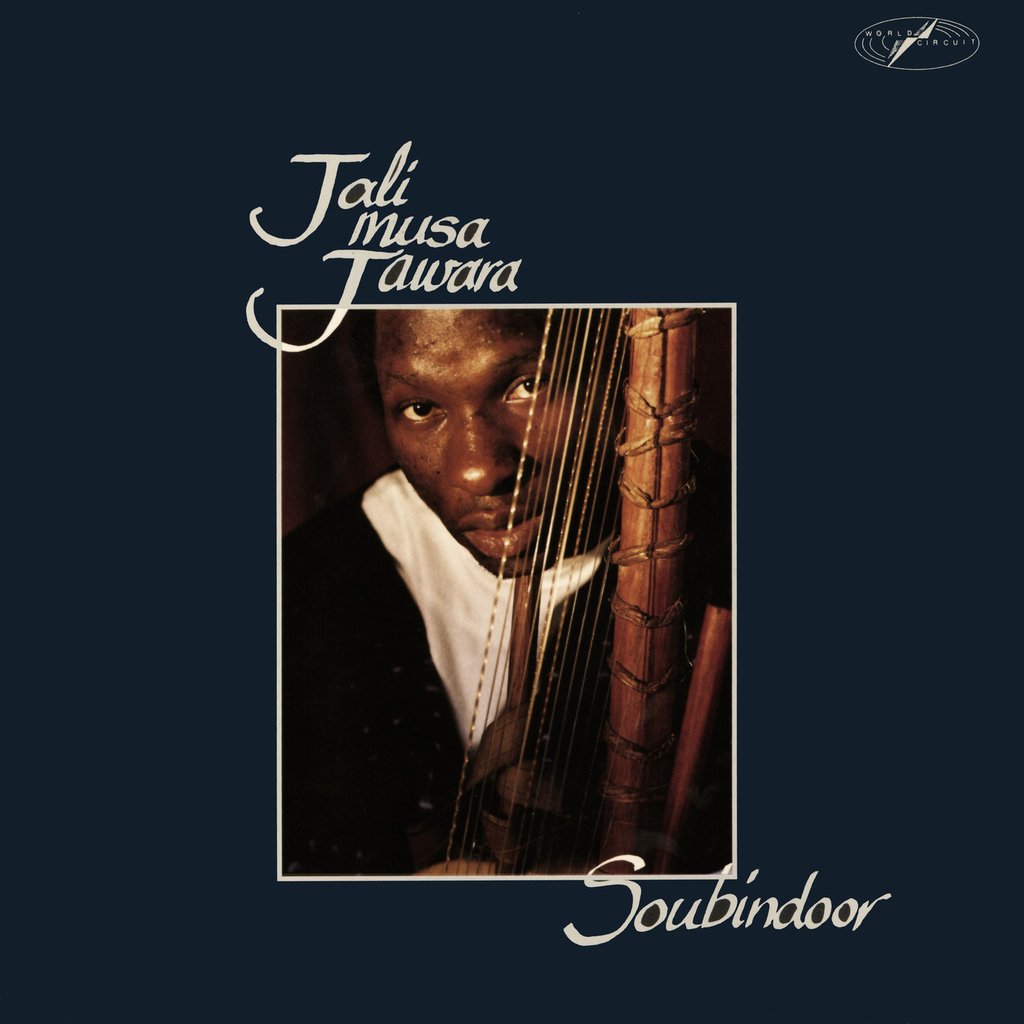
In the meantime, Soubindoor (1988, World Circuit) and Cimakan (1992, Celluloid) solidified his reputation as a rigorous interpreter. European record houses discovered a musician who was both a guardian of the flame and an tireless seeker.
From Griot to Musical Globe-Trotter
At the turn of the 1990s, Djeli Moussa settled in Paris and decided to make his kora dialogue with musics that had never heard its timbre. In 1998, Flamenkora appeared as a masterstroke: the Manding kora met flamenco fingers, and the two traditions found unexpected harmonics. The record circulated in European festivals and specialized radios.
Two years later, Ocean Blues – From Africa to Hawaï (2000, Celluloid) was born from an unexpected encounter with Bob Brozman, an American guitarist passionate about world musics. In a single recording day in Santa Cruz, California, they stitched the strings of the kora to the chords of the Hawaiian guitar. Critics hailed the audacity of an African-oceanic bridge never before attempted.
Eclectic artist, Djeli Moussa has slipped his kora into as varied universes as the music of Stephan Eicher (1996, 1000 Vies), the soundtracks of Michel Ocelot (Kirikou et les Bêtes sauvages, 2005) or those of Éliane de Latour (Après l’océan, 2006), the Cuban rhythms of Manu Dibango, jazz-fusion, and even afro-pop. He shared the stage with Carlos Santana, Salif Keita, or Djéné Doumbia before trying his hand at afro-jazz with the Kora Jazz Trio, a formation he founded in 2004 with pianist Abdoulaye Diabaté and percussionist Moussa Cissokho. The trio released a sound that no label had yet catalogued: Manding, Senegalese mbalax, and American jazz in fusion. He left it in 2010 before continuing to travel musically, collaborating with Sally Nyolo (Cameroon) on Mvetkora (2016), and publishing in 2020 Par Amour, the latest in a discography that proves tradition, when it dares to mix with the rest, can remain as fresh as a sound from last night.
Major Works
| Work | Year | Why It’s Essential |
|---|---|---|
| Djeli Moussa Diawara (self-titled) | 1983 | First attempt by the griot: four raw tracks born in Abidjan, becoming a cult object |
| Soubindoor | 1988 | First record signed to World Circuit; European recognition arrives |
| Flamenkora | 1998 | Rebirth of the Manding sound: the kora meets Spanish flamenco |
| Ocean Blues – From Africa to Hawaï (with Bob Brozman) | 2000 | Unique day in Santa Cruz: West Africa resonates with the Hawaiian islands |
Legacy and Influence
Djeli Moussa Diawara counts among these rare musicians for whom the kora is not a reliquary but an instrument of travel. He proved that the 32 strings — he himself requested its manufacture, modifying the traditional 21-string model — can dialogue with Mississippi blues, Andalusian flamenco, Hawaiian guitar, or jazz piano chords, without ever betraying their Manding roots. The following generations of korafola — Soriba Kouyaté, who joined him in the Kora Jazz Band, Djeli Joseph Sakoba — now carry forward this model of stylistic transcendence. His music crosses generations and continents: a record from Abidjan in the 1980s still circulates on platforms and in the ears of young listeners who have never set foot in West Africa.
Sources and References
- “Djeli Moussa Diawara”, Wikipedia in English, https://en.wikipedia.org/wiki/Djeli_Moussa_Diawara, accessed November 8, 2026.
- “Djeli Moussa Diawara”, Musiques d’Afrique (Frank Bessem), https://www.musiques-afrique.net/guinee/art-diawara.html, accessed November 8, 2026.
- “Djéli Moussa Diawara”, Afrisson, https://www.afrisson.com/djeli-moussa-diawara-298/, article updated March 8, 2023, accessed November 8, 2026.
- “Self-Titled Summer | Djeli Moussa Diawara (1983, Guinea)”, 1001 Other Albums, https://1001otheralbums.com/2025/07/31/self-titled-summer-djeli-moussa-diawara-1983-guinea/, published July 31, 2025, accessed November 8, 2026.
- “Djeli Moussa Diawara”, Discogs, https://www.discogs.com/artist/Djeli-Moussa-Diawara, accessed November 8, 2026.
- “Djeli Moussa Diawara”, Rate Your Music, https://rateyourmusic.com/artist/djeli-moussa-diawara, accessed November 8, 2026.
- “Djeli Moussa Diawara”, Sputnikmusic, https://www.sputnikmusic.com/bands/Djeli-Moussa-Diawara/48214/, accessed November 8, 2026.
- Nago Seck, “Djéli Moussa Diawara”, Afrisson, https://www.afrisson.com/djeli-moussa-diawara-298/, article created May 7, 2007, updated March 8, 2023. (quote from Djeli Moussa in Saint-Denis: “I came to Saint-Denis to join my brother Mory Kanté. I lived eight months with him. I love the atmosphere of Saint-Denis…”)