Biography
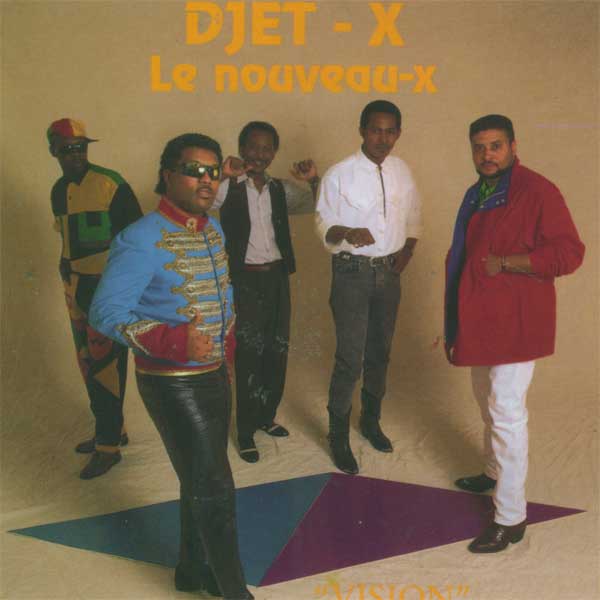
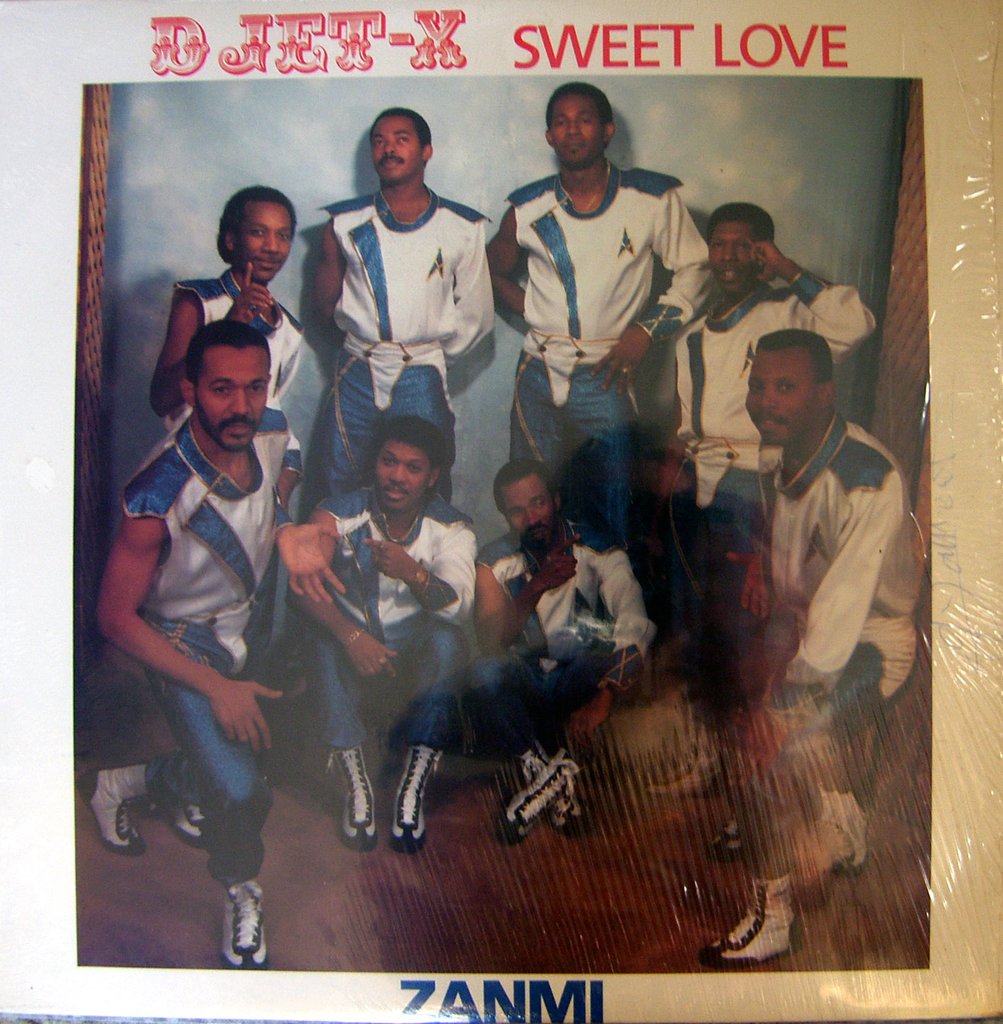
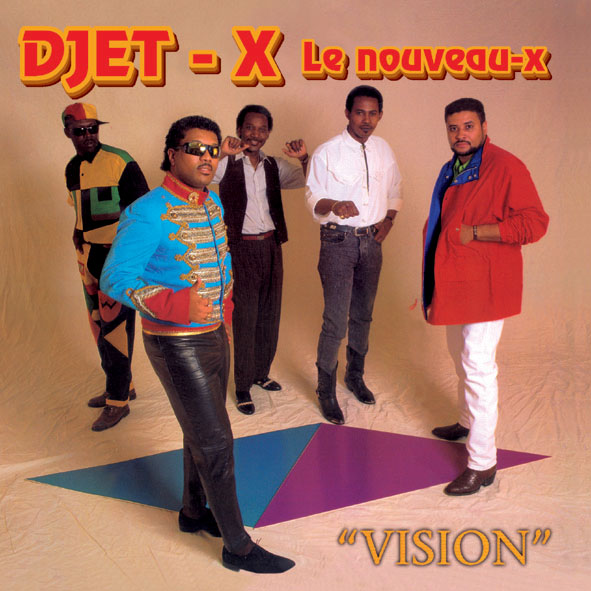
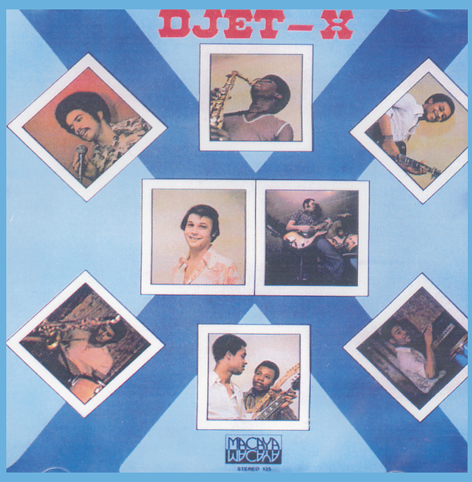
Djet-X
On the evening of January 7, 2018, an artist’s workshop in Brooklyn fell into silence. Gérard Daniel left behind his alto saxophone, the instrument whose voice had carried Haitian compas across both sides of the Atlantic for forty years. “Ti Géra,” as all of Brooklyn called him, has passed away in a way that seems too close to the style of Djet-X’s greatest songs — and the fans of this music become orphans of their idol.
In Brief
| Group | Djet-X (Détjè-X) |
| Founder / Leader | Gérard Daniel, known as “Ti Géra” or “Prefect of Brooklyn” (1956-2018) |
| Origin | Port-au-Prince (Haiti), New York (United States) |
| Genre | Compas / konpa — the Haitian swing born in the 50s, blending Cuban rumba, mambo, and African rhythms |
| Active Period | 1975 – early 2000s |
| Signature Works | Love to Love You Baby, “Femmes Jalouses”, “Nap Poussé” |
| Distinctions | Djet-X’s compas has become a reference in all French-speaking Caribbean regions |
Key Dates
| Year | Event |
|---|---|
| 1956 | Birth of Gérard Daniel in Port-au-Prince, Haiti |
| 1972-1974 | First steps with Les Shelberts and the Shleu-Shleu; definitive move to New York |
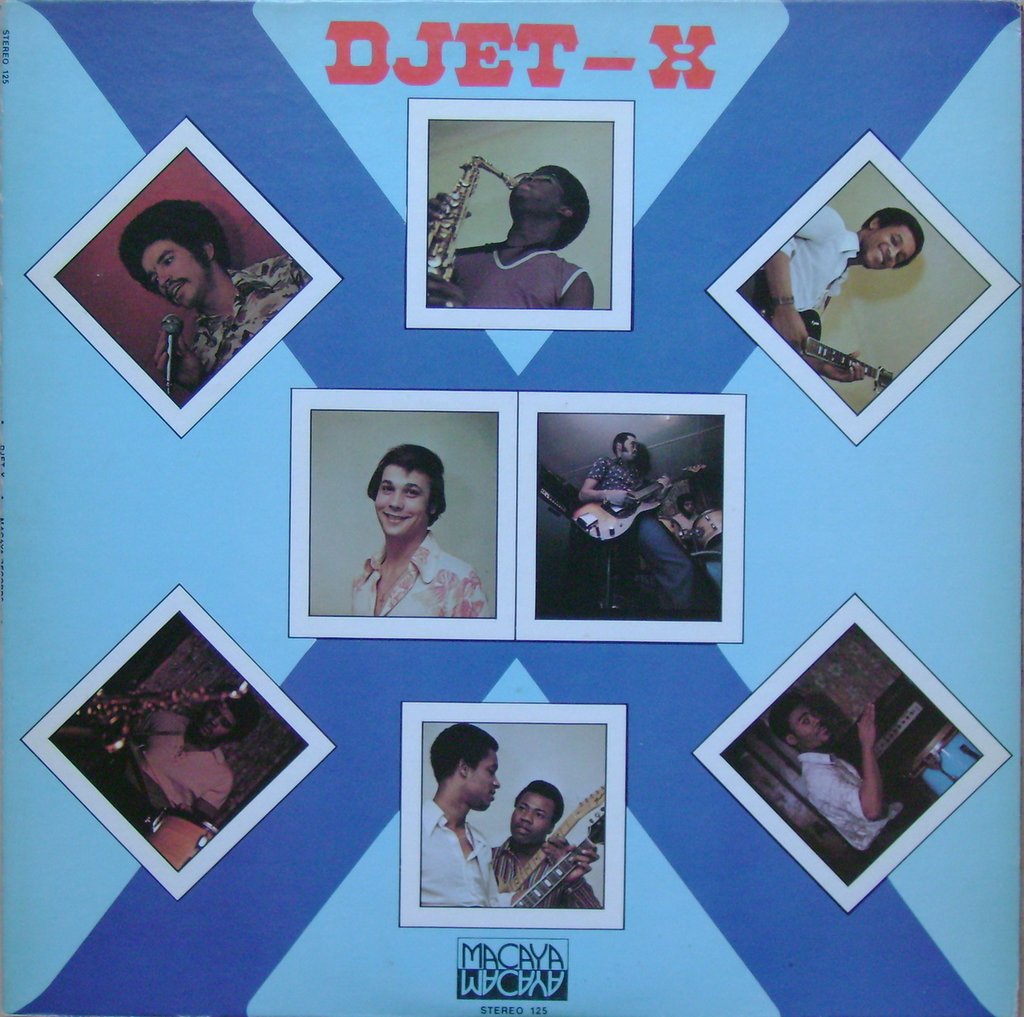
| 1975 | Founding of Djet-X; first album (Macaya Records); first concert at the Olympia Palace in New York |
| 1976 | “Femmes Jalouses” — the album that established the group throughout the Caribbean |
| 1977 | “Love to Love You Baby” — a hit anthem of the Haitian diaspora |
| 1980 | Gérard Daniel forms the duo GM Connection with Mario Joseph Mayala |
| 1982-1984 | Series of albums with Mini Records and J.D. Productions; tours in Guadeloupe and Martinique |
| 1994 | Compilation Haitian Stars; appearance on records by Tony Moise (Shleu-Shleu) |
| 2018 | Death of Gérard Daniel in New York; shockwaves throughout the Haitian diaspora |
| 2024 | Release of an album hommage à Ti Gérard — a generation of musicians pays tribute to the master’s memory |
Origins: A Street Boy and the Brass Band
Gérard Daniel grew up in Port-au-Prince. His first instrument was the clarinet — he learned it in the Toussaint Louverture high school band under the direction of adjutant Antoine Saint Aroman. As a teenager, he saw saxophonist Jean Robert Damas on stage and immediately switched to the alto sax. At sixteen, he joined the Shleu-Shleu for a tour that took him to the United States. At eighteen, he settled in New York with his family and never left again.
There, he built a network within the Haitian community in Brooklyn. He played everywhere — mini jazz, brass bands, clubs — and his melodic sensibility was forged in the friction between the rhythms of Port-au-Prince and the New York flair. In 1975, he founded Djet-X with trusted collaborators: Alix Jacques on bass, Roger “Ti Yale” Jean-Baptiste on solo guitar, the Lavelanet brothers on drums and vocals. Panthal Guilbaud joined on vocals, Eddy Chatel on tam-tams — and the group became a machine for producing compas.
Revelation: The Olympia Palace and Rising Power
The first record was released blindly — no fame, just conviction. On August 12, 1975, Djet-X took the stage at the Olympia Palace in New York and conquered the nightclub’s clientele that same evening. The rest is well-known: in a few years, Djet-X’s compas became one of the most listened-to sounds in all the Caribbean, from Martinique to Guadeloupe, passing through the Florida diaspora.
Their first album for Macaya Records (NAP Poussé) in 1975 paved the way. Femmes Jalouses (1976) and Love to Love You Baby (1977) would become classics of the Haitian diaspora. Their music — sweet and danceable, carried by Gérard Daniel’s alto saxophone like a golden thread — crossed borders. In Guadeloupe, they returned several times until 2012; in Martinique, through the programs Éddy Publicité and Moman Kreyol, the nickname “Prefect of Brooklyn” spread through the café bars.
But Gérard Daniel did not just play compas: his compositions addressed political subjects. In 1984, he recorded Pon An Souké to denounce the stigmatization of the Haitian community, labeled by American authorities as carriers of AIDS. It was his saxophone that protested, on equal footing with his music.
Major Works
| Work | Year | Why It Is Essential |
|---|---|---|
| NAP Poussé (Vol. 1) | 1975 | Group’s first record — a manifesto of New York compas |
| “Femmes Jalouses” (Vol. 2) | 1976 | Major hit that established Djet-X throughout the French-speaking Caribbean |
| “Love to Love You Baby” (Vol. 3) | 1977 | Universal anthem of the Haitian diaspora |
| “Pon An Souké” (“April 20”) | 1984 | Committed composition against the stigmatization of Haitians in the United States |
| Ret Cézi (Vol. 9) | 1982 | Culmination of the 80s dance compas; a genre classic |
Heritage and influence
In less than three months in 2018, Haitian art saw the passing of five artists from different generations. Among them, Gérard Daniel — the « Prefect of Brooklyn » — nonetheless left behind a legacy in compas that still resonates. His saxophone, that expressive and sensual tone he had refined over decades of training, permeates the history of Haitian compas and inspires a new generation of musicians. In February 2018, his colleagues — Alix Jacques, Panthal Guilbaud, Max Badette, Jean-Robert Jean — gathered at the funeral to pay tribute to the maestro. Tabou Combo was represented by Shoubou and Reynald Valmé — the entire chain of great Haitian voices paid homage to his saxophone poet.
In 2024, an album hommage à Ti Gérard was released — a way for the diaspora to bring back into circulation the melodies that kept generations of Réunionnais, Martiniquais, Guadeloupéens, and Haitians on both sides of the Atlantic alive. Compas is not dead. Ti Gérard, for his part, now presides over it from above — and his influence continues to resonate.
Sources and references
- « Gérard Daniel », Wikipedia, https://fr.wikipedia.org/wiki/G%C3%A9rard_Daniel, accessed 8 November 2026.
- « Djet-X - 1975 », Afro Caribbean Beats, https://afrocaribbeanbeats.com/en/djet-x-1975/, accessed 8 November 2026.
- « The saxophonist Gérard Daniel would have died of cold in New York », France Info La 1ère, https://la1ere.franceinfo.fr/martinique/saxophoniste-gerard-daniel-serait-mort-froid-new-york-547867.html, 9 January 2018.
- Adrien Berthaud, « Gérard Daniel — The Prefect of Brooklyn 1956-2018 », http://www.adrienberthaud.com/Gerard_Daniel/, February 2018.
- « Djet-X », Music of Haiti (discography), http://musique.haiti.free.fr/discographie/fiches/djetx.htm.
- Emmanuel Mirtil, « Djet X: the timeless classic », France Guyane, 26 November 2017.