
Biography
Dog Murras
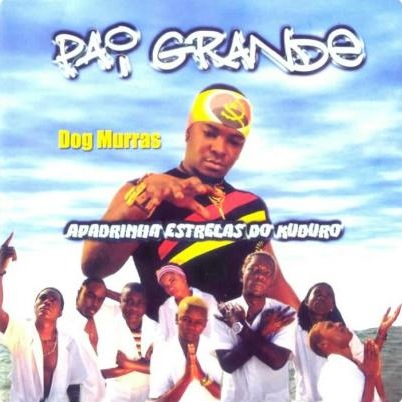
In 1995, in the night of Johannesburg, a fine arts student took the stage at a raggamuffin club and won third place. This young Angolan, Murthala Fançonny Bravo de Oliveira, did not yet know that he had just announced a new style to the city. Twenty-five years later, under the stage name Dog Murras, he is one of the most identifiable Angolan singers of a generation that transformed urban music into a vector for national identity.
In Brief
| Full Name | Murthala Fançonny Bravo de Oliveira |
| Birth | February 17, 1977, Luanda (Angola) |
| Field | Angolan urban music — kuduro, kizomba |
| Emblematic Works | Bué Angolano, “Angola Agora Nova”, Pátria Nossa |
| Awards | Two Vidisco gold records, one silver record, national decoration of the Order of Merit — peace and development class |
Key Dates
| Year | Event |
|---|---|
| 1977 | Birth in Luanda, raised in the Mártires do Kifangondo neighborhood |
| 1995 | Musical debut in Johannesburg at a raggamuffin contest held at The Flava club |
| 1996 | Participation in the charitable project Pomba Branca (White Doves) with the track “Don’t Know” |
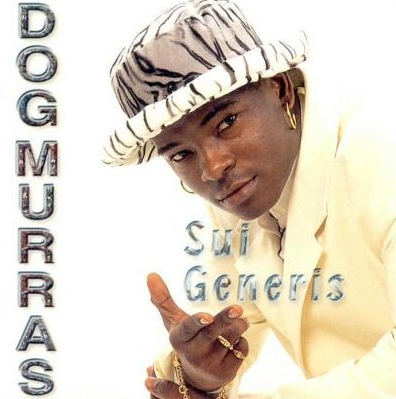
| 1999 | Release of album Sui Generis, first self-produced record — mastering in Portugal, Energy Record |
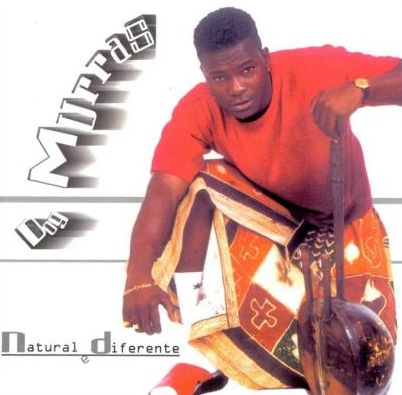
| 2001 | Natural e Diferente — silver record, breakthrough with “Aqui Tass” |
| 2002 | Release of “Angola Agora Nova”, song for national peace and reconciliation celebrations |
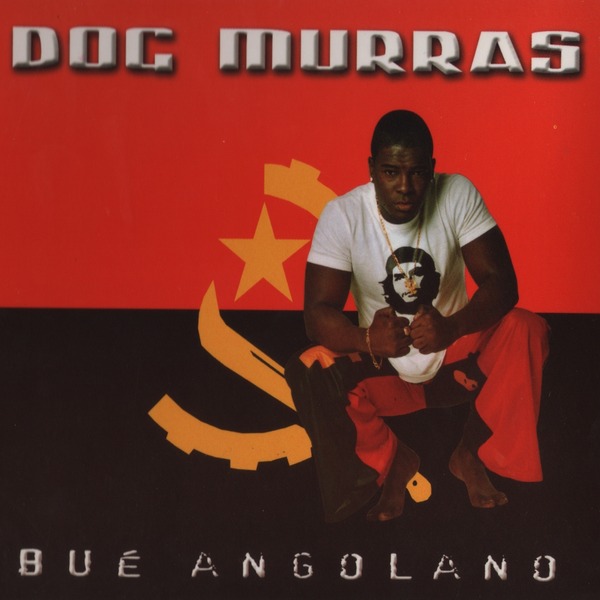
| 2003 | Bué Angolano — Vidisco gold record, affirming Angolan identity at the heart of the work |
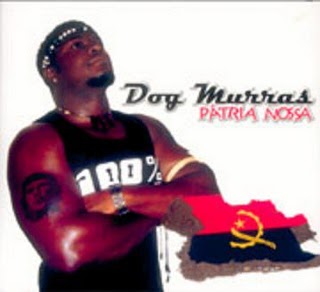
| 2005 | Pátria Nossa — second Vidisco gold record, music and identity intertwined |
| 2006 | Participation in the Angolan cultural delegation at the World Cup, as cultural flagbearer |
| 2007 | Kwata-Kwata — exploration of a new musical language |
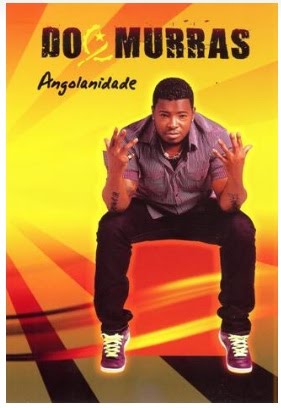
| 2010/2011 | Angolanidade — contemporary identity without renouncing roots, unified title and concept |
| 2015 | The Best of Dog Murras — retrospective after two decades of career |
| 2019 | Publication of the book Matemática da Coerência |
From Johannesburg to Luanda: The Birth of a Style
Born on February 17, 1977, in Luanda, Dog Murras grew up in a popular neighborhood of the Mártires do Kifangondo. “We are Africans, and the African begins this career already in his mother’s womb,” he would later write. His father listened to Kassav’ and Bonga; the sounds of the street formed his natural repertoire. At sixteen, he left to study Fine Arts in Johannesburg. It was there that music shifted from passion to vocation: in 1995, he pushed open the door of The Flava club and won third place in a raggamuffin contest.
A year later, DJ Miguel Neto encouraged him to take things seriously. Singer Eduardo Paím noticed his talent and promised to help him in Luanda, where he was preparing a studio at Kassenda. Dog Murras returned there in November 1995 with the goal of officially launching his career. He recorded “Don’t Know” for the charitable project Pomba Branca (White Doves); the track became the flagship title and launched the young singer into the arena.
Revelation and Angolan Affirmation
In 1999, Dog Murras released Sui Generis, his first album produced by Eduardo Paím with Nelo Paím on instrumental co-production. The record stands out for its blend of kuduro, kizomba, and urban pop — some tracks invented a genre called kazukuta. The hits “Fantasy nhec nhec” and “Foleiro Golpe” marked rapid success, with the album playing in the same programming slots as semba veterans.
The year 2001, Natural e Diferente propelled him: “Aqui Tass” became a hit in Angola, among the Francophone and Lusophone diaspora. The album reached 10,000 copies sold in two months, earning a silver record. In May 2002, Dog Murras was named best musician and participated in Angola Agora Nova, the hymn of national peace celebrations. This theme marked a turning point: his music was no longer just festive; it became an instrument of social cohesion.
His third album, Bué Angolano (2003), earned a Vidisco gold record. The album placed Angolan identity, daily life, and social intervention at the heart of his project. He wrote that musseque is a school of equality where every member of the community counts. Pátria Nossa (2005) reinforced this dynamic and earned him a second gold record. In 2006, he carried Angola’s cultural colors to the World Cup in Germany.
From Music to Words: Intervention and Writing
In 2007, Kwata-Kwata explored a bolder sound; in 2010/2011, Angolanidade unified under a single word an obsession running through his entire work: building a contemporary identity without renouncing roots. Between records, Dog Murras stepped back from the stages — he would later compare stages to rings he refused to fight in — and dedicated his energy to entrepreneurship. He founded several companies: Murras Staff, Dog Investimentos, then the Cazenga Group Investment, with a clear goal: to promote the education level of young Angolans.
After two decades of career, he published in 2015 a compilation The Best of Dog Murras gathering eighteen tracks, then engaged in writing with Matemática da Coerência (2019) and Ubuntu — Nous par nous. He intervened in academic settings, including a roundtable at UNILAB University in Brazil on the dignifying strength of African women. Settled between Brazil and Europe, he continues to use his voice to speak about citizen dignity, collective responsibility, and angolanitude.
Major Works
| Work | Year | Why It’s Essential |
|---|---|---|
| Sui Generis | 1999 | First album: Dog Murras’ raw talent meets Eduardo Paím’s production, inventing his own musical language. |
| Natural e Diferente | 2001 | “Aqui Tass” becomes an anthem for Angolan youth; silver Vidisco record. |
| Bué Angolano | 2003 | Identity, daily life, and social message merge; gold Vidisco record. |
| Pátria Nossa | 2005 | Music and patriotism intertwined; second gold record. |
| Angolanidade | 2010/2011 | The title condenses the artist’s entire philosophy into one word: modernity and roots. |
Legacy and Influence
Dog Murras contributed to shaping the post-independence Angolan urban music generation. His audacity — blending kuduro and kizomba, making national identity an artistic subject without falling into official discourse — opened doors for a scene that is now international. His commitment extends beyond music: books, educational enterprises, and public interventions make him a popular intellectual of the Lusophone world. With two gold Vidisco records, one silver record, and a national decoration in the Order of Merit, his career remains a reference on what contemporary Angolan music is.
Sources and References
- “Dog Murras”, Wikipedia (English version), https://en.wikipedia.org/wiki/Dog_Murras, accessed November 15, 2026.
- “Dog Murras”, Wikipedia (Portuguese version), https://pt.wikipedia.org/wiki/Dog_Murras, accessed November 15, 2026.
- “DOG MURRAS FOR MEDIA”, dogmurras.com, https://dogmurras.com/en/imprensa, accessed November 15, 2026.
- “A LIFE IN MOTION — TRAJECTORY”, dogmurras.com, https://dogmurras.com/en/trajetoria, accessed November 15, 2026.
- “I Was the Fruit of the Segment of Heroes Who Fought with Microphones”, Rede Angola, https://www.redeangola.info/especiais/sou-fruto-do-segmento-de-herois-que-combateram-com-microfones/, accessed November 15, 2026.
- “Dog Murras, músico e empresário”, Clube-K Angola, https://www.club-k.net/index.php/mais/quem-e-quem/13991-dog-murras-musico-e-empresario, accessed November 15, 2026.
- “Dog Murras Highlights African Ethical and Cultural Principles in the Book Ubuntu-Nós Por Nós”, O País Angola, https://www.opais.ao/cultura/dog-murras-destaca-principios-eticos-e-culturais-africanos-no-livro-ubuntu-nos-por-nos/, accessed November 15, 2026.