Biography
Dur-Dur Band: the Somali funk that made Mogadishu dance
In 1986, in the clubs of Mogadishu, a group of musicians wrapped traditional Somali rhythms in funk, disco, and soul. “Dur dur” means “source” in Somali. When the war broke out in 1991, this musical world vanished. But the cassettes survived. Forty years later, their music resurfaced, revitalized by European labels and a London-based group. The founders, now settled in Ohio, continue to play. 1
In brief
| Full name | Dur-Dur Band (originally Muqdisho Funk, Disco, Soul Band) |
| Origin | Mogadishu, Somalia |
| Active period | Mid-1980s – early 1990s |
| Genre(s) | Funk, disco, soul |
| Founders | Isse Dahir Qassim (keyboards), Abdillahi Ujeeri Ajami (bass) |
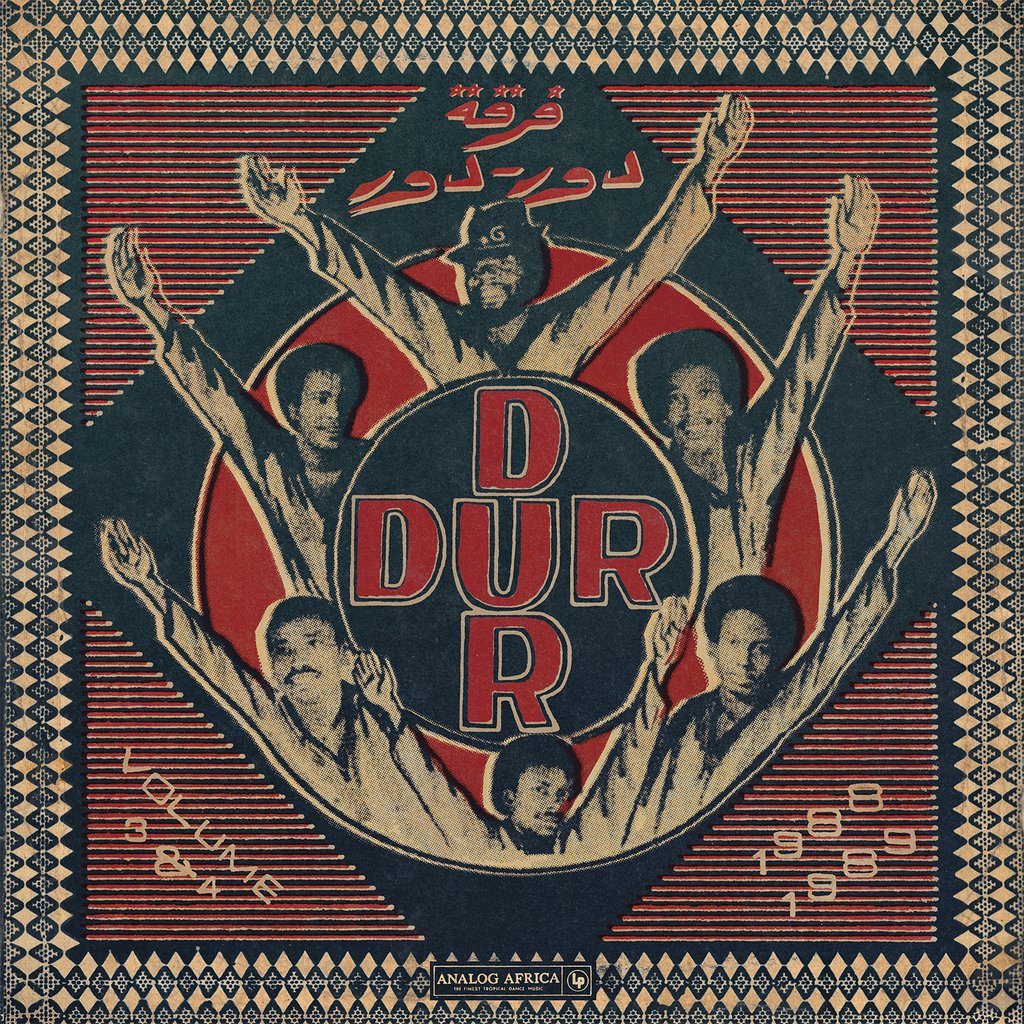
| Signature works | Volume 1 (1986), Volume 2 (1987), Volume 5 (1989) |
Key dates
| Year | Event |
|---|---|
| 1984 | Founded by keyboardist Isse Dahir Qassim |
| 1986 | Recording of Volume 1 in a single session |
| February 1987 | Volume 2 — establishes the group |
| 1991 | Dissolution due to civil war |
| 2011 | Dur-Dur Band International founded in London |
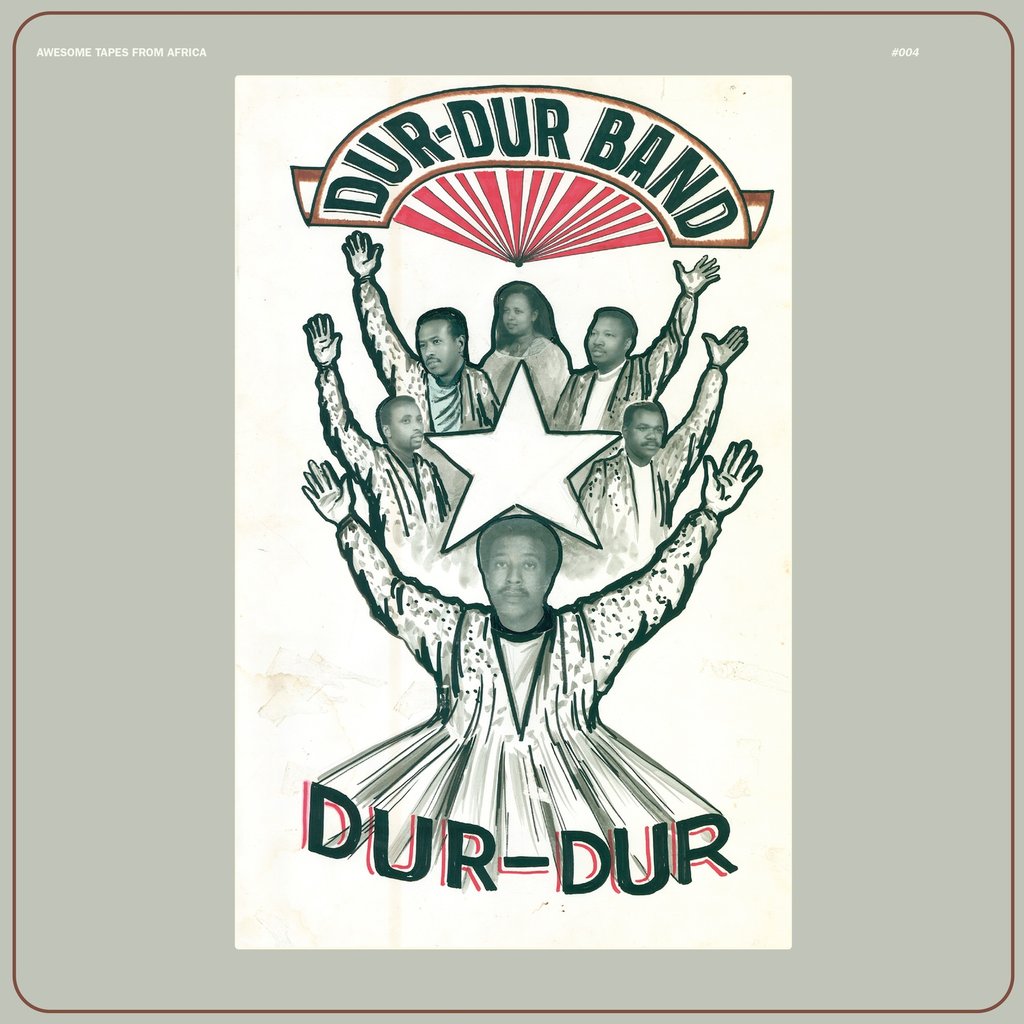
| 2013 | Reissue of Volume 5 by Awesome Tapes From Africa |
| 2014 | One-off reunion at Cedar Cultural Center, Minneapolis |
| 2019 | The Berlin Session — first new album in 30 years |
The origins of a sound at the crossroads of worlds
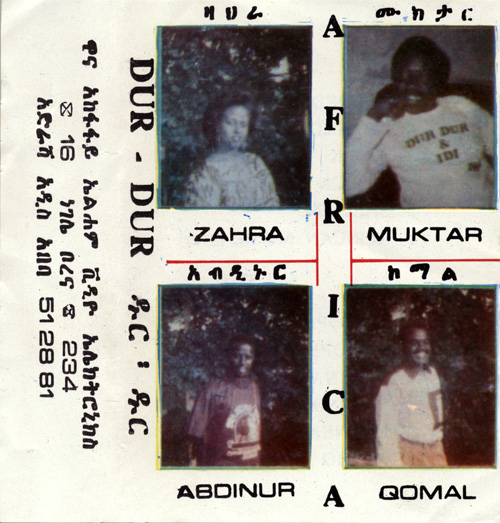
Isse Dahir Qassim gathered his first musicians in 19842. His ambition: to fuse Somali music with the international sounds flooding the airwaves at the time — Michael Jackson, Bob Marley, Santana, and American funk. He recruited Adan Handal, virtuoso drummer of the Bakaka group, and Abdillahi Ujeeri Ajami, bassist for Somali Jazz. Their rhythm became the backbone of the group. To them were added guitarist Yusuf Abdi “Alype”, saxophonist Musa Mohamed, and lyricist Ibrahim Ismail Sugulle, known as Sooraan.
The band also drew from the dhaanto — a Somali rhythm with ancestral roots in soul — and the saar, frenetic spiritual music. Singer Sahra Dawo, from the Waaberi Band, came to enrich the lineup.
Explosion: Mogadishu shocked by funk
With Volume 1 (1986) and Volume 2 (February 1987), the Dur-Dur Band imposed a unique sound: traditional Somali lyrics set over funk and disco rhythms. Sahra Dawo soared above deep grooves and psychedelic guitars. The first single, “Diinleeya”, a reggae track carried by the voice of Baastow, became an instant hit. 3
“At first, we sang and danced to American music, then we decided to shape our own music,” explains Sahra Dawo4. The audience danced so frenetically that spectators fell to the floor and demanded encores, three, four, five times. The Dur-Dur Band ruled Mogadishu’s club scene, rivaling Iftin and Sharero.
Exile: music that resists
In 1991, the Somali civil war reduced Mogadishu to ruins. Musicians fled Ethiopia, Kenya, the United States, Sweden, and the United Kingdom. Some were executed for their love of music. In 1992, the group recorded a track with a clear message: a plea for forgiveness and prayer for peace. “We take responsibility, we ask God’s forgiveness, and we bless Somalia with its peace,” says Sahra Dawo. 4
Rebirth: from despair to the dance floor
In 2007, a musicologist from Milwaukee downloaded a 1989 cassette that a Somali student had given him twenty years earlier. The blog Mystery Somali Funk triggered a chain reaction. 5
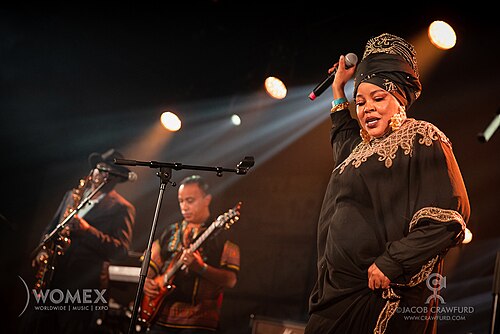
Former bassist Abdillahi Ujeery and Liban Noah founded Dur-Dur Band International in 2011 in London. In 2019, the group recorded The Berlin Session at the Haus der Kulturen der Welt. “People want to listen to Somali music, and these concerts help us promote our country and its culture,” says Noah. 6
Major works
| Work | Year | Why it’s essential |
|---|---|---|
| Volume 1 | 1986 | First album, recorded in a single session; includes the hit “Yabaal” |
| Volume 2 | 1987 | Establishes the Dur-Dur Band as the most popular in Mogadishu |
| Volume 5 | 1989 | Last album before the war, reissued in 2013 |
| The Berlin Session | 2019 | First new album in 30 years, tribute to the Somali “Golden Era” |
Legacy
The Dur-Dur Band traces one of the most indelible marks of the Somali “Golden Era”. Their hybridity — African tradition fused with Western innovation — paved the way for Somali and diasporic musicians. The founders, in Ohio, continue to produce for youth. The London revival aims to be an ambassador. Mogadishu funk, buried for forty years, still pulses. 5
Sources and references
-
Bandcamp Daily, The Second Life of Dur-Dur Band (International), August 23, 2023 ↩︎
-
Wikipedia, Dur-Dur Band, accessed October 28, 2026 ↩︎
-
Bandcamp Daily, The Second Life of Dur-Dur Band (International), August 23, 2023 ↩︎
-
NPR, A Funky-Fresh Sound From Somalia, With A Political History, May 5, 2013 ↩︎ ↩︎
-
The Vinyl Factory, How Dur Dur Band’s heady mix of funk and traditional Somalian rhythms defined an era, accessed October 28, 2026 ↩︎ ↩︎
-
Wikipedia, Dur-Dur Band, accessed October 28, 2026 ↩︎