Biography
Elizio
In 2003, a track slipped onto Francophone airwaves and stayed at the top of the Afro-Caribbean chart for six months: “10 fois, 100 times”, a duet between Elizio and Perle Lama. Beyond the hit parade, an entire sonic universe emerges — a fusion between Cap-Verdean morna lullabies and the electronic beats of European dancefloors. Elizio, whose real name is Elisio Borges De Vasconcelos, was forty-three years old at the time.
In Brief
| Full Name | Elisio Borges De Vasconcelos |
| Birth | December 1, 1979, Luanda, Angola |
| Nationality | Angolan, of Cape Verdean origin |
| Genres | zouk, kizomba, kuduro, dancefloor, electro, pop, urban |
| Notable Works | “10 fois, 100 times”, “Melodia”, Confirmação |
| Awards | Golden Dynamitch 2004 (Best Duo), Kora Music Awards nomination 2009 |
Key Dates
| Year | Event |
|---|---|
| 1979 | Born in Luanda, Angola, to a Cape Verdean father and an Angolan mother |
| 1981 | Arrival in France with his mother, fleeing the Angolan civil war |
| 2001 | Stage debut in Paris and the provinces, meeting Kaysha |
| 2003 | Release of album Original Di Cabo Verde; success of “10 fois, 100 times” |
| 2004 | Won Golden Dynamitch for Best Duo |
| 2005 | Release of album Carpe Diem with Lynnsha |
| 2008 | Creation of label Dolce Melody; release of Confirmação |
| 2009 | Album Confirmação becomes first best-seller on the Afro-Lusophone market; Kora Music Awards nomination |
| 2014 | Over 16 million views on YouTube, without a national record label |
Origins and Formation: Between Angola and Paris
Elisio Borges De Vasconcelos was born on December 1, 1979, in Luanda, capital of Angola. His father is from Cape Verde; his mother is Angolan. This dual culture shaped the sonic identity of an artist who would never stop navigating between the two shores of the Atlantic.
In 1981, at the age of two, Elizio fled the massacres of the Angolan civil war. He arrived in France with his mother and grew up in Paris, where he completed all his schooling. Contrary to common misconceptions about children of immigrants, Elizio did not give up on his studies: he enrolled in a Parisian university and earned a teaching diploma for physical education. His training in sports remained an essential part of his identity, both on stage and in his methodical rigor as a songwriter.
But music attracted him from the youngest age. While he frequented Parisian hip hop and ragga scenes of the early 2000s, a decisive encounter shaped his path: in 2001, he crossed paths with Kaysha. This contact launched him into a career as a songwriter and performer that he would never leave.
Revelation and Ascent: Morna Meets Dancefloors
In 2002, Elizio gained recognition as a songwriter and singer on the albums of Kaysha and Soumia. The same year, artist Passi invited him to participate in the compilation Dis l’heure de zouk. The album became a double gold record, and the track “Laisse parler les gens” established itself as an anthem.
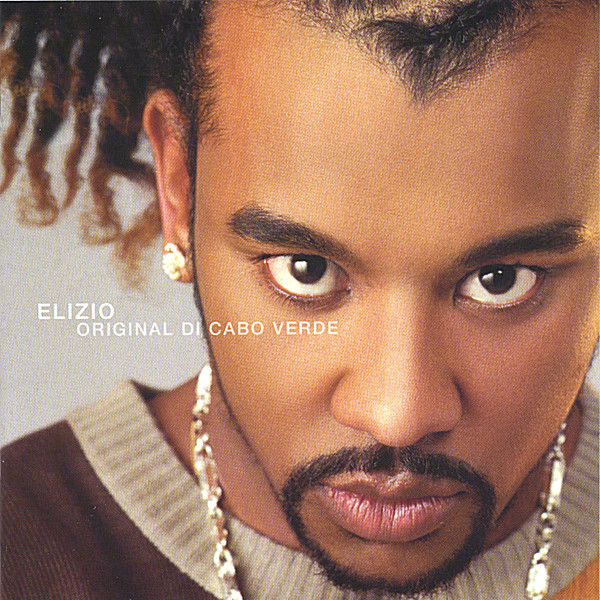
The consecration arrived in October 2003 with the release of his first solo album, Original Di Cabo Verde. The duo “10 fois, 100 times” with Perle Lama remained number one on the Afro-Caribbean chart for six months and won Best Duo at the Golden Dynamitch in 2004. The other tracks on the album — “Melodia”, “Amor” (with Princess Lover), “Chupa” with Kaysha — confirmed a unique sound crossing borders. Elizio then embarked on a tour in more than fifteen countries, from Europe to Africa via the United States.
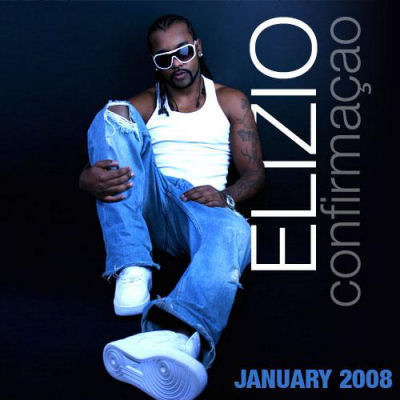
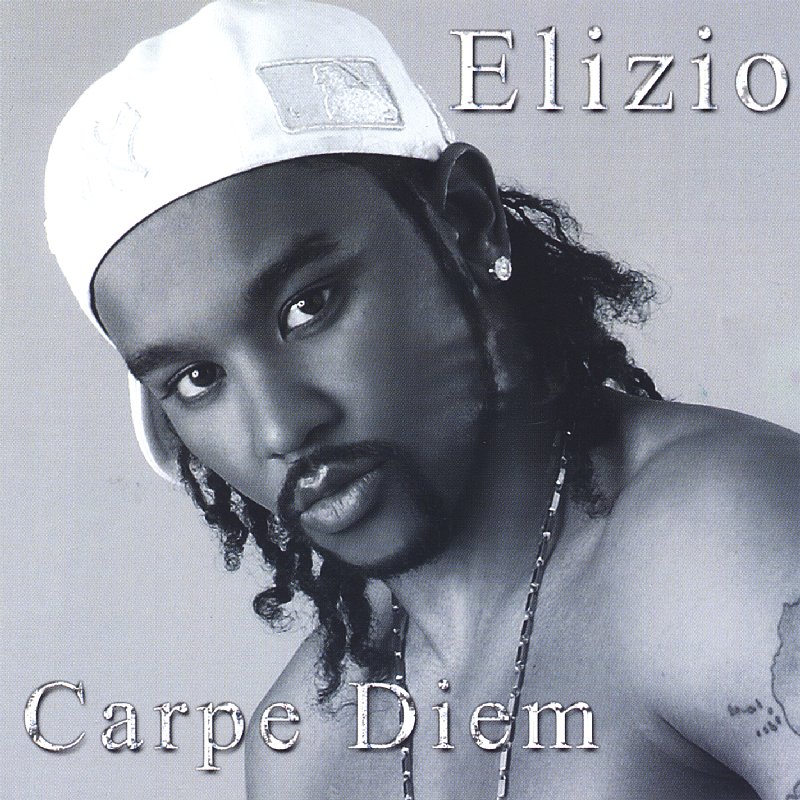
In June 2005, his second album Carpe Diem confirmed this dynamic with tracks “Carpe Diem” (duet with Lynnsha), “Tu n’oublieras jamais” (with Priscilla) and “Ne me laisse pas”. Four years later, in March 2008, he released Confirmação, a limited edition CD/DVD gathering other classics: “Bonita”, “Make Love On Tempo”, “Plus loin, plus haut” and the kuduro track “Sabi Di Mas”. This album became the best-seller on the Afro-Lusophone market in 2009 and earned Elizio a Kora Music Awards nomination.
Later Years: Musical Independence
At the height of his commercial success, Elizio created his own label — Dolce Melody. This move toward autonomy allowed him to control his production and distribution. In 2014, his YouTube videos already totaled over 16 million views without the support of any national record label. Over seventy tracks to his credit, collaborations with Mika Mendes, Ali Angel, Kim and many others — Elizio remains an tireless worker perpetuating the dialogue between Angola and Cape Verde, between Paris and Maputo.
Major Works
| Work | Year | Why It’s Essential |
|---|---|---|
| Original Di Cabo Verde | 2003 | First album revealing a hybrid sound between zouk and Cape Verdean traditions, with the hit “10 fois, 100 times” |
| Carpe Diem | 2005 | Confirmation of style with strategic features (Lynnsha, Priscilla) and polished production |
| Confirmação | 2008 | Pivotal album fusing zouk, kizomba and kuduro; Afro-Lusophone best-seller and Kora Music Awards nomination |
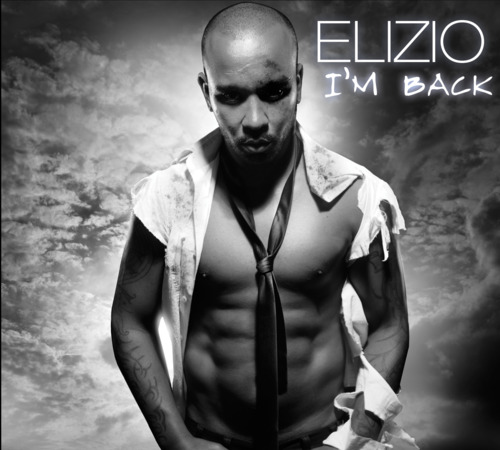
| I’m Back | 2010 | Affirmation of artistic autonomy after creating label Dolce Melody |
Legacy and Influence
Elizio demonstrated that a Cape Verdean artist living in Europe could reinvent a sound speaking as much to Lisbon as to Paris or Luanda. His trajectory — from the Angolan civil war to international dancefloors, never renouncing his roots — is also a case study of successful artistic migration. Over seventy tracks, millions of views through self-distribution on YouTube, and a repertoire that continues to fuel zouk and kizomba nights worldwide. Elizio is not a retired artist: he is a living bridge between Lusophone and Francophone cultures, built note by note.
Sources and references
- “Elizio”, Wikipedia, https://en.wikipedia.org/wiki/Elizio, accessed 16 January 2026.
- “Elizio”, Wikipedia (FR), https://fr.wikipedia.org/wiki/Elizio, accessed 21 July 2026.
- “Elizio”, Deezer, https://www.deezer.com/en/artist/259654.
- “Elizio”, Discogs, https://discogs.com/artist/2639499.
- “Elizio”, AAE Music, https://www.aaemusic.com/artist/elizio.
- “Elizio”, Last.fm, https://last.fm/music/Elizio/+wiki.