Biography
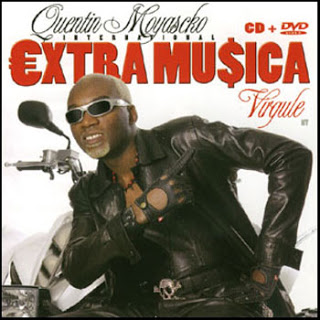
Extra Musica
In June 2023, thirty-three thousand people gathered in the stands of the Alphonse-Massamba-Débat stadium in Brazzaville. On the synthetic turf, Roga-Roga and Extra Musica performed back-to-back État-Major, Trop c’est trop and “Bokoko”. Bruno Okokana’s cry, from the Agence d’Information d’Afrique Centrale, was unequivocal: a concert that resonated with Congolese music. For the audience, it was the validation of a journey that began thirty years earlier at Sainte-Thérèse church in the Ouenzé neighborhood.
In brief
| Name | Extra Musica (then Extra Musica Zangul) |
| Formation | 27 August 1993, Brazzaville, Republic of the Congo |
| Genre | Congolese rumba, soukous (sebéné), ndombolo — a dance born in the 90s from accelerated soukous |
| Founders | Roga-Roga (guitar), Espé Bass, Kila Mbongo (atalaku — stage host), Durell Loemba, Guy-Guy Fall, Ramatoulaye Ngolali (drums) |
| Emblematic works | État-Major, Shalaï, La Main Noire |
| Awards | Best African group at Kora Awards (2000, 2010); best group at Africar Music Awards (1997-1998) |
Key dates
| Year | Event |
|---|---|
| 1993 | Formation in Ouenzé, Brazzaville, by Roga-Roga and six church companions |
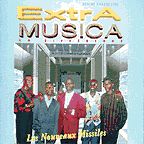
| 1995 | Release of Les Nouveaux Missiles; first continental success |
| 1996 | Gold record in France (50,000 copies); departure of Guy-Guy Fall |
| 1997 | Best African group award at Africar Music Awards in Libreville |
| 1998 | Split: Quentin Moyascko founded Extra Musica International; release of État-Major |
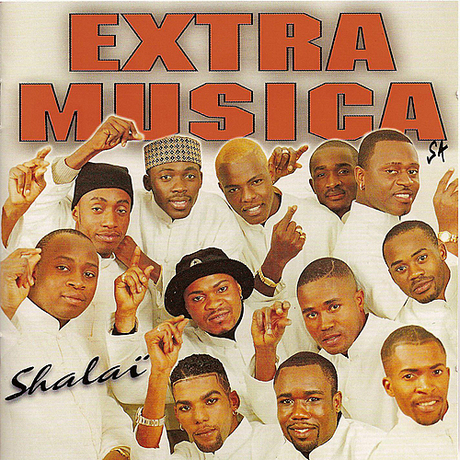
| 2000 | Best African group at Kora Awards (album Shalaï) |
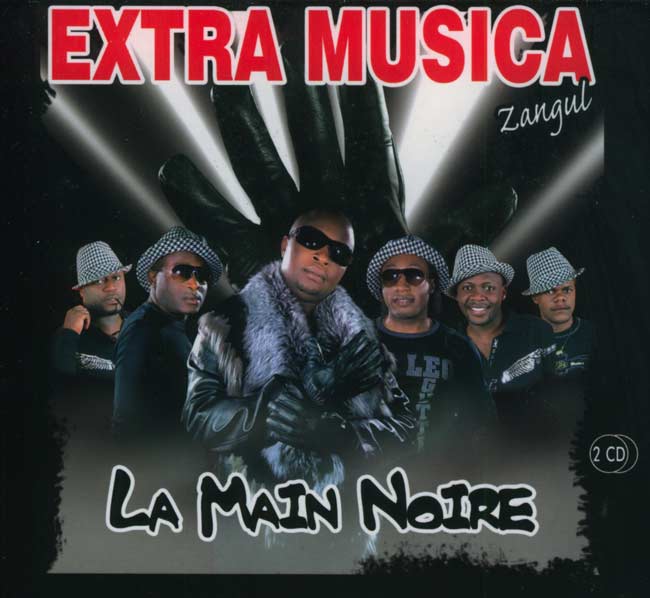
| 2004-2006 | Series of departures; double album La Main Noire |
| 2011 | Best African group of the decade at Kunde Awards |
| 2018 | Album 242; 25th anniversary tour |
| 2021 | Single Bokoko, continental anthem, multiple awards |
| 2023 | Historic concert: 33,000 spectators at Brazzaville stadium; EP Nzoungou |
Origins, revelation and upheavals
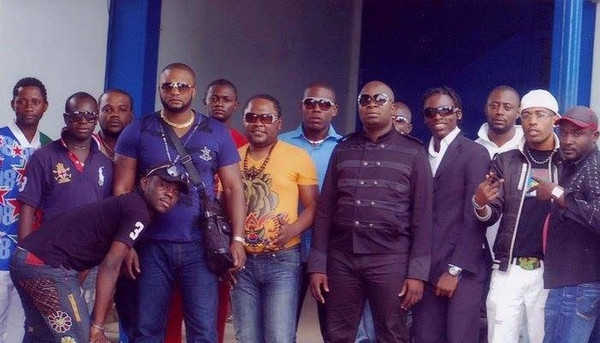
At the turn of the 1990s, the Ouenzé neighborhood of Brazzaville was simmering. Boys who had known each other since school — Roga-Roga, Espé Bass, Kila Mbongo, Durell Loemba — had initially been part of the Cogiex Stars group. Sanctioned for wanting to renew the repertoire, they left the formation and launched Extra Musica in August 1993. The name, proposed by Roga-Roga, came from a compliment from the elders: during wake vigils and neighborhood events, they were told they were extraordinary. Extra Musica, the art of being exceptional.
Influenced by Tabu Ley Rochereau, Franco Luambo, Zaïko Langa Langa and Empire Bakuba — these giants from the other side of the Congo River — they forged a hybrid sound: Congolese rumba, electro-sebéné soukous and a touch of Antillean zouk. Their first album, Les Nouveaux Missiles (1995), produced by Denide Production, propelled the group onto the continental stage. The track Freddy Nelson, composed by Quentin Moyascko, became a hit; he was nicknamed thus by his admirers.
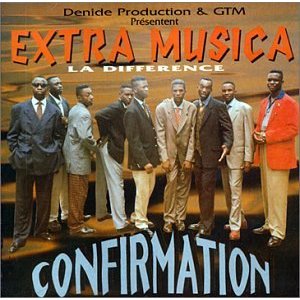
In 1996, consecration: Confirmation sold more than 50,000 copies in France and earned a gold record. Extra Musica won the African Revelation of the Year award at Ngwomo Africa in Kinshasa, then the title of best African group at the Africar Music Awards in Libreville in February 1997. But success also attracted quarrels: Guy-Guy Fall was chased out of the group during a tour in Mali.
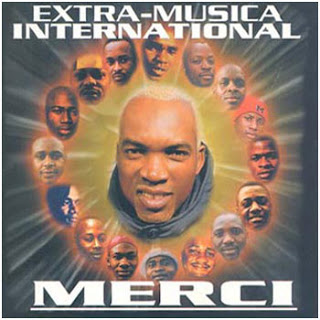
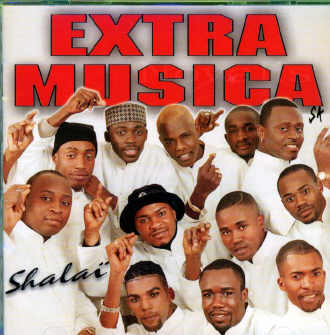
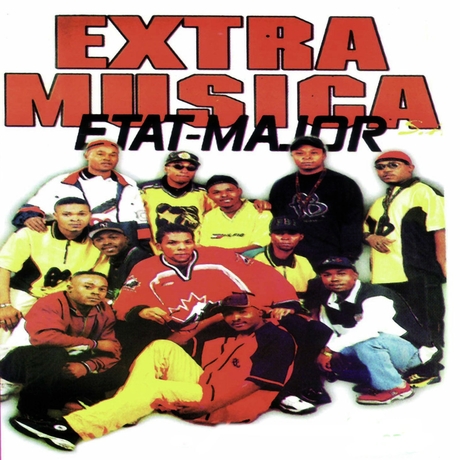
The crisis erupted in 1998, when Quentin Moyascko and several members founded Extra Musica International. Roga-Roga kept the Original name and renamed his formation Extra Musica Zangul. Rather than fold, the group released État-Major in December 1998. The eponymous hit — with its pedal-distortion guitar riffs and catchy melodies — sold nearly 100,000 copies in France, propelling Extra Musica Zangul onto European and African stages. The formula still works: Shalaï (1999), recorded in autumn, earned the Kora Award for best African group in November 2000 in Sun City. The single Amnistie Shalaï was described by the Agence d’Information d’Afrique Centrale as a beautiful lament.
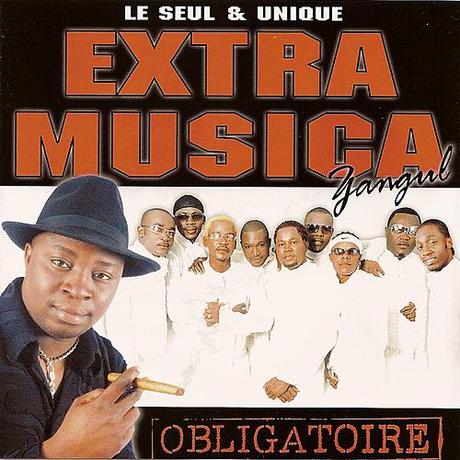
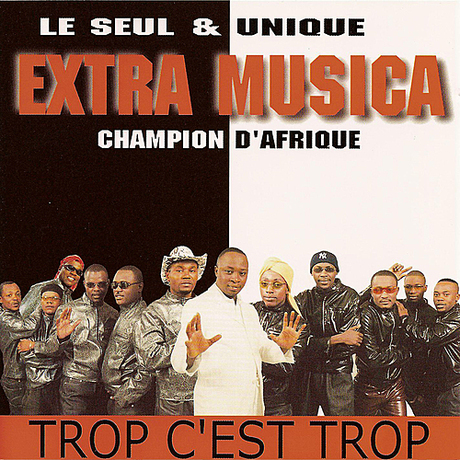
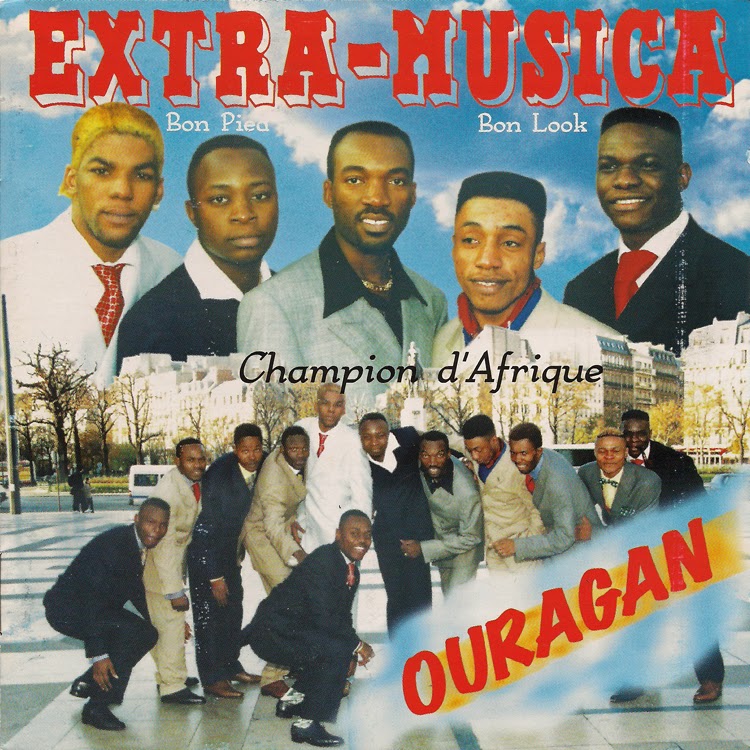
The 2000s saw the group release Trop c’est trop (2001), Obligatoire (2004) and the double album La Main Noire (2006). But each album was accompanied by departures: Oxy-Oxygène, Doudou Copa, Papy Bastin founded Universal Zangul. The red thread was Roga-Roga, who kept Extra Musica standing. In 2011, the group was crowned best African group of the decade at the Kunde Awards. The political scene came into play: in 2018, during the Paris 25th anniversary concert, a group of opponents tried to set fire to the Montreuil Congress Palace, forcing a cancellation. Roga-Roga assumed his links to power without hiding them, affirming that gratitude toward those who help us is an ancestral value among the Bantu.
The artist never hesitated to criticize. In 2016, Oyo Ekoya Eya targeted the Parisian sapeurs deemed too superficial. In 2019, in an interview with Pan-African Music Magazine, he sounded the alarm on divisions that were stagnating Congolese music. The call for solidarity resonated all the more because the group, despite everything, continued. Bokoko (2021) won three consecutive awards on the continent. On 24 June 2023, the Alphonse-Massamba-Débat stadium overflowed with 33,000 spectators. Extra Musica stands as an institution — and Roga-Roga as the undisputed patriarch of Congolese soukous.
Major Works
| Work | Year | Why It’s Essential |
|---|---|---|
| Les Nouveaux Missiles | 1995 | First album, hit Freddy Nelson, explosive stage debut |
| État-Major | 1998 | Foundational masterpiece, 100,000 copies sold in France, the group’s sonic signature |
| Shalaï | 1999 | Amnistie Shalaï, Kora Award for Best African Group, peace anthem |
| La Main Noire | 2006 | Double album reaffirming presence after departures, affirmation of resilience |
Legacy and Influence
Extra Musica embodied the generation that brought Congolese soukous into the ndombolo era — that accelerated style, heavy on synthesizers, which conquered all of Francophone Africa in the 1990s. Their influence is everywhere, from Ivorian coupé-décalé to the urban stages of Kinshasa. More than forty years after their formation, Extra Musica Zangul remains one of the few Congolese orchestras to ensure the continuity of an almost uninterrupted career. Bokoko, with its 40 million views on YouTube, proves that the group’s sound still crosses generations.
Sources and References
- “Extra Musica”, Wikipedia (French version), https://fr.wikipedia.org/wiki/Extra_Musica, accessed November 11, 2026.
- “Extra Musica”, Wikipedia (English), https://en.wikipedia.org/wiki/Extra_Musica, accessed November 11, 2026.
- “BRIN D’HISTOIRE SUR LA GENÈSE D’EXTRA MUSICA”, La Congolaise 242, https://lacongolaise242.org/brin-dhistoire-sur-la-genese-dextra-musica/, accessed November 11, 2026.
- “Extra Musica”, Afrisson, https://www.afrisson.com/extra-musica-1035/, accessed November 11, 2026.
- Frank Bessem, “Congo: Extra Musica”, Musiques d’Afrique, https://www.musiques-afrique.net/congo/art-extra.html, accessed November 11, 2026.
- “Extra Musica”, Last.fm, https://www.last.fm/fr/music/Extra+Musica/+wiki, accessed November 11, 2026.
- Vladimir Cagnolari, “Roga-Roga: Congolese music stagnates due to divisions”, Pan-African Music Magazine, https://pan-african-music.com/roga-roga-extra-musica-interview/, accessed November 11, 2026.
- Bruno Okokana, “Music: Group Extra Musica Zangul Awarded Four Times”, Adiac-Congo, https://www.adiac-congo.com/print/content/musique-le-groupe-extra-musica-zangul-recompense-quatre-fois, accessed November 11, 2026.