Biography
Fally Ipupa: the prince of Congolese rumba
At dawn on May 2, 2026, more than 55,000 spectators filled the Stade de France to offer Fally Ipupa an investiture concert. The Congolese musician invited Wizkid, Youssou N’Dour and Lokua Kanza to the event, in a flood of melodies that will make him the first Francophone African artist to perform there solo. On June 6, Congolese President Félix Tshisekedi will confer upon him the rank of Chevalier de l’Ordre du Léopard, a supreme distinction never before awarded to a Congolese musician.
In brief
| Full name | Fally Ipupa Nsimba |
| Birth | December 14, 1977, Kinshasa, Zaire (DRC) |
| Genre | Congolese rumba, soukous, ndombolo, tokooos |
| Signature works | Tokooos, La vie est belle, Ndoki |
| Awards | Chevalier de l’Ordre du Léopard, MTV Africa Music Awards, AFRIMA, first African N°1 SNEP |
From Bandalungwa to Paris: a star’s journey
Fally Ipupa Nsimba was born on December 14, 1977, in the popular neighborhood of Bandalungwa, in Kinshasa, then still Zaire. His Mongo parents offered him a vibrant musical environment: his mother sang at the Catholic church, his father was an enlightened amateur, and his sister was destined for gospel. Fally took up the congas, fumbled with the guitar, and rehearsed with friends using makeshift instruments. His parents hoped he would pursue a medical career; he chose music, and his reputation as a singer, dancer and atalaku — improvising master of ceremonies — grew quickly in Kinshasa’s evenings.
In 1997, at nineteen, he joined Talent Latent, the group of Faustin Djata, a veteran of Quartier Latin International. There he served as conductor, wrote his first compositions and made his debut on Congolese national television. The real meeting took place in 1999: Koffi Olomidé, legend of Congolese rumba, auditioned Ipupa — he sang, danced and convinced. Nicknamed “Anelka”, in reference to the flagship transfer of French football, he joined Quartier Latin International as a composer and conductor. He co-wrote Éternellement on Force de Frappe (2000), appeared on Effrakata (2001) and Affaire d’Etat (2003). “By his side, I learned a lot,” he would later say to RFI. “With him, we worked like crazy.”
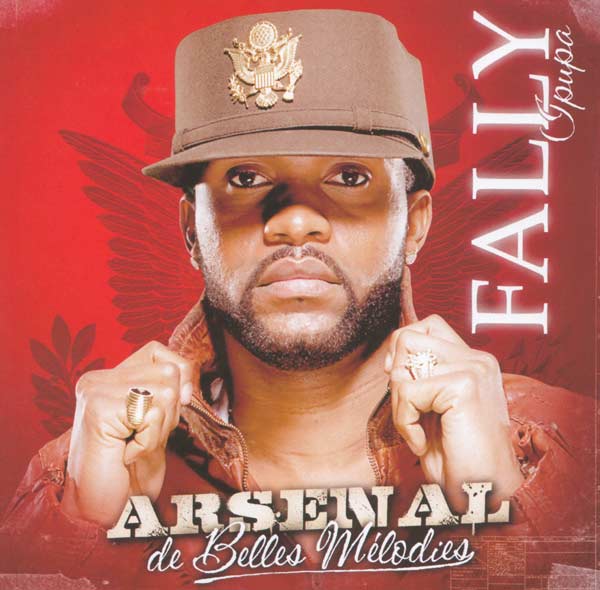
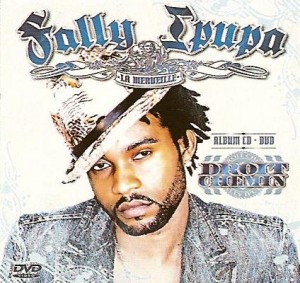
Ipupa’s solo ambitions led him to sign with Obouo Productions in 2006. Droit Chemin was released on June 10, sold more than 100,000 copies in a few weeks and earned a gold record. Tensions with Koffi, gradual departures, and in April 2007, Ipupa became the first Congolese solo artist to fill L’Olympia in Paris, a concert immortalized on DVD. Arsenal de Belles Mélodies (2009) — driven by hits like Chaise électrique and Sexy Dance — surpassed half a million copies in France and won two MTV Africa Music Awards in 2010.
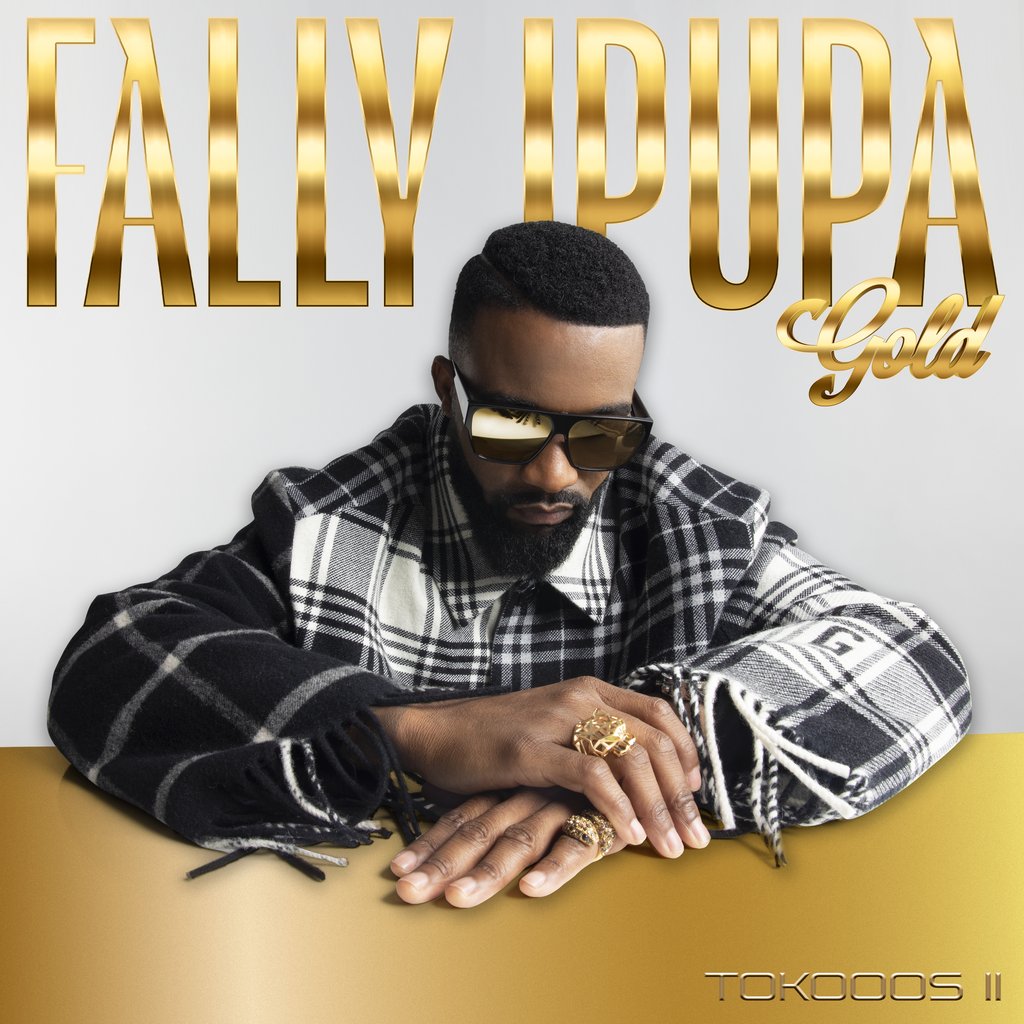
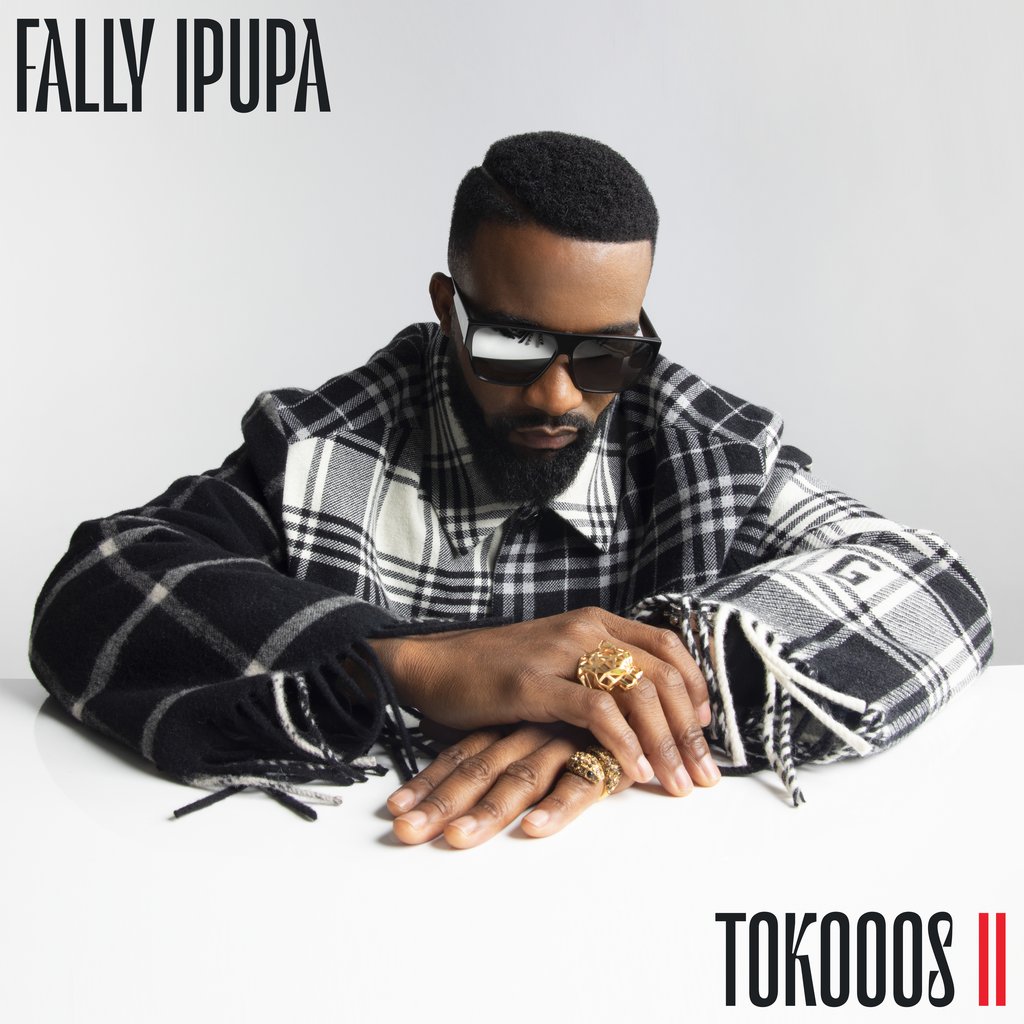
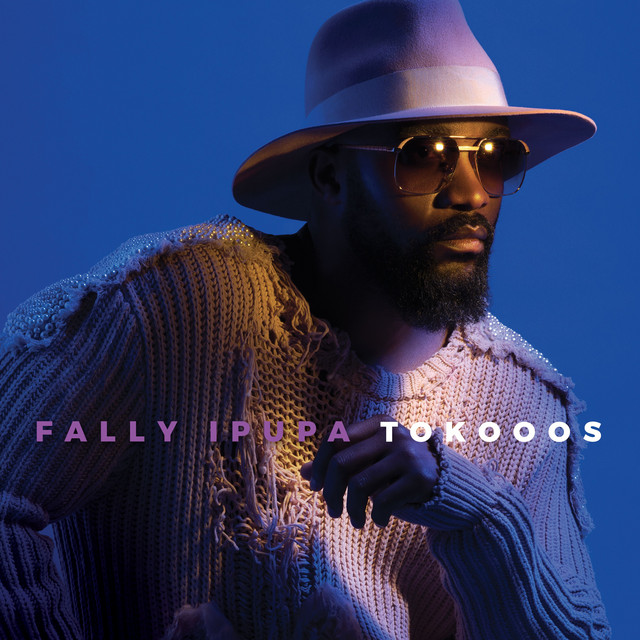
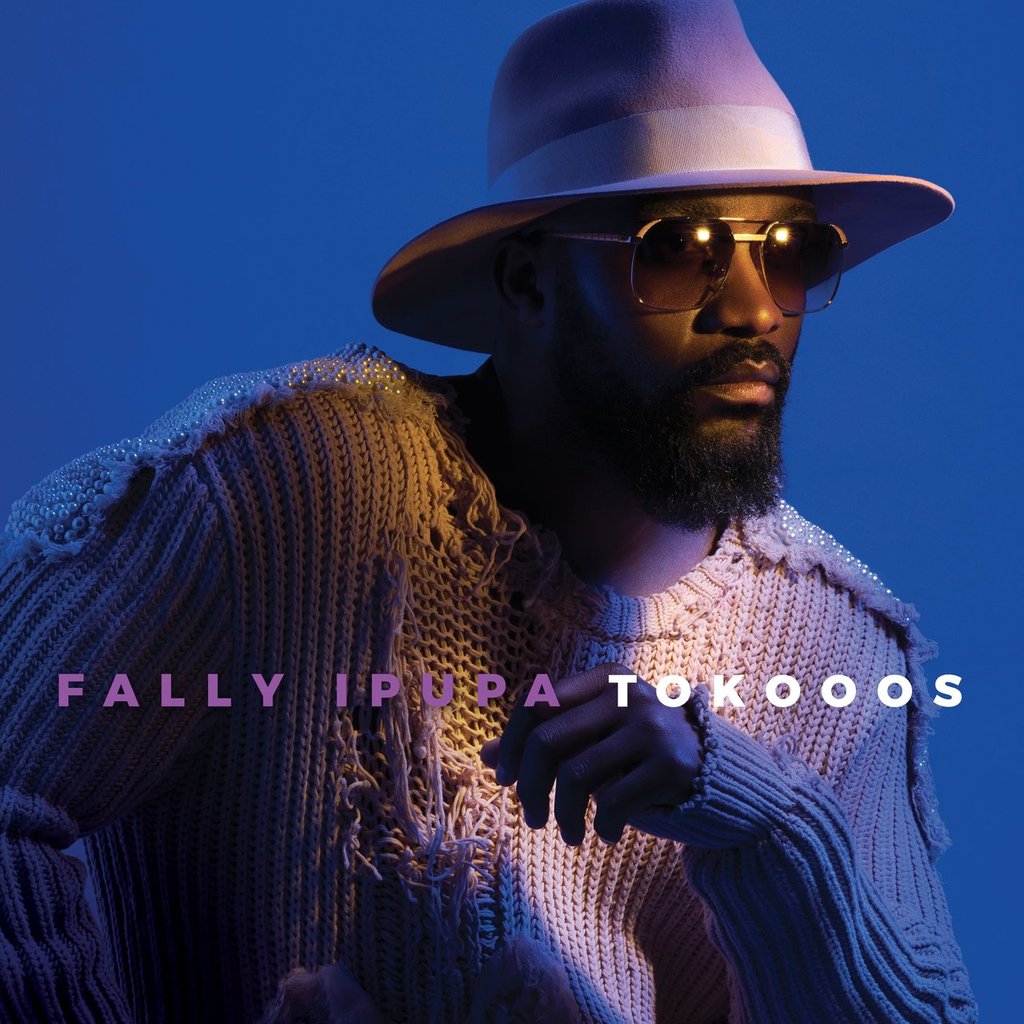
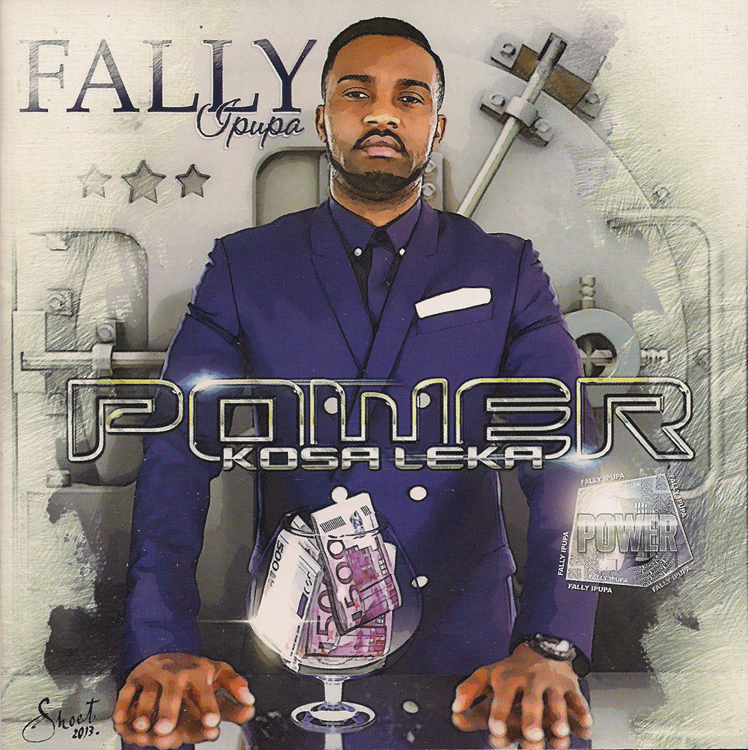
After Power « Kosa Leka » (2013) and its anthems La vie est belle, Ndoki and Service, Ipupa crossed a global milestone with Tokooos (2017). The word, invented by Fally, derives from the Lingala kitoko — “beauty”, “good vibration”. The album, a fusion of Congolese rumba, trap and Afrobeats, earned a SNEP gold record and a platinum disc, making him the first artist based in Kinshasa to sign such a record in France. Control (2018, 4× diamond), Tokooos II (2020) and Formule 7 (2022, a return to pure rumba roots with more than 200 million streams on Boomplay) consolidated his domination.
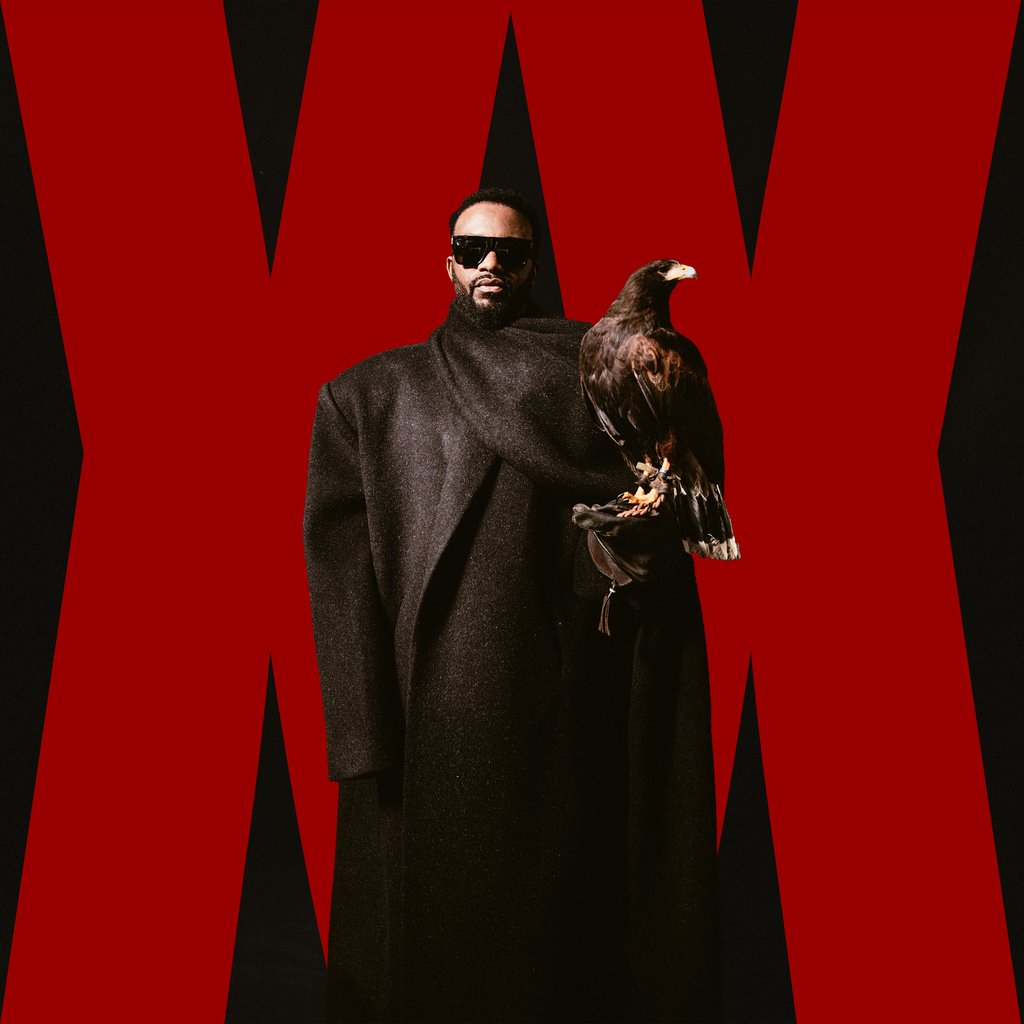
In April 2026, his eighth album XX reached N°1 on the SNEP chart: first African artist to do so. May 2026 saw two concerts at the Stade de France gathering 110,000 spectators, with an estimated economic impact of 20 million euros. Ipupa, who founded the Fally Ipupa Foundation in 2013 for orphans and victims of violence in the DRC, was decorated Chevalier de l’Ordre du Léopard by President Tshisekedi, crowning a musician whose voice now resonates throughout Francophone Africa.
Major works
| Work | Year | Why it’s essential |
|---|---|---|
| Droit Chemin | 2006 | First gold record for a Congolese solo artist |
| La vie est belle | 2013 | Global anthem; fusion of rumba, R&B and hip-hop in three languages |
| Tokooos | 2017 | Discography that made him the first international Congolese star |
| Formule 7 | 2022 | Return to the roots of pure rumba; 200M+ streams on Boomplay |
| XX | 2026 | First N°1 SNEP album by an African artist |
Legacy and influence
Fally Ipupa transformed Congolese rumba into a universal language. By marrying the electric guitar of Kinshasa with urban beats from Lagos, Paris and Atlanta, he showed that Congolese tradition can dialogue without submitting. His vision — “passing the baton”, making his label F’Victeam a launchpad for young artists — distinguishes a generation that refuses to lock the doors.
Sources and references
-
“Fally Ipupa Nsimba”, Wikipedia (English article), https://en.wikipedia.org/wiki/Fally_Ipupa, accessed October 18, 2025.
-
“Fally Ipupa”, AllMusic, https://allmusic.com/artist/mn0001798412, accessed October 18, 2025.
-
Morgan Greenstreet, “Fally Ipupa: The Kinshasa Hustle, Libanga and Democracy”, Afropop Worldwide, https://www.afropop.org/articles/fally-ipupa-interview-english, accessed October 18, 2025.
-
“Fally Ipupa: Félix Tshisekedi elevates Fally Ipupa to the rank of Chevalier de l’Ordre du Léopard”, Radio Okapi, https://www.radiookapi.net/2026/06/06/actualite/culture/felix-tshisekedi-eleve-fally-ipupa-au-rang-de-chevalier-de-lordre-du, accessed October 18, 2025.
-
“Tokooos”, Wikipedia, https://en.wikipedia.org/wiki/Tokooos, accessed October 18, 2025.
-
“XX (Fally Ipupa album)”, Wikipedia, https://en.wikipedia.org/wiki/XX_(Fally_Ipupa_album), accessed October 18, 2025.
-
“Sweet Life (La vie est belle)”, Wikipedia, https://en.wikipedia.org/wiki/Sweet_Life_(La_vie_est_belle), accessed October 18, 2025.
-
Ronnie Graham, Stern’s Guide to Contemporary African Music, vol. 1, Zwan Publications, 1988, chapter 18 “Congo-Zaire”.
-
Wolfgang Bender, Sweet Mother: Modern African Music, University of Chicago Press, 1991, chapter 2 “Francophone Connections”.