Biography
Ferré Gola : heir to Congolese rumba
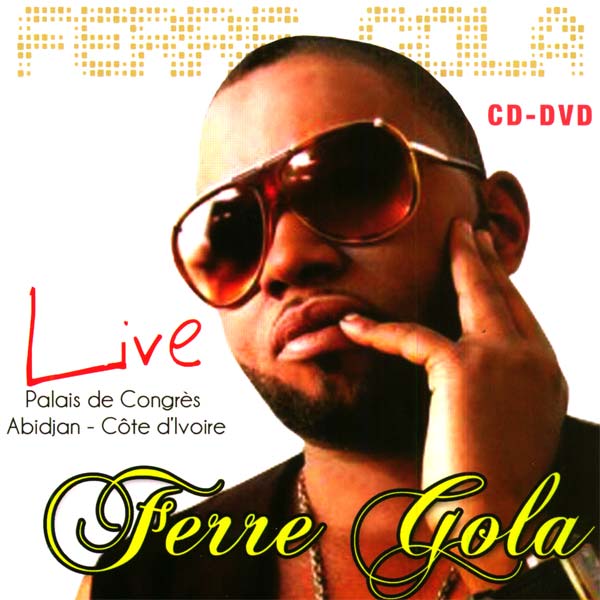
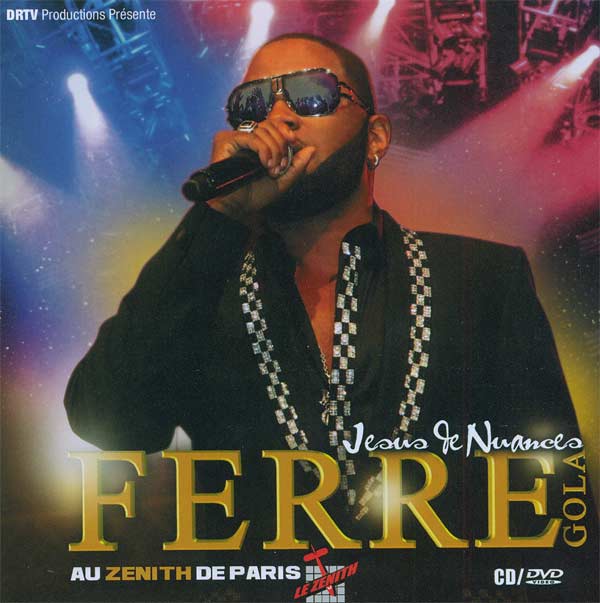
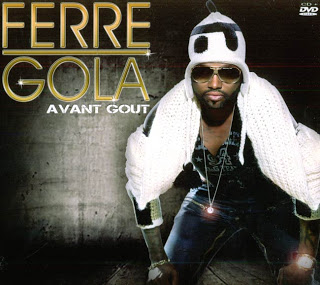
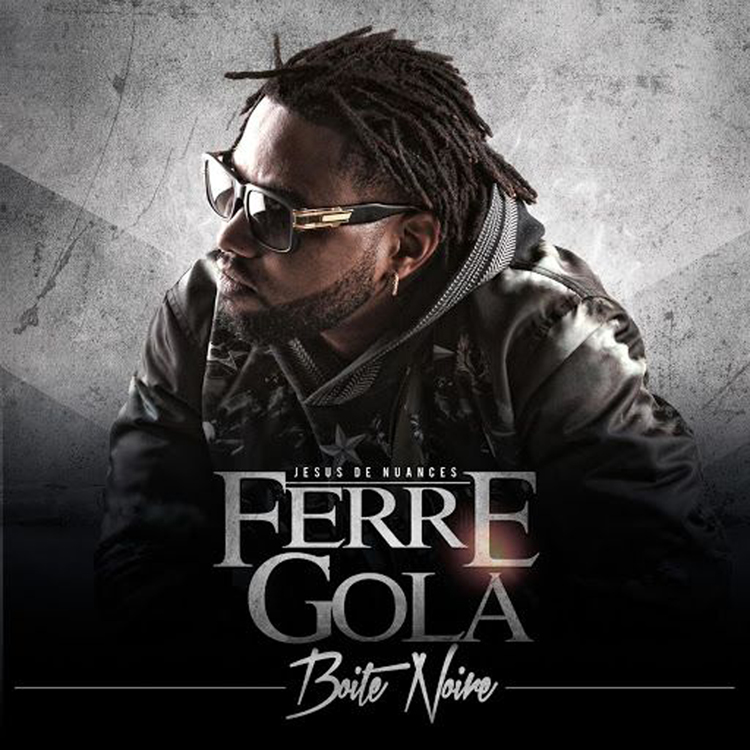
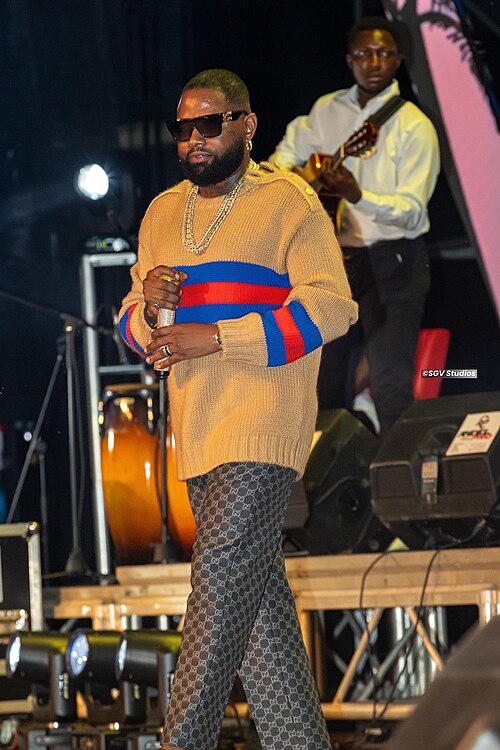
Limited edition sunglasses hide a face recognized all over Africa. Ferré Gola gets thousands dancing by blending Congolese rumba with contemporary urban sounds1.
In brief
| Full name | Hervé Gola Bataringe |
| Birth | March 3, 1976, Kinshasa, Zaire (now DRC) |
| Genre | Congolese rumba, ndombolo, soukous |
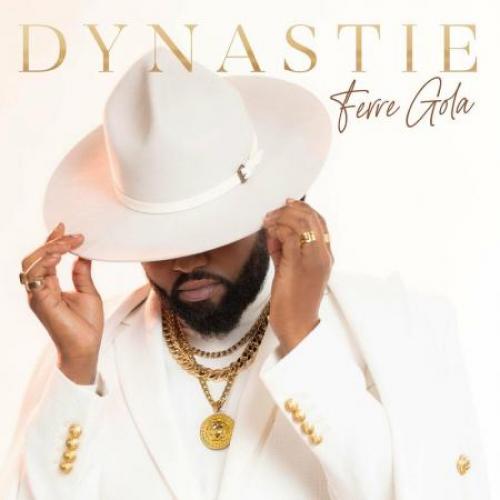
| Signature works | Qui est derrière toi ?, Dynastie Vol. 1 |
| Nicknames | « Jésus de Nuances », « Chair de Poule » |
| Labels | Sony Music Africa (since 2022) |
Key dates
| Year | Event |
|---|---|
| 1976 | Born in Kintambo, Kinshasa, seventh of a family of nine children |
| 1994 | Discovered by Werrason, joins Wenge Musica |
| 1996 | Adolphe Dominguez gives him the nickname « Ferré », referencing Italian couturier Gianfranco Ferré |
| 1997 | Follows Werrason in the split, joins Wenge Musica Maison Mère |
| 1999 | Signs “Vita-Imana”, best song of the year in Congo |
| 2004 | Co-founds Les Marquis de Maison Mère, wins best group in Central Africa at Kora Awards |
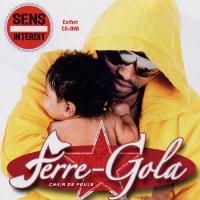
| 2006 | Launches solo career with Sens interdit |
| 2009 | Qui est derrière toi ? certified gold (110,000 copies) |
| 2017 | QQJD, triple album of 33 tracks |
| 2022 | Dynastie Vol. 1, 1 million Spotify streams in 21 days |
Origins: a little boy from Bandalungwa
Hervé Gola was born on March 3, 1976, in Kintambo, Kinshasa, seventh of a family of nine children of Teke and Yombe origin2. His father died very early; he grew up with his mother in the popular communes of Ngiri-Ngiri and then Bandalungwa. From the age of eight, he listened to his mother sing in church and discovered Franco Luambo and Tabu Ley Rochereau, role models who set the scene for an early vocation.
First steps: the wengienne initiation
As a teenager, he joined Rumba des Jeunes before being noticed by drummer Werrason in 1994. The initiation was brutal: « I suffered, they hit me, they didn’t let me sing. » He joined Wenge Musica, which exploded in 1997; he followed Werrason to Wenge Musica Maison Mère3.
Revelation: Vita-Imana and solo career
In 1999, he signed “Vita-Imana” on Solola Bien by WMMM. This track became a continental phenomenon, voted best song of the year by Congolese press. He signed Chetani and Victime d’amour on À la queue leu leu (2002) and, after a stint with Koffi Olomidé, launched his solo career in 20064.
Consecration: Qui est derrière toi ?
Qui est derrière toi ?, double album from October 2009 (“Maboko Pamba”, “Zazou”, “Soké”), sold over 110,000 copies and earned a SACEM gold disc5. QQJD (2017, triple album of 33 tracks including “Jugement”) confirmed his status. The collaboration with Victoria Kimani on “Tucheze” crossed linguistic borders6.
Recent evolutions
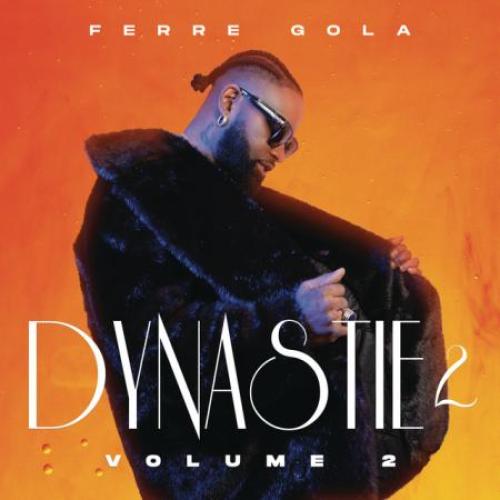
After QQJD, Ferré Gola released Dynastie Vol. 1 (March 2022, Sony Music Africa), blending rumba, trap, salsa, and R&B, surpassing one million streams in 21 days. He followed up with Dynastie 2 Vol. 1 and Vol. 2 (2023), Ferré Store, the perfume Eau de Golois, and institutional partnerships.
Legacy
A fan of Franco, Ferré Gola describes himself as a « mass educator »4. His influence crosses borders: Guadeloupe, France, digital platforms6.
Major works
| Work | Year | Why it’s essential |
|---|---|---|
| Solola Bien (with WMMM) | 1999 | Platform for “Vita-Imana”, the revealing track |
| Qui est derrière toi ? | 2009 | Gold-certified double album, foundation of solo career |
| QQJD (Triple album) | 2017 | 33 tracks, peak of formal ambition |
| Dynastie Vol. 1 | 2022 | Rumba and trap fusion, 1 million streams in 21 days |
Sources and references
-
Wikipedia FR, Ferré Gola, accessed November 2, 2026 ↩︎
-
Wikipedia EN, Ferré Gola, accessed November 2, 2026 ↩︎
-
Pan-African Music, Ferre Gola: these musics that showed him the way, interview ↩︎
-
Jeune Afrique, DRC: Ferré Gola, quiet force of rumba, March 6, 2021 ↩︎ ↩︎
-
AllMusic, Ferré Gola - Biography, Discography, accessed November 2, 2026 ↩︎
-
Billboard France, Most-Streamed Congolese Artists, July 2025 ↩︎ ↩︎