Biography
Biography of Ferro Gaita
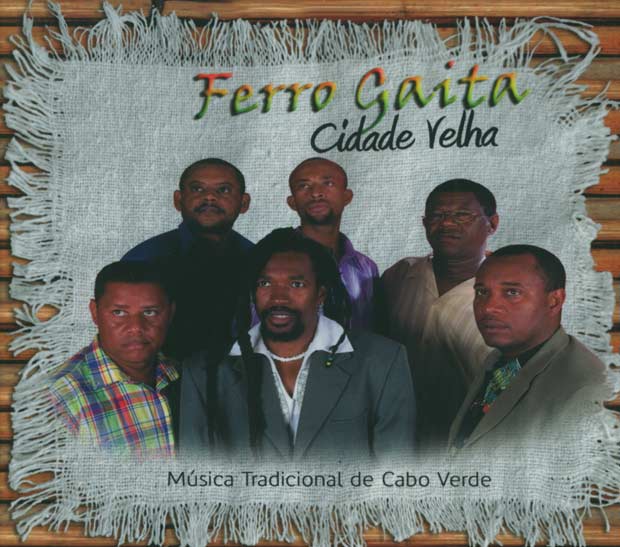
Praia, July 1996. Three young musicians joined forces with two instruments that most had forgotten: a metal bar scraped with a knife and a small diatonic accordion. The funaná — this peasant music from the island of Santiago, once banned by Portuguese colonizers — had been asleep for decades. Ferro Gaita emerged from this vision to project it onto stages around the world1.
In Brief
| Group Name | Ferro Gaita |
| Formation Date | July 22, 1996, Praia, Cape Verde |
| Genre | Funaná (peasant music from the island of Santiago) |
| Signature Instruments | Ferrinho (scraped metal bar) and gaita (diatonic accordion) |
| Founding Members | Estevão « Iduíno » Tavares, Carlos Alberto « Bino Branco » Lopes, Adão Brito |
Key Dates
| Year | Event |
|---|---|
| 1996 | Group created in Praia by Iduíno, Bino Branco, and Adão Brito |
| 1997 | Gamboa de Praia Festival; first album recorded in Rotterdam |
| 1997 | Fundu Baxu: Best Cape Verdean album of the year |
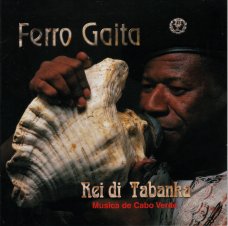
| 1999 | Rei di Tabanka in Massachusetts, incorporating batuku and tabanka |
| 2001 | Historic concert at the Zénith in Paris |
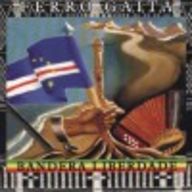
| 2003 | Banda Liberdade, international recognition |
| 2007 | National Medal for Cultural Merit |
| 2024 | Protocol with the Ministry of Culture to recognize funaná as heritage |
| 2026 | Death of Bino Branco at age 56; state pension awarded |
Journey: From the Streets of Praia to Global Stages
The group was born from a provocative intuition. Iduíno Tavares, Carlos Alberto Lopes known as Bino Branco, and Adão Brito grew up listening to reggae and popular music from the 1990s. As funaná, this staccato rhythm of the Badius peasants from northern Santiago, sank into oblivion in favor of synthesizers, the trio decided to return to the essentials2. The ferrinho — a metal blade scraped with a knife — produced a metallic, nervous sound. The gaita, a diatonic accordion of Portuguese origin, brought staccato melodies.
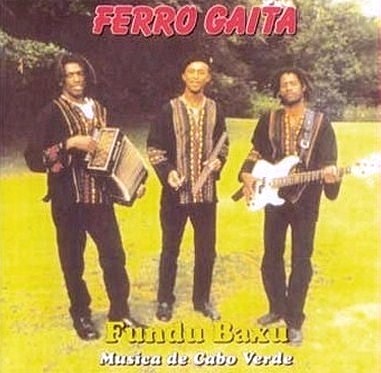
They began in the bars and sidewalks of Praia, attracting attention with their raw sound. In May 1997, they were invited to the Gamboa de Praia Festival, the largest musical gathering of the islands. Fundu Baxu, recorded in Rotterdam in June and released on August 22, exuded a raw acoustic funaná. It became the best-selling record in Cape Verde that year3.
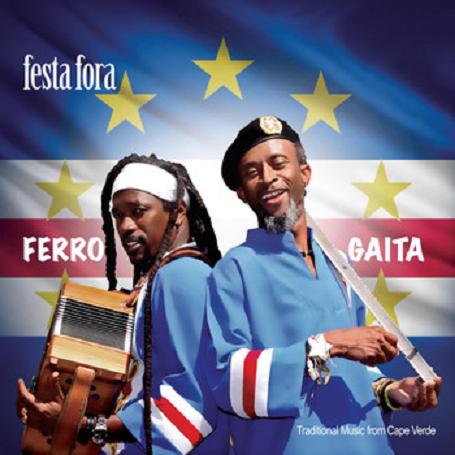
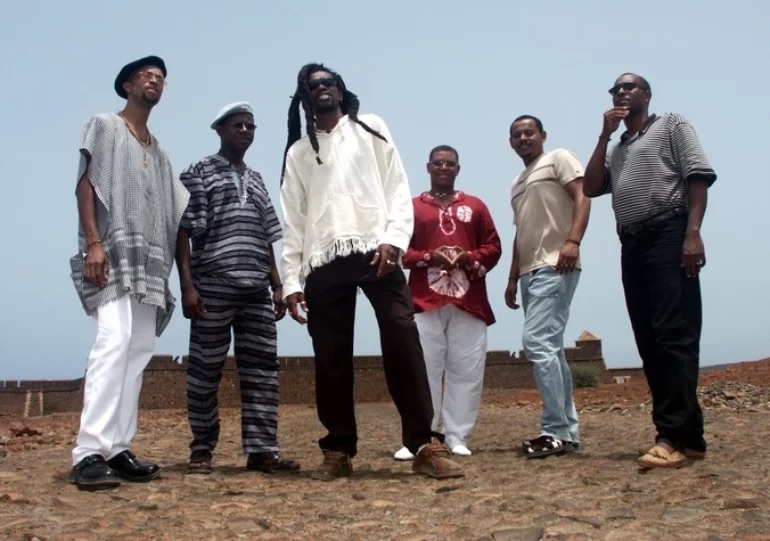
Two years later, Rei di Tabanka was recorded in Massachusetts. The group expanded its palette by introducing the batuku (rhythm of female percussion), the finaçon (Santiago tradition), and the tabanka, using ancient instruments like the bombona (century-old marine conch) and the cornetinha4. Banda Liberdade (2003) established them as ambassadors of funaná. Their signature wardrobe — colorful daishiki embroidered with sarongs and extravagant accessories — completed an unforgettable visual identity.
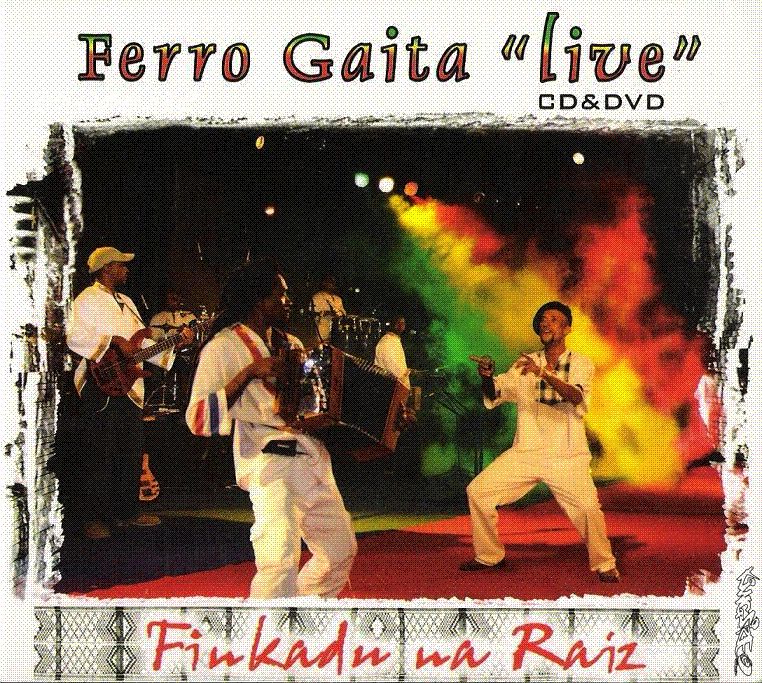
On April 28, 2001, Ferro Gaita headlined “Cape Verde Night at the Zénith,” a concert featuring Luis Morais, Bau, Lura, Fantcha, Albertino, and Maria Alice. The event marked a milestone: funaná took center stage on the international Cape Verdean scene, and the group would receive the National Medal for Cultural Merit in 2007 before signing a protocol in 2024 with the Ministry of Culture to protect funaná5.
On August 29, 2026, Bino Branco passed away in the United States at age 56 after a battle with cancer. Founder and charismatic voice of the group, he left behind the memory of a ferrinho virtuoso who carried Cape Verde’s sound to five continents6. On June 28, 2026, the government had awarded Bino Branco a state pension of 75,000 escudos, citing his “exceptional contribution to national culture.” Ferro Gaita remains active and produced the album Tokador di Gaita in 2026.
Major Works
| Work | Year | Why It Is Essential |
|---|---|---|
| Fundu Baxu | 1997 | First acoustic album; best Cape Verdean record; rebirth of funaná |
| Rei di Tabanka | 1999 | Fusion of batuku, finaçon, and tabanka; recording in the United States |
| Banda Liberdade | 2003 | International recognition of the group |
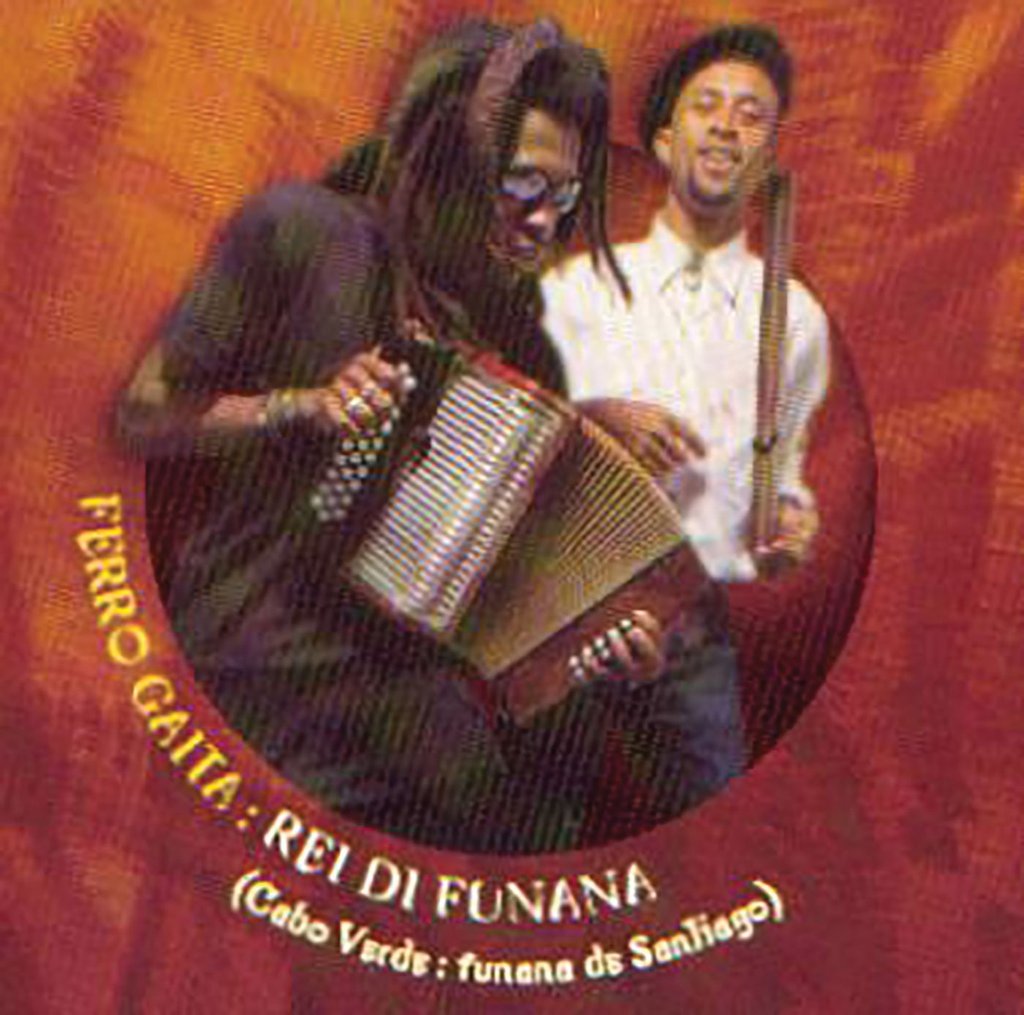
| Rei di Funaná | 2001 | Album of consecration; “King of Funaná” |
Legacy
Ferro Gaita transformed funaná into youth music, a symbol of post-independence Cape Verdean identity. What was once considered rustic peasant music repressed by colonizers became a national pride, played in festivals around the world. Their influence resonates in the work of artists like Dino D’Santiago, Boss AC, and Julinho KSD, and accordions now circulate freely through the streets of Praia and Mindelo. Ferro Gaita did not merely revive a genre; it made it a cultural banner7.
Sources and References
-
Discogs, Ferro Gaita group profile (founded July 22, 1996, Praia, Cape Verde; members, instruments, history), https://discogs.com/artist/3002113-Ferro-Gaita, accessed October 28, 2026. ↩︎
-
Africultures, Ferro Gaita group profile, https://africultures.com/groupes/?no=774, accessed October 28, 2026. ↩︎
-
Afropop Worldwide, Pour Me a Grog: The Funaná Revolt in 1990s Cabo Verde (Vik Sohonie notes, interview Iduino), https://www.afropop.org/articles/pour-me-a-grog-the-funan%C3%A1-revolt-in-1990s-cabo-verde, accessed October 28, 2026. ↩︎
-
Mindelo Infos, Ferro Gaita discographic profile, https://mindelo.info/_disco_ferro.php, accessed October 28, 2026. ↩︎
-
Cabo Verde, Cape Verde and Festival MED, protocols and recognition, accessed October 28, 2026. ↩︎
-
Rising Reed, accordion news 2026-08-31, https://risingreed.com/accordion-news-2026-08-31, accessed October 28, 2026. ↩︎
-
247 News Agency, ferro-gaita-dies article, https://247newsagency.com/bino-branco-lead-singer-of-ferro-gaita-dies-aged-56, accessed October 28, 2026. ↩︎