Biography
Fodé Baro
In 1998, “Yirikikiki” by Fodé Baro was broadcast from radio to radio until it reached Libreville, where it won the award for best album. The title did not come by chance: it reveals an artist who crossed East Africa as a wanderer, sang in Catholic masses for a Muslim, played bass and guitar alongside Myriam Makeba before reaching the Parisian studios. Fodé Baro invented afro-zouk-mandingue — a dance rhythm where the Maninka language, Manding melodies, and Antillean zouk intertwine.
In Brief
| Full Name | Fodé Baro |
| Nickname | “The Agitator” |
| Birth | May 24, 1976, Kissidougou (Kankan), Guinea |
| Field | Music: afromandingue, afro-zouk-mandingue (zouk-soukous-Manding music fusion) |
| Instruments | Vocals, bass, n’goni (Manding harp-lute), guitar |
| Signature Works | Donsoke (1992), L’Aventurier / “Yirikikiki” (1998) |
| Awards | Best Album and Best Video Africa n°1 (Libreville, 2000), Golden Djembe (Conakry, 2008) |
Key Dates
| Year | Event |
|---|---|
| 1976 | Birth in Kissidougou, Kankan region, Guinea |
| 1985 | Return to Guinea; audition with Bongui Makeba, daughter of Myriam Makeba |
| 1986 | European tour and first 30 cm with Bongui; her death ends the collaboration |
| 1990 | Move to Paris; studies at the Bastille music school |
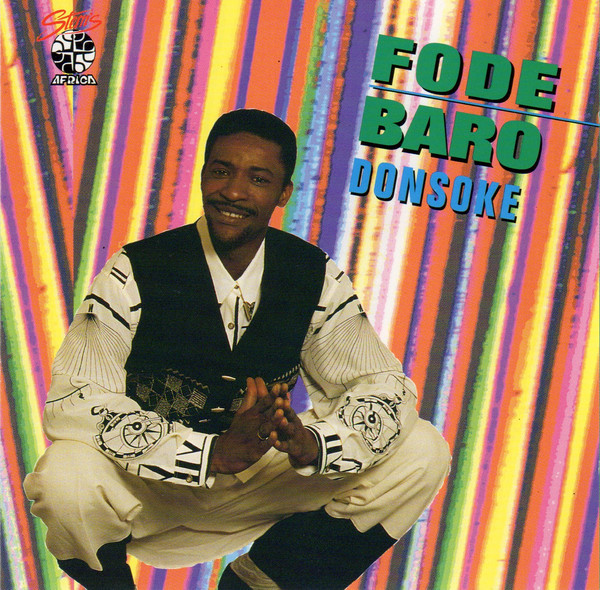
| 1992 | Release of first solo album, Donsoke (the hunter) |
| 1998 | Release of L’Aventurier and the pan-African hit “Yirikikiki” |
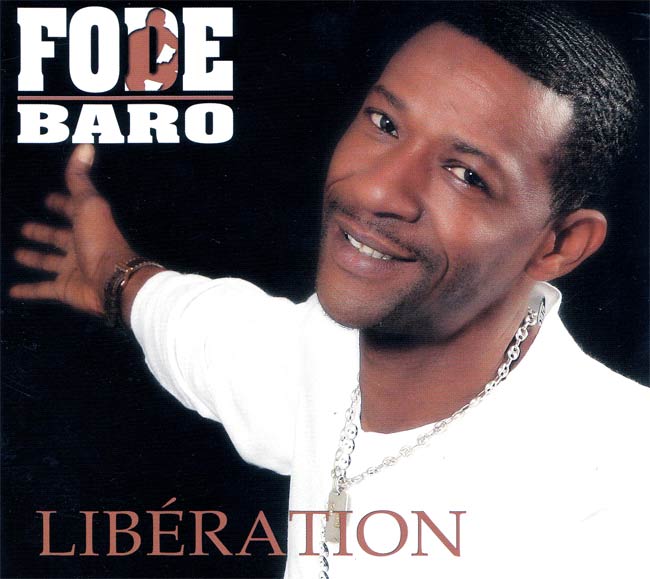
| 2010 | Libération with Lusafrica and Sony Music; single “Katoucha” |
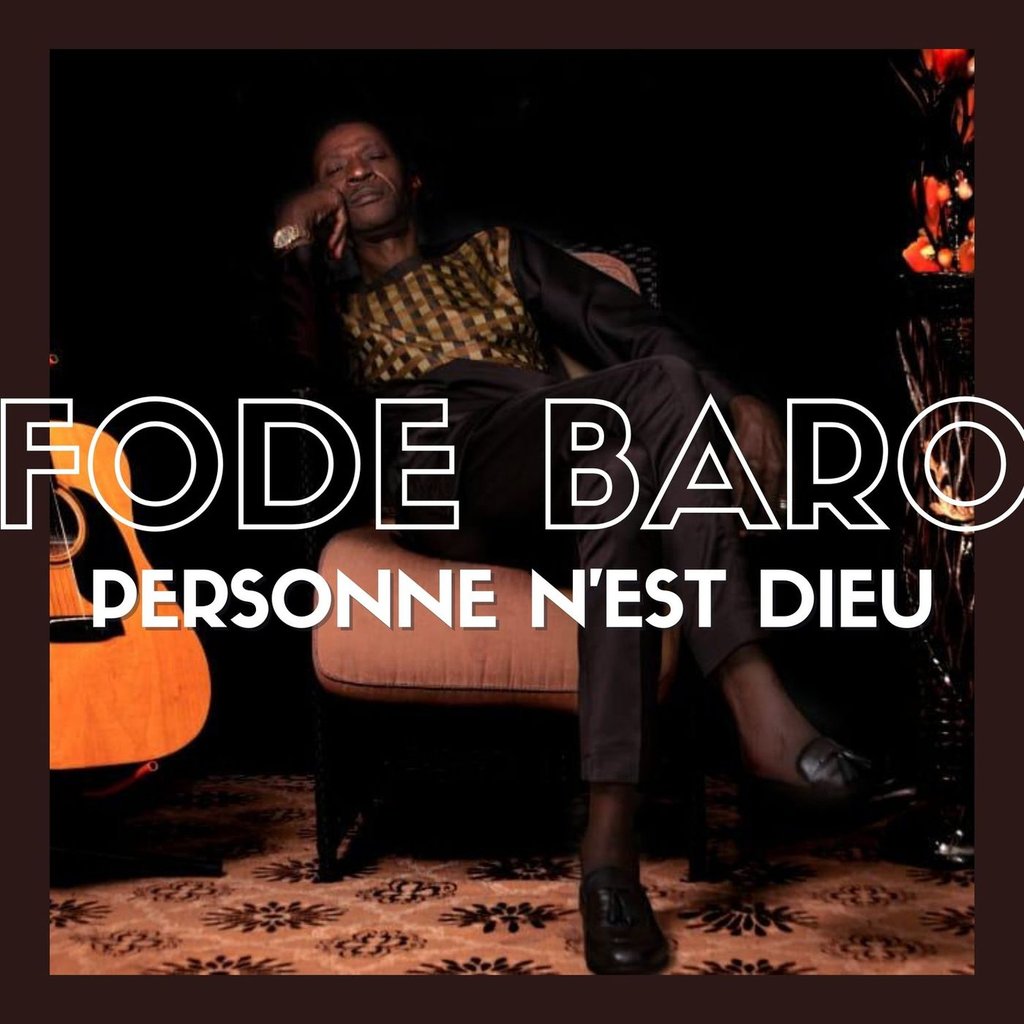
| 2021 | Personne n’est Dieu, last album with Benika Music |
From Kissidougou to afro-zouk-mandingue: a life of music
Fodé Baro was born on May 24, 1976, in Kissidougou, a savannah town in the Kankan region of Guinea. From a family of Peulh-Manding notables, son of Ibrahim Kalil Baro, a renowned marabout in Islamic teaching, and Samantenin Touré, he grew up in an environment where music was not a legitimate path: according to Manding tradition, only the role of griots — these families specialized in oral transmission — justified singing or playing. His family belonged to the Walihou marabouts, a lineage recognized in religious teaching. For Fodé, musical passion was an act of transgression.
From childhood, he was charmed by the talent of Aboubacar Demba Camara, nicknamed “the dragon of African song”, a major figure on the Guinean scene of the seventies. At school, he stood out in theater and music. “He was the youngest artist under President Sékou Touré’s regime to participate in the grandest presidential cocktails,” testifies M. Djapi Diawara, producer of Manding music in Paris. Drawn to the tam-tam, n’goni and guitar, he faced his family’s rejection. Refused by his own, he interrupted his studies and left Guinea at the beginning of the eighties.
His exile took him to Sierra Leone, then Liberia, where he was taken in by a French Catholic priest who taught him solfège. For nearly five years, despite his Muslim faith, Fodé Baro led chants and hymns during Catholic masses — an experience that forged his vision of tolerance. The family eventually forgave him, and he returned to Guinea in 1985. There, he met the unexpected Myriam Makeba, then exiled in Conakry. Her daughter, Bongui Makeba, was looking for a bassist: Fodé auditioned and was hired. For eight months, he toured European capitals with her — Paris, London, Brussels — and the team recorded an album together. The premature death of Bongui in 1986 ended this musical adventure.
After a period of depression, Fodé Baro joined Les Messagers de Mory Findian, where he rubbed shoulders with great Manding voices — Mory Kanté, Sory Kandia Kouyaté, Salif Keïta. “I am not just a zoukeur,” he would later declare. “In my albums, there are also Manding pieces, but very modern! My concern and my fight is Guinean music today. I want to make it known, and for that, it must be mixed” (translated from French). In 1990, he took Paris. By day, he studied at the Bastille music school; by night, he frequented the booming Afro-Caribbean scene. He met producer Ibrahima Sylla, alias Syllart Production — whom he affectionately called “Papa” — and drew up his own style. With arranger Philippe Guez, he published Donsoke (the hunter) in 1992, which won immediate success.
The year 1998 marked his consecration: L’Aventurier contains “Yirikikiki”, a title that crossed the continent, relayed on Africa n°1, RFI and MCM Africa. In 2000, Libreville awarded him the prizes for best album and best video. In 2010, Libération with Lusafrica and distributed by Sony Music took up tracks from “Yanfanté” (2009) and added “Katoucha”, a tribute to Katoucha Niane, Guinean top model who died in 2008 after a fight for the abolition of female genital mutilation. Personne n’est Dieu (2021), with Benika Music, his new label, confirmed that he never stopped exploring. Fodé Baro resides between Dakar and Guinea, of which he sings the promises and frustrations. Nicknamed “The Agitator” by his fans, he assumes this role: dancing with feet and pointing to the text with a finger.
Major Works
| Work | Year | Why It Is Essential |
|---|---|---|
| Donsoke (the hunter) | 1992 | First solo album; established the afro-zouk-mandingue style and won “Revelation of the Year” |
| L’Aventurier / “Yirikikiki” | 1998 | Pan-African hit that propelled him onto Africa n°1, RFI and MCM Africa |
| Sangali (The Agitator) | 2003 | First self-produced album, return to acoustic Manding roots and political platform |
| Libération / “Katoucha” | 2010 | Committed album from Lusafrica/Sony; tribute to Katoucha Niane, Guinean icon of the fight against female genital mutilation |
Heritage and influence
Fodé Baro paved a path that few Guineans had taken before him: singing Manding music in French and Maninka, while dancing to Caribbean rhythms. His invention of afro-zouk-mandingue remains the reference for a generation of artists who blend tradition and modernity. He also contributed to a pan-African network via the compilations Sans papiers, and his journey still inspires young artists from West Africa who see in him proof that music can be chosen, even when it is not in the blood.
Sources and references
- « Fodé Baro », Le Grand Soir (Conakry), https://legrandsoir.info/la-biographie-de-fode-baro.html, accessed 12 November 2025.
- « Fodé Baro », Wikipedia, https://fr.wikipedia.org/wiki/Fod%C3%A9_Baro, accessed 12 November 2025.
- Frank Bessem, « Guinea: Fodé Baro », Musiques d’Afrique, https://musiques-afrique.net/guinee/art-baro-fode.html, accessed 12 November 2025.
- « Fode Baro », Music In Africa, https://www.musicinafrica.net/fr/directory/fode-baro, accessed 12 November 2025.
- « Fode Baro », Deezer, https://www.deezer.com/fr/artist/55404, accessed 12 November 2025.
- « Fode Baro », Lusafrica (label / Sony Music), https://lusafrica.com/en/our-artists/fode-baro, accessed 12 November 2025.
- « Fodé Baro », Who’s Who in Guinea, https://www.quiestquienguinee.com/liste-des-personnalites/p0140/fode-baro, accessed 12 November 2025.