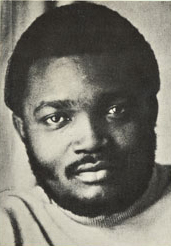
Biography
Franco Luambo: the sorcerer of Congolese guitar
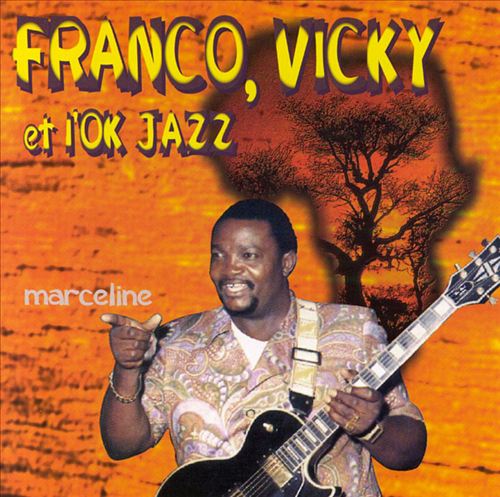
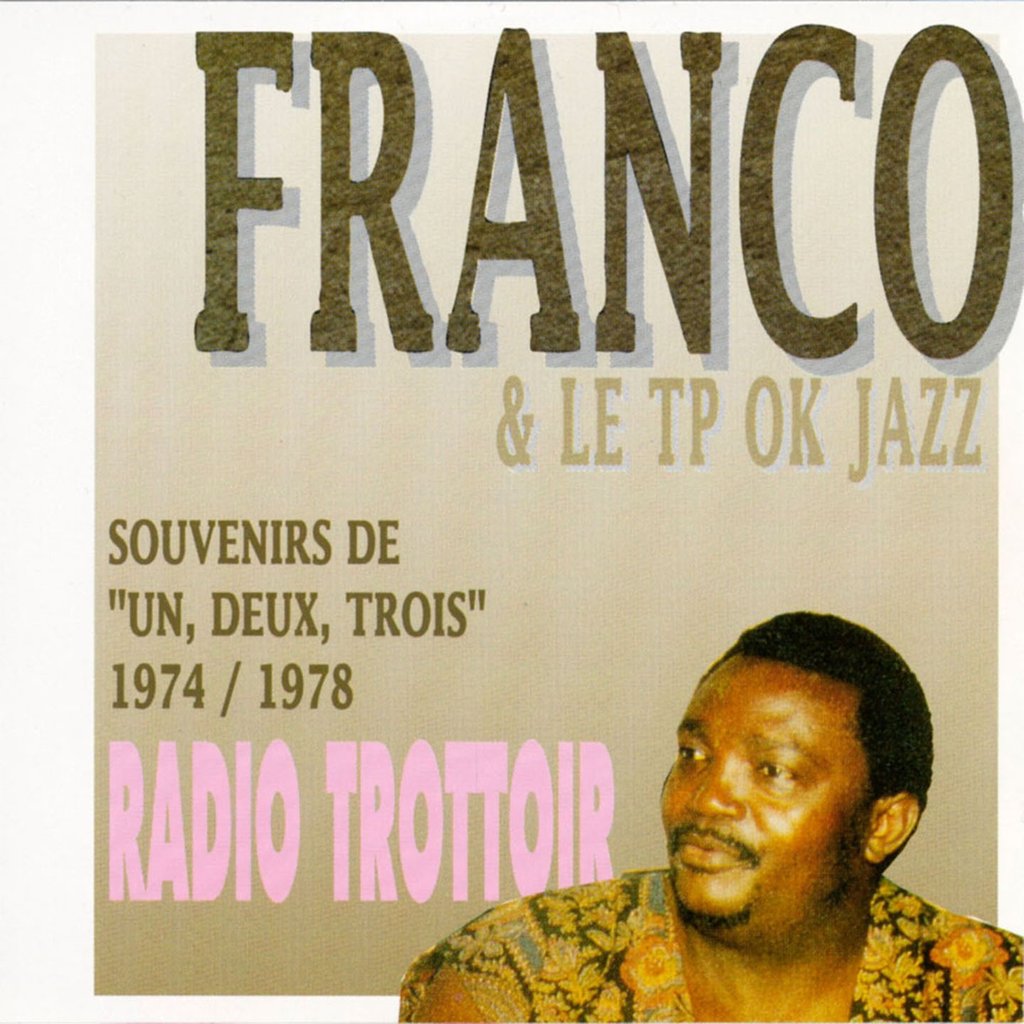
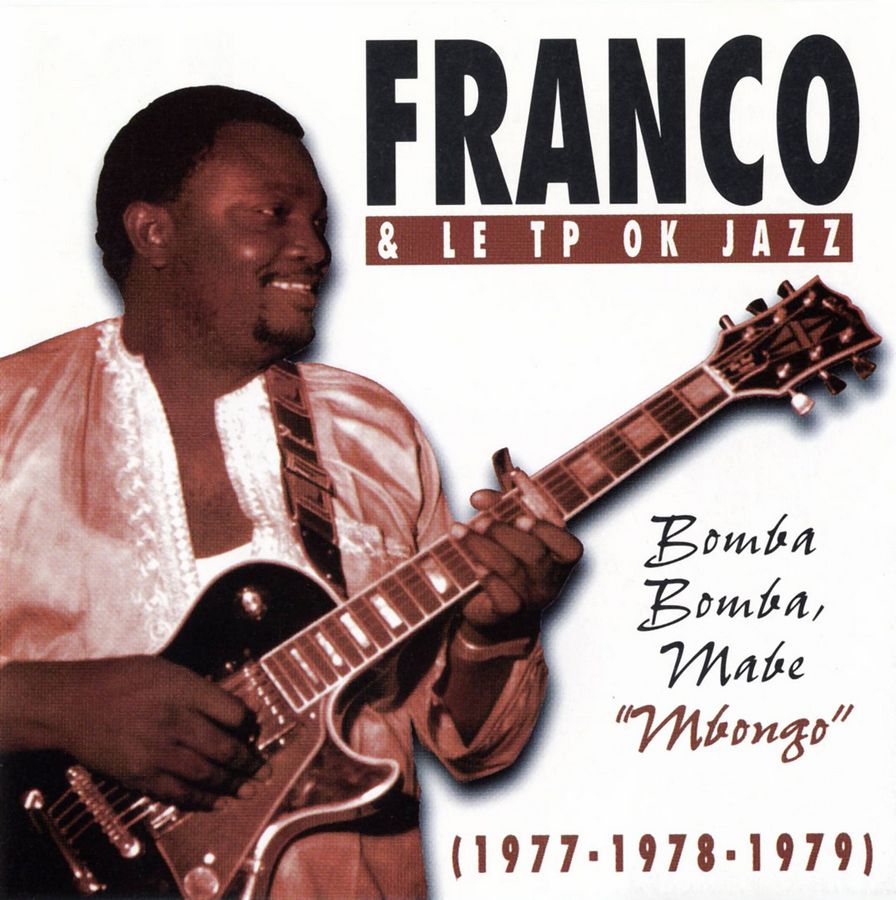
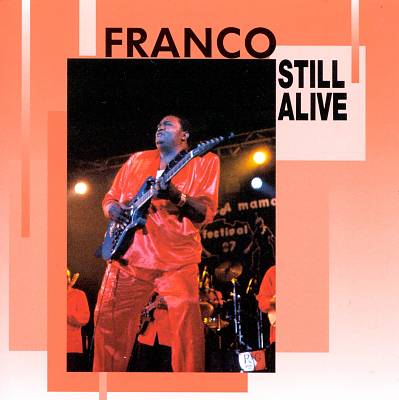
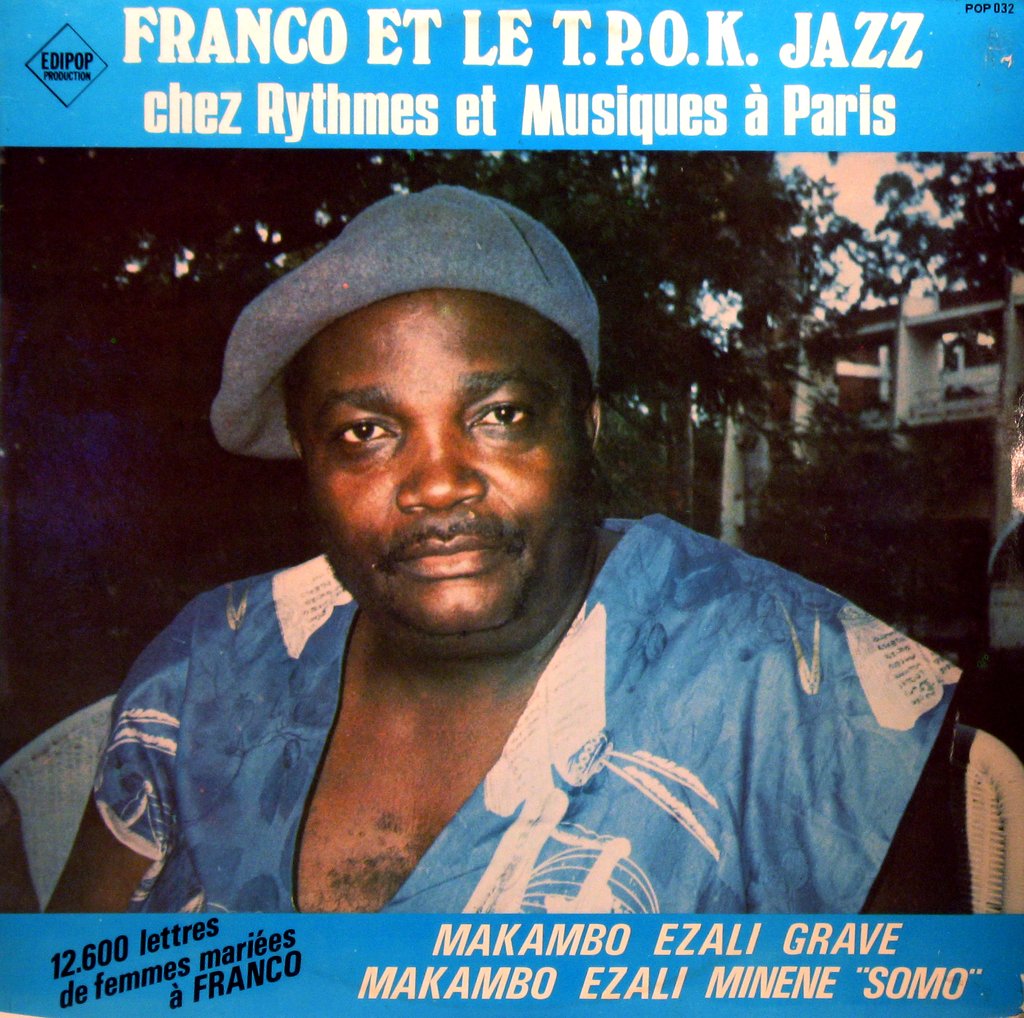
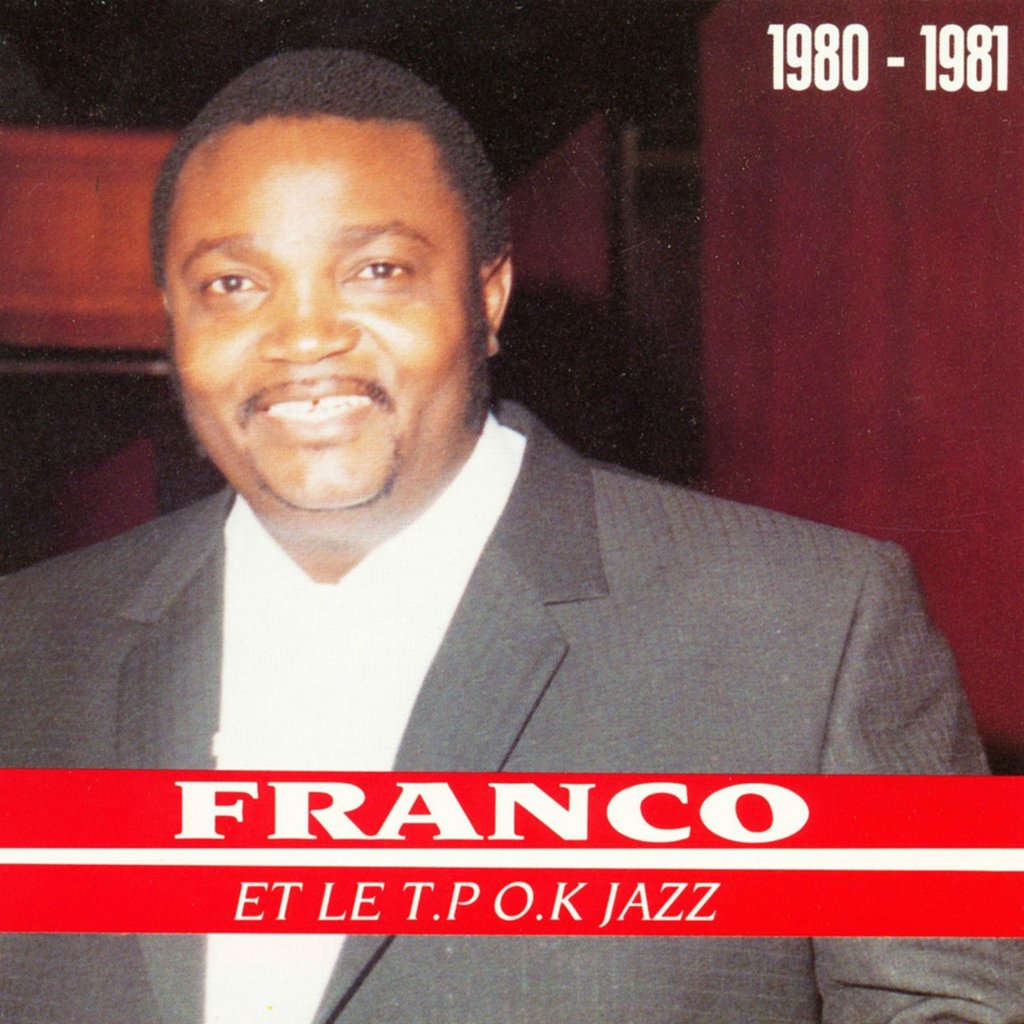
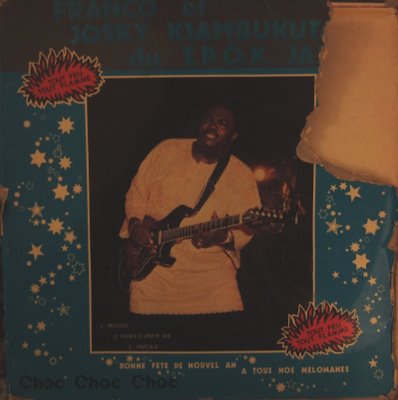
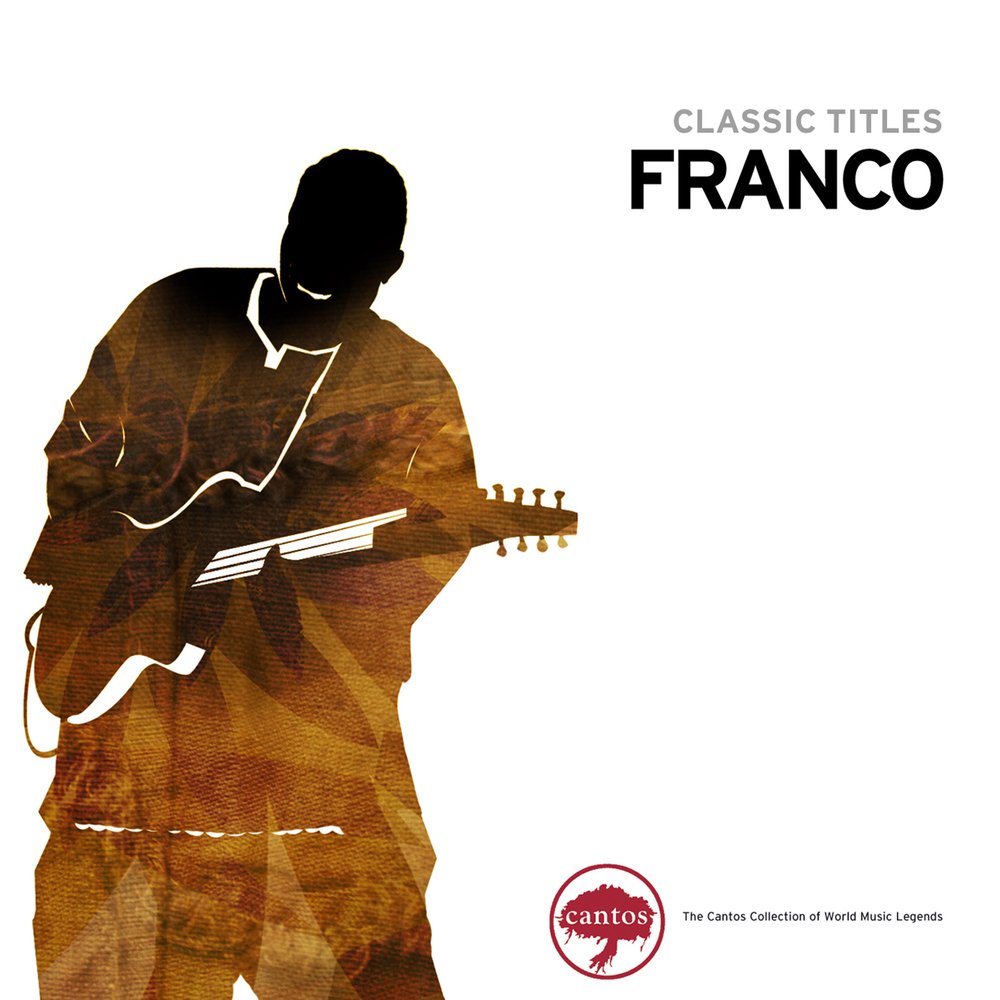
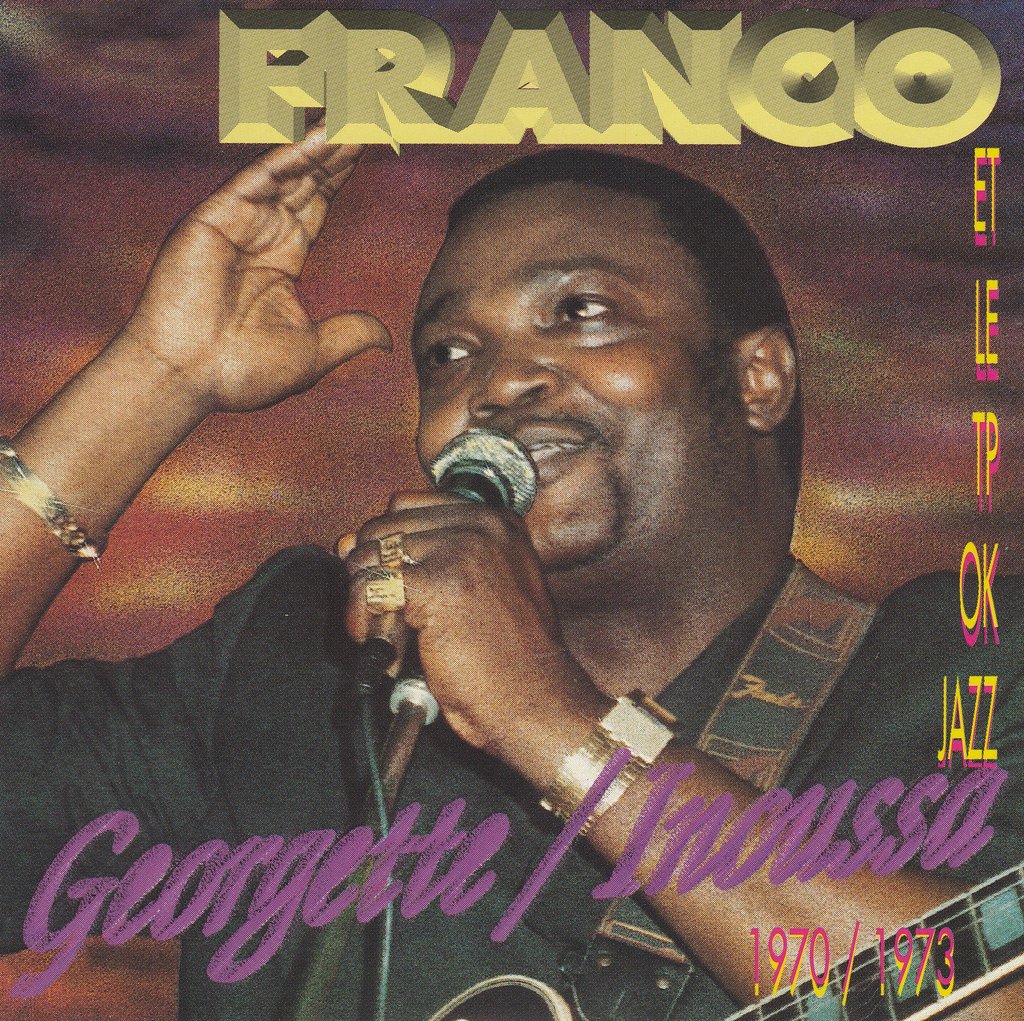
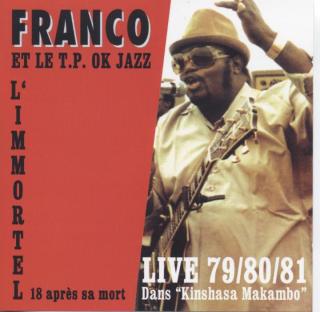
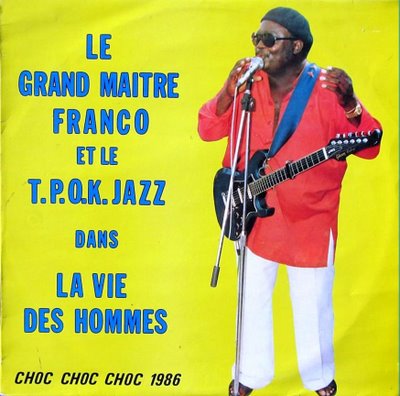
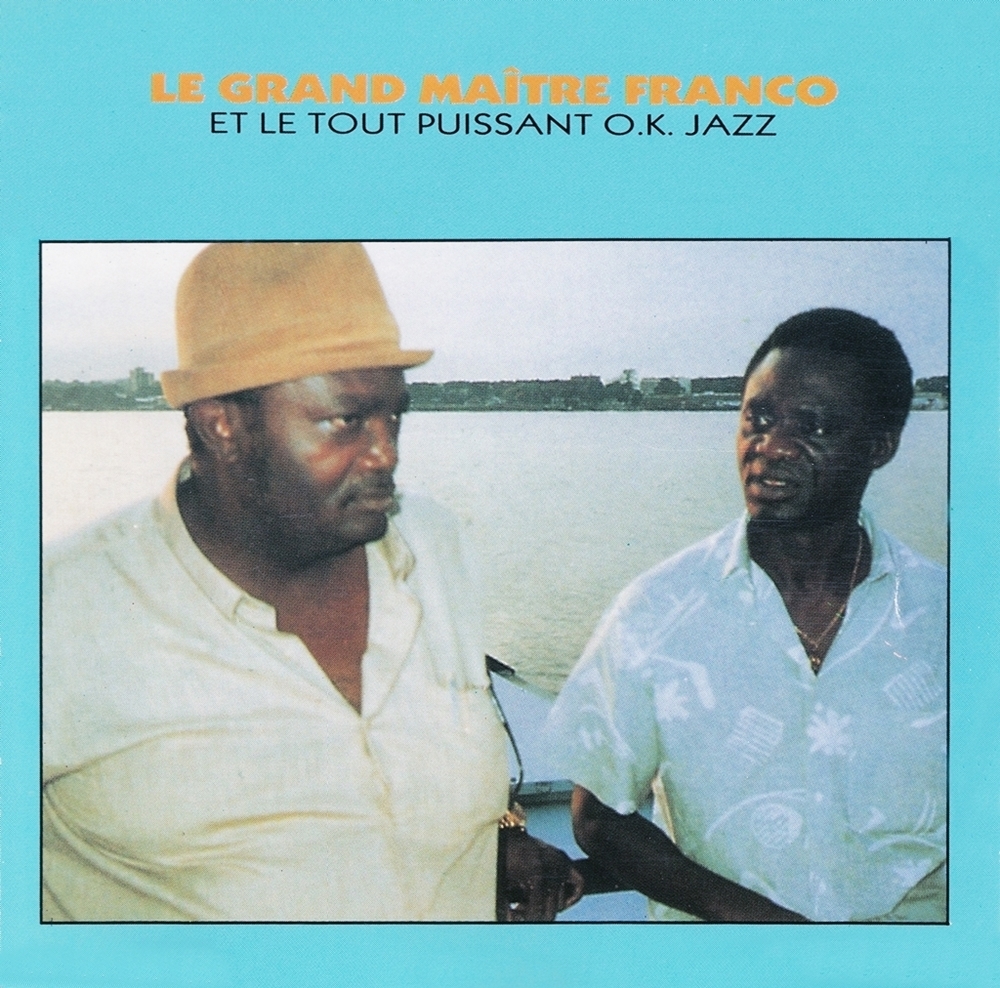
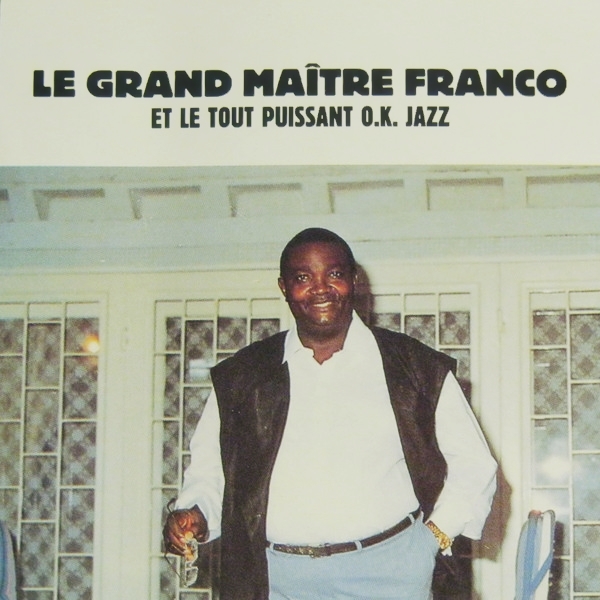
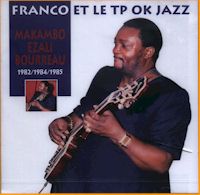
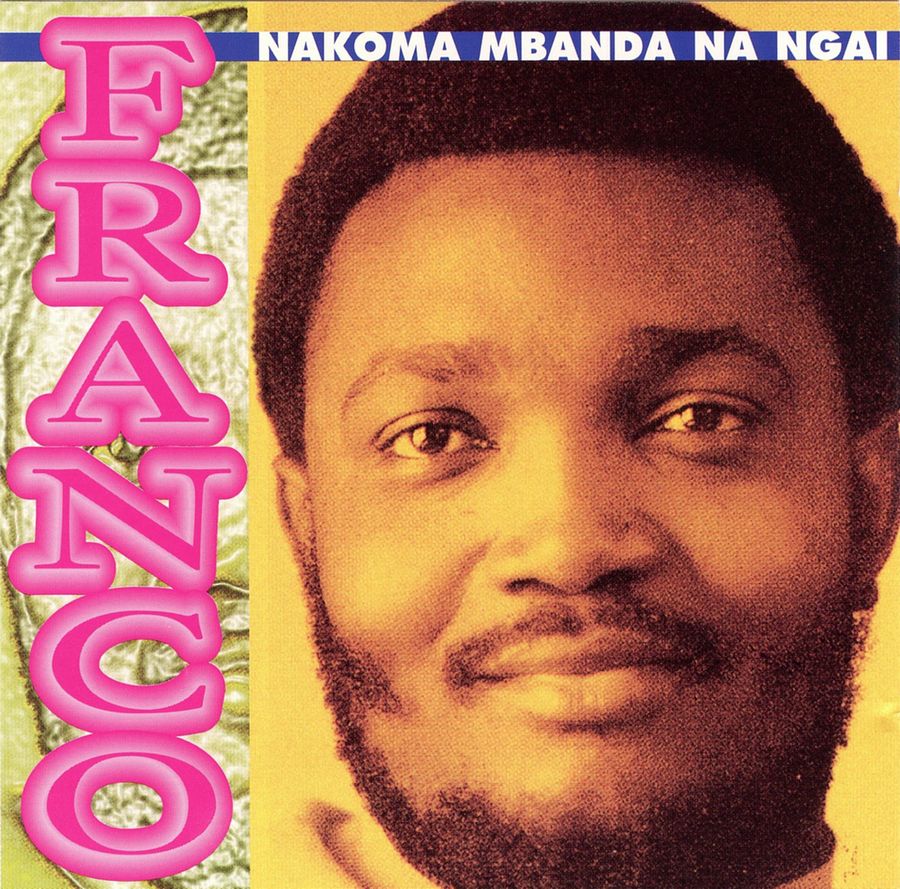
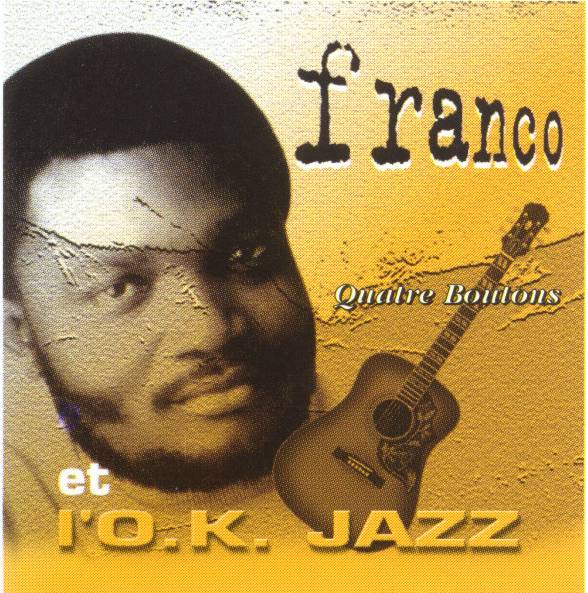
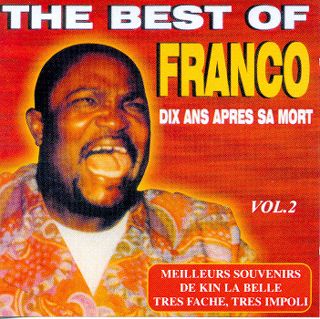
In 1989, when Franco Luambo Makiadi passed away at the Mont-Godinne hospital in Belgium, all of Africa came to a standstill. For four days, the Zairian national radio broadcast his music on loop, while hundreds of thousands of people flooded the streets of Kinshasa. It was the death at 51 years old of the most popular and influential musician on the continent — a man whose guitar genius shaped soukous, that frenzied sound that has made Africa dance for sixty years.
In brief
| Full name | François Luambo Luanzo Makiadi |
| Birth | July 6, 1938, Sona-Bata, Bas-Congo (RDC) |
| Death | October 12, 1989 (51 years), Mont-Godinne, Belgium |
| Field | Congolese rumba and soukous |
| Instruments | Guitar, vocals |
| Group | TPOK Jazz (1956–1989) |
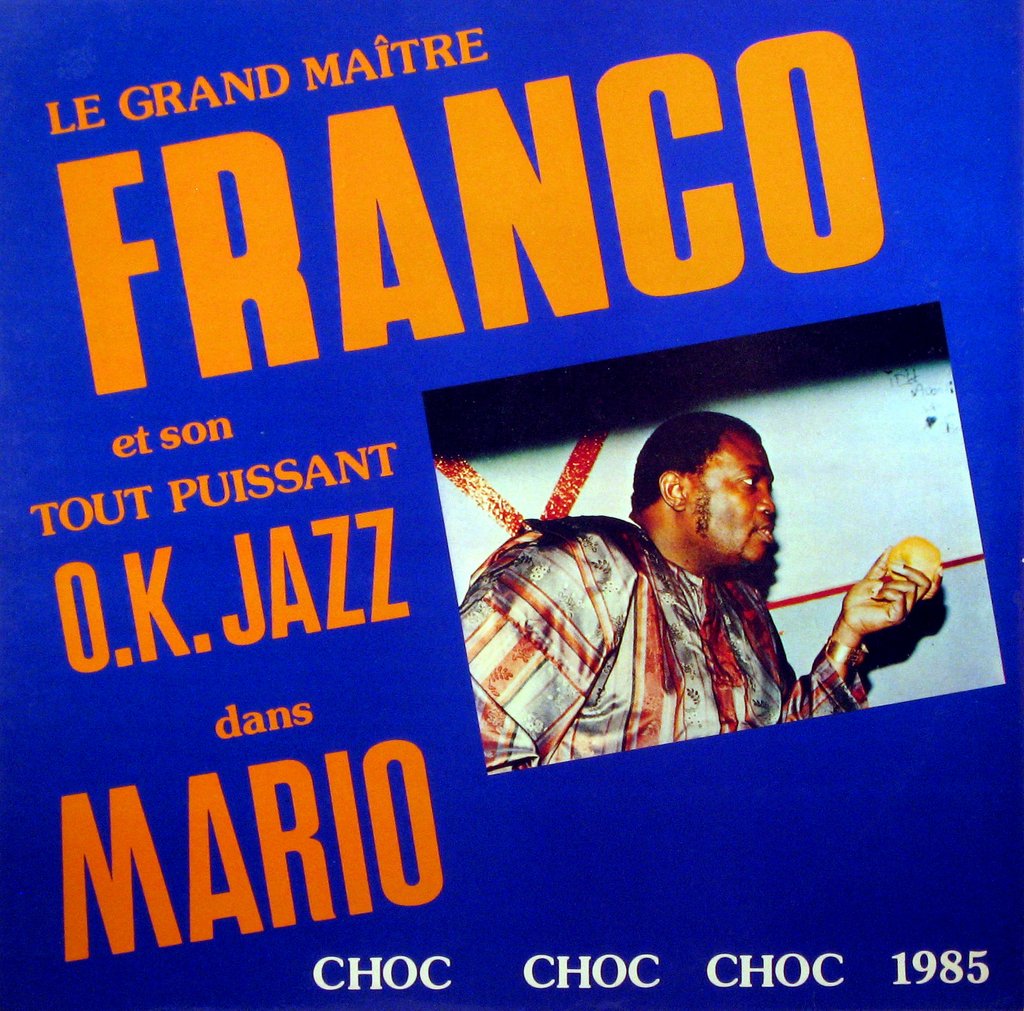
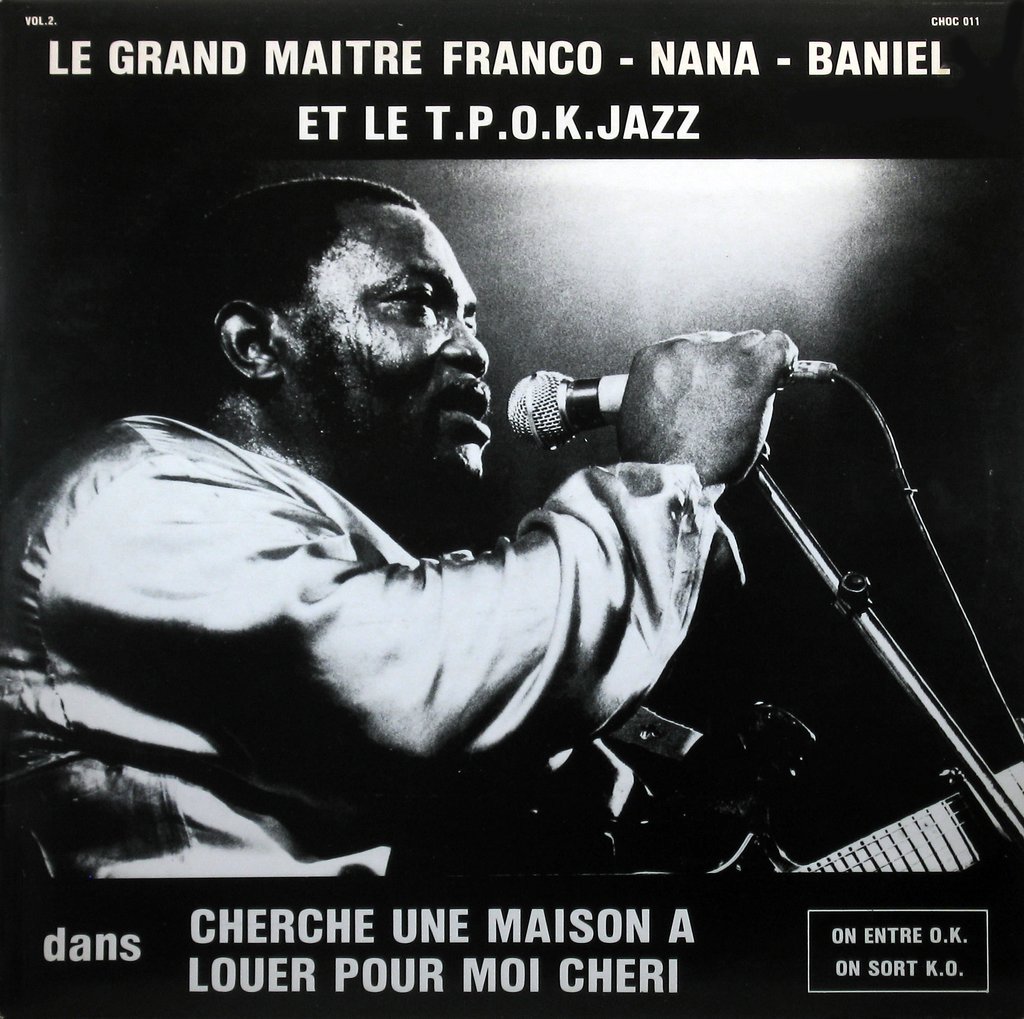
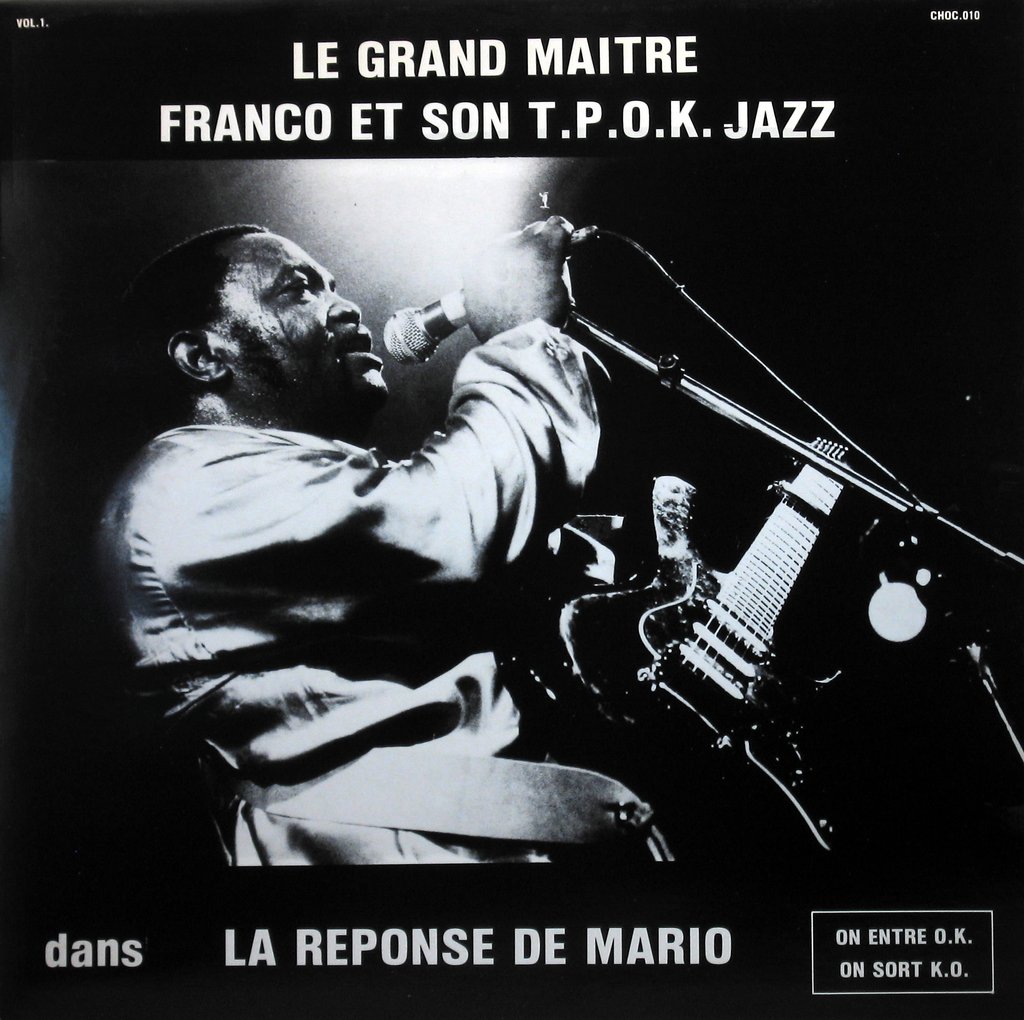
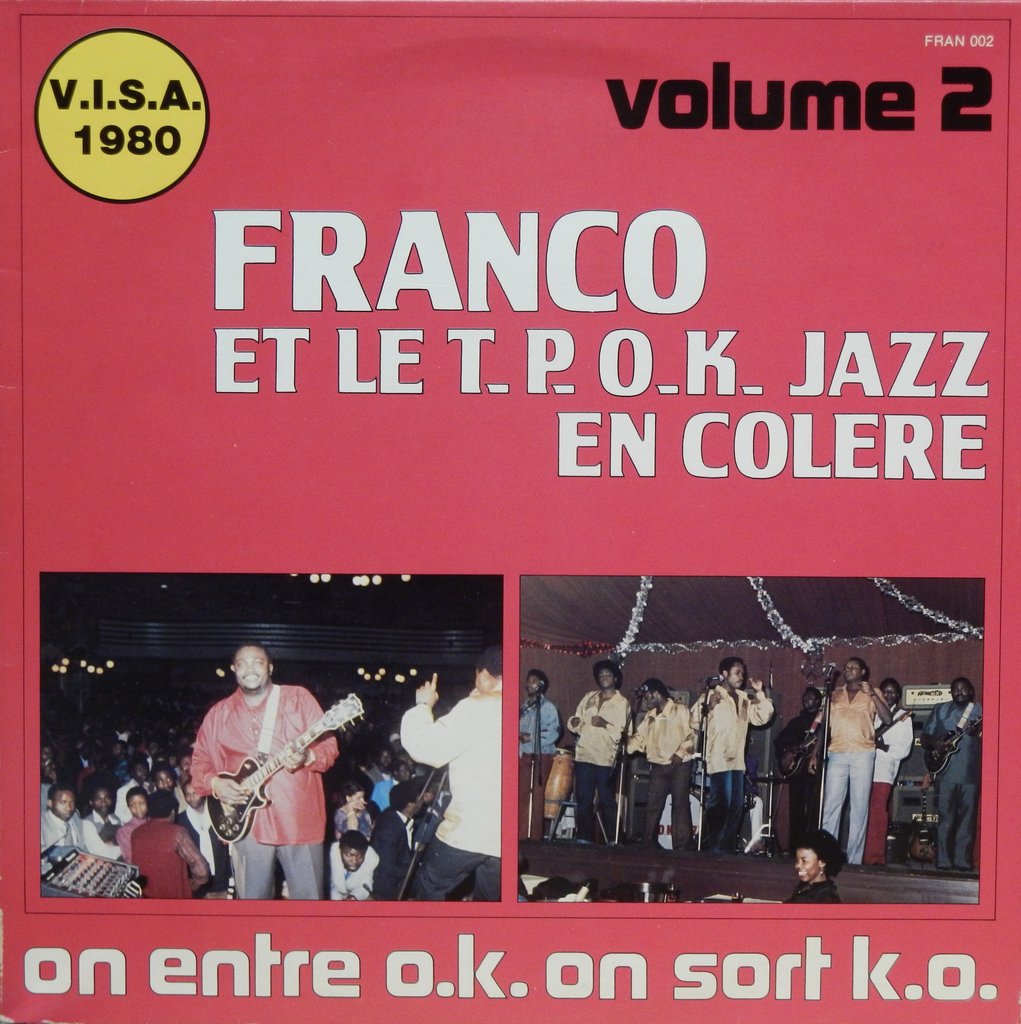
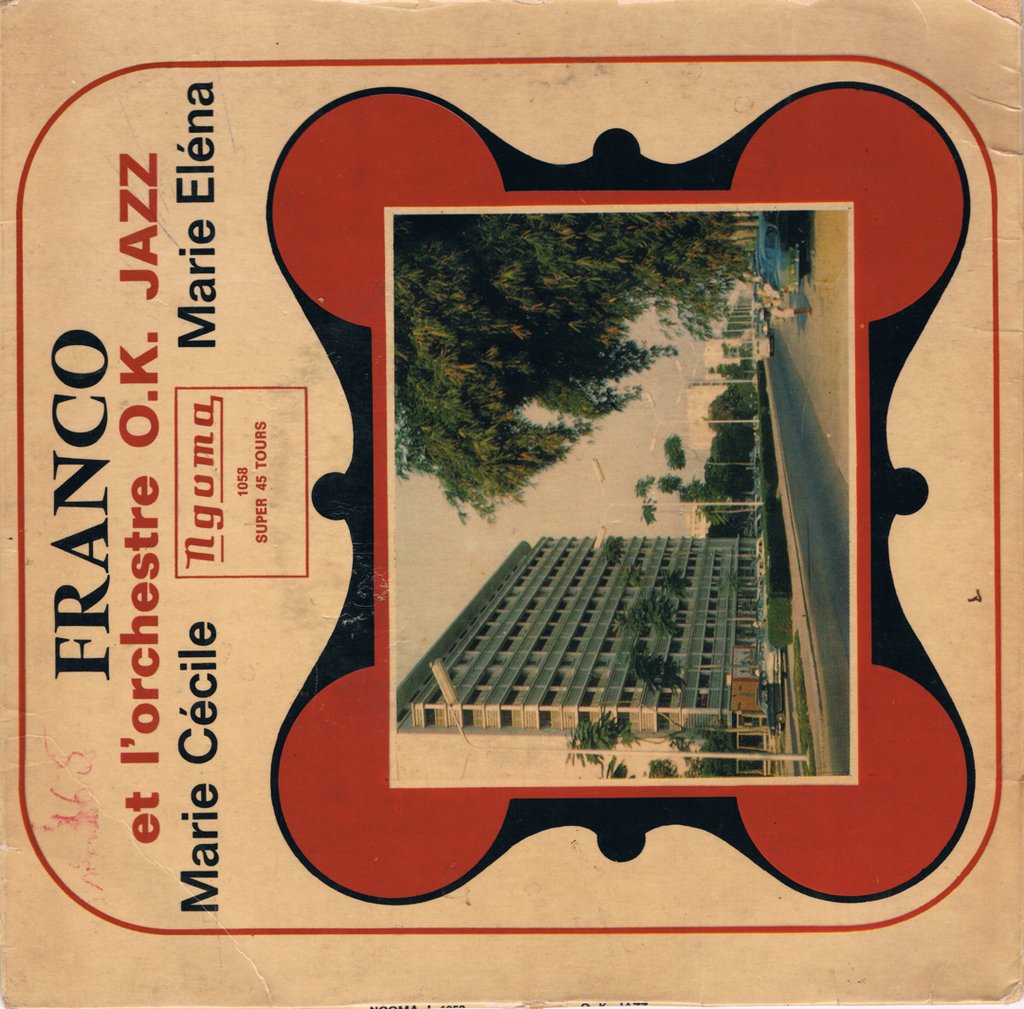
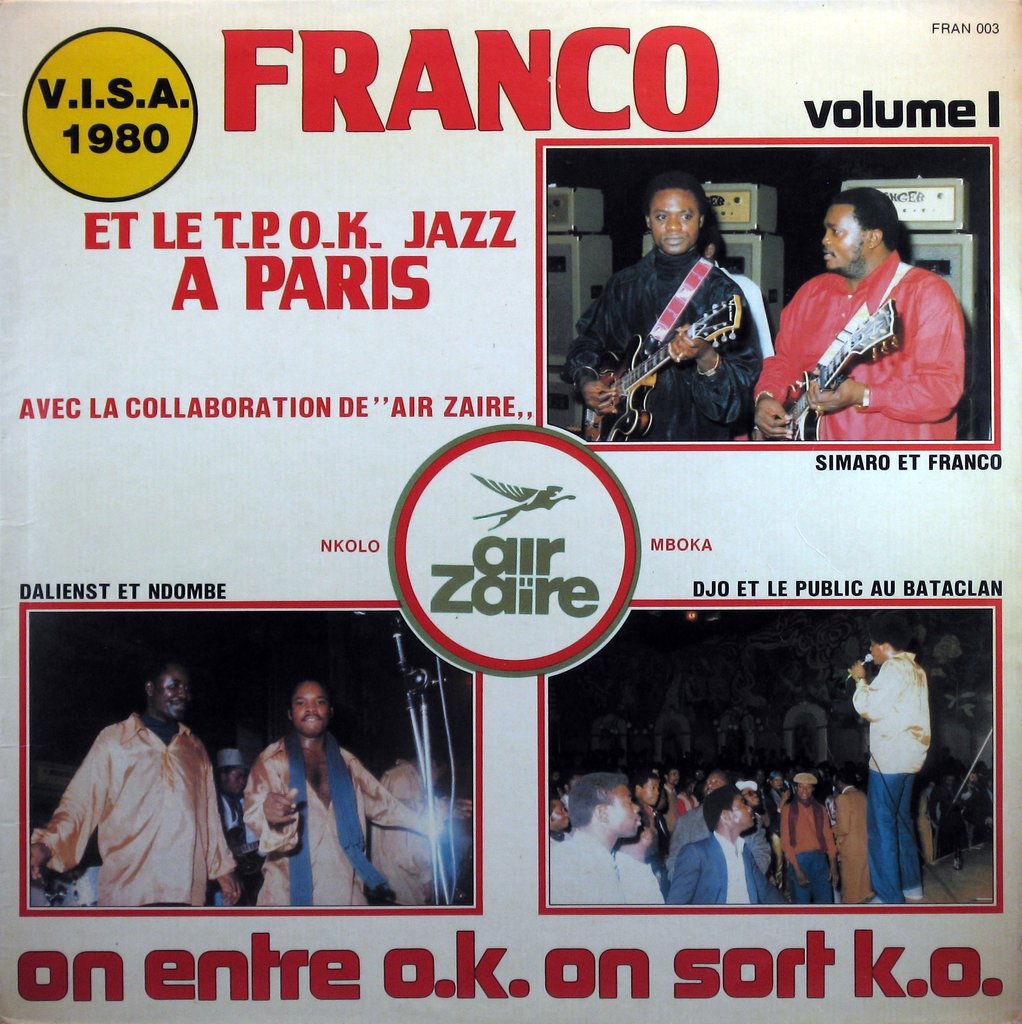
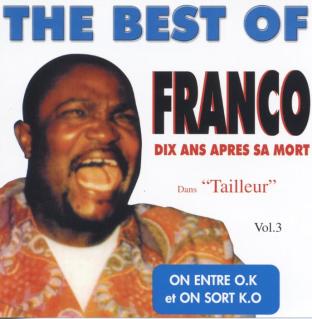
| Signature works | On Entre O.K. On Sort K.O., Ebale Ya Zaïre, Mario |
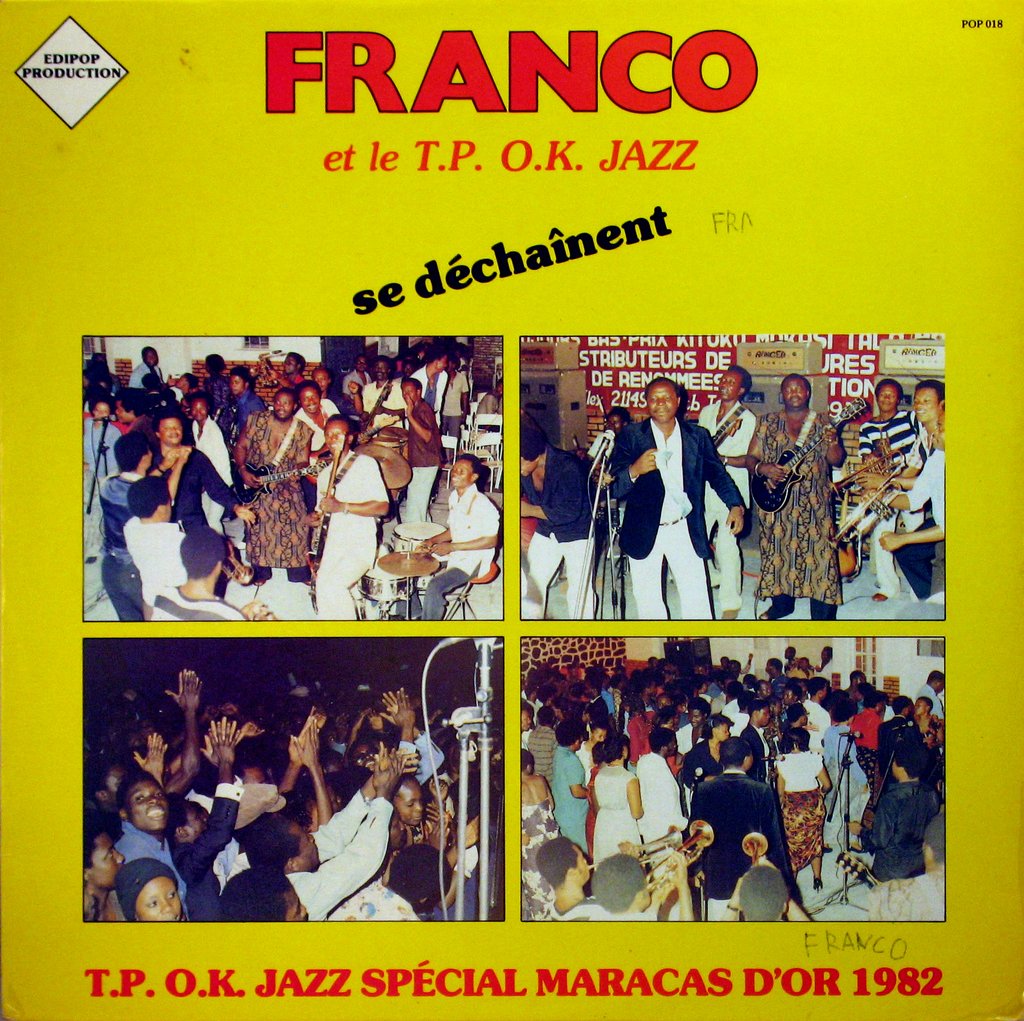
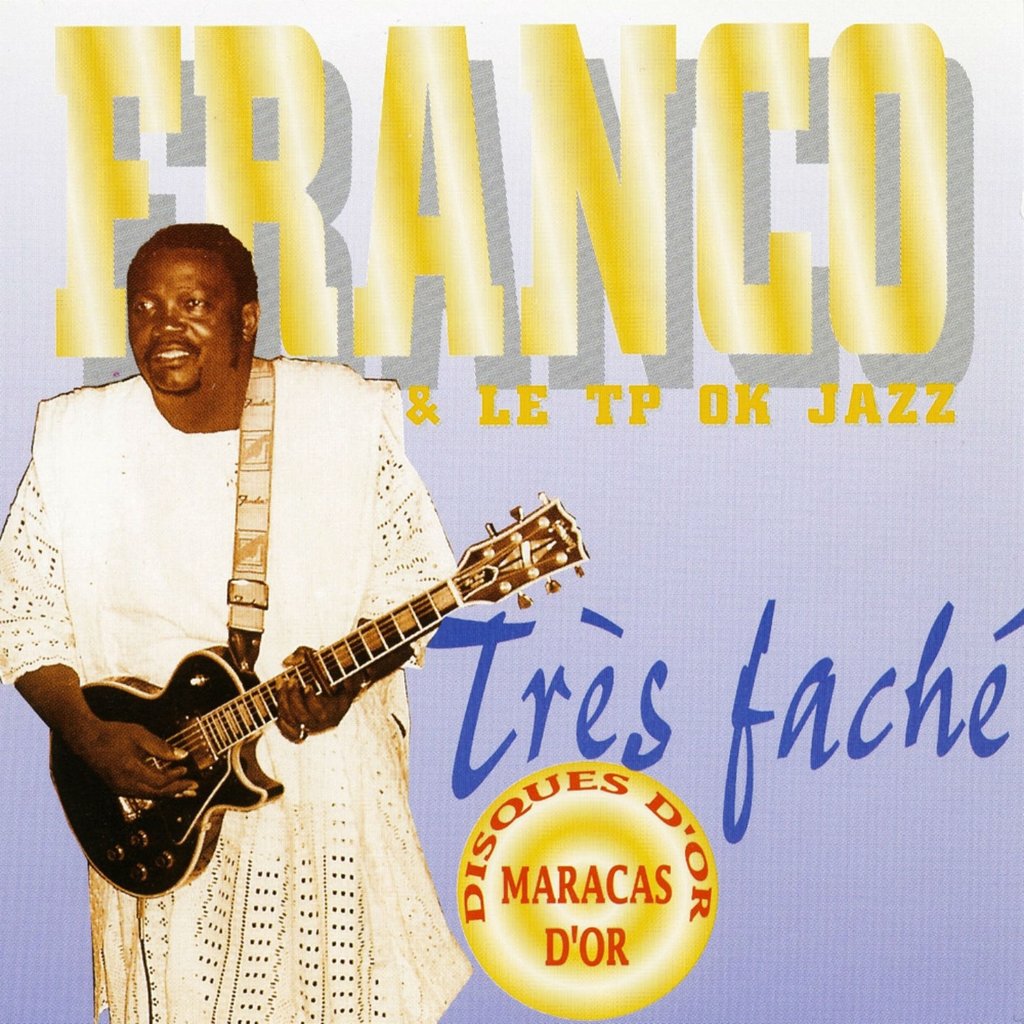
| Honors | 71st of the 250 greatest guitarists (Rolling Stone, 2023), Officer of the National Order of the Leopard (1976), Golden Maracas (1982) |
Key dates
| Year | Event |
|---|---|
| 1938 | Birth in Sona-Bata into a family of mixed origin |
| 1950 | Debut as guitarist in the group Watam in Kinshasa |
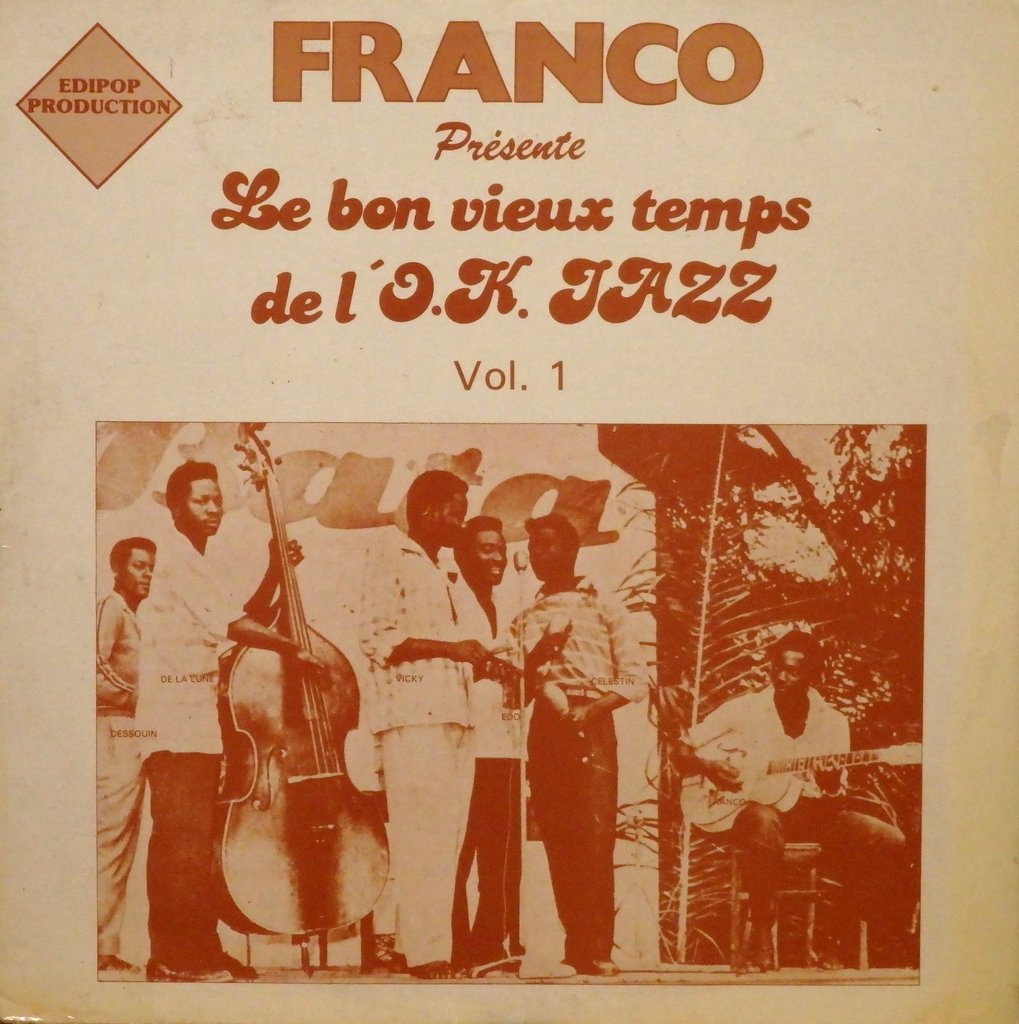
| 1956 | Co-founding of OK Jazz with Jean Serge Essous |
| 1971 | The group becomes T.P.O.K. Jazz (Tout-Puissant Orchestre Kinois de Jazz) |
| 1974 | Festival Zaire ‘74 alongside James Brown and Miriam Makeba |
| 1978 | Imprisoned for the lyrics of Hélène and Jackie |
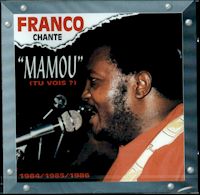
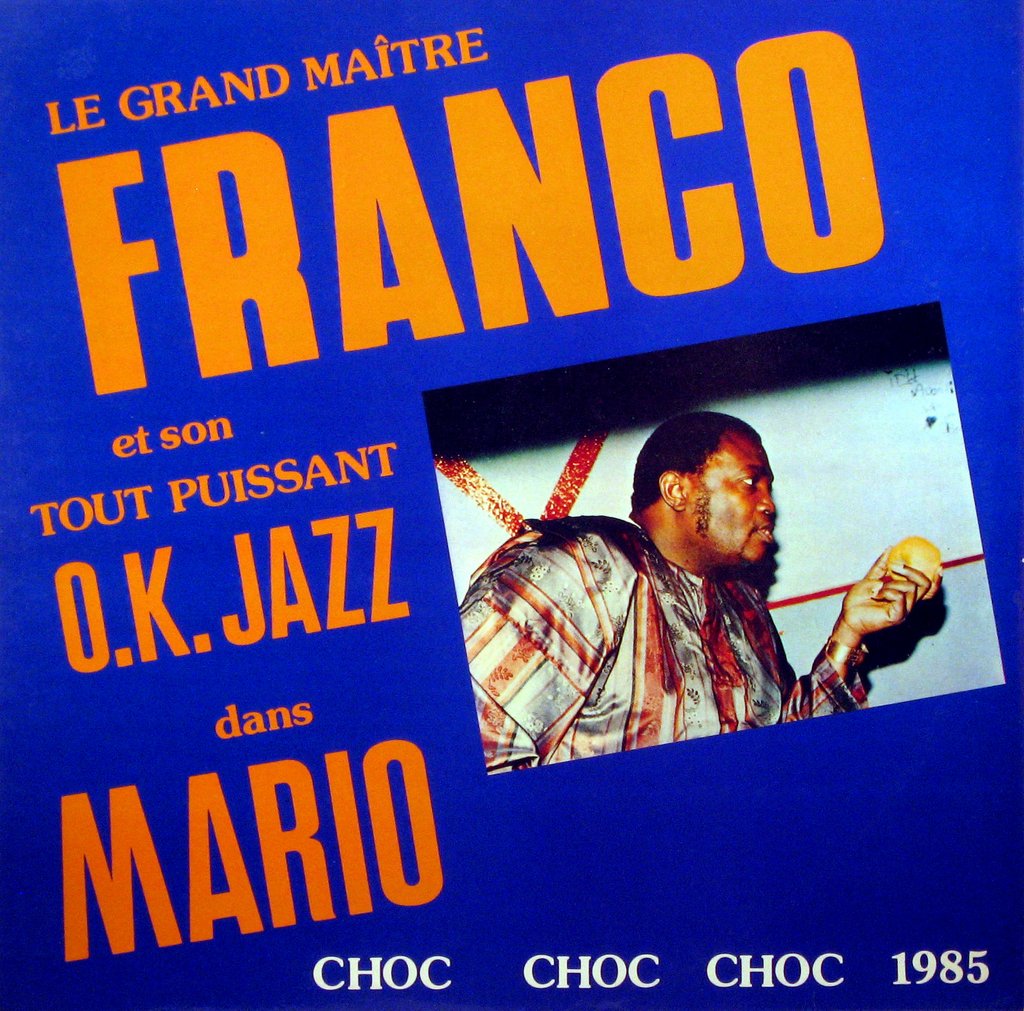
| 1985 | Mario, single certified gold record |
| 1989 | Death, national funeral |
From string tinkering to the summit of Africa
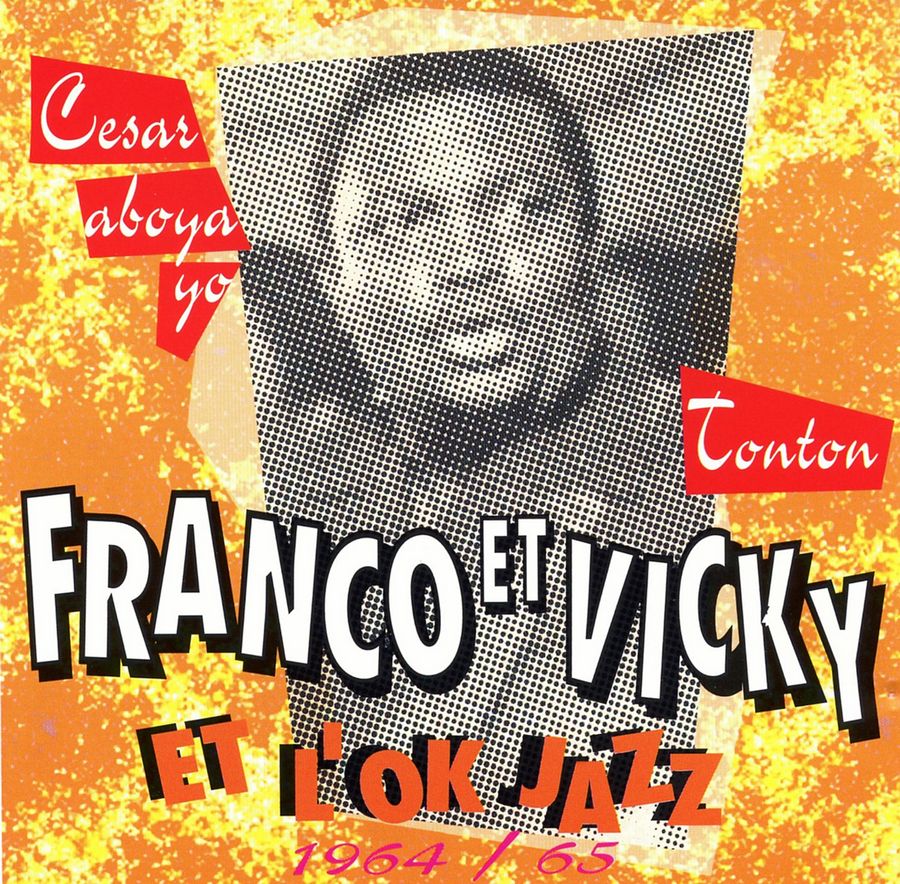
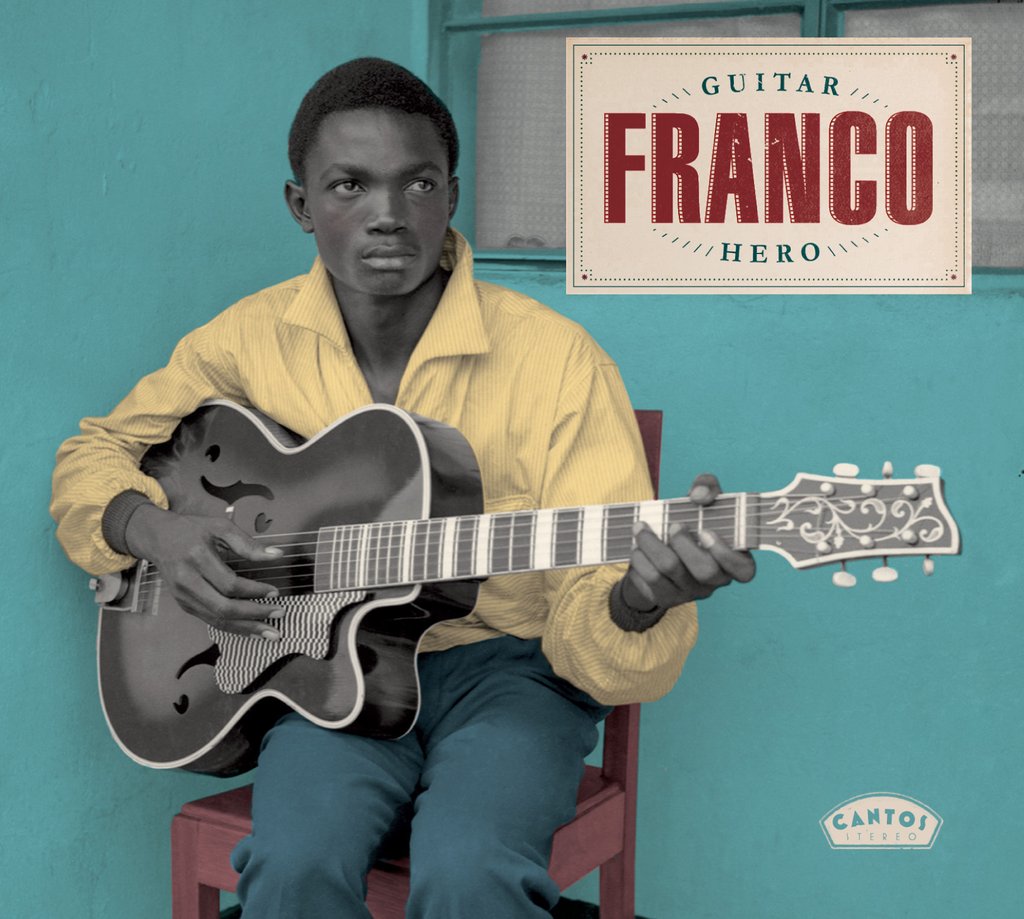
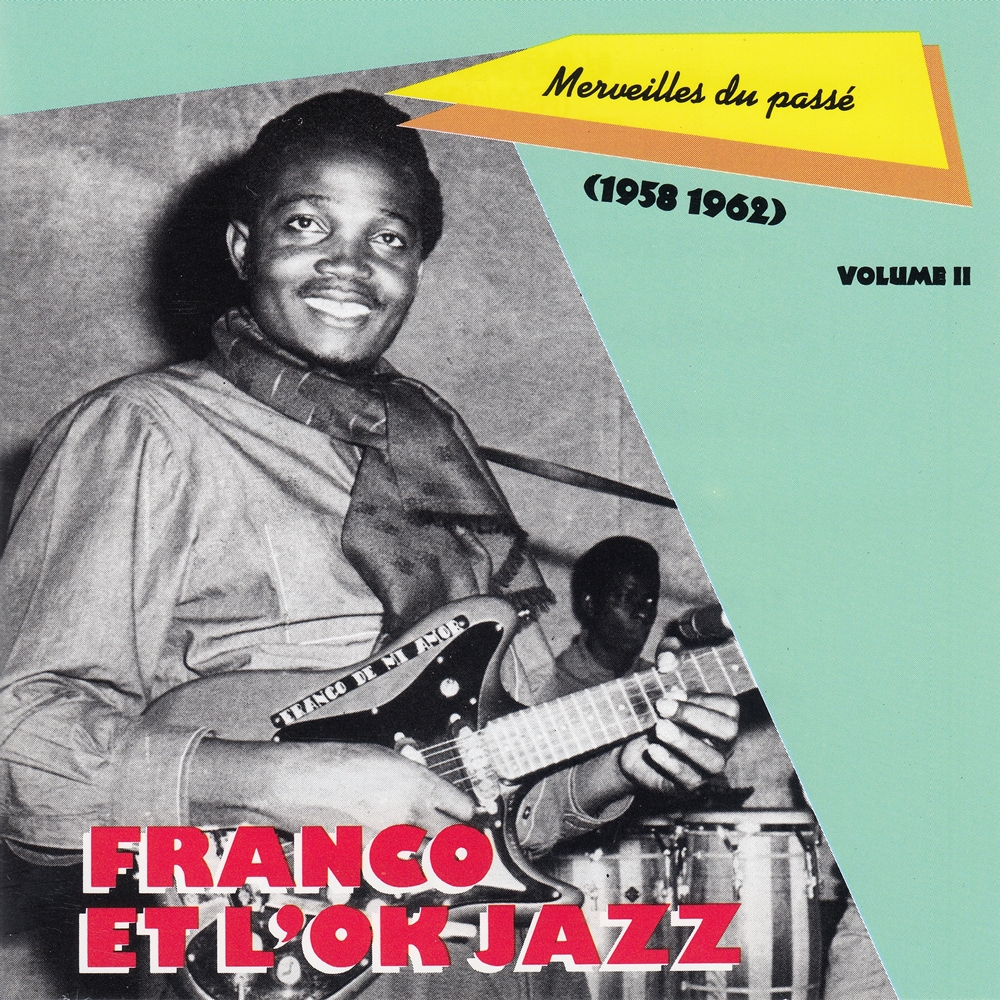
Franco was born on July 6, 1938, in the village of Sona-Bata, in Bas-Congo. His father, Joseph Emongo, was a railway worker. The family soon settled in Léopoldville (Kinshasa), where young François grew up in the popular Dendale neighborhood. School did not interest him much. From age seven, he tinkered with his first guitar using iron strings and planks. Influenced by the Cuban rumba records he heard on the radio and by local pioneers, he progressed quickly. By twelve, he was already playing professionally in Kinshasa groups, learning alongside Paul Ebengo Dewayon and Albert Luampasi. In 1954, he joined LOPADI, the Loningisa label, where producer Henri Bowane gave him the nickname “Franco,” which became his stage name.
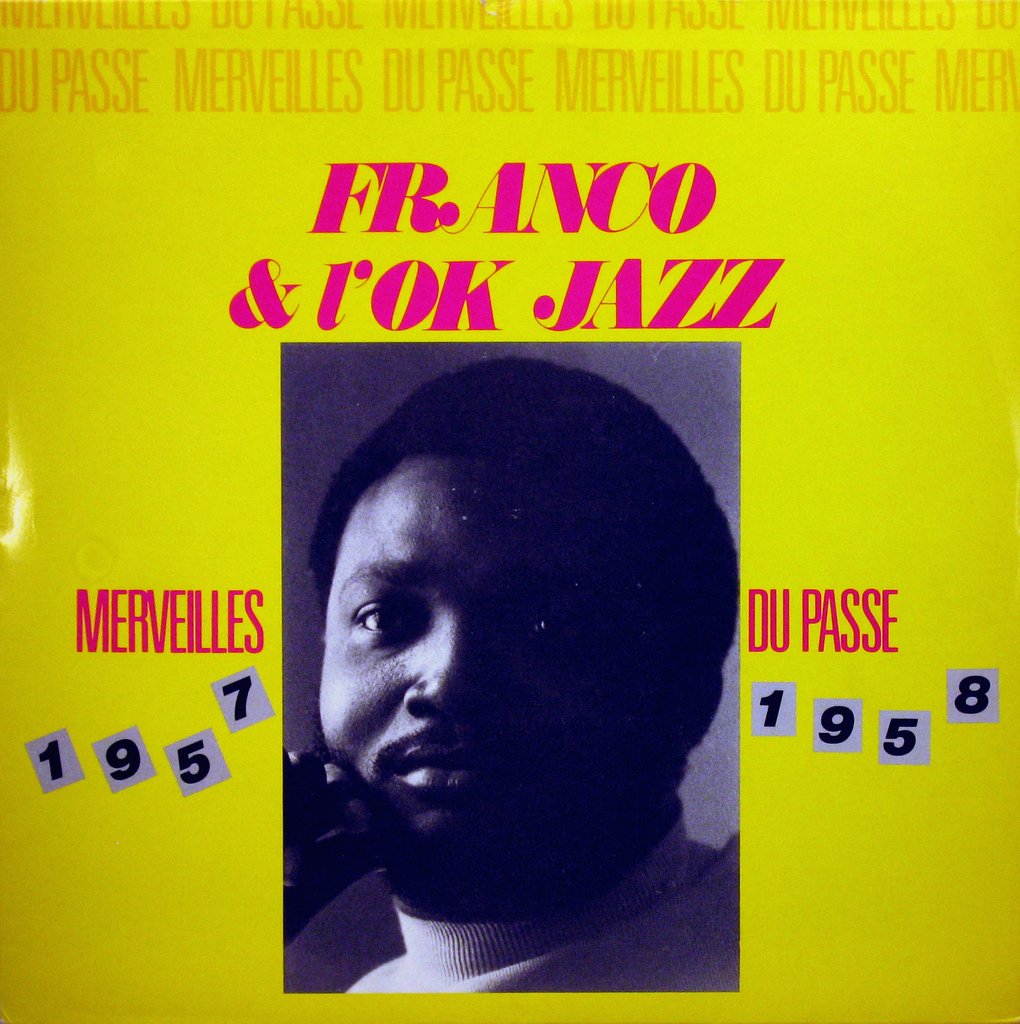
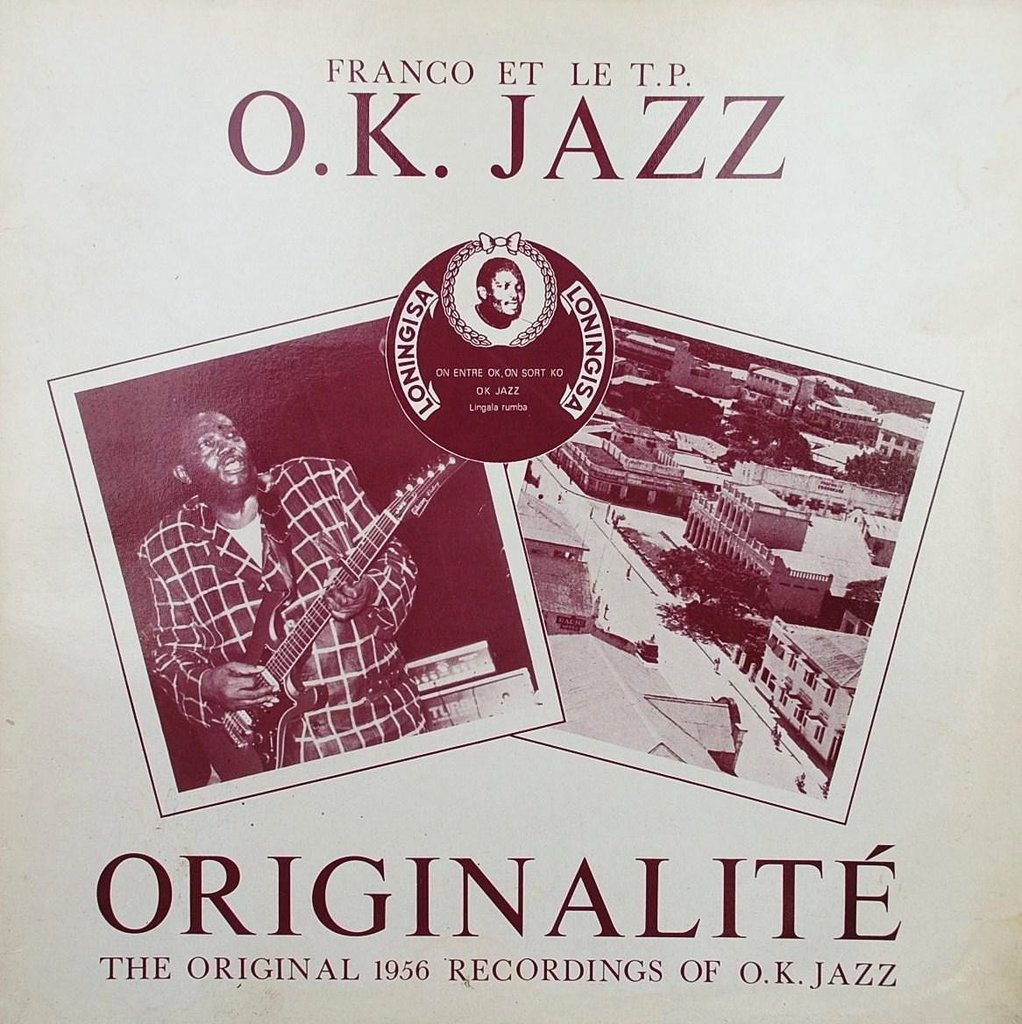
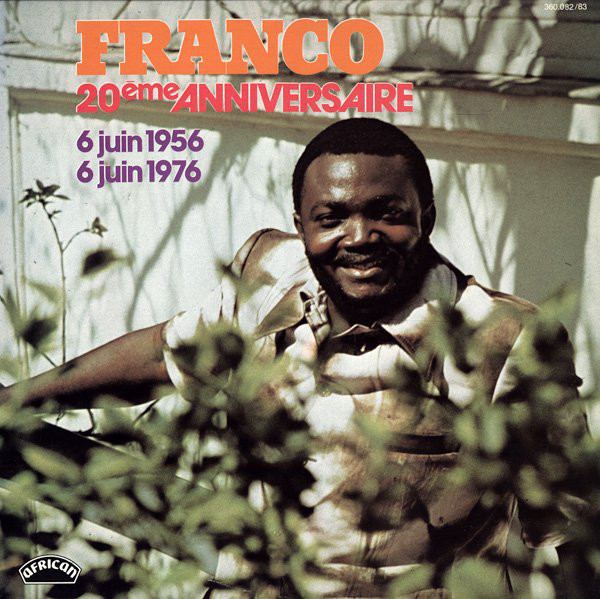
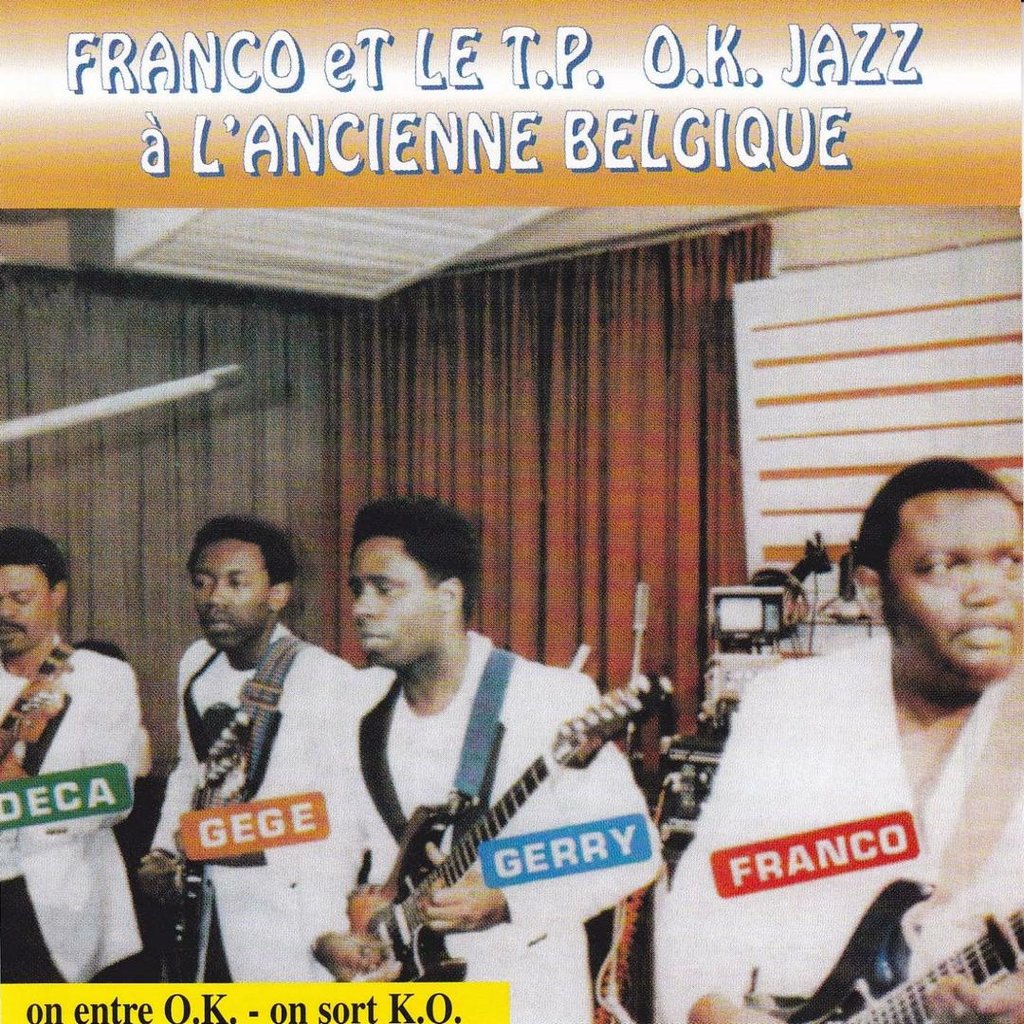
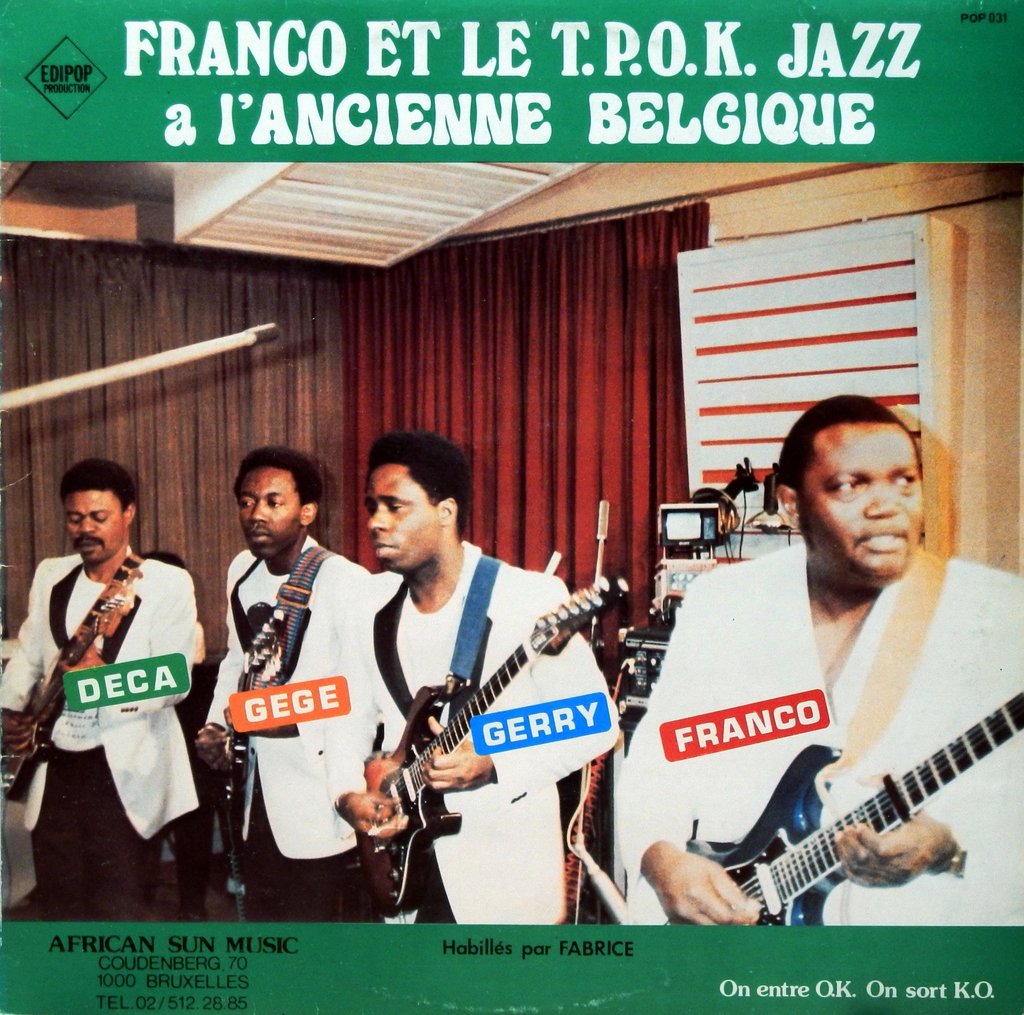
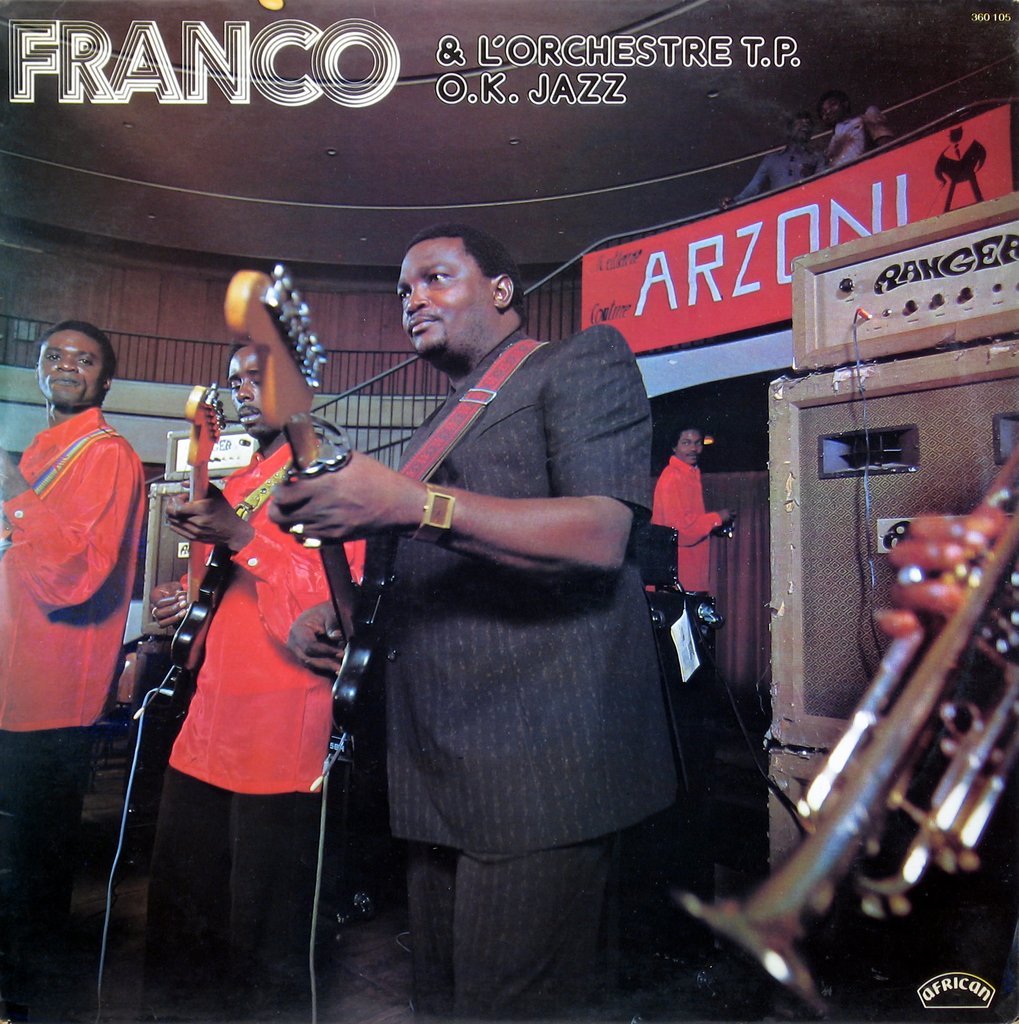
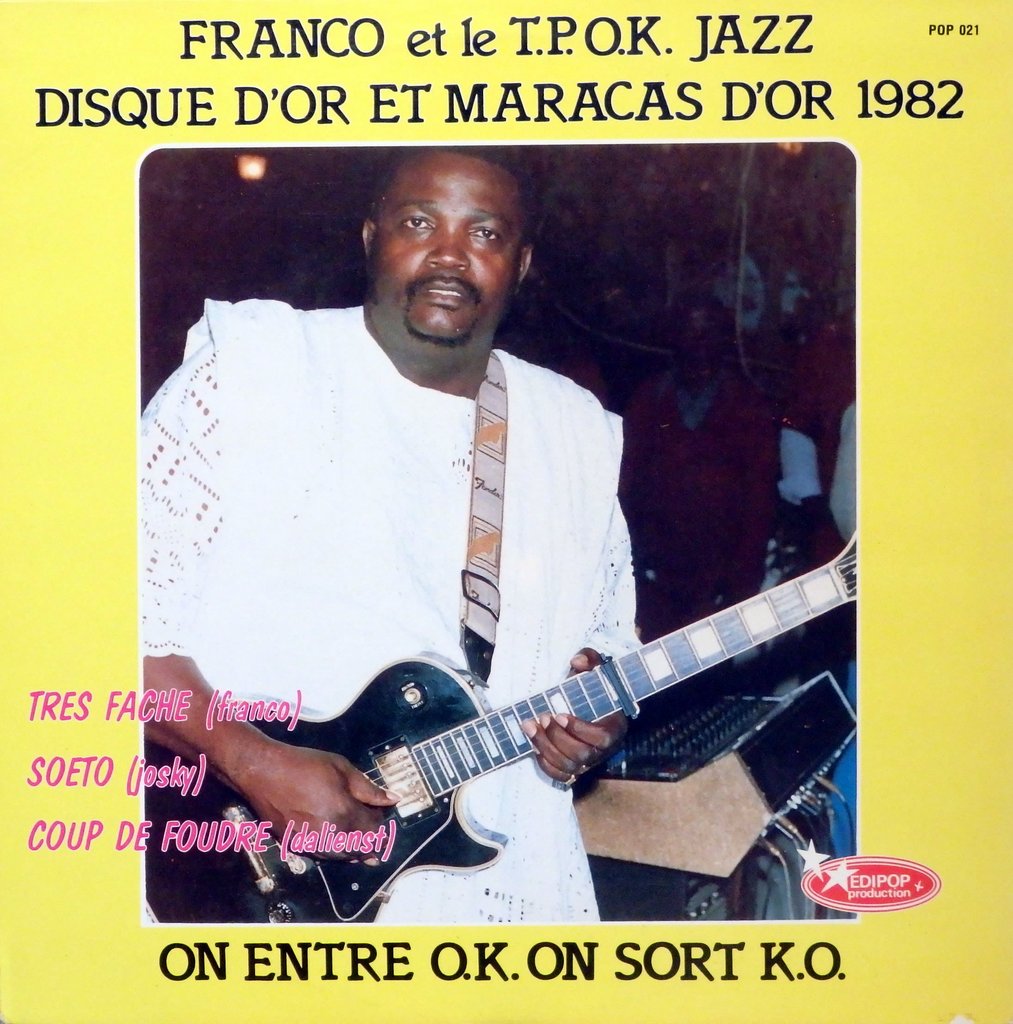
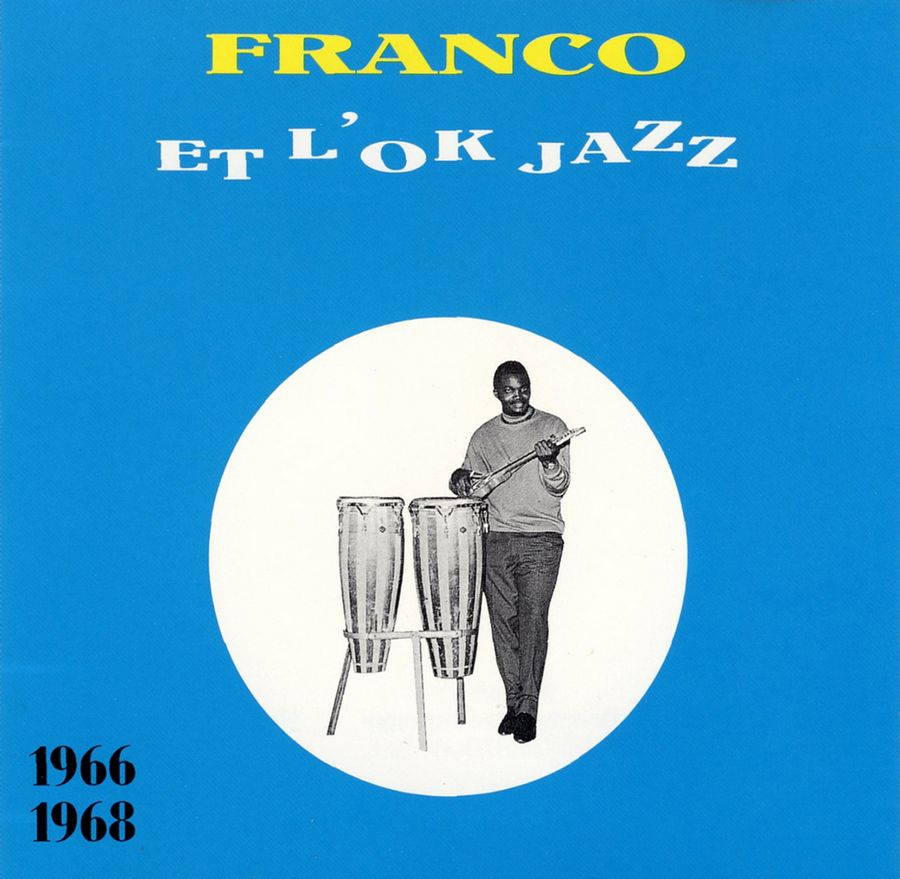
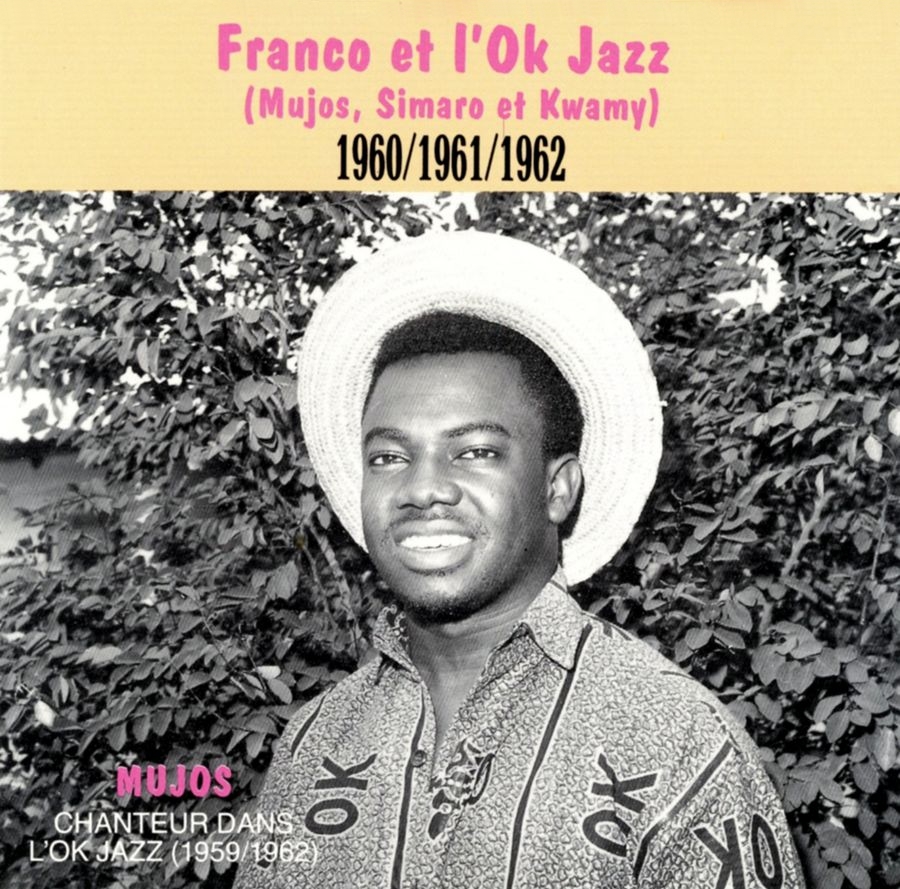
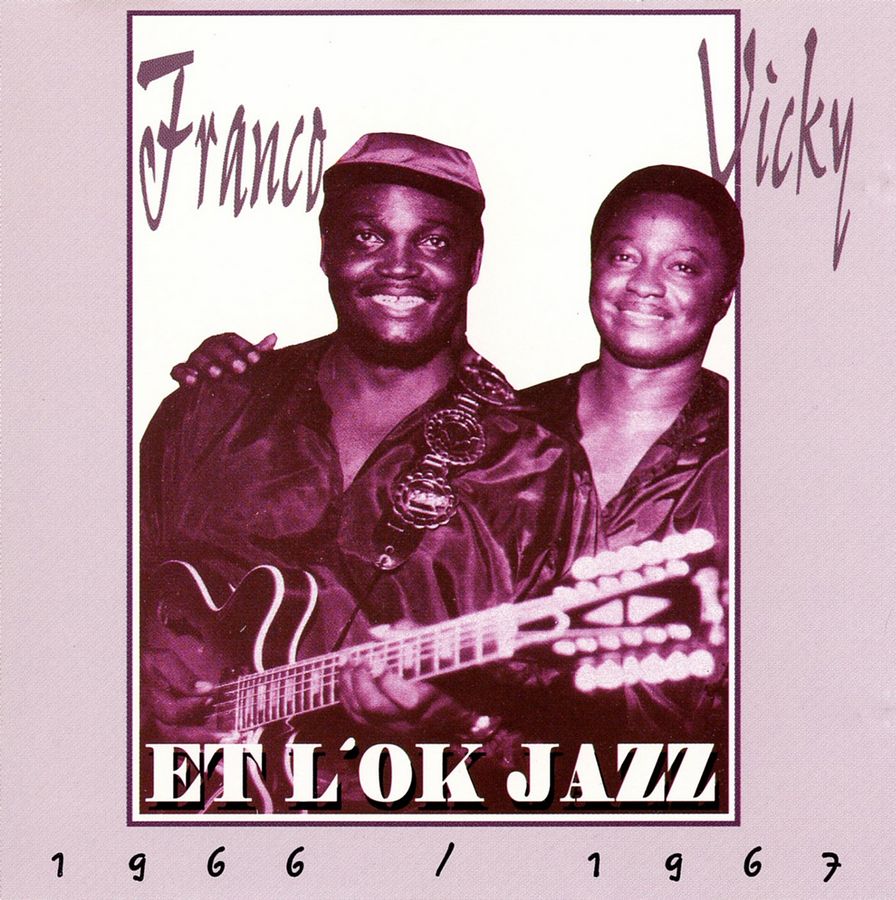
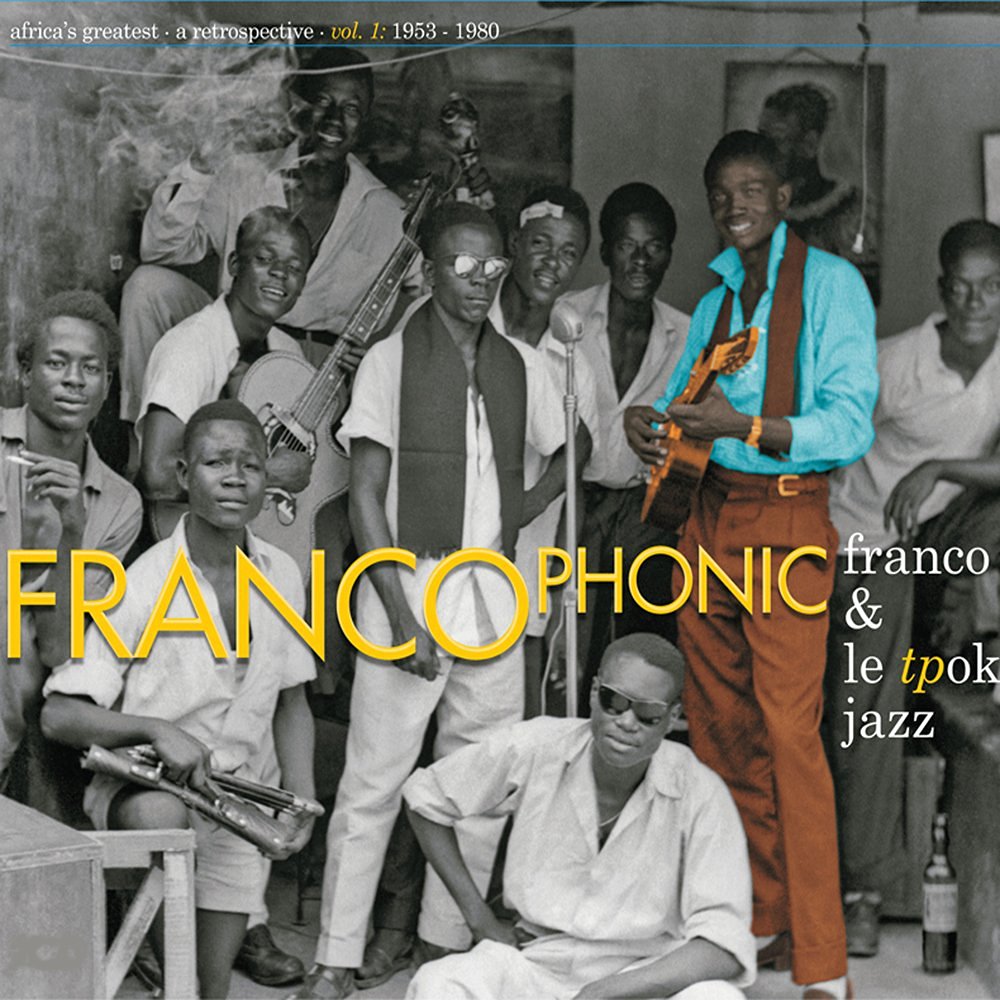
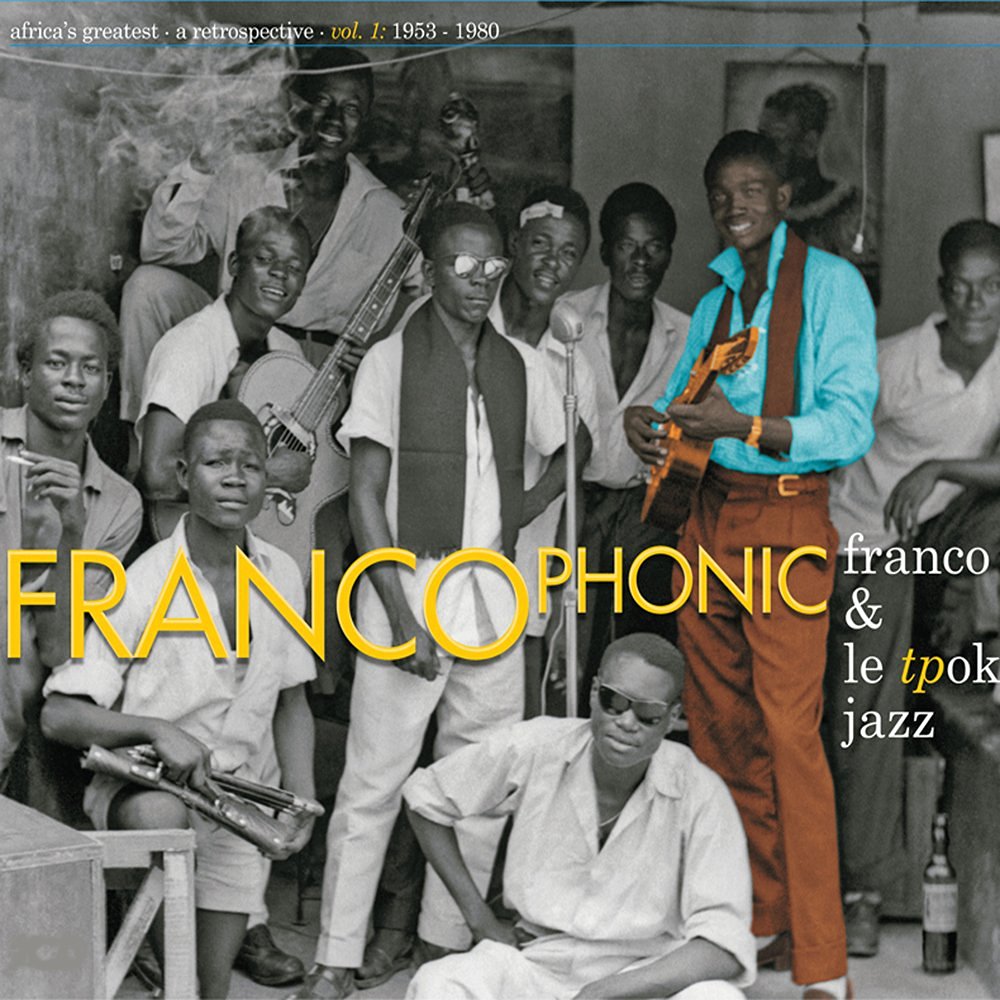
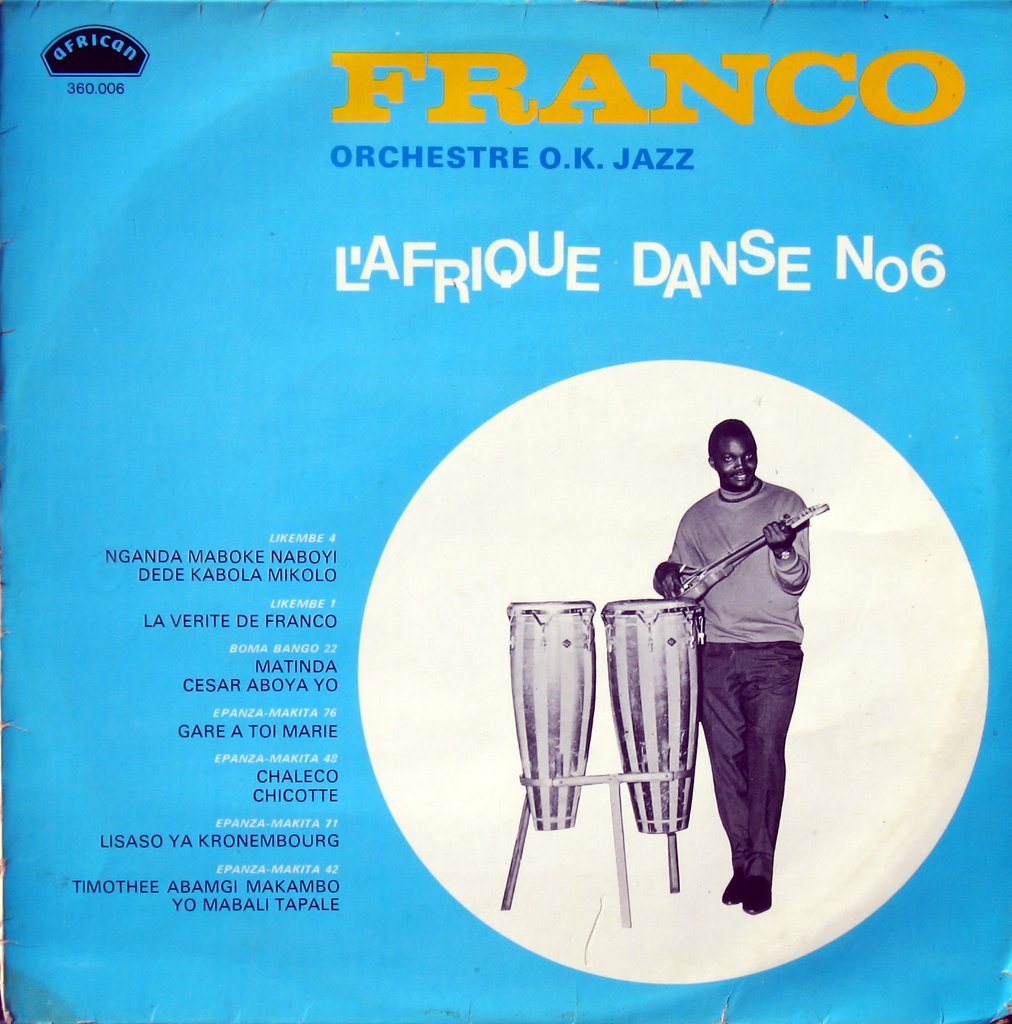
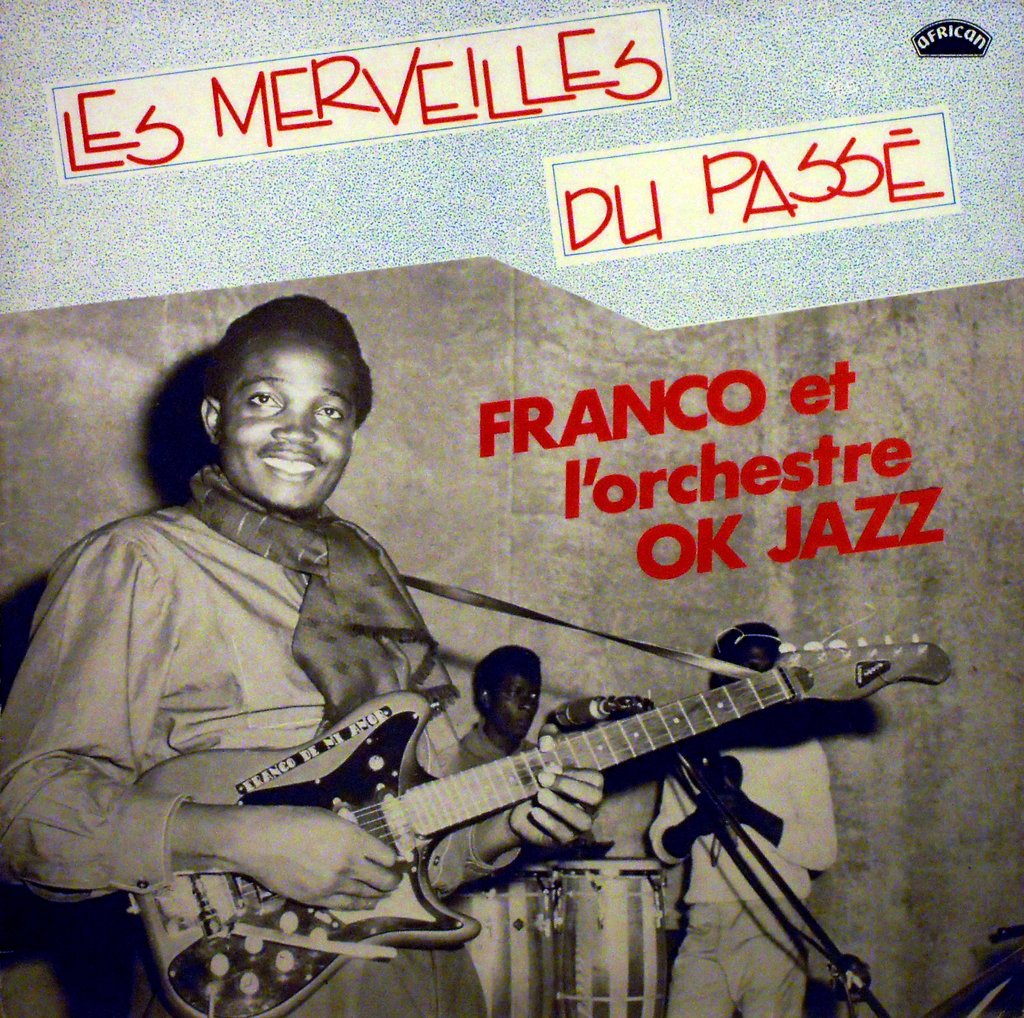
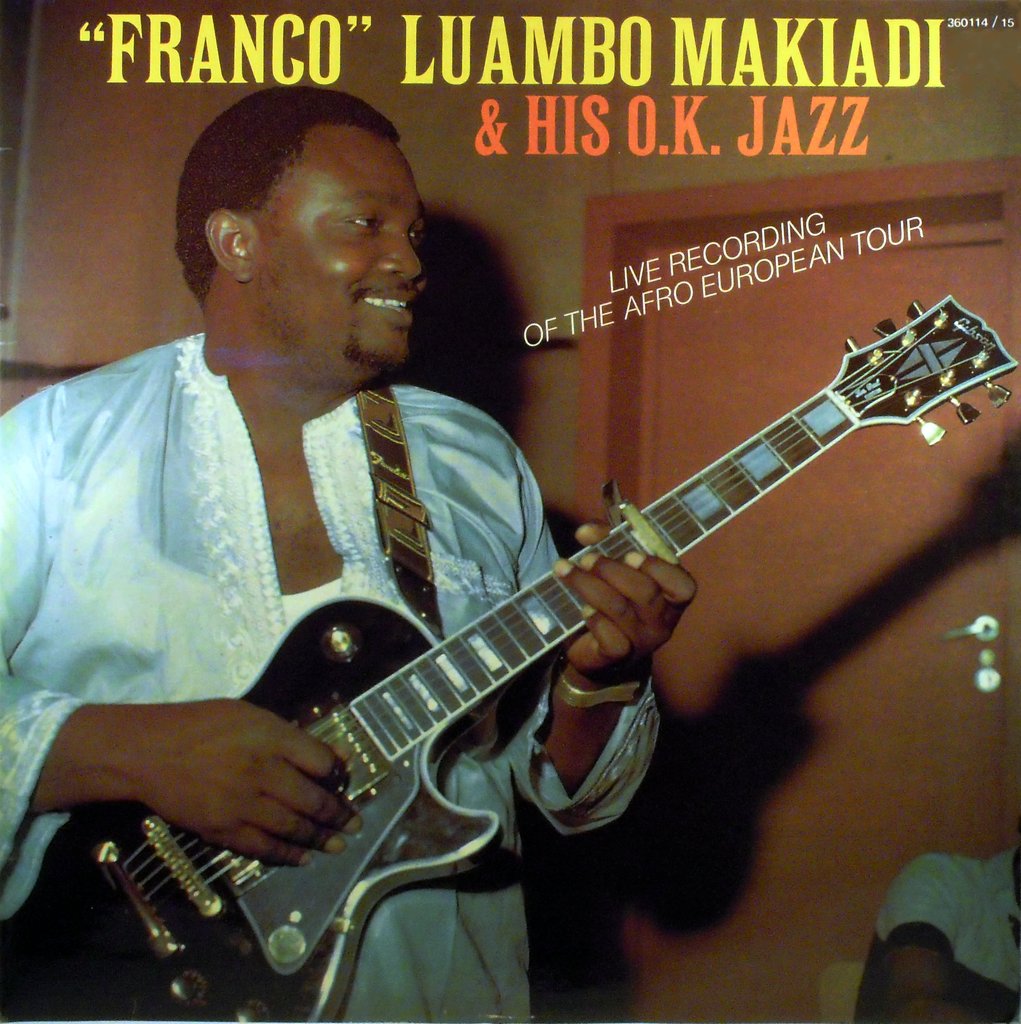
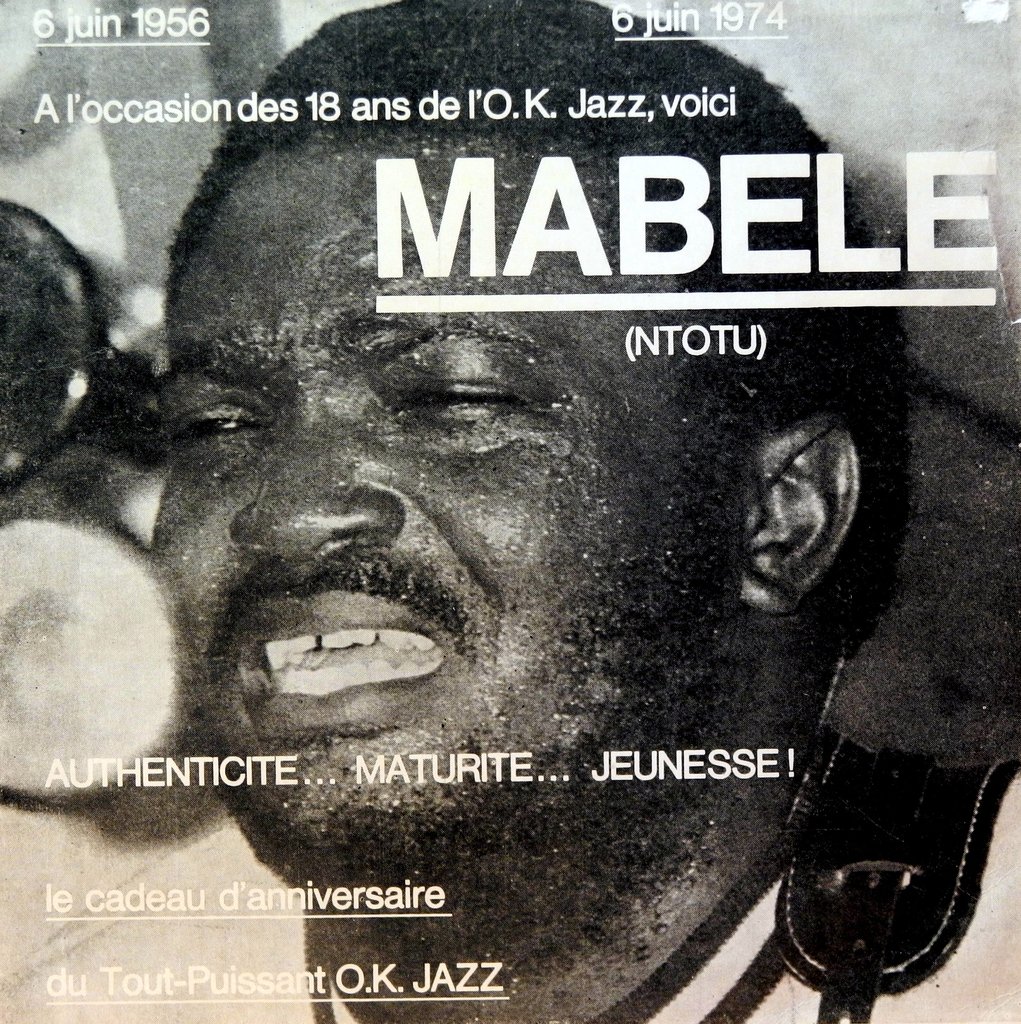
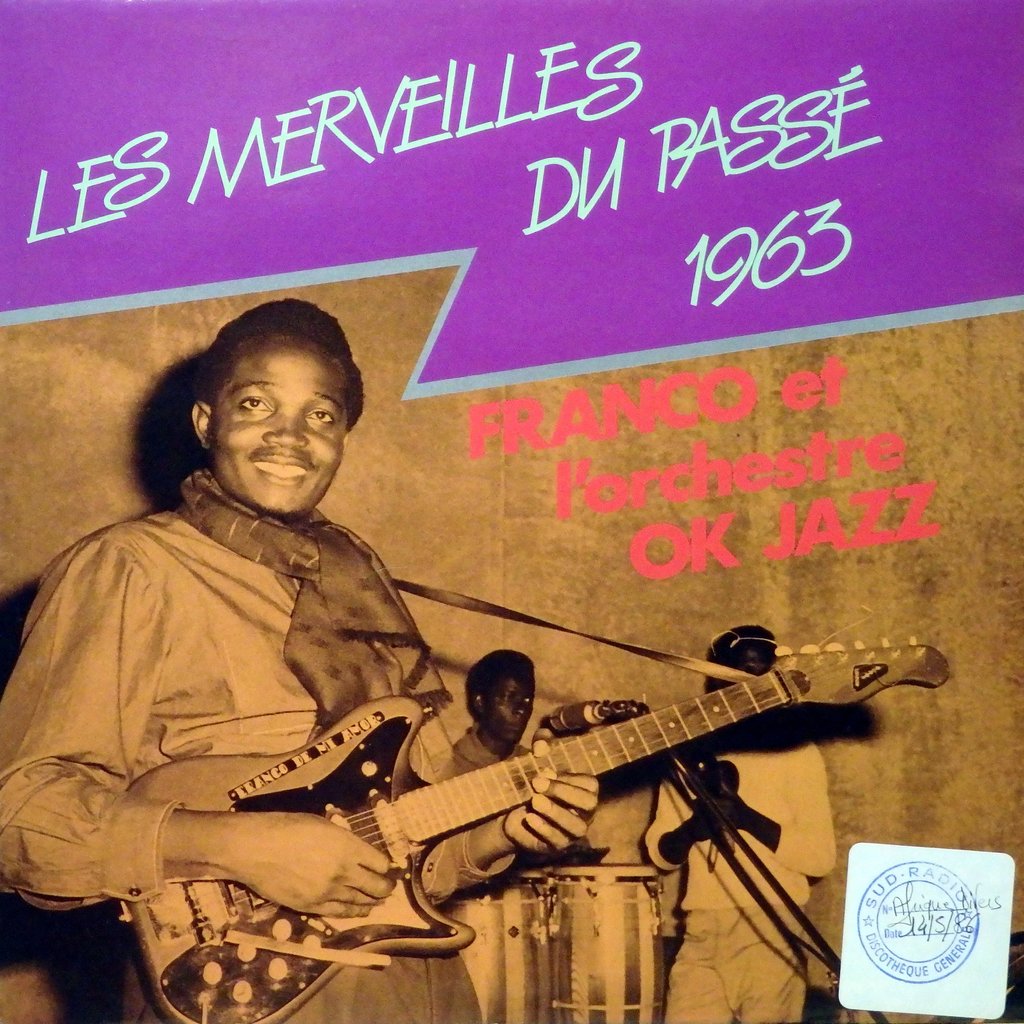
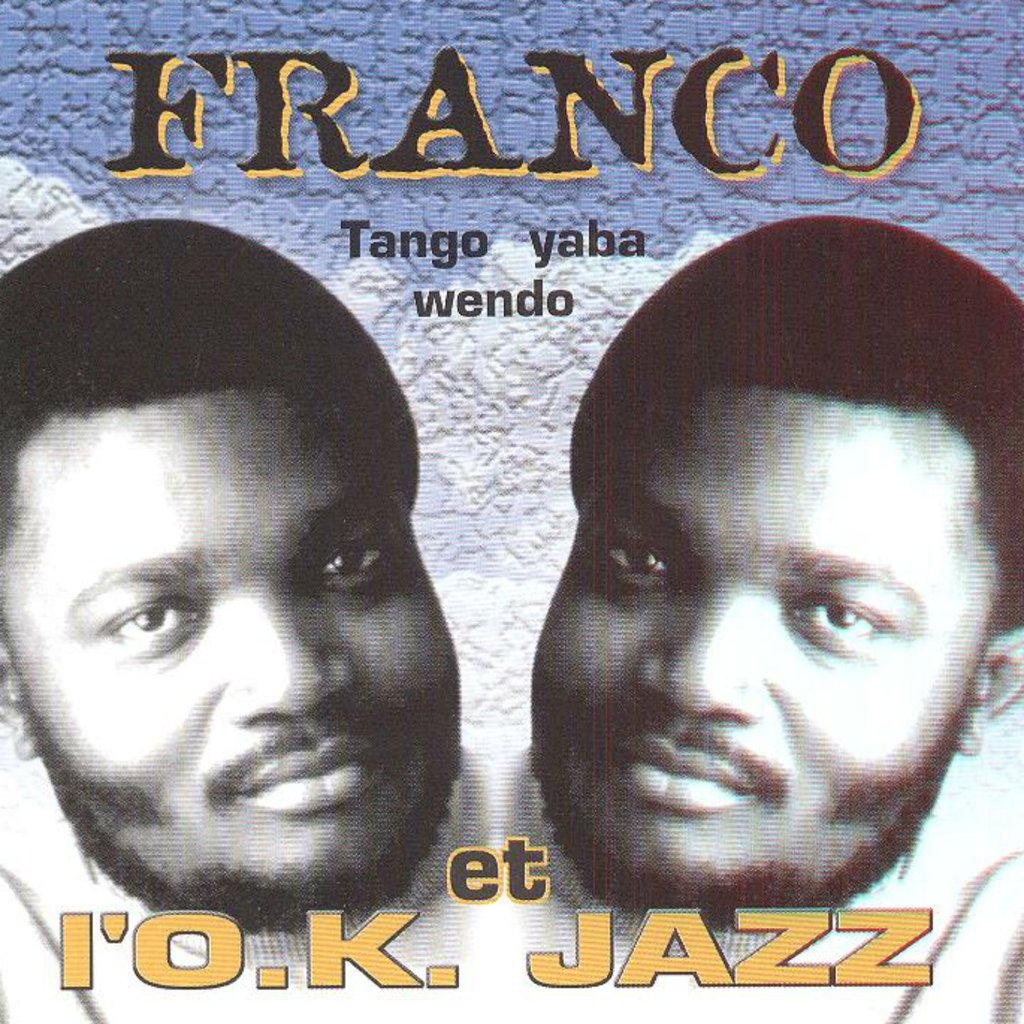
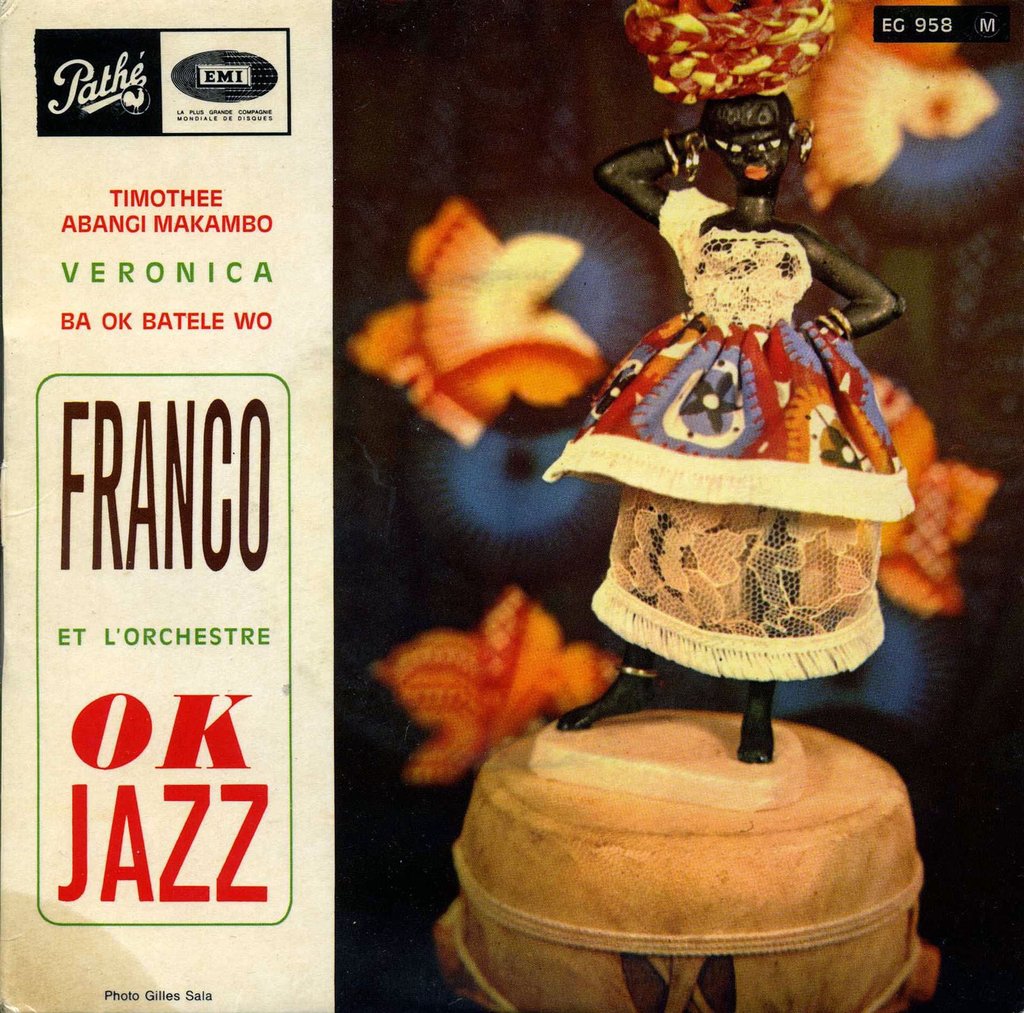
In 1956, at eighteen, Franco co-founded OK Jazz with Jean Serge Essous. The group first performed in the bar that gave it its name. Their first single, On Entre O.K. On Sort K.O., became a popular anthem. Franco then developed a revolutionary technique: the “sixth,” a fingering that plucks several strings simultaneously, creating polyrhythmic motifs that would define the “OK Jazz school.” His music transformed Afro-Cuban rumba into an authentic Congolese style.
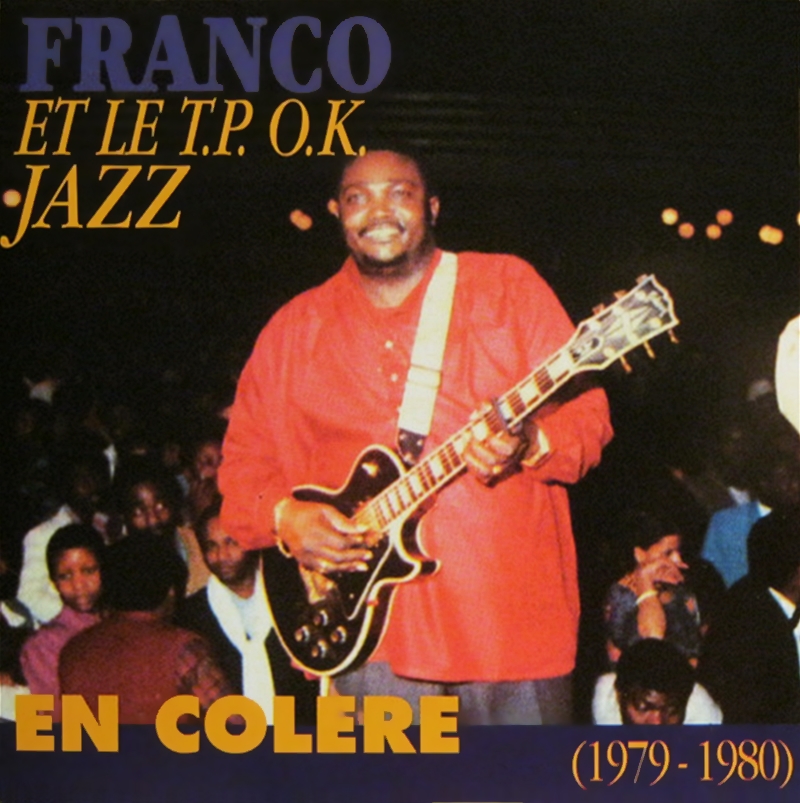
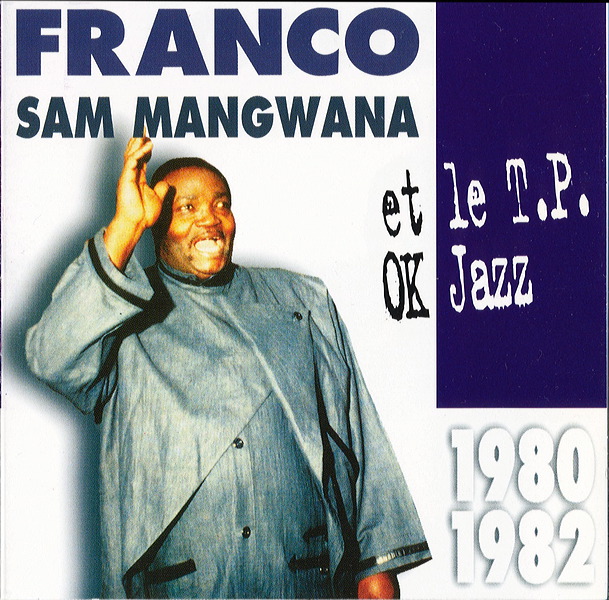
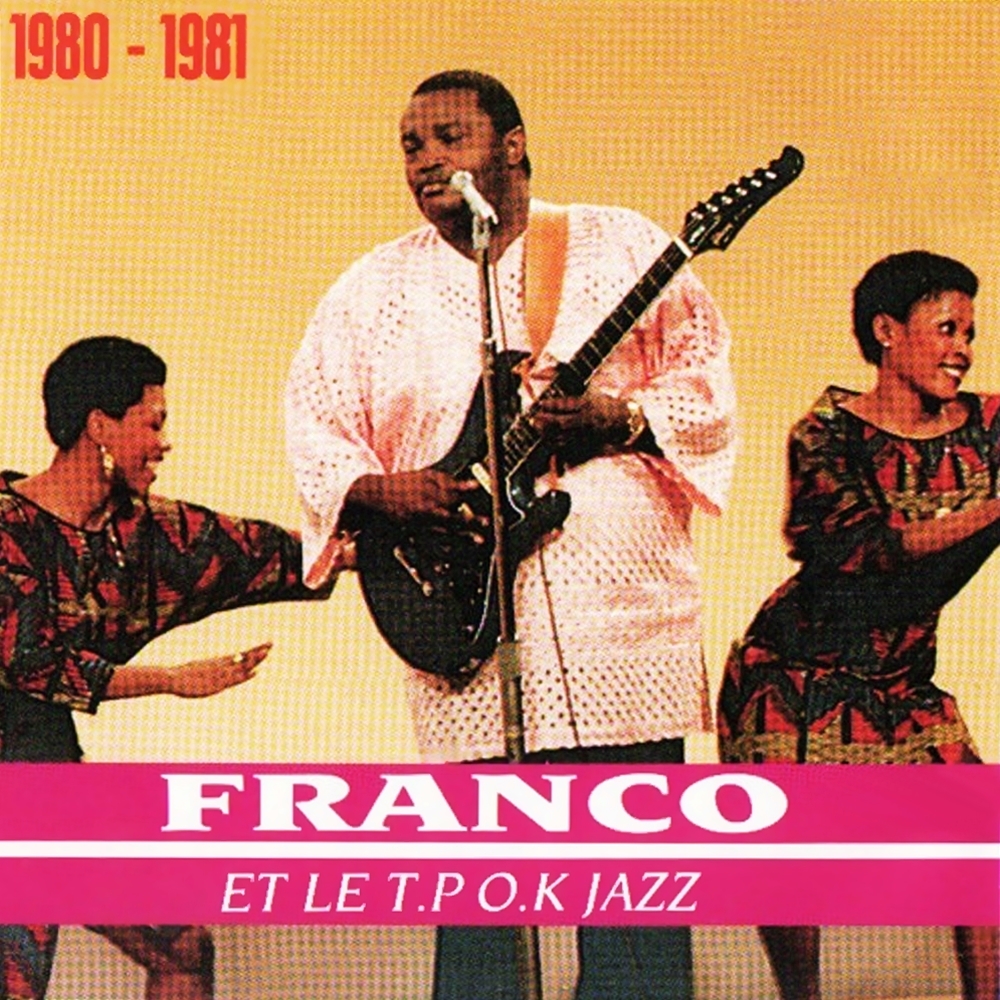
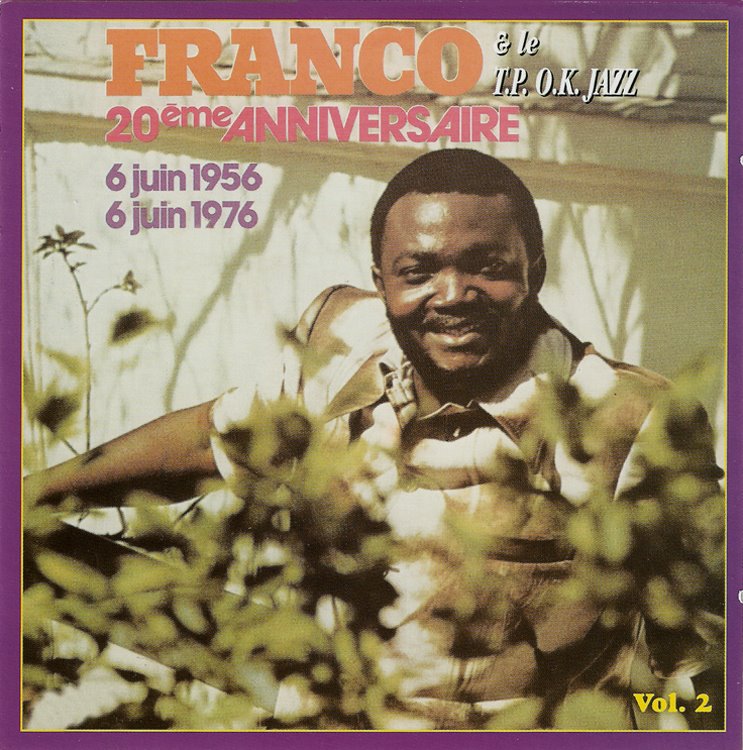
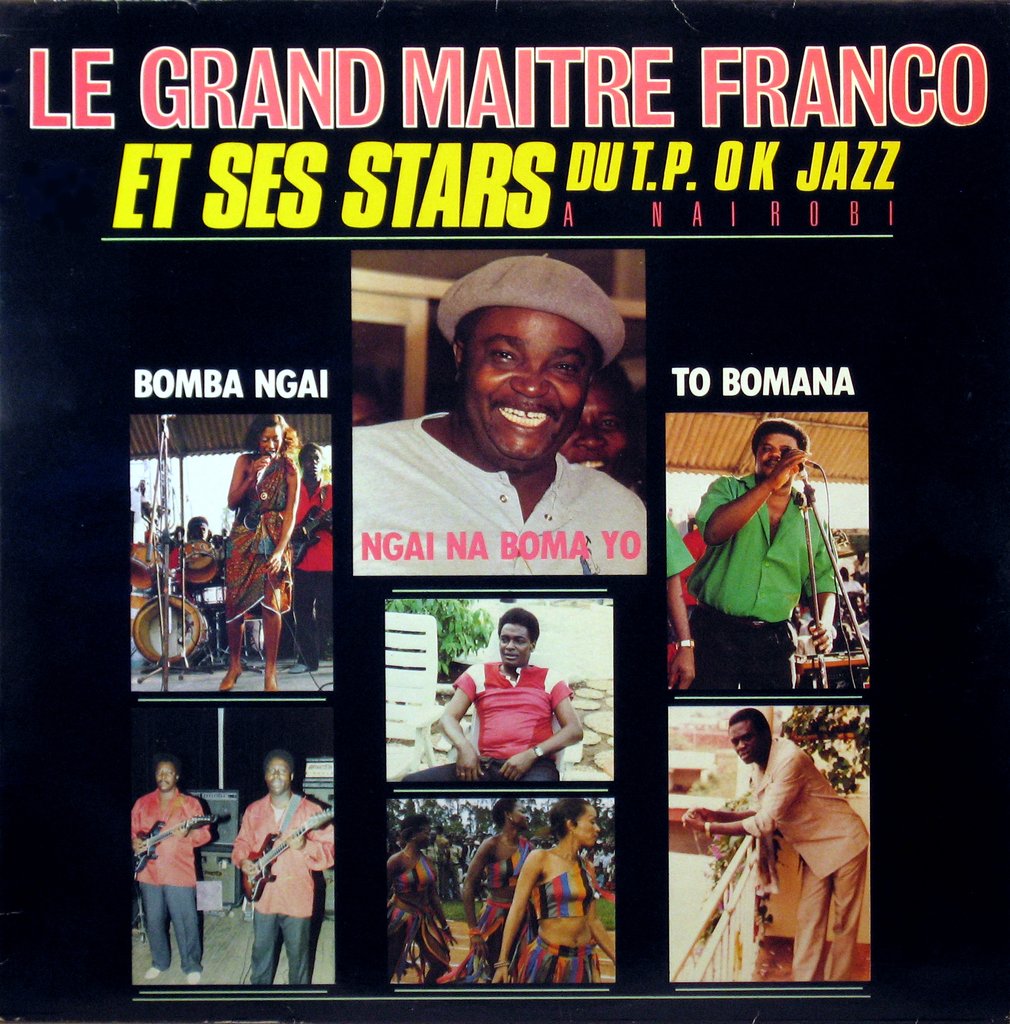
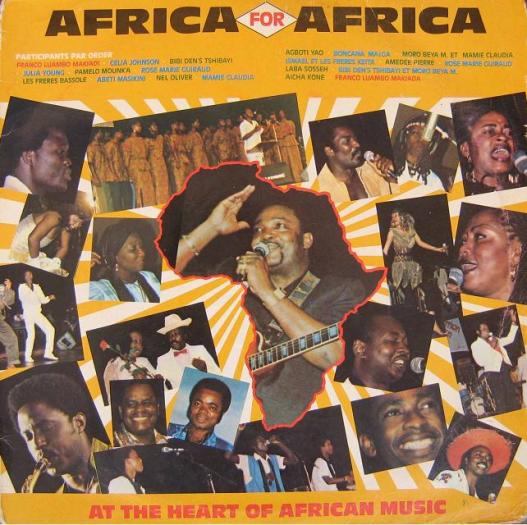
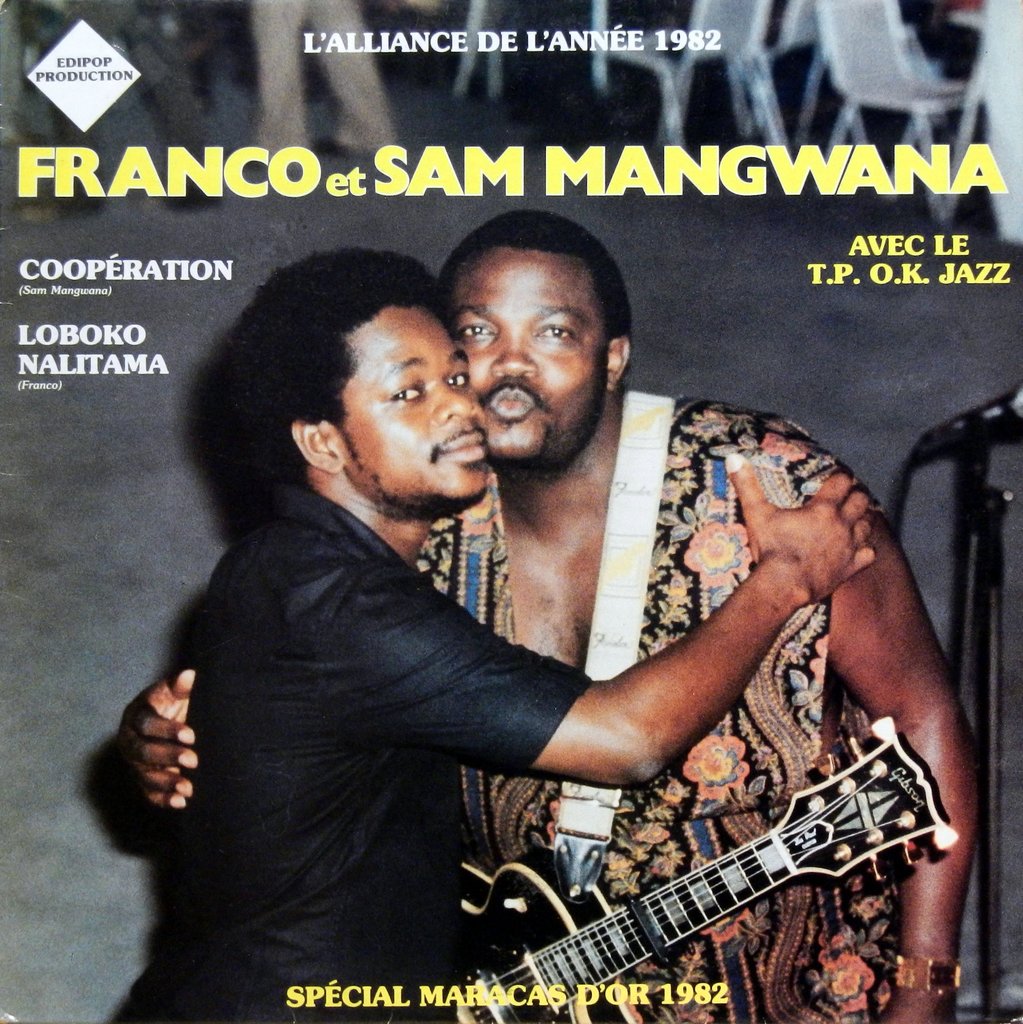
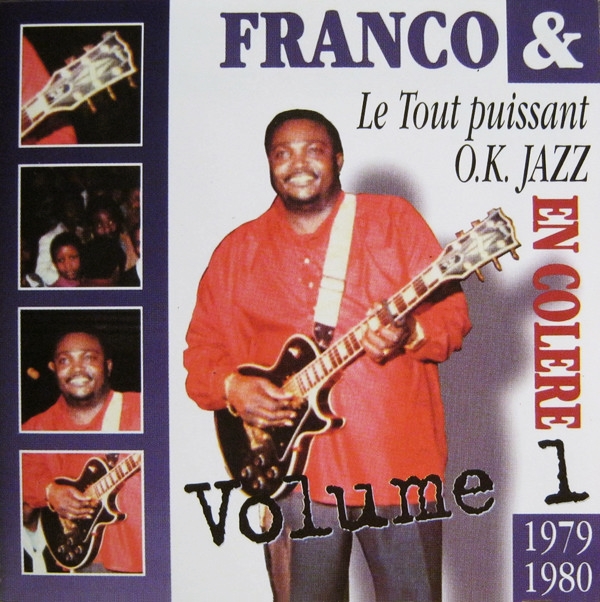
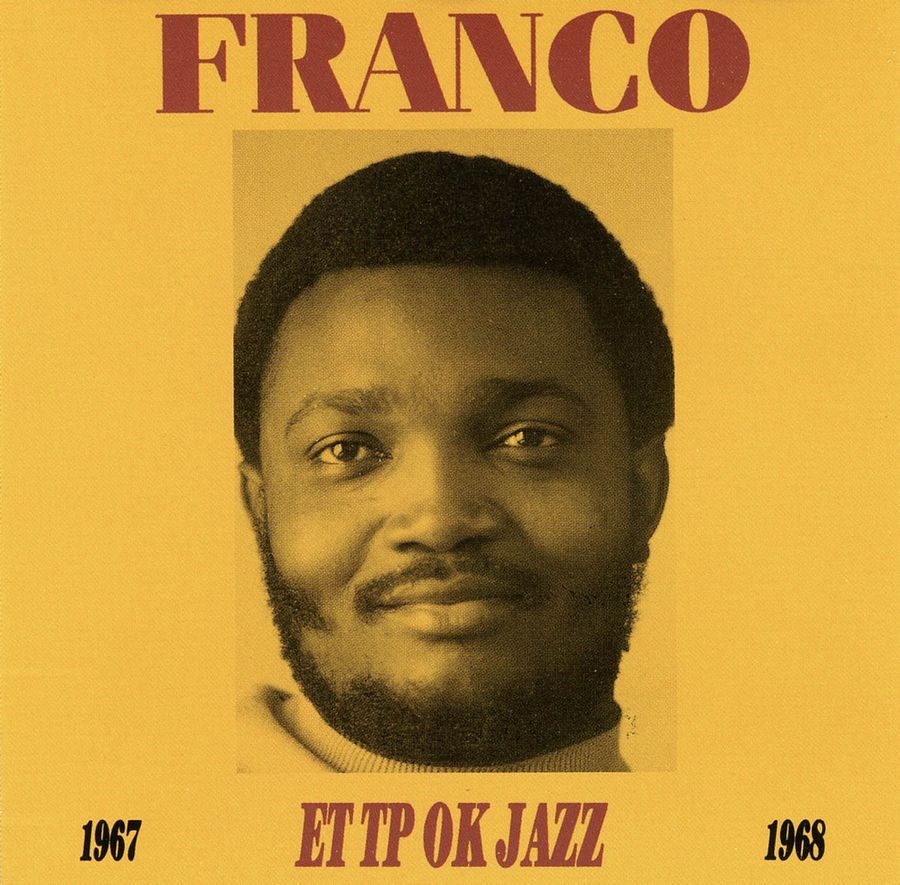
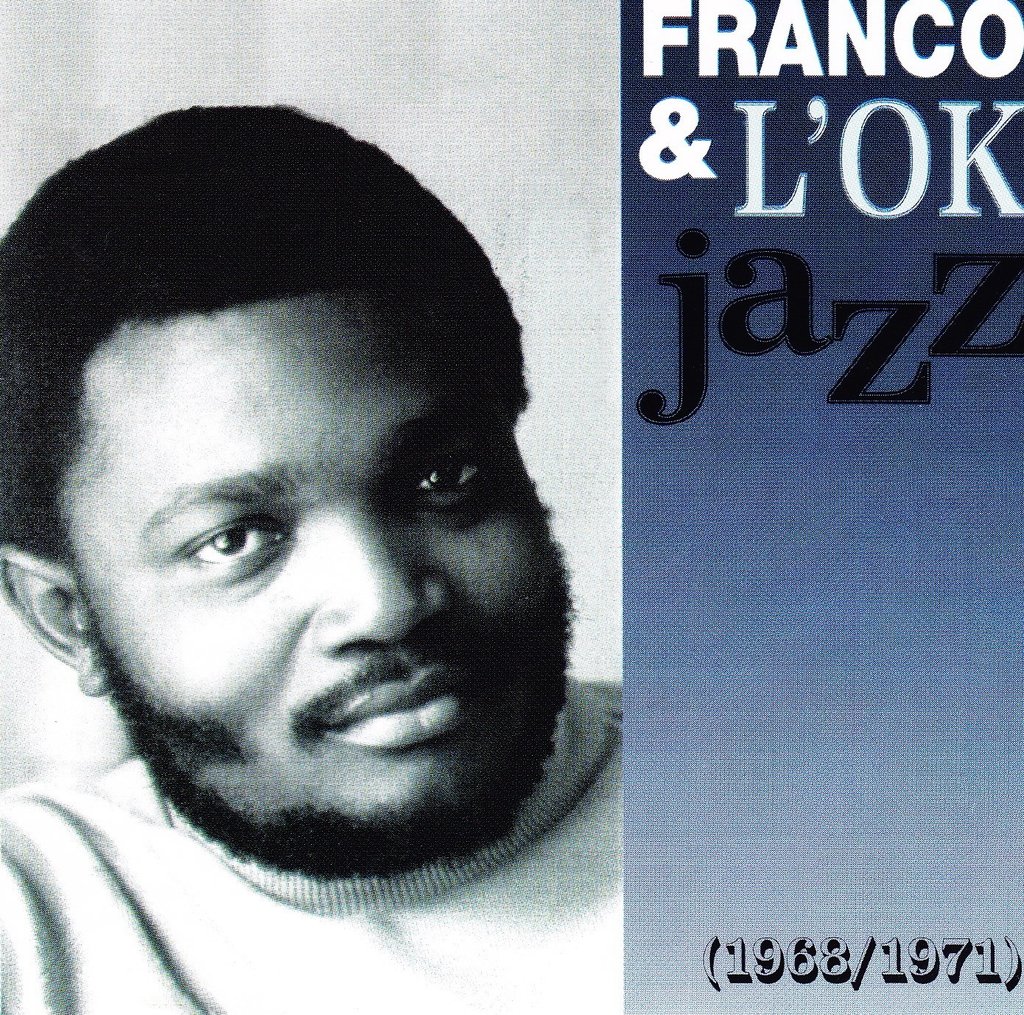
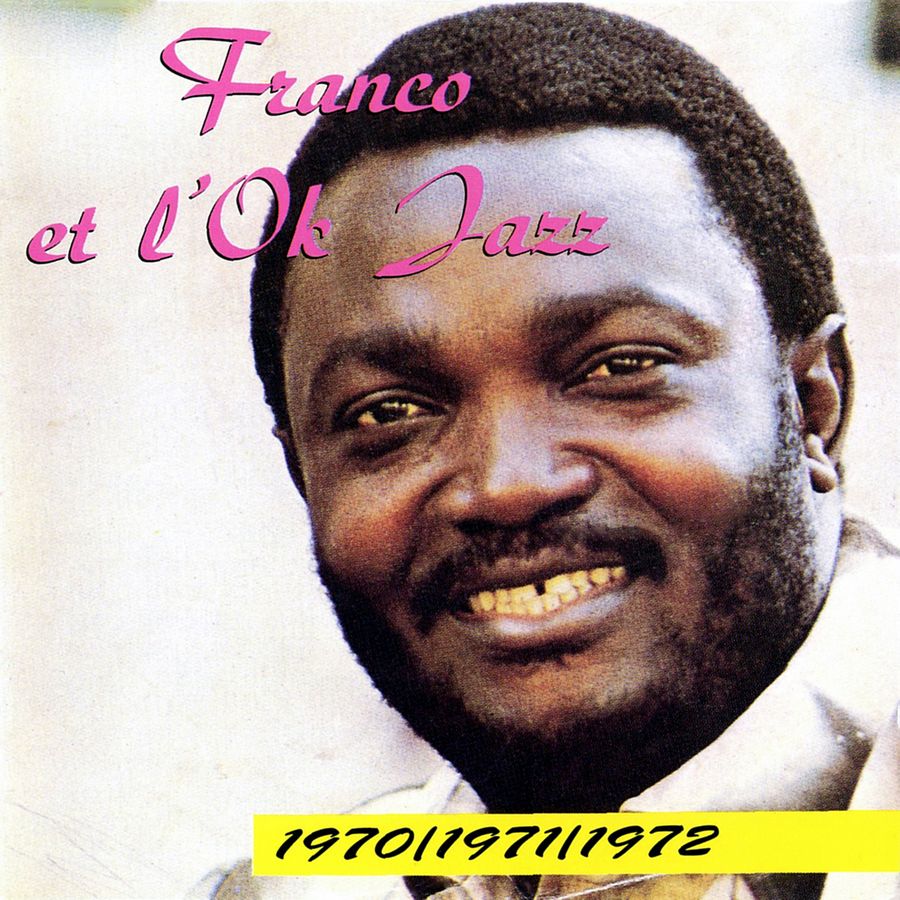
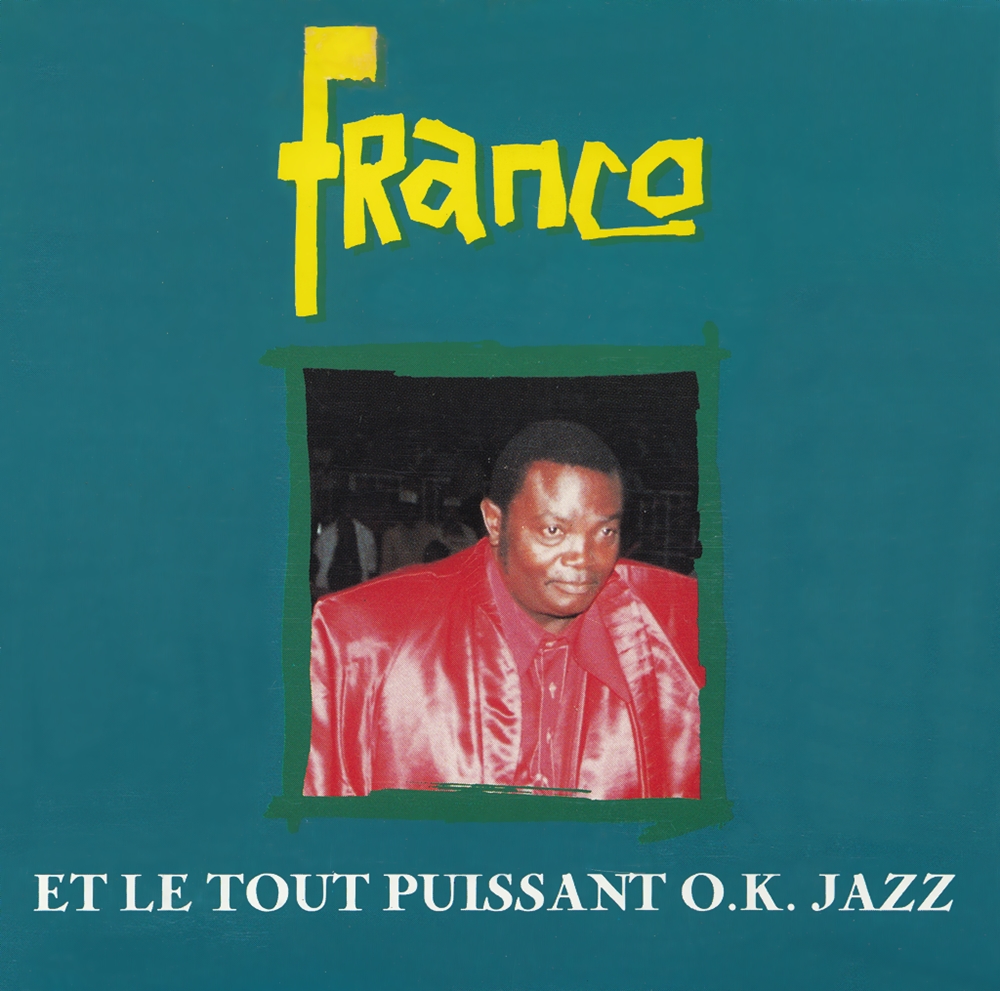
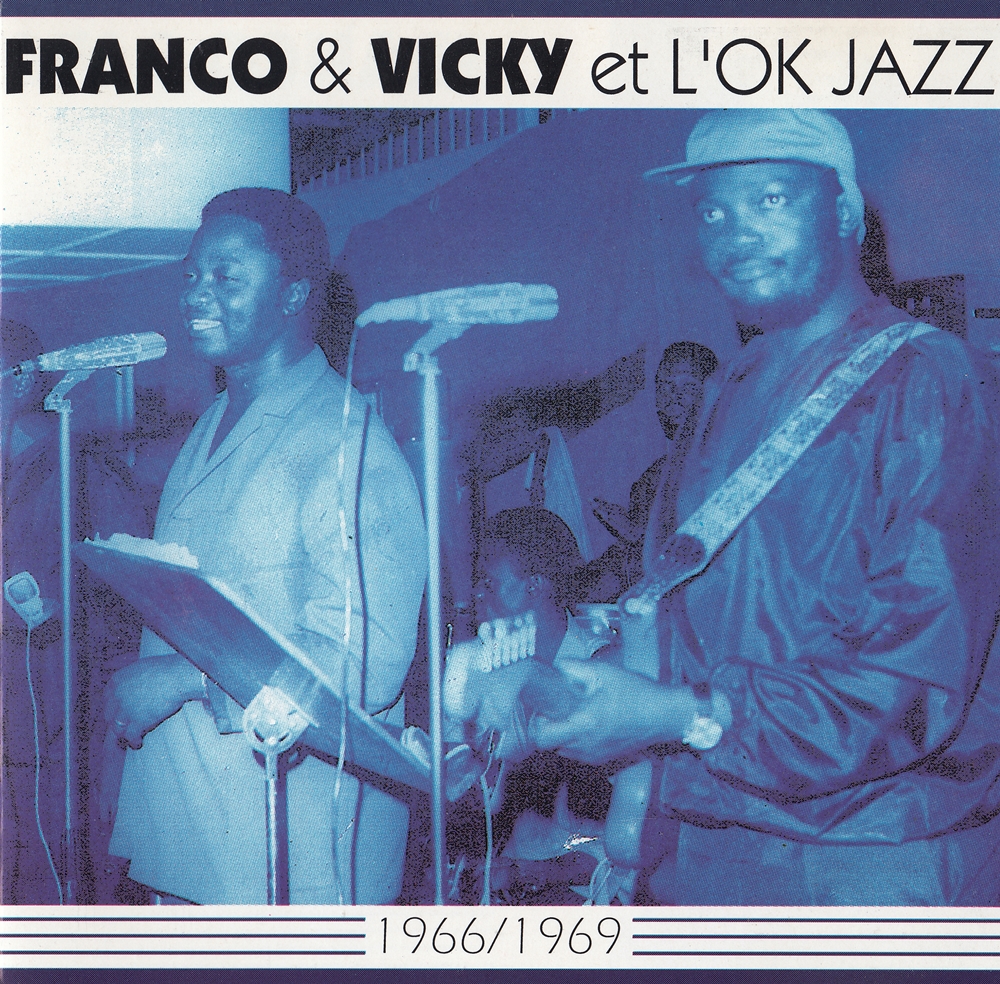
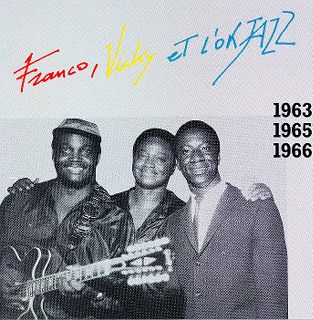
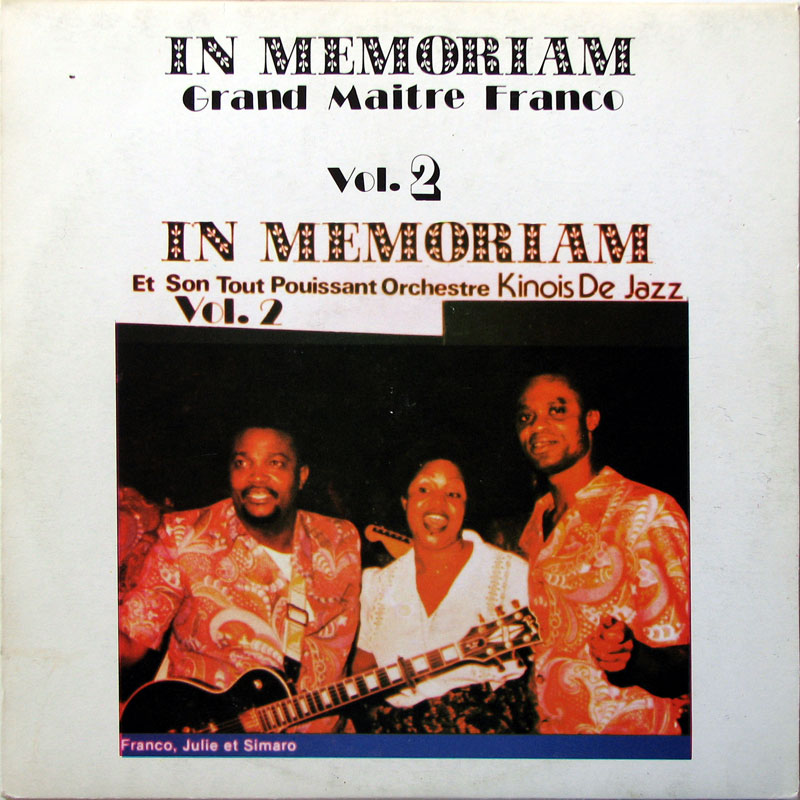
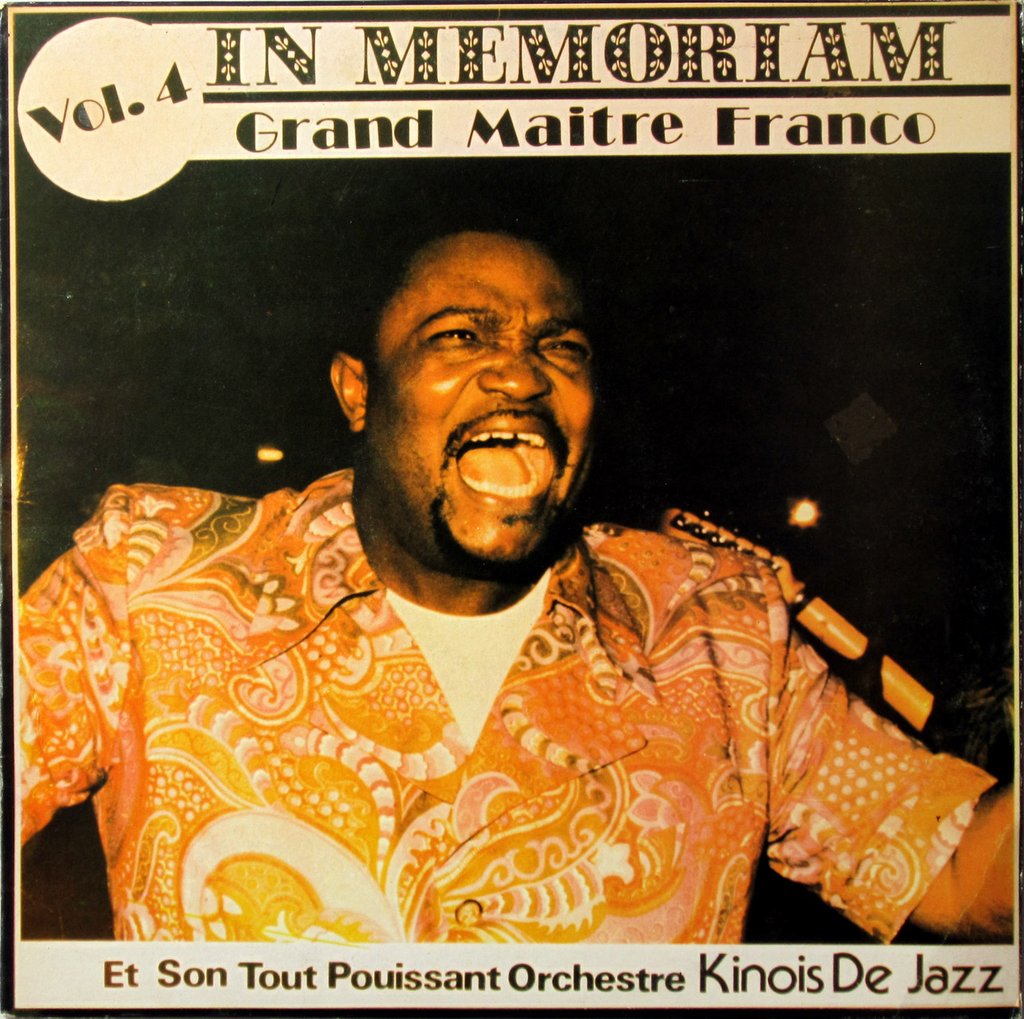
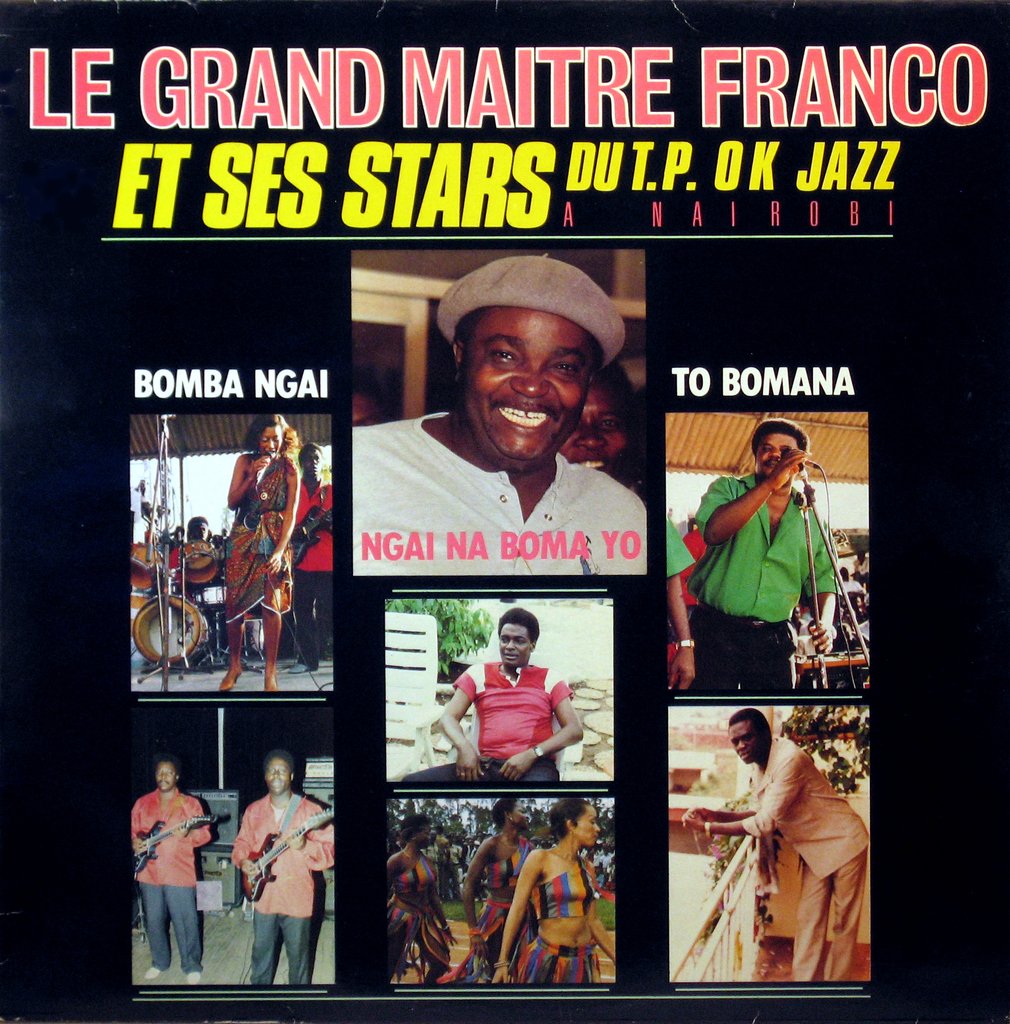
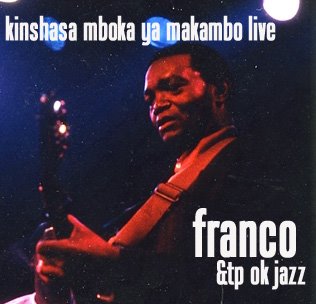
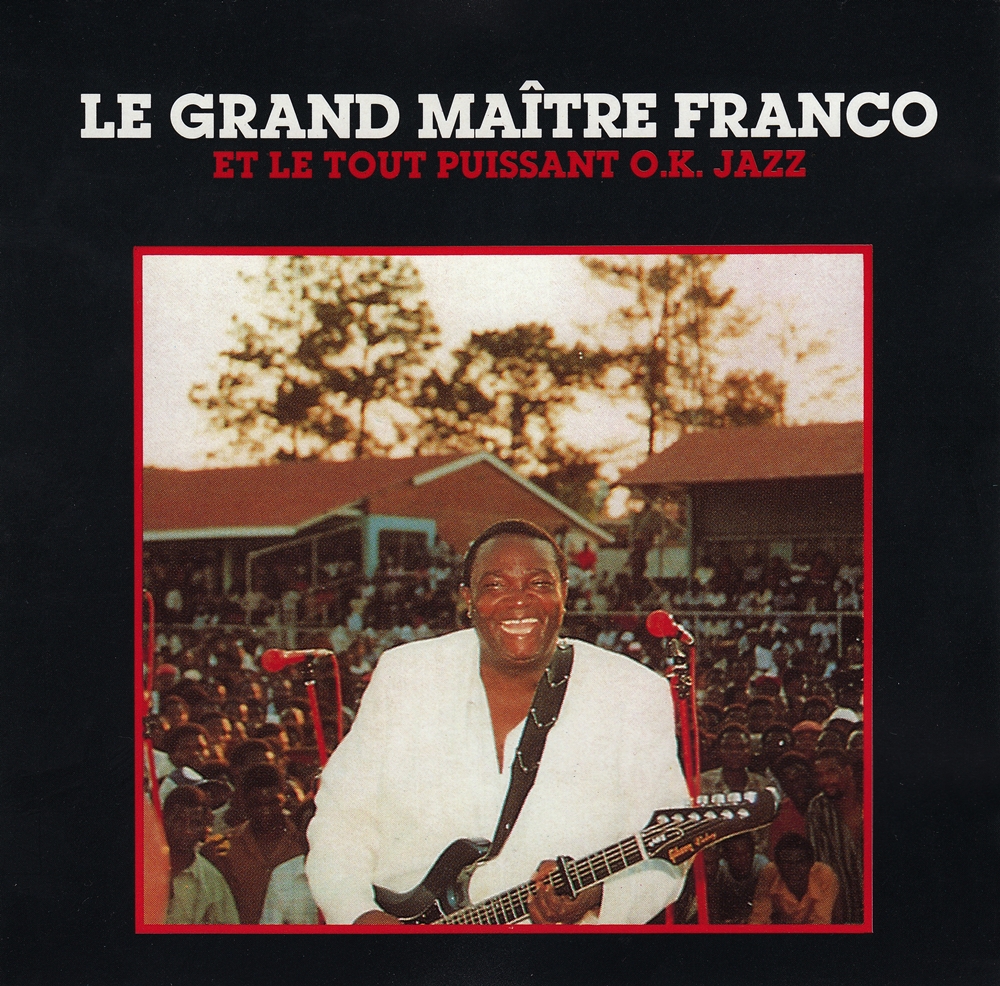
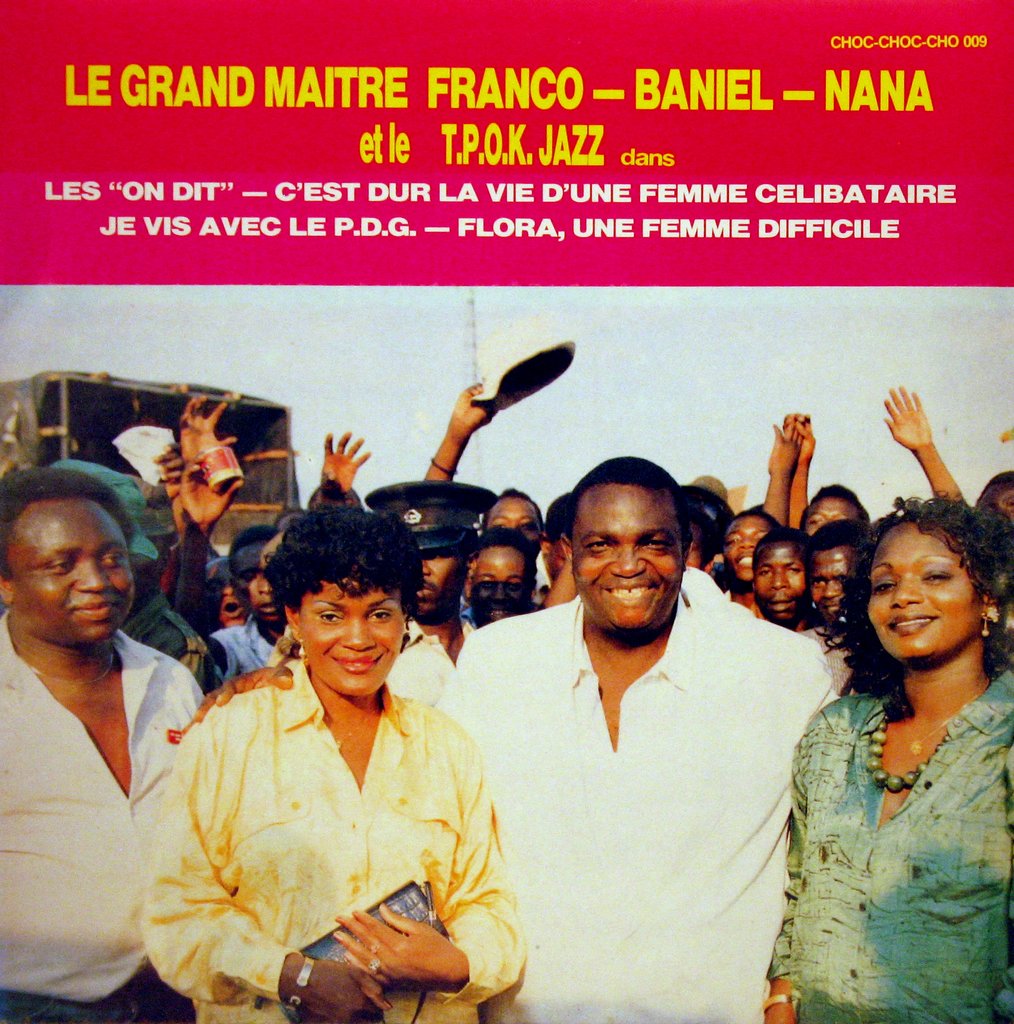
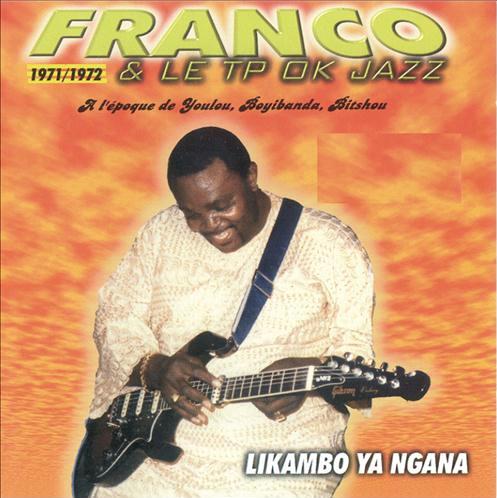
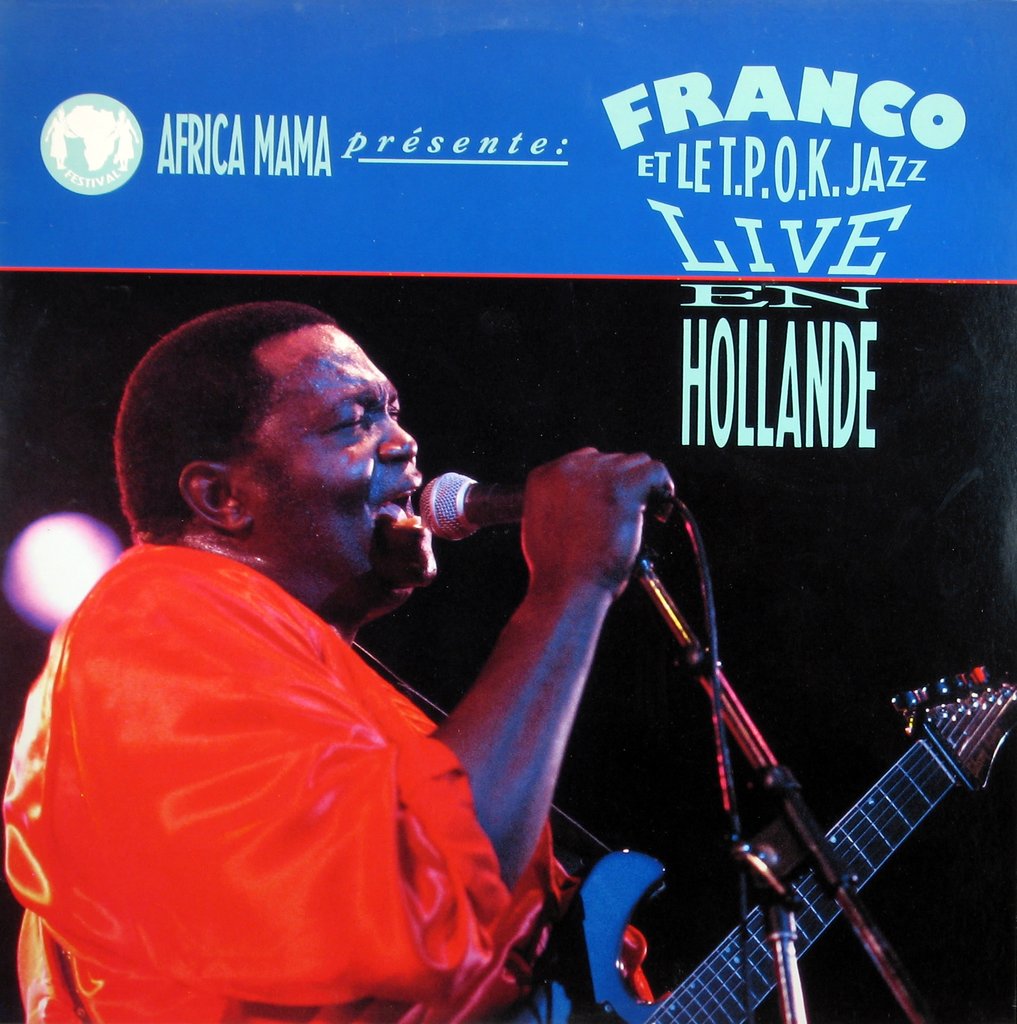
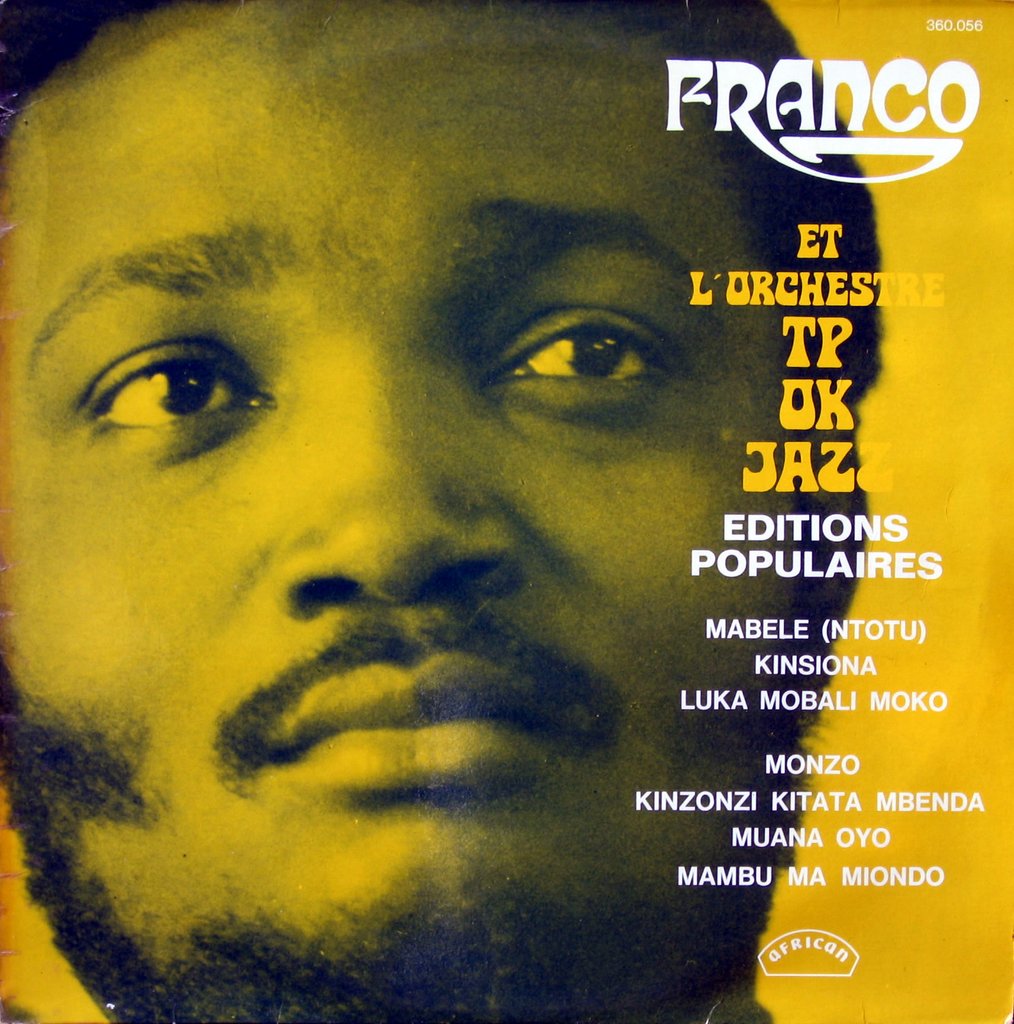
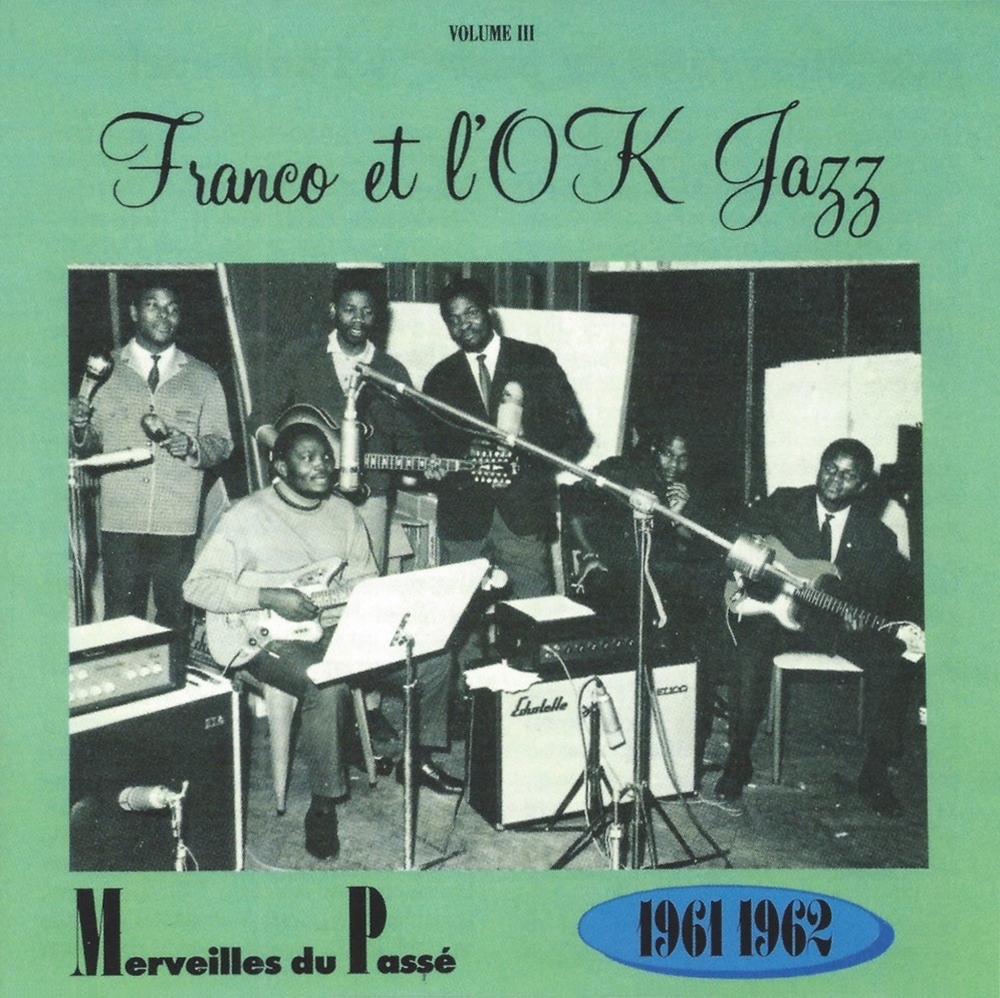
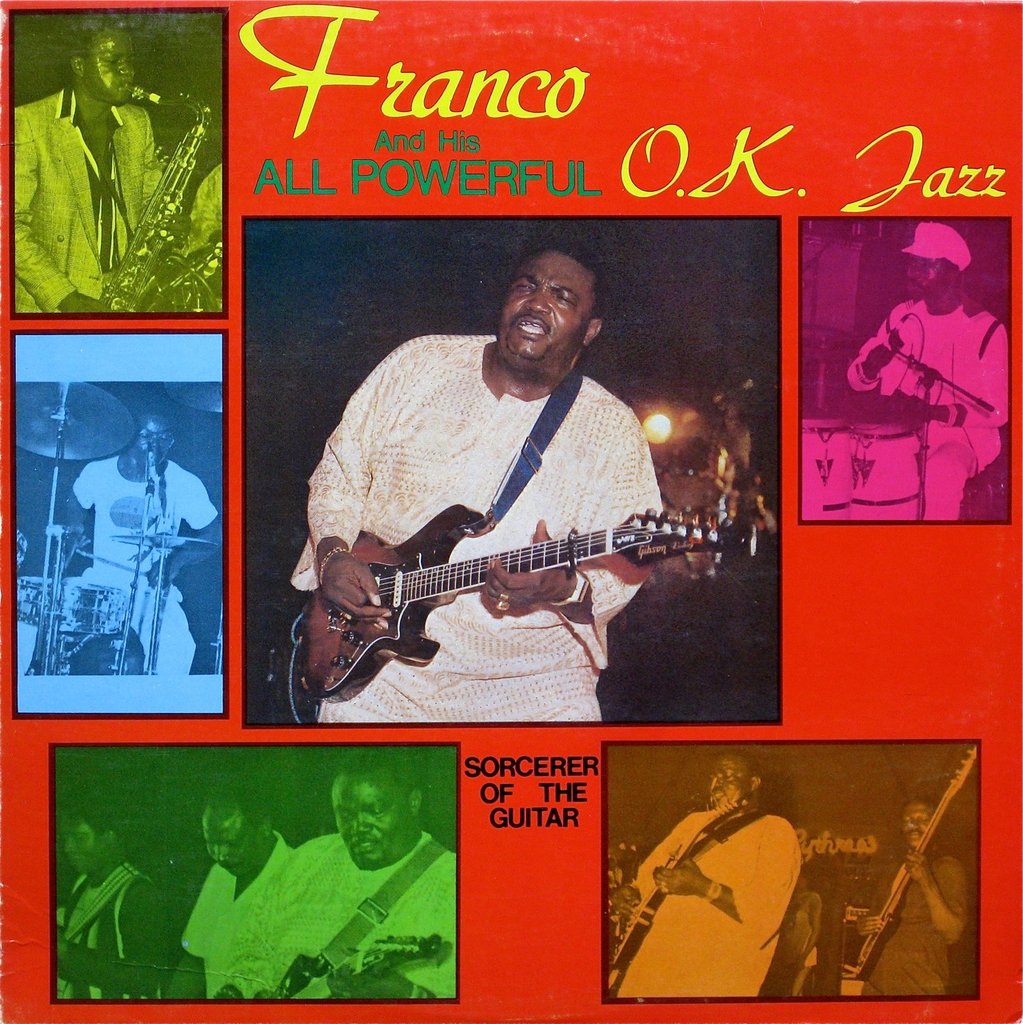
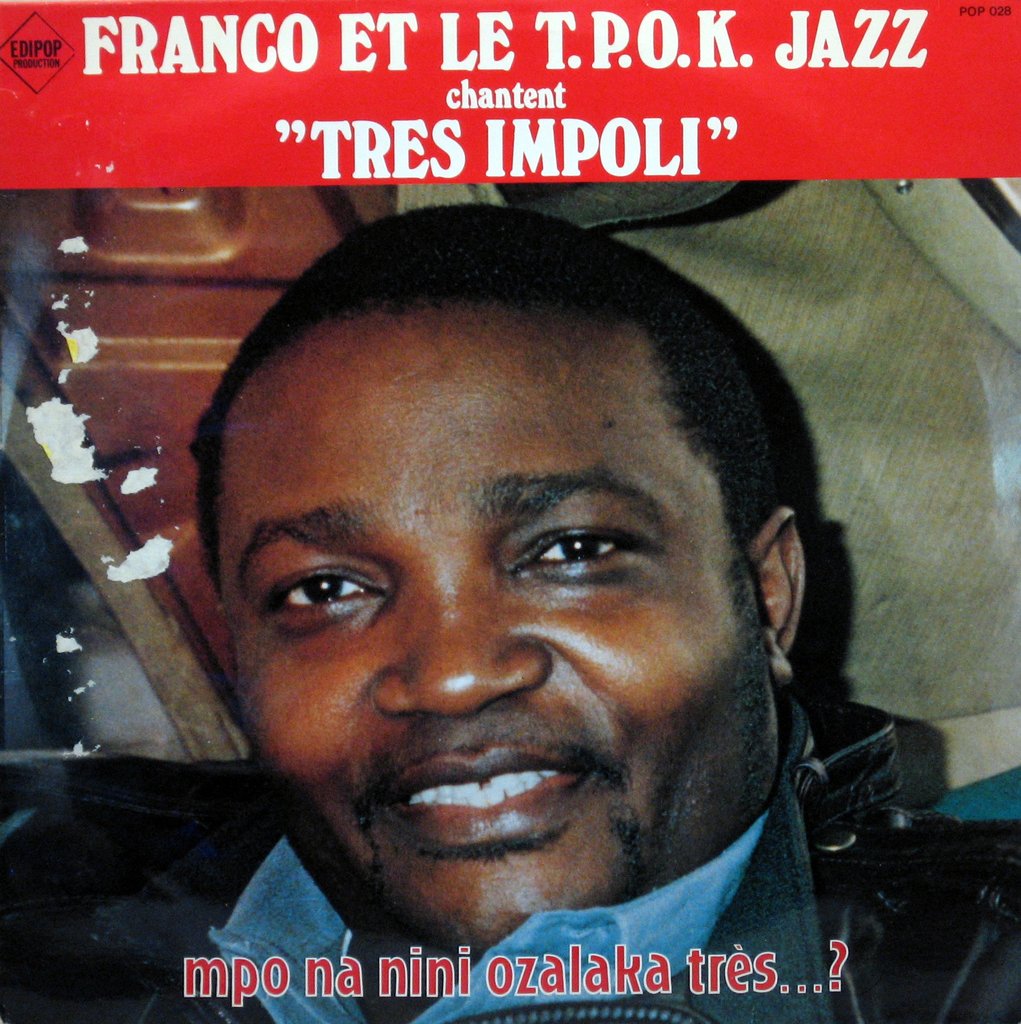
Under his direction, OK Jazz (renamed T.P.O.K. Jazz in 1971) became Africa’s most popular orchestra. More than twenty musicians, impeccable backing vocals, robust brass sections. The group toured the continent: Tanzania, Cameroon, Gabon, Sudan. In 1974, he shared the stage of the Zaire ‘74 festival with James Brown and Miriam Makeba. Over nearly forty years of career, Franco composed more than a thousand songs, recorded on over one hundred albums. His repertoire mixes love, social satire, and commentary on daily life in Kinshasa.
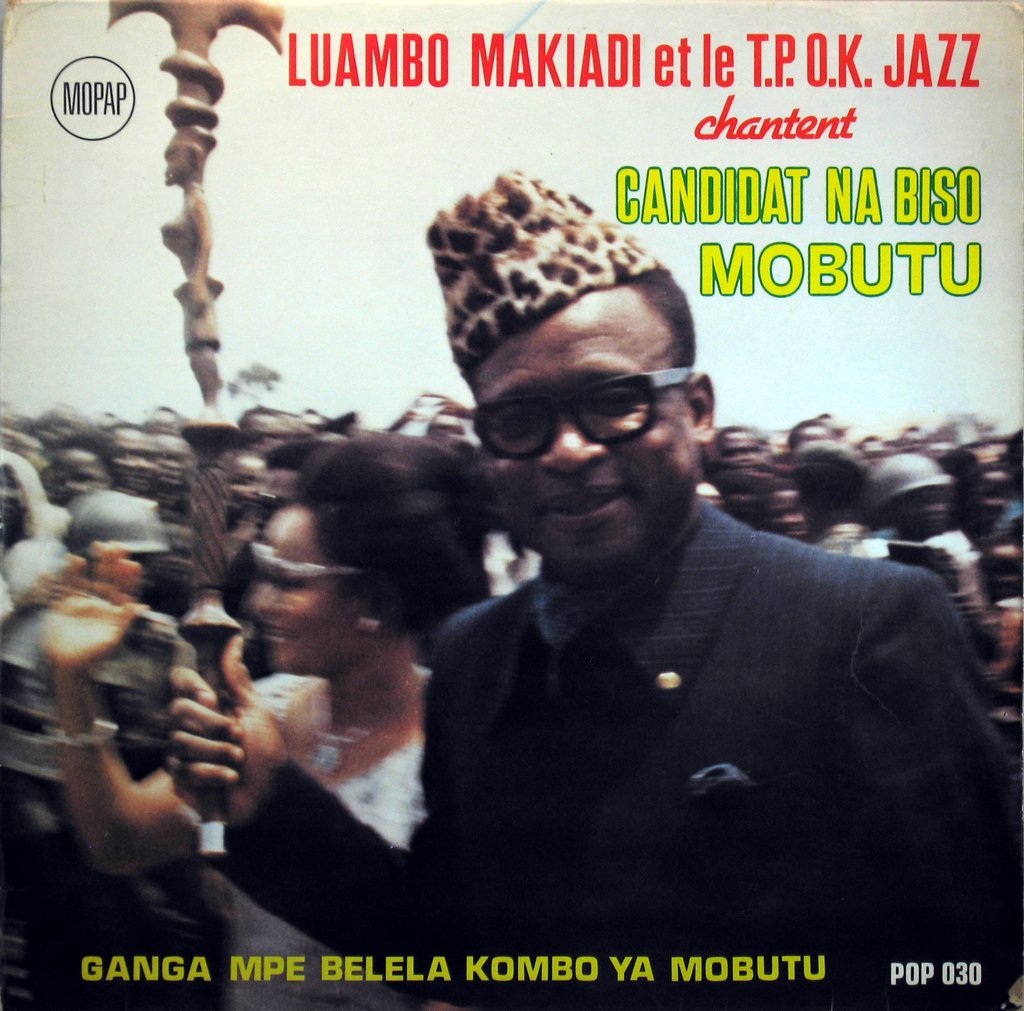
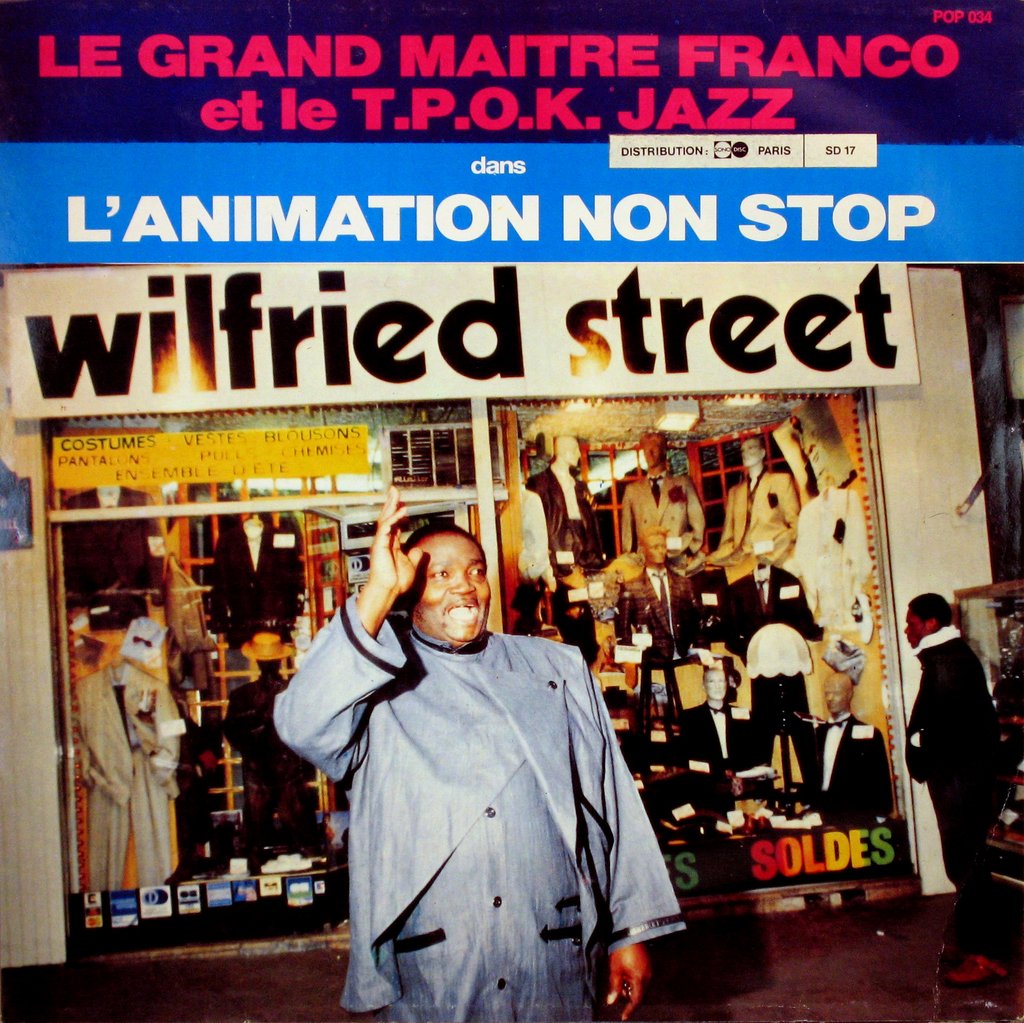
This ambition sometimes cost him dearly. In 1978, he was imprisoned for two months for the lyrics deemed obscene in Hélène and Jackie. Released under popular pressure, he emerged more popular than ever. In the seventies, Franco drew closer to Mobutu Sese Seko’s regime and his policy of “authenticity.” He adopted an African name, L’Okanga La Ndju Pene Luambo Makiadi, and composed songs praising the Zairian leader. But he also challenged, in other tracks, social injustices — a precarious balance between flattery and resistance that is part of the complexity of his legacy.
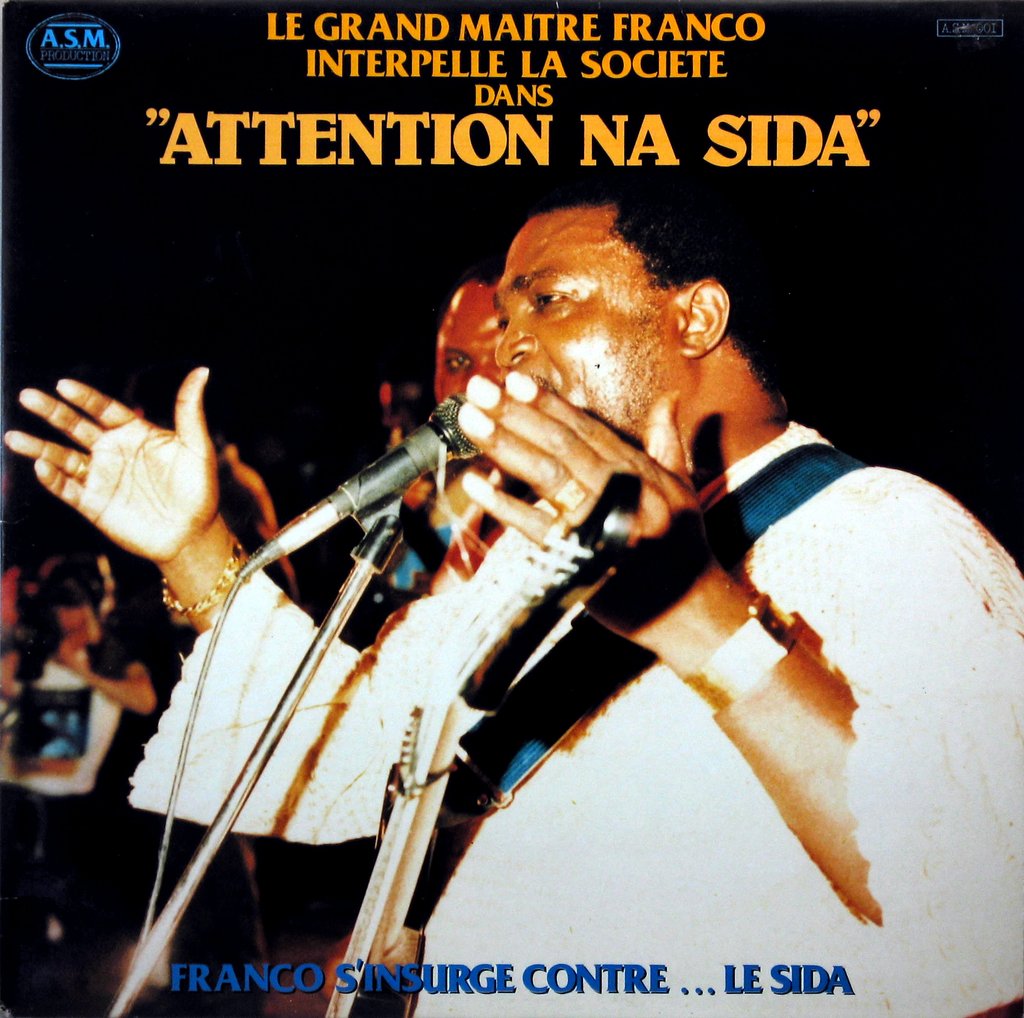
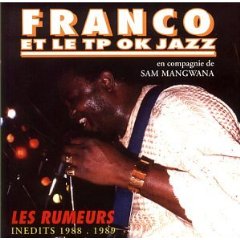
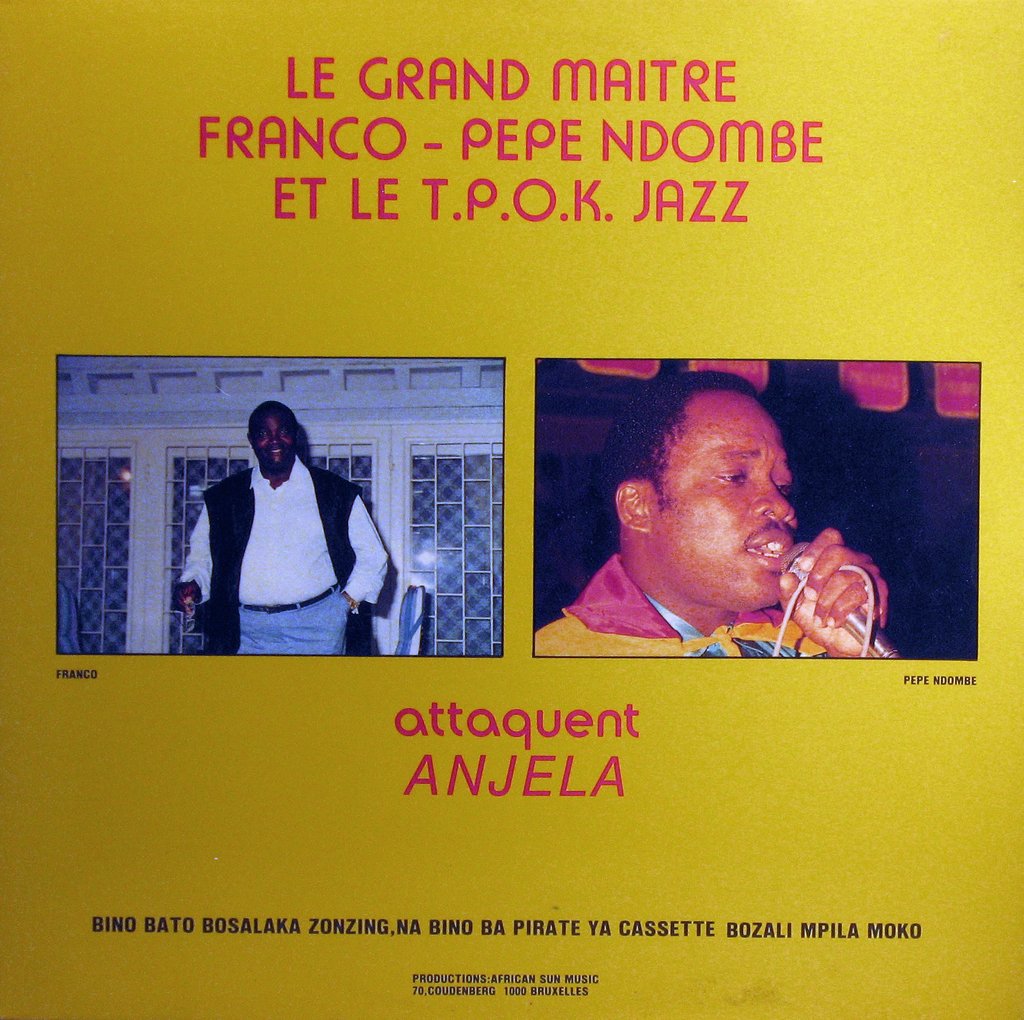
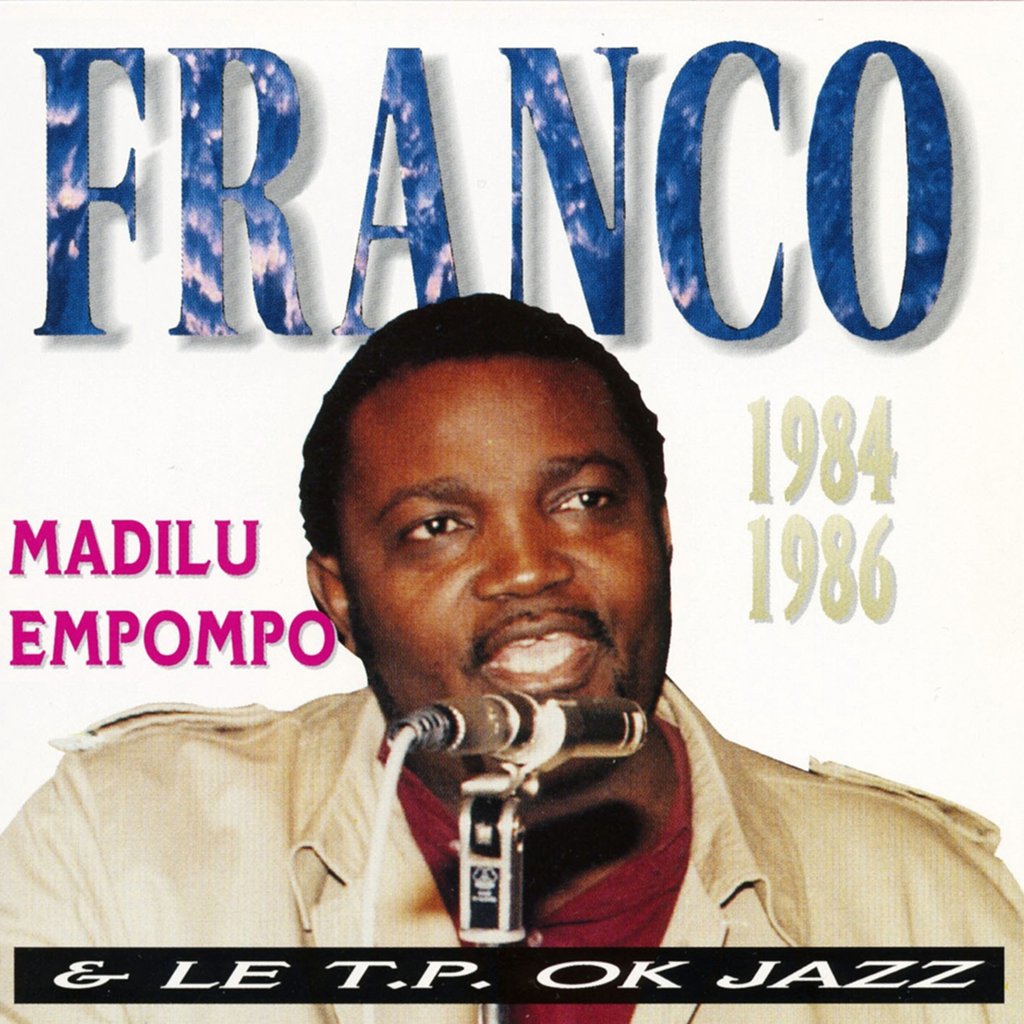
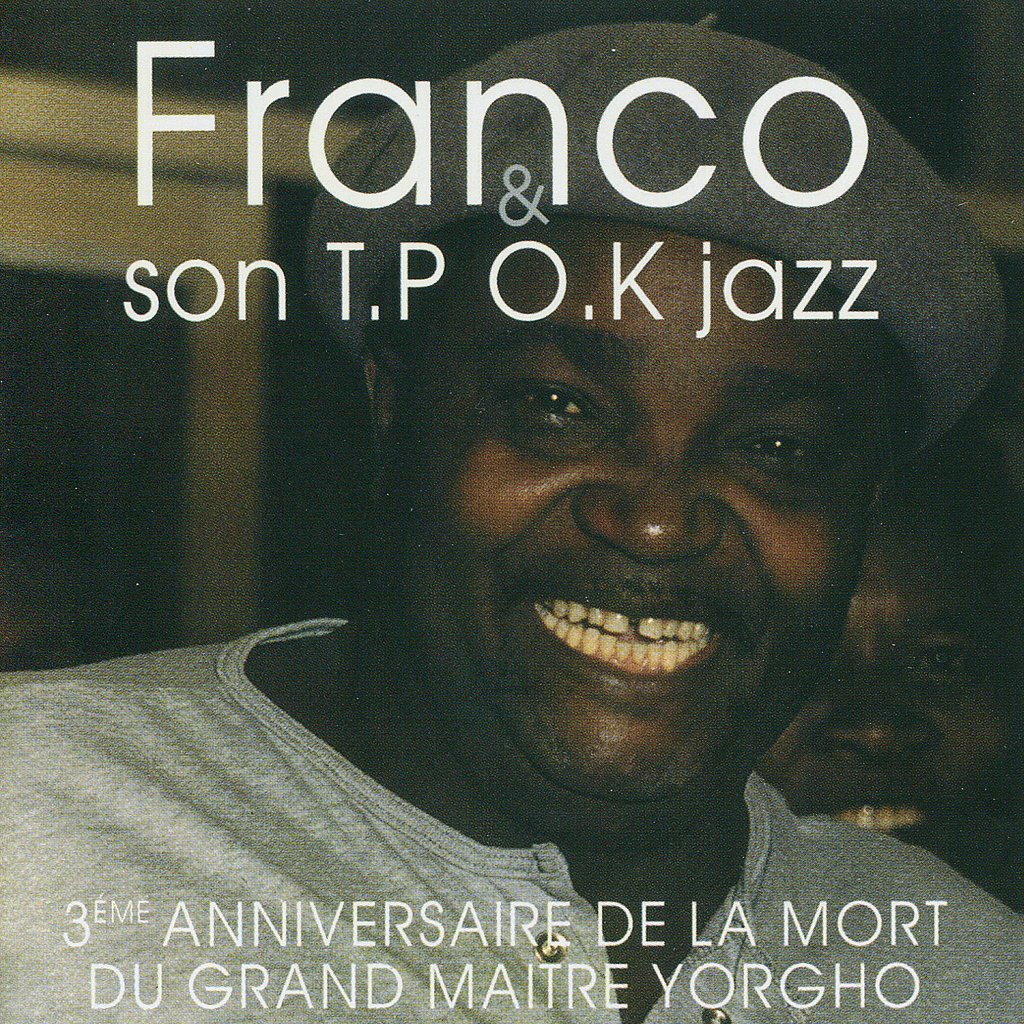
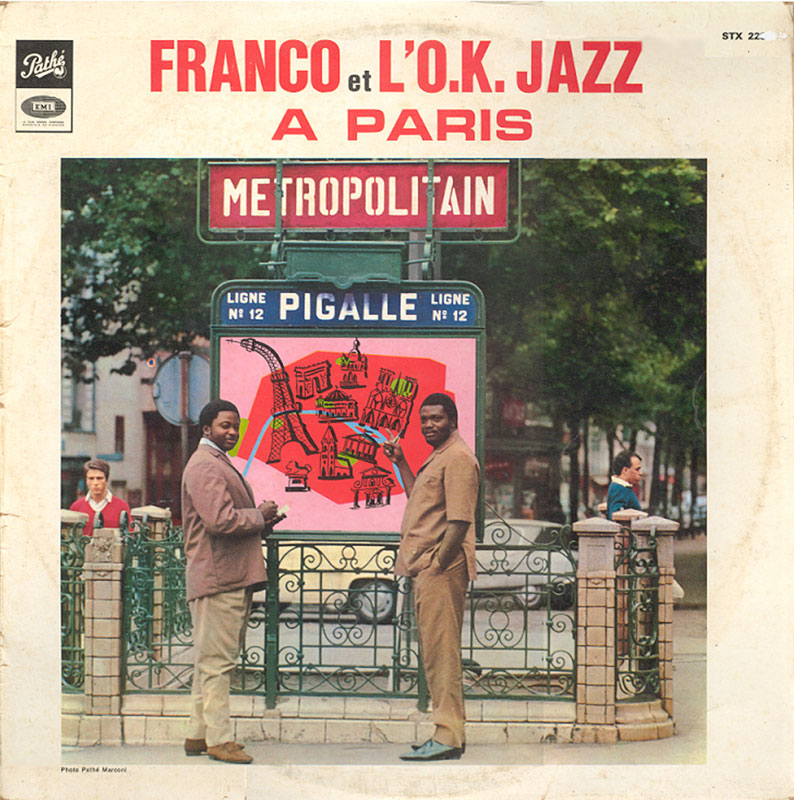
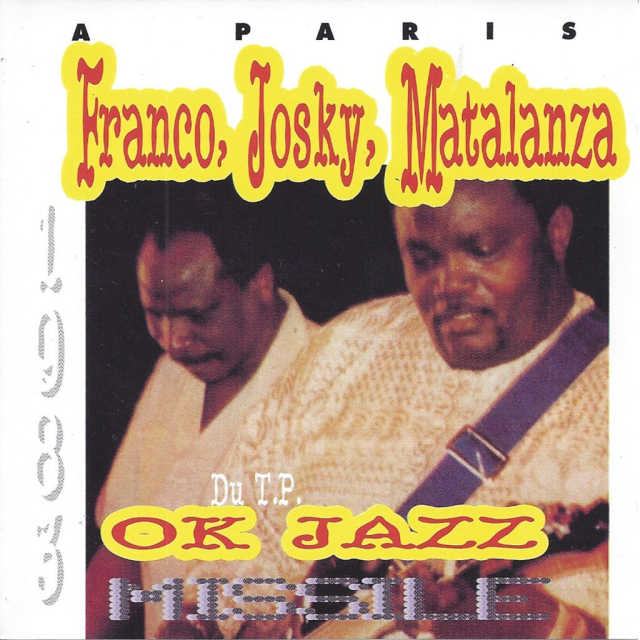
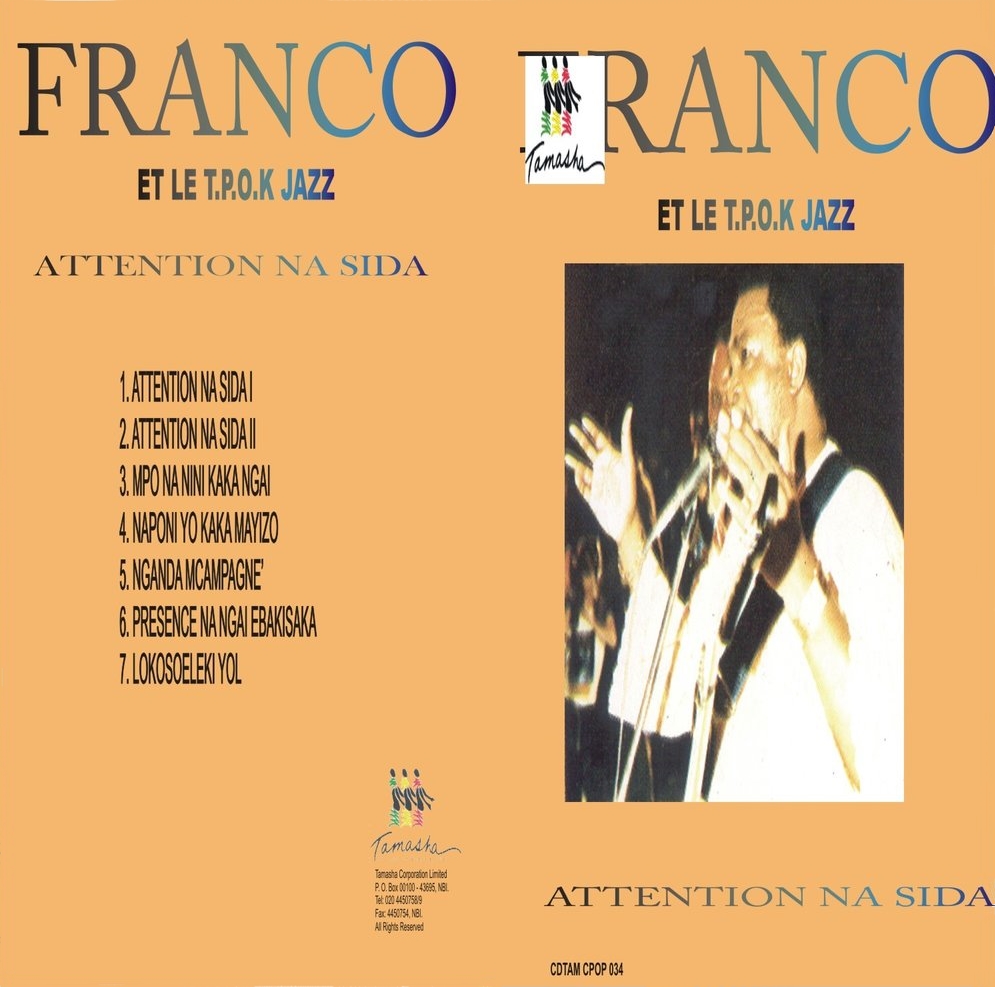
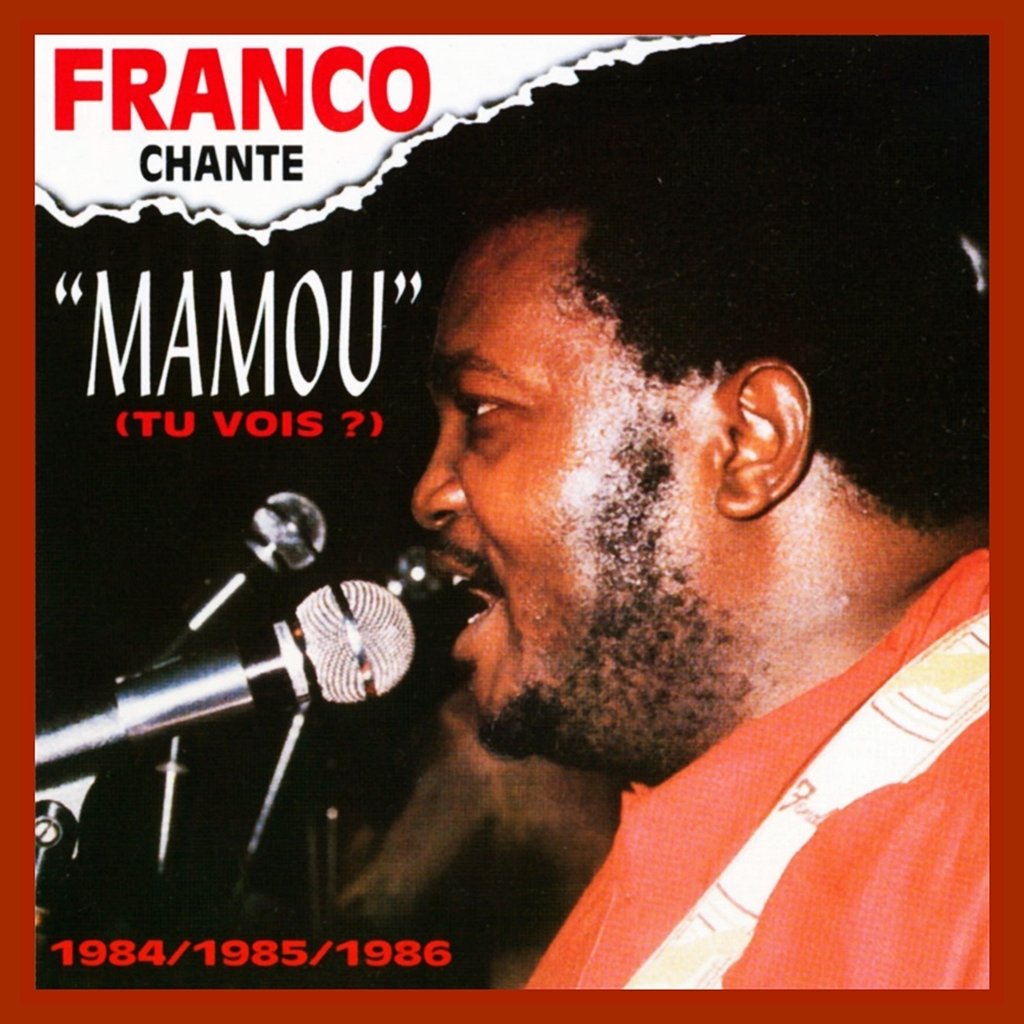
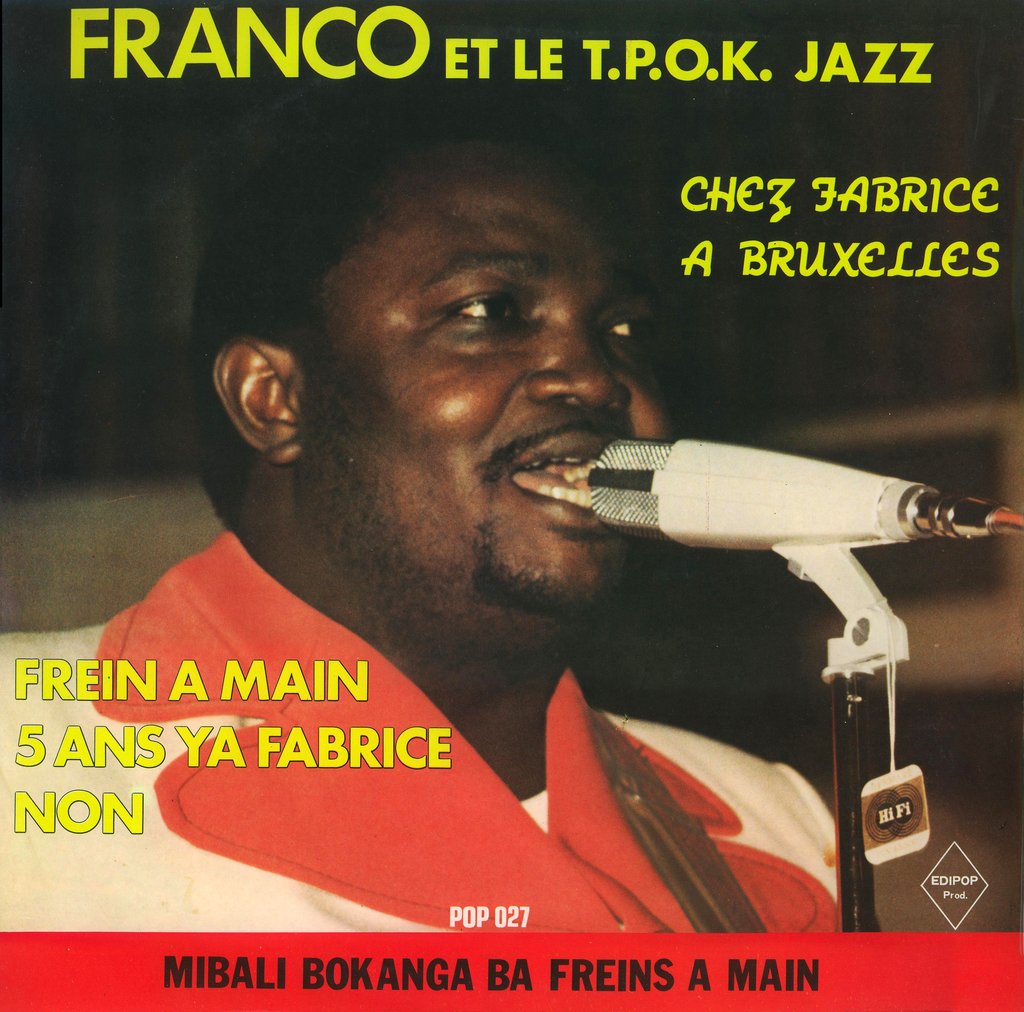
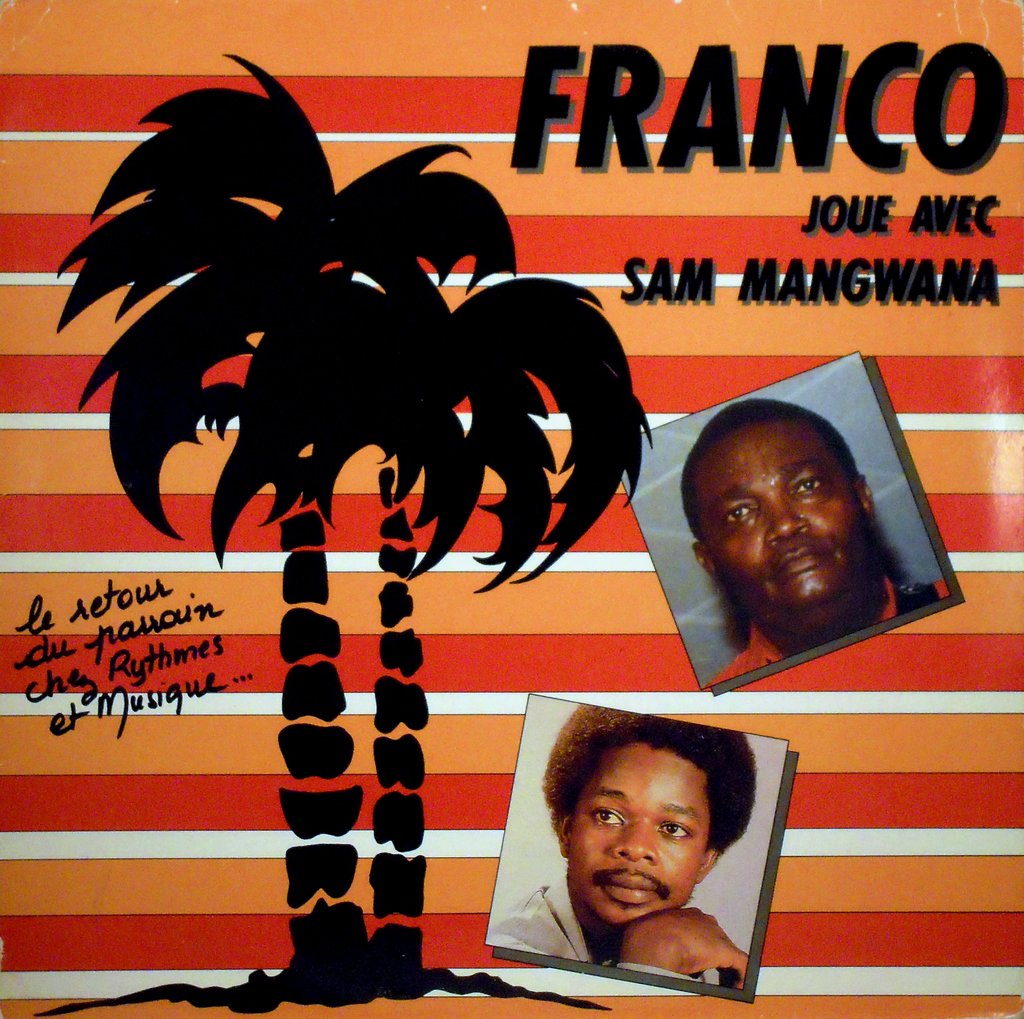
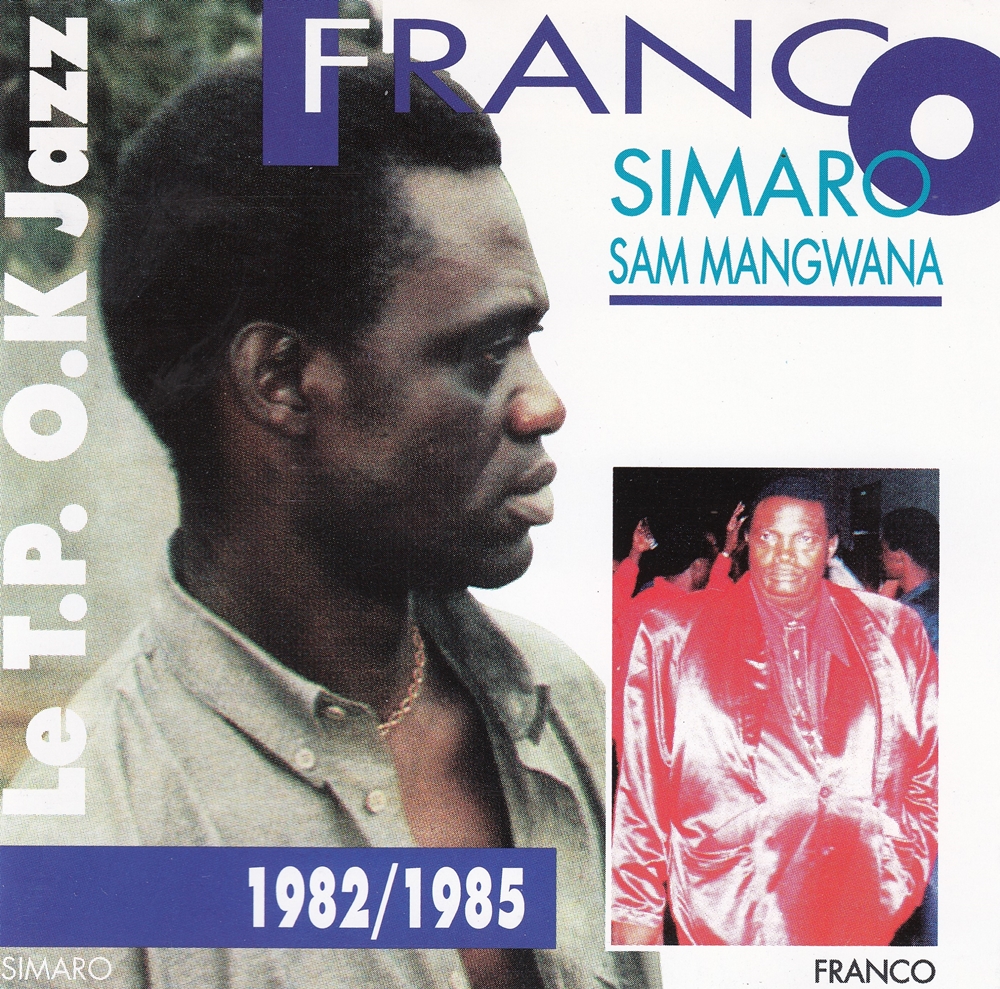
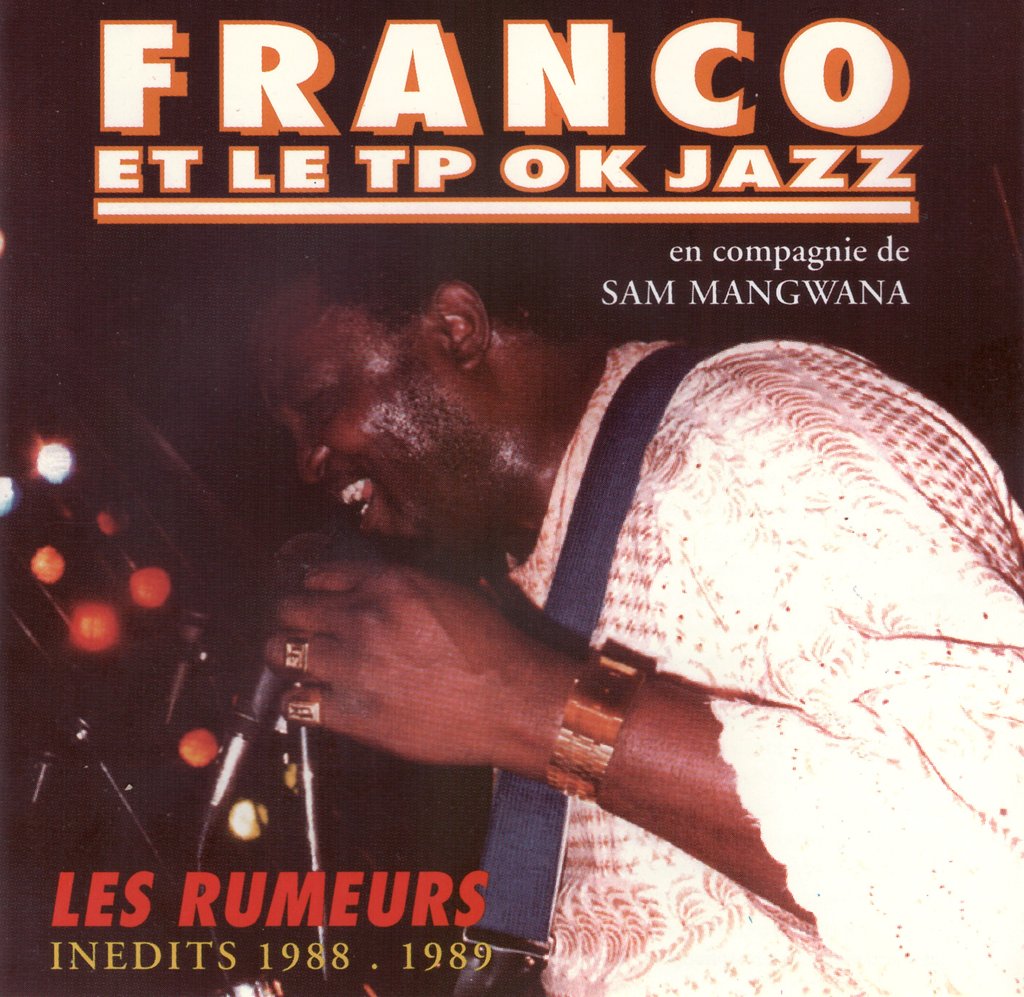
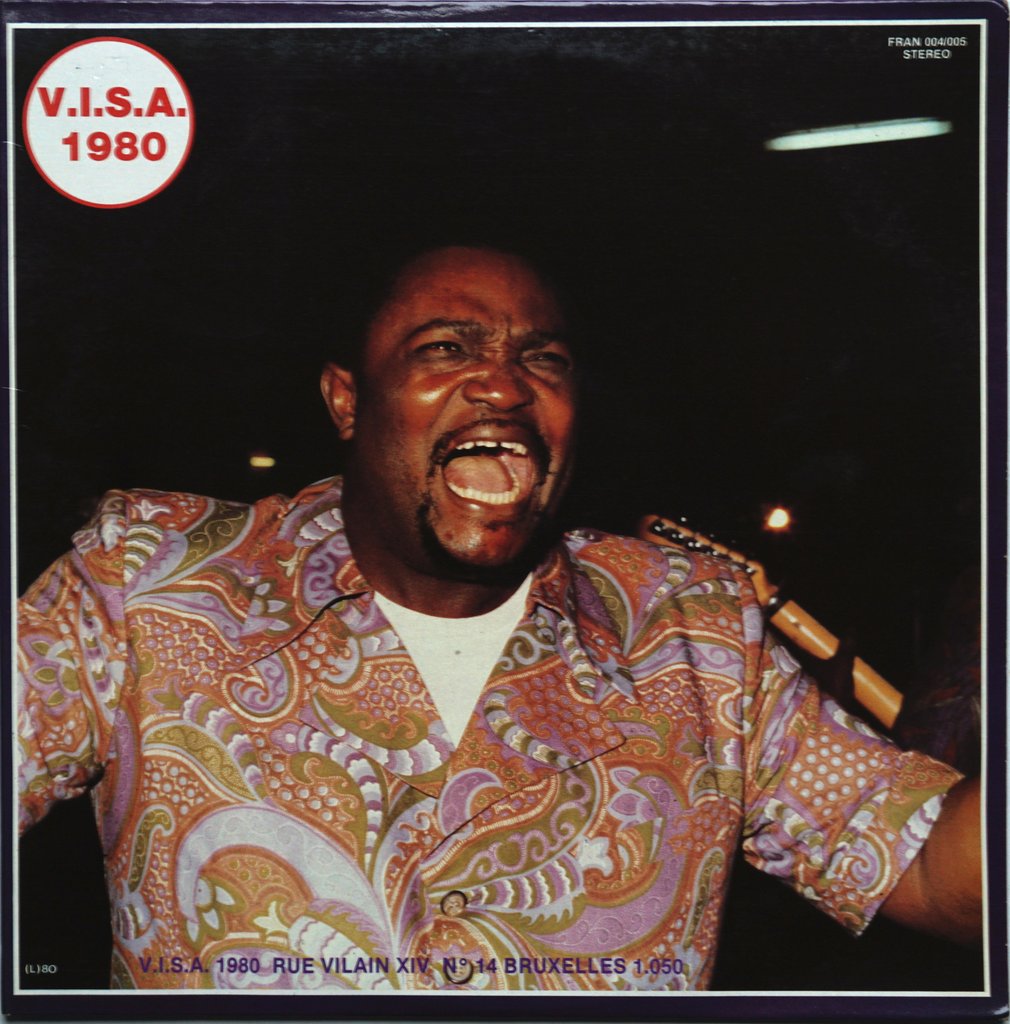
From 1978, Franco settled in Europe, first in Brussels then Paris. TPOK Jazz split into factions, but Franco remained central. In 1985, Mario became a colossal hit, certified gold with more than 200,000 copies sold in Zaire. Franco collaborated with Madilu System on several classics. But in 1987–1988, Franco lost weight rapidly. Rumors of AIDS circulated. He recorded Attention na SIDA, a call for prevention, and Les Rumeurs, which dismantles the slander. On October 12, 1989, he passed away. Mobutu declared four days of national mourning. Buried in the Gombe cemetery, reserved for heroes, a mausoleum was erected over his grave.
Major works
| Work | Year | Why it is essential |
|---|---|---|
| On Entre O.K. On Sort K.O. | 1956 | First hit of OK Jazz, founding anthem of Congolese rumba |
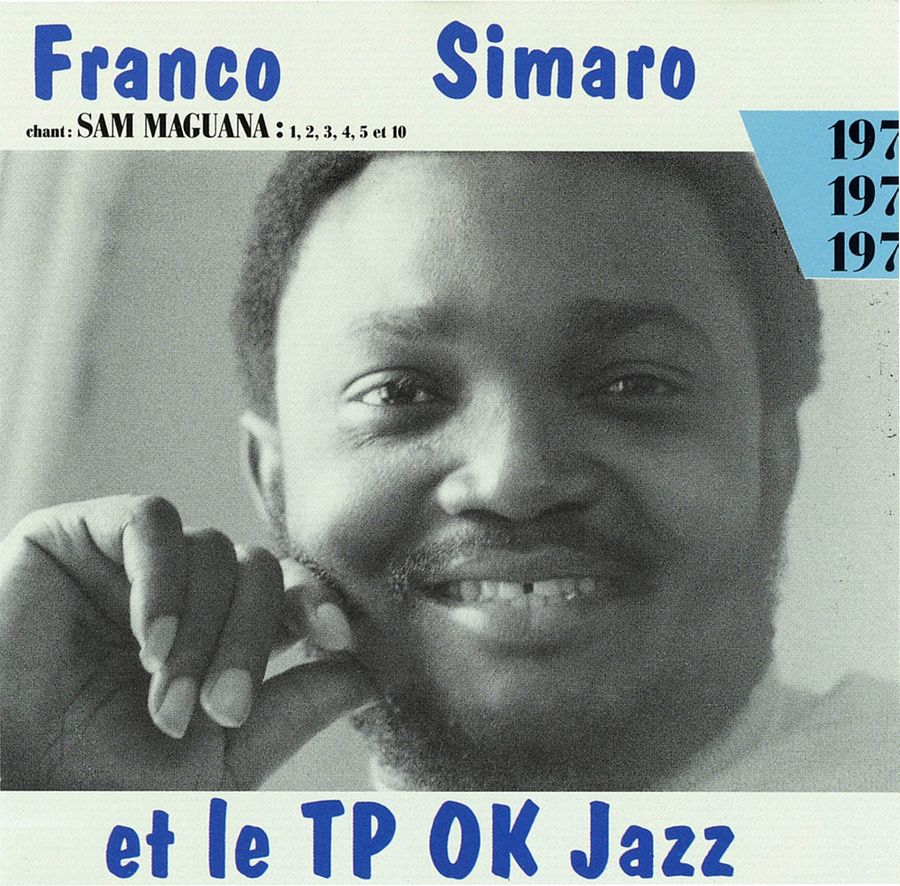
| Ebale Ya Zaïre | 1974 | Major album of the Simaro era, reflection of prolific production |
| Hélène | 1977 | Scabrous lyrics that earned his imprisonment, proof of audacity |
| Mario | 1985 | Gold record, the greatest commercial success |
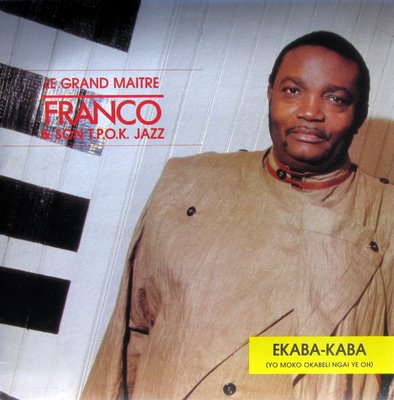
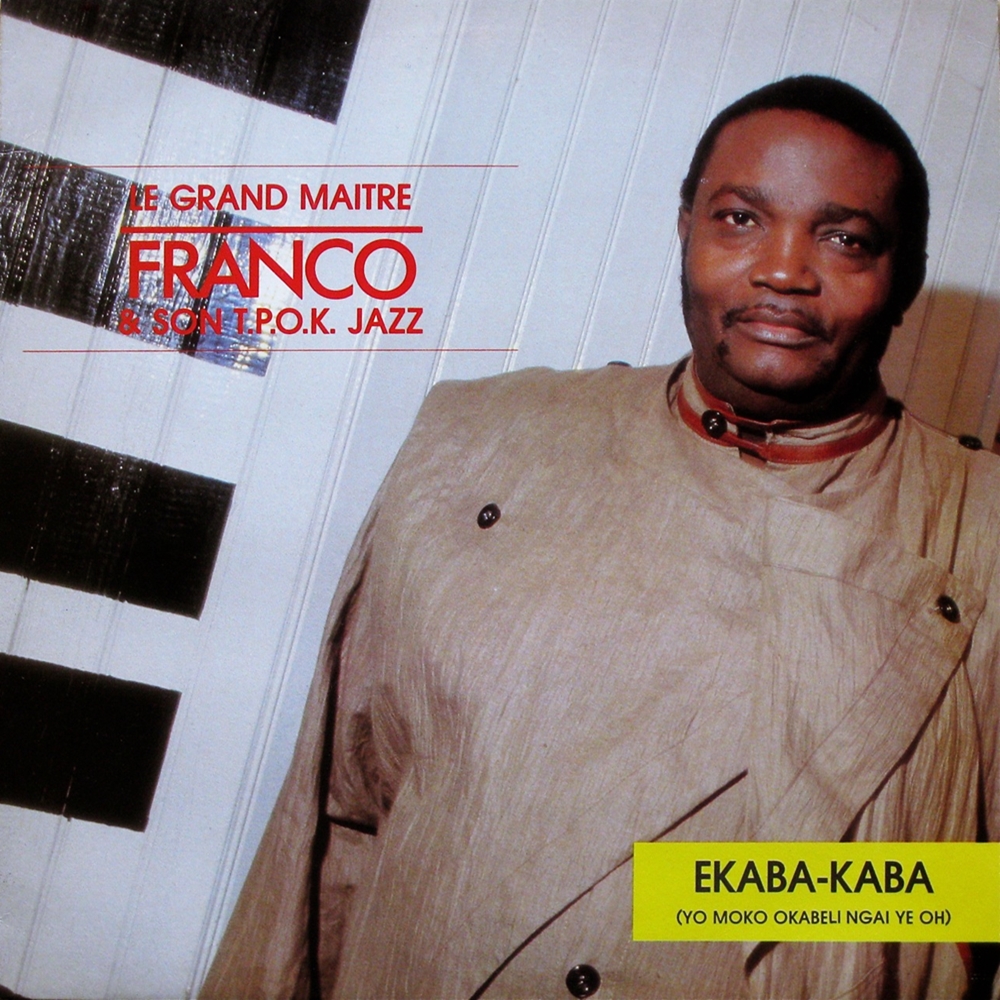
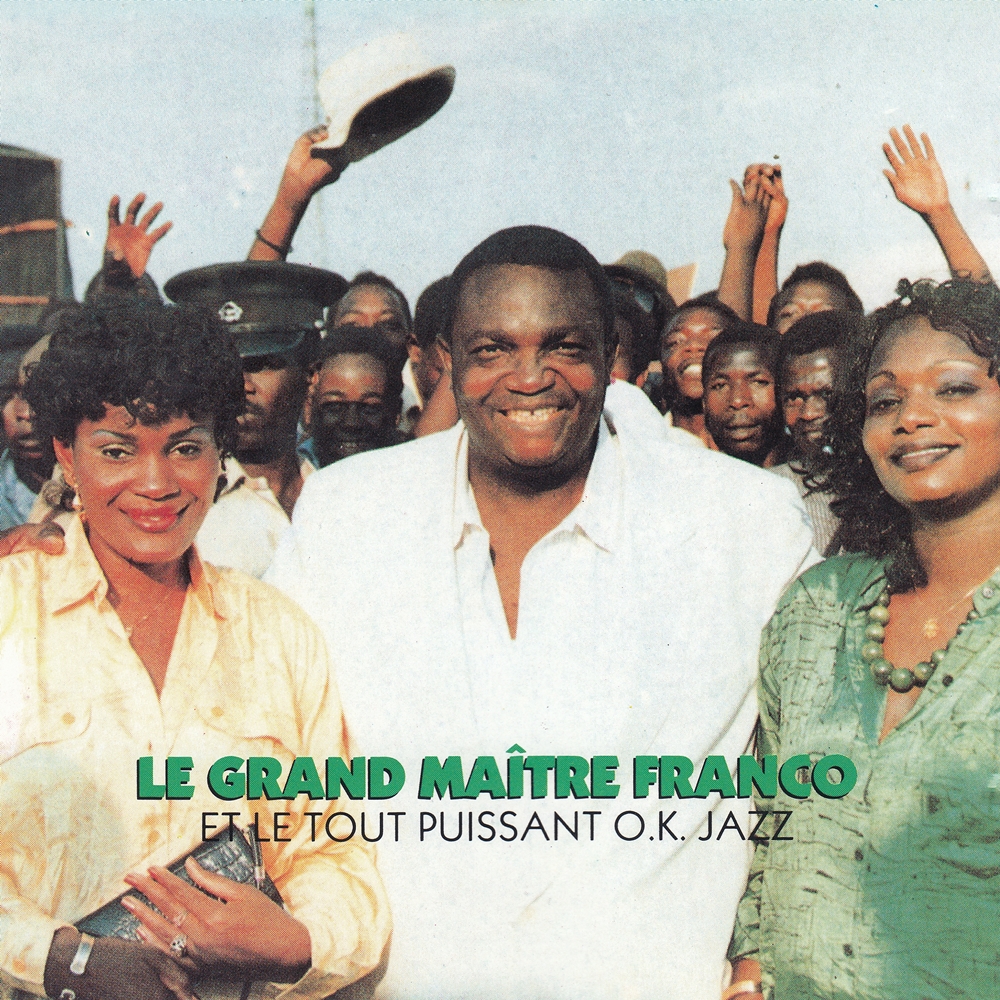
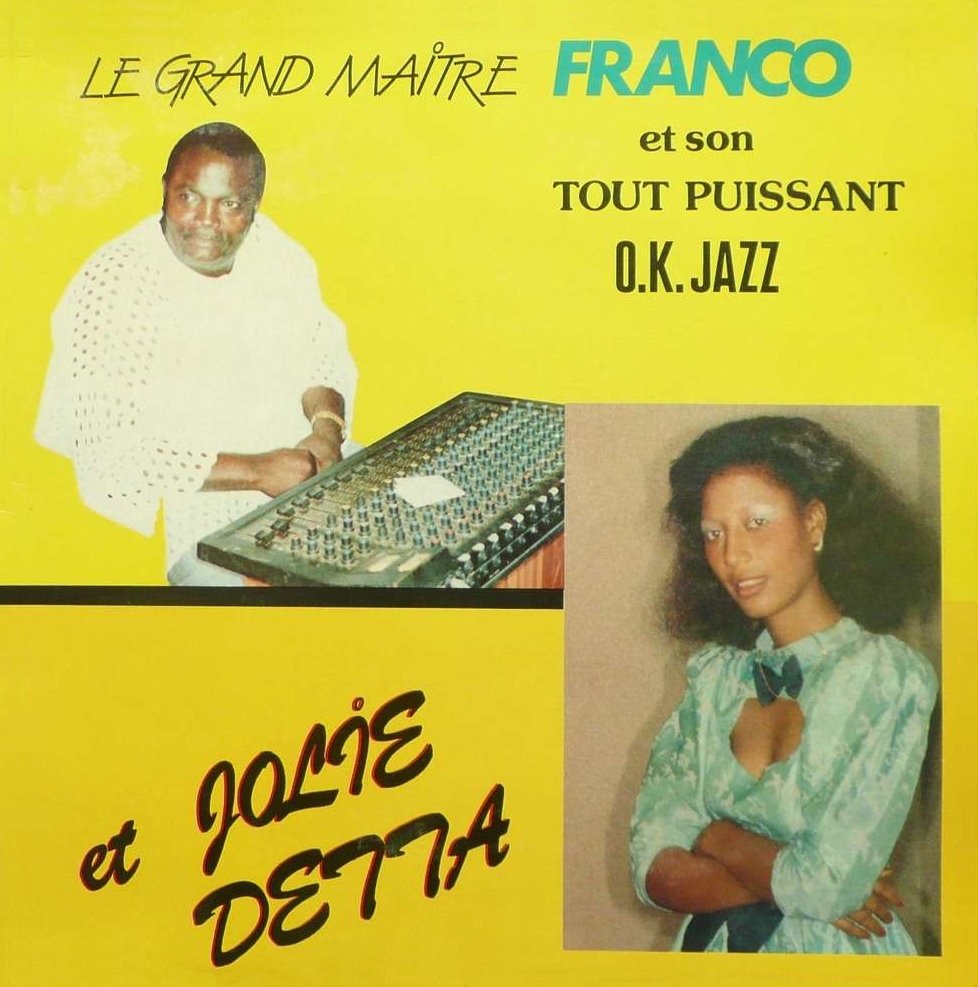
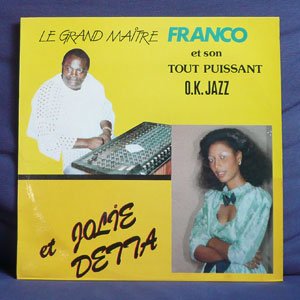
| Le Grand Maître | 1972 | Masterpiece synthesizing rumba and soukous |
Legacy and influence
Soukous, that frenzied style born from Afro-Cuban rumba that Franco shaped, has dominated the airwaves and nightclubs of the continent for decades. Every Congolese, East African, or West African guitarist owes a piece of their vocabulary to him. Youssou N’Dour, Angélique Kidjo, Manu Dibango, and the Soukous Kings collective cite Franco among their influences. In 2023, Rolling Stone ranked him 71st among the 250 greatest guitarists of all time. His legacy extends beyond music: he is the symbol of an Africa that dances, reinvents itself, and reimagines itself to the rhythm of the silver strings of the sorcerer — despite power, against all odds.
Sources and references
- « Franco Luambo », Wikipedia, https://en.wikipedia.org/wiki/Franco_Luambo, accessed 18 October 2025.
- « Franco emerges as the leader of OK Jazz », The Guardian, https://www.theguardian.com/music/2011/jun/16/franco-leader-of-ok-jazz, accessed 18 October 2025.
- « Franco, 51, Zairian Band Leader And Creator of the Soukous Style », The New York Times, https://www.nytimes.com/1989/10/17/obituaries/franco-51-zairian-band-leader-and-creator-of-the-soukous-style.html, accessed 18 October 2025.
- « Remembering Congo’s rumba king », BBC News, http://news.bbc.co.uk/2/mobile/africa/8300170.stm, accessed 18 October 2025.
- « Franco », Encyclopedia.com, https://www.encyclopedia.com/people/literature-and-arts/music-popular-and-jazz-biographies/franco, accessed 18 October 2025.
- « Franco Luambo », AllMusic, https://www.allmusic.com/artist/franco-luambo-makiadi-mn0001615589, accessed 18 October 2025.
- « Franco Luambo », Rolling Stone (250 Greatest Guitarists), https://au.rollingstone.com/music/music-lists/250-greatest-guitarists-all-time-51028/franco-luambo-51209, accessed 18 October 2025.
- « The mixed legacy of DRC musician Franco », New African Magazine, https://newafricanmagazine.com/arts-culture/the-mixed-legacy-of-drc-musician-franco/, accessed 18 October 2025.
- « Mario (song) », Wikipedia, https://en.wikipedia.org/wiki/Mario_(song), accessed 18 October 2025.
- « Franco Luambo », Discogs, https://www.discogs.com/artist/49342-Franco, accessed 18 October 2025.
- « Franco », MusicBrainz, https://musicbrainz.org/artist/2bafab0b-b22f-44d7-a046-119fb1298a85, accessed 18 October 2025.