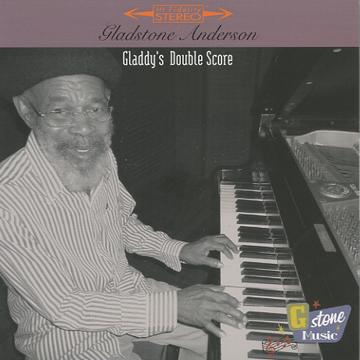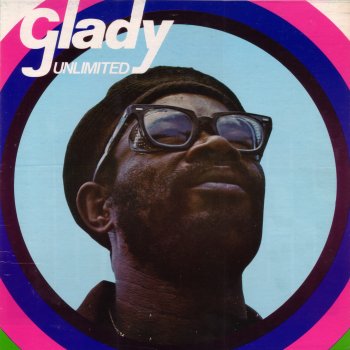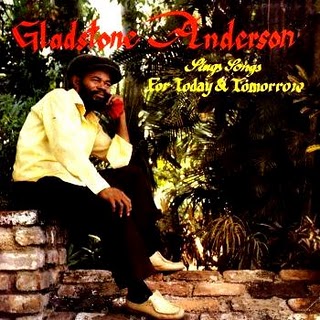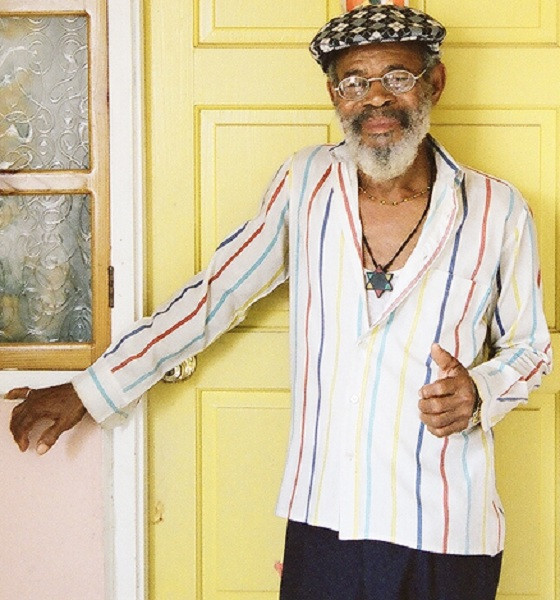
Biography
Gladstone Anderson
On December 3, 2015, the piano of Gladstone “Gladdy” Anderson fell silent at the age of 81, after five decades spent shaping the sound of Jamaica. Behind the ska and rocksteady hit-parades, this unassuming man became the pianistic backbone of an entire generation.
In Brief
| Full Name | Gladstone Anderson |
| Nickname | “Gladdy” |
| Birth | June 18, 1934, Jones Town, Kingston, Jamaica |
| Death | December 3, 2015 (81 years), public hospital in Kingston, Jamaica |
| Field | Piano, organ, keyboards, vocals — ska, rocksteady, reggae, dub |
| Notable Works | It May Sound Silly, “The Liquidator” (Harry J All Stars), Stranger and Gladdy |
| Awards | Kingsley Goodison Tribute to the Greats Award (2012) |
Key Dates
| Year | Event |
|---|---|
| 1934 | Born in Jones Town, Kingston; son of a railway engineer, eldest of eight children |
| 1940-50 | Learned piano with his uncle Aubrey Adams, a studio organist |
| 1958 | Studio debut with Duke Reid at Treasure Isle |
| ~1963 | Member of Lynn Taitt and the Jets; defined ska rhythms and participated in the birth of rocksteady |
| 1968-75 | Led Gladdy’s All Stars; “The Liquidator” by the Harry J All Stars reached the UK Top 10 |
| 1968-73 | Vocal duo with Stranger Cole under the name Stranger and Gladdy |
| 1972-78 | Albums It May Sound Silly (1972) and Gladdy Unlimited (1977); dub sessions at King Tubby’s |
| 2009 | “Mad Mad Ivy” sampled by Jay-Z on The Blueprint 3 (“Already Home”) |
| 2015 | Died on December 3 in Kingston after a long illness; leaves children and grandchildren |
From Ska to Rocksteady: Five Decades in Jamaican Studios
Gladstone Anderson was born in Jones Town, a popular neighborhood in west Kingston. His uncle Aubrey Adams — an established organist and bandleader in the Jamaican industry — made him his student from childhood. When Adams emigrated to Panama in the mid-1950s, he introduced Gladstone to Duke Reid, who quickly placed him in his musician reserve at Treasure Isle. Gladdy occasionally played with Don Drummond and other instrumentalists who would form the Skatalites, contributing to the definitive ska rhythms.
In the mid-1960s, Gladdy joined Lynn Taitt’s group, the Jets. It was during the recording of Hopeton Lewis’s “Take It Easy” that he asked the band to play slower; upon listening, he baptized this new feeling rocksteady, the name of the genre that emerged from it. He subsequently played on classics such as Roy Shirley’s “Hold Them” and Alton Ellis’s “Girl I’ve Got A Date”.
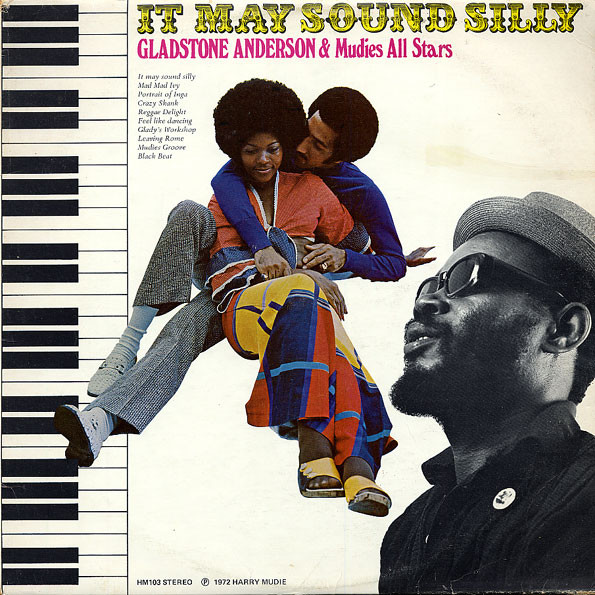
With the advent of reggae, Gladdy became an arranger and studio pianist for most major producers: Bunny Lee, Derrick Harriott, Clancy Eccles, and Rupie Edwards. With Harry Mudie, he formed Gladdy’s All Stars — credited under various names depending on the producer — and recorded dozens of tracks. In the studio, his role was invaluable: every singer came to him to find the right tone. In 1972, he released It May Sound Silly, a piano and strings album that became a best-seller in Jamaica, followed by Gladdy Unlimited in 1977. In 1973-74, his participation in Jimmy Cliff’s tour led to a collaboration with Herbie Mann on the album Reggae (Atlantic, 1973).
Major Works
| Work | Year | Why It’s Essential |
|---|---|---|
| It May Sound Silly (Gladdy & Mudies All Stars) | 1972 | Sublime piano and strings — Jamaican best-seller that launched his solo career |
| “Just Like a River” (Stranger and Gladdy) | ~1968 | Iconic vocal duo of the rocksteady era, hymn of unparalleled harmonies |
| “The Liquidator” (Harry J All Stars) | 1969 | Instrumental in the UK Top 10; Gladdy’s choppy piano and Winston Wright’s organ |
| Reggae (Herbie Mann) | 1973 | American crossover album — Gladdy in the second line with Jimmy Cliff |
| Peace Pipe Dub (Channel One) | 1993 | Dub exploration recorded at Channel One — experimental sound precursor |
Legacy and Influence
Gladstone “Gladdy” Anderson is neither the most famous nor the most media-savvy of Jamaican musicians — and it is precisely this that makes his legacy fascinating. He shaped ska, accompanied the transition to rocksteady and then reggae and dub, remaining in the studio for five decades. Producers came to him when a session lacked cohesion; his playing structured thousands of records from which he never drew glory. Humble and rooted, he radiated warmth: this is how David Katz described him in Fact Mag in 2015, a musician whose talent traveled the world without ever losing its human warmth.
Sources and References
- Steve Leggett, “Gladstone Anderson — Biography”, AllMusic, https://www.allmusic.com/artist/gladstone-anderson-mn0000662846, accessed November 11, 2026.
- “Gladstone Anderson, musician — obituary”, The Telegraph, December 10, 2015, https://www.telegraph.co.uk/news/obituaries/12064623/Gladstone-Anderson-musician-obituary.html, accessed November 11, 2026.
- David Katz, “Remembering ‘Gladdy’ Anderson, the founding father of ska and rocksteady”, Fact Mag, December 15, 2015, https://factmag.com/2015/12/15/gladdy-anderson, accessed November 11, 2026.
- “Gladstone Anderson – The Go-To Session Player”, Reggae Vibes, December 2015, https://www.reggae-vibes.com/articles/obituary/2015/12/gladstone-anderson-the-go-to-session-player/, accessed November 11, 2026.
- “Musican Gladdy Anderson dies”, Jamaica Observer, December 9, 2015, https://jamaicaobserver.com/entertainment/Musican-Gladdy-Anderson-dies_45053, accessed November 11, 2026.
- “All-star musician”, Jamaica Observer, December 12, 2015, https://jamaicaobserver.com/2015/12/12/all-star-musician/, accessed November 11, 2026.
- Gladstone Anderson on Wikipedia, https://en.wikipedia.org/wiki/Gladstone_Anderson, accessed November 11, 2026.
- « Gladstone Anderson: Key player in rocksteady’s genesis », Jamaica Observer, 1 June 2012, cited in Gladstone Anderson on Wikipedia.