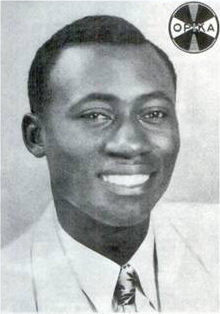
Biography
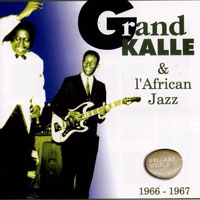
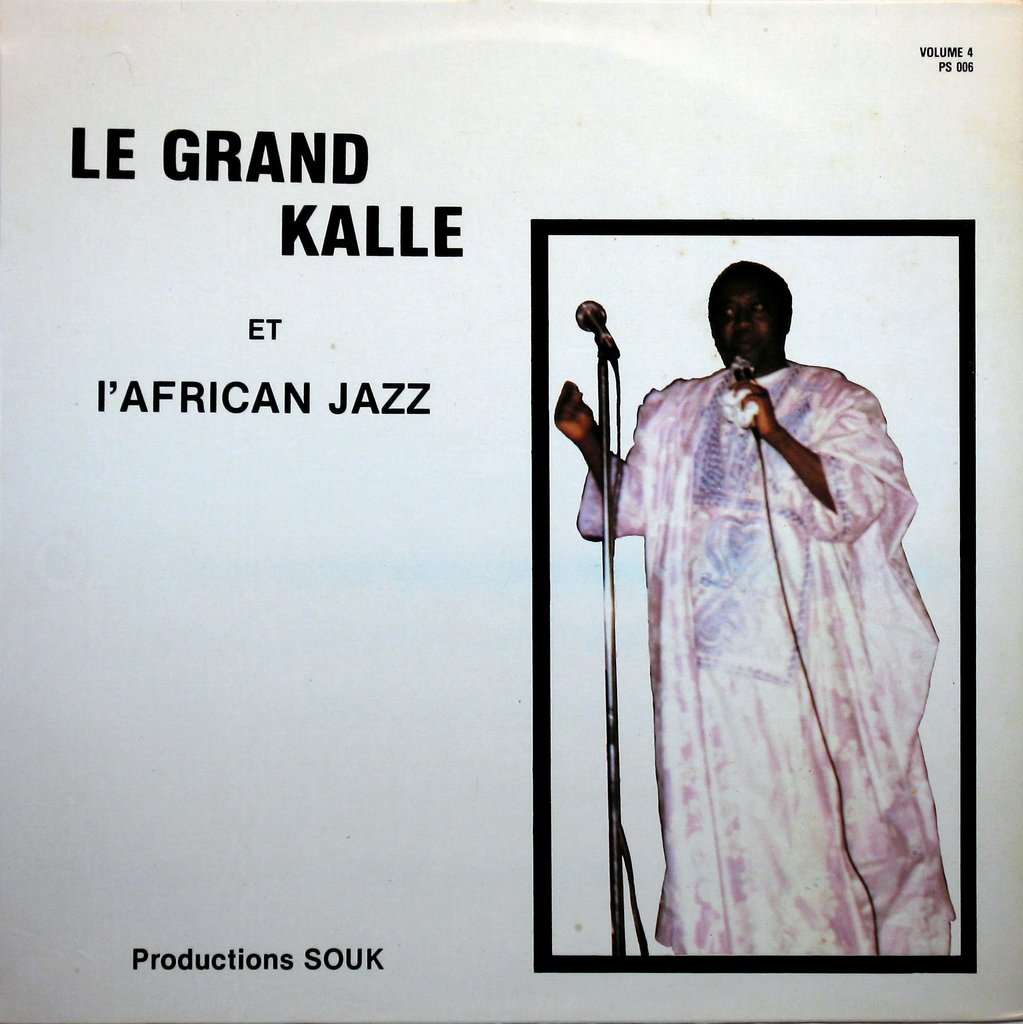
Grand Kallé and African Jazz: Founding Father of Congolese Rumba
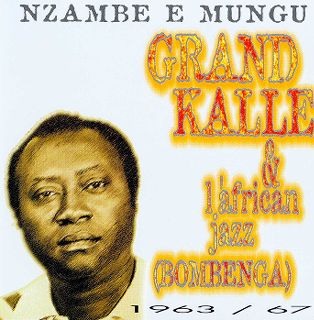
In 1960, amidst the Brussels salons where the future of Belgian Congo was being negotiated, a Congolese orchestra took the stage and made diplomats and representatives of the African cause vibrate. “Indépendance Cha Cha”, a hymn composed the previous day, swept everyone away with enthusiasm1. This musician born in 1930 near Matadi forged a style as early as 1953 that would become the backbone of Congolese urban music.
In Brief
| Full Name | Joseph Athanase Tshamala Kabasele |
| Stage Name | “Grand Kallé” |
| Birth | December 16, 1930, Pala Bala (near Matadi), Belgian Congo |
| Death | February 11, 1983, Paris, France, at age 52 |
| Genre | Congolese Rumba — fusion of Afro-Cuban rhythms, layered guitars, traditional percussion |
| Roles | Singer, composer, orchestra leader, label director |
| Group Founded | African Jazz (1953) |
| Label Created | Surboum African Jazz (1960) |
| Distinctions | Grand Master of Zairian Music, UMUZA, 1980 |
Key Dates
| Year | Event |
|---|---|
| 1930 | Birth in Pala Bala, near Matadi, to a Luba family; family moved to Léopoldville (Kinshasa) one week later |
| 1941 | Sings in parish choirs in Kinshasa, draws attention for his voice |
| 1950 | Joins the Orchestre de Tendance Congolaise (OTC), composes and records his first tracks |
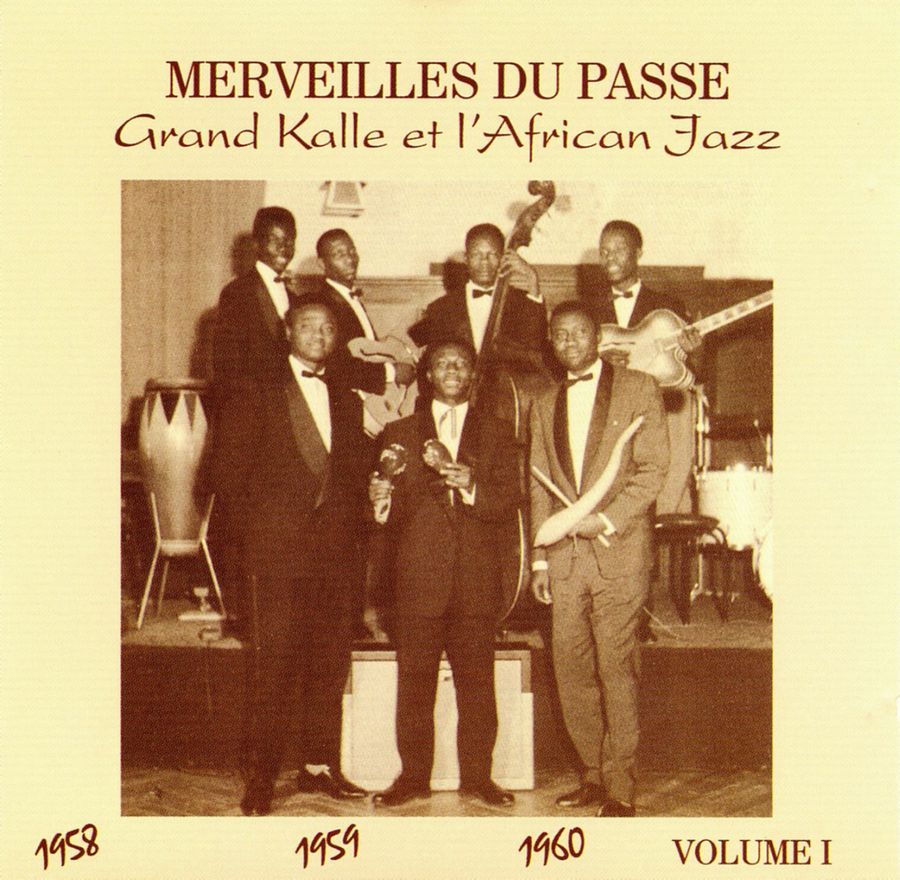
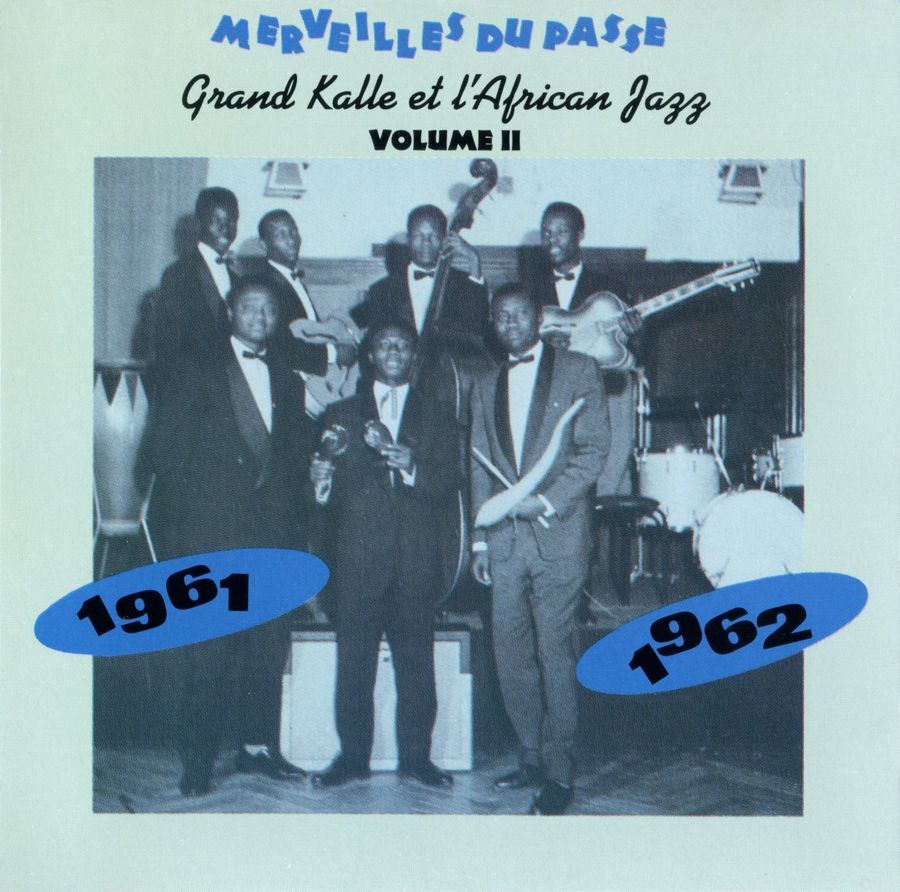
| 1953 | Founding of African Jazz, the first modern and professional group in Belgian Congo |
| 1953-1957 | First success with “Parafifi” and “African Jazz” on the Opika label |
| 1960 | “Indépendance Cha Cha” becomes a pan-African anthem during the Round Table Conference in Brussels |
| 1960 | Creates his own label, Surboum African Jazz, and sends Franco and OK Jazz to record in Brussels |
| 1961 | Triumphant tour of West Africa (Ghana, Nigeria, Côte d’Ivoire, Guinea) |
| 1963 | Split: half the musicians found African Fiesta, taking Tabu Ley Rochereau and Docteur Nico with them |
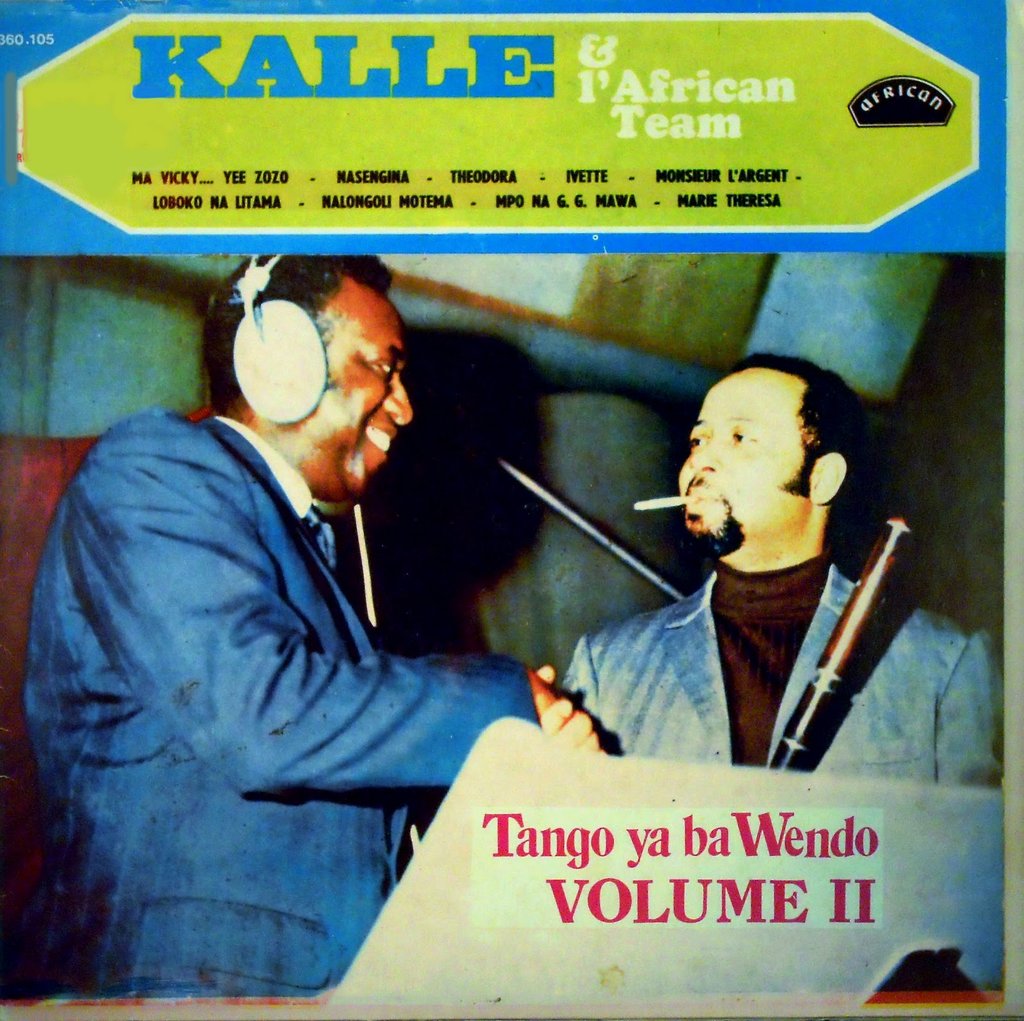
| 1969 | Exiles to Paris, founds African Team with Manu Dibango and Jean-Serge Essous |
| 1980 | Official recognition as Grand Master of Zairian Music by UMUZA |
| 1983 | Dies in Paris; buried at Gombe Cemetery, Kinshasa |
Origins and Birth of an Orchestra
Joseph Kabasele grew up in a Kinshasa in full expansion, a crossroads city where hundreds of ethnic groups from Belgian Congo mingled. Son of a Luba schoolteacher and the niece of a Catholic cardinal, he received careful instruction that set him apart from many of his contemporaries. In the 1940s, his vocation took shape in the choirs of Sainte-Anne church, where his melodious voice already attracted attention. At 19, he left school and launched into professional music, joining Georges Doula’s OTC, an orchestra that still played mazurkas and conventional colonial polkas.
The break came in 1953 when Kabasele founded African Jazz with the ambition of creating a truly Congolese sound. He shunned imported dances and plunged into rumba, samba, and cha-cha-cha — these Afro-Cuban rhythms that were already crossing the Atlantic toward Africa. His genius was to weave traditional instruments into this Latin fabric: the tetela tam-tam, the ngongi (single-bar Luba xylophone), and above all the lokole, a slit drum that no one had yet integrated into a modern orchestra. The name jazz itself has nothing to do with an American musical style. In Belgian Congo, it designated an idea: being a jazzeur meant shining through elegance and liveliness.
The guitarist partners who surrounded him in these early years — Tino Baroza, Charles “Déchaud” Mwamba, and a young Nico Kasanda who was only fourteen — were the craftsmen of this new polyphonic and virtuosic Congolese guitar2.
Triumph and Independence Hymn
In 1960, African Jazz was the most prominent orchestra in Congo. Kabasele kept recording, producing hundreds of 78s each year, and filling the dance halls of Léopoldville. It was also the year of independence: the Round Table Conference brought Brussels and Congo together, and Kabasele received from Thomas Kanza the mission to mount an occasion orchestra. With the best musicians of the time, he composed “Indépendance Cha Cha”, a piece in Lingala and Kikongo that saluted national independence. The title instantly became a pan-African symbol of liberation and unity.
Beyond the hymn, Kabasele was an engaged artist. He composed “Bilombe ba gagné” (“the best have won”), “Lumumba”, “Congo ya sika biso”, all titles bearing the colors of resistance and African dignity. In 1967, at the summit of the Organisation de l’unité africaine in Kinshasa, he offered each head of state present a 45 rpm dedicated to his country, composed on commission.
In 1961, African Jazz went on tour in West Africa, from Guinea to Nigeria. The impact was so powerful that the Guinean group Bembeya Jazz explicitly cited this tour as major inspiration for its own style3. Congolese rumba spread across the continent, from the Atlantic to the Indian Ocean.
Splits and exile
The success model of African Jazz paradoxically produced its own decline: musicians trained by Kabasele aspired to their own glory. In 1963, Docteur Nico and Tabu Ley Rochereau, the two pillars of the group, resigned and founded African Fiesta. The resentments were deep: the artist and musicians exchanged accusations of embezzlement and political espionage. The orchestra was rebuilt in 1966 with a new formation, but never regained its pre-war splendor.
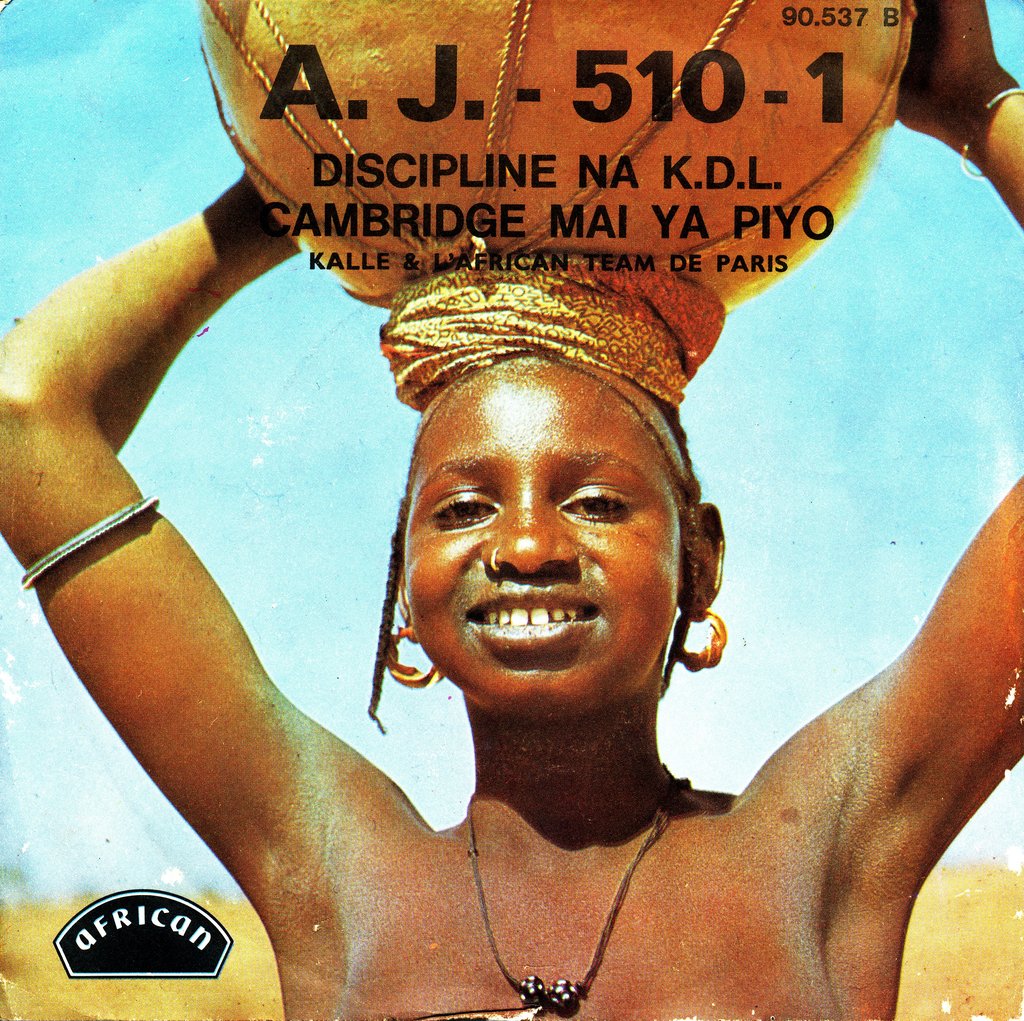
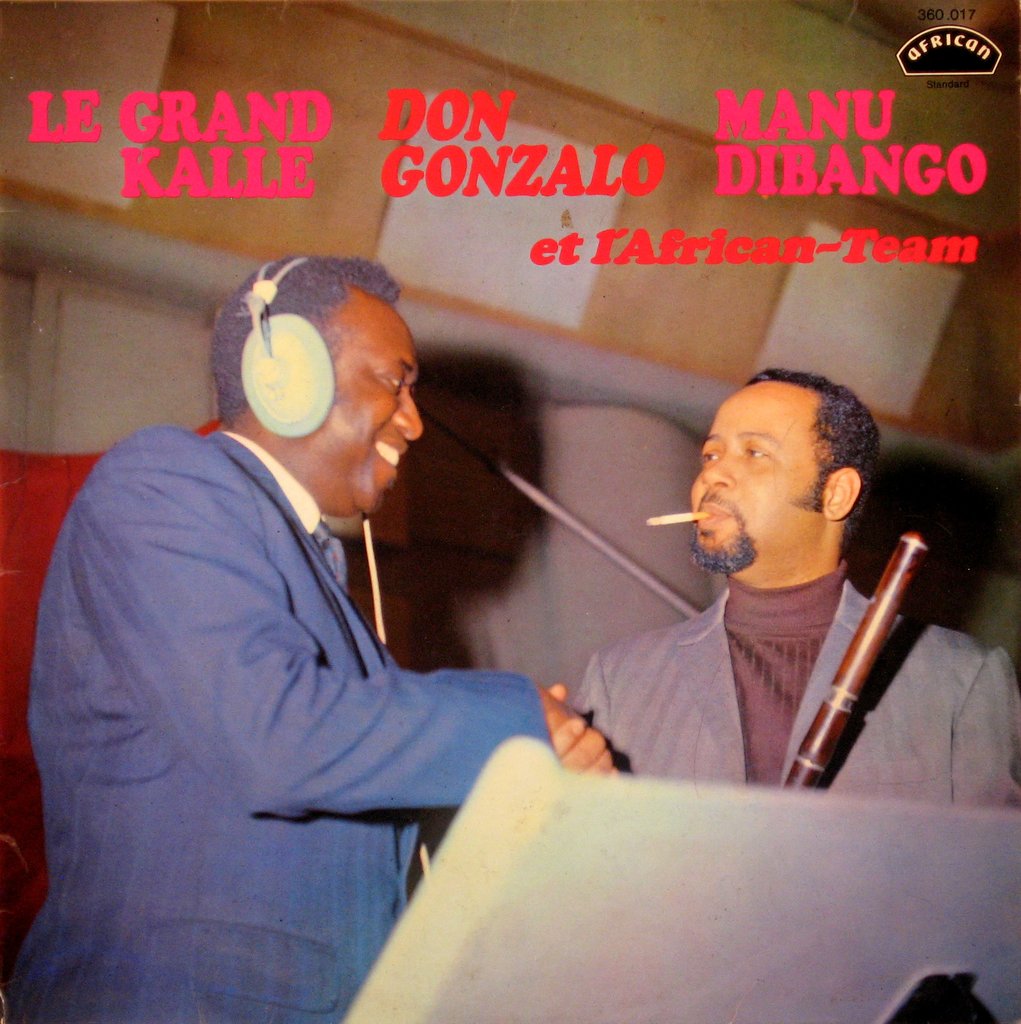
On the institutional level, exile was painful. In 1969, fleeing increased surveillance — he had published a satirical piece against the head of police in Kinshasa — Kabasele settled in Paris. He formed African Team with Manu Dibango, Jean-Serge Essous and the Cuban musician Don Gonzalo, an Afro-Latin fusion orchestra4. The experience was brief: the group disappeared within a few years, and Kabasele, without an orchestra, without fortune, traversed European and African capitals.
He reappeared in Zaire in the 1970s, appearing as a guest at TPOK Jazz and Orchestre G.O. Malebo, but never regained the front of the stage. In 1980, the Union des musiciens (UMUZA) awarded him the title of grand master, but his health declined: he died in February 1983 in Paris at the age of 52, and rests in Gombe5.
Major works
| Work | Year | Why it’s essential |
|---|---|---|
| “Parafifi” | 1953 | First success of African Jazz, magnificent guitar by Nico Kasanda |
| “Indépendance Cha Cha” | 1960 | Pan-African hymn of decolonization, created at the Brussels conference |
| “Bilombe ba gagné” | ~1960 | Political message, song of resistance |
| “African Jazz Mokili Mobimba” | 1960 | Tribute to the group around the world |
| “Okuka Lokole” | 1960 | Tribute to Louis Armstrong, who came to Zaire |
Legacy
The legacy of Grand Kallé shaped entire generations of Congolese musicians. Tabu Ley Rochereau, Docteur Nico, Sam Mangwana, Simaro Lutumba, all began at African Jazz before each becoming, in turn, patriarchs of rumba. His guitar invention, that density of interlaced lines that would make the signature of soukous, remains the learning foundation for every Congolese guitarist.
Where his influence is most concrete, it is in the industry: Surboum African Jazz, a label created in 1960, is one of the first record houses managed by an African musician3. More than half a century after his death, Congolese rumba, a genre inscribed on the UNESCO intangible heritage list in 2021, owes its global recognition to Kabasele.
Did you know?
Did you know? The term jazz has nothing to do with American jazz. In Belgian Congo, it referred to sartorial elegance and the talent for animating a party: being a jazzeur meant illuminating an evening.
Sources and references
-
Joseph Athanase Tshamala Kabasele, Wikipedia (EN), « Le Grand Kallé », 2026, accessed October 26, 2026. https://en.wikipedia.org/wiki/Grand_Kalle ↩︎
-
UNESCO, « Congolese rumba », Reference No. 01711, inscription 2021, accessed October 26, 2026. https://ich.unesco.org/en/RL/congolese-rumba-01711 ↩︎
-
AllMusic, « Le Grande Kalle — Biography », accessed October 26, 2026. https://allmusic.com/artist/le-grande-kalle-mn0001009027 ↩︎ ↩︎
-
RFI Musique, « Successes, betrayals and creation in rumba », August 16, 2013, accessed October 26, 2026. https://musique.rfi.fr/actu-musique/musique-africaine/20130816-orchestres-congolais-rumba.html ↩︎
-
Stern’s Guide to Contemporary African Music, Vol. 2, Zwan Publications, 1988, p. 147. ↩︎