Biography
Djeli Moussa Diawara: the kora that crosses oceans
Abidjan, 1982. A twenty-year-old man places his kora on his knees and in a few hours, records an album that will become a classic of African music. Djeli Moussa Diawara, also known as Jali Musa Jawara, launches at the same time a journey that will carry the sound of his kora all the way to California, Hawaii and into the heart of the world music avant-garde.
In brief
| Full name | Djeli Moussa Diawara (also spelled Jali Musa Jawara) |
| Birth | February 1962, Kankan, Guinea |
| Fields | African music, Mandingue, jazz, flamenco, blues |
| Instruments | Kora, guitar, balafon |
| Emblematic works | Yasimika (1983), Soubindoor (1988), Flamenkora (1998), Ocean Blues (2000) |
| Distinctions | A− grade from Robert Christgau for Yasimika |
Key dates
| Year | Event |
|---|---|
| 1962 | Birth in Kankan, Guinea, within a family of griots |
| 1980 | Moves to Abidjan with his half-brother Mory Kanté |
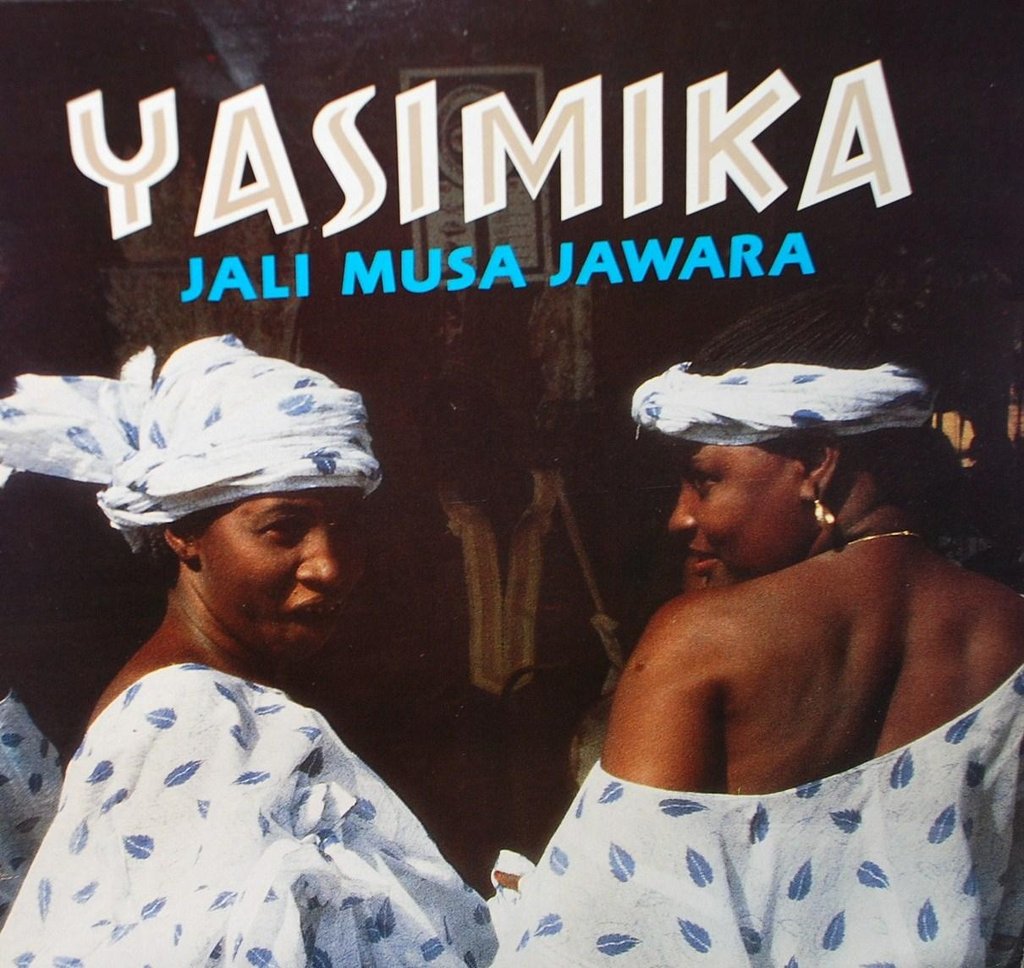
| 1982 | Recording of Yasimika in Abidjan, at age 20 |
| 1986 | Reissue in England under the name Jali Musa Jawara, label Oval |
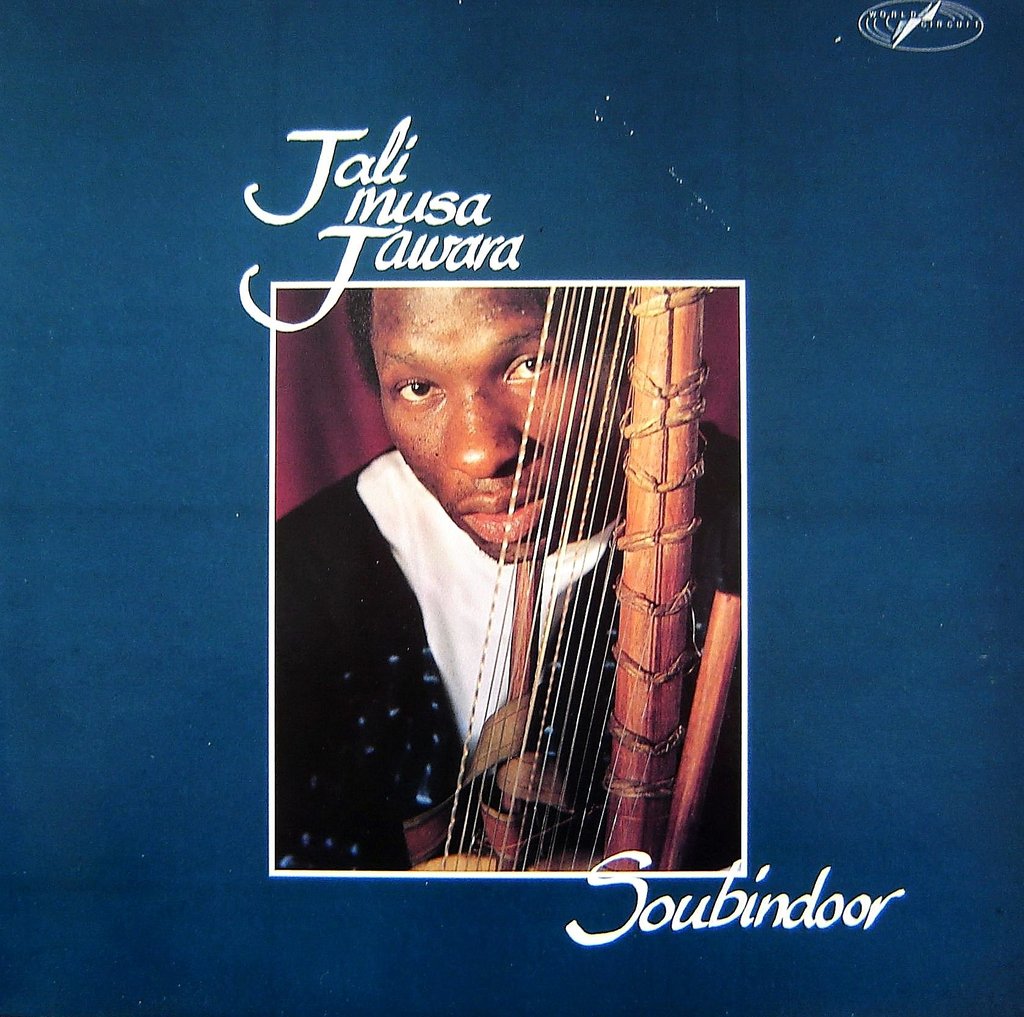
| 1988 | Album Soubindoor, with Mango / World Circuit |
| 1998 | Release of Flamenkora, Mandingue-flamenco fusion |
| 2000 | Recording of Ocean Blues with Bob Brozman in California |
| 2003–2008 | Creation of the Kora Jazz Trio and three albums (Parts I, II, III) |
Origins and first steps
Djeli Moussa Diawara was born in February 1962 in Kankan, a historic city in northern Guinea, within a lineage of griots (these guardians of oral memory in West Africa). His father plays the balafon (a type of African xylophone with deep resonance) and his mother sings. His half-brother, from the same mother, is Mory Kanté, future international star of the Rail Band from Bamako.
The child learns balafon, kora and guitar. At eighteen, he follows Mory Kanté to Abidjan, where the latter leads the Rail Band. Djeli Moussa plays in restaurants there and develops his signature: a strained voice, between mist and twilight, and virtuosity on an instrument he soon transforms. Aware of the limits of the traditional kora, he has one modified at his request, with thirty-two strings, keys and additional strings, thus expanding its chromatic palette.
Revelation and European conquest
In 1982, Djeli Moussa records Yasimika in Abidjan. The album first appears as vinyl on the A.S. Records label, before being taken up in Europe by Tangent, Oval and finally Hannibal in the United States. The critics take it seriously: Robert Christgau awards it an A− grade, and rock historian Charlie Gillett describes the track “Haidara” as a timeless masterpiece, a piece that will end up on numerous compilations.
Under the Anglicized name Jali Musa Jawara — suggested by specialist Lucy Duran — he establishes himself on the British and American scenes. Soubindoor (1988, Mango/World Circuit) continues on the same path, with a more assertive singing and weaving of balafon, two guitars and female backing vocals that seduce the world music public. He shares billboards with Ali Farka Touré in London, invited by Anne Hunt from World Circuit.
Towards innovation
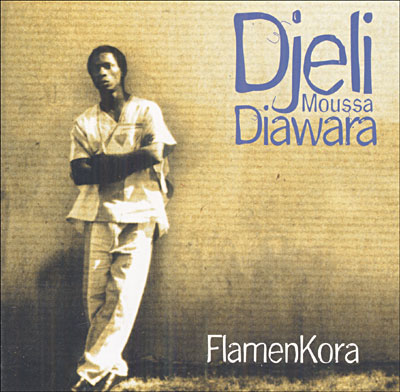
The 1990s see Djeli Moussa settle in Paris and explore new territories. Flamenkora (1998, Celluloid) marries his Mandingue heritage to flamenco, bossa nova and Cuban sound, in a dark, reflective music far from dancing rhythms. Cimadan (1992) and Sobindo (1996) explore other currents.
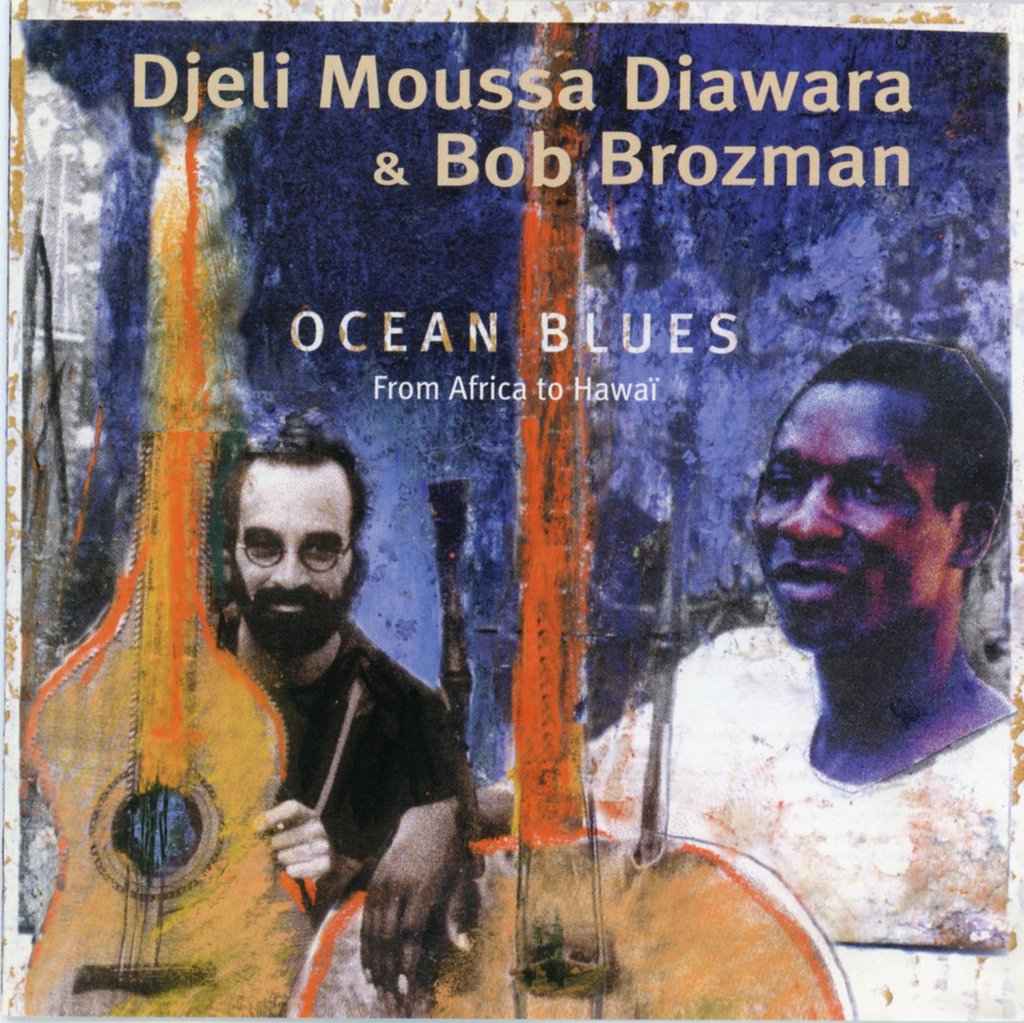
In 2000, a decisive encounter: he records Ocean Blues – from Africa to Hawaï with American guitarist Bob Brozman, in a single day at Santa Cruz, California. RFI Music praises “a fertile, fascinating, playful dialogue” between the kora and dobro and Hawaiian guitars. The Miami New Times writes: “one merger of West African and Hawaiian styles will never be indicted, thanks to the good humor and beautiful textures”.
He then founds the Kora Jazz Trio with Abdoulaye Diabaté (piano, Senegal) and Moussa Cissoko (drums), recording three albums between 2003 and 2008. He also collaborates with Ali Farka Touré, Carlos Santana, Manu Dibango, Stephan Eicher and Cheick Tidiane Seck. He leaves the Kora Jazz Trio in 2010, after a career that has crossed continents and styles.
Major works
| Work | Year | Why it is essential |
|---|---|---|
| Yasimika | 1983 | Foundational album acclaimed by critics, classified as a masterpiece of African music |
| Soubindoor | 1988 | Confirmation with an identical sound but even more moving singing |
| Flamenkora | 1998 | Bold Mandingue-flamenco-bossa fusion, meditative listening music |
| Ocean Blues | 2000 | Unexpected dialogue between Guinean kora and Hawaiian guitar |
Legacy
Djeli Moussa Diawara has proven that the kora can travel without betraying its roots. His reworked instrument — from twenty-one to thirty-two strings — has become a model of adaptation, and his eclectic approach, from traditional Mandingue through flamenco to jazz, inspires new generations of African musicians. His intercontinental collaborations, from Carlos Santana to Bob Brozman, remind us that African music is part of a planetary dialogue that never stops expanding.
Sources and references
- “Djeli Moussa Diawara”, Wikipedia, https://en.wikipedia.org/wiki/Djeli_Moussa_Diawara, accessed October 22, 2026.
- “Djeli Moussa Diawara”, Discogs, https://www.discogs.com/artist/401411-Djeli-Moussa-Diawara, accessed October 22, 2026.
- “Yasimika”, Wikipedia, https://en.wikipedia.org/wiki/Yasimika, accessed October 22, 2026.
- “Jali Musa Jawara”, Robert Christgau Consumer Guide, https://www.robertchristgau.com/get_artist.php?name=Jali%20Musa%20Jawara, accessed October 22, 2026.
- “Ocean Blues”, AllMusic, https://www.allmusic.com/album/ocean-blues-mw0001149048, accessed October 22, 2026.
- “Djeli Moussa Diawara and Bob Brozman”, Miami New Times, https://www.miaminewtimes.com/music/djeli-moussa-diawara-and-bob-brozman-6354849/, accessed October 22, 2026.
- “Djeli Moussa Diawara”, RFI Musique, https://musique.rfi.fr/musique/20000518-djeli-moussa-diawara.html, accessed October 22, 2026.
- “Djeli Moussa Diawara”, AllMusic, https://www.allmusic.com/artist/djeli-moussa-diawara-mn0000792912, accessed October 22, 2026.