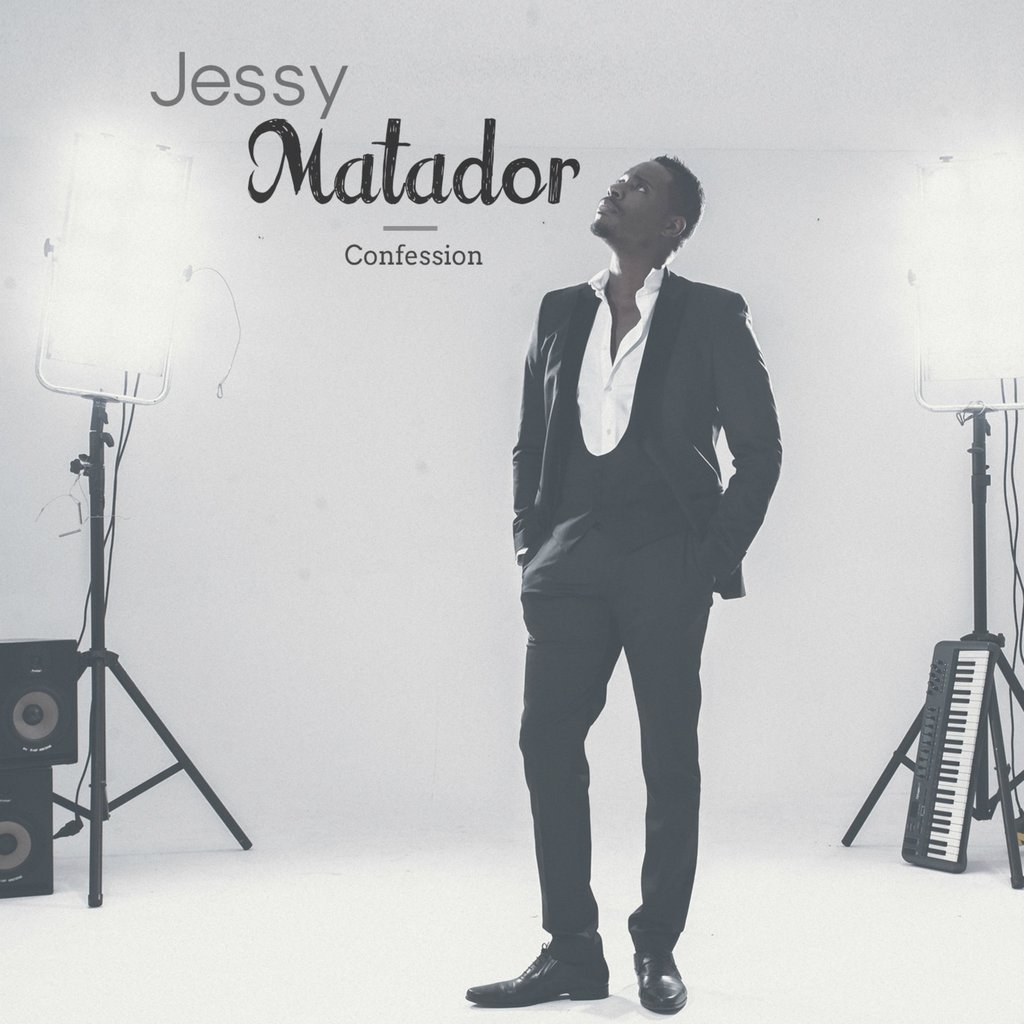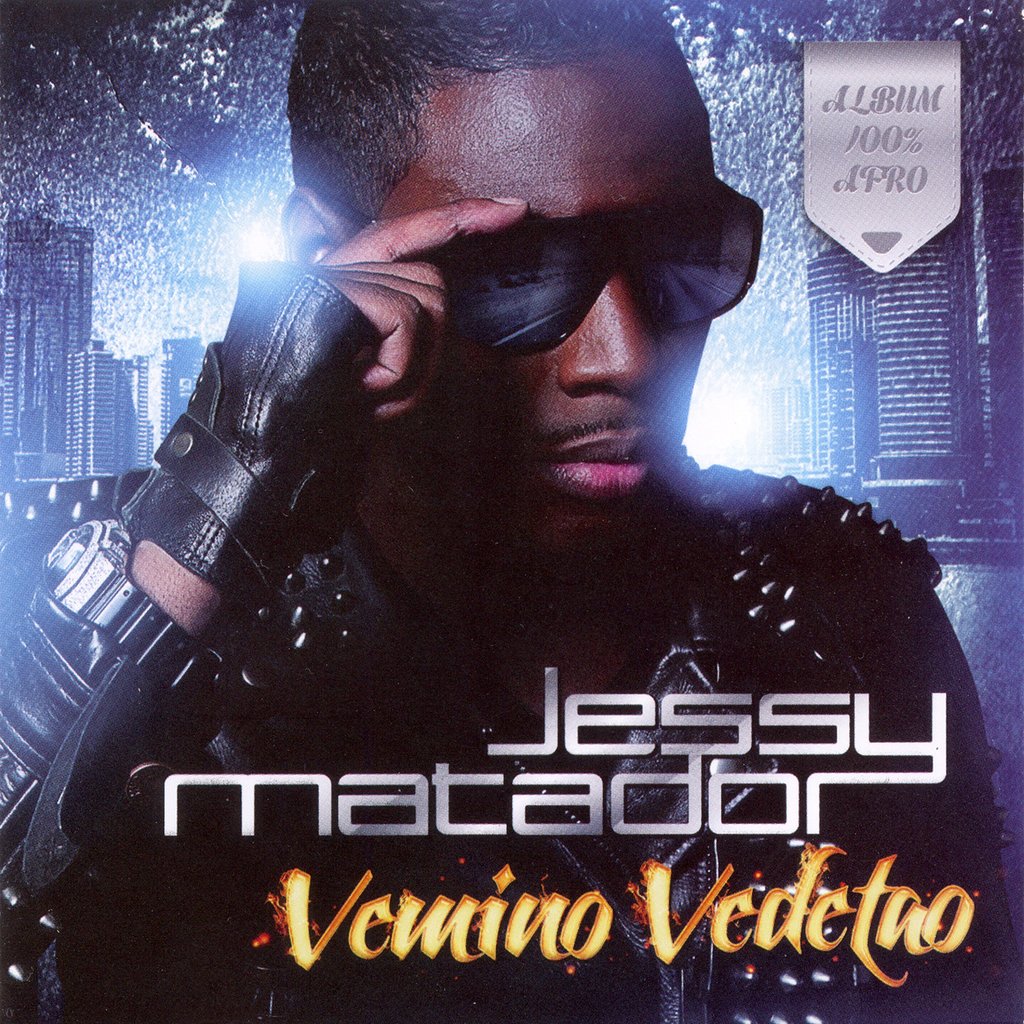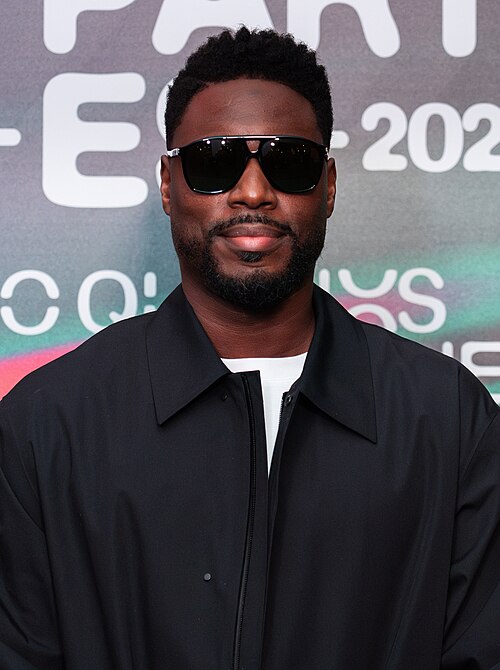
Biography
Jessy Matador: the sound of the year gets France dancing
On May 29, 2010, at the Grand Théâtre in Oslo, a French artist performed such vigorous choreography that journalists nicknamed him “the Matador of dance.” Jessy Kimbangi, known as Jessy Matador, recently represented France at the Eurovision Song Contest with Allez Ola Olé, a title that became the unofficial anthem of the 2010 FIFA World Cup. But before facing European audiences, this Parisian of Congolese origin had already forged a unique musical identity at the crossroads of styles.
In brief
| Full name | Jessy Kimbangi |
| Stage name | Jessy Matador |
| Birth | October 27, 1983, Paris 13th arrondissement, France |
| Origin | Parents from the Democratic Republic of Congo |
| Field | Singer, dancer |
| Genres | zouk, dancehall, reggae, hip hop, ndombolo, coupé-décalé, kuduro |
| Notable works | Afrikan New Style, Allez Ola Olé, Décalé Gwada |
| Awards | 12th place Eurovision 2010, gold record |
Key dates
| Year | Event |
|---|---|
| 1983 | Born in Paris to Congolese parents |
| 2001 | Started as a professional dancer with Cœurs Brisés |
| 2005 | Founded the group La Sélésao |
| 2008 | Afrikan New Style and summer hit Décalé Gwada |
| 2010 | France at Eurovision with Allez Ola Olé (12th place) |
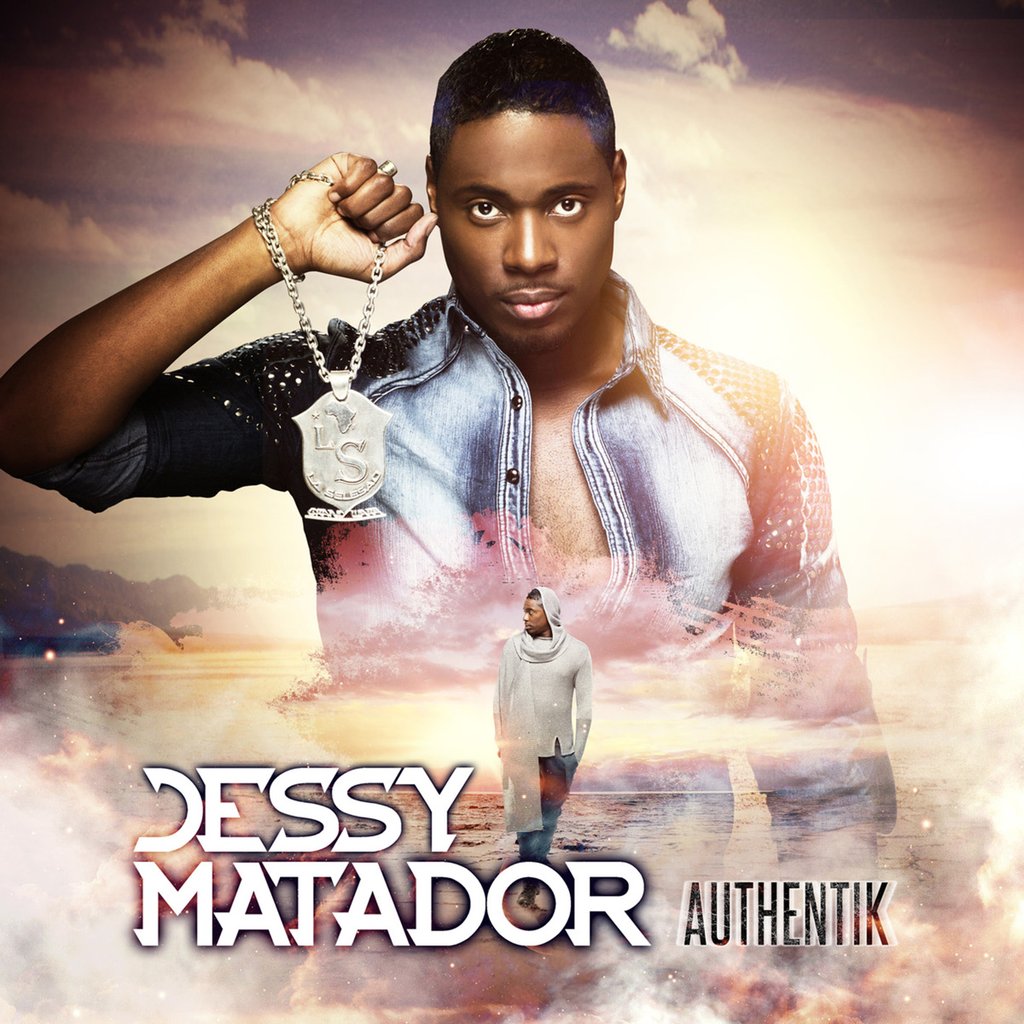
| 2013 | Album Authentik |
| 2016 | Theatre debut in Driss Homet’s La Fuite |
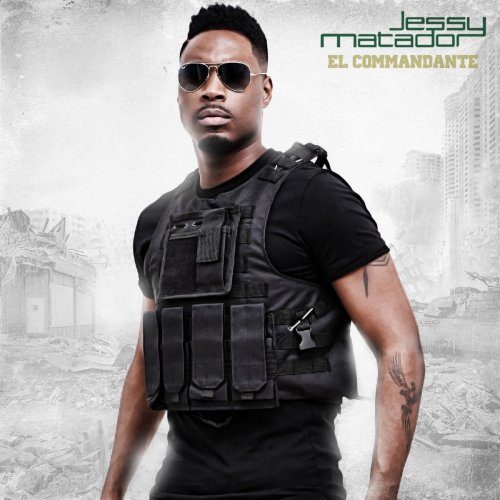
| 2019 | Album El Commandante |
From dance to new-style Afro sound
Jessy Kimbangi grew up in the Parisian suburbs, in Gennevilliers, Vanves, and Saint-Denis, rocked by the sounds of Congolese rumba. At sixteen, he became a professional dancer and joined Cœurs Brisés, Dany Engobo’s group, touring the United States, the DRC, the United Kingdom, and Canada. This stage experience forged his vocation. “I am a dancer and I had said to myself that I would love to release music to make myself known” — an ambition he realized in 2005 by founding the group La Sélésao with Benkoff, Dr. Love, and Linho. The collective became one of the pioneers of coupé-décalé — a style born in Côte d’Ivoire that blends dance, zouglou, and afropop — and signed with Wagram Music.
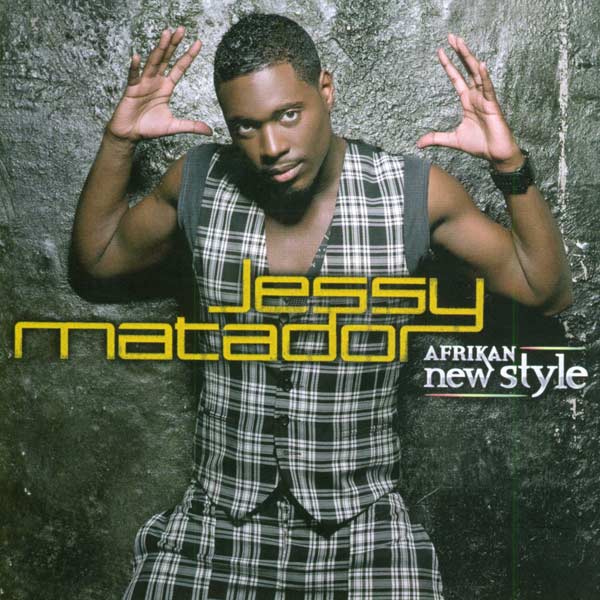
The first single, Décalé Gwada, exploded in June 2008 and became one of the most played tracks on radio that summer. The following album, Afrikan New Style, assembled urban sounds and traditional African music. Two years later, France Télévisions selected Jessy Matador to represent France in Oslo. The choice caused controversy in the press, but the artist remained firm: “I never doubted for a moment. I worked very hard to live through an event like this.” On May 29, 2010, Allez Ola Olé was performed on stage and became the summer hit of France Télévisions as well as the promotional anthem for the 2010 World Cup. France finished 12th with 82 points, one of the best French results of the 2000s. “Eurovision is for me the best memory and event of my career. It literally changed my life,” he would confess ten years later.
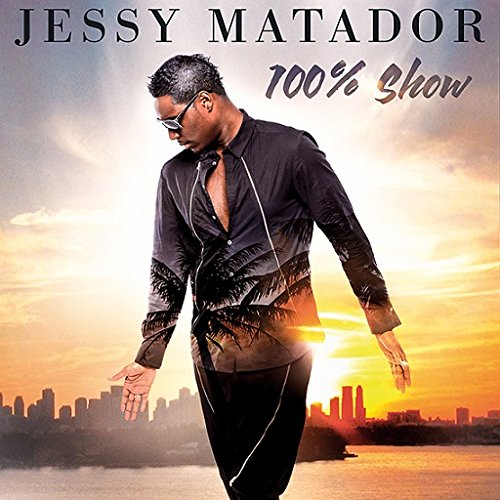
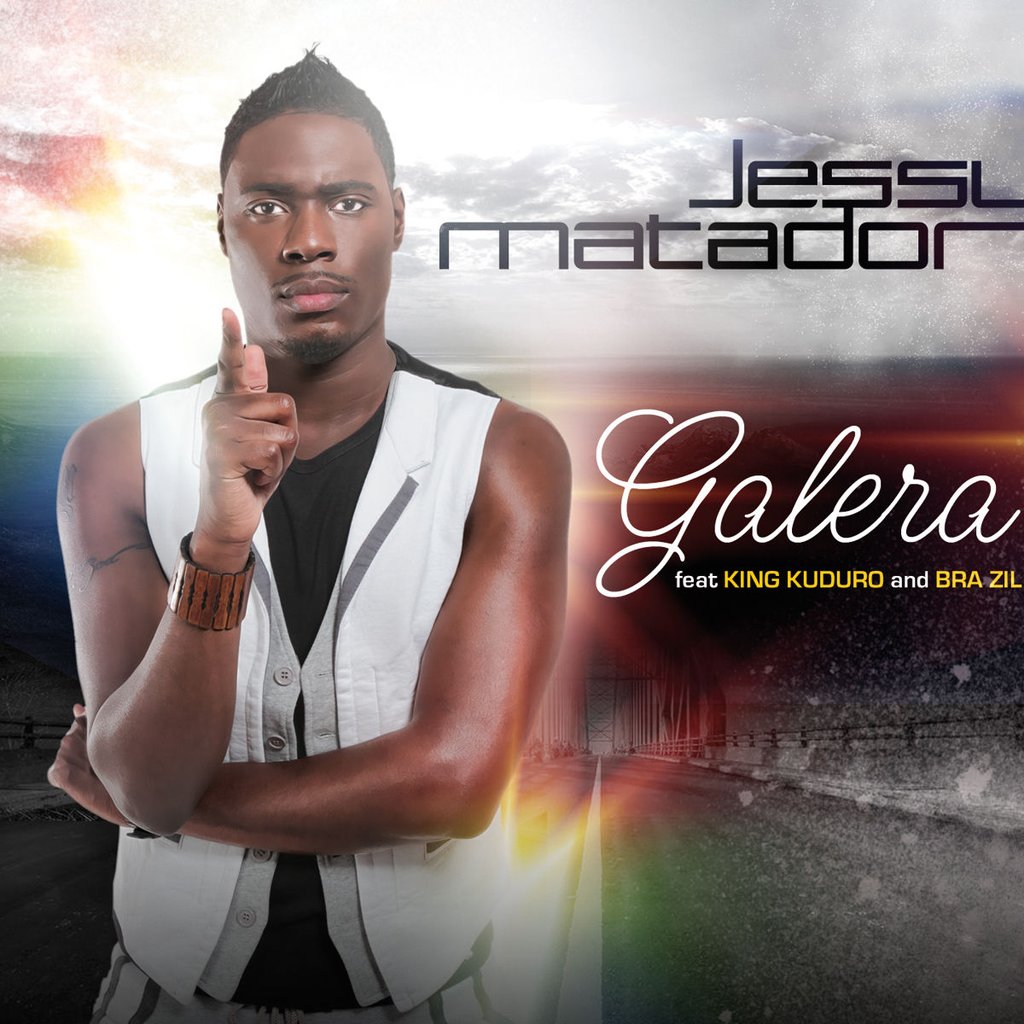
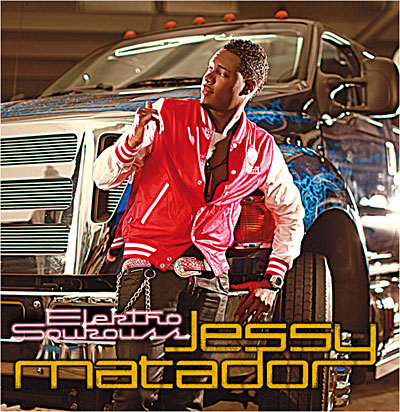
After the Eurovision success, Jessy kept up the momentum: Elektro Soukouss, features with Daddy Killa, King Kuduro, and DJ Mam’s, a tour with Mata Girlz. He released Authentik (2013), the best-of 100 % Show (2014), El Commandante (2019), and turned to theatre and comedy. “I live without pressure, I am not someone who focuses on numbers. Everything that comes now is a bonus”: the motto of an artist who remained true to himself.
Major works
| Work | Year | Why it is essential |
|---|---|---|
| Afrikan New Style | 2008 | First album that forged his hybrid Afro-Caribbean style |
| Décalé Gwada | 2008 | Summer hit that launched him to the French public |
| Allez Ola Olé | 2010 | Eurovision and World Cup anthem, certified gold record |
| Elektro Soukouss | 2010 | Confirmation of new-style Afro sounds |
Legacy and influence
Jessy Matador paved the way for a generation of Franco-African artists who no longer have to choose between their cultural identity and modern urban sounds. “Every musical exchange is important, you must step out of your comfort zone”: a motto that well summarizes an artist who remained true to himself, from coupé-décalé to covers and theatre.
Sources and references
- “Jessy Matador”, Wikipedia, https://fr.wikipedia.org/wiki/Jessy_Matador, accessed October 20, 2026.
- “Jessy Matador”, Wikipedia (EN), https://en.wikipedia.org/wiki/Jessy_Matador, accessed October 20, 2026.
- “Jessy Matador — Biography”, Chérie FM, https://www.cheriefm.fr/artistes/jessy-matador/biographie, accessed October 20, 2026.
- “Jessy Matador: the 100% Show interview!”, Aficia, January 13, 2015, https://www.aficia.info/interview/jessy-matador-linterview-100-show/25761, accessed October 20, 2026.
- “Ten years of exclusive interviews: Jessy Matador”, Eurovision au Quotidien, June 2020, https://eurovision-quotidien.com/dix-ans-dinterviews-inedites-jessy-matador/, accessed October 20, 2026.
- “Jessy Matador - France | Oslo 2010”, Eurovision Song Contest, https://www.eurovision.com/eurovision-song-contest/oslo-2010/participants/jessy-matador/, accessed October 20, 2026.
- “France at the Eurovision Song Contest 2010”, Wikipedia, https://fr.wikipedia.org/wiki/France_au_Concours_Eurovision_de_la_chanson_2010, accessed October 20, 2026.
- “Jessy Matador”, ESIMBI Magazine, https://www.esimbimagazine.com/jessy-matador, accessed October 20, 2026.
- “Meeting Jessy Matador”, La Parisienne Life, August 2, 2020, https://www.laparisiennelife.com/2020/08/rencontre-avec-jessy-matador-a-l-occasion-de-la-sortie-de-sa-reprise-d-oh-mon-bateau.html, accessed October 20, 2026.