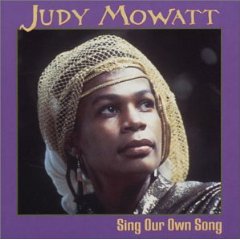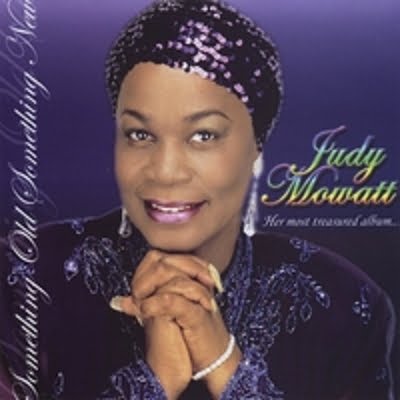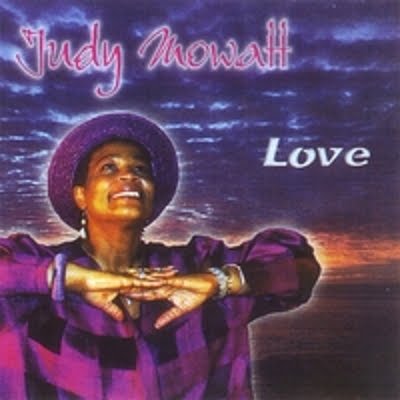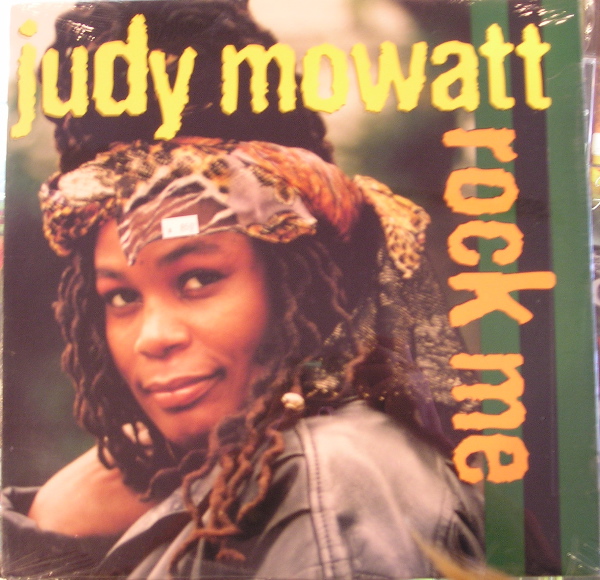
Biography
Judy Mowatt
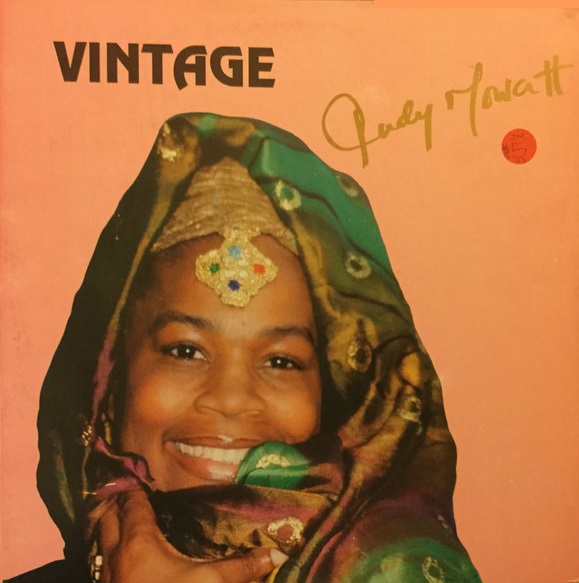
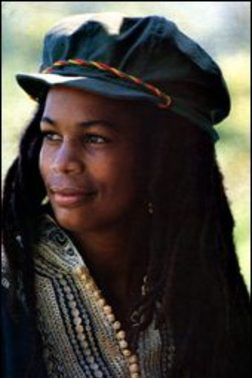
In the spring of 1975, Judy Mowatt and two other women took the stage during a Jackson Five concert in Kingston. The audience discovered three voices whose gossamer harmony filled the hall: a turning point for reggae, a genre then exclusively male. Judy Mowatt became the first woman to perform as a producer on her own album, and one of the most powerful figures in this story.
In Brief
| Full Name | Judith Veronica Mowatt |
| Birth | December 23, 1952, Gordon Town, parish of Saint Andrew, Jamaica |
| Genre | Reggae, roots reggae, gospel |
| Signature Works | Black Woman, Working Wonders |
| Awards | Grammy Award Nominee (1987), Order of Distinction Jamaica (1999) |
| Signature Group | Les I Threes, backing vocalists for Bob Marley & The Wailers (1974-1981) |
Key Dates
| Year | Event |
|---|---|
| 1952 | Born in Gordon Town, parish of Saint Andrew |
| 1965 | Joined the Estrelita dance troupe, Caribbean tour |
| 1967 | Co-founded the Gaylettes with Beryl Lawson and Merle Clemonson |
| 1968 | Local hit with “Silent River” |
| 1974 | Joined Bob Marley, forming the I Threes with Rita and Marcia |
| 1975 | First I Threes concert as opening act for the Jackson Five; Mellow Mood |
| 1979 | Produced Black Woman, first reggae album by a female producer |
| 1985/1987 | Working Wonders and first Grammy nomination for a female reggae artist |
| 1999 | Officer of the Order of Distinction by the Jamaican government |
From Dance to Sacred Call
Judith Veronica Mowatt was born in 1952 near Kingston. Her first dream: nurse. Singing took over. At 13, she joined the Estrelita troupe and toured the Caribbean. In 1967, a chance meeting with Beryl Lawson and Merle Clemonson led her to form the Gaylettes, a vocal trio inspired by the Supremes. They reached the local top in 1968 with “Silent River”. In 1970, Beryl and Merle emigrated to the United States; Judy embarked on a solo career under the name Julianne. She broke through in 1974 with “I Shall Sing”, which reached number one in Jamaica. She was initiated into Rastafari spirituality and joined the Twelve Tribes of Israel — a movement more open to women. It was there she met Bob Marley, Dennis Brown and Freddie McGregor.
What propelled her internationally was a chance session at Studio One. Marcia Griffiths, Bob Andy and… Judy. The harmony was immediate; the group was named Les I Threes — “I three” in Rastafari, where the pronoun “I” expresses both individuality and totality. In 1974, the departure of Peter Tosh and Bunny Wailer from The Wailers pushed Bob Marley to seek new voices. Les I Threes laid their harmonies on Natty Dread and appeared as the opening act for the Jackson Five in the spring of 1975. Their reaction confirmed their staying power: they accompanied Marley until 1981. It was Judy who designed the choreography and the red, yellow and green outfits — Rastafari colors. Exodus, Kaya, Uprising: their deep voice loomed over that of the king of reggae. “Being a member of Les I Threes was not a question of glory or money, but a sacred call,” Judy confided to the Jamaica Observer.
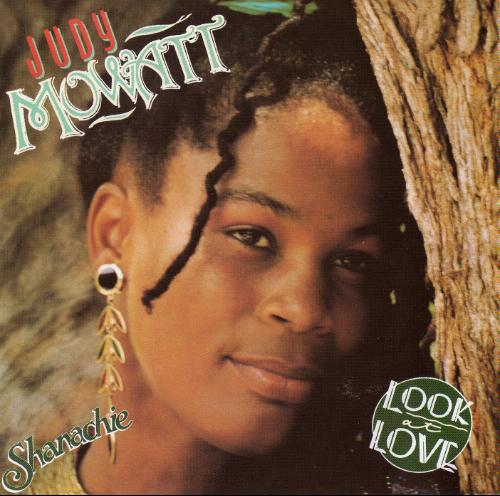
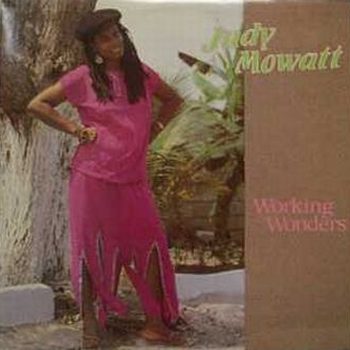
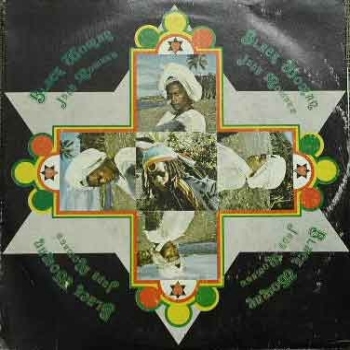
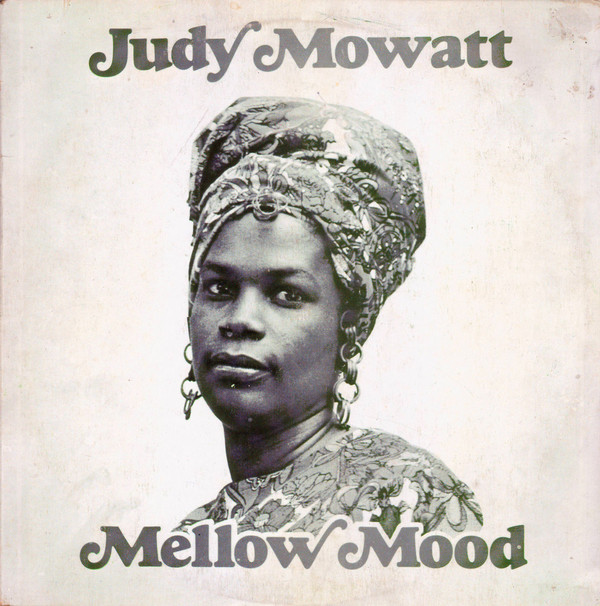
In 1975, she released Mellow Mood on the Tuff Gong label — her first solo album. But it was especially Black Woman, released in 1979 on her own label Ashandan, that established her. Born from reading To Be a Slave by Julius Lester on a Jamaican bus, this album confronted the male reggae world head-on. “All the producers were men, and they preferred to produce men. So I did it myself,” she explained to Point. Produced at Tuff Gong studios with Freddie McGregor, Black Woman was hailed as the greatest reggae album by a woman. The album contains “Joseph”, dedicated to Bob Marley during his lifetime: Judy recognized in it « the spiritual grain that transcended the four corners of the world ». In 1979, she also worked with Serge Gainsbourg on Aux armes, et cætera. “We had never sung in French before!” — she recalls. Working Wonders (1985) earned her the first Grammy nomination for a female reggae artist. “Jamaican radio stations did not play female artists,” she reminds us.
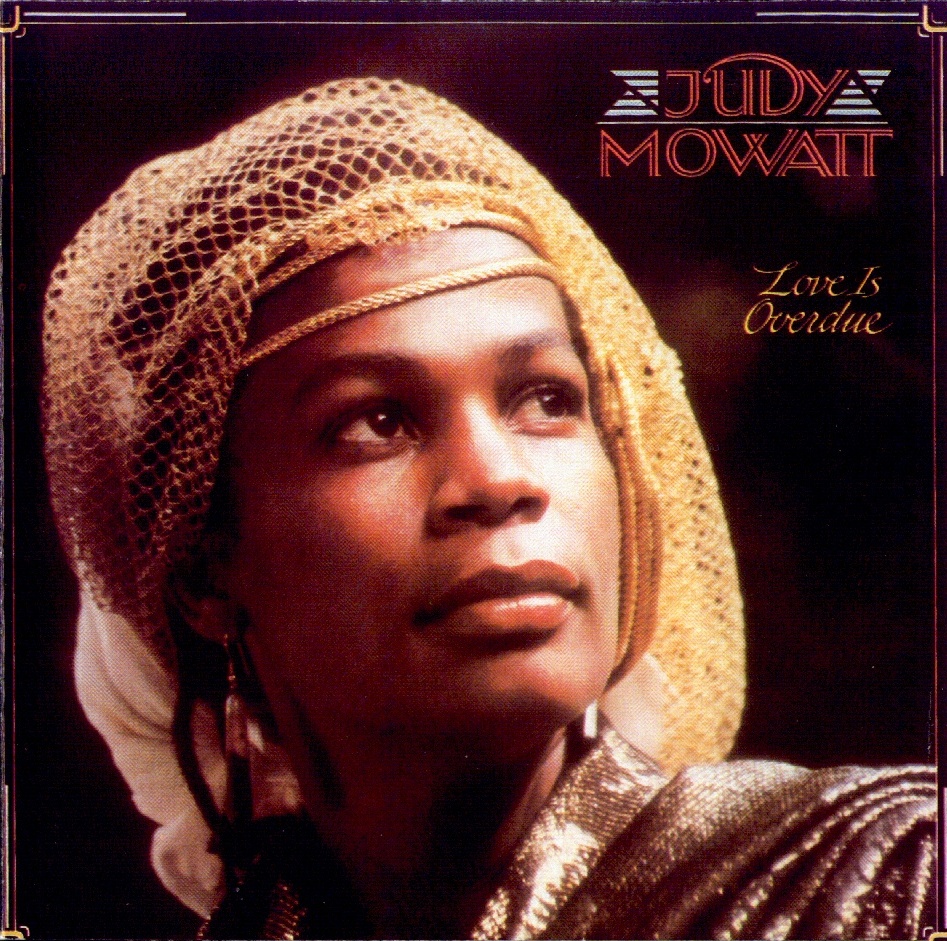
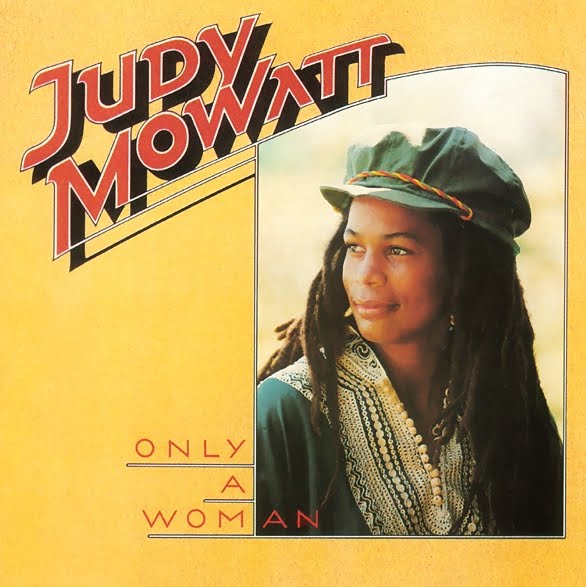
After the death of Bob Marley in May 1981, Judy did not retire. Only a Woman (1982), Love Is Overdue (1987): the next album. In the 1990s, she left Rastafari and converted to Christianity. Aretha Franklin, Otis Redding, Curtis Mayfield — these youthful influences guided her toward gospel. “Aretha Franklin is, and will always remain, my favorite singer”. In 2011, she created Breakfast for Children. “We even build farms and chicken coops on school sites,” she confides. Still in Kingston, the artist continues to perform and directs her foundation.
Major Works
| Work | Year | Why it is essential |
|---|---|---|
| Black Woman | 1979 | First reggae album produced by a woman; feminist masterpiece inspired by To Be a Slave |
| Working Wonders | 1985 | First Grammy nomination (1987) for a female reggae artist |
| Mellow Mood | 1975 | First solo album, between American soul and roots reggae |
Legacy and Influence
Judy Mowatt broke the double barrier of reggae, a male-designed domain, and production in Jamaica. She proved that a woman can write, produce and direct her career. The pioneer paved the way for Sister Nancy, Marcia Griffiths and all the singers who made female reggae an essential current. Breakfast for Children, her humanitarian program, gives her legacy a pragmatic dimension: feed the body before liberating the mind.
Sources and References
- “Judy Mowatt”, Wikipedia, https://en.wikipedia.org/wiki/Judy_Mowatt, accessed November 10, 2026.
- « Judy Mowatt, the woman who changed reggae history », Le Point Pop, https://www.lepoint.fr/pop-culture/judy-mowatt-la-femme-qui-a-change-l-histoire-du-reggae-17-12-2018-2279885_2920.php, accessed 10 November 2026.
- « Memories of an I Three », Jamaica Observer, https://www.jamaicaobserver.com/2021/05/10/memories-of-an-i-three, accessed 10 November 2026.
- « Judy Mowatt », The Reggae Museum, https://thereggaemuseum.com/musician/judy-mowatt, accessed 10 November 2026.
- « Judy Mowatt », Encyclopedia.com, https://www.encyclopedia.com/people/literature-and-arts/music-popular-and-jazz-biographies/judy-mowatt, accessed 10 November 2026.
- « Judy Mowatt », Discogs, https://discogs.com/artist/208025-Judy-Mowatt, accessed 10 November 2026.