Biography
June Lodge, aka J.C. Lodge
In 1980, a young woman of Jamaican origin walked into Joe Gibbs’ studio in Kingston. She hadn’t come to write songs—they asked her to sing one, that of Charley Pride, the American country cowboy who had nothing to do with reggae. Four months later, her version climbed to the top of the Jamaican charts, and two years after that, became the best-selling single in the Netherlands. This young woman is June Lodge, known from then on as J.C. Lodge: a singer who would become one of the first dancehall voices to cross the Atlantic.
In Brief
| Full Name | June Carol Lodge, aka J.C. Lodge |
| Birth | December 1st, 1958, London (England) |
| Genre | Reggae, dancehall, R&B, pop |
| Notable Works | “Someone Loves You Honey”, “Telephone Love”, Tropic of Love |
Key Dates
| Year | Event |
|---|---|
| 1958 | Born in London, to a Jamaican father and an English mother |
| 1970s | Childhood in Jamaica, immersion in reggae and rhythm and blues |
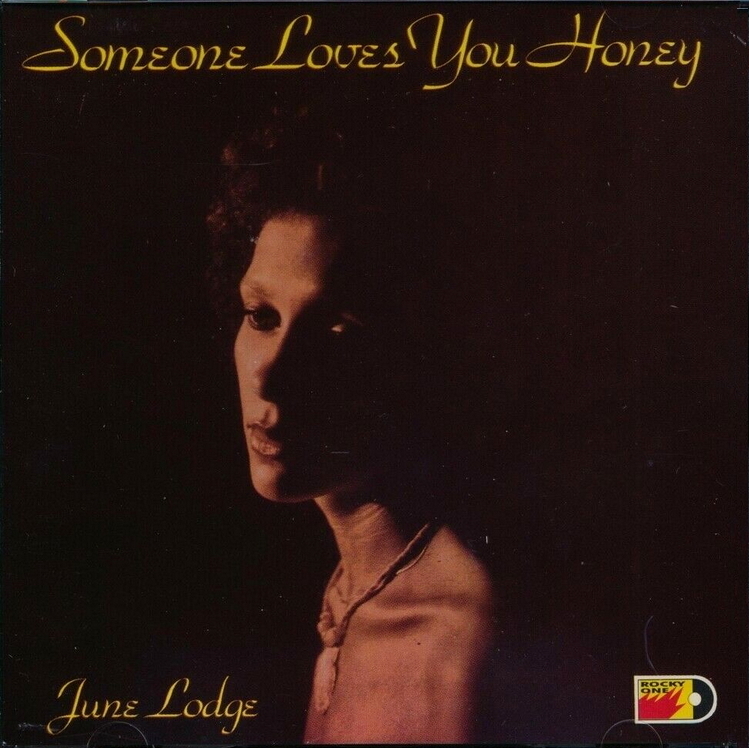
| 1980 | Recording of “Someone Loves You Honey”, first success in Kingston |
| 1982 | Single reaches number one on sales charts in the Netherlands; album Someone Loves You Honey (Ariola/BMG) |
| 1985 | Release of Revealed on RAS Records |
| 1987-1988 | Signing with Gussie Clarke; release of “Telephone Love” |
| 1988-1989 | “Telephone Love” crosses R&B and New York hip-hop charts; contract with Tommy Boy Records |
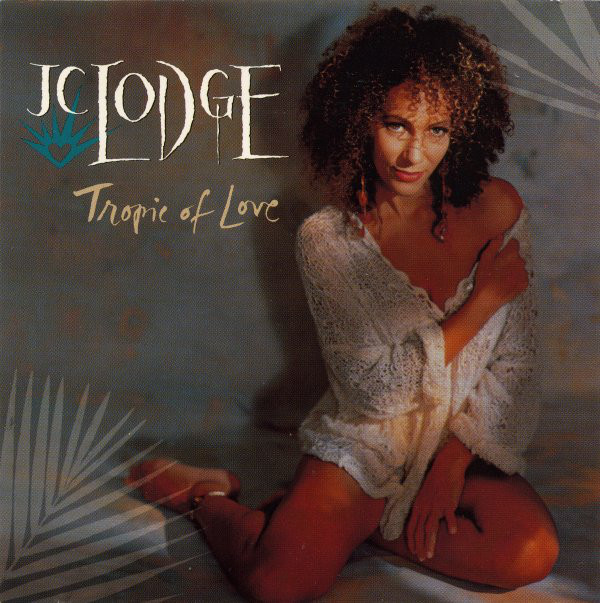
| 1992 | Release of Tropic of Love (Tommy Boy/Warner Bros.) and single “Home Is Where the Hurt Is” (#45 R&B US) |
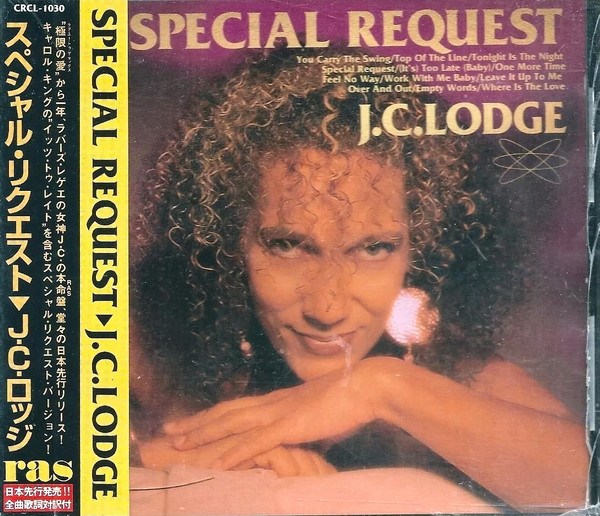
| 1993-1996 | Albums on RAS, collaboration with Mad Professor; tour in Japan |
| 2001-2002 | Return to England; Reggae Country on Jetstar Records |
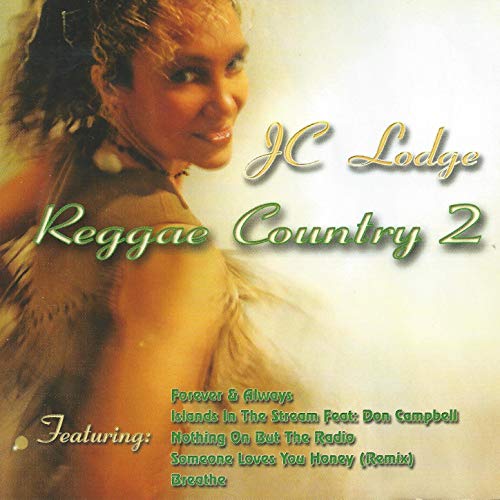
| 2004-2007 | Reggae Country 2, children’s album project, original tracks album Passionfruit |
| 2019-2021 | New single “Over”, return to New York charts; interview with Jamaica Observer |
Origins, Influences, and Early Steps
Born June Carol Lodge on December 1st, 1958, in London, to a Jamaican father and an English mother, she grew up in Jamaica from childhood. Far from the beaten musical paths, it was while listening to the Beatles that she discovered a passion for singing. At school, her classmates pushed her to perform at concerts; she enjoyed it but dreamed more of art or theater.
The meeting with Errol O’Meally, a young emerging songwriter, would disrupt this direction. He used his voice to submit his lyrics to Joe Gibbs, the tutelary figure of Jamaican reggae. The two were welcoming—the songs and singer made a strong impression, and Lodge was invited to record a cover of “Someone Loves You Honey”, a country hit by Charley Pride. She transformed this title into an upbeat reggae track that climbed to the top of the Jamaican charts in 1980. The performance, directed in the studio by guitarist Willie Lindo with Joe Gibbs credited as producer, became two years later the best-selling single in the Netherlands, earning a gold and platinum record. This success convinced June Lodge that music would be much more than a hobby. She then signed under the name J.C. Lodge starting in 1984, keeping her two first names as a mark of authenticity.
International Revelation and Fusion
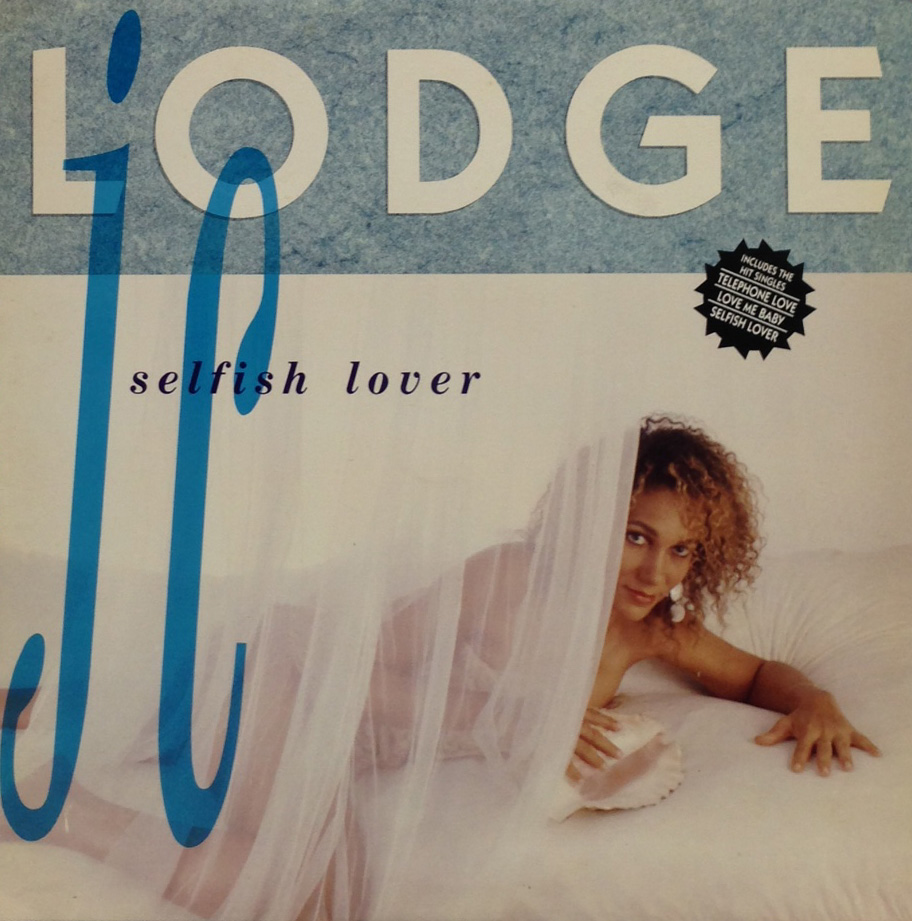
After Someone Loves You Honey, J.C. Lodge followed with the success of a self-titled album in 1982, where deejay Prince Mohamed appears. She released Revealed in 1985 on RAS Records before signing with producer Gussie Clarke, one of the pens of emerging dancehall. The album I Believe in You (1987) and the single “Selfish Lover” positioned her as a major artist of the movement.
But it was really “Telephone Love”, recorded for Gussie Clarke in 1988, that shifted her career into the international arena. The track, based on the famous Rumours rhythm, was the first dancehall song to cross American R&B and hip-hop markets: it dominated New York urban charts, boosted by a bold collaboration with rapper Shabba Ranks. Success in the United States earned J.C. Lodge a contract with label Tommy Boy Records, an independent African-American label then in full expansion. The album Tropic of Love (1992) and its single “Home Is Where the Hurt Is” climbed to 45th place on the R&B chart—her best placement in the territory.
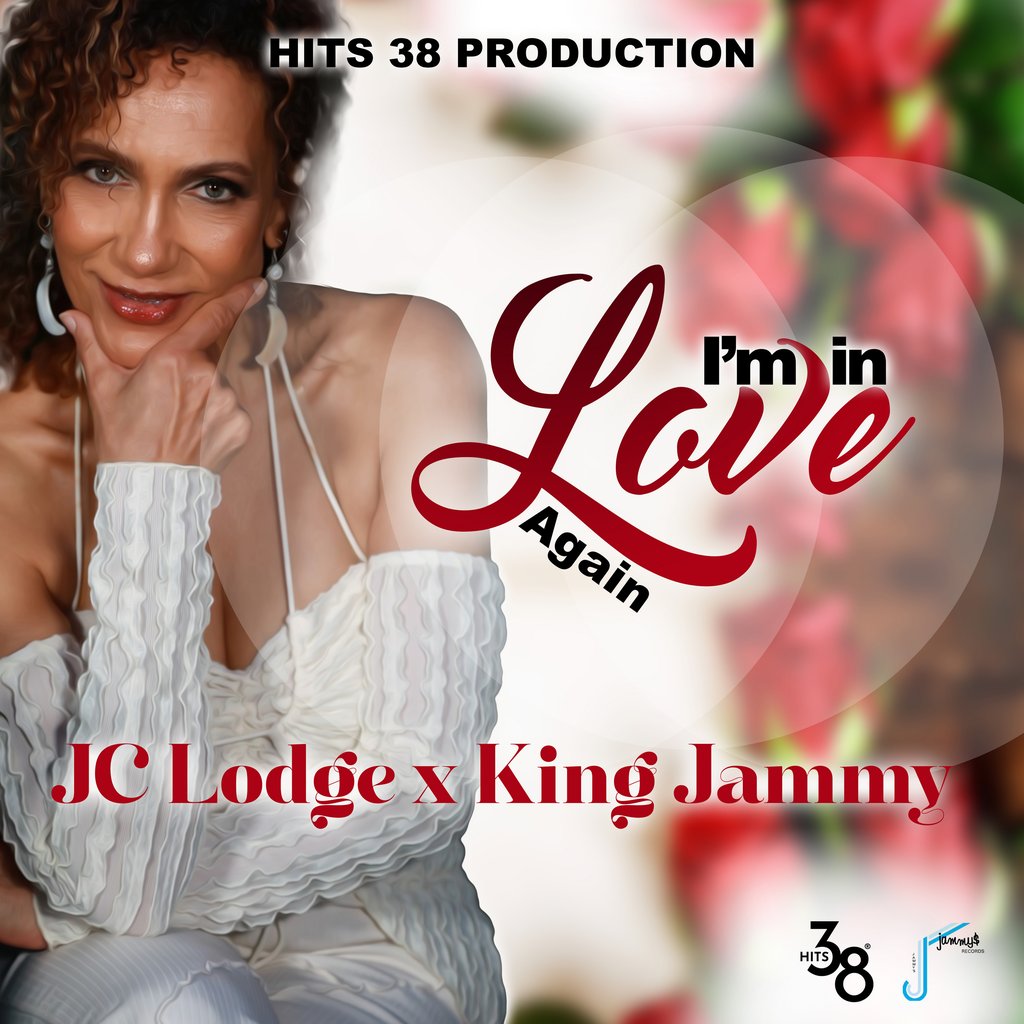
Her discography enriched itself with a unique fusion: traditional reggae, R&B, pop, and even country in the vein of her initial success. The producers accompanying her—Joe Gibbs, Willie Lindo, Gussie Clarke, Errol O’Meally himself and Neil Fraser (aka Mad Professor)—outlined an eclectic sound. She also composed many original tracks, sometimes sung by other Jamaican artists.
Major Works
| Work | Year | Why It’s Essential |
|---|---|---|
| “Someone Loves You Honey” | 1980 | Early steps that made her a star in Jamaica and the Netherlands, thanks to a reggae twist on an American country hit |
| Revealed | 1985 | First post-breakthrough album, confirming her vocal identity between reggae and pop |
| “Telephone Love” (feat. Shabba Ranks) | 1988 | First dancehall track to conquer the American R&B market; her signature song |
| Tropic of Love | 1992 | Full album signed with Tommy Boy; single “Home Is Where the Hurt Is” in top 50 R&B US |
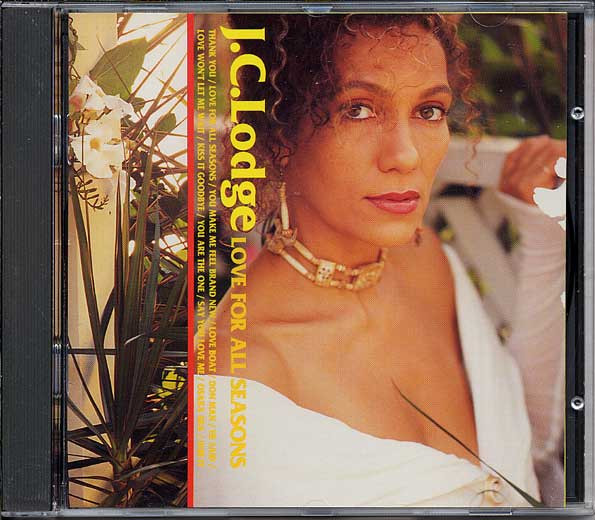
| Love for All Seasons | 1996 | Dub experimentation with Mad Professor; sound-system approach in service of Lodge’s singing |
Heritage and influence
J.C. Lodge played a pioneering role in the democratisation of dancehall outside the Caribbean. Before her, Jamaican reggae was confined to a niche audience in Europe and the United States. By paving the way for R&B and hip-hop with “Telephone Love”, she legitimised dancehall as a crossover genre — a door that Sean Paul, Shaggy and Beenie Man subsequently walked through. During the 1990s, she consolidated her international presence, notably touring Japan where she still enjoys great popularity.
Beyond music, J.C. Lodge is also a painter, having exhibited in Kingston galleries, and an actress. Mother of a daughter (Gia, born in 1994), she produced educational projects for children (albums, books and TV shows with her partner Errol O’Meally). From London, where she has resided since 2001, she continues to record and assert her duality as singer and songwriter, as she stated in the Jamaica Observer in 2021: « For me, it is a need to express myself and use the tools given to me for productive purposes, so that in the end I feel I have lived my life usefully and meaningfully. »
Sources and references
- « J.C. Lodge », Wikipedia (English version), https://en.wikipedia.org/wiki/J.C._Lodge, accessed 10 November 2026.
- Steve Huey, « J.C. Lodge — Biography », AllMusic, https://allmusic.com/artist/jc-lodge-mn0000933529.
- Howard Campbell, « Not over for J C Lodge », Jamaica Observer, 19 September 2021, https://www.jamaicaobserver.com/2021/09/19/not-over-for-j-c-lodge.
- « J.C. Lodge – Biography », official site, https://www.jclodge.net/briefing.htm, accessed 10 November 2026.
- « June Lodge », JamaicansMusic, https://jamaicansmusic.com/artists/june-lodge.
- « J.C. Lodge », Discogs, https://www.discogs.com/artist/140854-JC-Lodge.