Biography
Kanté Manfila: the griot who reinvented the Manding guitar
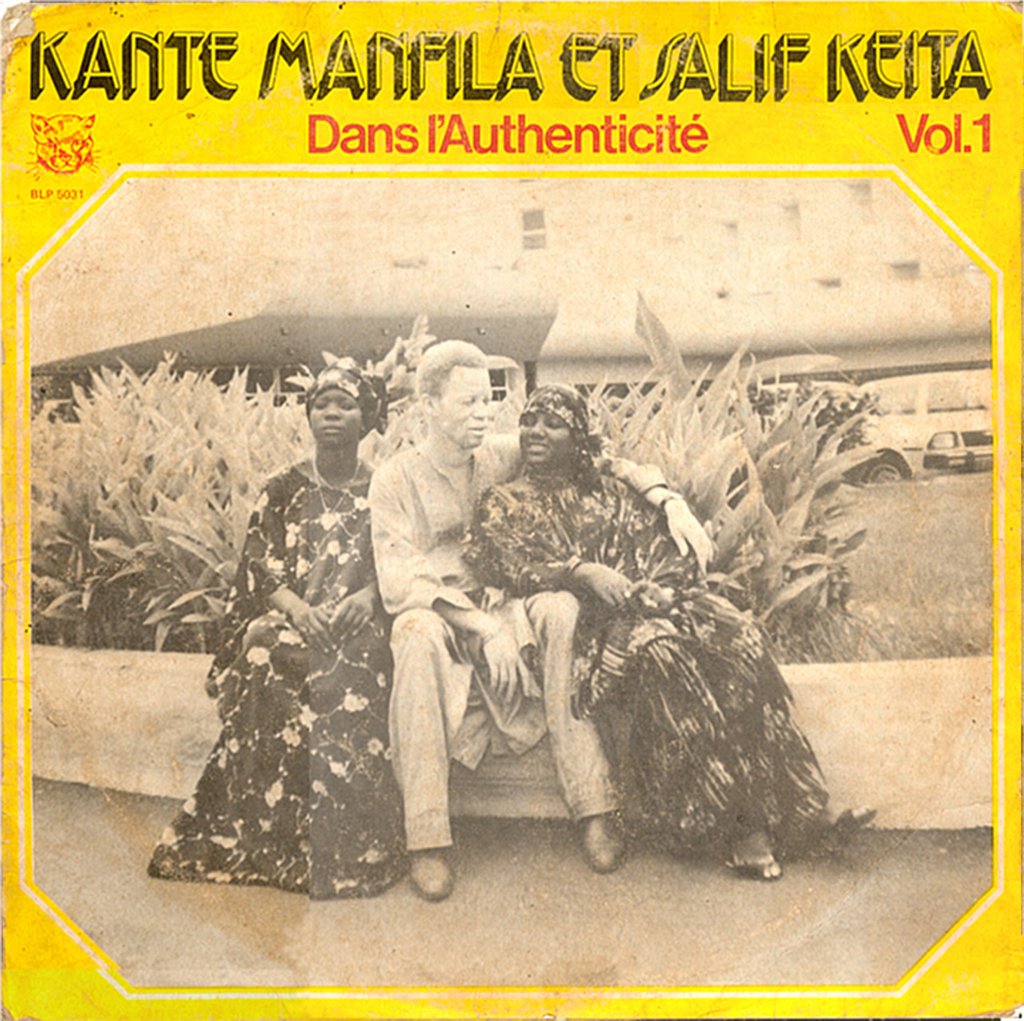
In 1972, a young Guinean guitarist arrived in Bamako and joined Les Ambassadeurs du Motel, an orchestra whose destiny shifted when Salif Keïta, having left the Rail Band, came to lay his golden voice there. Kanté Manfila, born into a family of djélis in Guinea, was then a silent craftsman of Manding music — until he combined European chords with traditional lyre techniques, paving the way for a guitar that would mark an entire generation.
In brief
| Full name | Manfila Kanté, known as Kanté Manfila |
| Birth | 1946, Farabanah, Guinea |
| Death | July 20, 2011, Paris, France |
| Field | Manding music, African blues, afropop — guitarist, singer, arranger |
| Notable works | Tradition, Kankan Blues, The Lost Album, « Mandjou » |
| Honors | Knight of the National Order of Mali (2005) |
Key dates
| Year | Event |
|---|---|
| 1946 | Birth in Farabanah (Guinea), into a family of djélis (Manding griots — traditional musicians and historians) |
| 1958 | Joined Les Ballets Africains with the advent of Guinean independence |
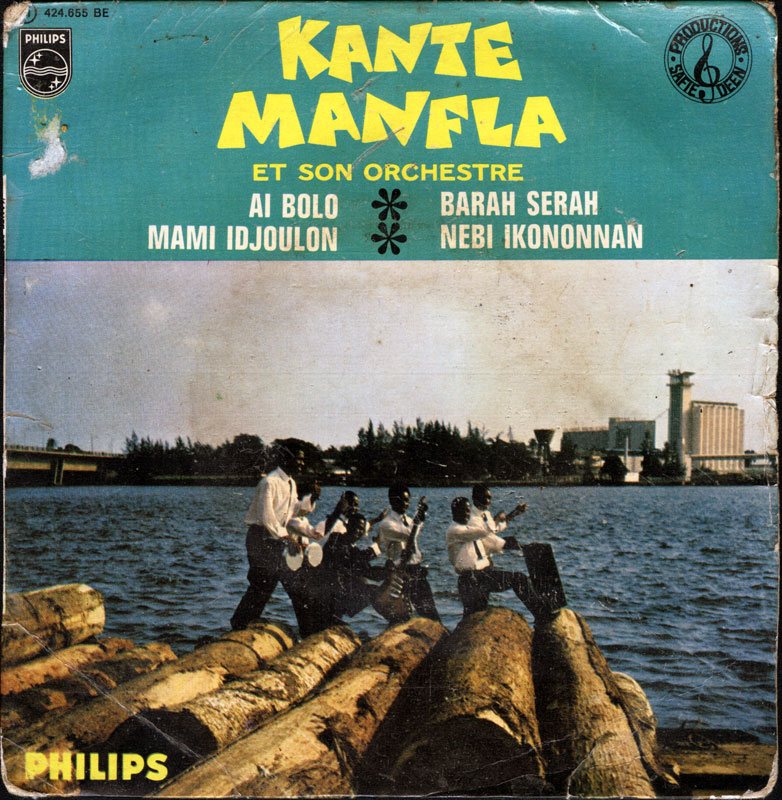
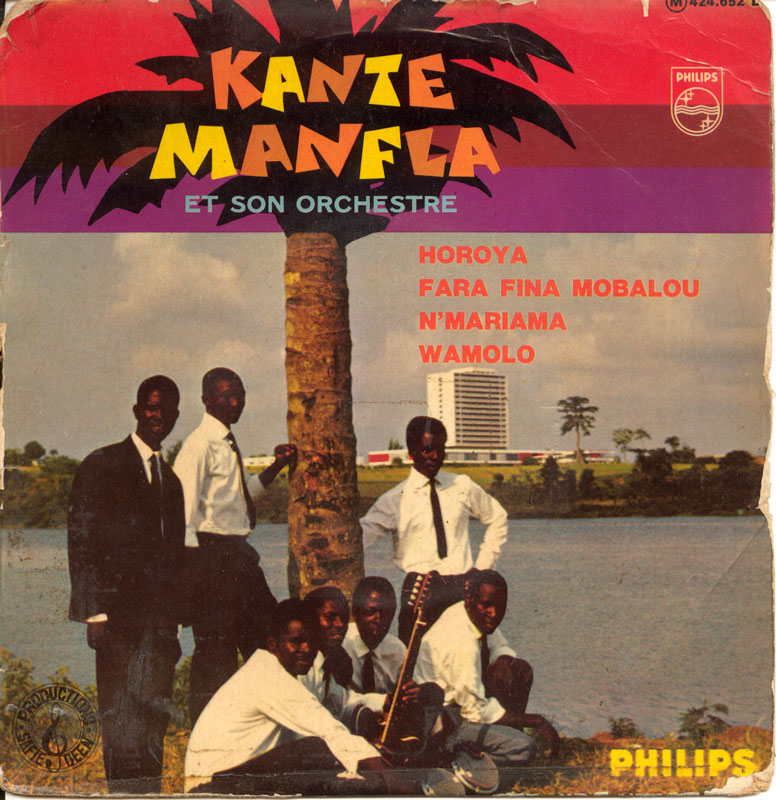
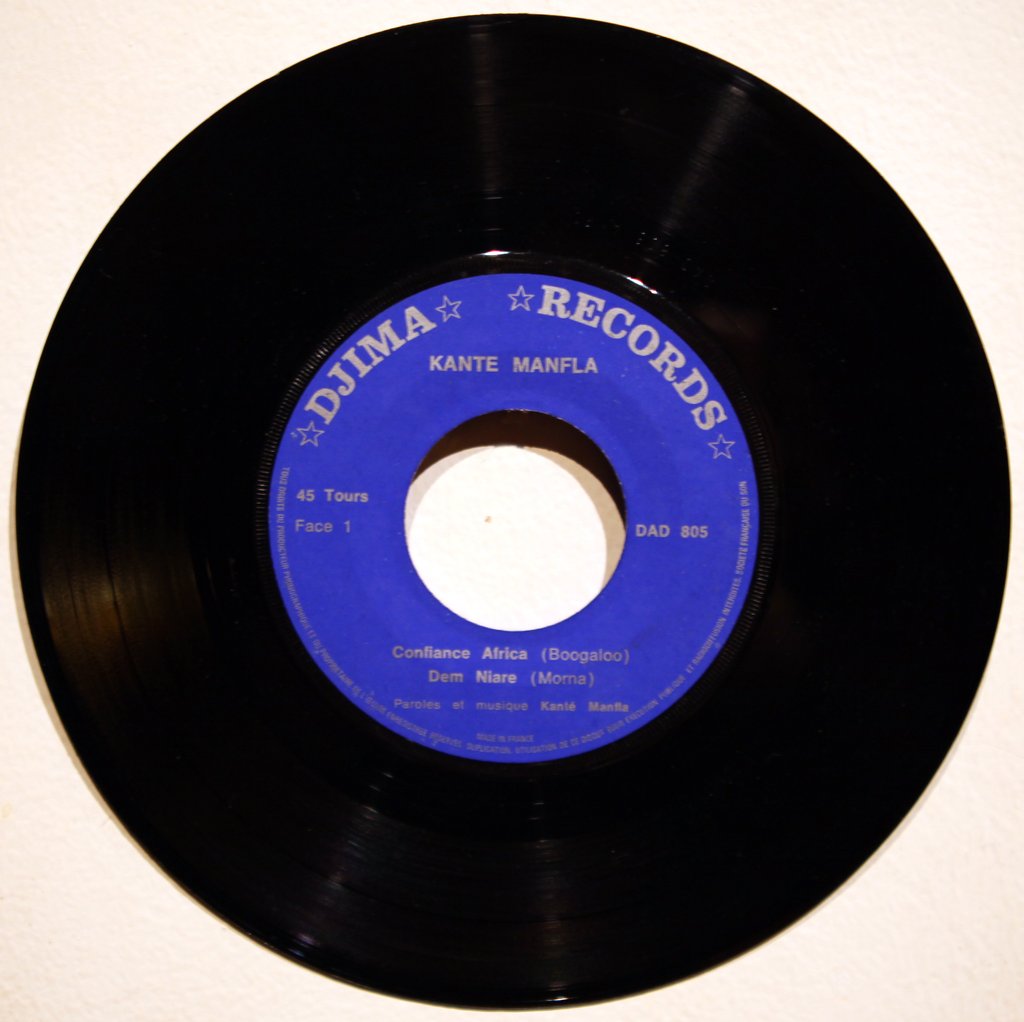
| 1966 | First 45 rpm single, « Horoya », with Son Orchestre |
| 1972 | Became bandleader of Les Ambassadeurs du Motel in Bamako |
| 1978 | Followed Salif Keïta to Abidjan; the Ambassadeurs Internationaux |
| 1988 | Tradition, his greatest solo acoustic success |
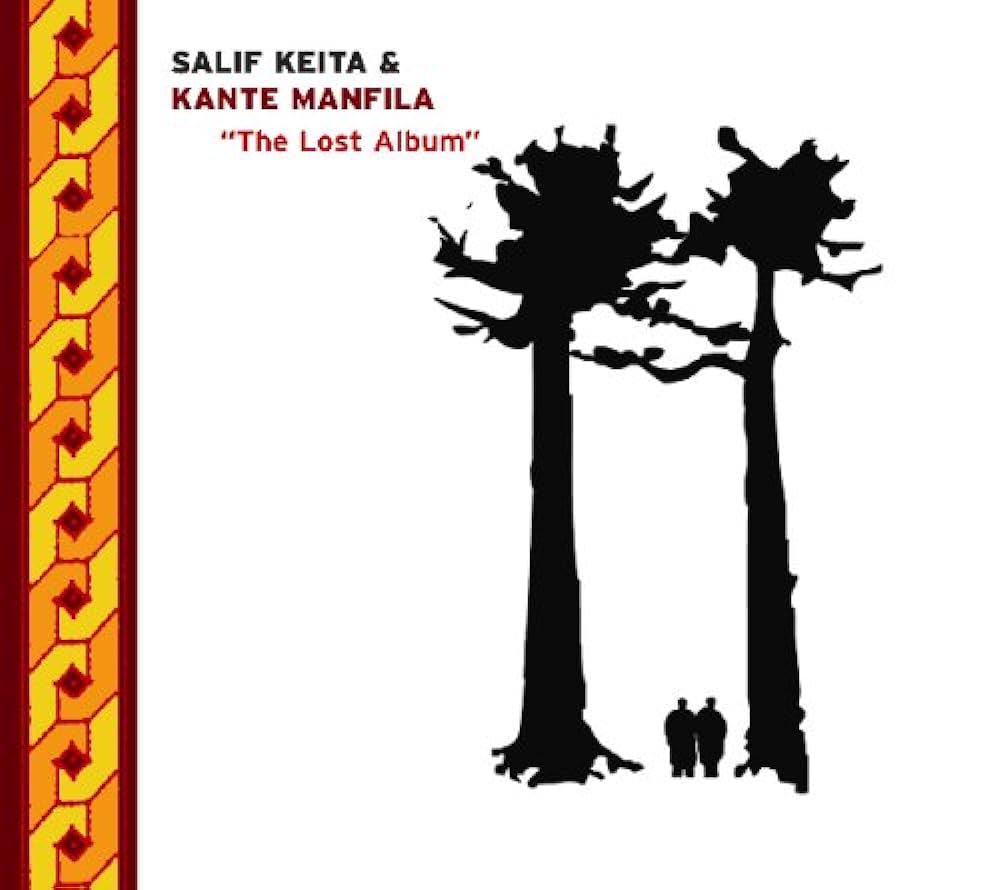
| 2005 | The Lost Album (with Salif Keïta, recorded in 1980); Knight of the National Order of Mali |
| 2011 | Death in Paris, July 20 |
From Farabanah to the Ambassadeurs
Kanté Manfila was born in 1946 in Farabanah, a small village in eastern Guinea, the eldest of twenty-six children. His family belonged to a caste of djélis — these Manding griots whose ancestral function is to preserve the memory of peoples through speech and music. From age eight, he accompanied his father on the balafon, this solid wood xylophone that resonates like a heart, and secretly began learning the guitar from his cousin. At fourteen, he left school for Abidjan, where he made a living playing at weddings and celebrations. One day, he heard a Beninese soldier playing the method guitar — a style of chained arpeggios that transformed him. « He was the first Guinean to apply the chord progressions of the method guitar to Manding music. I was criticized, but later everyone started doing the same », he told journalist Lucy Duran in 1991.
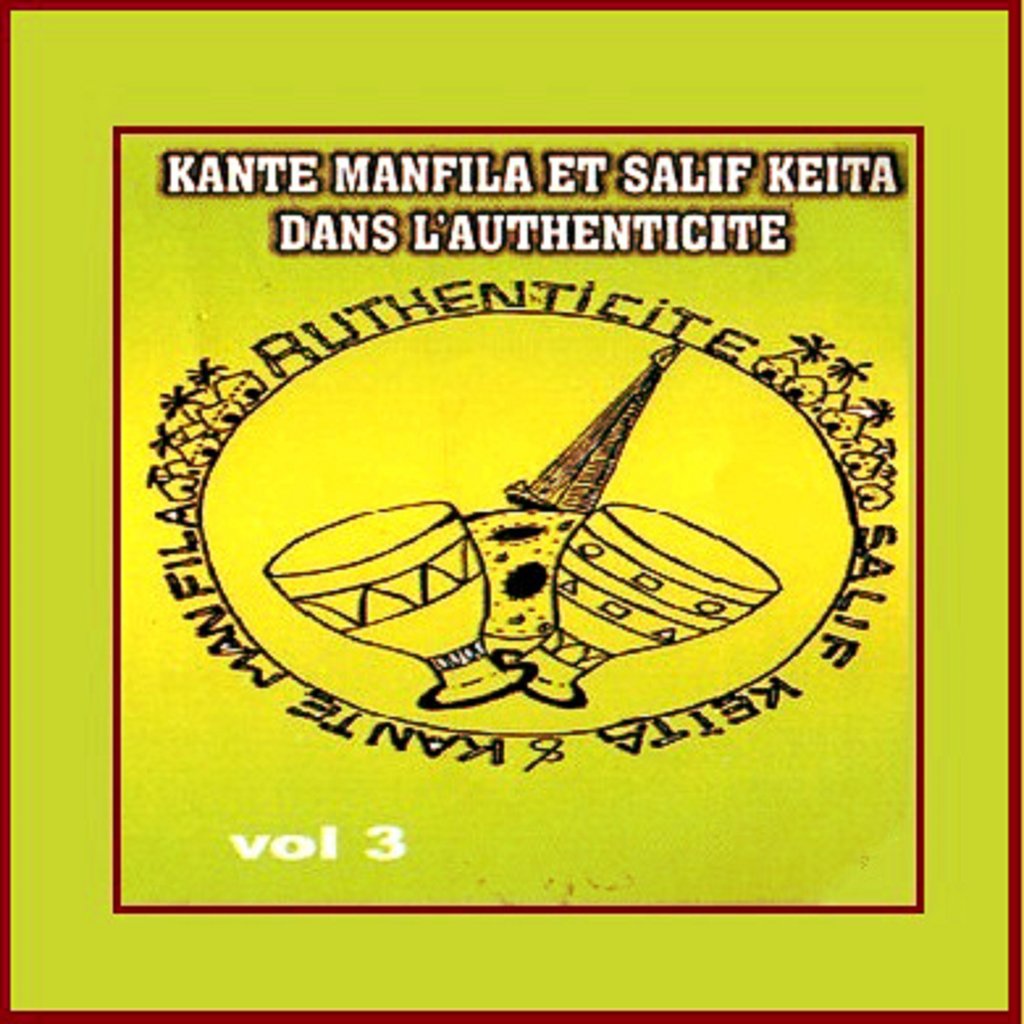
Back in Abidjan, he played with Independence Jazz and Rhythm de la Bia, released his first 45 rpm single in 1966 and met the Malian saxophonist Moussa Cissokho, who opened for him in solfège and harmony. These formative years laid the groundwork for a sound that would bring Cuban pachanga and Congolese rumba into dialogue with Manding music. In 1972, he arrived in Bamako and joined Les Ambassadeurs du Motel, where he quickly became bandleader. That same year, Salif Keïta joined the group as a singer. Manfila, who also sang, kept a low profile: he stepped back to let Keïta’s voice take center stage, and the two men forged a collaboration that would last for decades. In 1978, after a dispute with the Motel management, Manfila and Keïta took most of the members to Abidjan and renamed the group Les Ambassadeurs Internationaux. Their hit « Mandjou » — an anthem to noble Tourés, with a violin intro by Kélétigui Diabaté — became an absolute classic. “Primprin”, recorded in the United States in 1980, confirmed their international success. But the paths of the two men began to diverge: Keïta moved to Paris in 1982, and Manfila followed him in 1985. His solo career gradually asserted itself.
Major works
| Work | Year | Why it is essential |
|---|---|---|
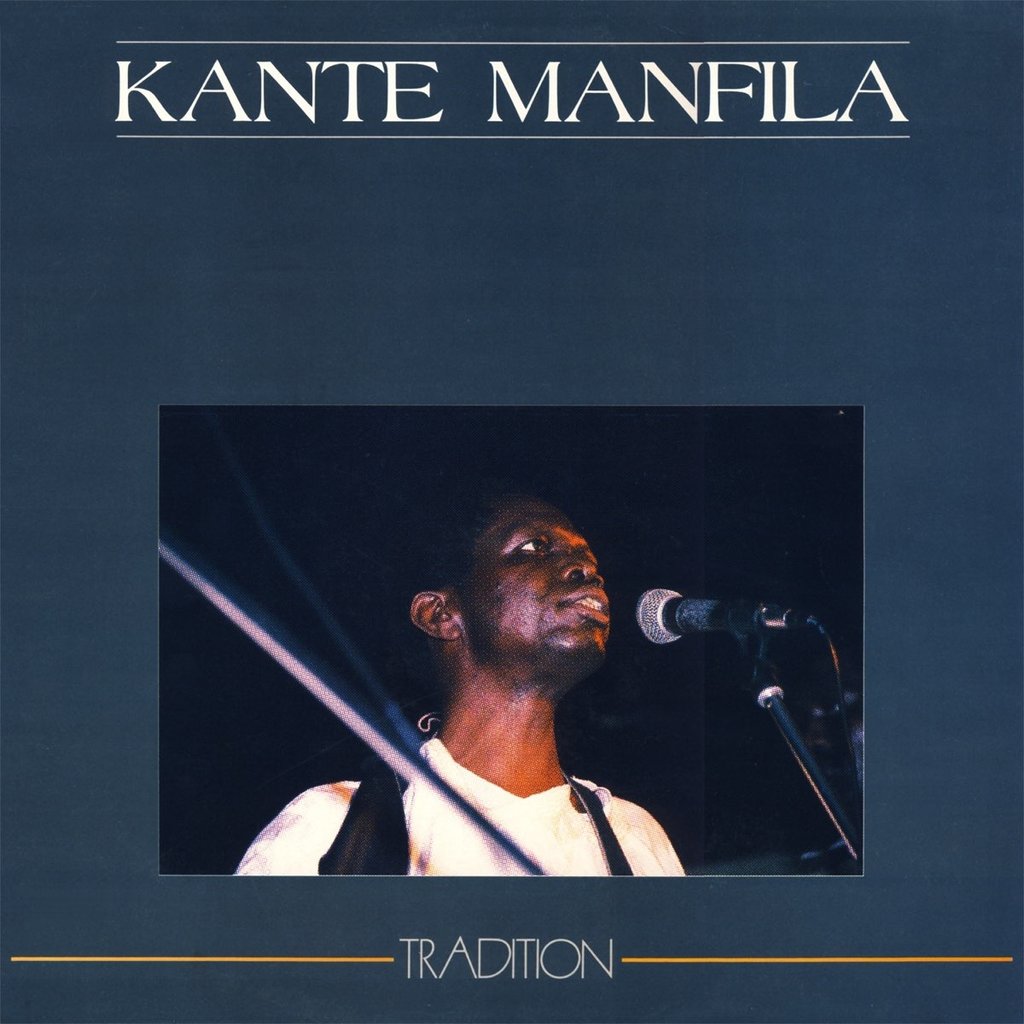
| Tradition | 1988 | Delightful acoustic album: melodic guitar lines, kora by Mory Kanté, balafon by Ibrahima Diabaté. Manfila’s greatest solo success. |
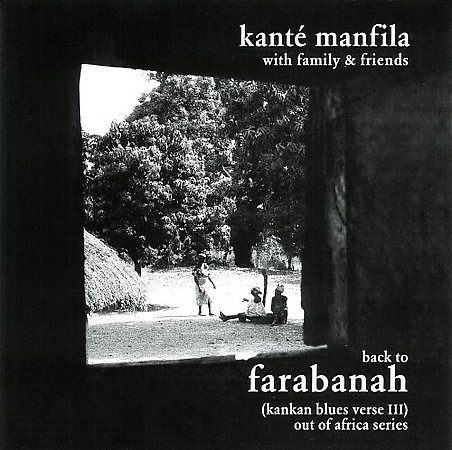
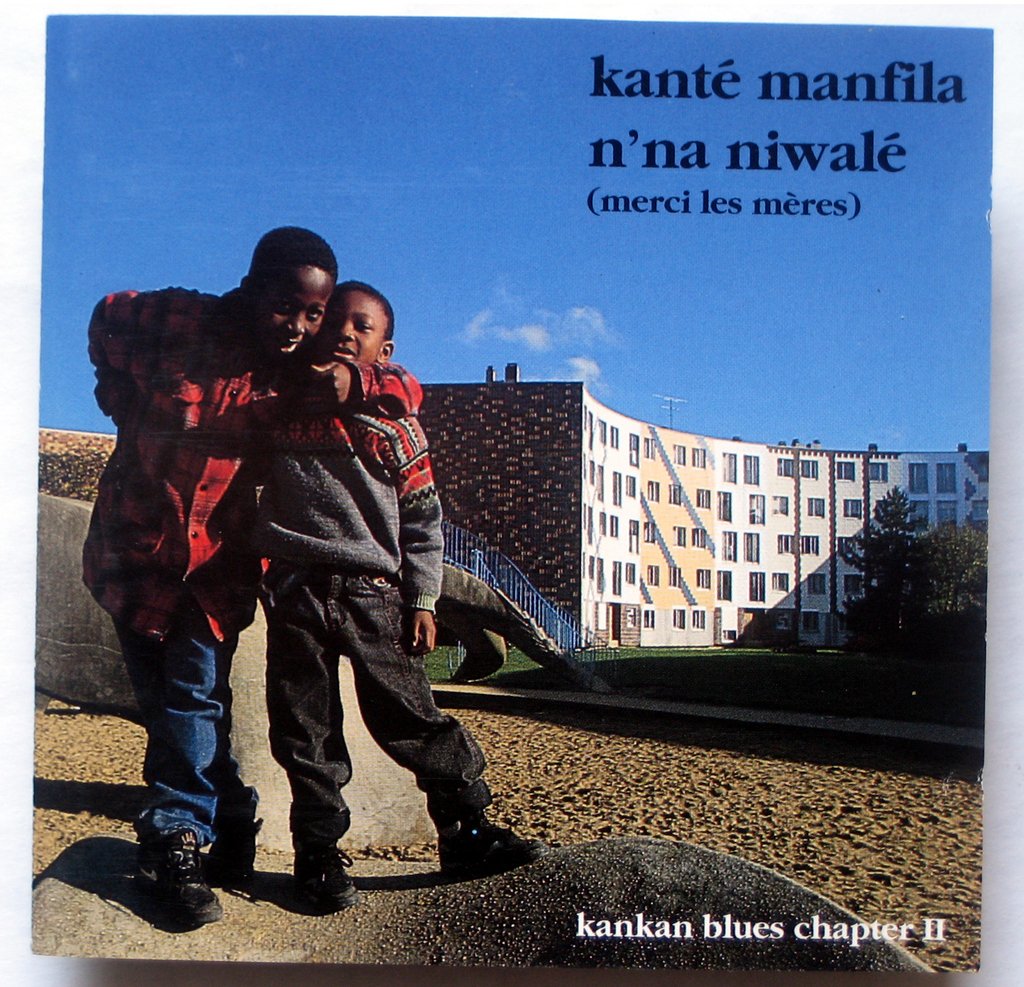
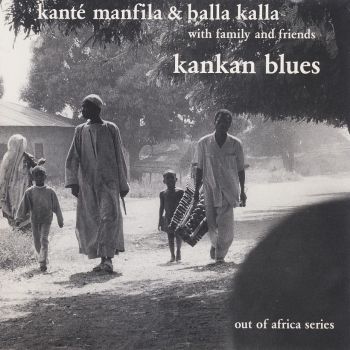
| Kankan Blues | 1991 | Recorded in his native region, he returns to the dry guitar — the style of his griot youth — and illuminates the contribution of the Manding cradle to modern music. |
| « Mandjou » | 1978 | Manding anthem with Salif Keïta. The violin intro by Kélétigui Diabaté carries the pride of a caste, of a people. Masterpiece of the 1970s. |
| The Lost Album | 2005 | Acoustic recording from 1980 with Salif Keïta, released posthumously. Two geniuses at the peak of their art, discovered by international critics. |
Legacy and influence
Kanté Manfila was not merely a guitarist: he was an architect of modern Manding sound. His innovation — fusing European chord progressions with African lyre techniques — paved the way for an entire generation of musicians. He also shaped Salif Keïta’s sound, arranging albums such as Moffou (2002) and Amen (1991), and contributing to recordings by Baaba Maal and Sia Tolno. The Lost Album, released in 2005, allowed an international audience to rediscover his melodic generosity, and his lines appear on compilations from the Rough Guide that continue to open ears to the world.
Sources and references
-
« Kanté Manfila: Pioneering guitarist with the Malian band Les Ambassadeurs », The Independent (obituary), https://www.independent.co.uk/news/obituaries/kant-233-manfila-pioneering-guitarist-with-the-malian-band-les-ambassadeurs-2349262.html, accessed October 21, 2026.
-
« Kanté Manfila », Afrisson, https://www.afrisson.com/manfila-kante-299/, accessed October 21, 2026.
-
« Guinean guitarist Kanté Manfila dies aged sixty five », World Music Network, https://worldmusic.net/blogs/news/guinean-guitarist-kante-manfila-dies-aged-sixty-five, accessed October 21, 2026.
-
« Kante Manfila », AllMusic, https://www.allmusic.com/artist/kante-manfila-mn0000303752, accessed October 21, 2026.
-
Person notice « Manfila, Kante (1946-2011) », BnF - Bibliothèque nationale de France, https://catalogue.bnf.fr/ark:/12148/cb139429912, consulted on 21 October 2026.
-
« Manfila Kanté », Wikipédia en allemand, https://de.wikipedia.org/wiki/Manfila_Kanté, consulted on 21 October 2026.