Biography
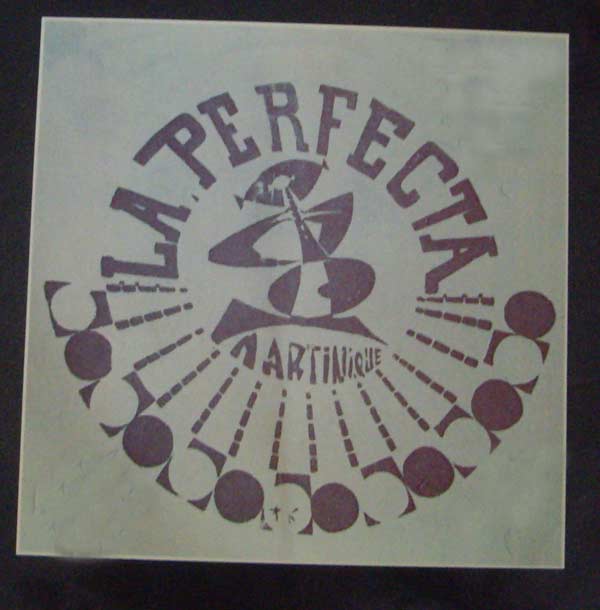
La Perfecta
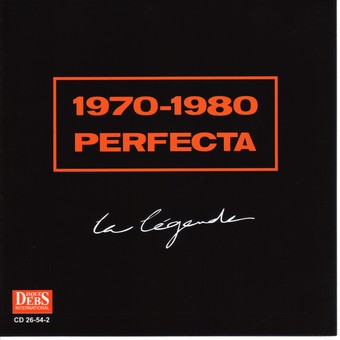
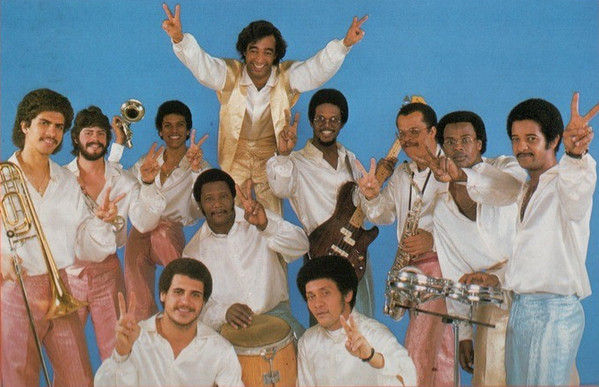
In August 1980, at Pointe-du-Marin in Sainte-Anne, Martinique, nearly 50,000 people gathered in the savannah for the tenth-anniversary concert of La Perfecta. From noon until dawn, the crowd danced to the blazing brass of an orchestra that, for a decade, had defined what modern Caribbean music would become. Ten years earlier, three young musicians from La Trinité had taken the name of a New York group to better make it not a copy, but the Caribbean voice itself.
In brief
| Group name | La Perfecta |
| Origin | La Trinité, Martinique, French Antilles |
| Genres | kadans, cadence, compas, biguine, jazz, calypso |
| Active period | 1970 – present (interruptions in 1982, 1984-2001) |
| Main label(s) | DEBS Music, Barclay, Célini Disques |
| Signature hits | “La Divinité”, “A Youskous Pa Fè Fou”, “Help Me Baby” |
| Major venues | L’Olympia, Le Bataclan, La Cigale (Paris) |
Key dates
| Year | Event |
|---|---|
| 1970 | Founded in La Trinité by Alex Cayol, Marcel Ravenet, and Daniel Ravaud; release of the first album Clair de Lune à l’Escale |
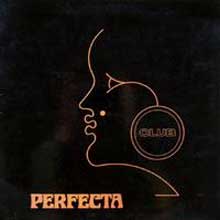
| 1976 | Creation of the Club Perfecta, official fan club |
| 1978 | Arrival of pianist and arranger Daniel Marie-Alphonsine; release of albums Vol Vacances and A Youskous Pa Fè Fou |
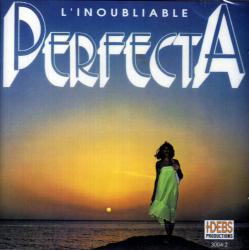
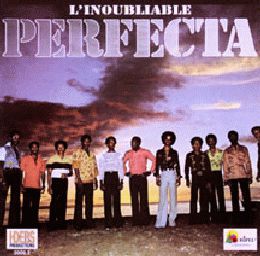
| 1979 | Release of L’Inoubliable Perfecta (“La Divinité”) and Inoxydablement Votre (“Il le Fallait”) |
| 1980 | Mega tenth-anniversary concert in Sainte-Anne before nearly 50,000 people |
| 1982 | Release of Help Me Baby on Barclay: 180,000 copies sold — the group’s biggest success |
| ~1984 | Orchestra pause following departures and internal dissensions |
| 2002 | Resumption of activity with founding members and new musicians |
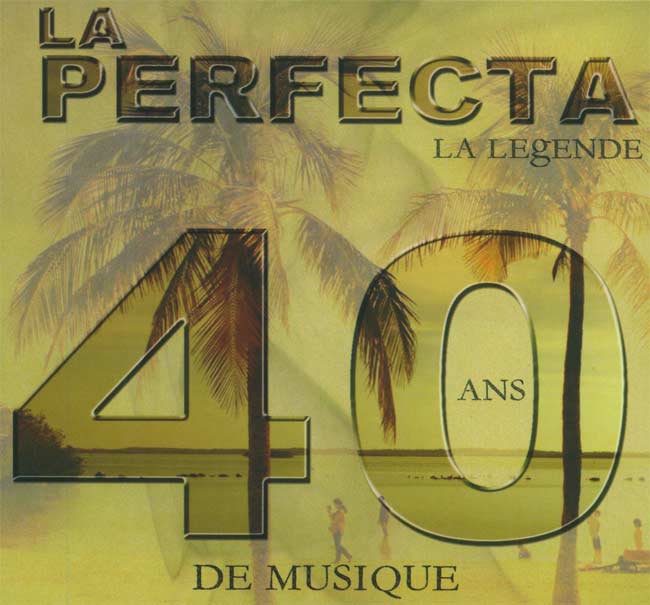
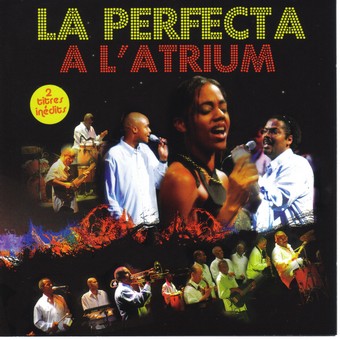
| 2010 | Fortieth-anniversary concert at the Atrium in Fort-de-France; double album 40 ans de Musique |
| 2015 | Album 45 ans d’Harmonie; arrival of Thierry Saint-Honoré as lead singer |
| 2017 | Fiftieth anniversary — the orchestra still active |
Origins and fusion (1970-1982)
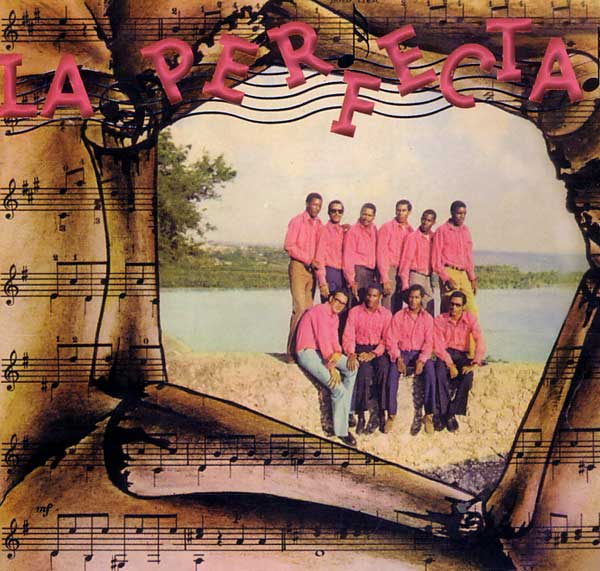
La Perfecta was born on August 11, 1970, in La Trinité, Martinique. Three young musicians — Alex Cayol (organ/piano), Marcel Ravenet, and Daniel Ravaud — took their inspiration from the name of the Latin American orchestra of Eddie Palmieri, La Perfecta, to name their ensemble. Their project: to mix traditional Martinican biguine and mazurka with Latin sounds (salsa, rumba), jazz, and calypso. The result was immediate — and unprecedented in the French-speaking Caribbean of the time.
The group evolved freely between 1970 and 1977, depending on the arrivals and departures of young non-professional musicians. The first album, Clair de Lune à l’Escale, published by Célini Disques in 1970, laid the foundations of a sound seeking its path. The second, Tout’ Bagail (1973), achieved it: layered brass, driving percussion, and three-part male vocal harmonies — a first for an Antillean group.
The real revolution arrived in 1978 with the entry of pianist Daniel Marie-Alphonsine. This talented arranger burst onto the orchestra with a vision: to add Puerto Rican horn players (two trumpeters and one trombonist), inspired by jazz and salsa. The Perfecta sound was inaugurated — aggressive brass carrying cadence, kadans, and biguine in an unprecedented fusion. Marie-Alphonsine stayed for six years, leaving his mark on ten albums between 1978 and 1982.
Beyond the sound, La Perfecta innovated in the Antillean musical landscape. The group introduced verlan into the sung lyrics, recorded its first album outside the Antilles at the Barclay Studios in Paris in 1982, and popularized the term zouk well before the creation of Kassav’ in 1979 — as France Info observes, zouk was born nearly 10 years after La Perfecta, making it a precursor of the movement. The Club Perfecta, a fan club founded in 1976, united a community of loyalists who pushed the group beyond classic ballroom venues — L’Escale, Terpsichora, Miramar.
Dark years and renaissance (1982-present)
The turn of the 1980s was accompanied by tensions. Daniel Marie-Alphonsine — considered the soul of La Perfecta by Martinican press — left the group at the beginning of the 1980s, causing the first fracture. Clarinetist Michel Gros-Désormeaux (nicknamed Godzom, co-author of A Youskous Pa Fè Fou) followed him. An album, Help Me Baby, recorded in Paris on Barclay, nonetheless became the group’s biggest commercial success: 180,000 vinyls sold in two years. This was the apex. The rest was more confusing: successive departures, pauses in 1984, then a silence that lasted almost a decade.
Between 1982 and 2002, individual initiatives attempted to preserve the sonic heritage. The J.M. Harmony of Emmanuel Granier and Joël Zabulon — future head of La Perfecta — published albums as early as 1982. Marius Priam released Cadence Perfect in 2007; Jim Mansfield, Perfect 3 in 2008. In 2010, pianist Paco Man’Alma (Daniel’s son) paid tribute to his father with Manmail’la ka sonjé Daniel.
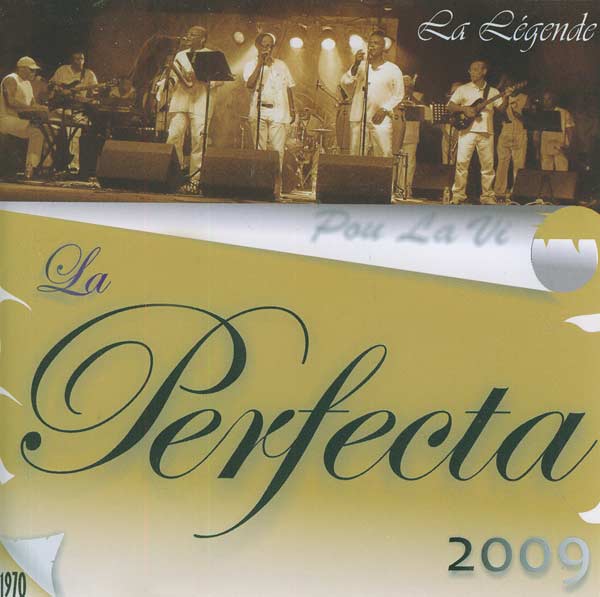
In 2002, the old guard — founding members surrounded by amateur young musicians — relaunched the orchestra. The adventure continued: concerts at the Atrium in Fort-de-France, continuous recordings, appearances at the Bataclan, L’Olympia, and La Cigale. La Divinité (1979) became the theme music for the film La Première Étoile by Lucien Jean-Baptiste (2009), offering the group unprecedented exposure. In 2015, the album 45 ans d’Harmonie marked a new era: Paulo Albin, the emblematic singer of the formation since its origins (deceased in November 2024), handed over his place to Thierry Saint-Honoré. The group celebrated its 50th anniversary in 2017, still active, still on stage.
Major Works
| Work | Year | Why It’s Essential |
|---|---|---|
| Clair de Lune à l’Escale | 1970 | Founding album that laid the groundwork for biguine-cadence |
| Tout’ Bagail | 1973 | Decoding the Perfecta sound: brass, percussion, and harmonies that became the signature |
| A Youskous Pa Fè Fou (Vol. 8) | 1978 | Marie-Alphonsine album — dancing verlan, linguistic innovation |
| Help Me Baby (Barclay) | 1982 | 180,000 copies sold — the album that brought La Perfecta onto the hexagonal stage |
Legacy and Influence
La Perfecta remains an indispensable reference in Antillean music. The group formed or inspired entire generations — from Malavoi to Aiglons, passing through the Vikings of Guadeloupe. Artists like Carlos Santana have covered compositions from the first album (Tout’ bagail, 1973). The orchestra also paved the way for groups that, in the 1980s, made zouk the first Antillean genre exported internationally. With more than 120 musicians passing through its ranks and nearly thirty albums, La Perfecta is a Martinican cultural institution whose sound — brass in the front line, syncopated percussion, and Creole-speaking voices — continues to resonate well beyond the Caribbean.
Sources and References
- « La Perfecta », Wikipédia (French version), https://fr.wikipedia.org/wiki/La_Perfecta, accessed November 11, 2026.
- « La Perfecta », Wikipedia (English version), https://en.wikipedia.org/wiki/La_Perfecta, accessed November 11, 2026.
- Guy Etienne, « La Perfecta, l’orchestre légendaire de la Martinique fête ses 50 ans », La 1ère — RFO / France Info, https://la1ere.franceinfo.fr/martinique/perfecta-orchestre-legendaire-martinique-fete-ses-50-ans-801053.html, accessed November 11, 2026.
- « L’album “Help Me Baby” du groupe Martiniquais PERFECTA, le plus grand succès discographique », News Tropiques, https://www.newstropiques.com/2025/10/lalbum-help-me-baby-du-groupe.html, accessed November 11, 2026.
- « La Perfecta Discography », Qobuz, https://qobuz.com/us-en/interpreter/la-perfecta/76564, accessed November 11, 2026.
- « La Perfecta », Discogs / Apple Music, https://music.apple.com/us/artist/la-perfecta/250946081, accessed November 11, 2026.