Biography
Les Aiglons
In 1976, a track exploded on all Guadeloupean dance floors: “Cuisse-la”, driven by a powerful brass section, cascading synths, and a vocal performance that vibrated an entire generation. This sales record would hold until 1985. Les Aiglons would not only sell records; they would transform kadans into a cultural identity, a sonic magma that crossed the oceans and resurfaced again, forty-five years later.
In brief
| Band Name | Les Aiglons (nicknamed Cadence Magma) |
| Origin | Basse-Terre, Guadeloupe (Bas du Bourg neighborhood) |
| Formation Period | 1967 under the name Les Vicomtes; renamed in 1970 |
| Genre(s) | Kadans, cadence-lypso, emerging zouk |
| Labels | Dulidisc (1973), Disques Debs International, Debs Music |
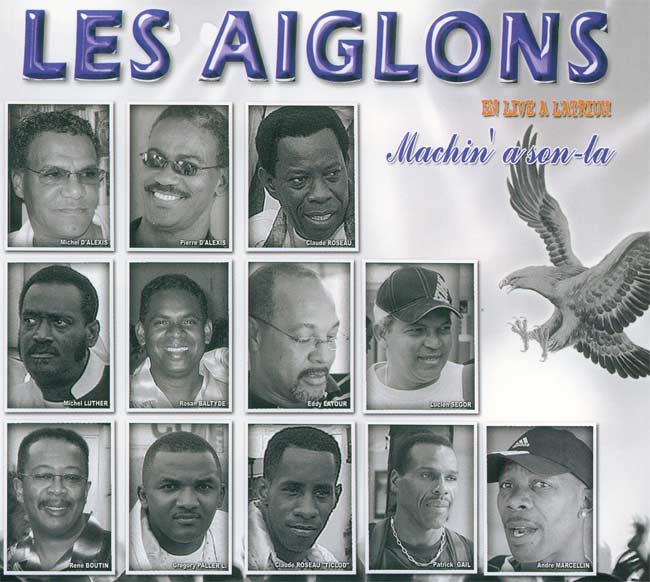
| Founding Members | Michel d’Alexis (trombone), Pierre and Alain d’Alexis (vocals), Michel Nerplat (saxophone), Serge Yéyé, Michel Monrose |
| Emblematic Work | “Cuisse-la” (1976) |
| Distinction | First Gold Record in the history of Antillean music (200,000 albums) |
Key Dates
| Year | Event |
|---|---|
| 1967 | Formation of Les Vicomtes in the Bas du Bourg neighborhood, Basse-Terre |
| 1970 | Renamed Les Aiglons; symbol: the white-tailed eagle |
| 1973 | First releases on Dulidisc: “Mateau mateau”, “Cé rat la” |
| 1974 | First album on Disques Debs International: Les Aiglons |
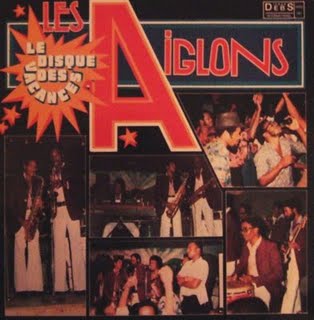
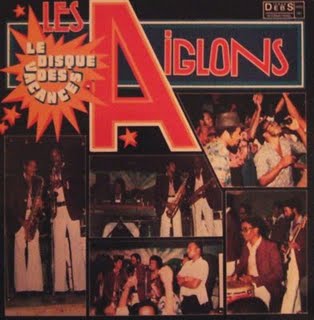
| 1976 | “Le Disque des Vacances”, gold record; hits: “Cuisse-la” |
| 1978 | Tour of the United States/Canada; first Guadeloupean orchestra at Madison Square Garden (5,000 spectators) |
| 1978–1980 | Period of international expansion (Europe, Africa); Hors Concours, La Puissance des Aiglons |
| 1986 | Last original studio album: Bonm La; the group begins to wind down |
| 2001 | Return to recording: Le Poids Lourd; resumption of concerts |
| 2016 | Celebration of the forty-fifth anniversary of their career |
| 2026 | Celebration of the fifty-fifth anniversary; interviews on Outre-mer La 1ère |
From neighborhood dance halls to Madison Square Garden: the magma ignites
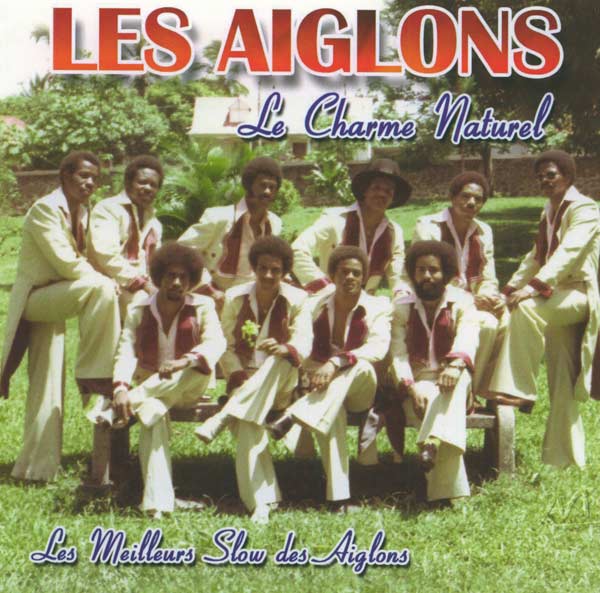
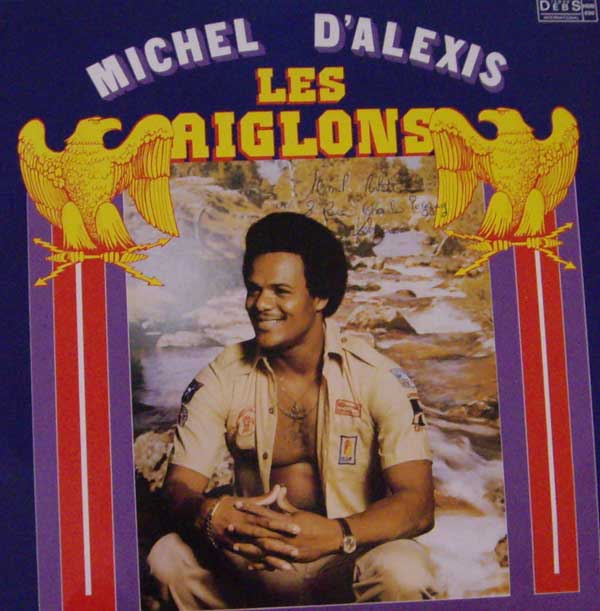
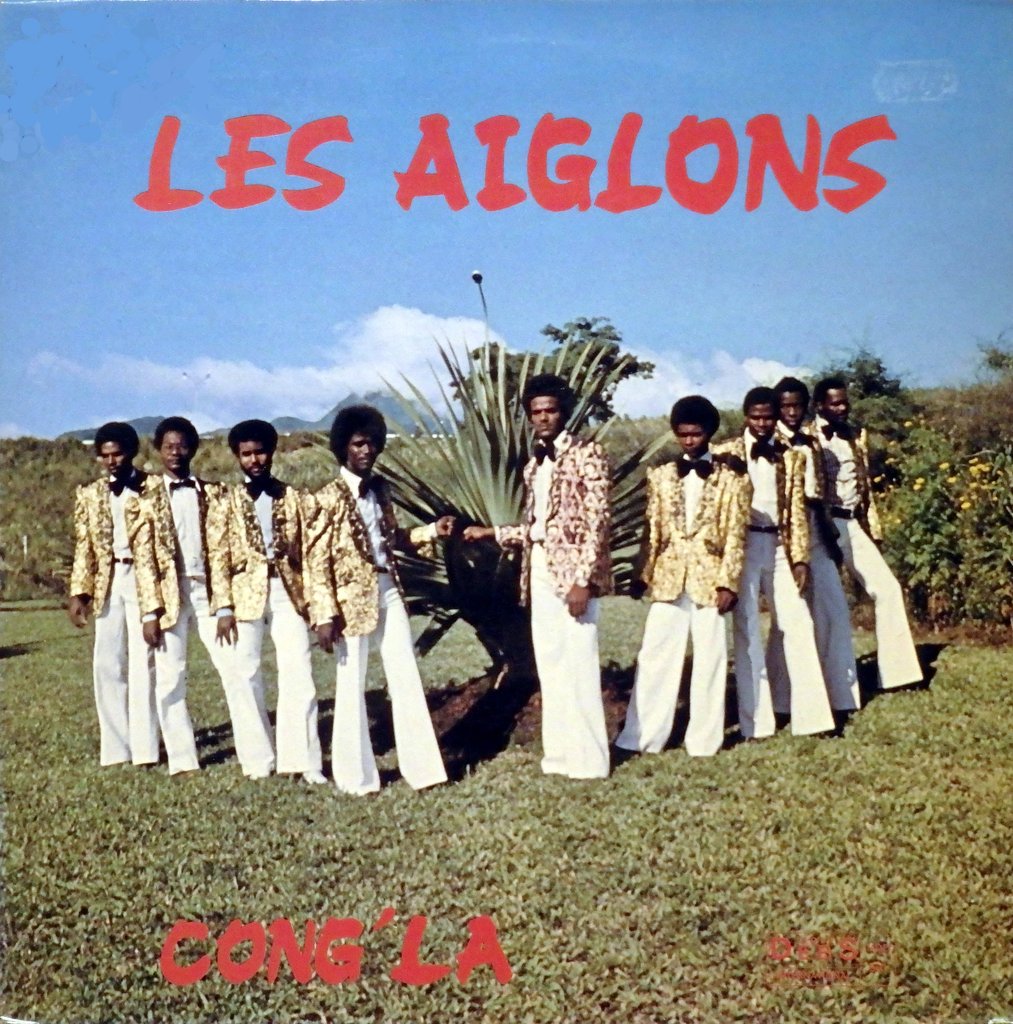
The story begins in a popular neighborhood of Basse-Terre, Bas du Bourg. In 1967, a young Michel d’Alexis — an ambitious self-taught trombonist — set up an orchestra named Les Vicomtes with his brothers Pierre and Alain, Michel Nerplat (saxophone), Serge Yéyé, and Michel Monrose, in reference to the western films he watched on his parents’ black-and-white television. In 1970, noting that Guadeloupean bands carried animal names (Les Léopards, Les Jaguars…), Michel renamed the formation Les Aiglons, symbol: the white-tailed eagle. These young musicians, almost without music theory but with exceptional musical ears, played dance after dance.
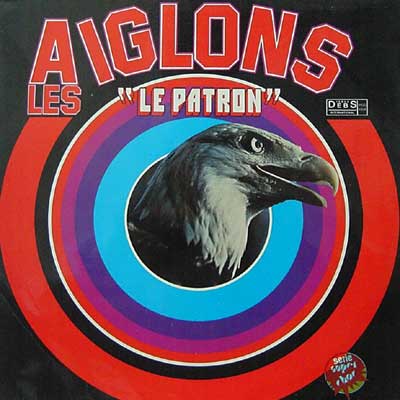
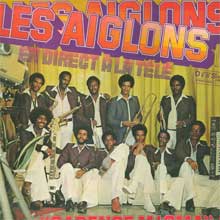
Their first studio deal came with the local label Dulidisc in 1973, with “Mateau mateau” and “Cé rat la”. In 1974, they signed with Disques Debs International — the indispensable Henri Debs. The first album, Les Aiglons, deployed a hybrid style between kadans and compas. The innovation of Les Aiglons? Injecting a powerful brass section, trombones, and synths mounted to the front into the kadans — a sound they would call cadence magma, a nickname given in homage to the Soufrière eruption of July 8, 1976, the moment when the group danced to calm the old lady’s ardors.
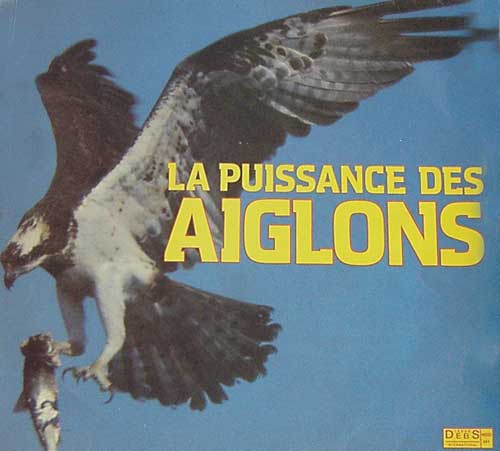
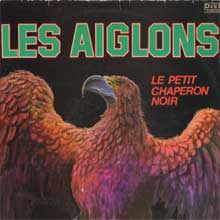
1976 was the year of the shock: Le Disque des Vacances sold over 200,000 copies and secured the first Gold Record in the history of Antillean music. The flagship track, “Cuisse-la” (composed by Michel Nerplat), became the anthem of a generation. Les Aiglons played in Aruba in 1977, then in 1978 received a Haitian contact who sent them from Brooklyn to Boston. It was a cataclysm: first Guadeloupean orchestras at Madison Square Garden, before more than 5,000 spectators. “It was the very first time,” Michel d’Alexis recalls, “the mobile guards escorted us, and women waited quietly in front of our hotel.” Followed by Le Petit Chaperon Noir (1977), Hors Concours (1979), and La Puissance des Aiglons (1980). The orchestra also toured Europe and Africa, becoming an ambassador for kadans.
Resistance and resurgence
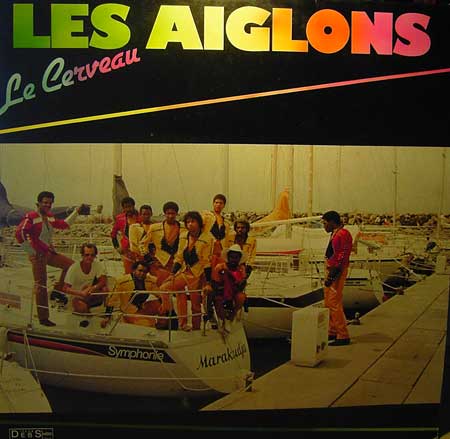
The mid-1980s marked a turning point: the arrival of zouk and the rise of solo artists upended the landscape. Dance halls emptied out. Les Aiglons still recorded Le Cerveau (1983), Bidimbo/Ay Lopital (1985), and Bonm La (1986), but sales declined. The group began to wind down around 1986. Two former members launched the Love Stars project in 1988.
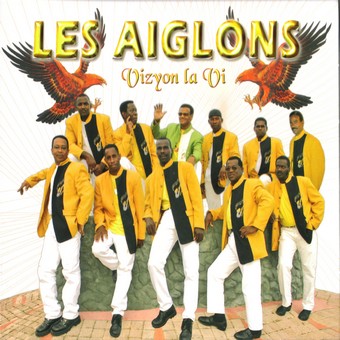
Yet, the magma cools poorly. In 2001, Les Aiglons returned to service with Le Poids Lourd, then stringed together albums: Konkirans (2004), Vizyon la Vi (2006). Michel d’Alexis, now nicknamed “the papy of cadence”, kept his record shop in Basse-Terre and campaigned for the return of real orchestras on stage. More than sixty musicians have passed through the group: a true nursery. Tours resumed — Dominica, Route du Rhum, Terre de Blues in France. In 2016, forty-five years after their debut, the orchestra had lost none of its energy. In 2026, the fifty-fifth anniversary (since Les Vicomtes) saw Michel and Pierre d’Alexis interviewed on Outre-mer La 1ère, recounting the epic with that distance that lends grandeur to any well-told story.
Major Works
| Work | Year | Why it is essential |
|---|---|---|
| “Cuisse-la” | 1976 | The best-selling track by an Antillean group (200,000 albums); the anthem of kadans |
| Le Disque des Vacances | 1976 | First Gold Record in the history of Antillean music — the cultural shock |
| Hors Concours | 1979 | The album that confirmed the unique sonic identity of Les Aiglons (brass + synths) |
| Le Petit Chaperon Noir | 1977 | A classic that solidified the cadence-magma style |
| Le Poids Lourd | 2001 | Recording comeback; reaffirmation after a decade of slowdown |
Heritage and influence
Les Aiglons are a musical institution of the French Antilles. Their fusion of kadans with brass and synthesizer paved the way for what would become zouk: Jocelyne Béroard of Kassav’ notably cites Les Aiglons as a reference for orchestrated and modern Guadeloupean music. Six musicians have passed through the group over the decades—an institution in itself. Caribbean music collectors and labels (Sofrito, Fanon Records) reissue them in their essential rediscovery selections. Forty-five years after their first bals, three generations still dance to “Cuisse-la” and its companions.
Sources and references
- « Les Aiglons (Guadeloupe) », Wikipédia, https://fr.wikipedia.org/wiki/Les_Aiglons_(Guadeloupe), accessed 15 November 2026.
- « Les Aiglons », Wikipedia (EN), https://en.wikipedia.org/wiki/Les_Aiglons, accessed 15 November 2026.
- Gene Scaramuzzo, « Les Aiglons — Biography », AllMusic, https://www.allmusic.com/artist/les-aiglons-mn0001426028, accessed 15 November 2026.
- Évelyne Chaville, « Route du Rhum-Destination Guadeloupe: “Les Aiglons”, the kings of kadans! », Kariculture, 12 November 2018, https://www.kariculture.net/en/route-rhum-destination-guadeloupe-aiglons-kings-kadans/, accessed 15 November 2026.
- Pierre Henry, « Les Aiglons », Deezer Music Story, 2023, https://www.deezer.com/en/artist/312206, accessed 15 November 2026.
- « Aiglons (Les) », Mizik-nou, http://www.miziknou.com/artiste.html?id=12 (text by Philippe Pilotin), accessed 15 November 2026.
- Daniel Léon, « Terre de Blues: les Aiglons volent toujours », Les temps du blues, 11 May 2023, https://lestempsdublues.com/2023/05/11/terre-de-blues-les-aiglons-volent-toujours/, accessed 15 November 2026.
- « Les Aiglons 55 ans », Outre-mer La 1ère (interviews with Michel d’Alexis, Pierre d’Alexis, Stanley d’Alexis), February 2026.
- « Les Aiglons » by Alain Jean and Sully Gabon, Médiathèque Caraïbe (Laméca), 15 March 2008.
- Collective notice « Les Aiglons (Guadeloupean variety group) », BnF Catalogue général, https://catalogue.bnf.fr/ark:/12148/cb139015222.