Biography
Les Bantous de la Capitale: kings of Congolese rumba
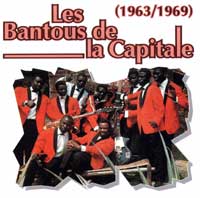
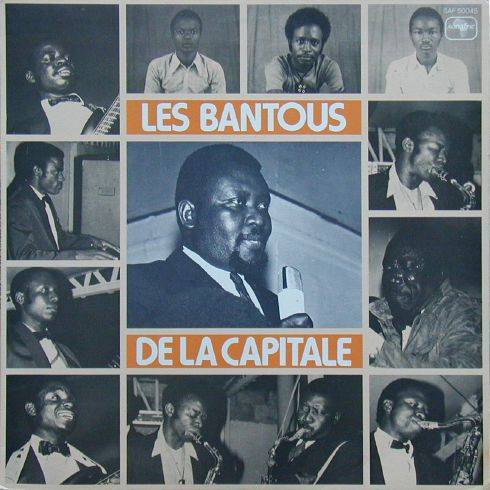
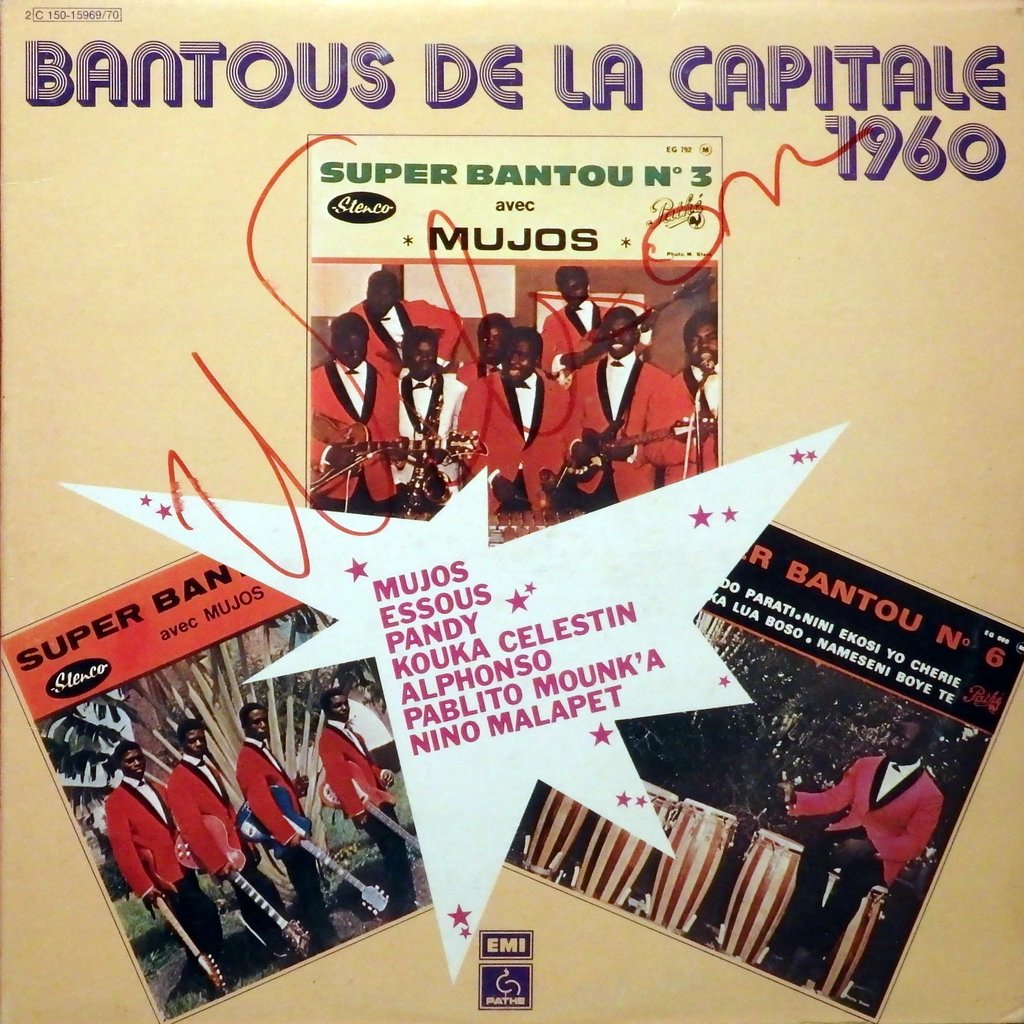
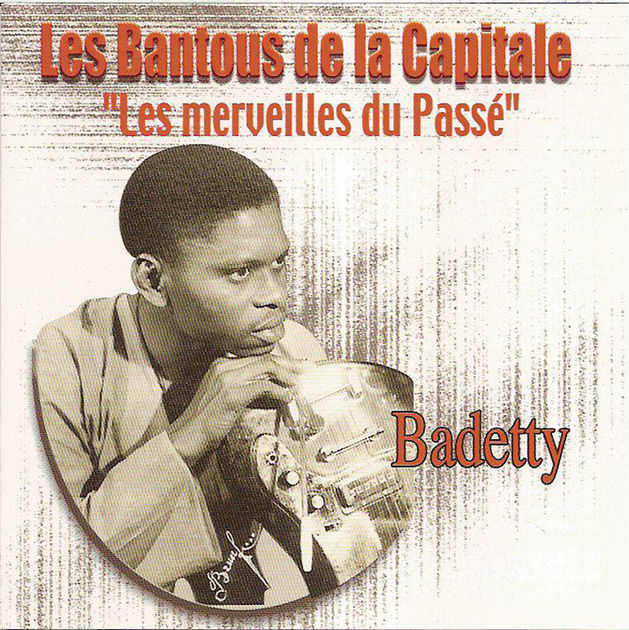
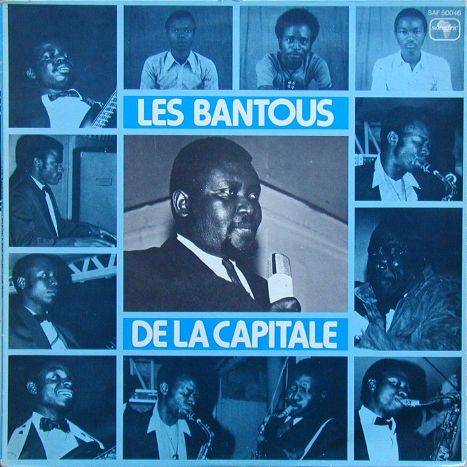
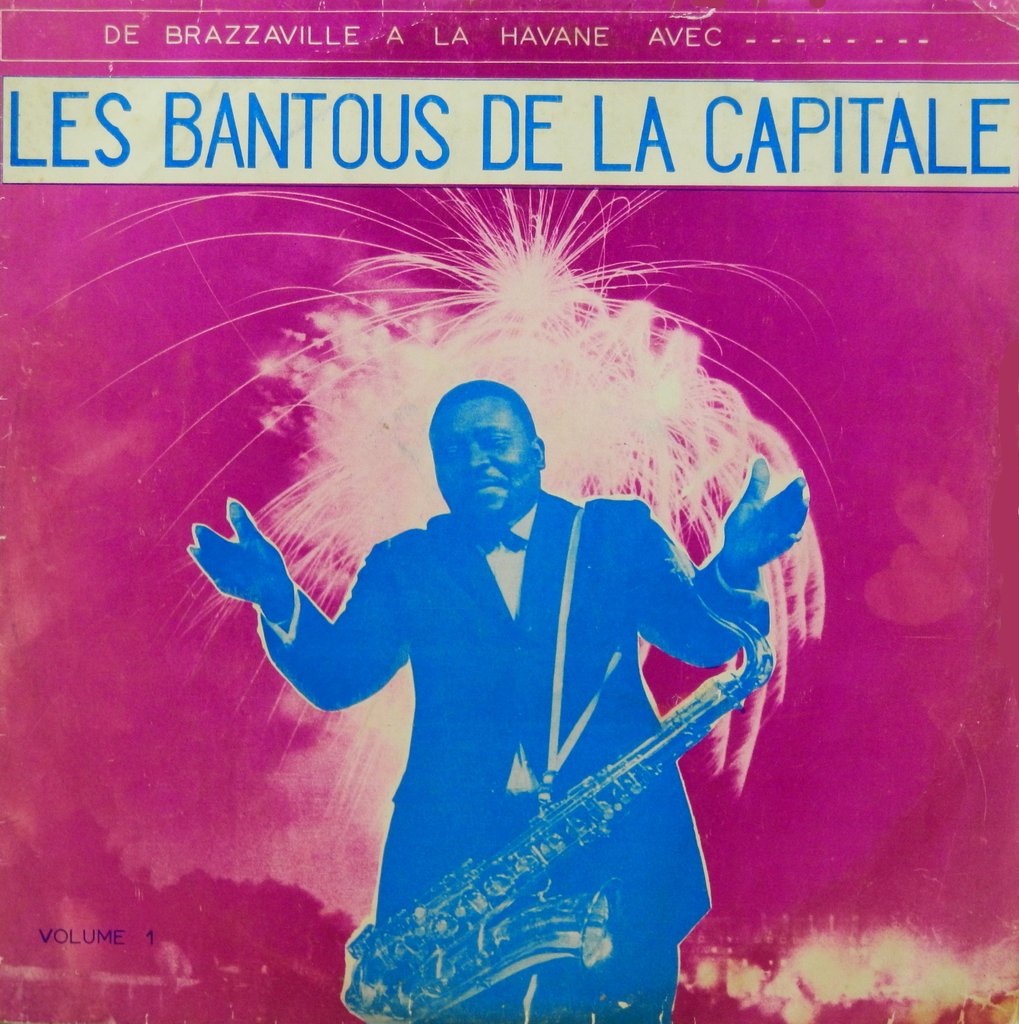
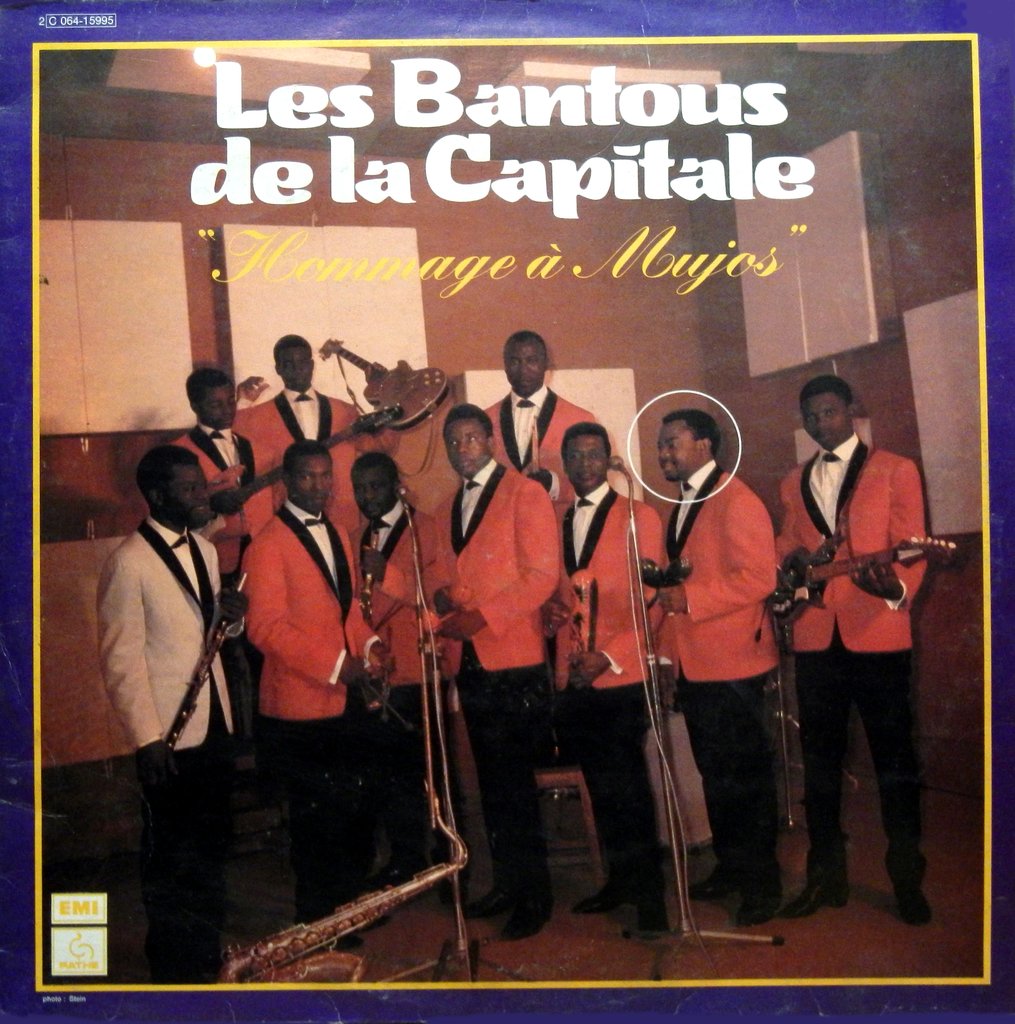
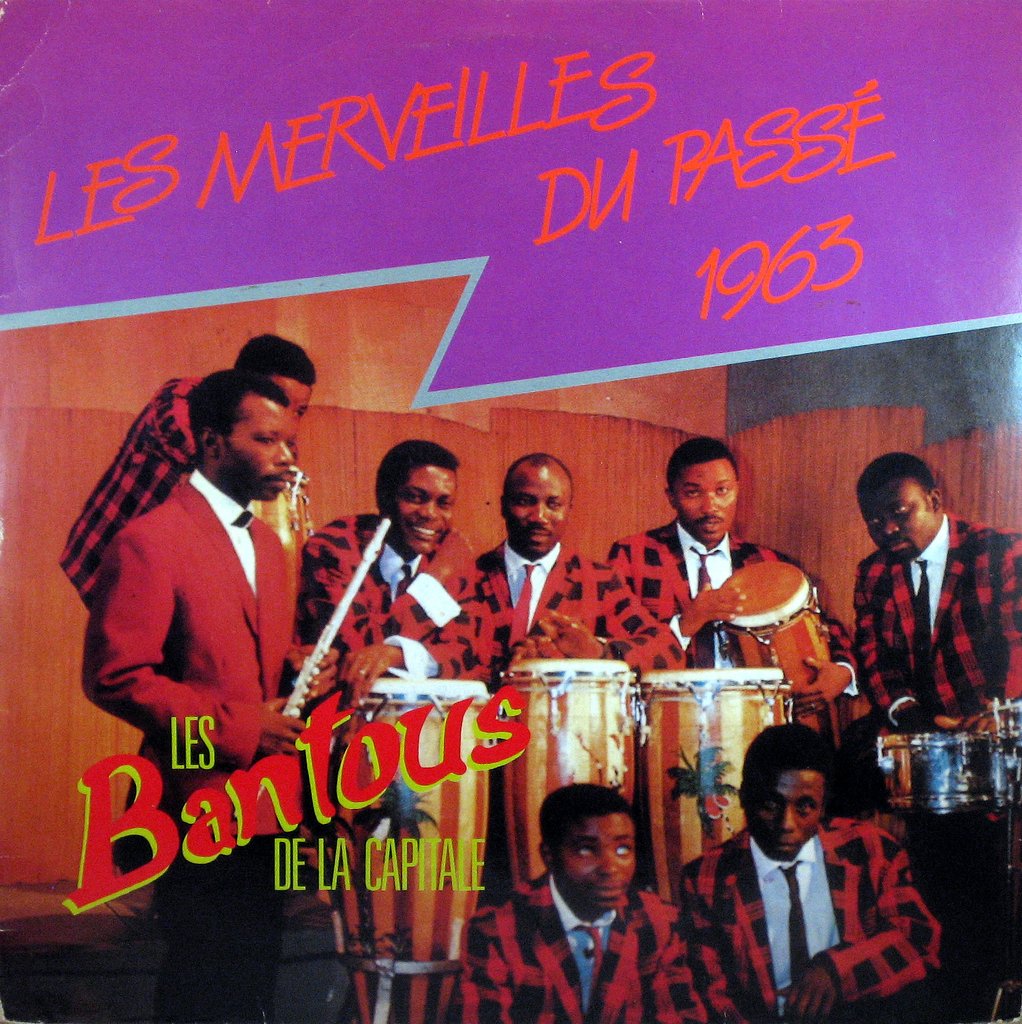
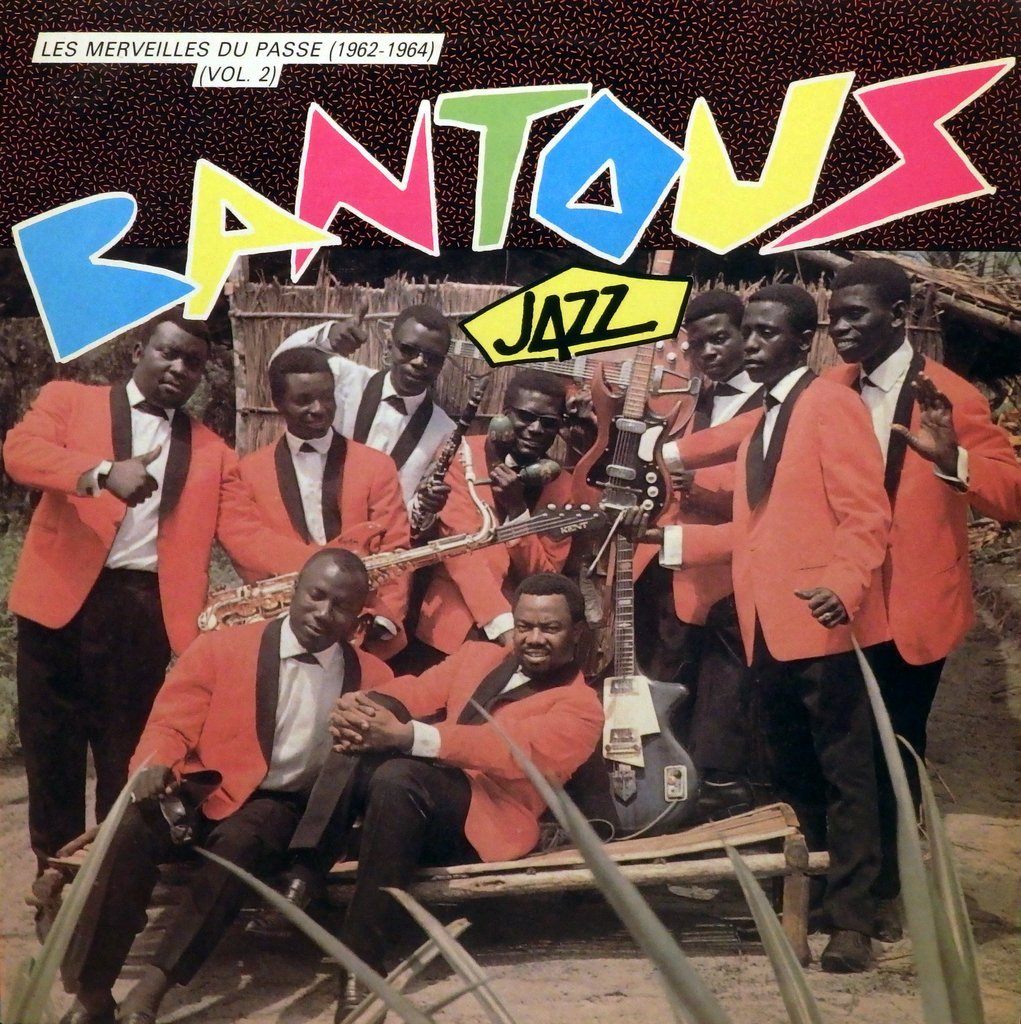
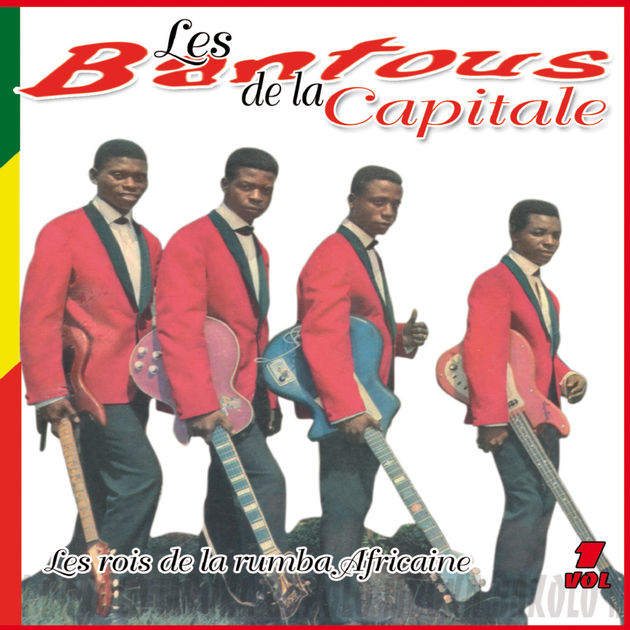
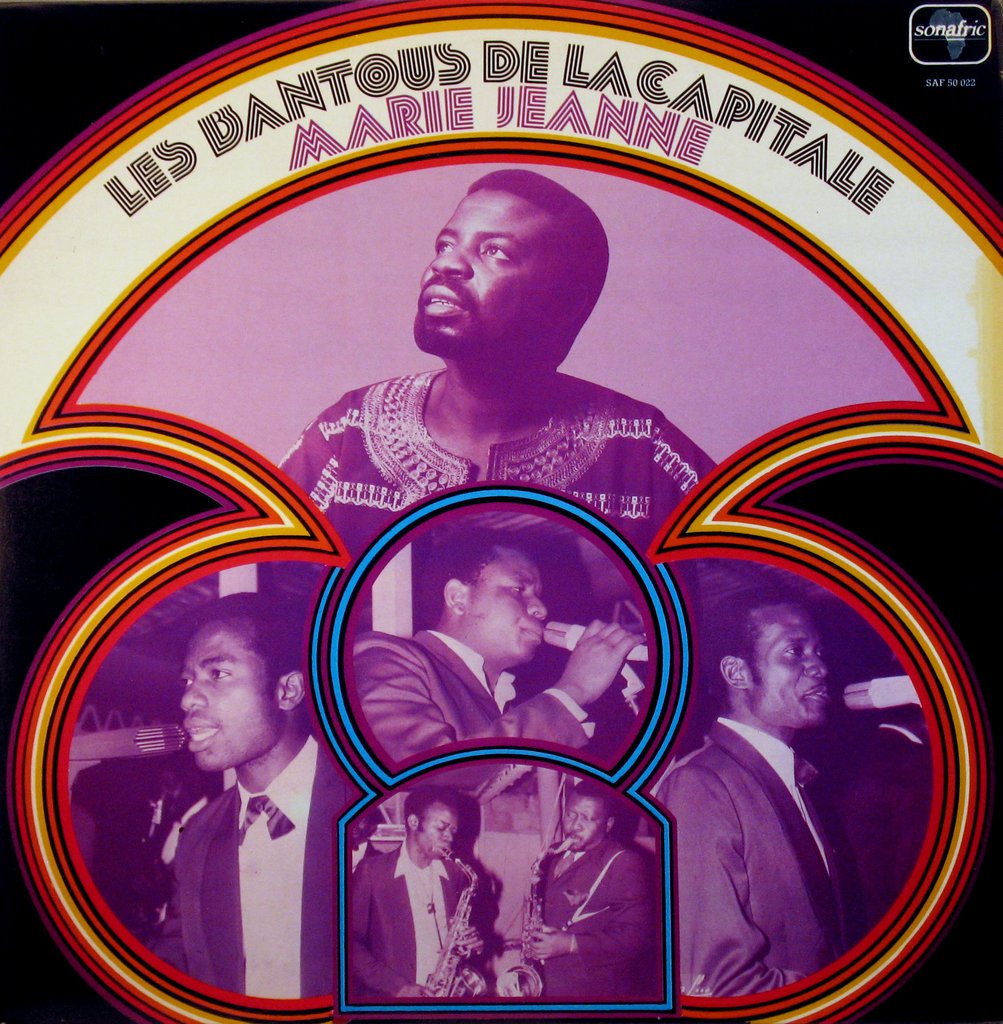
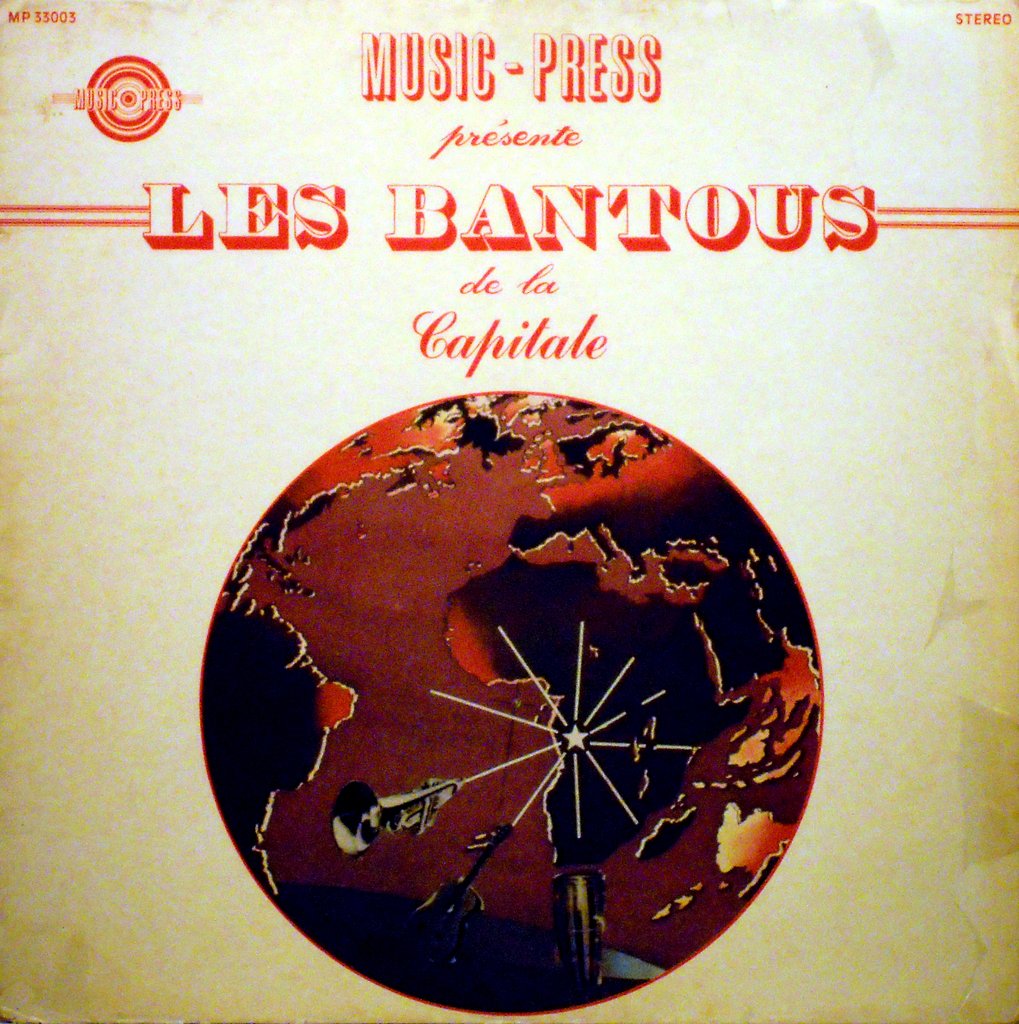
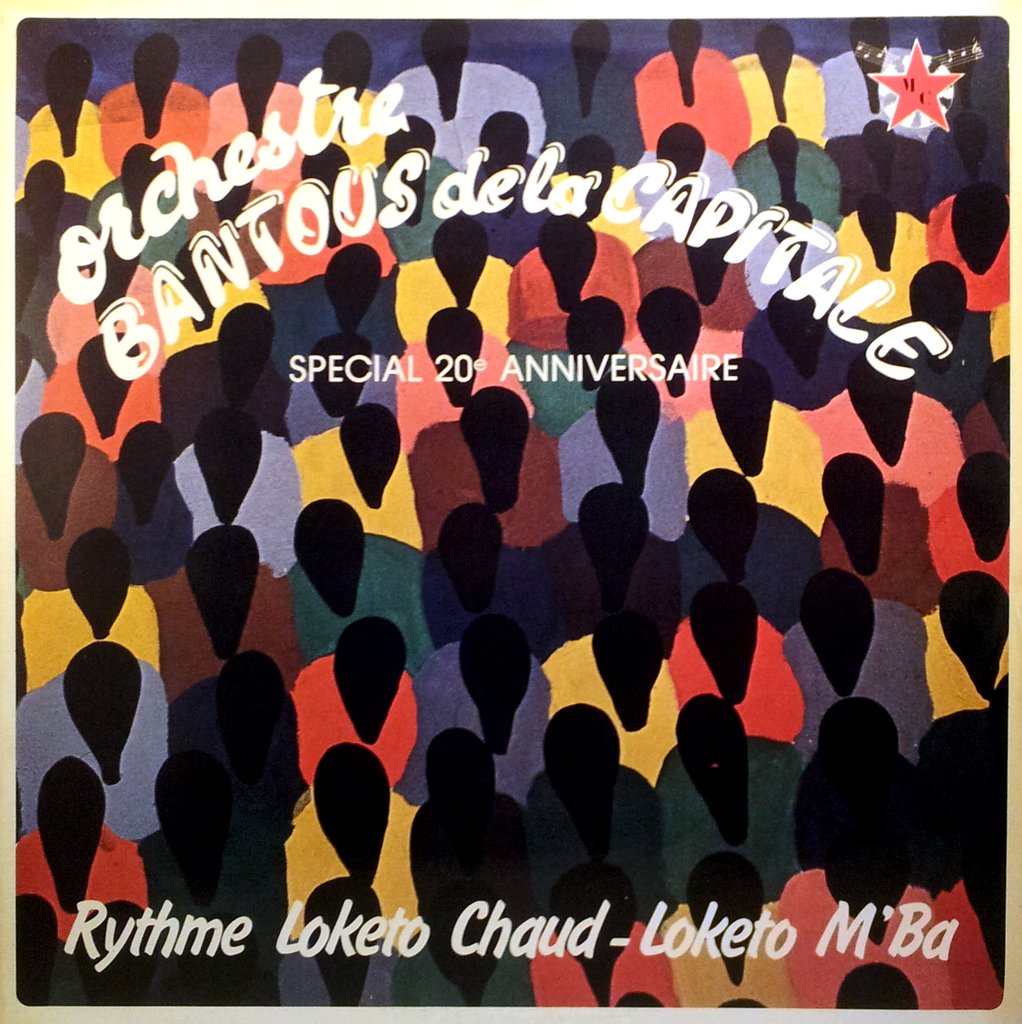
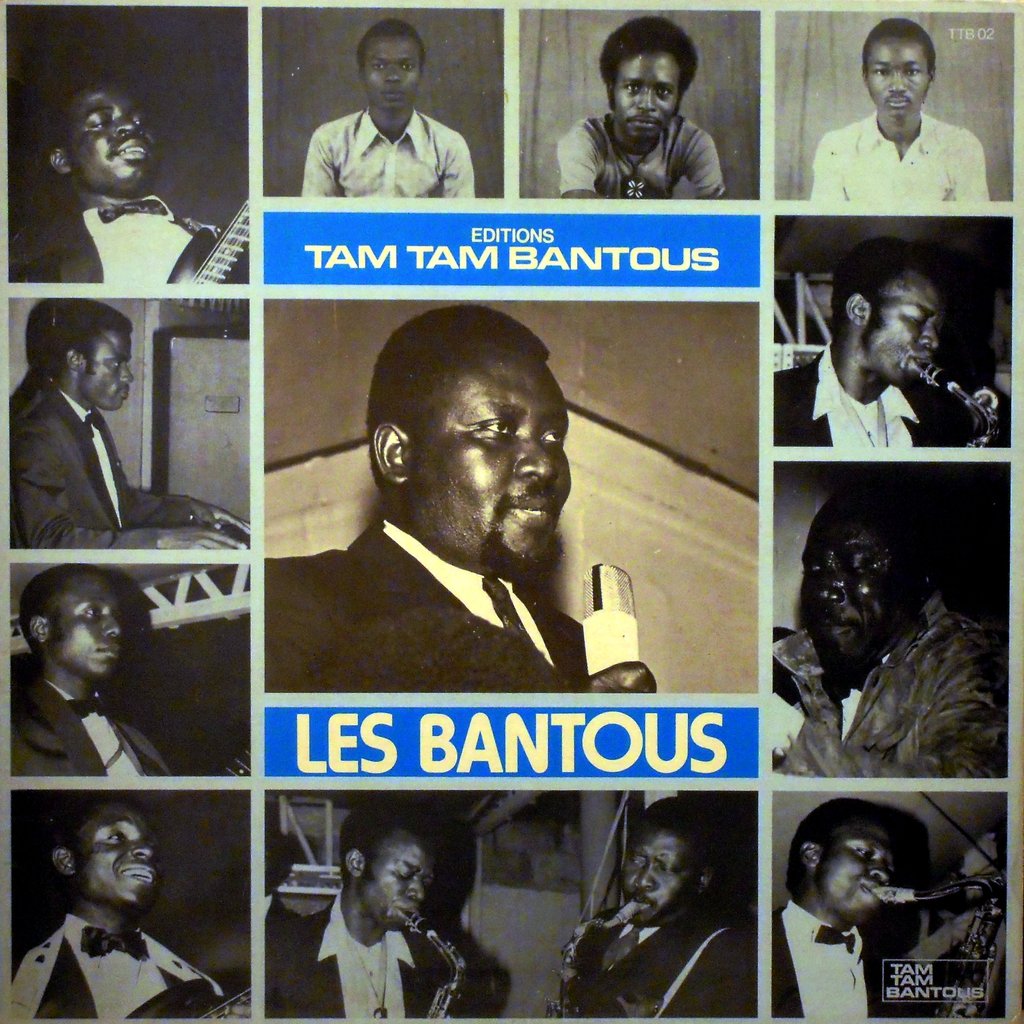
On August 15, 1959, at the Chez Faignond dance bar in the Poto-Poto neighborhood of Brazzaville, six musicians from both sides of the Congo took to the stage under the name Bantous. That evening was born an orchestra that would become the only group created before independence to cross decades without ever disappearing. Their music, rooted in Congolese rumba with Cuban influences, embraced salsa, cha-cha-cha, and soukous — that fast guitar style which would become the musical heritage of Central Africa.
In brief
| Group name | Les Bantous de la Capitale |
| Country of origin | Republic of the Congo |
| Musical genre | Congolese rumba (with Cuban influences, soukous) |
| Active period | Since 1959 |
| Founding members | Édouard Nganga, Jean-Serge Essous, Célestin Kouka « Célio », Daniel Loubelo, Saturnin Pandi |
| Emblematic works | Makambo mibale, Rosalie Diop, Comité Bantou |
| Labels | SOCODI, Columbia Records, CEFA, Sonodisc |
Key dates
| Year | Event |
|---|---|
| 1959 | Birth at Chez Faignond bar, Brazzaville |
| 1961 | Nino Malapet joins the group and takes over leadership |
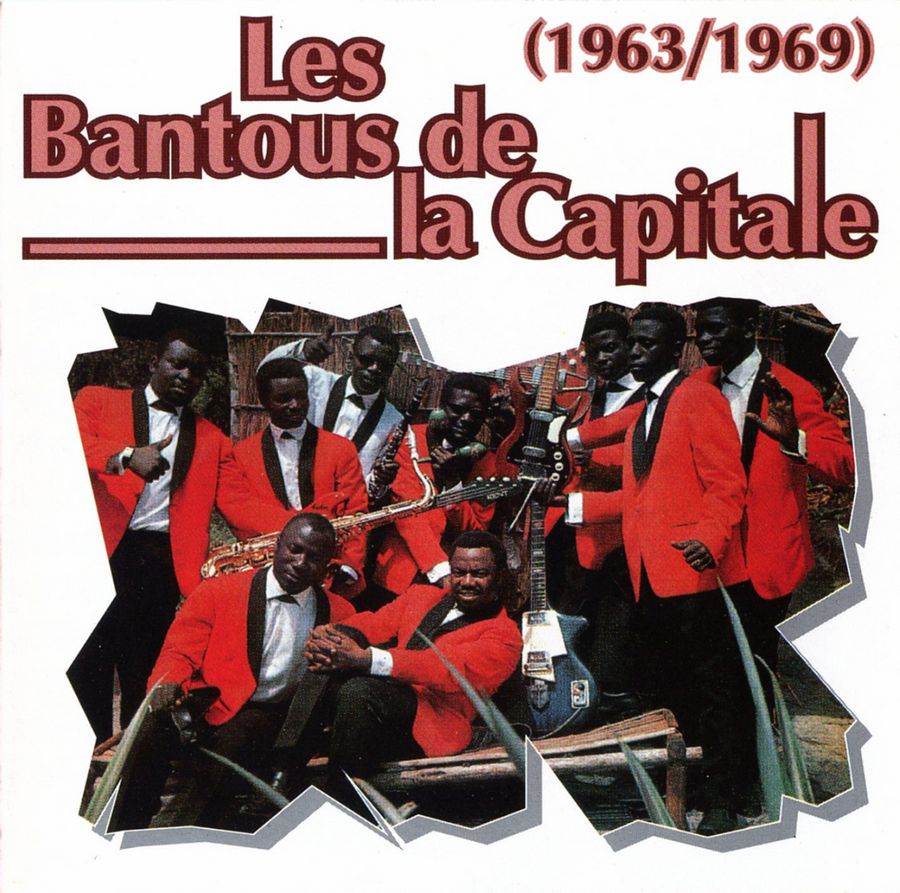
| 1963 | Pamélo Mounk’a joins the orchestra at age 18 |
| 1966 | Performance at the World Festival of Negro Arts in Dakar |
| 1967 | Mobutu’s Authenticity policy, disruption of the group |
| 2009 | Death of Jean-Serge Essous, 50th anniversary of the group, concert at the Olympia |
| 2020 | Death of Nganga Édo, last survivor of the founders |
Origins and revelation
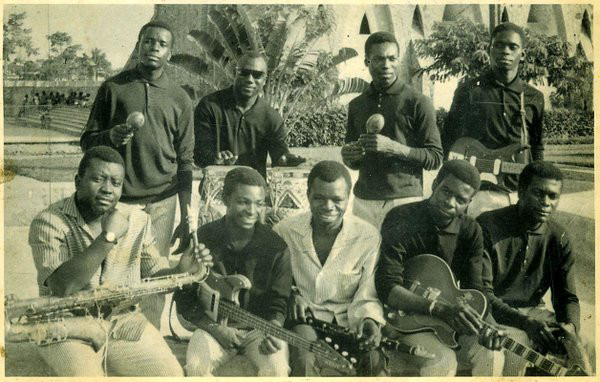
Brazzaville and Léopoldville, separated by two hundred kilometers of river, exchanged musicians and songs in the early 1950s. Édouard Nganga, a carpenter by training but a virtuoso tenor vocalist, co-founded the Négro Jazz group in Kinshasa in 1954 and met Franco Luambo and the founders of TP OK Jazz there. In April 1959, six Congolese comrades from Brazzaville, then passing through Léopoldville, decided to create their own ensemble. On August 15, at Chez Faignond, the Bantous played for the first time: Essous directed, Nganga and Célio sang, De la Lune handled bass, Pandi the percussion, Baroza solo guitar, Dignos rhythm, Aribot drums, and Evongo maracas. In 1961, Nino Malapet completed the orchestra and took artistic direction when Essous settled in Paris.
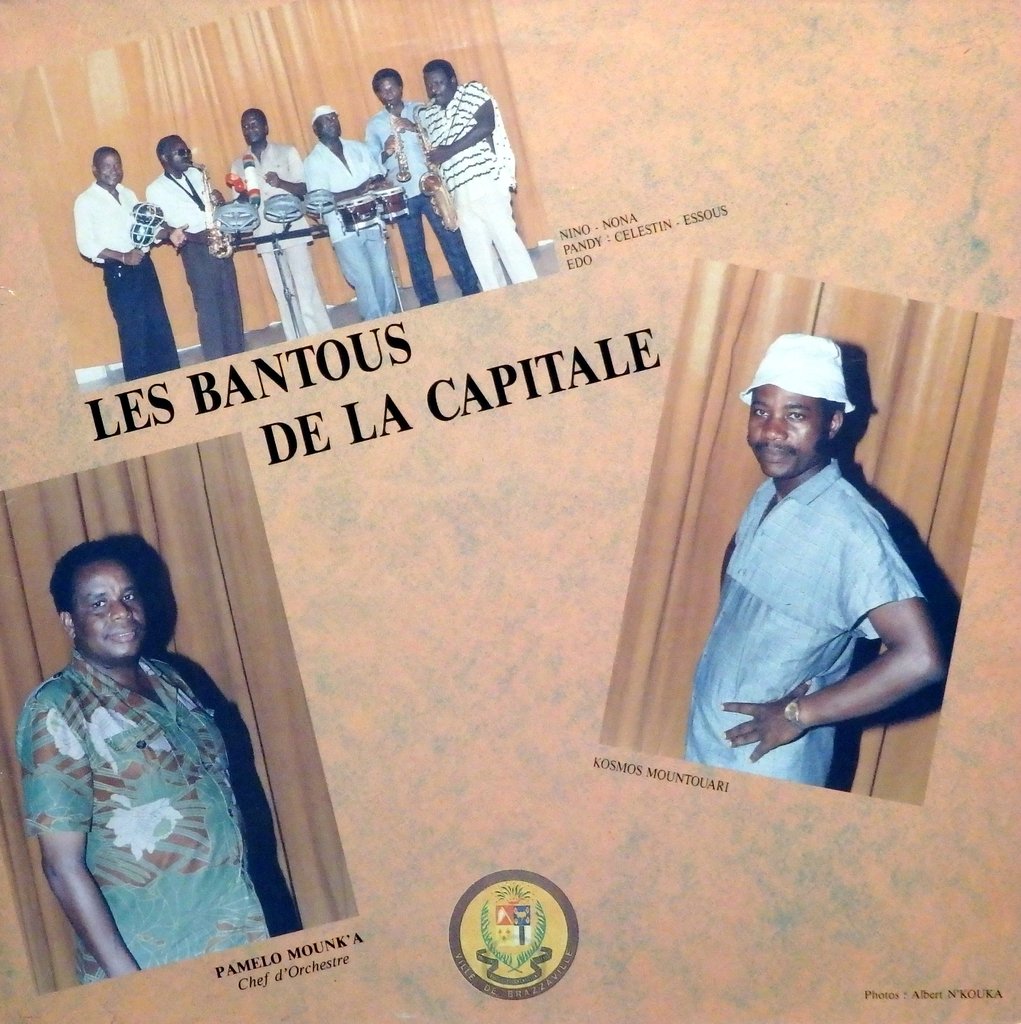
The group survived Mobutu’s “Authenticity” policy imposed in 1967, which drove away many musicians. The Bantous, founded on a club of friends, resisted. Pamelo Mounk’a, integrated in 1963 at age 18, left again in 1964 to found African Fiesta with Tabu Ley, then returned in November of the same year, chased from Kinshasa by the expulsion of Brazzaville Congolese. His title Monsieur, on va se marier became a classic. Other figures marked the group: guitarist Samba Mascott, singer Tchico Tchicaya, and guitarist Papa Noël, formerly of Franco & OK Jazz.
End of an era and legacy
Jean-Serge Essous died on November 25, 2009; Saturnin Pandi in 1996; Pamelo Mounk’a a few years earlier. Nganga Édo, tenor vocalist and author of Mabé nde kolimwa, Zozo kobanga te and Aimé wa Bolingo, is the last survivor of the founders. He passed away on June 7, 2020 at age 87, two months after being elevated to Commander of the Order of Merit of the Republic of the Congo. The Bantous remain, according to Congolese press, the standard-bearer of Congolese music. Their records, reissued on CD and available on streaming, continue to be rediscovered by new generations.
Major works
| Work | Year | Why it’s essential |
|---|---|---|
| Makambo mibale | 1960s | Fundamental hymn of Congolese rumba, with its brass and hypnotic progression. |
| Rosalie Diop | 1966 | Composed during the World Festival of Negro Arts in Dakar, born from a love story and the group’s friendship with their Senegalese hostess. |
| Comité Bantou | 1960s | A classic of the Bantou Jazz period illustrating Afro-Cuban influence and Essous’s brass virtuosity. |
Legacy and influence
Les Bantous de la Capitale were a sound laboratory: they experimented with the transition from Cuban rumba to soukous, gradually inventing that fast guitar rhythm — the kwasa-kwasa — which would give its musical identity to all of Central Africa. Subsequent generations of Congolese musicians, from Aurlus Mabélé to the modern stage in Brazzaville, pay them tribute.
Sources and references
- « Les Bantous de la capitale », Wikipédia, https://fr.wikipedia.org/wiki/Les_Bantous_de_la_capitale, accessed October 19, 2025.
- « Nganga Edo, dernière flamme des Bantous de la Capitale, s’est éteint », VOA Afrique, https://www.voaafrique.com/a/musique-la-derni%C3%A8re-flamme-des-bantous-de-la-capitale-s-est-%C3%A9teinte-/5454676.html, accessed October 19, 2025.
- Bedel Baouna, « Les Bantous de la capitale ont 50 ans », Afrik.com, April 2, 2009, https://www.afrik.com/les-bantous-de-la-capitale-ont-50-ans, accessed October 19, 2025.
- « Les Bantous de la Capitale », AllMusic, https://www.allmusic.com/artist/les-bantous-de-la-capitale-mn0000820527, accessed October 19, 2025.
- Programme « Mariama », Concertzender, https://concertzender.nl/programme/mariama_839711, accessed October 19, 2025.
- Les Bantous De La Capitale, Discogs, https://discogs.com/artist/1383882-Les-Bantous-De-La-Capitale, accessed October 19, 2025.