Biography
Les Léopards: the pioneers of Martinican zouk
Saint-Pierre, Martinique, 1970. On the stage of the local contest, Les Léopards win first prize thanks to a voice that fills the entire hall without a microphone: that of Max Ransay, drummer-singer with a distinctive timbre. That evening begins the ascent of a group that will become, in just a few years, the musical reference for French Guiana and the Antilles.
In brief
| Group name | Les Léopards (known as “Saint-Pierre Leopards”) |
| Origin | Saint-Pierre, Martinique |
| Active period | 1968–1980 (renamed in 1970) |
| Genre(s) | Mini-jazz, biguine, zouk, cadence, compas |
| Founding members | Alex Martine (guitar), Albert Nadeau (vocals), Marcel Charles |
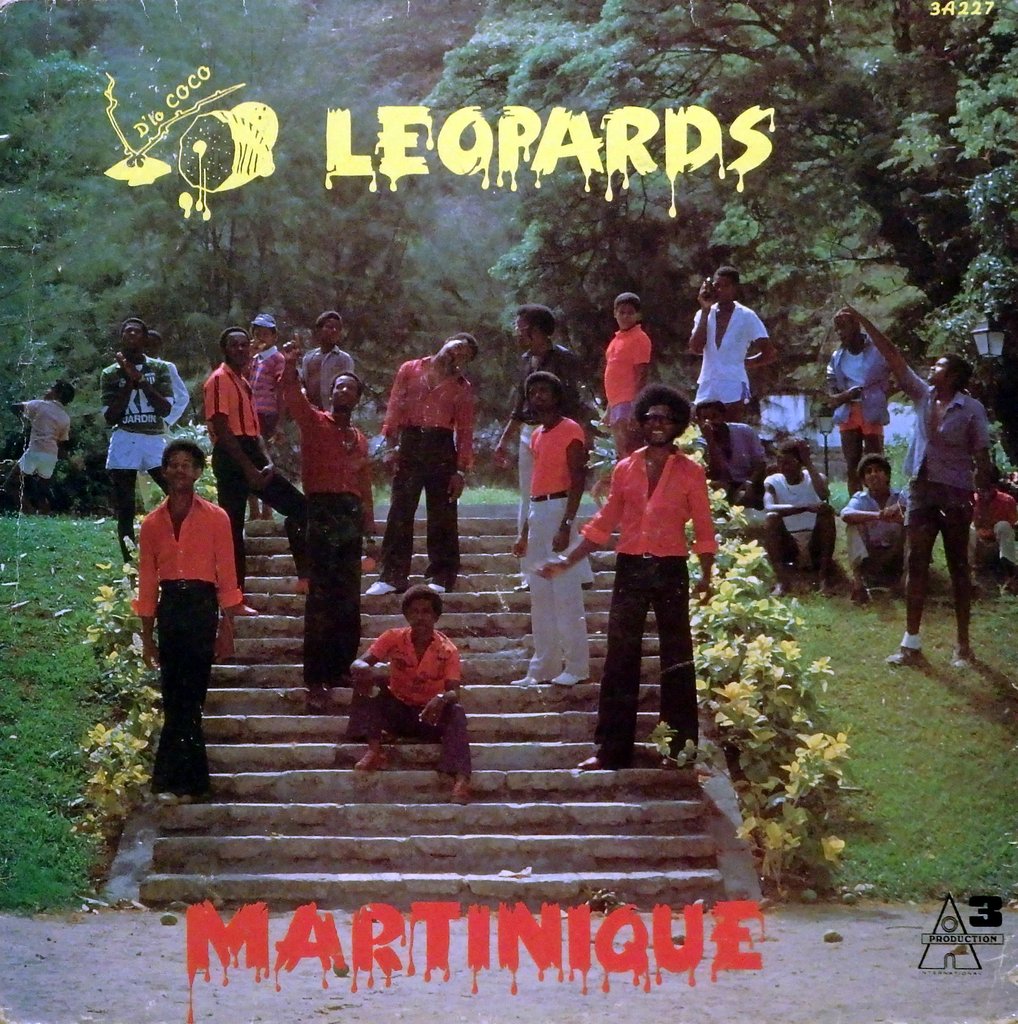
| Signature works | “D’lo Coco”, “Saucisse saucisson”, “Jojo Pas Fait Çà La” |
| Distinction | First gold record of Antillean music (March 25, 1976) |
Key dates
| Year | Event |
|---|---|
| 1968 | Group founded under the name Watching Brothers |
| 1970 | Renamed Les Léopards; arrival of Max Ransay, who becomes bandleader |
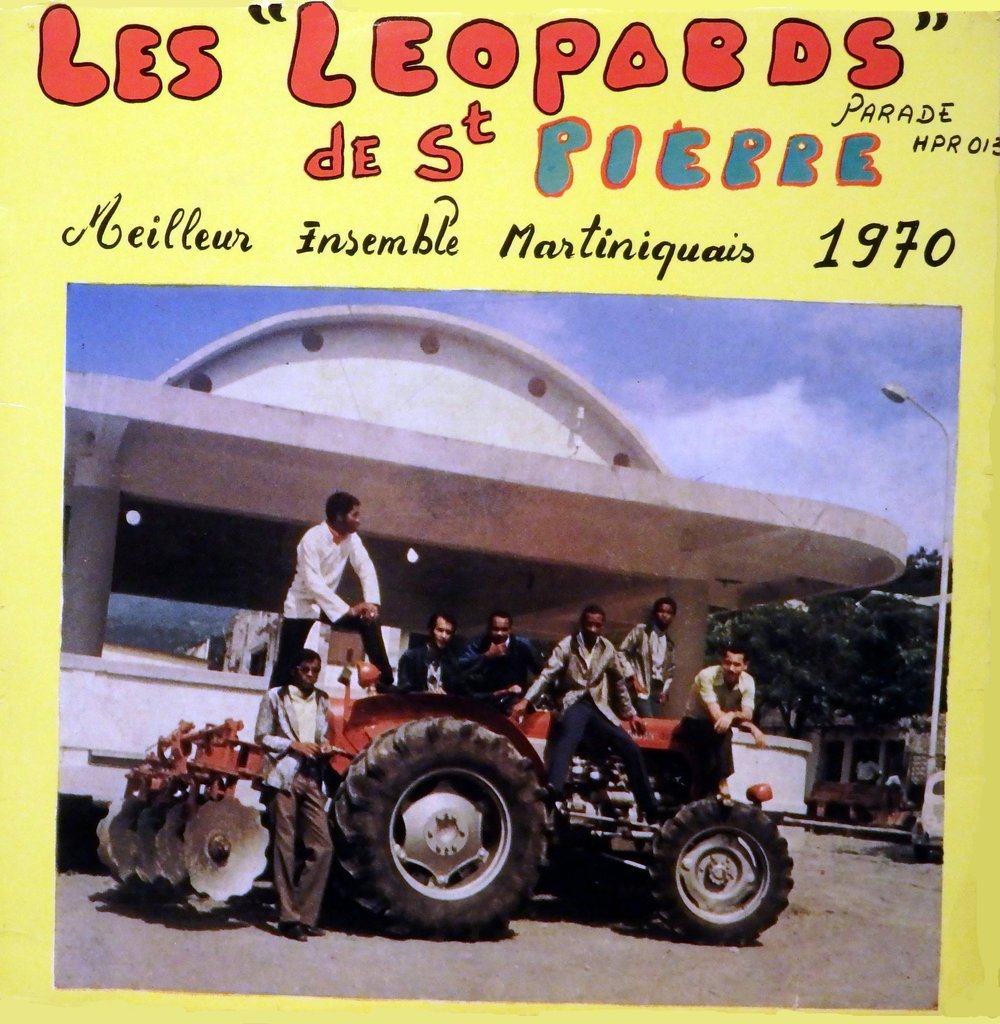
| 1970 | First record, Le meilleur ensemble martiniquais, label Hit Parade |
| 1972 | “D’lo Coco”, hit by Albert Nadeau, a massive success in the Caribbean |
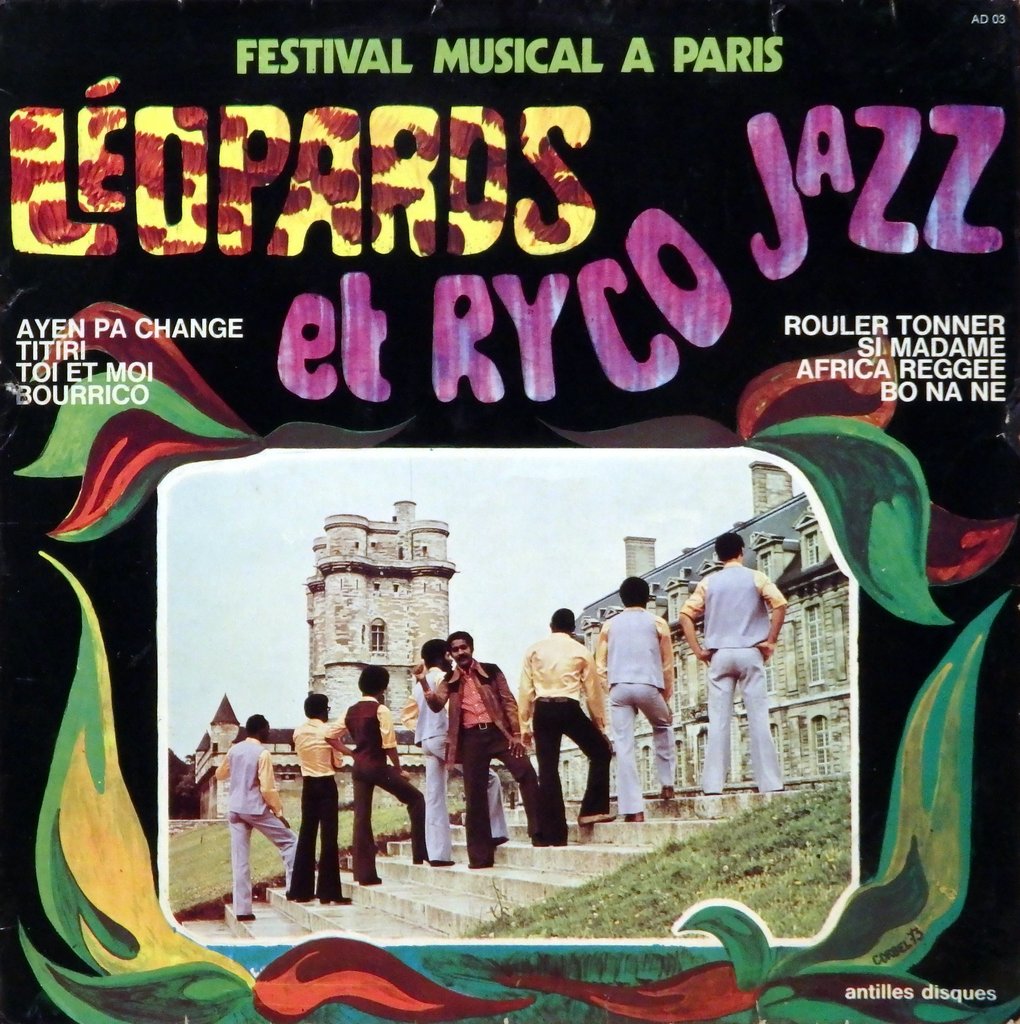
| 1973 | Festival musical à Paris, in collaboration with Ry-Co Jazz, label Antilles Disques |
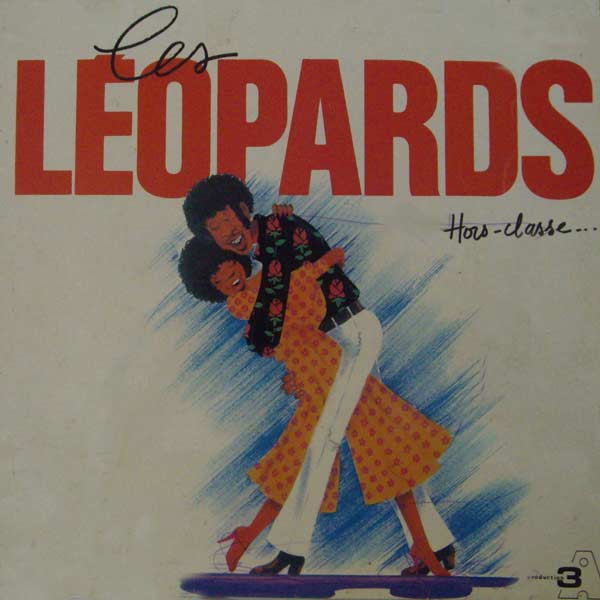
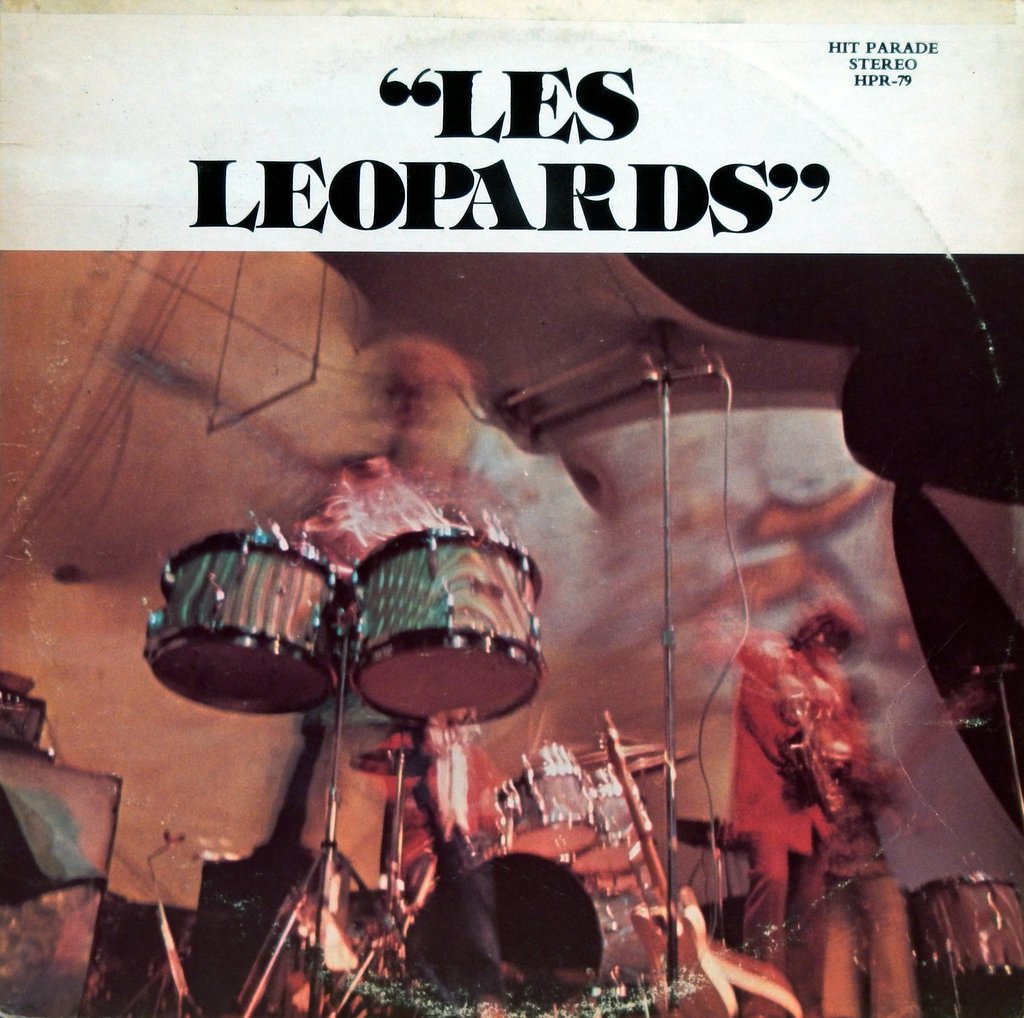
| 1975 | Les Léopards (HPR-79), assertive stereo sound |
| 1976 | March 25 — First gold record of Antillean music |
| 1977 | “Jojo Pas Fait Çà La”, an engaged title that made a lasting impression |
| 1979–1980 | Period of glory in metropolitan France, numerous concerts for the Antillean diaspora |
| 1981 | Gradual disbandment of the group |
| 2003 | Death of Max Ransay, November 25, at age 61, at Fort-de-France CHU |
| 2018 | Death of Albert Nadeau, April 1, at age 66 |
A music that speaks to Martinicans
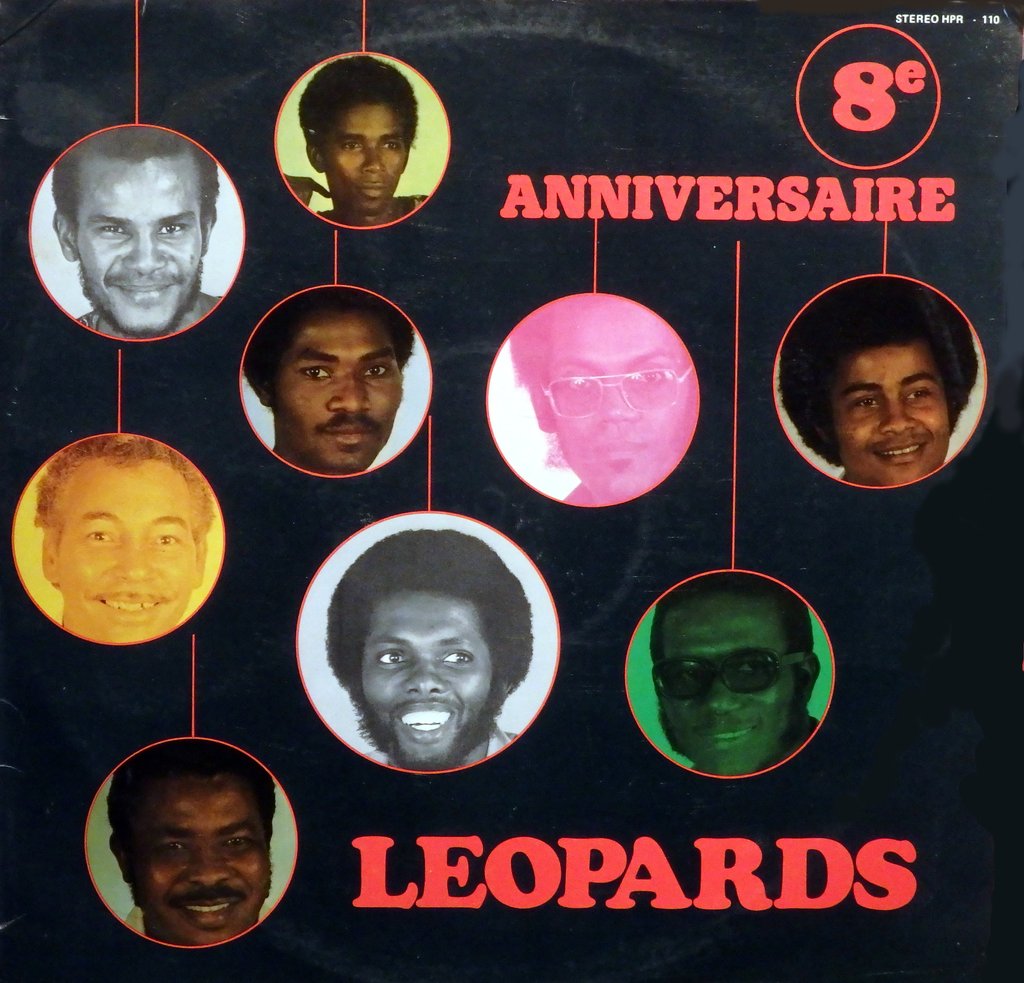
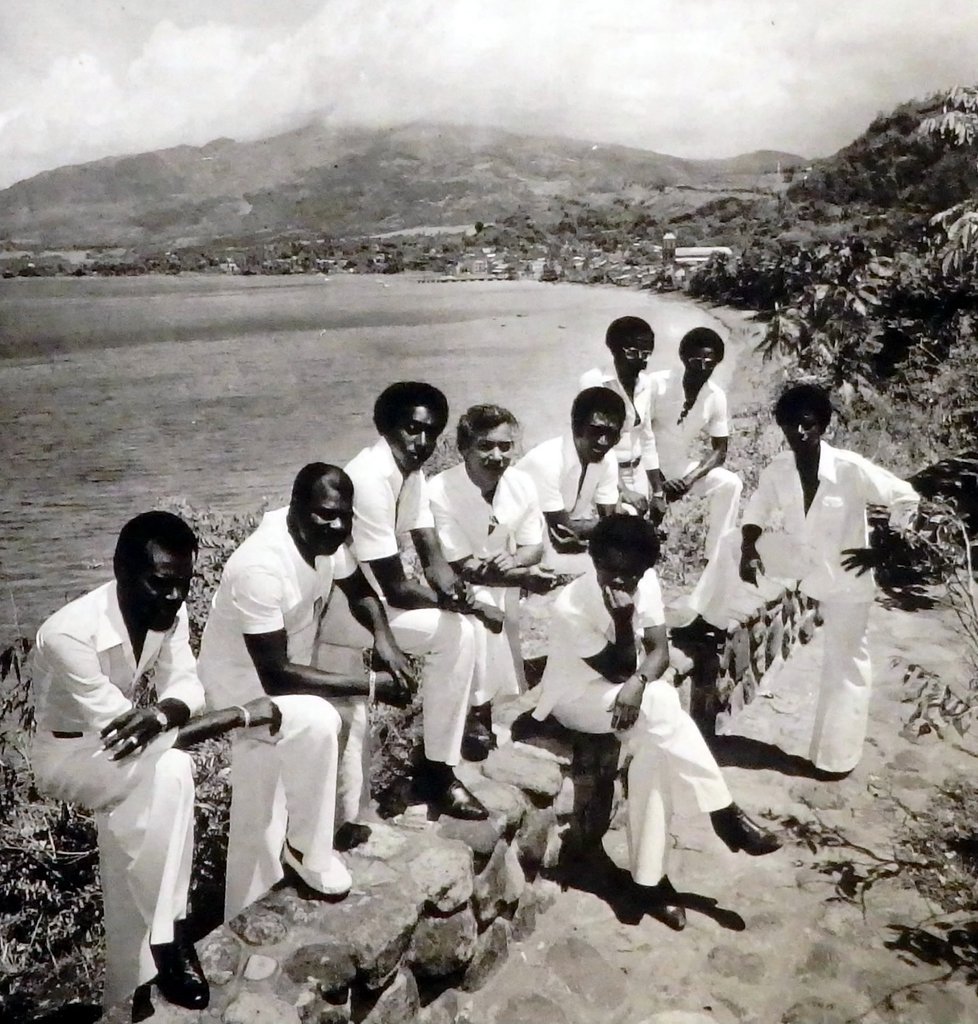
Les Léopards come from the land of Saint-Pierre, an art and history town perched on the island’s east coast. The group was called Watching Brothers — an Anglophone name reflecting the influence of American rock and soul on Martinican youth at the end of the 1960s. In 1970, it took its definitive name and recruited Max Ransay, “Tonton Max”, a 28-year-old singer whose powerful timbre covered the instruments without amplifying his voice.
Alex Martine, guitarist, laid down the musical foundations. Albert Nadeau, a young singer-songwriter, brought his talent and voice: he would sign “D’lo Coco”, the 1972 hit that became one of the first anthems of precursor zouk. The group embraced mini-jazz — this music stemming from Antillean instrumental formations of the 1960s, between calypso and biguine — which it enriched with biguine, cadence, compas, and bolero. It navigated between Creole tradition and international sonorities, a balance that would become its strength.
From 1973, Les Léopards struck wider: Festival musical à Paris, with Antilles Disques, was an album designed for the Martinican diaspora settled in metropolitan France. The group followed Antillean migrations like a musical guide, multiplying concerts in hexagonal France where its reputation grew.
Consecration and legacy
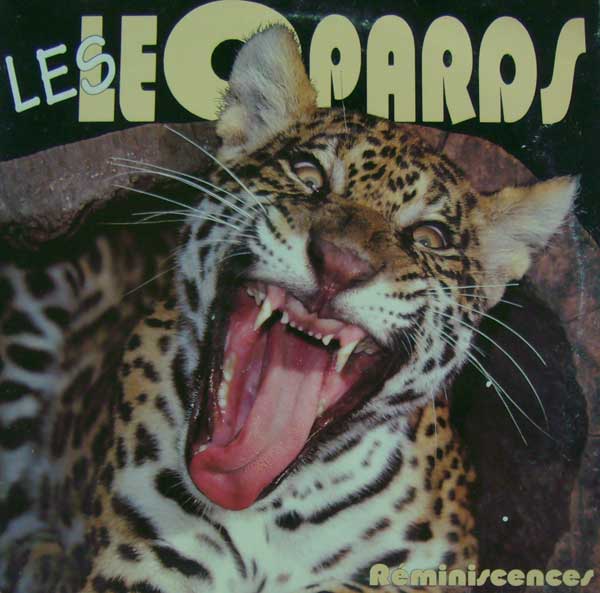
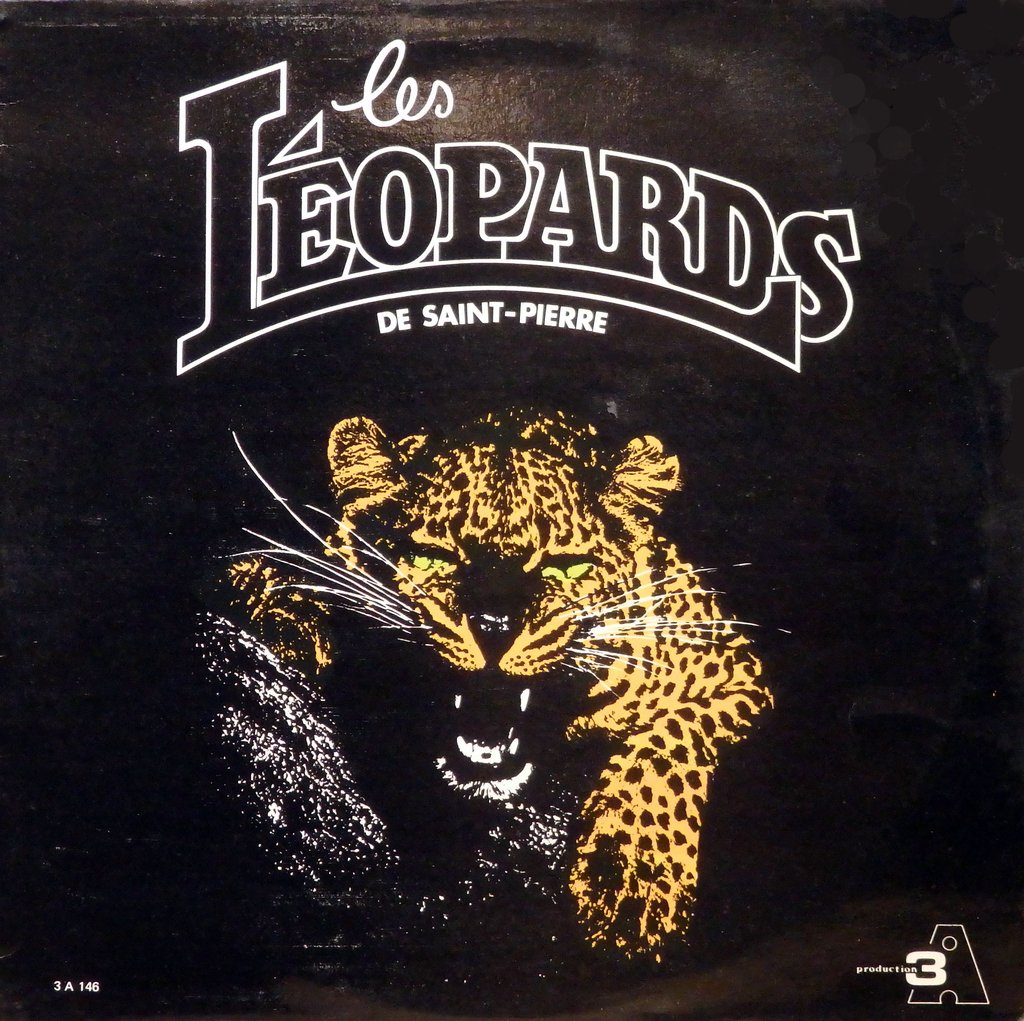
On March 25, 1976, Les Léopards secured the first gold record of Antillean music — a historic consecration for a scene that lacked institutional recognition at the time. In total, the group published more than forty albums between 1969 and the 1980s, with Hit Parade, 3A Production, and Antilles Disques. Titles like “Saucisse saucisson” (composer: Jean-Michel Cabrimol), “Jojo Pas Fait Çà La”, or “Excitez ou” became classics of the Creole repertoire.
But glory has a limited lifespan. In 1981, the group disbanded. Max Ransay, Michel Thimon, and Jean-Michel Cabrimol created La Maafia, a new formation that would take the sound of Les Léopards even further. Cabrimol, who had joined the group from its very beginnings, recorded Nèg kont nèg and La Bible in New York, and led La Maafia All Stars for decades. Max Ransay, in turn, founded Kalikou with former Leopards and continued recording solo: “La rout’ chanflô” (1989), Mont bénit, Mémoires de la Biguine, Coeur d’un Homme — until his death on November 25, 2003, at Fort-de-France CHU, at age 61, following a brain tumor.
Albert Nadeau, for his part, had left the group earlier for an international solo career, collaborating with Gordon Henderson from Dominica in the Saultonne orchestra. He passed away on April 1, 2018, at the age of 66.
Major works
| Work | Year | Why it’s essential |
|---|---|---|
| Le meilleur ensemble martiniquais | 1970 | Group’s first record, label Hit Parade, crowns Les Léopards |
| “D’lo Coco” | 1972 | Masterpiece by Albert Nadeau, group’s first international hit |
| Festival musical à Paris | 1973 | Album recorded with Ry-Co Jazz, label Antilles Disques, aimed at the diaspora |
| “Saucisse saucisson” | 1970s | Hit by Jean-Michel Cabrimol, classic of the Creole repertoire |
| “Jojo Pas Fait Çà La” | 1977 | Engaged title, rooted in Martinican social history |
Legacy and influence
Les Léopards paved the way for an entire generation of Antillean groups. Their success — the first gold record in 1976 — demonstrated that music created in the islands could conquer France and the world. The mini-jazz they carried influenced zouk, which would explode in the 1980s, and artists like Kassav’ or the Gibson Brothers would follow in their footsteps. Today, their records still circulate in carnival bouquets, and fan sites like Afro Caribbean Beats or Martinique Annu maintain their memory for a new generation. The group’s trajectory — from Saint-Pierre to Paris, from the Caribbean to the diaspora — illustrates the musical history of French Antilles in the 20th century.
Sources and references
- « Les Léopards — Martinican artist », Martinique Annu, https://martiniqueannu.com/artiste-martiniquais/groupe-martinique/les-leopards-de-la-martinique, accessed 10 November 2026.
- « Les Leopards Discography », Discogs, https://www.discogs.com/fr/artist/2005090-Les-Leopards, accessed 10 November 2026.
- « Music of Martinique », Wikipedia (EN), https://en.wikipedia.org/wiki/Music_of_Martinique, accessed 10 November 2026.
- « Les Léopards — 1972 », Afro Caribbean Beats, https://afrocaribbeanbeats.com/les-leopards-1972/, accessed 10 November 2026.
- « Albert Nadeau, former singer of the group Les Léopards de Saint-Pierre, has passed away », France-Antilles Martinique, https://www.martinique.franceantilles.fr/actualite/videos/albert-nadeau-lancien-chanteur-du-groupe-les-leopards-de-saint-pierre-sen-est-alle-899791.php, accessed 10 November 2026.
- « Once upon a time, Max Ransay… 20 years already », La 1ère (Franceinfo) Martinique, https://la1ere.franceinfo.fr/martinique/saint-pierre-martinique/il-etait-une-fois-max-ransay-20-ans-deja-1446119.html, accessed 10 November 2026.
- « Max Ransay », AZ Martinique, https://azmartinique.com/fr/tout-savoir/personnes-celebres/max-ransay, accessed 10 November 2026.
- « In memory of MAX RANSAY, Martinican singer, full of colour », Newstropiques, https://www.newstropiques.com/2022/11/en-souvenir-de-max-ransay-chanteur.html, accessed 10 November 2026.
- « GUEST: JEAN-MICHEL CABRIMOL », France TV Pro, https://www.francetvpro.fr/contenu-de-presse/32268, accessed 10 November 2026.
- « Jean-Michel Cabrimol — Martinican artist », Martinique Annu, https://martiniqueannu.com/artiste-martiniquais/chanteurs-martiniquais/jean-michel-cabrimol, accessed 10 November 2026.