Biography
Madilu System: the great soukous ninja of Congolese music
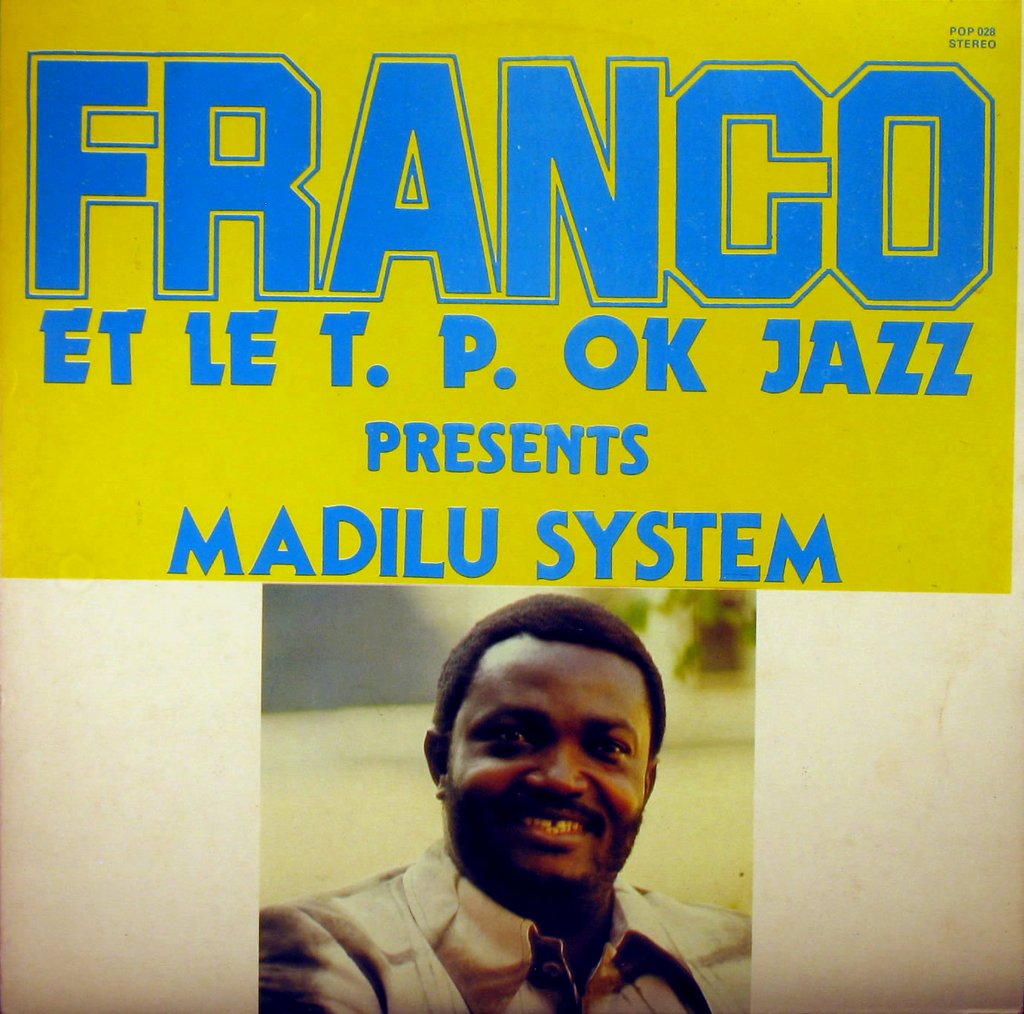
In November 1983, in a corridor of a Brussels hotel, Franco Luambo, master of TPOK Jazz, heard a young Congolese singer. This raspy voice, this tremolo tenor, would transform Congolese music. Jean de Dieu Bialu became Madilu System. Nearly forty years of career make him one of the most striking voices of Congolese rumba1.
In brief
| Full name | Jean de Dieu Bialu Makiese |
| Pseudonym | Madilu System |
| Nicknames | « Grand Ninja », « Le Grand Pharaon », « Ramsès II » |
| Birth | 28 May 1950, Kisantu, Belgian Congo |
| Death | 11 August 2007, Kinshasa, DRC |
| Genres | Congolese rumba, soukous |
| Activity | 1969–2007 |
Key dates
| Year | Event |
|---|---|
| 1950 | Birth in Kisantu, Bas-Congo |
| 1969 | Debut at sixteen in Orchestre Symba |
| 1973 | Co-founding of Bakuba Mayopi; hit « Pamba-Pamba » |
| 1980 | Joined Franco Luambo’s TPOK Jazz |
| 1983 | Revelation with « Non », global hit |
| 1985 | Legendary duo with Franco: « Mario » |
| 1989 | Death of Franco; he remained faithful to TPOK Jazz |
| 1993 | Departure from the group; start of solo career |
| 1993–2007 | Eight solo albums; recognition as Franco’s heir |
| 2007 | Death in Kinshasa; thousands of fans in the streets |
Origins: the formation of a voice
Born on 28 May 1950 in Kisantu, in Bas-Congo, Jean de Dieu Bialu Makiese grew up surrounded by Congolese orchestras. As an adolescent, he became attached to Sam Mangwana’s voice to the point of neglecting school. In 1969, at sixteen, he joined Orchestre Symba and then Bamboula by Papa Noël Nedule, where he rubbed shoulders with Pépé Kallé and Wuta Mayi. He went from one experience to another: Festival des Maquisards, Fiesta Populaire de Fagus Izeidi — the latter proposed him the pseudonym « Madilu », inspired by a Tamil word2. He fused this first name with the ending of his own name to forge his signature.
In 1973, with guitarist Yossa Taluki and singer Pirès, he founded Bakuba Mayopi. The group racked up successes, and Madilu composed the hit « Pamba-Pamba ». After tensions, he left in 1976, formed Pamba Pamba which dissolved after two years. A brief stint with Tabu Ley Rochereau did not satisfy him3.
The duo with Franco
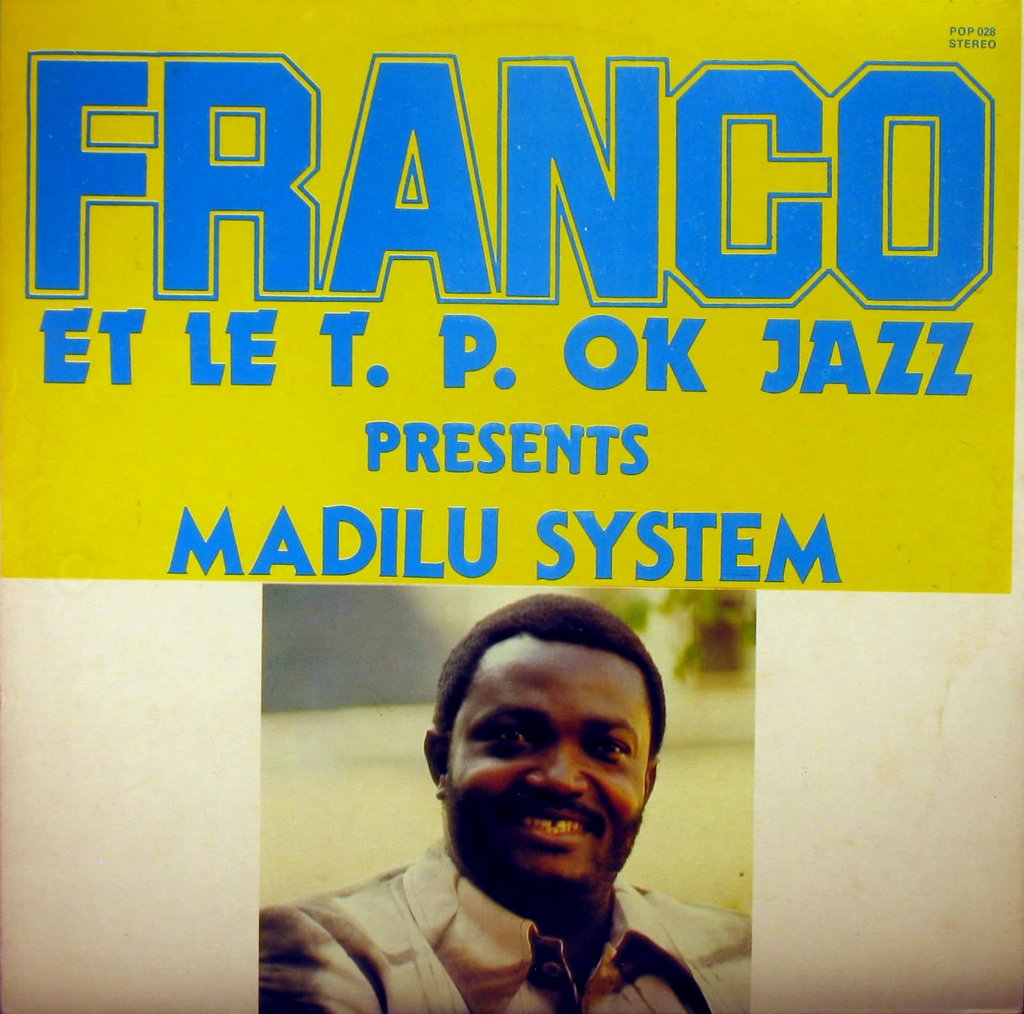
Destiny turned in April 1980 when Ntesa Dalienst introduced him to Franco. For three years, Madilu remained in the shadows — a backup singer, never in the studio. The turning point came in Brussels in 1983. Franco, tired of Madilu and on the verge of seeing him leave, called out to him in a hotel corridor. He asked him to record a demo of « Non », a rumba denouncing the flaws of Congolese households. No major singer wanted to lend themselves to this piece perceived as provocative. Franco accompanied him on guitar. « Non » became a massive success4.
He made a series of historic duos. « Mamou (Tu Vois) » (1984) conquered Sub-Saharan Africa. « Mario » (1985) is considered one of the greatest hits of TPOK Jazz. « La Vie des Hommes » (1986) completed this trio. Simaro Lutumba himself entrusted him with hits5.
The Ninja’s legacy
After Franco’s death in October 1989, Madilu remained faithful to TPOK Jazz for four years. In December 1993, during the split, he chose the independent path and founded Tout Puissant Multi-System. He settled between Kinshasa, Paris and Geneva4.
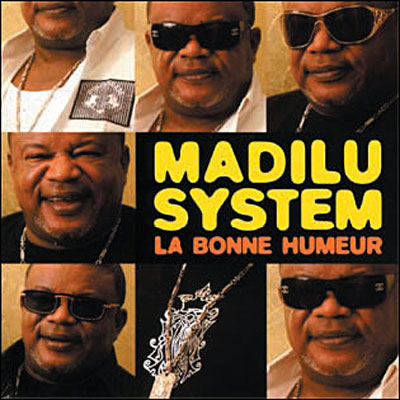
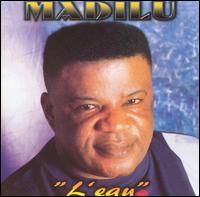
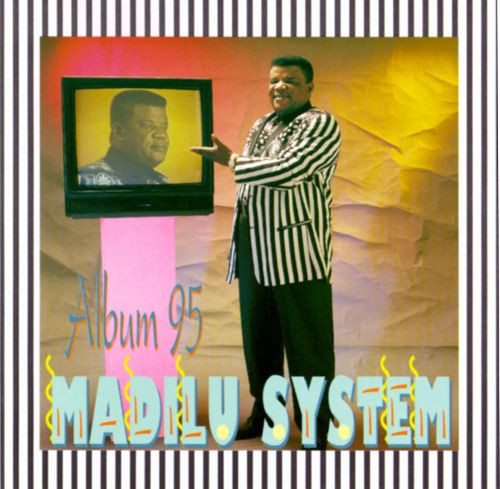
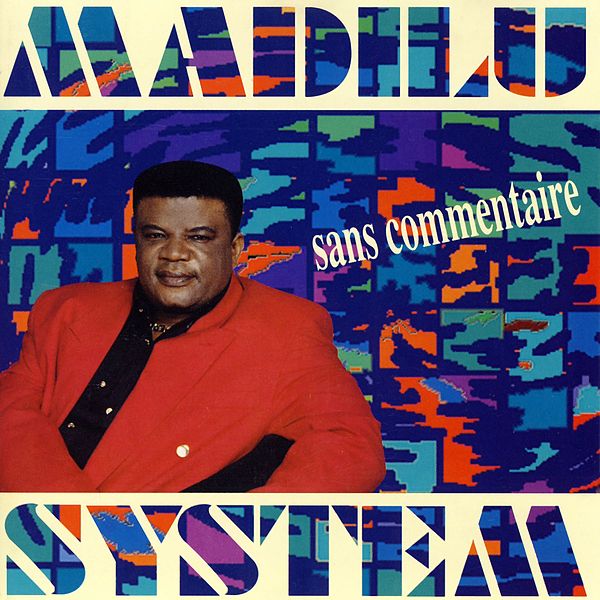
Sans commentaire (1993) reunited legends like Syran Mbenza, Lokassa ya Mbongo and Pablo Lubadika. Album ‘95, L’eau (1998), Pouvoir (1999) and Bonheur (2001) anchored his style in romanticism. He collapsed in Kinshasa in August 2007. He died on 11 August, at 57 years old, from complications of diabetes and hypertension. La Bonne Humeur was released posthumously. Thousands of fans flooded the streets1.
Major works
| Work | Year | Why it’s essential |
|---|---|---|
| « Non » | 1983 | Foundational hit of TPOK Jazz; Madilu’s revelation |
| « Mario » | 1985 | One of the greatest successes of Congolese rumba |
| « Mamou (Tu Vois) » | 1984 | Theatrical rumba on infidelity, pan-African success |
| Sans commentaire | 1993 | First solo album; gathering Congolese legends |
| L’eau | 1998 | Key album of the solo period |
Legacy
Madilu System left behind the most recognizable voice of TPOK Jazz from the late 1980s. His tremolo, his raspy tenor timbre and his recognizable laugh marked generations. The Independent described him as « the most brilliant vocal talent » of what was « probably the most influential African group of the second half of the 20th century »4.
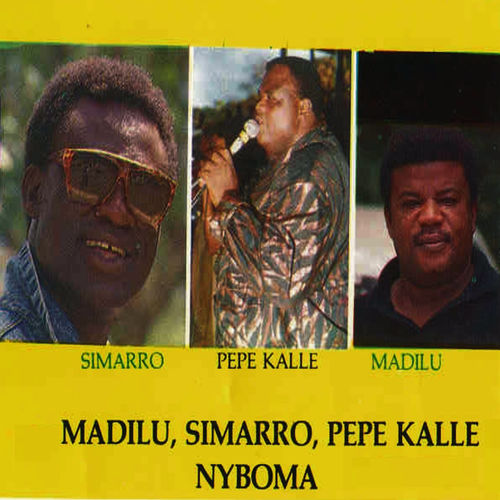
Spiritual heir to Franco, he perpetuated the « odemba », this classic rumba style with a fluid rhythm, while bringing his own romantic sensitivity. Collaborations with Africando, Zaïko Langa Langa, Nyboma, Josky Kiambukuta. His name remains inseparable from the golden age of Congolese rumba1.