Biography
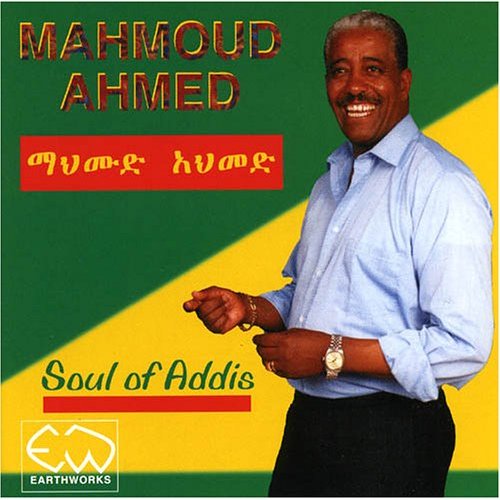
Mahmoud Ahmed: Soul of Addis
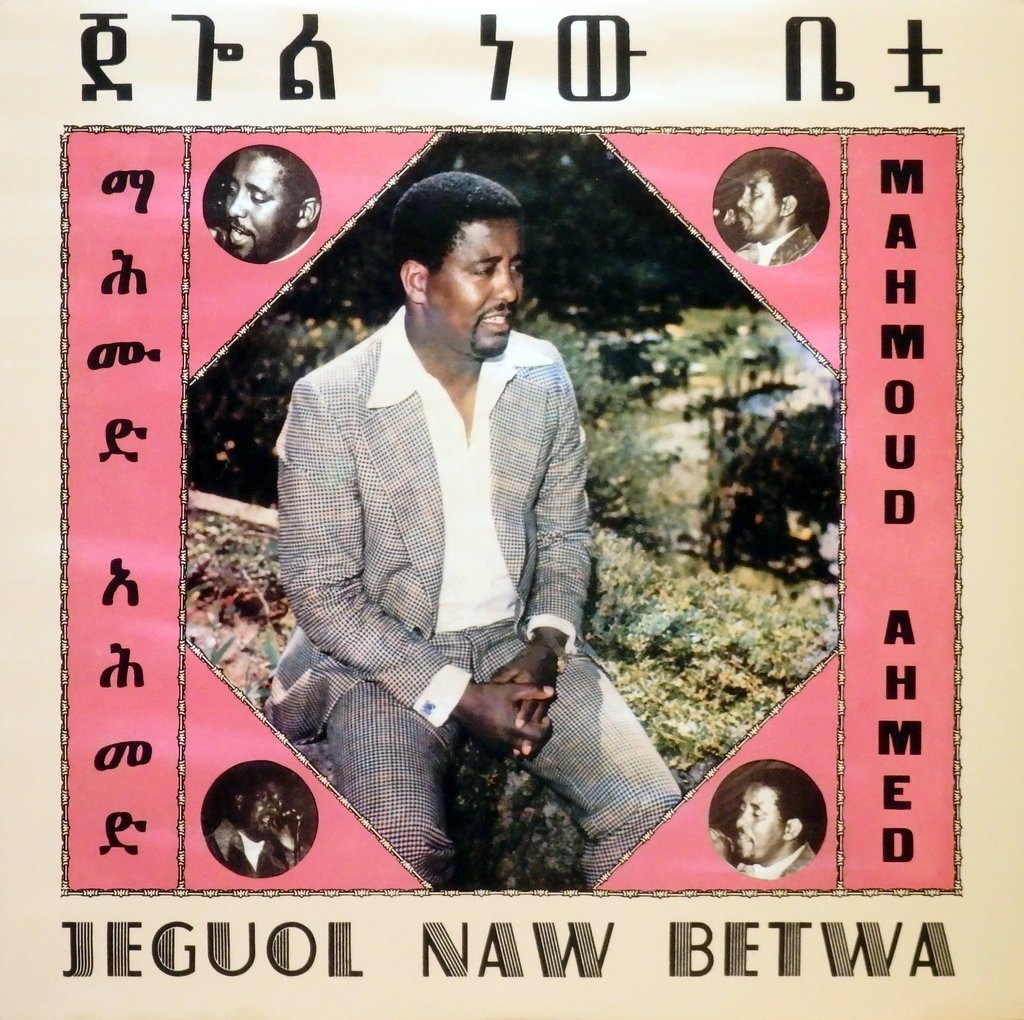
In 1962, a young street sweeper took the stage in Addis Ababa in place of the absent singer from the Emperor’s group. His voice, powerful and trembling, transformed improvisation into revelation. Nearly sixty years later, Mahmoud Ahmed remains the tutelary figure of modern Ethiopian music.
In Brief
| Full Name | Mahmoud Ahmed (ማሕሙድ አሕመድ) |
| Birth | May 8, 1941, Addis Ababa (Mercato district), Ethiopia |
| Origin | Gurage family |
| Field | Singing; Ethiopian music, ethio-jazz |
| Signature Works | Ere Mela Mela, Tizita, Soul of Addis |
| Honors | BBC Award for World Music 2007 |
Key Dates
| Year | Event |
|---|---|
| 1941 | Birth in the Mercato district, Addis Ababa |
| 1960 | Employed as a handyman at the Arizona Club |
| 1962 | Joins the Imperial Guard after an improvised replacement |
| 1974 | Fall of the Emperor; dissolution of the Imperial Guard |
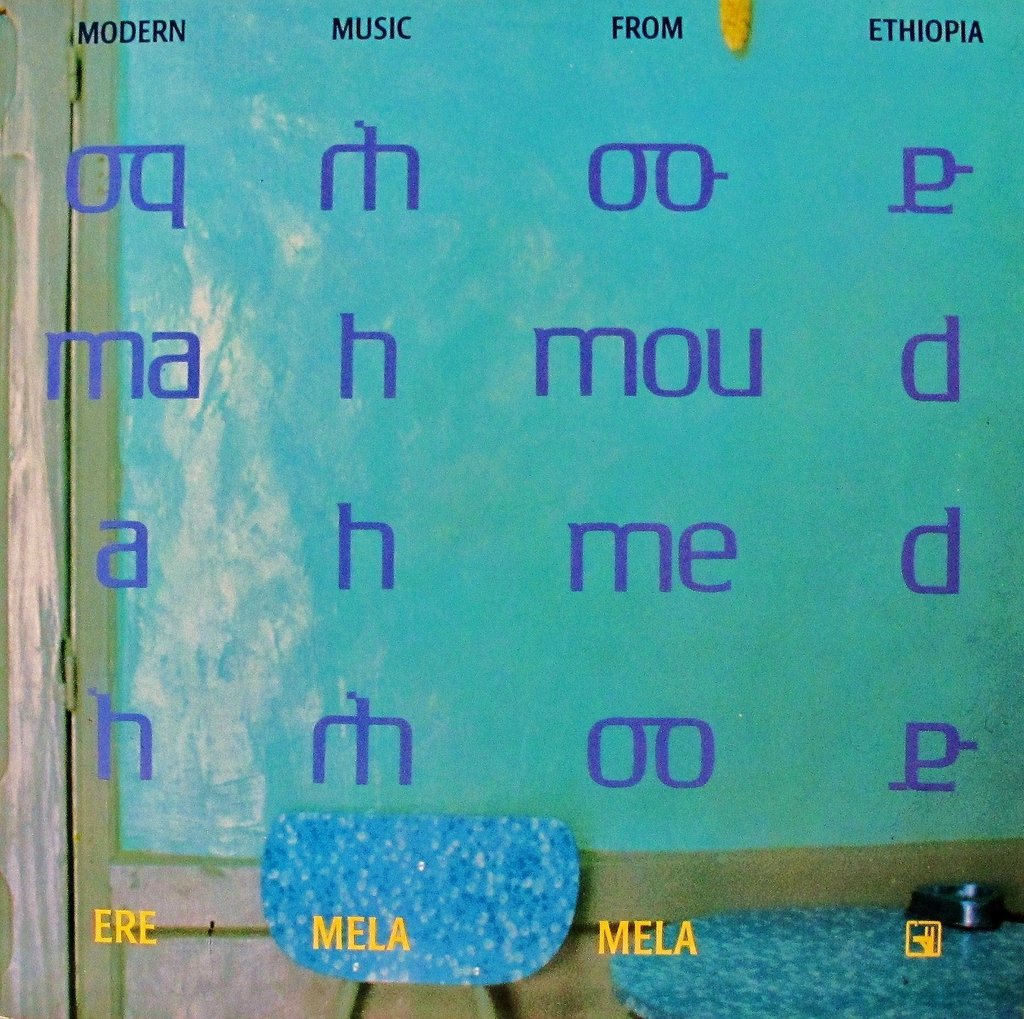
| 1975 | Recording of Ere Mela Mela with the Ibex Band |
| 1986 | Ere Mela Mela released in Europe by Crammed Discs |
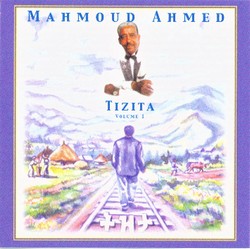
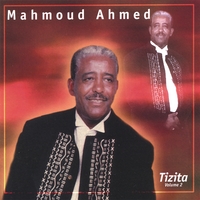
| 1996 | Release of the album Tizita |
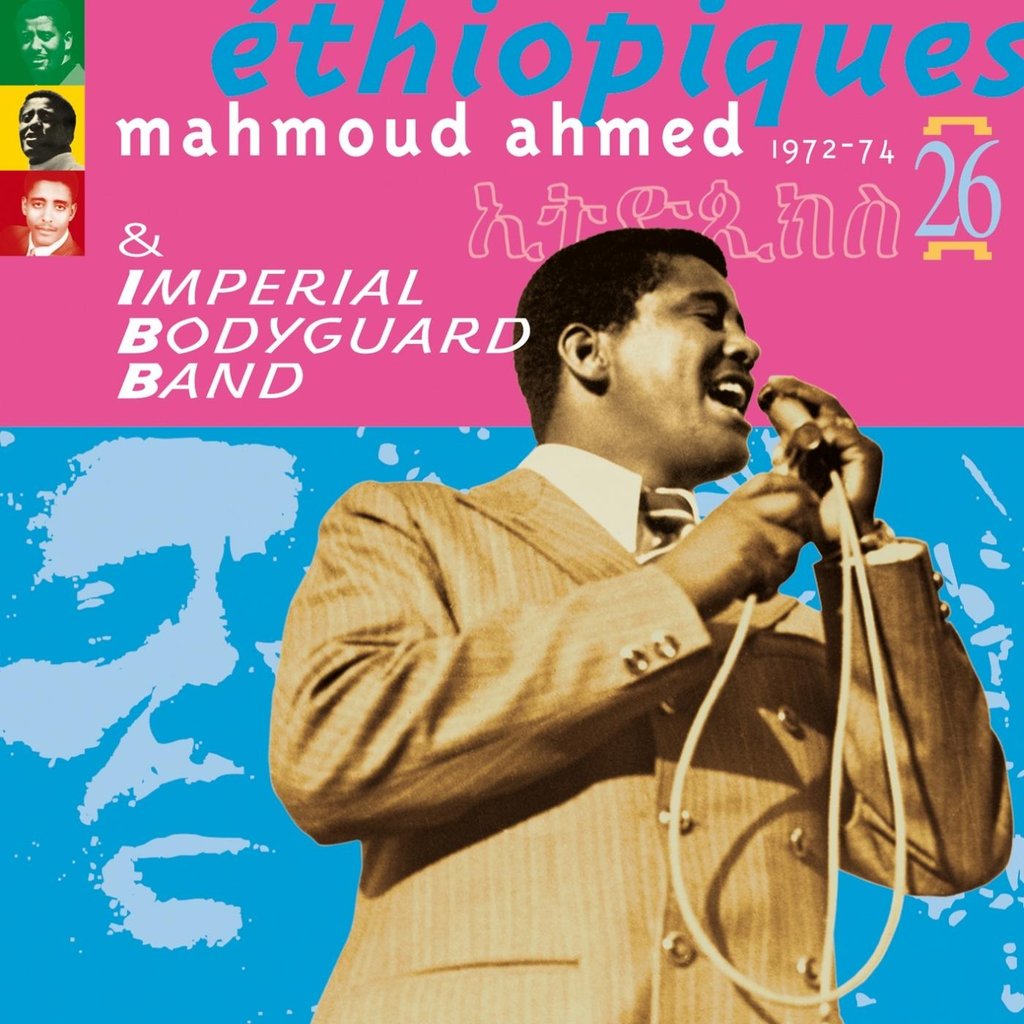
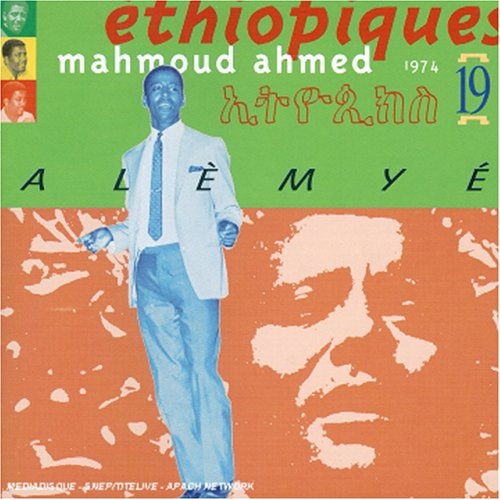
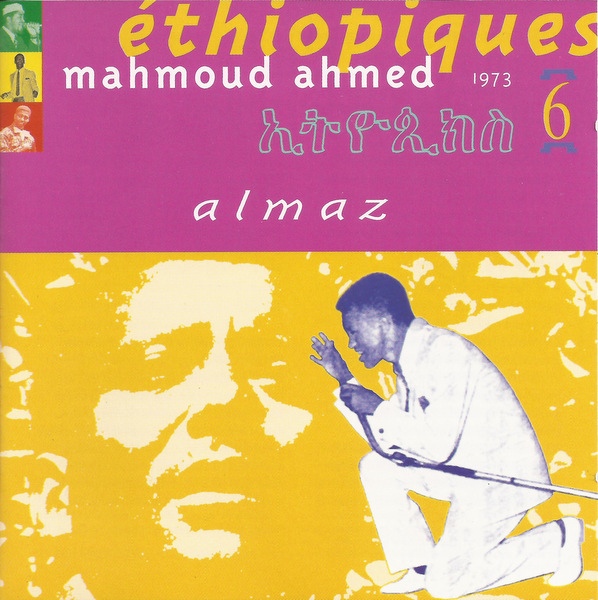
| 1998 | The Éthiopiques series propels his international reputation |
| 2007 | BBC Award for World Music |
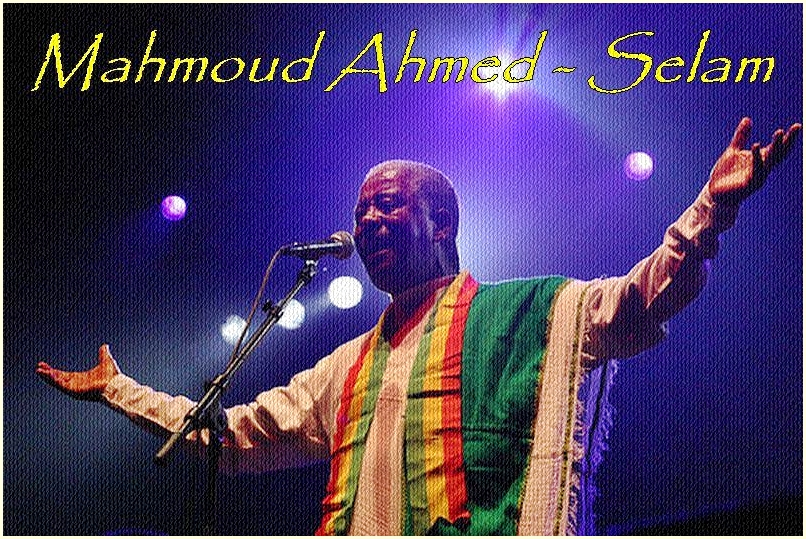
| 2025 | Final concert and retirement from the stage |
From Street Sweeper to Global Fame
Born in 1941 into the noisy market of Mercato, Mahmoud Ahmed grew up cradled by the waves of Ethiopian radio. From a Gurage family background, he dropped out of school to earn his living as a street sweeper, learning music by listening to the radio and watching Jailhouse Rock at the cinema, where he memorized Elvis Presley’s steps.
At sixteen, he became a handyman at the Arizona Club, an Imperial Guard nightclub. One evening in 1962, a young man offered to sing for the absent singer. Two songs. The public asked for more. He joined the Imperial Guard, where he stayed for twelve years. His style fused Ethiopian pentatonic rhythms with American soul—Sam Cooke, Ray Charles, James Brown—making him, along with Mulatu Astatke, one of the fathers of ethio-jazz.
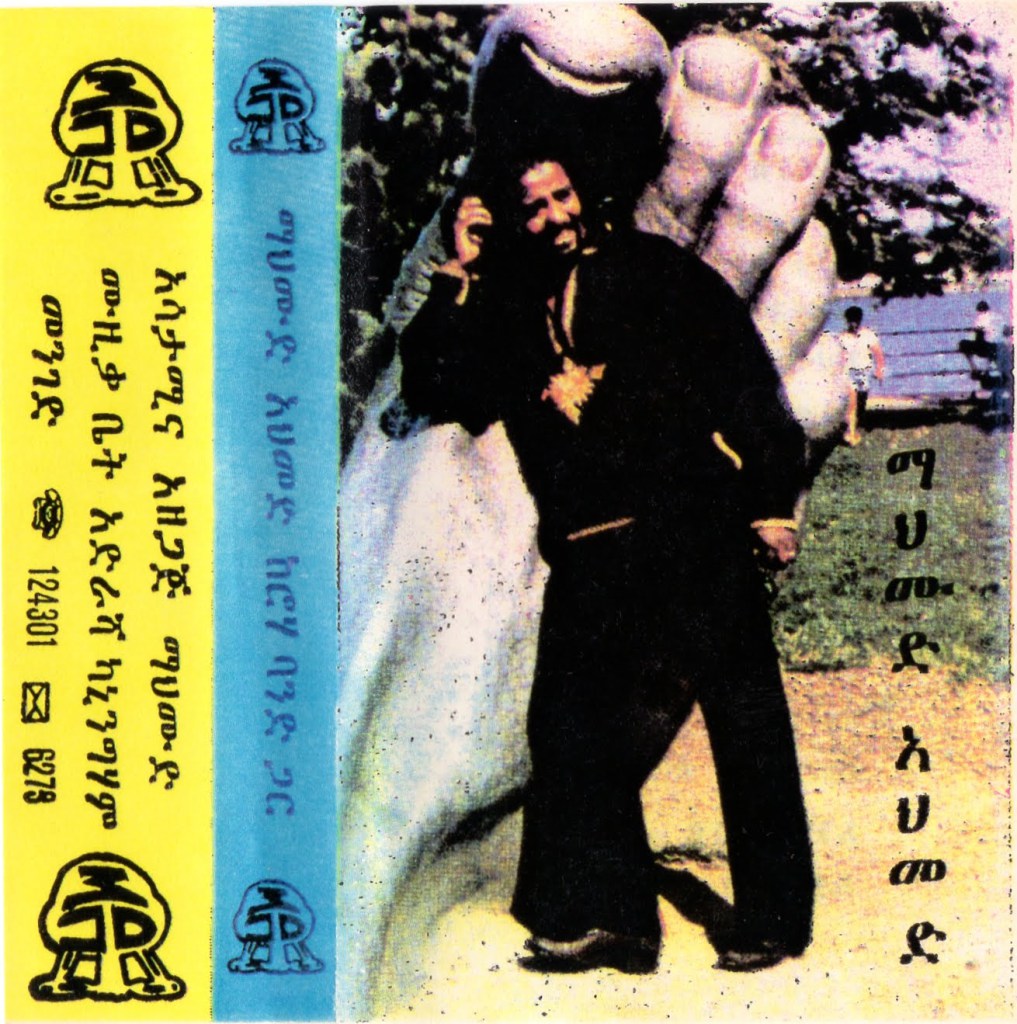
The fall of the Emperor in 1974 sounded the death knell for the Imperial Guard. The Derg regime imposed curfew and censorship. Mahmoud nevertheless recorded with the Dahlak Band and the Ibex Band, switching to cassette when vinyl was banned in 1978. He ran a music store on Piazza. In 1980–1981, he made his first tour of the United States. The global breakthrough occurred in 1986: Crammed Discs released Ere Mela Mela, drawn from the 1975 sessions. The European public discovered a vibrant music. The Éthiopiques series by Buda Musique confirmed this emergence in 1998, propelling Ahmed onto the stages of Womad, Paris, and London.
Major Works
| Work | Year | Why It Is Essential |
|---|---|---|
| Ere Mela Mela | 1975 (reissued 1986) | Masterpiece with the Ibex Band; foundational track that revealed Ethiopia to the world |
| Tizita | 1996 | Collection of his best titles; nostalgia, the central theme of his work |
| Soul of Addis | 1997 | Mature album; melancholy and regret in the tizita style |
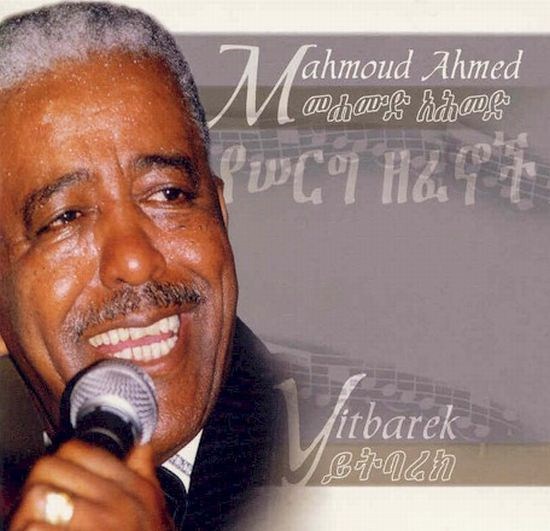
| Yitbarek | 1970s | Title that became a hymn of Ethiopian weddings |
Legacy
Mahmoud Ahmed embodied the golden age of Ethiopian music. From the Emperor’s sumptuous nightclub to international festivals, his journey traversed the turbulence of the century. The Éthiopiques series made him a subject of study and a source of inspiration for young Ethiopian artists rediscovering their heritage. By fusing American soul with Ethiopian tradition, he proved that music, even when imprisoned by curfew, retains its freedom.
Sources and References
- John Dougan, “Mahmoud Ahmed — Biography”, AllMusic, https://www.allmusic.com/artist/mahmoud-ahmed-mn0000814766, accessed October 23, 2025.
- Chris Menist, “Mahmoud Ahmed: Fortune favours the brave”, The Independent, May 19, 2006, https://www.independent.co.uk/arts-entertainment/music/features/mahmoud-ahmed-fortune-favours-the-brave-478703.html, accessed October 23, 2025.
- Maya Misikir, “‘I would be happy to die on that stage’”, The Continent, March 11, 2025, https://continent.substack.com/p/i-would-be-happy-to-die-on-that-stage, accessed October 23, 2025.
- “Mahmoud Ahmed: l’Empereur du Ethio Swing”, Superfly Records Blog, January 30, 2018, https://blog.superflyrecords.com/storyboard/mahmoud-ahmed-the-emperor-of-ethiopian-swing/, accessed October 23, 2025.
- Kathy Evans, “Songs of an enduring spirit”, The Sydney Morning Herald, December 15, 2012, https://www.smh.com.au/entertainment/music/songs-of-an-enduring-spirit-20121214-2behe.html, accessed October 23, 2025.
- “Mahmoud Ahmed”, The Stranger (Seattle), https://thestranger.com/seattle/soul-ethiopia/Content?oid=469966, accessed October 23, 2025.
- BBC Radio 3, “Awards for World Music 2007 — Mahmoud Ahmed”, BBC World Music, https://www.bbc.co.uk/radio3/worldmusic/a4wm2007/2007_mahmoud_ahmed.shtml, accessed October 23, 2025.
- Francis Falceto, notes for Éthiopiques Vol. 7: Erè Mèla Mèla, Buda Musique, https://en.wikipedia.org/wiki/Mahmoud_Ahmed, accessed October 23, 2025.