Biography
Mansour Seck, the griot with immortal chords
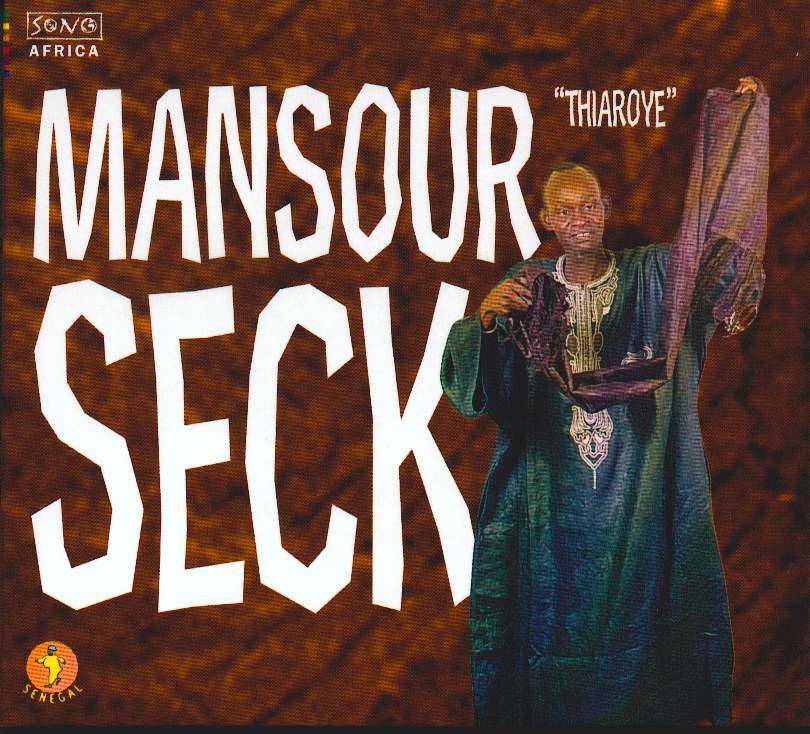
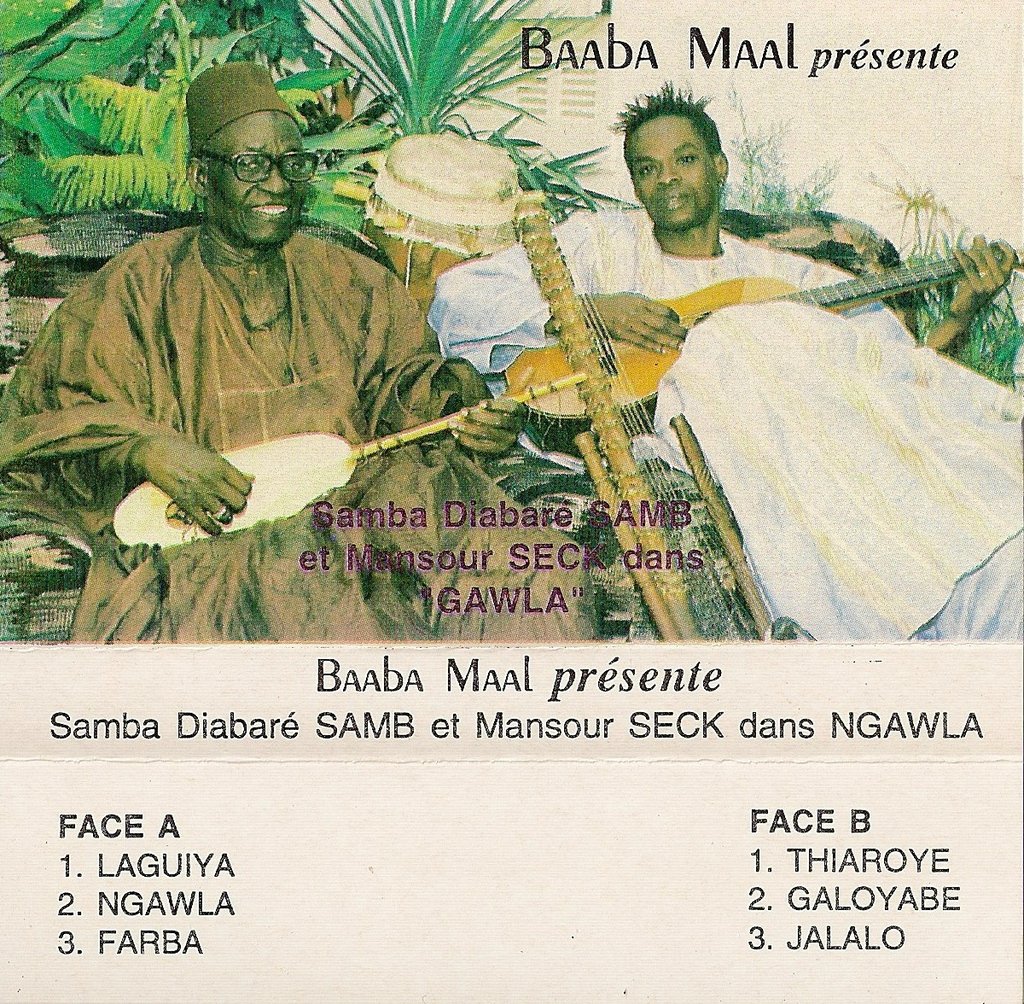
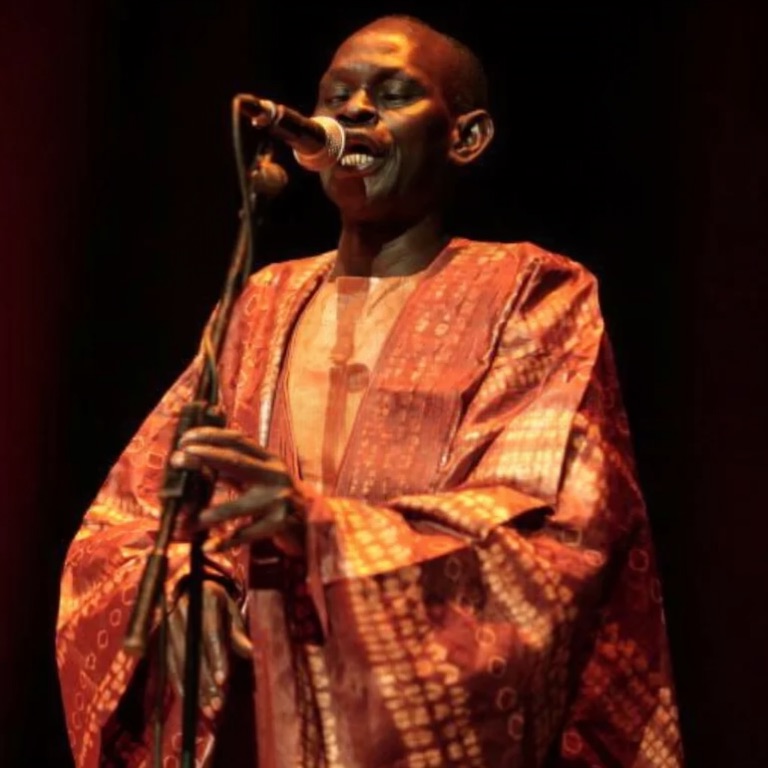
Mansour Seck is the silent but indispensable shadow behind Baaba Maal’s international fame. Born in Podor into a lineage of haalpulaar griots, with inherited blindness and an acoustic guitar in hand, he crossed the Atlantic, toured the world, and returned to the banks of the Senegal River where it all began. He dies in Dakar on May 29, 2024, leaving behind a legacy of gentleness and precision.1
In Brief
| Name | Mansour Seck |
| Birth | May 12, 1955, Podor, Senegal |
| Death | May 29, 2024, Dakar, Senegal |
| Genre(s) | Worldbeat, yela (sacred music of Peul griots) |
| Instrument(s) | Acoustic guitar, kora, hoddu |
Key Dates
| Year | Event |
|---|---|
| 1955 | Birth in Podor, in a family of griots |
| 1977 | Co-founding of the ensemble Yeli Taaré Fouta with Baaba Maal |
| 1981 | Move to Paris, concerts for the Senegalese community |
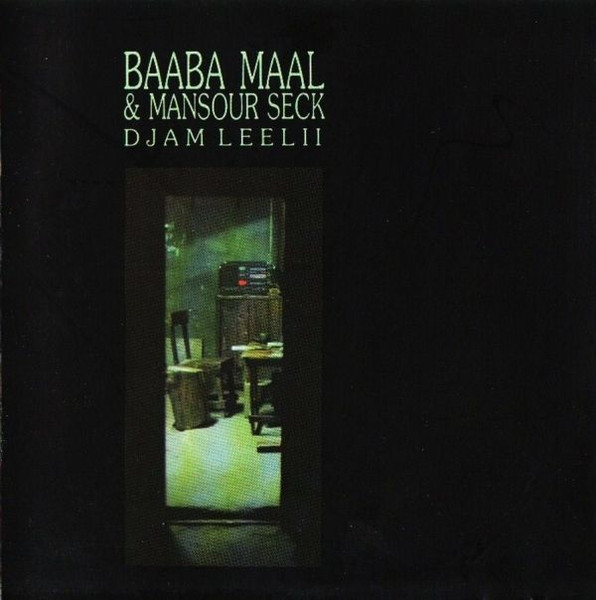
| 1984 | Recording of Djam Leelii in Paris |
| 1994 | First solo album, N’der Fouta Tooro, Vol. 1 |
| 1997 | Yelayo on Stern’s Africa |
| 2007 | WOMAD Festival with the Dande Lenol |
| 2024 | Death in Dakar |
Friendship, the First Music
Mansour Seck was born on May 12, 1955, in Podor, a town by the banks of the Senegal River2. Son of a long lineage of gawlo, these wandering historians who transmit the memory of the haalpulaar people through song, he was destined from birth for griotism. The blindness he inherits from his family is not an obstacle—it sharpens his hearing to the point of making him an exceptional musician.
From childhood, Mansour and Baaba Maal grow up together in Podor. Their friendship is so strong that the two companions compare themselves to twins. Mansour, the griot of blood, transmits to his friend the prohibition of yela—the sacred music of Peul griots, which a non-griot has no right to touch. “Without Mansour, I would never have become the King of Yela.”3
In 1977, the two friends set out in search of the musical traditions of Mauritania and Mali, collecting songs and instruments—hoddu, kora, guitar. These journeys forge their style and anchor their collaboration in the purest tradition.
Djam Leelii, the record that revealed them
In 1981, Baaba Maal receives a scholarship for the École des Beaux-Arts de Paris. He earns money playing in immigrant homes and invites Mansour to join him. Together, with two other guitarists, they form the Dande Lenol (“The Voice of the People” in haalpulaar). Mansour is the lead guitarist, whose interwoven chords give each piece the architecture of a temple4.
In 1984, they record Djam Leelii, intended for cassette sales throughout West Africa. The acoustic guitars with interlaced motifs create an irresistible trance. The cassette crosses borders, reaches Great Britain where musicologist Lucy Durán gives it to Charlie Gillett, then to John Peel. A concert at the Hackney Empire in November 1988, filmed by the BBC, does the rest: Djam Leelii becomes a cult success.4
Solo — the same flame, other fires
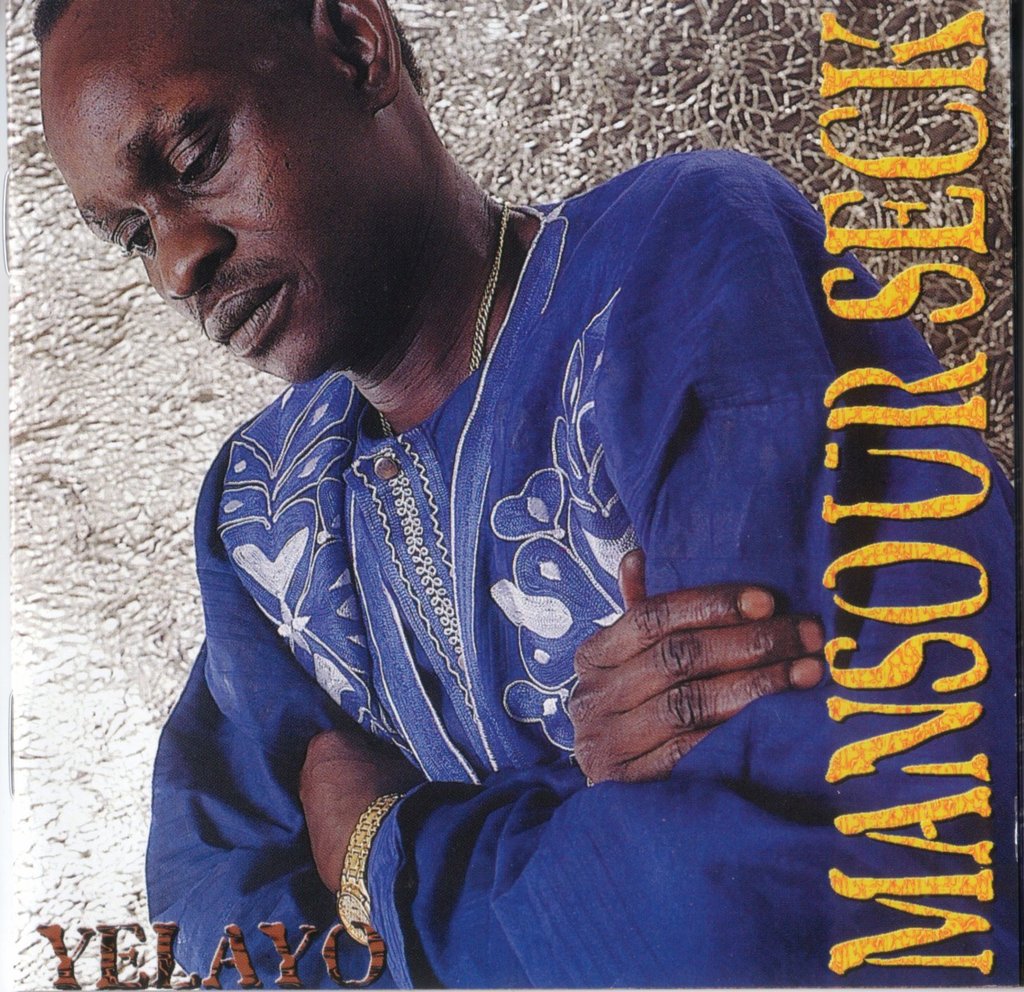
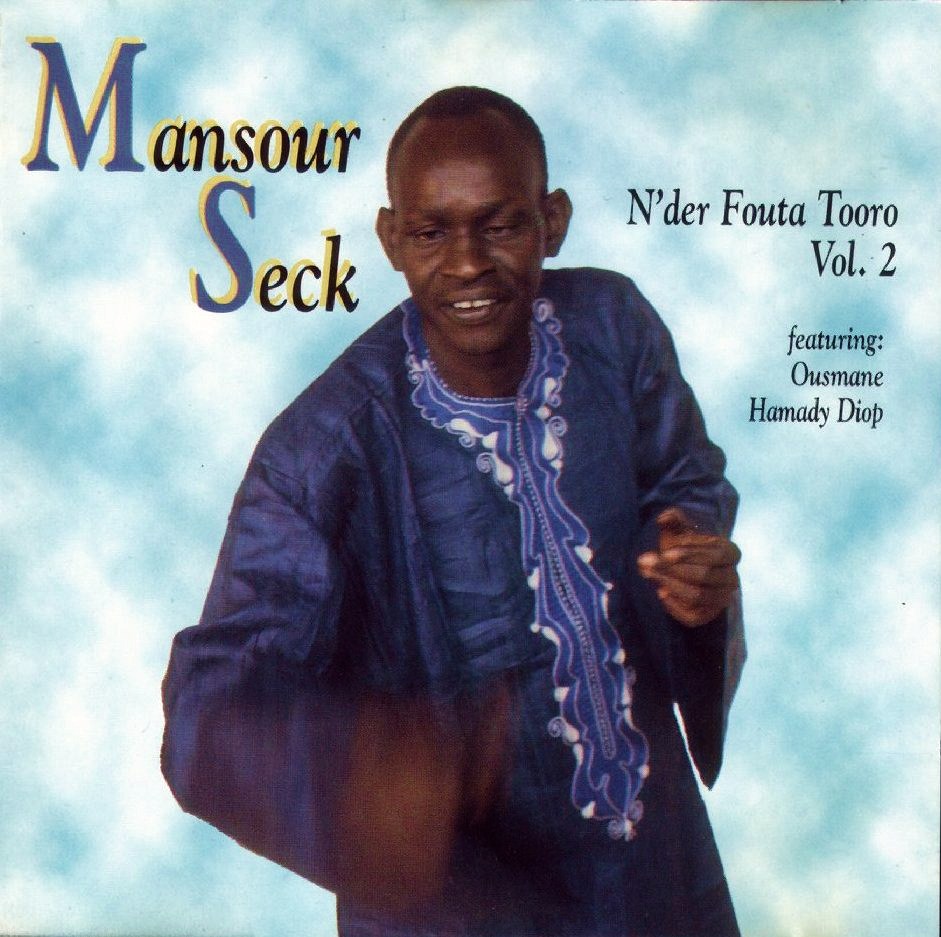
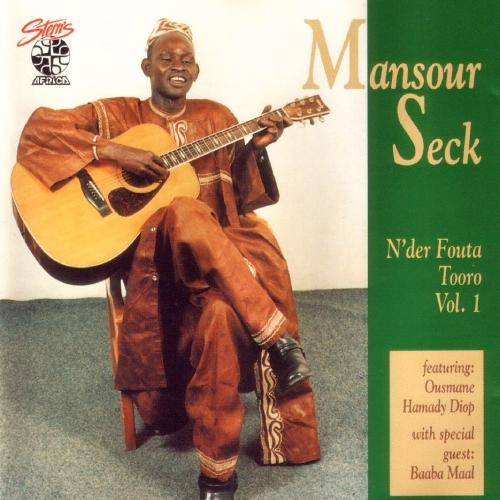
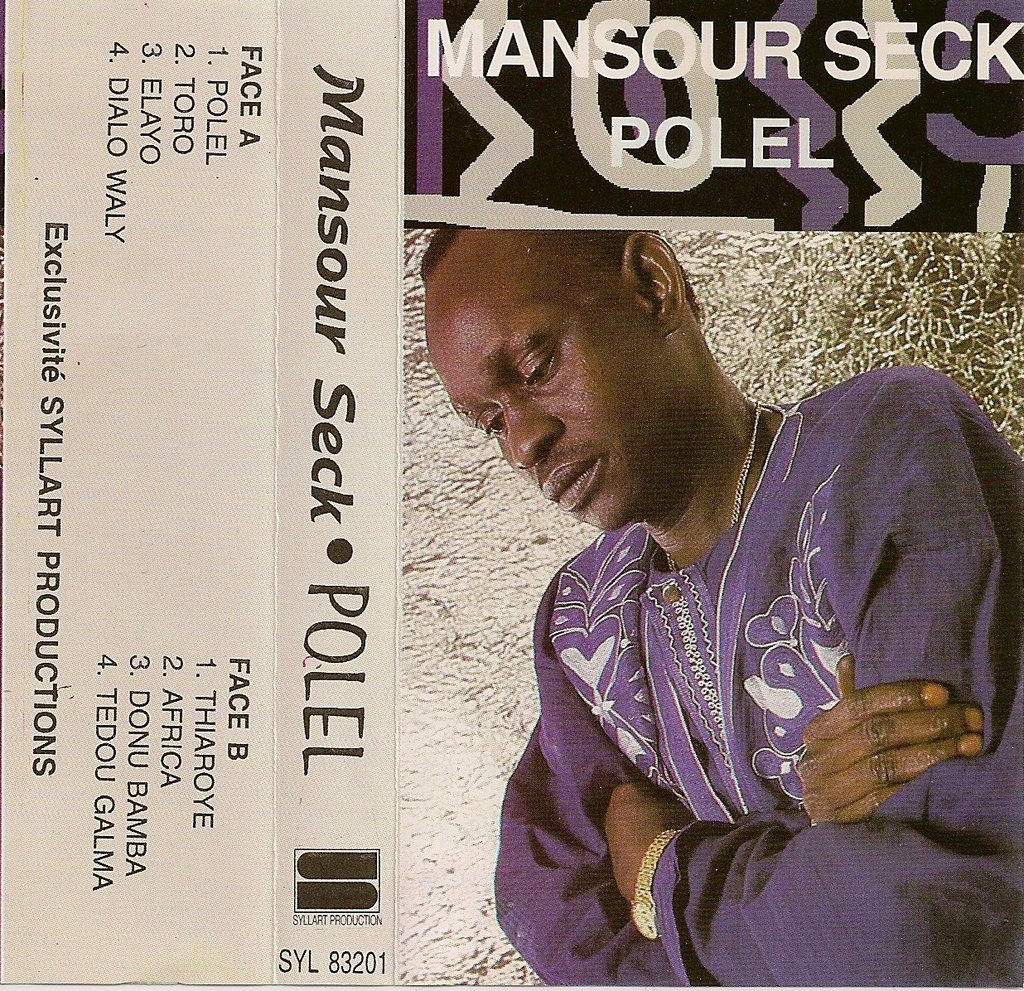
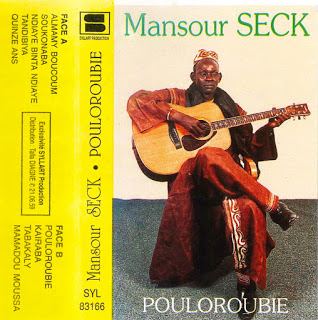
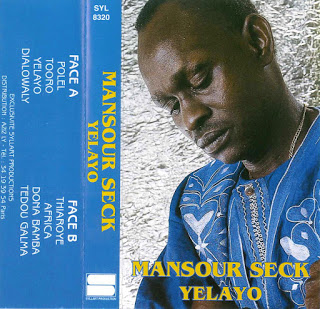
Almost all of Baaba Maal’s albums bear the mark of Mansour Seck, but his first solo album, N’der Fouta Tooro, Vol. 1, does not arrive until 1994 on the Stern’s Africa label. In duo with the Mauritanian griot Ousmane Hamady Diop, the album alternates guitar and kora in a stunningly stripped-down arrangement. Vol. 2 follows in 1995, Yelayo in 1997.5
Mansour sings of Peul traditions, Senegalese culture, and his wish for peace. When he makes his audience dance, it doesn’t matter if they don’t understand the words; he knows that his sacred work is accomplished. He leaves behind his wife Ramata Samb and their five children.1
Major Works
| Work | Year | Why it is essential |
|---|---|---|
| Djam Leelii (with Baaba Maal) | 1989 | First widely distributed album by the duo, major discovery for Europe |
| N’der Fouta Tooro, Vol. 1 | 1994 | Solo acoustic album in duo with the Mauritanian griot Ousmane Hamady Diop |
| N’der Fouta Tooro, Vol. 2 | 1995 | Continuation of the same vein, living Peul memory |
| Yelayo | 1997 | Last solo album, traditional vocals with guitar |
Legacy
The Senegalese Ministry of Culture paid tribute to “an artist who contributed to shining Peul culture around the world”6. With Baaba Maal, Mansour Seck wove inseparable destinies: the griot opened the doors of a sacred repertoire to the non-griot artist, and the artist opened the stages of the world to the griot. Their story is Senegal, its griots, and those who still sing after them.
Sources and References
-
Agence de Presse Sénégalaise, Death of Mansour Seck, chorister and co-founder of Dandé Léñol, May 30, 2024, accessed October 31, 2026. ↩︎ ↩︎
-
Wikipedia contributors, Mansour Seck, Wikipedia, November 26, 2025, accessed October 31, 2026. ↩︎
-
Robin Denselow, Mansour Seck obituary, The Guardian, June 14, 2024, accessed October 31, 2026. ↩︎
-
Sandra Brennan, Mansour Seck — Biography, Discography, Albums & Expert Reviews, AllMusic, accessed October 31, 2026. ↩︎ ↩︎
-
Frank Bessem, Mansour Seck (1955-2024) (Senegal), Musiques d’Afrique, accessed October 31, 2026. ↩︎
-
Senegalese Ministry of Culture, Death of Mansour SECK: The Minister’s Condolences, June 4, 2024, accessed October 31, 2026. ↩︎