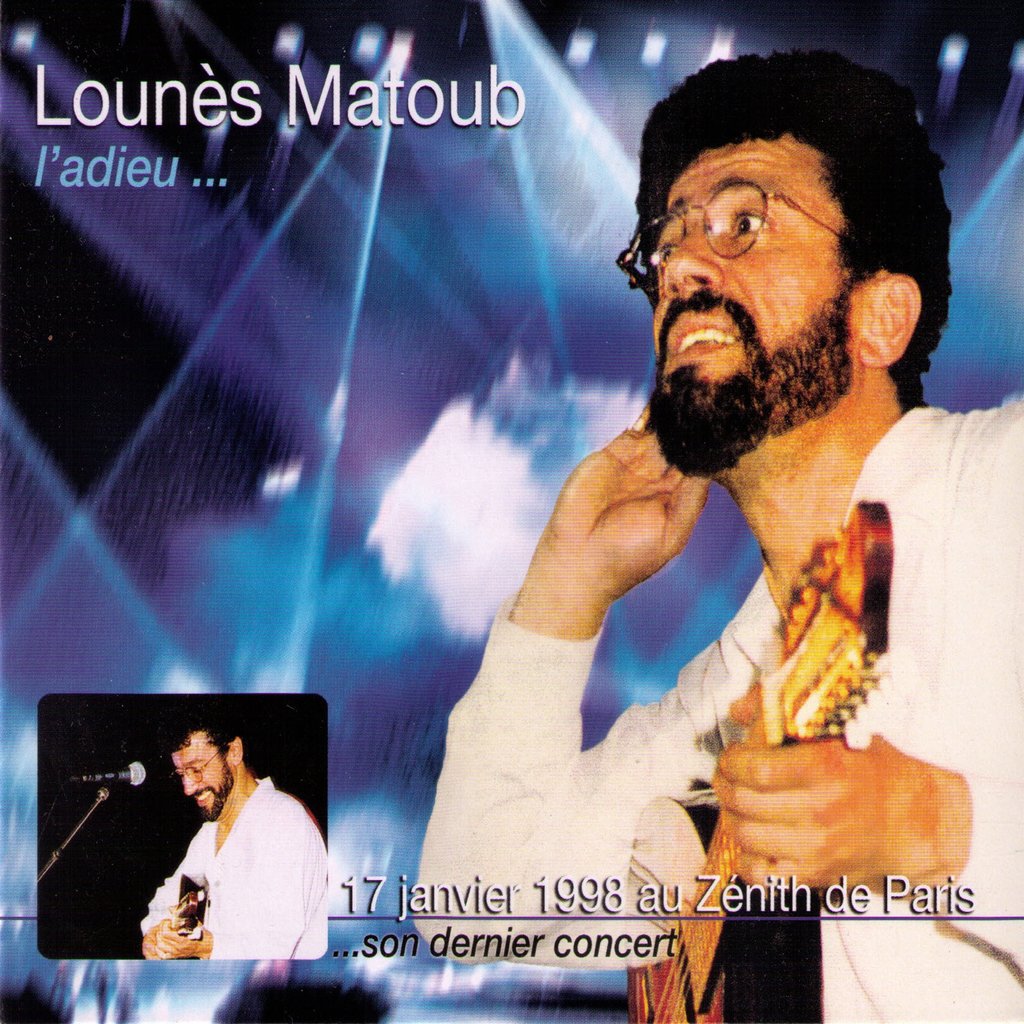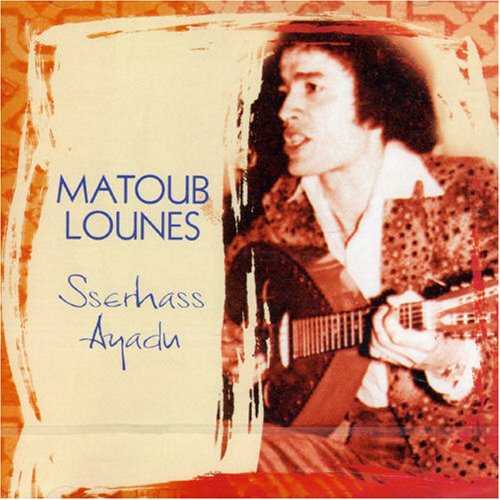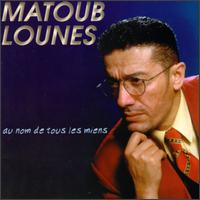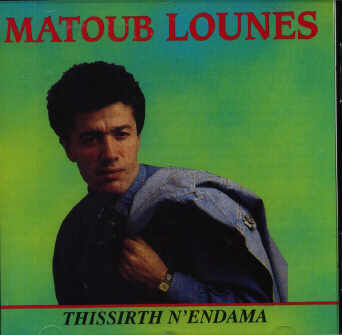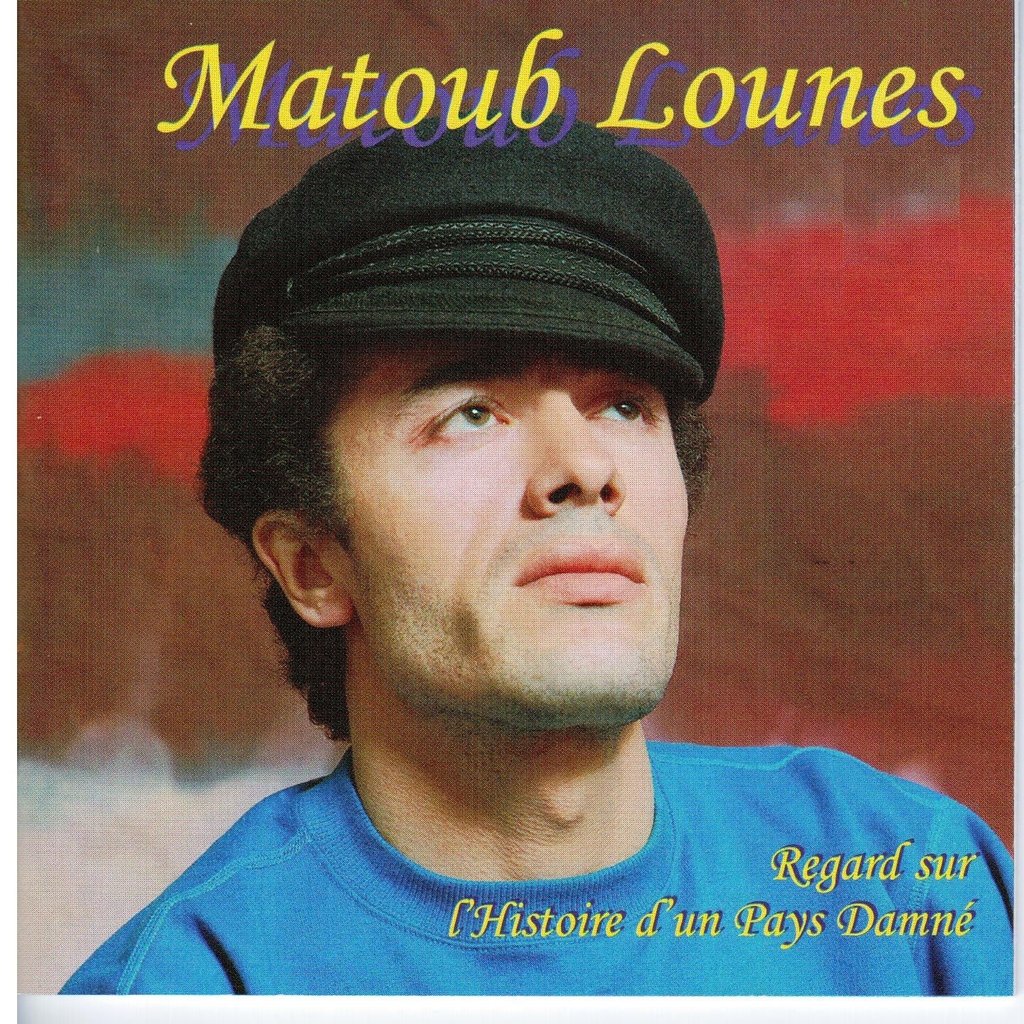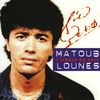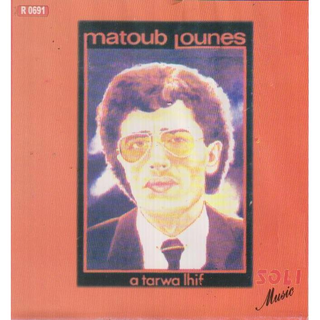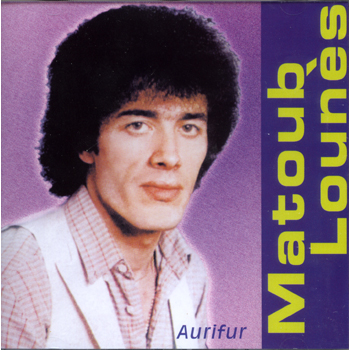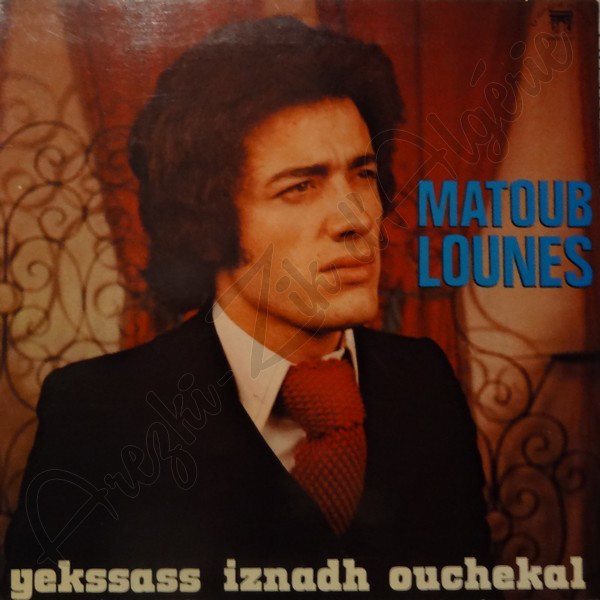
Biography
Lounès Matoub: Rebel Voice of Kabylie
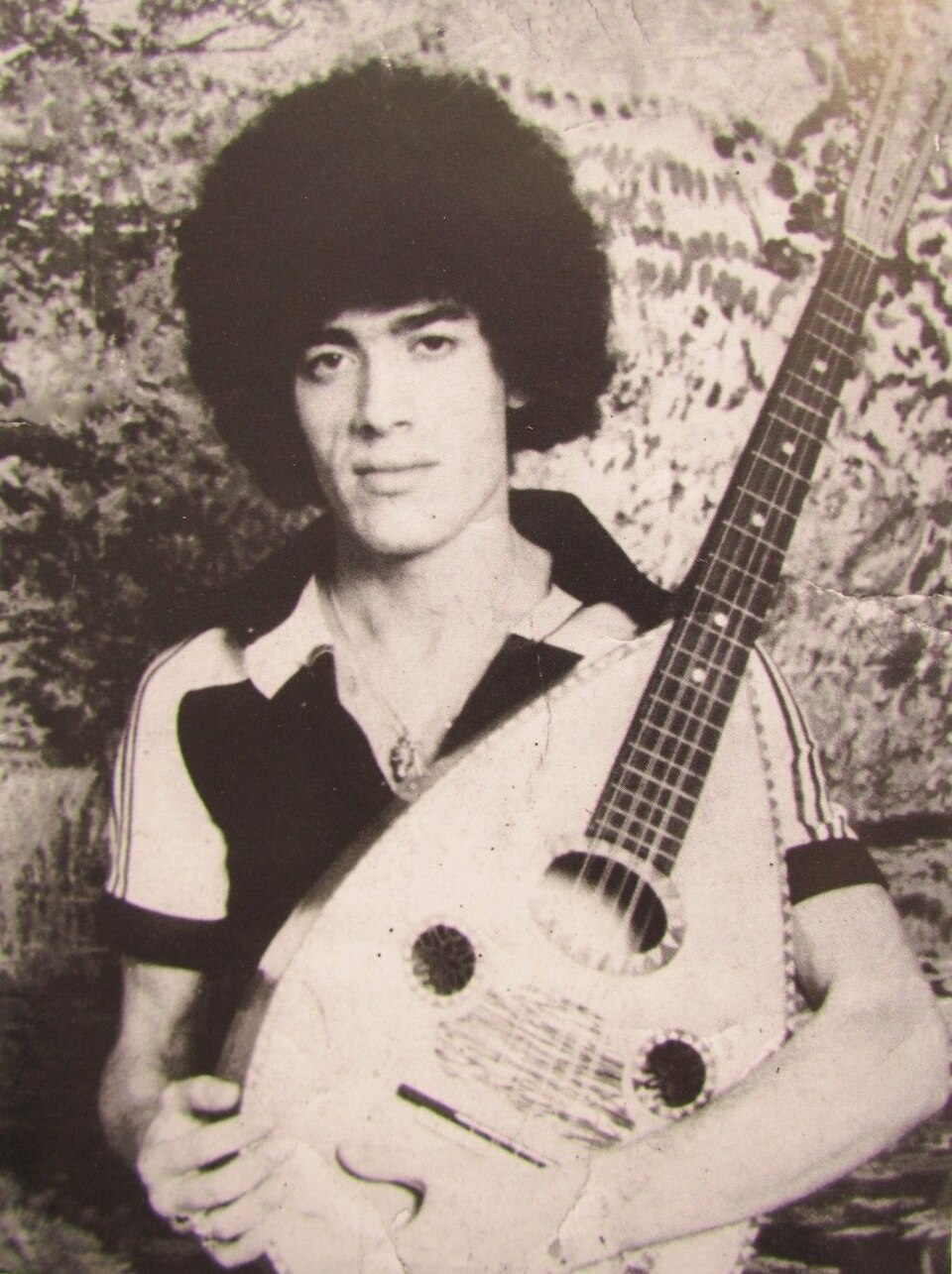
In October 1988, Lounès Matoub received five Kalashnikov bullets near Algiers and was left for dead on a sidewalk. He returned with seventeen surgical operations and a leg shortened by five centimeters. He resumed his mandola — a stringed instrument he never learned to read but plays by ear — and recorded L’Ironie du sort, a concept album recounting his convalescence. His voice would remain the weapon of a Kabylie struggling for its language.
In Brief
| Full Name | Lounès Meɛṭub (Lwennas Meɛṭub in Kabyle) |
| Birth | 24 January 1956, Taourirt Moussa (Aït Douala / Djurdjura), Kabylie |
| Death | 25 June 1998 (42 years), Thala Bounane, Kabylie |
| Field | Singer, songwriter, poet — Kabyle music and Algerian chaâbi |
| Notable Works | Ay izem (1978), L’Ironie du sort (1989), Kenza, Lettre ouverte aux… |
| Awards | Memory Prize (1994), posthumous gold record for Lettre ouverte aux… |
Key Dates
| Year | Event |
|---|---|
| 1956 | Birth in Taourirt Moussa, a village in the Djurdjura mountains in Kabylie |
| 1978 | First album Ay izem (« The Lion »): immediate success |
| 1980 | First major concert, coinciding with the Amazigh Spring for the Tamazight language |
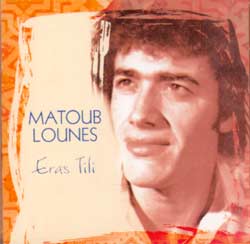
| 1983-1987 | Political albums Tamsalt n Sliman, Eras tili: songs banned on Algerian radio |
| 1988 (Oct.) | Shot with five bullets in Algiers; two years in hospital, seventeen operations |
| 1989 | L’Ironie du sort: autobiographical concept album on convalescence |
| 1994 (Sept.) | Kidnapped by the GIA; released after fourteen days thanks to Kabyle mobilization |
| 1995 | Publication of Rebelle (Stock); Memory Prize awarded by Danielle Mitterrand |
| 1998 (25 June) | Assassinated on the road to Tizi Ouzou; seventy-eight bullet impacts on his car |
The Path of a Rebel
Lounès Matoub was born on 24 January 1956 in a lost village on the slopes of the Djurdjura, at the heart of Kabylie. His father Omar left to work in France when Lounès was just a child; he became the little man of the household. Educated in an old school of the White Fathers, he discovered the French poetry of Aragon and the verses of Mouloud Mammeri. Expelled from one high school after another, he emigrated to France at twenty-two and performed under the name « l’Oublié » in Kabyle café-concerts in the Paris region, where the singer Idir served as his mentor. No music lessons; his ear was forged in Kabyle wake vigils where the community sang in chorus for hours.
In April 1980, the Amazigh Spring erupted: students and workers of Kabylie demanded official recognition of the Tamazight language. Lounès participated at the forefront, dressed in a military uniform to mark his solidarity with a Kabylie at war. His albums Tirgin (« The Embers ») and Tamsalt n Sliman denounced the corruption of the elites. On 12 October 1988, during the popular uprising in Algiers that would force the regime to authorize political parties, a gendarme discharged his Kalashnikov into his back. Two years in hospital, seventeen operations — he recorded L’Ironie du sort (1989).
In 1995, he published Rebelle (Stock) and received the Memory Prize from the hands of Danielle Mitterrand.
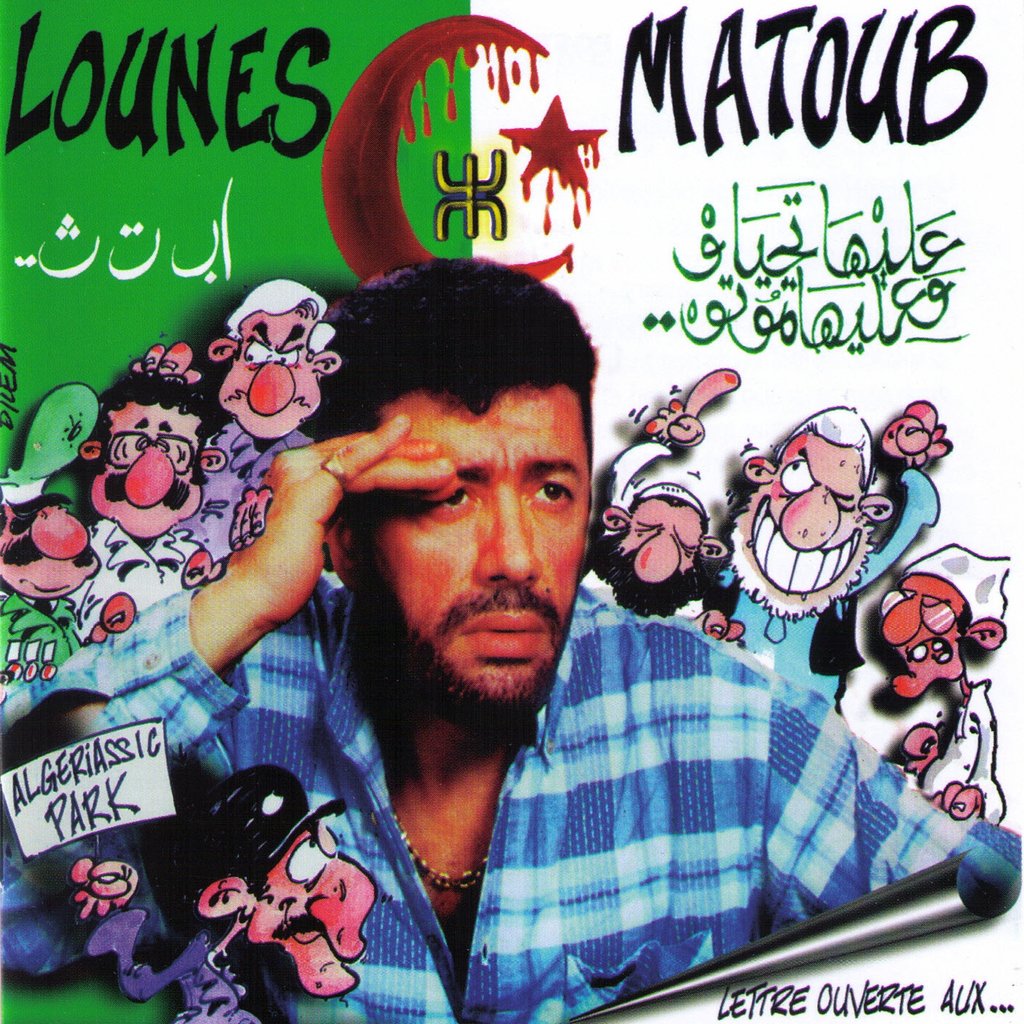
On 25 June 1998, an armed commando stopped his Mercedes on the road to Tizi Ouzou. Lounès fired at his assailants until his ammunition ran out, according to the testimony of his wife Nadia. Seventy-eight impacts riddled his car. Jacques Chirac declared: « He was the voice of Algeria, strong and clear » (New York Times). On 30 June, the GIA claimed responsibility for the assassination. His last album Lettre ouverte aux… contains « D aghurru » — a gold record that mocks the national anthem.
Major Works
| Work | Year | Why It Is Essential |
|---|---|---|
| Ay izem (The Lion) | 1978 | First album: a cry of Kabyle revolt that announced an entire struggle |
| L’Ironie du sort | 1989 | Autobiographical concept album: a man recounts his wounded body in chaâbi |
| Kenza (excerpt, eponymous album) | 1993 | Fatherly love song to the daughter of an assassinated Amazigh journalist |
| Lettre ouverte aux… | 1998 (posthumous) | Posthumous gold record: the final breath of a poet who never stopped fighting |
Legacy and Influence
Lounès Matoub died at forty-two, but his legend grew with time. The Amazigh Spring of 2001 — more than one hundred thousand demonstrators in Kabyle streets — placed itself under his name. The Britannica encyclopedia qualifies him as a defender of the Amazigh cause. Artists from around the world — Tinariwen, Kabyle rappers of the 2000s, punk groups from Marseille — cite him as a reference. The official recognition of the Tamazight language in the Algerian Constitution (2016) and its status as a state language (2019) are the silent monument that Lounès built with his voice. He did not sing to please; he sang because his language ordered him to.
Sources and References
- « Lounès Matoub », Wikipedia (French version), https://fr.wikipedia.org/wiki/Loun%C3%A8s_Matoub, accessed 1 November 2026.
- « Lounès Matoub », Wikipedia (English version), https://en.wikipedia.org/wiki/Loun%C3%A8s_Matoub, accessed 1 November 2026.
- « Lounés Matoub », Britannica Online Encyclopedia, https://britannica.com/print/article/369458, accessed 1 November 2026.
- Paul Silverstein, « Rebels and Martyrs », Middle East Report (MERIP), September 1998, https://merip.org/1998/09/rebels-and-martyrs, accessed 1 November 2026.
- « Matoub Lounès », Matoub Lounès Éternel, https://www.matoub-lounes-eternel.com/biographie, accessed 1 November 2026.
- « Matoub Lounes », Discogs, https://www.discogs.com/artist/1576157-Matoub-Lounes, accessed 1 November 2026.
- « Lounes Matoub, 42, Is Killed », The New York Times, 27 June 1998, https://nytimes.com/1998/06/27/world/lounes-matoub-42-is-killed-sang-to-promote-berber-cause.html, accessed 1 November 2026.