Biography
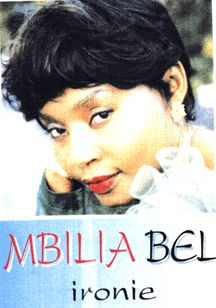
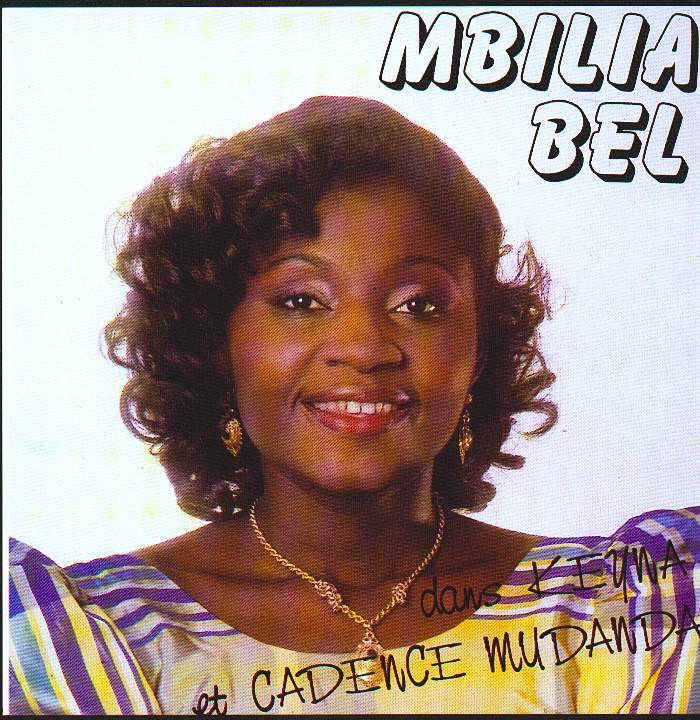
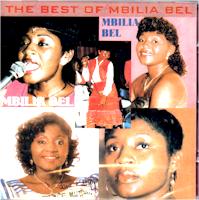
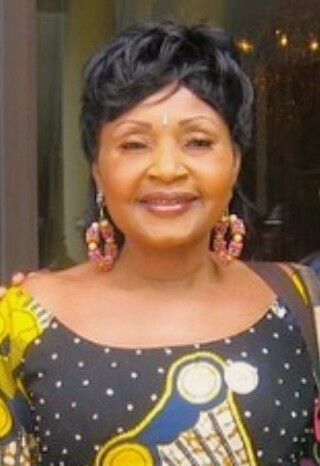
Mbilia Bel: The Cleopatra Queen of Congolese Rumba
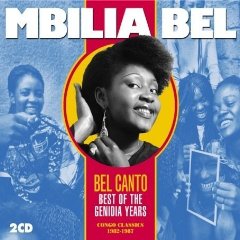
In the 1980s, a crystalline soprano voice burst onto the Zairian stage, shaking up a musical universe dominated by men. The young woman quickly conquered the entire continent. 1
In Brief
| Full Name | Marie-Claire Mboyo Moseka |
| Birth | January 10, 1959, Léopoldville (Kinshasa, DRC) |
| Active Period | 1974 — present |
| Genres | Congolese Rumba, soukous, zouk, rap |
| Emblematic Group | Afrisa International |
| Emblematic Works | Phénomène, Eswi Yo Wapi, Mpeve Ya Longo |
Key Dates
| Year | Event |
|---|---|
| 1959 | Birth in Léopoldville |
| 1974 | Backup singer at Abeti Masikini (Les Redoutables) |
| 1981 | Joined Tabu Ley Rochereau’s Afrisa International |
| 1982 | First hit with Mpeve Ya Longo |
| 1983 | Eswi Yo Wapi — best song of Zaire |
| 1987 | Departure from Afrisa; move to Paris |
| 1988 | Phénomène — solo masterpiece with Rigo Star |
| 1996 | Yalowa; ACMCO Best Female Singer |
| 2003 | Kora Award, best singer of Central Africa |
| 2014 | Royaume d’amour; settles in Brazzaville |
| 2020 | Celebration of 40 years of career |
Origins: From Kinshasa to the Stage
Marie-Claire Mboyo Moseka grew up in the popular neighborhoods of Kinshasa. Her father, Mbala Mbondi, nicknamed “Louis XIV,” was a charanga dancer in Bumba, in the Mongala province. She only completed six years of primary school and left her literature studies unfinished. But the musical passion soon caught up with her: a concert by the Togolese singer Bella Bellow in Zaire, in 1969, lit the spark. 2
At sixteen, she joined Abeti Masikini as a backup singer, the “Queen of Perfumed Soukous.” Four years on stage prepared her. It was there that a producer from the Zairian radio spotted her and propelled her into the Mama Angebi studio of the Zairian Office of Radio and Television. The young woman displayed an unusual vocal mastery there. 3
The Revelation with Tabu Ley Rochereau
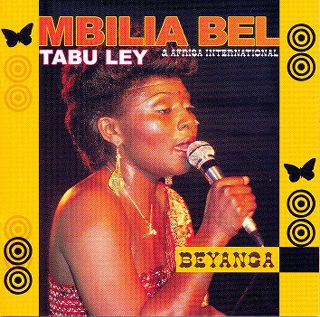
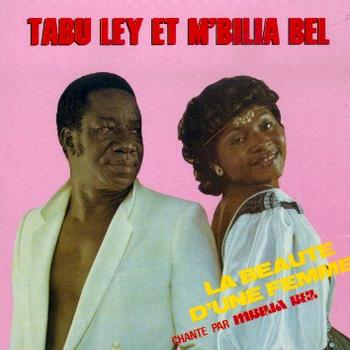
In 1981, Tabu Ley Rochereau, patriarch of Congolese rumba, auditioned her. He hired her on the spot and gave her the stage name Mbilia Bel. Her clear soprano voice instantly renewed the sound of Afrisa International. The hit Mpeve ya Longo — The Holy Spirit in Kikongo — tells of conjugal abandonment. The following year, she co-composed with Tabu Ley Eswi Yo Wapi — Where did you hurt? — which won the best song of Zaire. 4
From Tabu Ley to the Solo Stage
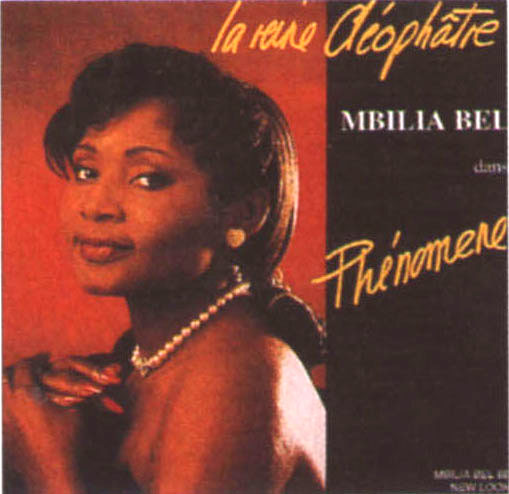
In 1987, after eight years of collaboration, Mbilia Bel left Afrisa International. A memorable concert in Kinshasa marked the break, and the singer settled in Paris. There, she discovered the Congolese guitarist Rigo Star Bamundele. Together, in 1988, they recorded Phénomène, a six-track mini-album. It remains today the cornerstone of her solo repertoire. 5
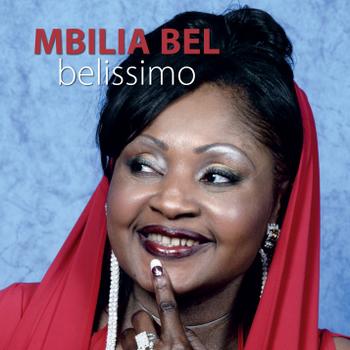
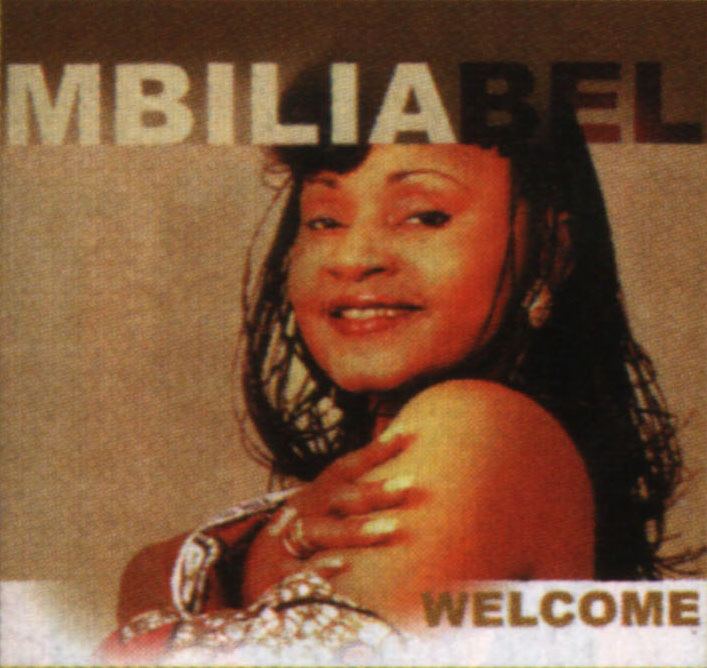
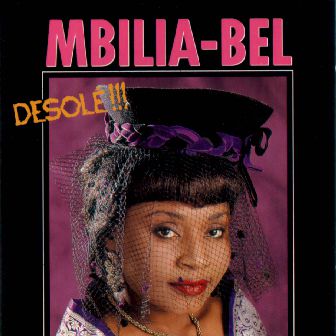
She subsequently released Désolé!!! (1991), 8/10 Benedicta (1993), Yalowa (1996, ACMCO Best Female Singer), Welcome (2001) and Belissimo (2004). The 2003 Kora Award — best singer of Central Africa — crowned her consecration. 2
Mbilia Bel has a daughter, Melodie Tabu, born of her relationship with Tabu Ley. After their breakup, she toured Europe, the United States, the United Kingdom, and West Africa from 1989 to 1990. She returned to Zaire in 1996. From The Queen (2011) to Signature 8646 (2017), she mixed rumba, zouk, and rap. In 2020, she celebrated forty years of career. At 67, she lives in Brazzaville. 3
Major Works
| Work | Year | Why It’s Essential |
|---|---|---|
| Mpeve Ya Longo | 1982 | First solo hit: the voice of abandoned Congolese women |
| Eswi Yo Wapi | 1983 | Co-composed with Tabu Ley; best song of Zaire |
| Phénomène | 1988 | Solo masterpiece with Rigo Star; international consecration |
| Yalowa | 1996 | Return to Zaire, ACMCO Best Female Singer |
| Belissimo | 2004 | Last major album of the post-millennial period |
| Nakei Nairobi | 1985 | Indispensable for Congolese dance parties, still played in clubs |
Legacy
Mbilia Bel remains the most influential woman in Congolese music of the 20th century. Before her, only Abeti Masikini and a few others had opened the breach. Her method — crystalline soprano and lyrics speaking to broken hearts as well as dancers — inspired a generation of Congolese singers, from Tshala Muana to Barbara Kanam. The Cleopatra Queen may no longer have the spotlights, but her imprint does not fade. 6