Biography
Nahawa Doumbia: the militant voice of Wassoulou
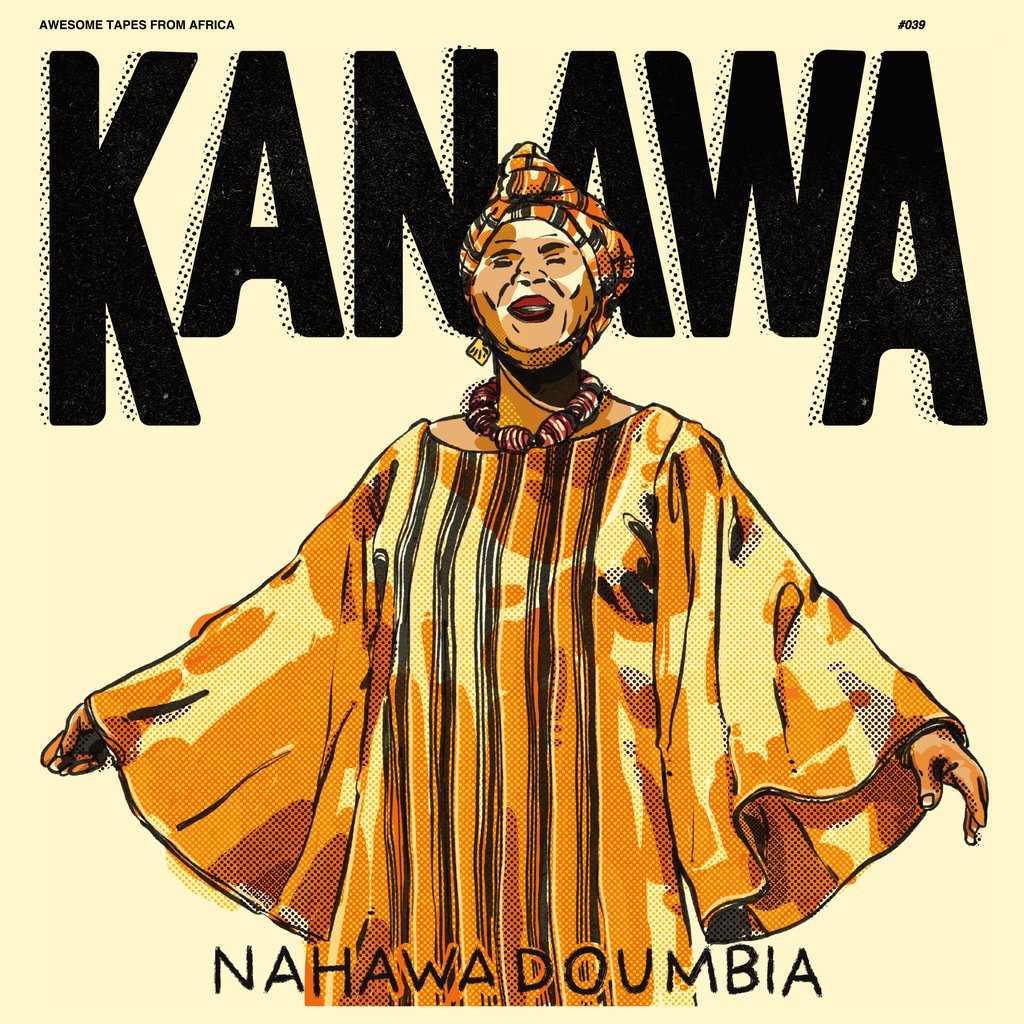
In 2021, Nahawa Doumbia cast a gaze heavy with forty years of career into her studio in Bamako. The 60-year-old singer recorded Kanawa — “Don’t Leave” — an album where the powerful voice of Wassoulou turns toward the clandestine exodus of young Malians. She denounces the death of migrants crossing the Sahara to reach Europe, a statement relayed by Amnesty International. Forty years after her debut, the conviction remains unchanged: singing is not entertainment, it is a call to awaken.
In Brief
| Full Name | Nahawa Doumbia |
| Birth | around 1961, Mafélé (Wassoulou, current Sikasso region, Mali) |
| Field | Wassoulou Music (voice) |
| Signature Works | La Grande Cantatrice Malienne (1982), Didadi (1987), Yaala (2000), Kanawa (2021) |
| Awards | RFI Découvertes Prize 1980; reissues from Awesome Tapes From Africa; participation in the African Divas project |
Key Dates
| Year | Event |
|---|---|
| 1961 | Birth in Mafélé, near the Ivorian border; raised by her grandmother after her mother’s death |
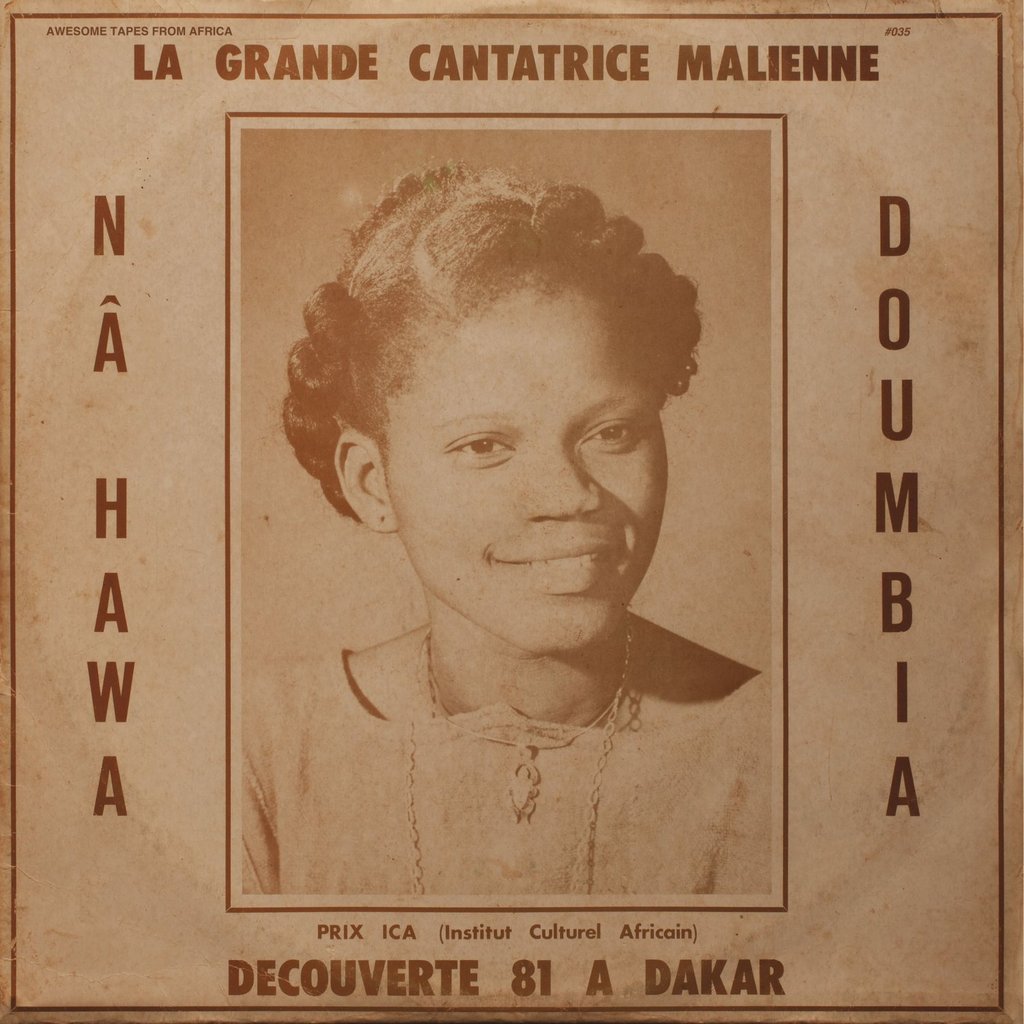
| 1980 | Winner of the Prix Découvertes contest by Radio France Internationale with “Tinye de be Laban” |
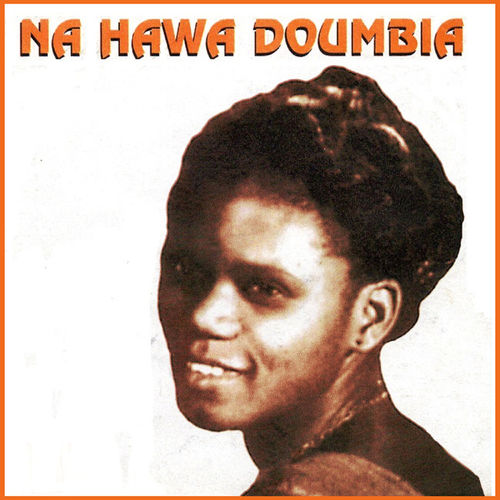
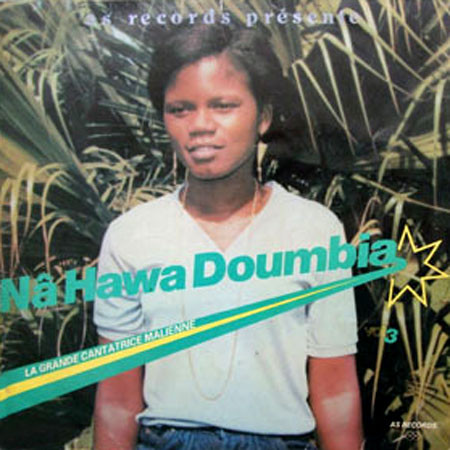
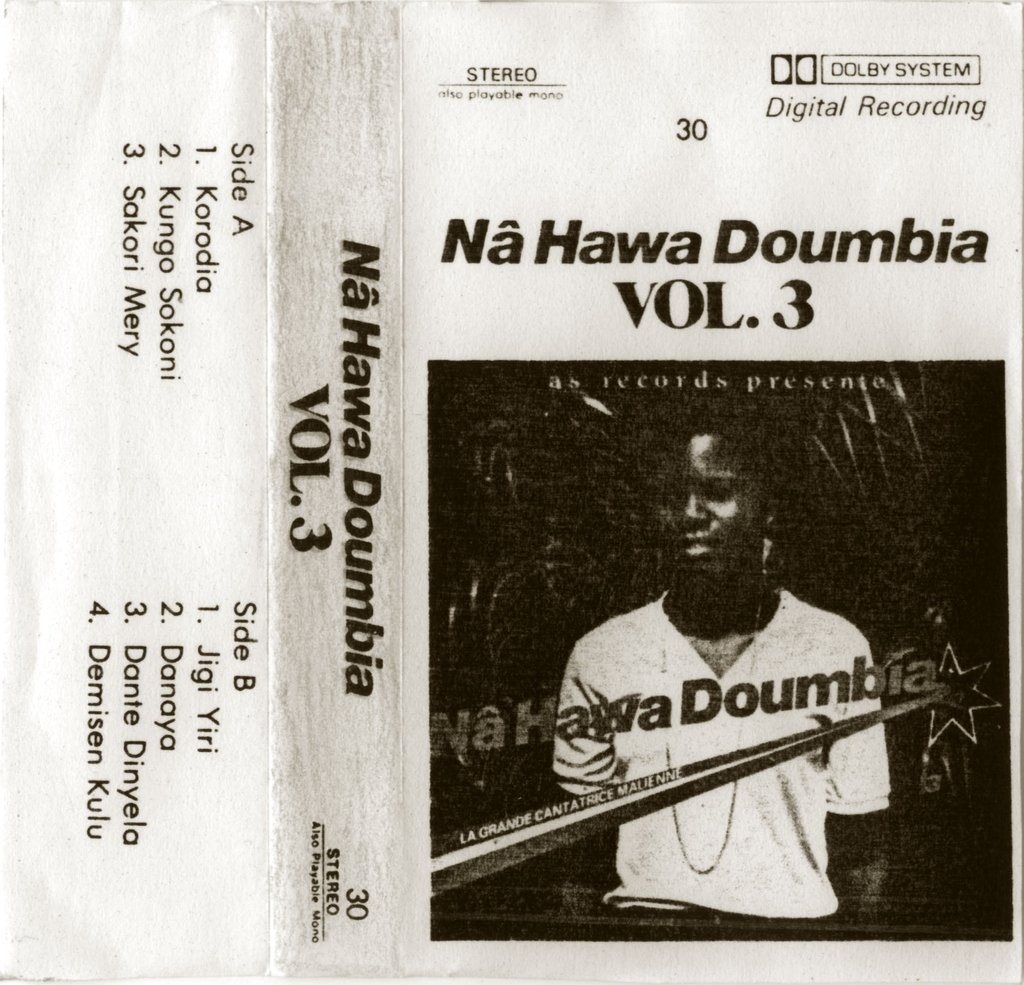
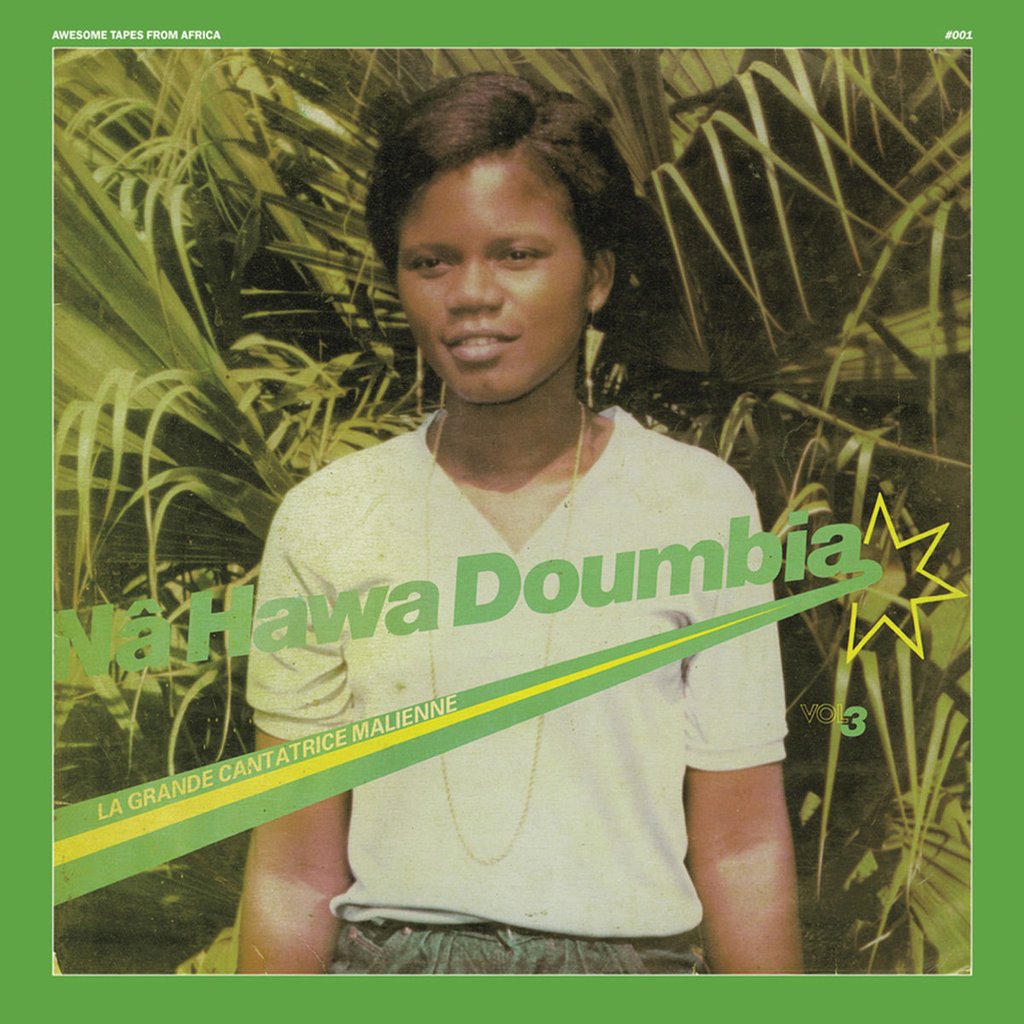
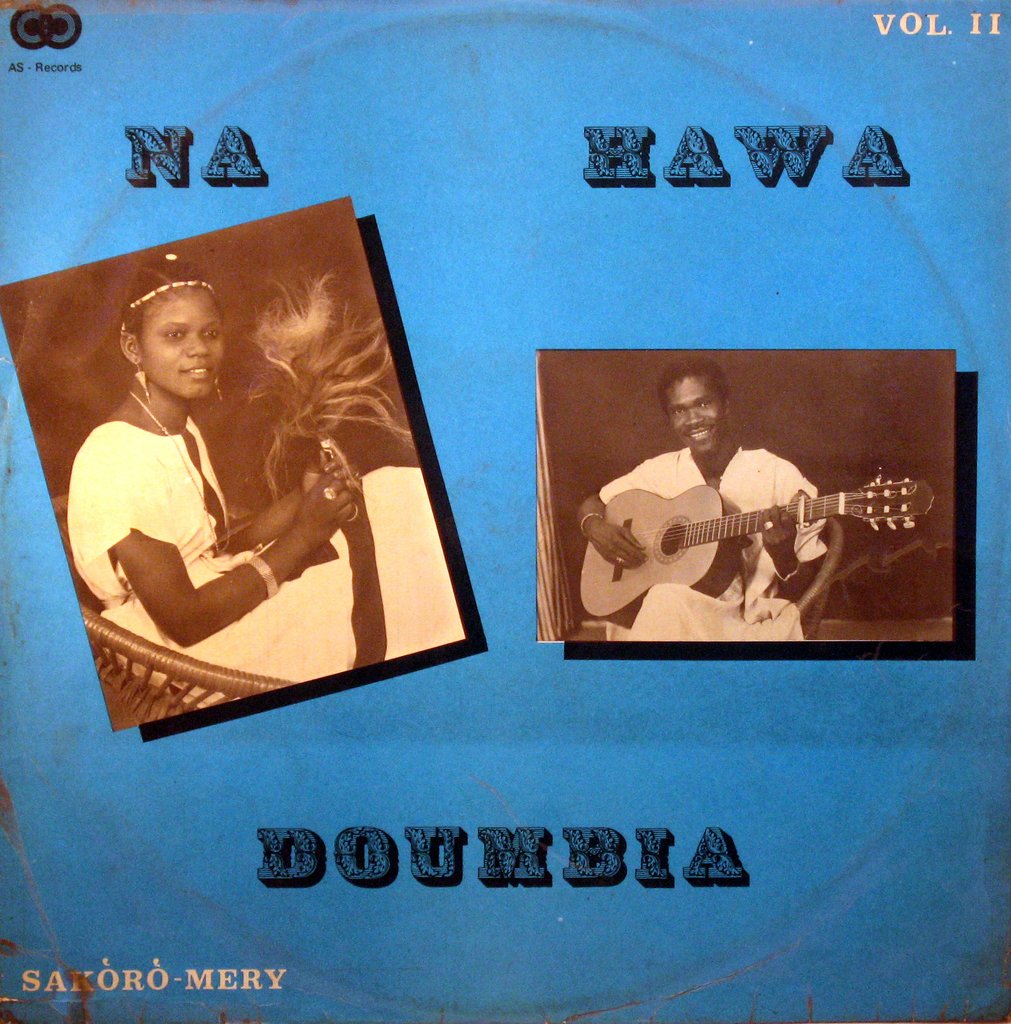
| 1982 | Recording of La Grande Cantatrice Malienne, vol. 1 with N’gou Bagayoko |
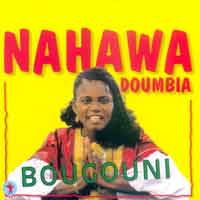
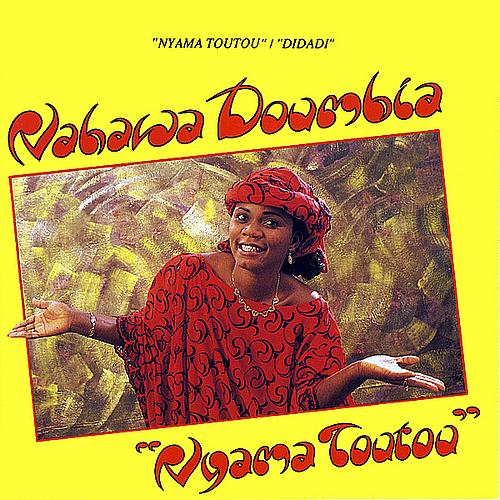
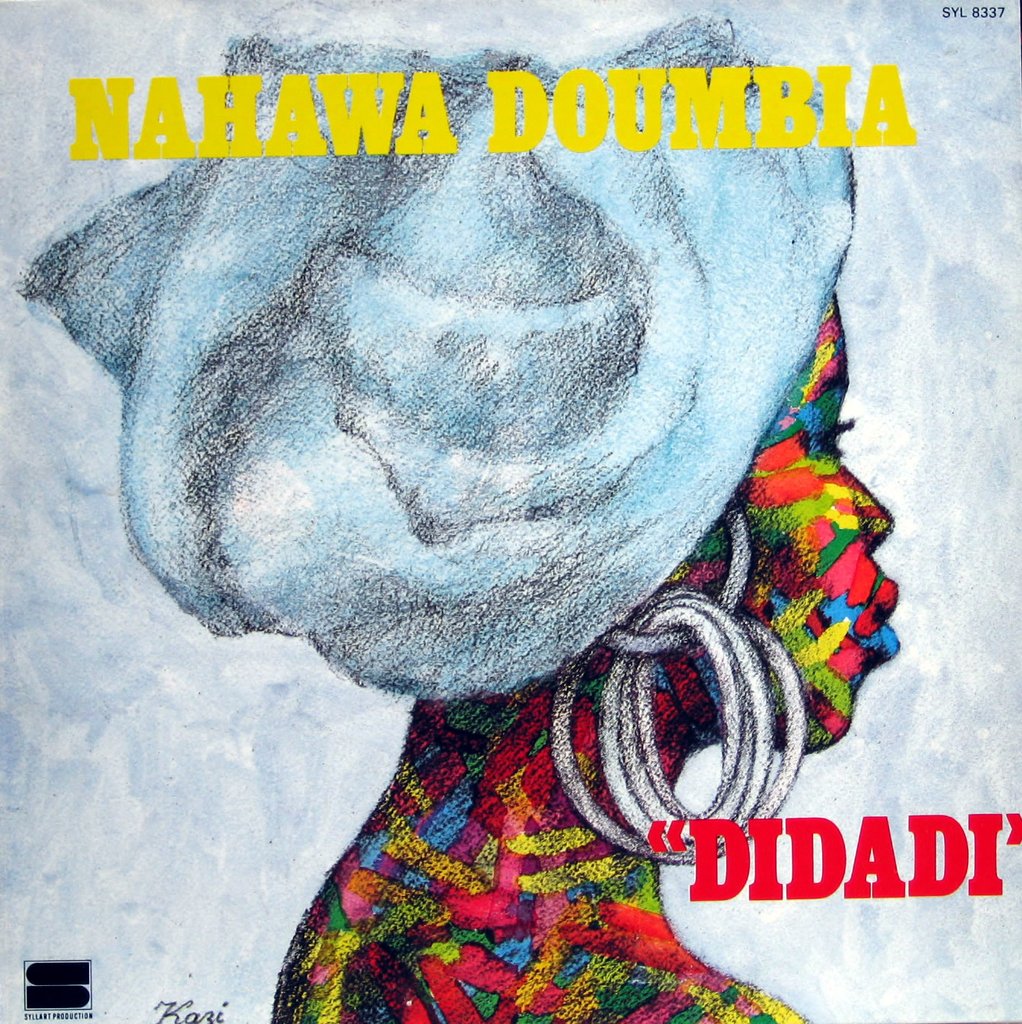
| 1987/1988 | Release of Didadi, first internationally successful album; the didadi style — the rhythmic dance of Wassoulou — becomes her signature |
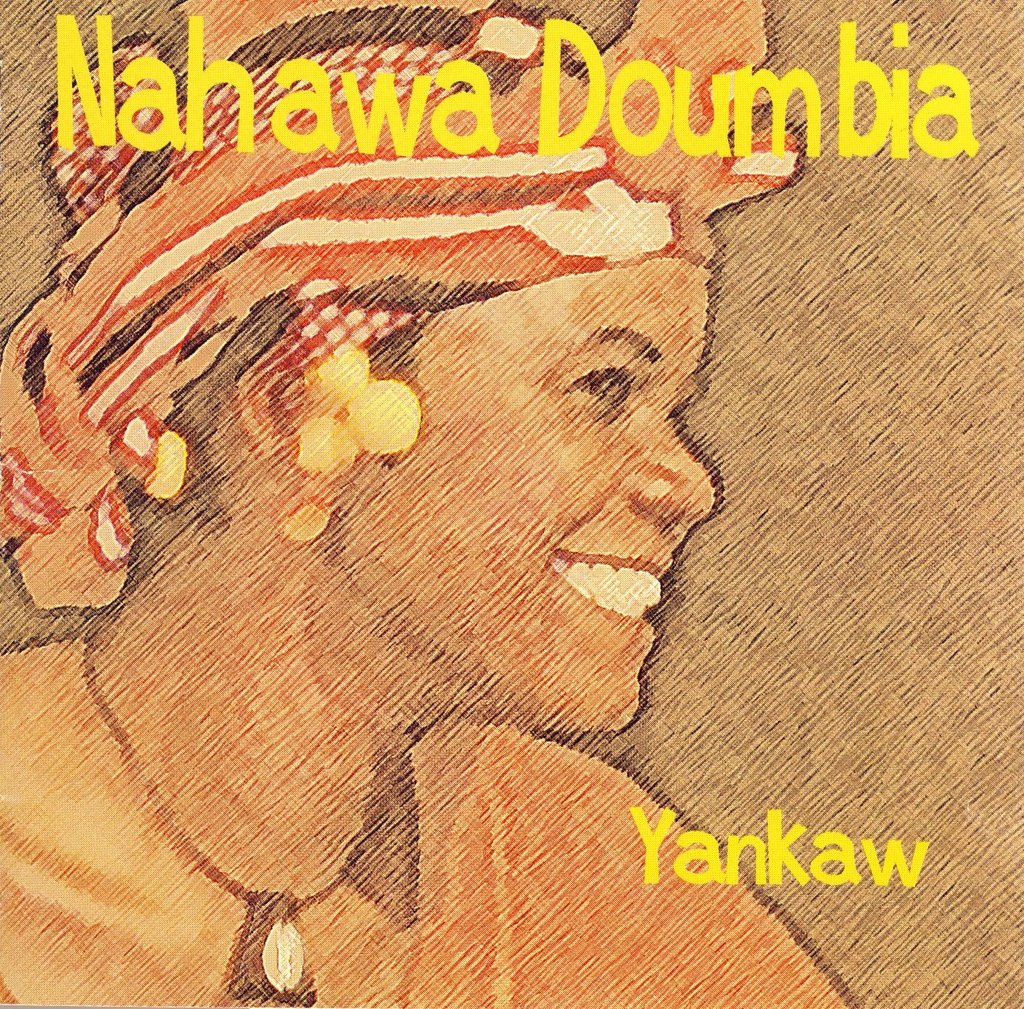
| 1997 | Yankaw, return to Wassoulou roots with traditional instruments only |
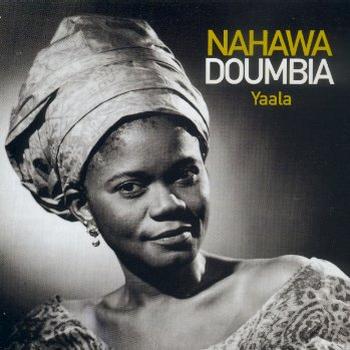
| 2000 | Yaala, album praised by critics; notable collaboration with French DJ Frédéric Galliano (project Frikyawa) |
| 2002 | Participation in the afro-electro project African Divas with her daughter Doussou Bagayoko |
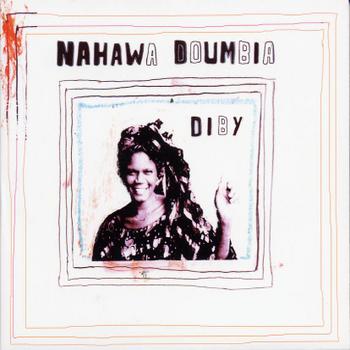
| 2004 | Release of Diby; extended international tour |
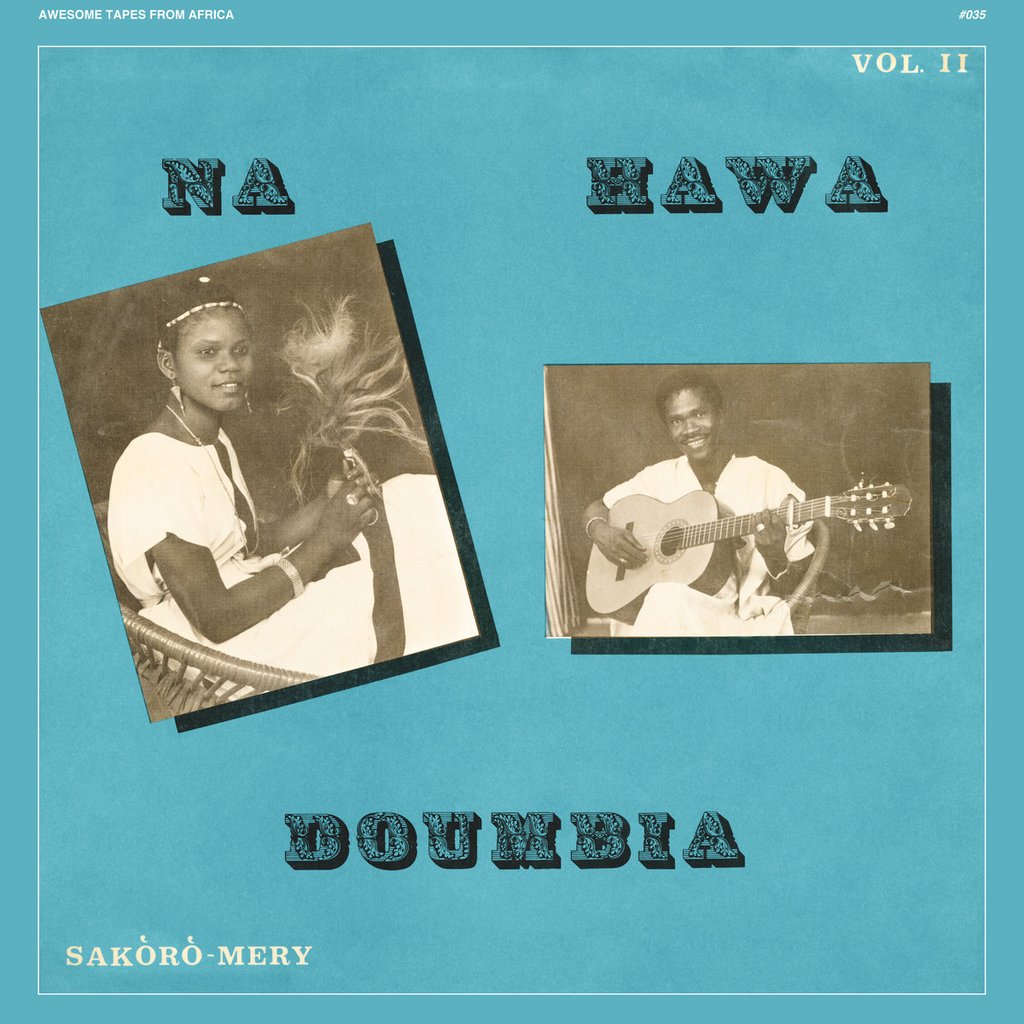
| 2011 | Awesome Tapes From Africa publishes her original 1982 cassette, bringing her posthumous global recognition |
| 2021 | Kanawa recorded at Salif Keïta’s Moffou studio in Bamako (2018-2020); militant album on the exodus of young Malians |
Origins and Break
Nahawa Doumbia was born in the town of Mafélé, in southern Mali, at the border with Côte d’Ivoire. Her mother died during childbirth; the infant was entrusted to her grandmother in the neighboring locality of Manankoro, near Bougouni, a cultural hub of Wassoulou. This region — the Wassoulou, a term designating the cultural zone of extreme southern Mali where Mandingue and Soussou mix — is a nursery of female voices, with Oumou Sangaré or Sali Sidjilé.
Her family does not belong to the lineage of jali (or griots), these hereditary musicians. On the contrary, she descends from a caste of blacksmiths: in the Wassoulou tradition — a pentatonic popular music originating from southern Mali, shaped by ancestral rituals — blacksmiths are not destined to sing in public. Her mother, before dying, allegedly predicted that her daughter would become a singer; her grandparents tried to prevent this outcome, but young Nahawa continued to sing, driven by a vocation that no prohibition could stifle.
In 1980, she spotted an opportunity during the National Youth Week in Bamako, a contest organized by the Malian Ministry of Culture to discover young talents of the country. “Tinye de be Laban”, the title she sang alongside friends, earned her first prize. An institutional recognition that legitimized her path and opened the doors to a professional career. In the following years, her voice circulated from festival to festival in Mali and Europe; she shared stages with Manu Dibango, Toure Kunda, or Miriam Makeba.
The Song of Truth: First to Educate
From the back of the first La Grande Cantatrice Malienne, released in 1982, one can read: “I do not want to make people laugh or dance, but to educate through my songs.” Nahawa Doumbia defends a conception of art as a civic mission, and this line has never wavered. Her lyrics denounce polygamy, defend women’s right to education, and call on young people to stay in the country in the face of the temptation of exodus. Her producer and lifelong companion, guitarist N’gou Bagayoko — whom she married after their first collaboration — shares these convictions and shapes the music in accordance with her messages.
The instruments of Wassoulou — ngoni (traditional string guitar), kamele ngoni, bala (xylophone) and percussion — structure her music, which she gradually enriches with synthesizers and electricity. The didadi, a rhythmic dance proper to her native region, serves as the foundation for most of her tracks: string chords and a strike of the karignan (metal scraper) that drive forward.
Major Works
| Work | Year | Why It Is Essential |
|---|---|---|
| La Grande Cantatrice Malienne (vol. 1) | 1982 | First record made at age 20 with N’gou Bagayoko; reissued by Awesome Tapes From Africa in 2011 and acclaimed worldwide |
| Didadi | 1987 | First title to become internationally recognized; signature style blending Wassoulou rhythm and modernity |
| Yaala | 2000 | Artistic peak; incisive production with Claude Barthélémy and traditional instruments |
| Kanawa | 2021 | Militant album recorded at Moffou studio; message against the exodus of young Malians, where voice and tradition dialogue with electronic arrangements |
Heritage and influence
Erudite Lucy O’Brien cites Nahawa Doumbia among the artists who gave voice to female expression in popular music, praising her technological poetry and metaphors. Eric Charry, in his study Mande Music, recognizes her as a major author of the development and definition of Wassoulou music — the popular musical form originating from southern Mali, which exerts an increasingly growing influence on the entire Malian culture.
Forty years of career, six original albums, and dozens of tours make her a reference. Artists like Fatoumata Diawara or Oumou Sangaré followed similar trajectories — Wassoulou women asserting themselves without the status of griot — but Nahawa, a pioneer of the 1980s, remains a tutelary figure for the new generation. Her feminist and social commitment is regularly praised by organizations like Amnesty International, which has made her one of the most listened-to voices on the continent. Nahawa Doumbia’s career shows that popular music from the African continent can be both deeply rooted in its traditions and resolutely turned toward world issues.
Sources and references
- “Nahawa Doumbia — Biography, Discography & Expert Reviews”, AllMusic, https://allmusic.com/artist/nahawa-doumbia-mn0000377558, accessed November 7, 2026.
- “Artist Profiles: Nahawa Doumbia”, World Music Central, https://worldmusiccentral.org/artist-profiles-nahawa-doumbia, accessed November 7, 2026.
- “Doumbia, Nahawa Biography”, Gateway of Africa, https://gatewayofafrica.com/artists/biography/111.html, accessed November 7, 2026.
- “Nahawa Doumbia met ses convictions en musique”, RFI Musique, https://musique.rfi.fr/musique-africaine/20210203-nahawa-doumbia-met-convictions-musique.html, accessed November 7, 2026.
- “Music reviews: Glen Hansard, Reijseger/Fraanje/Sylla and more”, Eugene Ulman, The Sydney Morning Herald, https://www.smh.com.au/culture/music/music-reviews-glen-hansard-reijseger-fraanje-sylla-and-more-20210117-p56upj.html, accessed November 7, 2026.
- “Nahawa Doumbia”, Wikipédia, https://en.wikipedia.org/wiki/Nahawa_Doumbia, accessed November 7, 2026.
- “Nahawa Doumbia exhorte la jeunesse malienne à ne pas céder au mirage de l’immigration”, FIP/RFI, https://www.radiofrance.fr/fip/nahawa-doumbia-exhorte-la-jeunesse-malienne-a-ne-pas-ceder-au-mirage-de-l-immigration-8857855, accessed November 7, 2026.
- “Stimme der Frauen: Nahawa Doumbia”, Amnesty International, https://www.amnesty.de/informieren/amnesty-journal/musik-mali-nahawa-doumbia-awesome-tapes, accessed November 7, 2026.