Biography
Nancy Vieira: the clear voice of Cape Verde
Bissau, 1975. In a Guinea then at war with Portugal, a young woman gives birth in the clandestine. Four months later, the Cape Verde archipelago itself proclaims its independence. Her daughter, Nancy, is the daughter of freedom—not only in metaphor, but literally. Her parents fought alongside Amílcar Cabral, the leader of the PAIGC, before he was assassinated in January 1973. Forty-nine years later, this child of a forgotten conflict sings on major international stages, carrying in her voice the same rigor, the same delicacy that she applied to the struggles of her youth.
In brief
| Full name | Nancy Vieira |
| Birth | 1975, Bissau, Guinea-Bissau |
| Nationality | Cape Verdean |
| Field | Singer — morna, coladeira, Cape Verdean music |
| Signature works | No Amá, Lus, Manhã Florida |
| Labels | Lusafrica, Harmonia Mundi/World Village |
Key dates
| Year | Event |
|---|---|
| 1975 | Born in Bissau, Guinea-Bissau, to Cape Verdean parents engaged in the struggle for independence |
| 1975 | The family leaves Guinea-Bissau for Praia, the new capital of independent Cape Verde |
| 1989 | At 14, Nancy arrives in Lisbon where her father is appointed ambassador |
| 1995 | Recording of Nôs Raça following victory in a singing contest organized by a Lisbon nightclub |
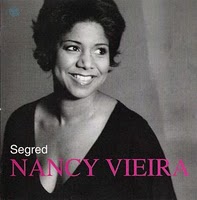
| 2004 | Release of Segred, eight years after the first album (Nancy had become a mother) |
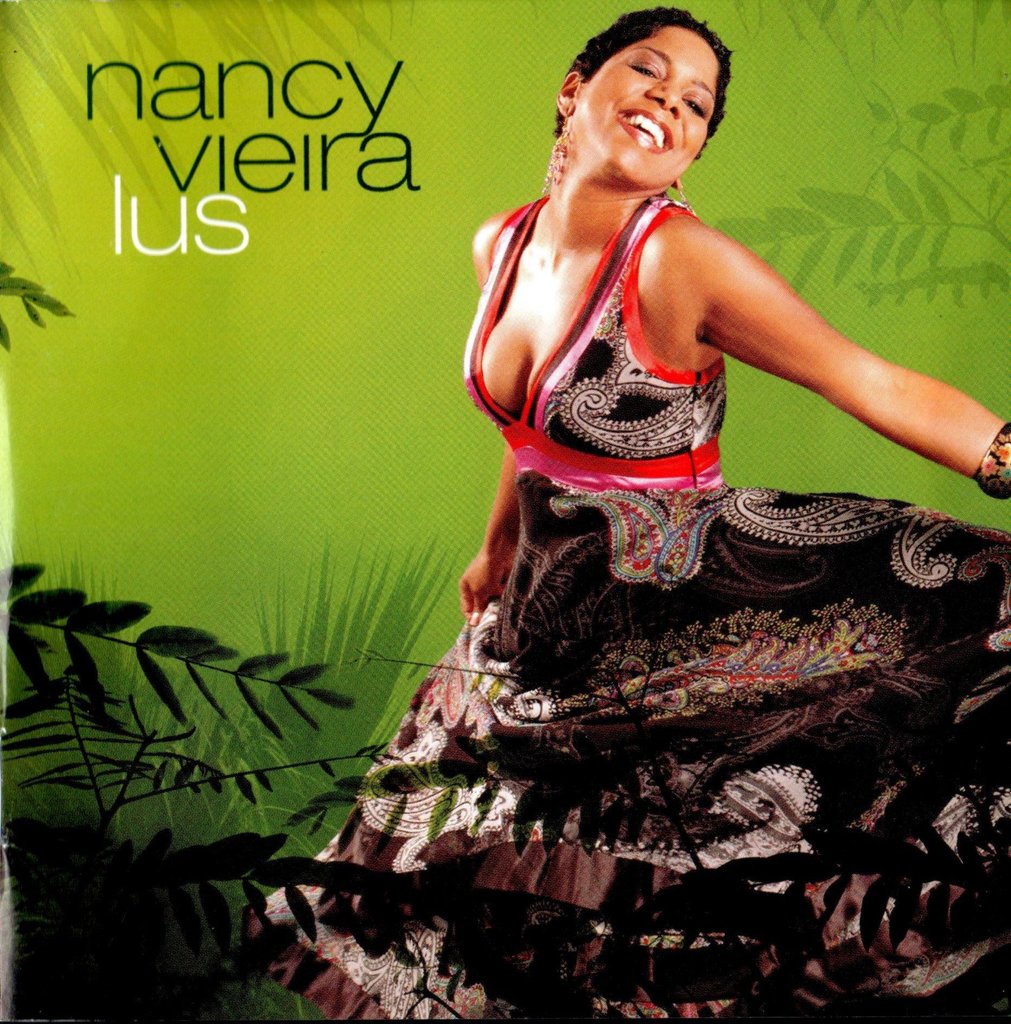
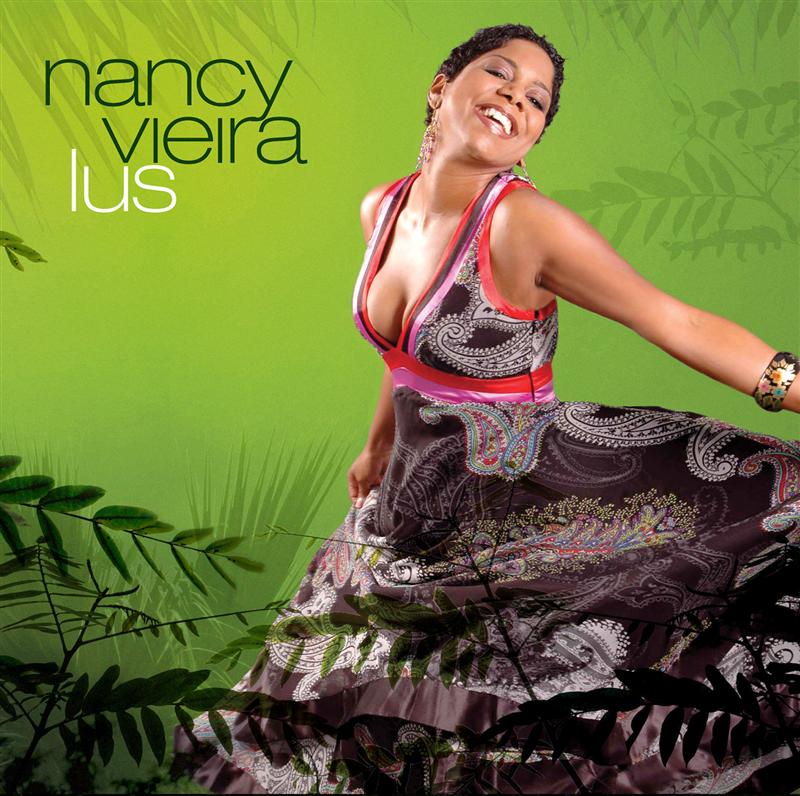
| 2007 | Release of Lus, the first album to make her a full-fledged professional |
| 2008 | Concert with Rão Kyao at Rock in Rio Lisbon |
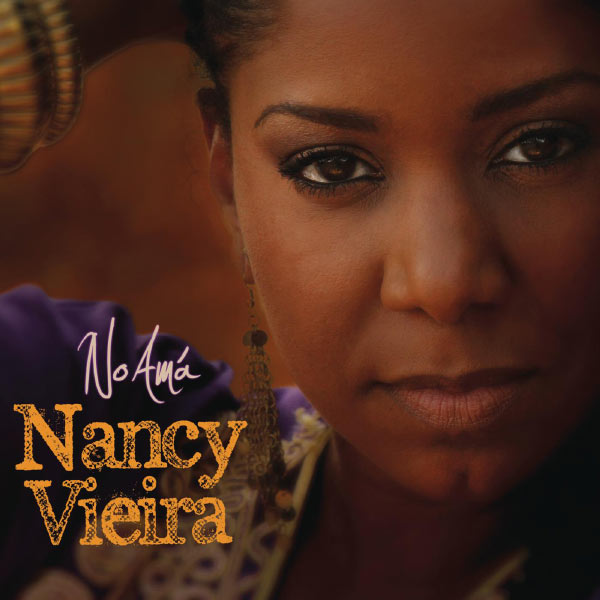
| 2012 | No Amá, the album that revealed her to the international public |
| 2018 | Manhã Florida, directed by Teófilo Chantre, the legendary lyricist of Cesária Évora |
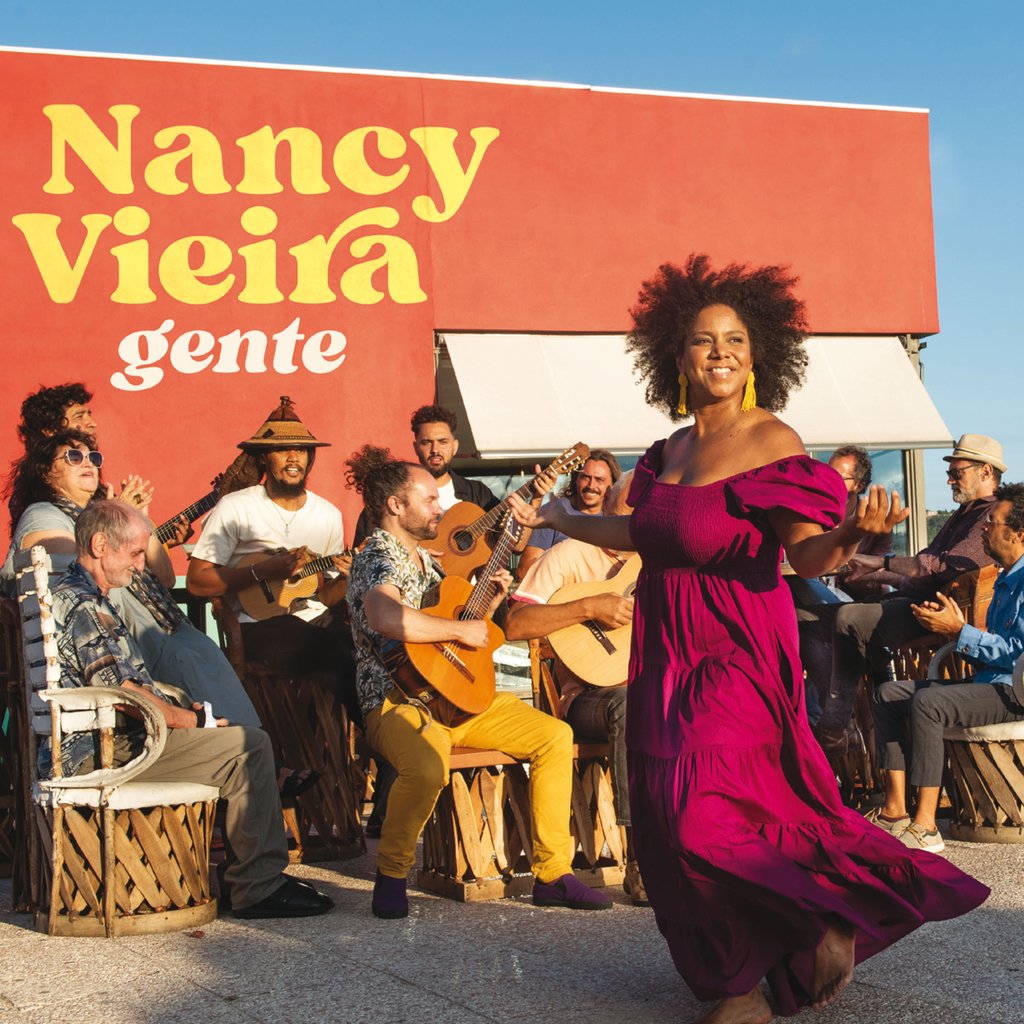
| 2024 | Gente, her seventh album, recorded between Cape Verde and continental Africa |
Insurrectional childhood and musical destiny
Nancy Vieira was born in Bissau, then a Portuguese colony at war. Her Cape Verdean parents had joined the ranks of the PAIGC around Amílcar Cabral. Her father, Herculano Vieira, former commander of the merchant navy, was an amateur guitarist and violinist—he had played with Cesária Évora in his youth, “before the struggle,” as Nancy would say in 2011. After the assassination of Cabral in January 1973, the war continued. Four months after Nancy’s birth, in 1975, the family joined Praia on the island of Santiago.
Herculano Vieira joined the new government—he became Minister of Transport, then Cape Verde’s ambassador to Portugal in Lisbon, where Nancy arrived at fourteen. She studied management and sociology at the University of Lisbon. Music, she discovered by accident. As a teenager, she accompanied a friend to a singing contest organized by a nightclub. They asked her to sing; she performed “Lua nha testemunha” by B. Leza, and she won the prize. Recording of a first album with Disconorte followed. Nôs Raça (“Our Race”) was released in 1995.
Mindelo, the port of São Vicente where the family returned ten years later, was the sonic crucible of this adolescence: Cesária Évora, Maria Bethânia, Caetano Veloso, fado, coladeira, Cuban rumba, English pop—the port city churned all of this, and Nancy Vieira absorbed its heritage.
International revelation and career
Nancy Vieira took a professional break after the birth of her daughter. Segred, her second album, only appeared in 2004, eight years after Nôs Raça. It was only with Lus (2007) that she decided to become a full-fledged professional musician. The following album, No Amá (2012, Lusafrica), was the turning point. It propelled her onto stages in Poland, Greece, the Netherlands, Russia, Italy, the United States, Angola, and France, conquering music-loving audiences “orphaned by Cesária Évora,” as Patrick Labesse would write in Le Monde.
Portuguese critics designated her as the “best voice of Cape Verde” of her generation. BBC Music recognized her clear and crystalline voice, but noted that her cool and sophisticated approach could sometimes border on distance—a trait refuted by the very narrative of her life: daughter of a fighter and an artist, she carries within her a story that music cannot conceal.
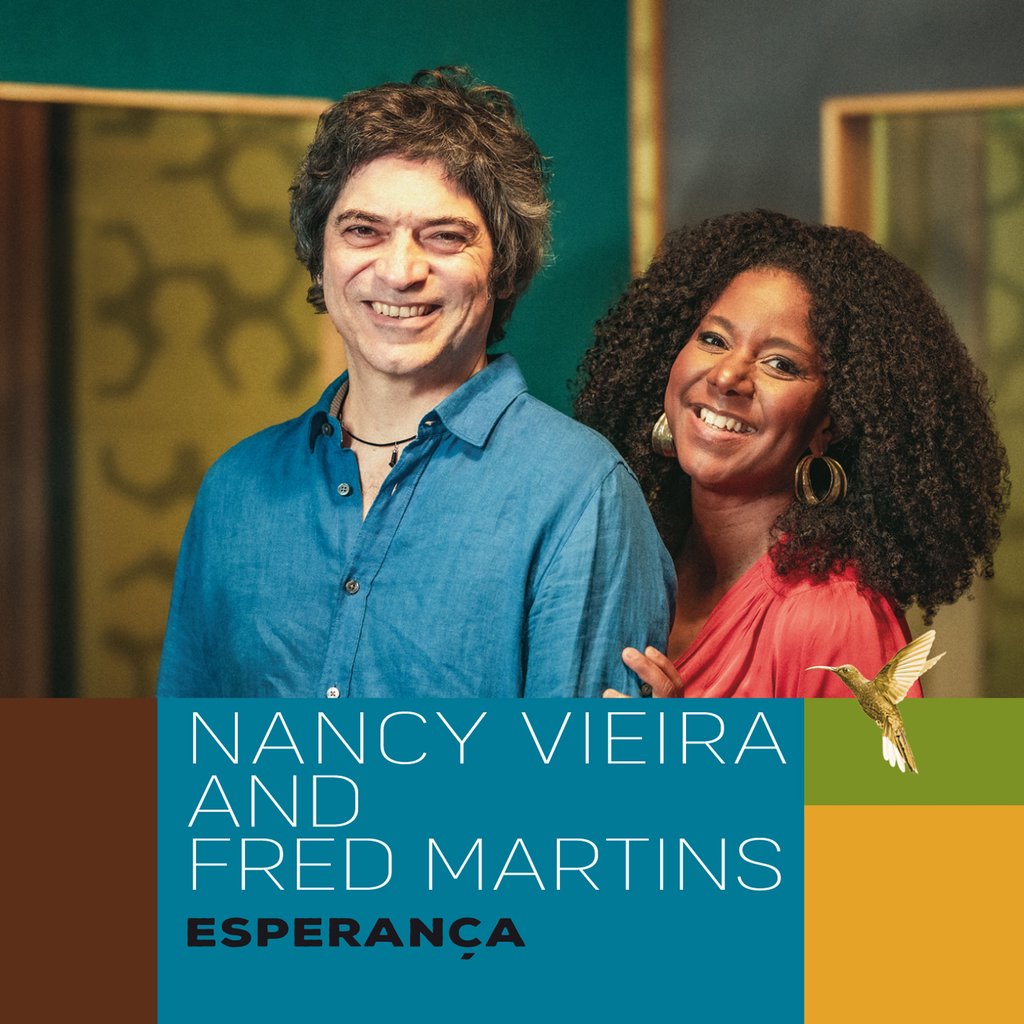
Teófilo Chantre, a major figure in Cape Verdean music and the historical lyricist of Cesária Évora, produced Manhã Florida (2018). Gente (2024), on Galileo Music Communication, confirms her creative vitality.
Major works
| Work | Year | Why it is essential |
|---|---|---|
| Nôs Raça | 1995 | First album, born from a nightclub contest; title and commitment that anchor Nancy in the Cape Verdean tradition |
| Lus | 2007 | First album to make her a professional; title meaning “Light” in Portuguese |
| No Amá | 2012 | International revelation on the Lusafrica label; heard by BBC and France Inter |
| Manhã Florida | 2018 | Produced by Teófilo Chantre, Cesária Évora’s lyricist; homage to Cape Verdean guitar |
Heritage and influence
Nancy Vieira embodies a generation of Cape Verdean singers who, after the death of Cesária Évora in 2011, ensured the transmission of a music born at the crossroads of Africa and Europe. She shared stages with Sara Tavares, Chico César, and Rui Veloso. Her father, who had renounced music for political commitment, only knew international recognition with her career—and he had never revealed that he had played with Cesária in his youth. Nancy learned this while recording No Amá in Mindelo, the day she met the diva: “She asked me: how is Herculano? I was moved, he had never told me anything.”
Now based in Lisbon, Nancy Vieira continues her career with Gente (2024).
Sources and references
- « Nancy Vieira. Singer. Biography », France Inter, https://www.franceinter.fr/personnes/nancy-vieira, accessed November 3, 2026.
- Patrick Labesse, « Cap vertige », Le Monde, April 28, 2012, https://www.lemonde.fr/archives/article/2012/04/28/cap-vertige_4326400_1819218.html, accessed November 3, 2026.
- Patrick Labesse, « Nancy Vieira. No Amá », Le Monde, April 9, 2012, https://www.lemonde.fr/culture/article/2012/04/09/nancy-vieira-no-ama_1682642_3246.html, accessed November 3, 2026.
- Robin Denselow, « Review: Nancy Vieira - No Amá », BBC Music, 2012, https://www.bbc.co.uk/music/reviews/c4m5/, accessed November 3, 2026.
- « Nancy Vieira », Lusafrica, https://www.lusafrica.com/en/our-artists/nancy-vieira/, accessed November 3, 2026.
- « Nancy Vieira (Cabo Verde) », Putumayo, https://www.putumayo.com/nancyvieira, accessed November 3, 2026.
- « Nancy Vieira », Wikipedia (fr), https://fr.wikipedia.org/wiki/Nancy_Vieira, accessed November 3, 2026.
- Anne Berthod, « No Amá. Nancy Vieira », Télérama, August 16, 2017, accessed November 3, 2026.