Biography
Nduduzo Makhathini
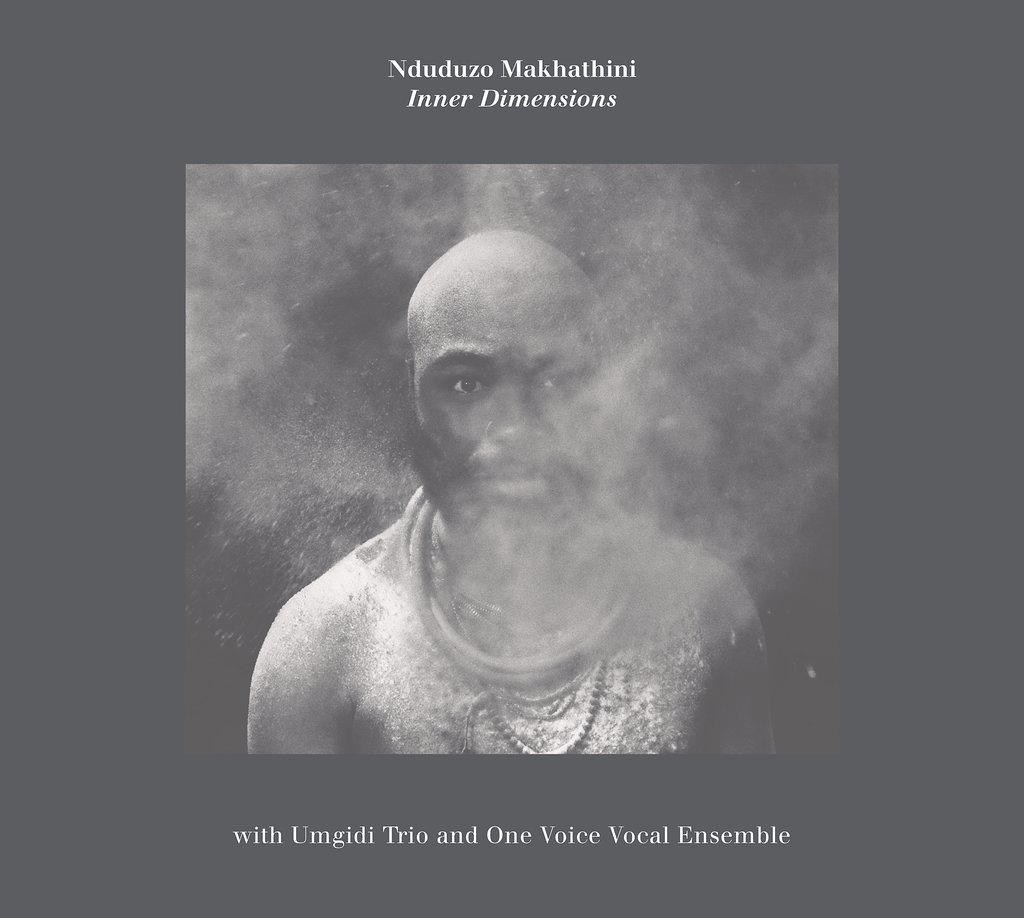
In 2019, on the stages of Jazz at Lincoln Center, South African pianist Nduduzo Makhathini performed alongside Wynton Marsalis. With every chord, one hears something other than Western jazz: Zulu dances that cross the Atlantic, a spirituality rooted in the earth and ancestors, and the ambition of an artist who refuses to separate sound from the sacred.
In Brief
| Full Name | Nduduzo Makhathini |
| Birth | 24 September 1982, uMgungundlovu (Pietermaritzburg), South Africa |
| Field | Pianist, composer, educator — South African jazz |
| Notable Works | Modes of Communication, In the Spirit of Ntu, uNomkhubulwane |
| Awards | Standard Bank Young Artist Award (2015), Best Jazz Artist AAA (2017), SAMA for Best Jazz Album (2018) |
Key Dates
| Year | Event |
|---|---|
| 1982 | Born into a family of musicians — father guitarist, mother pianist |
| 2005 | Jazz piano degree from Durban University of Technology |
| 2014-2015 | Start of solo recordings with his label Gundu Entertainment, co-founded with his wife Omagugu |
| 2015 | Standard Bank Young Artist Award (National Arts Festival); director of the music department at Fort Hare University |
| 2017 | Best Jazz Artist at the All Africa Music Awards; album Ikhambi (SAMA 2018) |
| 2019 | First recitals at the Blue Note Jazz Club (New York) and Jazz at Lincoln Center |
| 2020 | Debut with Blue Note Records — Modes of Communication named Best Jazz Album 2020 by the New York Times |
| 2023 | Doctorate in music from Stellenbosch University |
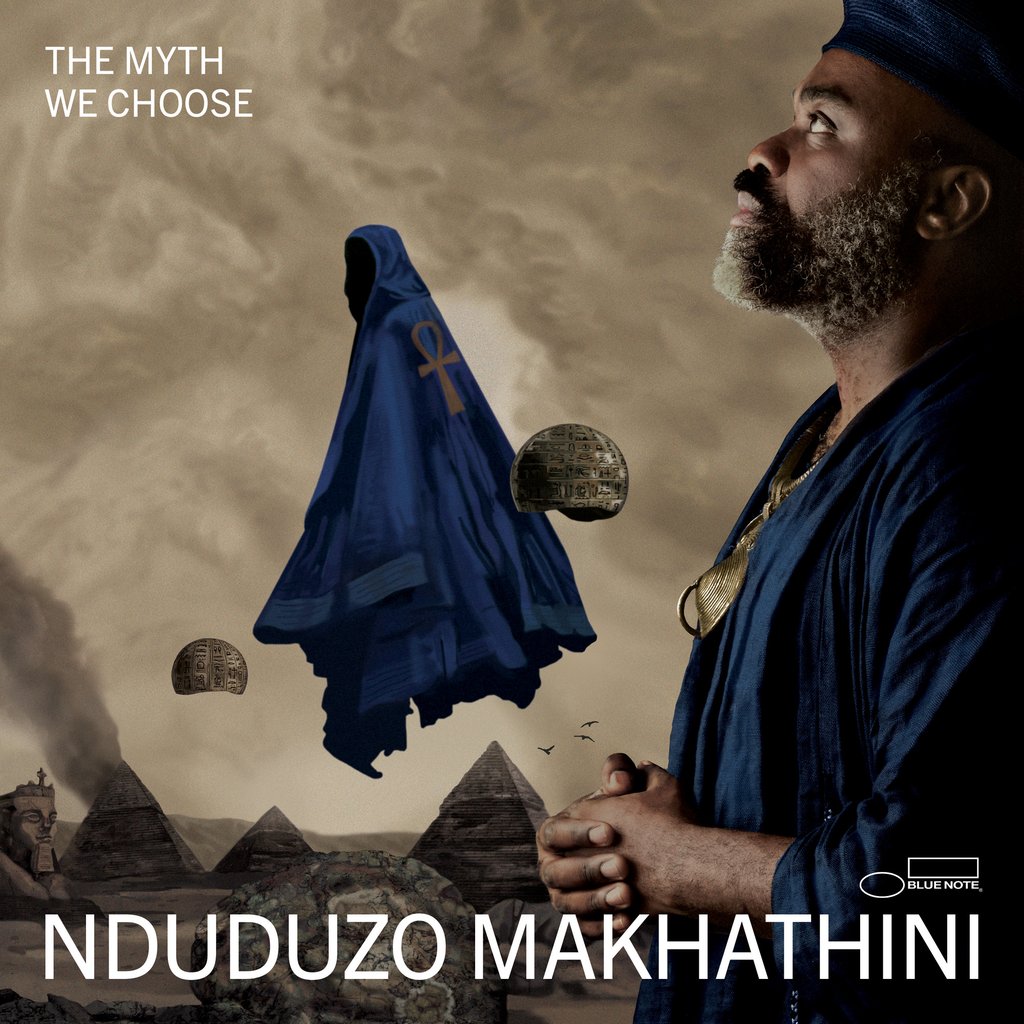
| 2024-2026 | Albums uNomkhubulwane and The Myth We Choose with Blue Note Records |
A Musical Childhood, a Spiritual Vocation
Nduduzo Makhathini grew up in the hills of umGungundlovu, former kingdom of Zulu king Dingane (1828-1840), a territory where music and rites are inseparable. Son of musicians — his father a guitarist, his mother a pianist — he sang from childhood in successive church choirs, searching for the sound that crosses him. Like many young Black people in South Africa, he grew up with the idea that music is not a separate entertainment from life: it accompanies dances, prayers, and healing.
But it was at university that he discovered jazz, and the gap was brutal. He explains that his university education isolated sound from healing, breaking with the lived experience of his youth. In the lecture halls, jazz was taught as a technical system, detached from the spirituality that gave birth to it. This dissonance haunts him — and nourishes his ambition: to reunite the two worlds.
Revelation and Consecration: A Zulu Breath in Spiritual Jazz
Makhathini’s soul brightens when he meets his mentor Bheki Mseleku, a pianist and composer who bridges Zulu folkloric sounds and American pianistic jazz. Through him, he discovers McCoy Tyner in the John Coltrane quartet and understands: “I came to understand my pianist voice through John Coltrane’s A Love Supreme” (translated from English), he wrote. Tyner brought him a playing capable of evoking how his people danced, sang, and spoke.
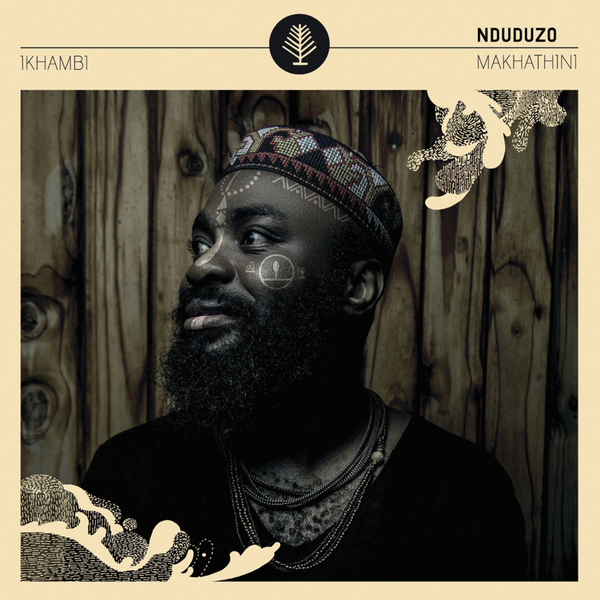
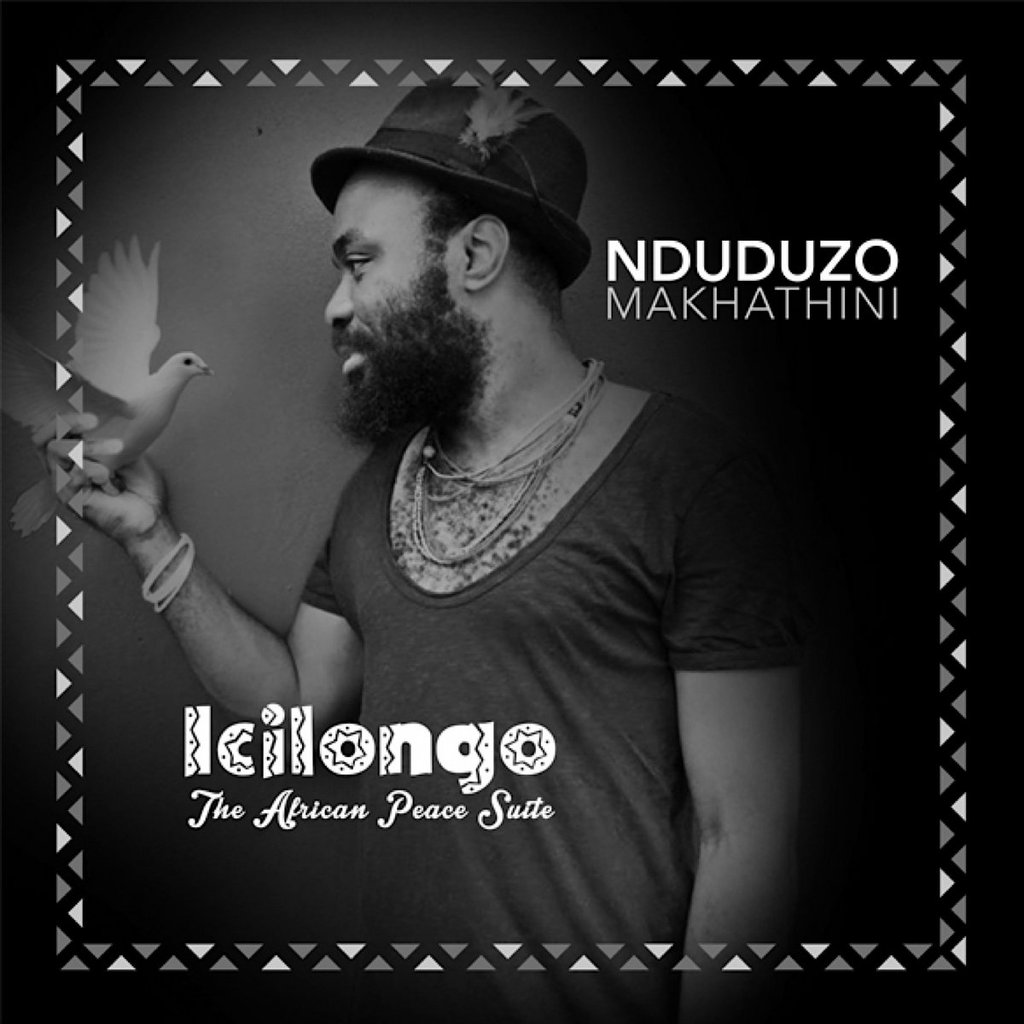
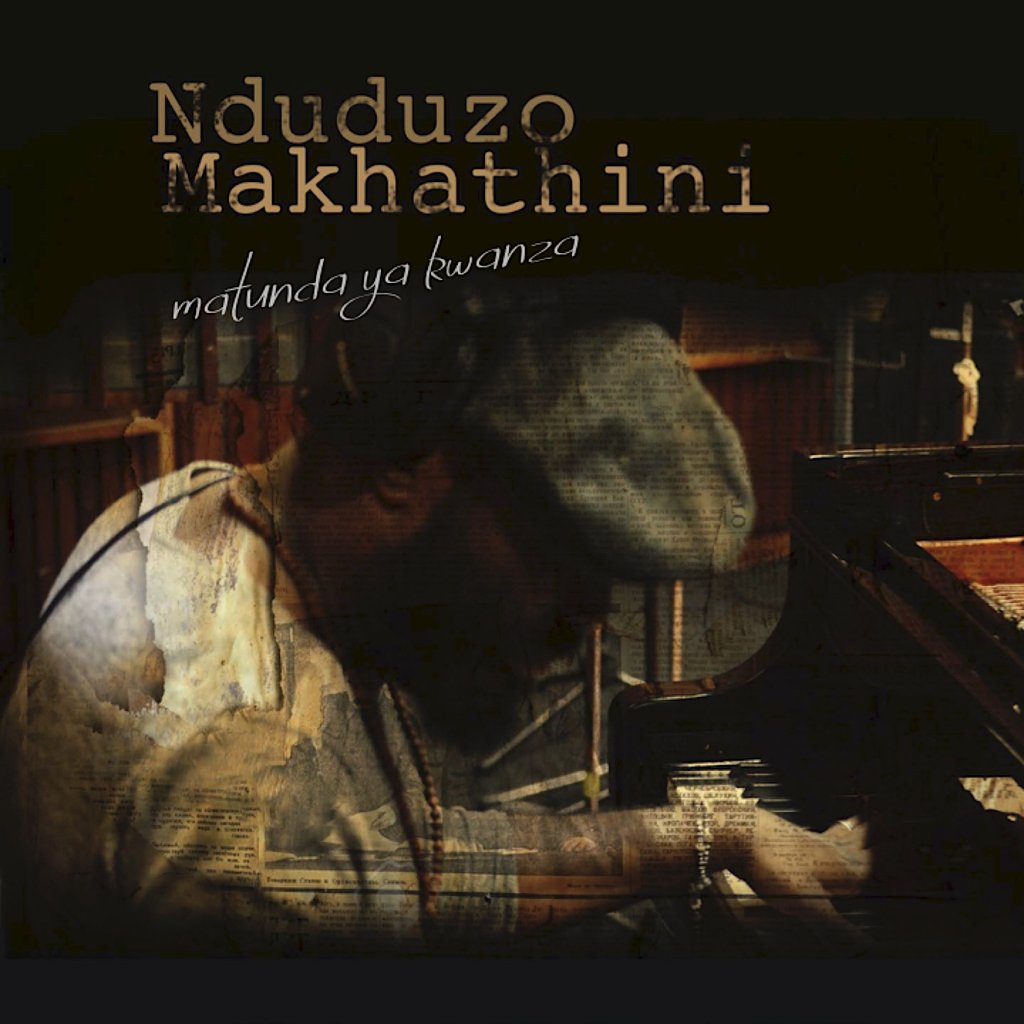
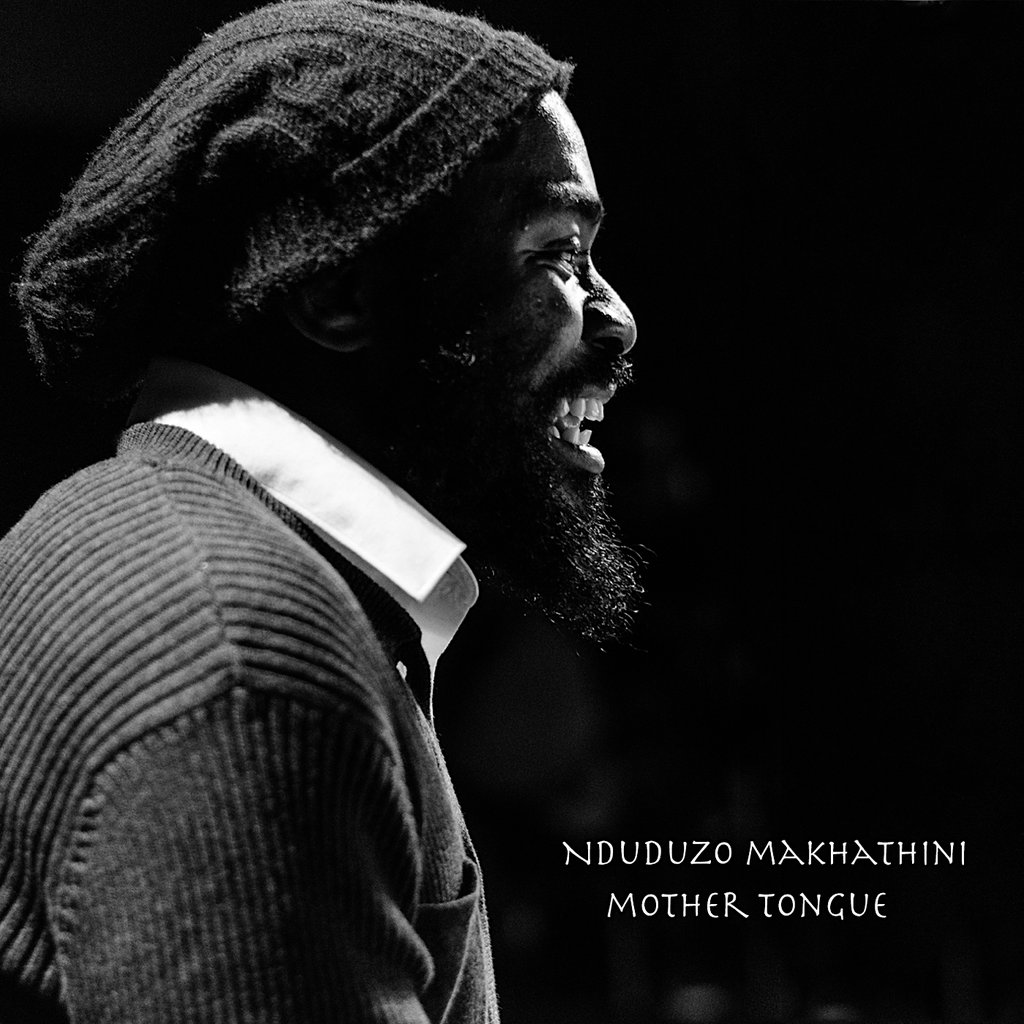
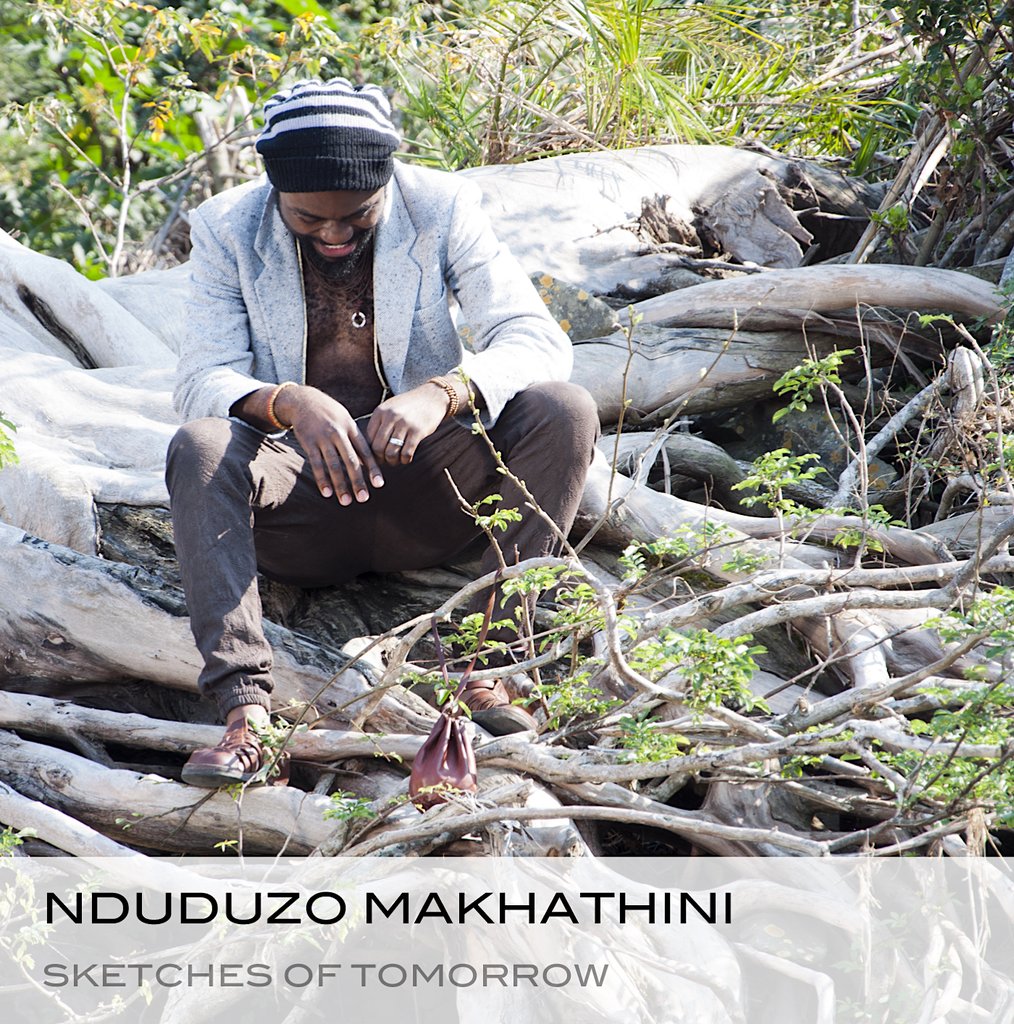
Through this prism, he forged a unique language: a rhapsody that weaves American modal jazz with Zulu percussion, also integrating Afro-Cuban sounds. Since 2014, with the label he co-founded with his wife, singer Omagugu Makhathini — Gundu Entertainment —, he recorded Mother Tongue and Sketches of Tomorrow. In 2016, the album Icilongo — The African Peace Suite invited British saxophonist Shabaka Hutchings, and marked his entry into an international network. The following album, Ikhambi (2018), won the award for best jazz album at the South African Music Awards.
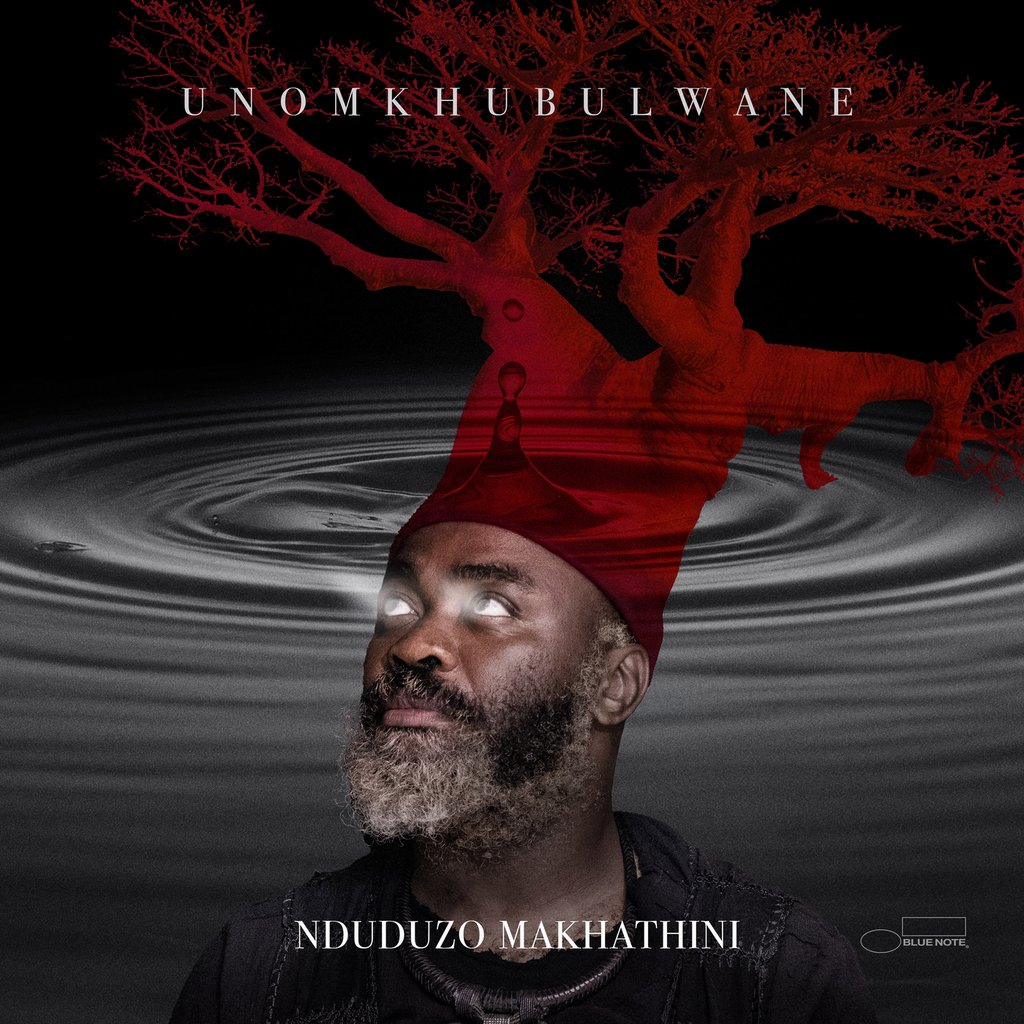
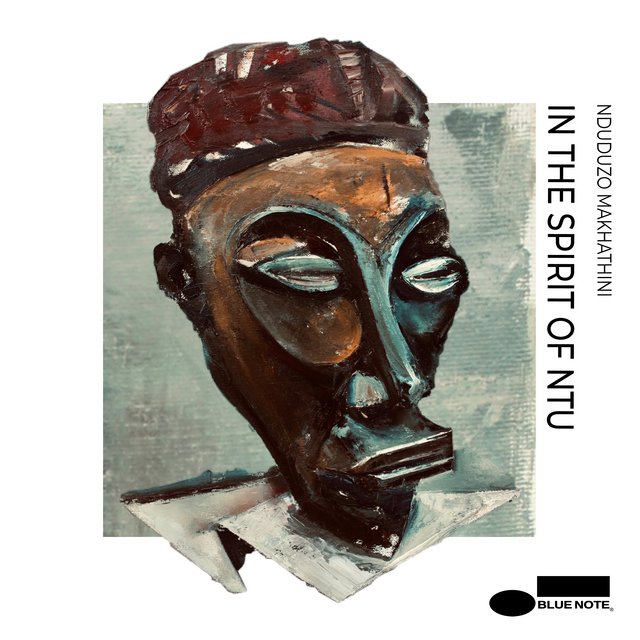
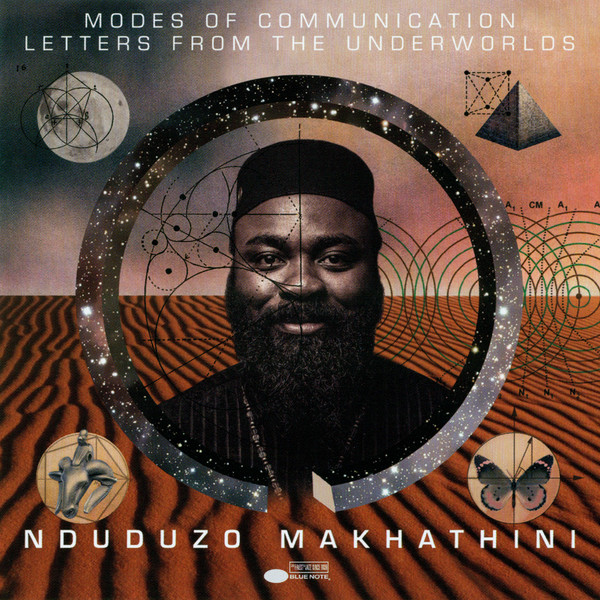
But it is with Modes of Communication: Letters from the Underworld (2020) that Makhathini crosses a historical threshold: he becomes the first South African artist signed to Blue Note Records. The New York Times names the album among the best jazz records of 2020. It is followed by In the Spirit of Ntu (Blue Note Africa, 2022), recorded in trio alongside bassist Zwelakhe-Duma Bell le Pere and drummer Francisco Mela, then uNomkhubulwane (2024), co-produced by his teenage son Thingo Makhathini.
Educator and Thinker: Changing Jazz Through Education
Parallel to his career, Makhathini works to transform musical systems from within. From 2015 to 2023, he directed the music department of Fort Hare University, in the Eastern Cape. “We see more and more people asking where our stories are in university curricula,” he says. “My arrival was a kind of protest.”
This commitment earns him a doctorate in music obtained from Stellenbosch University in 2023, and strengthens him as a jazz intellectual. He describes himself as educator and healer — his grandmother being a Sangoma, traditional Zulu healer — and conceives each performance as a ritual that demands real participation from the audience. His album The Myth We Choose (2026), co-produced with his son, confirms this ambition: writing for future generations, or even eternity.
Major Works
| Work | Year | Why It Is Essential |
|---|---|---|
| Mother Tongue | 2014 | First album; anchors his vocabulary between modal jazz and Zulu spirituality |
| Ikhambi | 2018 | SAMA award for best jazz album; successful fusion of the two sound worlds |
| Modes of Communication: Letters from the Underworlds | 2020 | Debut with Blue Note; named Best Jazz Album by the New York Times |
| uNomkhubulwane | 2024 | Trio with powerful accents; production with his teenage son, a filial and artistic gesture |
Heritage and influence
Nduduzo Makhathini has not only expanded South African jazz but has also redefined its spiritual foundations. His work inspires a new generation — saxophonist Linda Sikhakhane, a protégé of Makhathini for whom he produced the album Blue Note Inkehli (2025) — who seeks to reconnect jazz with indigenous identity. By inviting artists such as Shabaka Hutchings, Don Was, or Black Coffee to collaborate with him, he positions South African jazz not as a continental exoticism but as a major current in global pianistic creation. His music, where John Coltrane dialogues with Zulu ancestors, paves the way for a jazz that no longer distinguishes between tradition and modernity.
Sources and references
- « Nduduzo Makhathini », Wikipedia (English), https://en.wikipedia.org/wiki/Nduduzo_Makhathini, accessed 7 November 2026.
- « Nduduzo Makhathini », Wikipedia (French), https://fr.wikipedia.org/wiki/Nduduzo_Makhathini, accessed 7 November 2026.
- « Nduduzo Makhathini », Discogs, https://www.discogs.com/artist/5269178-Nduduzo-Makhathini, accessed 7 November 2026.
- « Nduduzo Makhathini », AllMusic, https://www.allmusic.com/artist/nduduzo-makhathini-mn0003068518, accessed 7 November 2026.
- « Nduduzo Makhathini », Blue Note Records, https://www.bluenote.com/artist/nduduzo-makhathini/, accessed 7 November 2026.
- « Nduduzo Makhathini – The Spirituality of Sound », Everything Jazz, https://www.everythingjazz.fr/story/nduduzo-makhathini-the-spirituality-of-sound/, accessed 7 November 2026.
- « Bio », Official website, https://www.nduduzomakhathini.com/bio/, accessed 7 November 2026.
- « Nduduzo Makhathini », Kennedy Center, https://www.kennedy-center.org/artists/m/ma-mn/nduduzo-makhathini/, accessed 7 November 2026.