Biography
Netsanet Mellesse
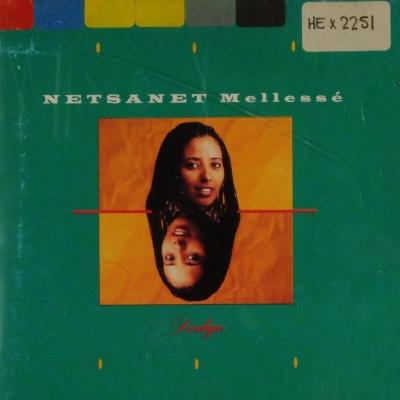
At the heart of Addis Ababa nights in the 1980s, on the stage of the Hilton where the Wallias Band held court, a young woman with disarmingly natural charm took the microphone. She began “Dodge,” a track that would become a classic. That day, Netsanet Mellesse’s destiny shifted — she became the pop voice of Ethiopia’s first band.
In brief
| Full name | Netsanet Mellesse (also spelled Melesse) |
| Birth | 1960s, Addis Ababa, Ethiopia |
| Genre | Ethiopian music, pop, ethio-funk |
| Notable works | “Dodge”, Yelal Doju, Spirit of Sheba, Fertuna |
| Awards | Selected for Rough Guide to the Music of Ethiopia (2004), Holding Up Half the Sky (Shanachie) |
| Status | Active (resides in Toronto, Canada) |
Key dates
| Year | Event |
|---|---|
| 1960s | Born in Addis Ababa; joined church choir as a child |
| Early 1980s | Music studies at Yared School of Music University |
| 1983 | First album Yelal Doju, immediate success |
| 1991 | Album Tizita; departure for Toronto |
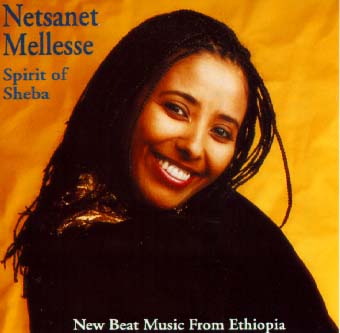
| 1992 | Spirit of Sheba on Shanachie (United States) |
| 2004 | Album Fertuna, participation in Rough Guide to the Music of Ethiopia |
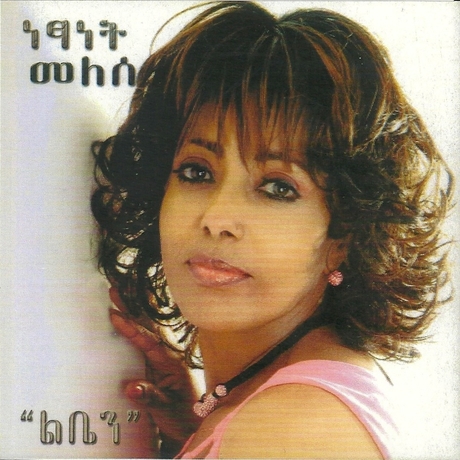
| 2013 | Album Liben, signed with Adika Communication & Events |
Career: From Hilton to Toronto
Born into a pious family, Netsanet Mellesse grew up immersed in liturgical singing and began performing as a child in the Estefanos church choir. Inspired by Whitney Houston, Madonna, and Aretha Franklin, she enrolled at Yared School of Music University in Addis Ababa. Her solo career took off unexpectedly: her older sister, radio producer Beserate Wengel, convinced her to appear on Tadesse Muluneh’s Sunday show. On stage, she performed English hits, a Sudanese track, and Miriam Makeba’s “Malaika” — captivating the programmers of the Wallias Band. The group then invited her to sing at the Hilton Hotel, where they played all night long.
The Wallias Band, named after the walia ibex, was the most beloved jazz and funk ensemble in the capital. Heir to the Venus Band, they played all night with a panting polyrhythmic groove. It was Netsanet who infused the group’s raw sound with a pop dimension, creating a more accessible register while remaining deeply Ethiopian. Her first solo album, Yelal Doju (1983), exploded: the title track, sweet and catchy, permeated popular culture. Minew Jal (1985) and Tew Jegena Belew (1987) confirmed her style, built on calm melodies and modest lyrics.
In 1991, Netsanet and her family left Ethiopia for Toronto. Her album Tizita — which means nostalgia in Amharic — reflected this rupture between two worlds. But Ethiopian music experienced a global rediscovery thanks to the Éthiopiques compilations. Shanachie Records invited her to record: Spirit of Sheba (1992) revealed her to Western audiences, and her contribution to Holding Up Half the Sky (1997, a compilation dedicated to African female voices) distributed her work across the Atlantic. In 2004, she appeared on The Rough Guide to the Music of Ethiopia. Upon returning to Ethiopia, she released Fertuna (2004), praised for its authenticity, followed by Liben (2013). Meanwhile, a gospel album testified to her faith, and she funded the construction of a church.
Major works
| Work | Year | Why it’s essential |
|---|---|---|
| Yelal Doju (album) | 1983 | First solo album, instant success |
| “Dodge” (song) | 1983 | Iconic track featured on Rough Guide (2004) |
| Spirit of Sheba (album) | 1992 | Revealed to Western audiences on Shanachie |
| Tizita (album) | 1991 | Nostalgic song bridging two worlds |
| Fertuna (album) | 2004 | Strong comeback, authentic lyrics |
Legacy
Netsanet Mellesse embodies the dual belonging of Ethiopian artists born between two worlds. Young musicians continue to draw from her repertoire, and her collaboration with the Wallias Band remains an essential chapter in Ethiopian music history.
Sources and references
- “Netsanet Mellesse”, AllMusic, https://www.allmusic.com/artist/netsanet-mellesse-mn0000327528, accessed October 23, 2025.
- “Netsanet Melese”, Music In Africa, https://musicinafrica.net/fr/node/8589, accessed October 23, 2025.
- Rahel Samuel, “Netsanet Melesse: A woman of inspirations”, Ethio Sports, February 7, 2013, https://www.ethiosports.com/2013/02/07/netsanet-melesse-a-woman-of-inspirations/, accessed October 23, 2025.
- Netsanet Melese, “Still going strong”, The Reporter / Ethio Sports, August 21, 2012, https://www.ethiosports.com/2012/08/21/netsanet-melese-still-going-strong/, accessed October 23, 2025.
- Nago Seck, “Netsanet Mèllèssè”, Afrisson, May 7, 2007, https://www.afrisson.com/netsanet-mellesse-231/, accessed October 23, 2025.
- “Walias Band”, Wikipedia, https://en.wikipedia.org/wiki/Walias_Band, accessed October 23, 2025.
- “The Rough Guide to the Music of Ethiopia (2004 album)”, Wikipedia, https://en.wikipedia.org/wiki/The_Rough_Guide_to_the_Music_of_Ethiopia_(2004_album), accessed October 23, 2025.
- “Spirit Of Sheba”, Apple Music, https://music.apple.com/us/album/spirit-of-sheba/1565039302, accessed October 23, 2025.