Biography
The Almighty OK Jazz: From the Congo Riverbanks to Musical Immortality
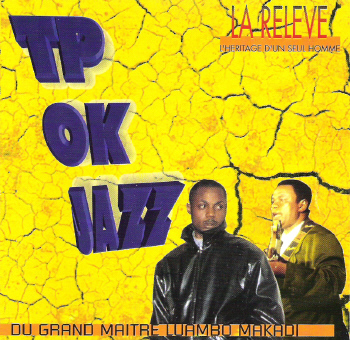
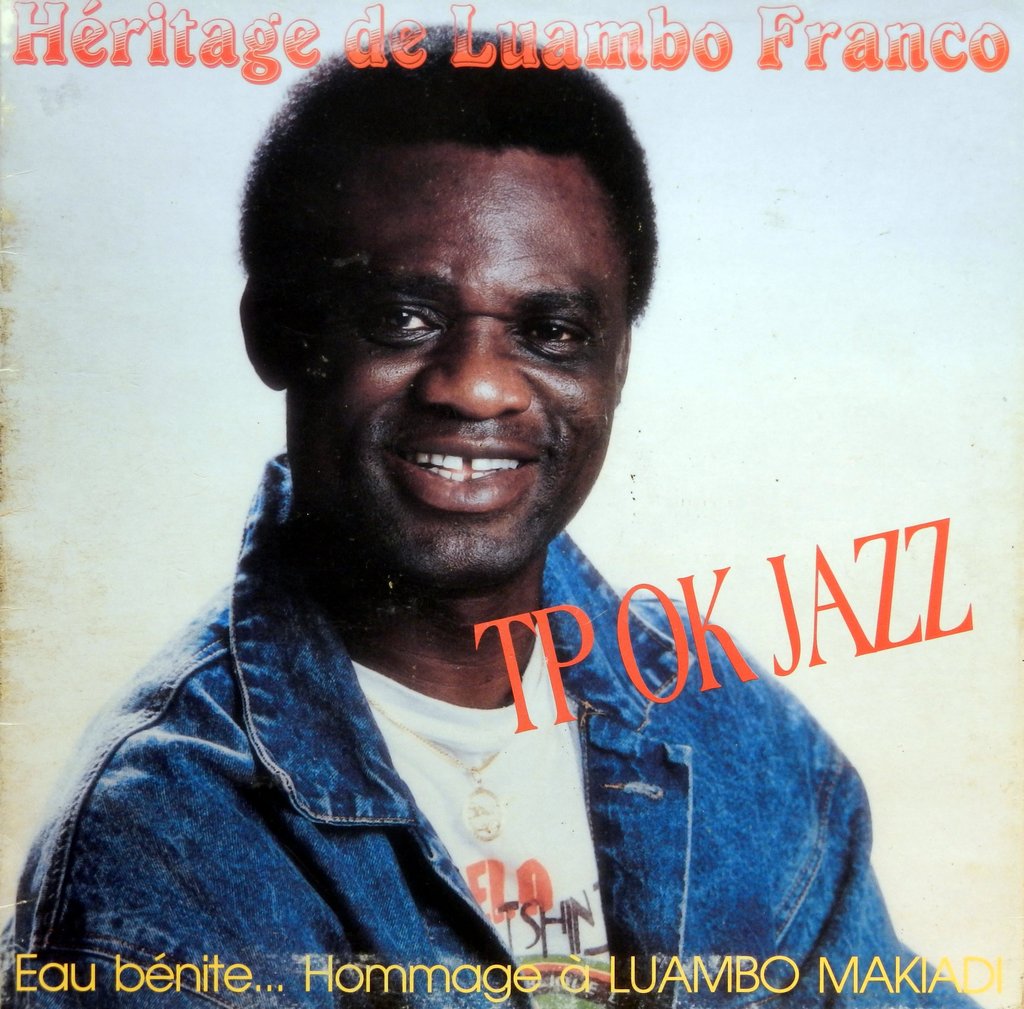
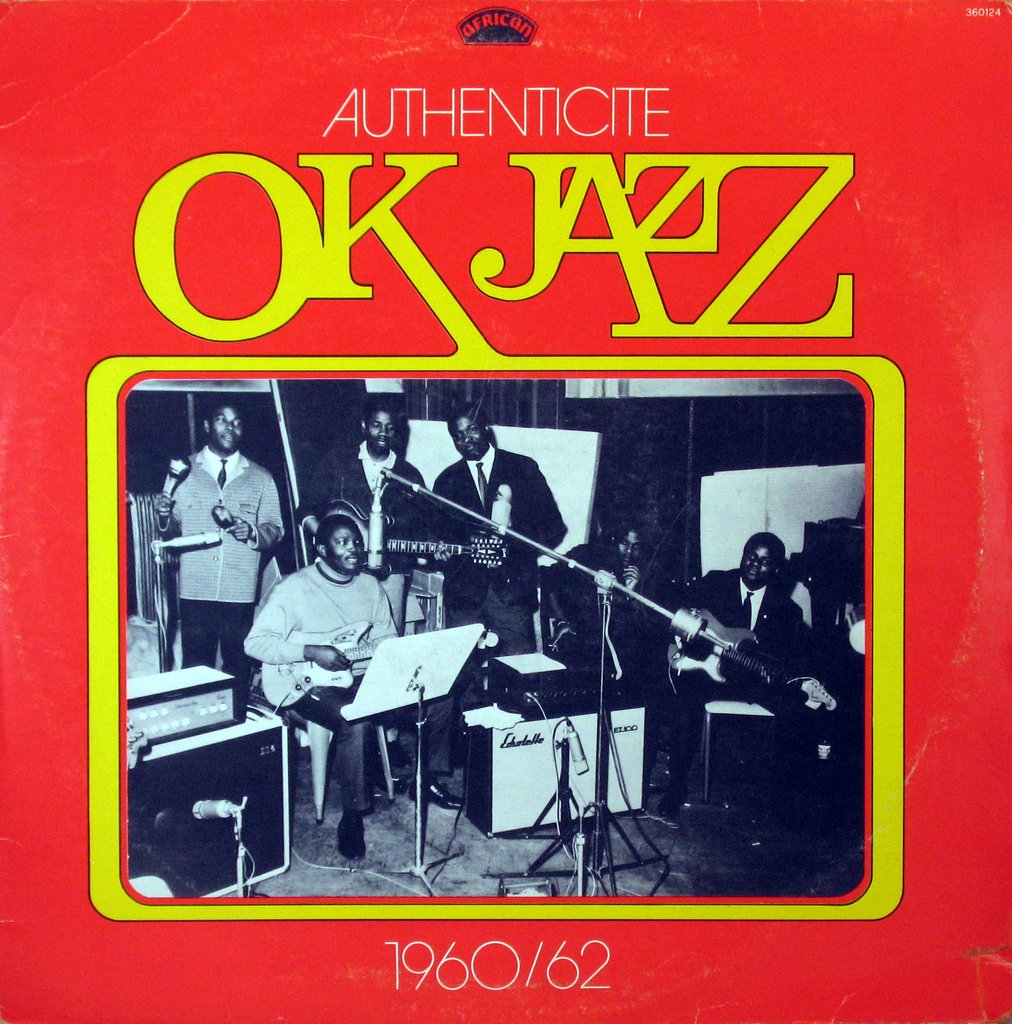
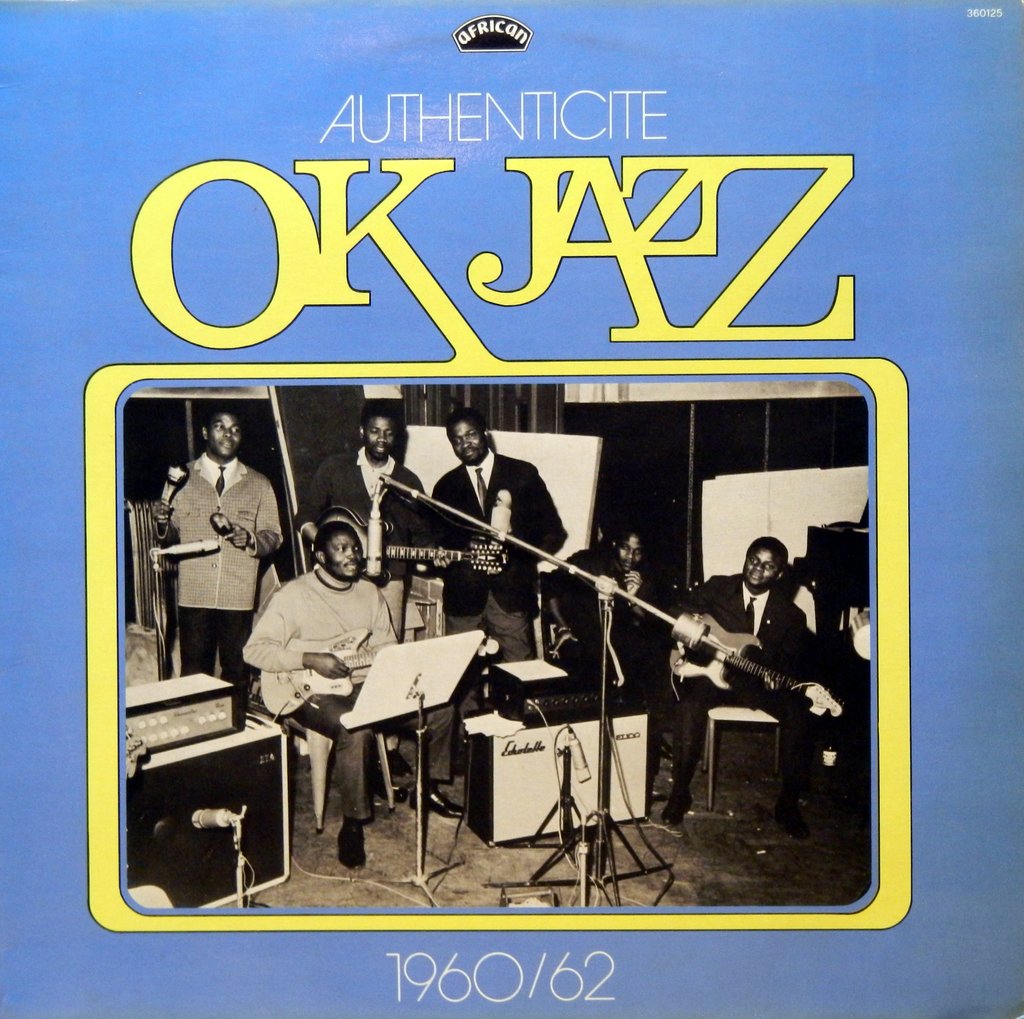
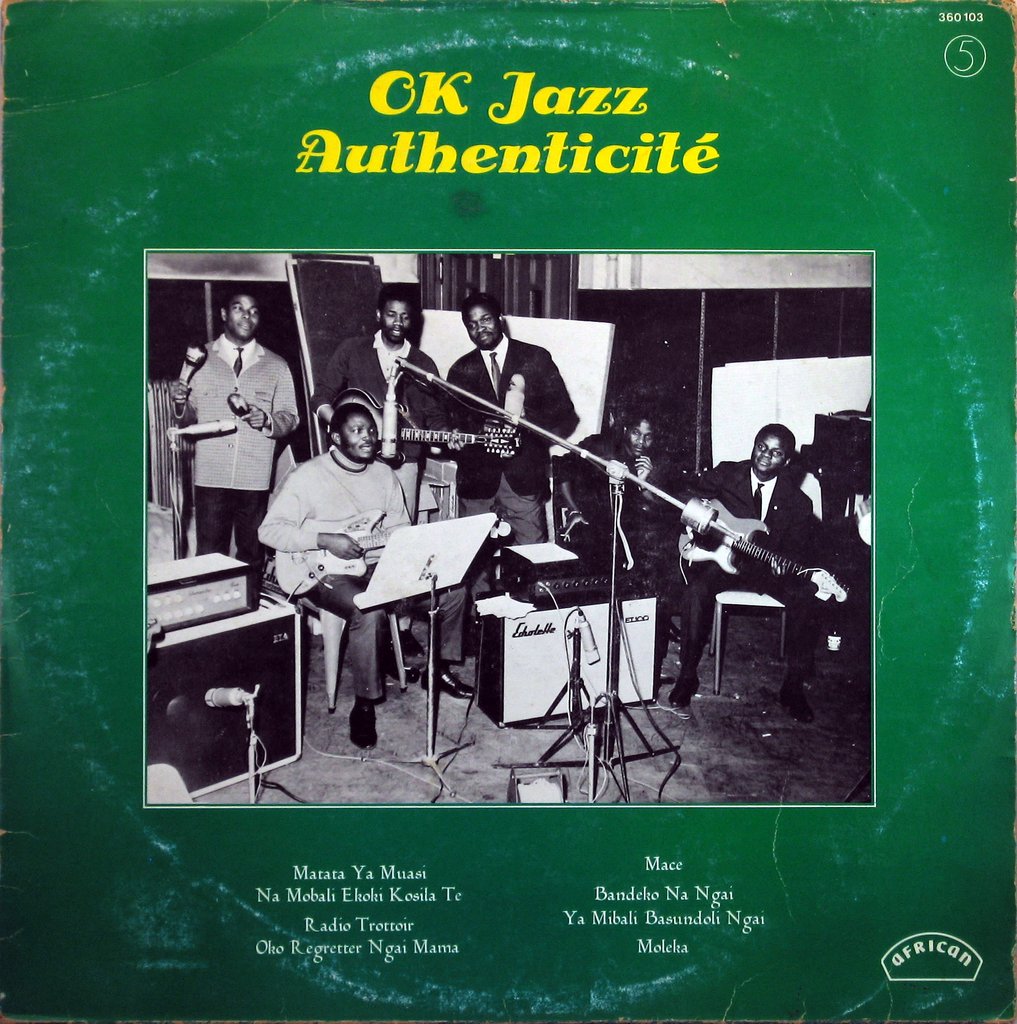
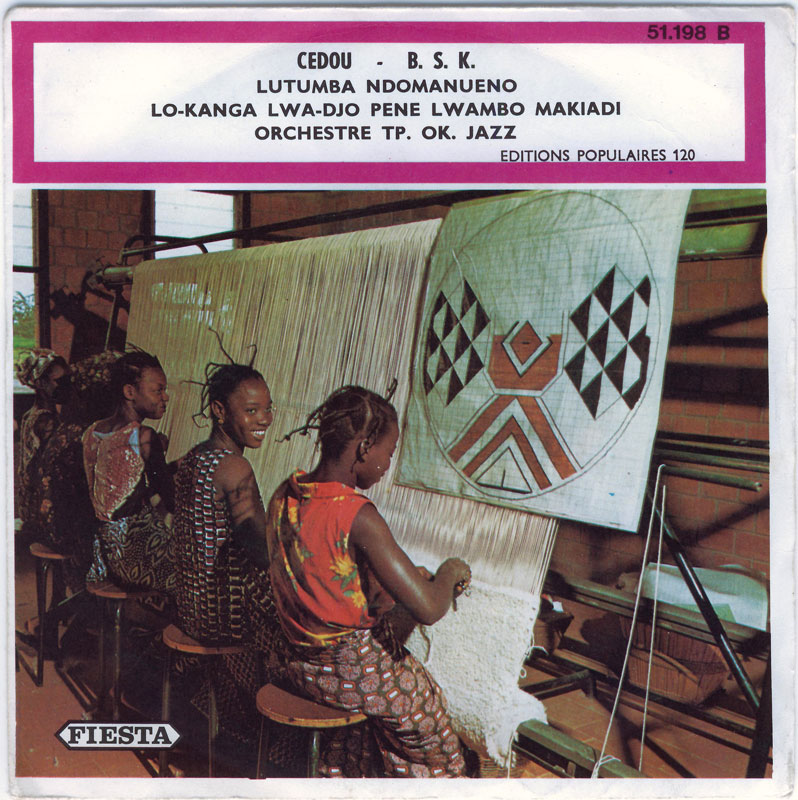
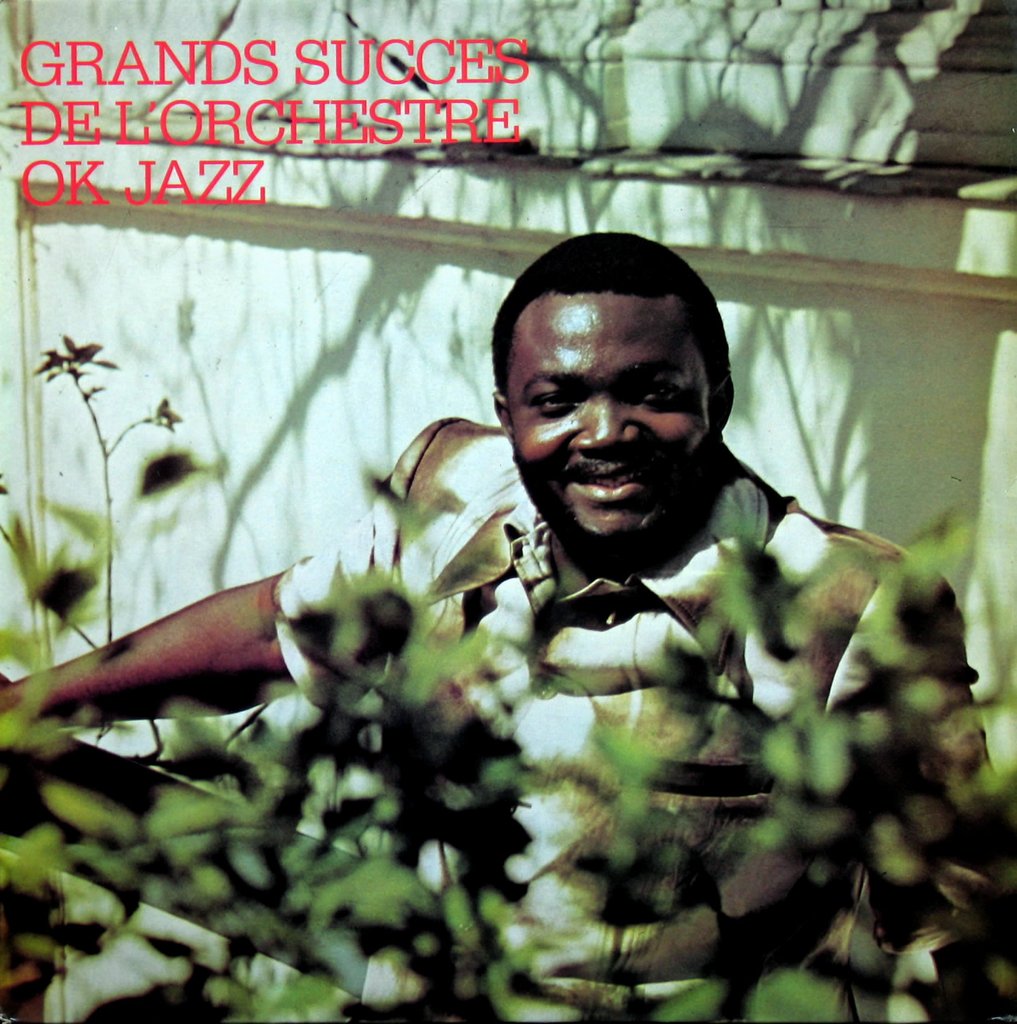
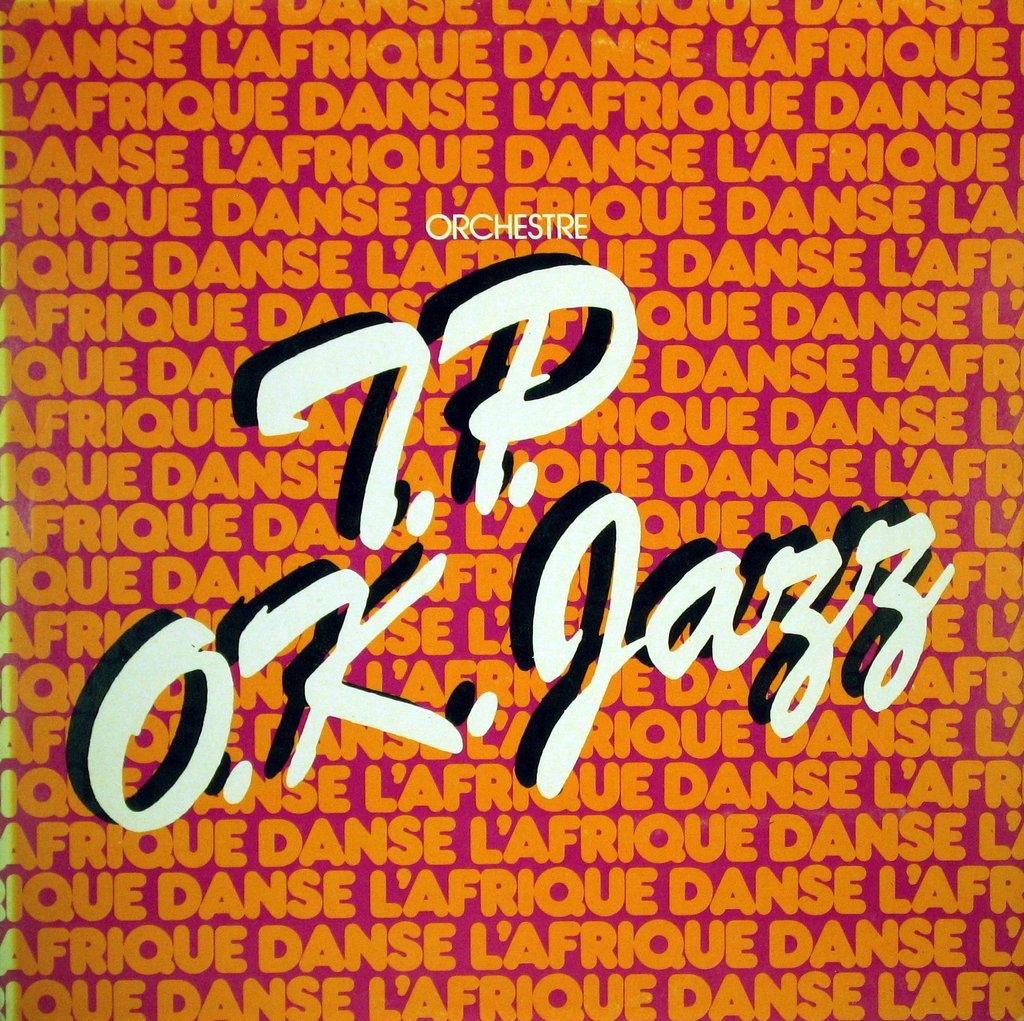
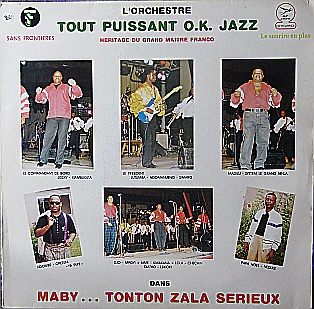
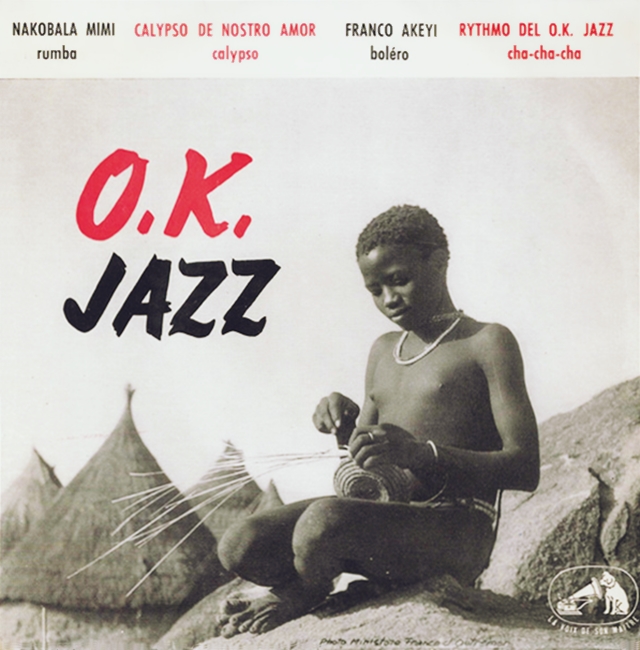
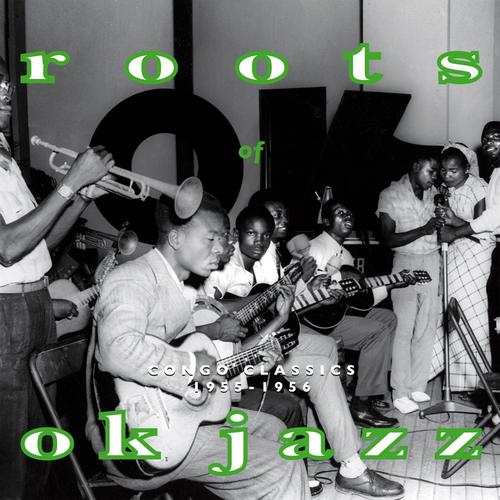
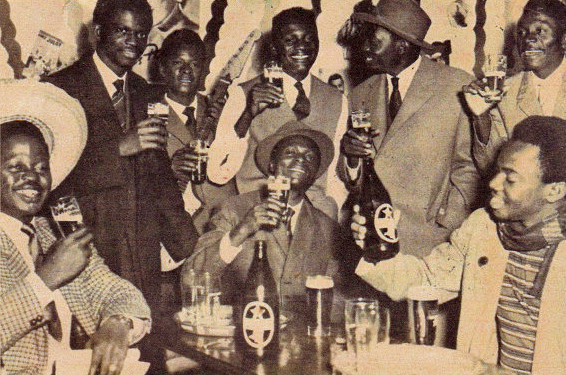
In June 1956, a handful of young musicians from Léopoldville — today Kinshasa — decided to create an orchestra in a riverside bar. The establishment was called the OK Bar; the group would name itself OK Jazz, then TP OK Jazz (Tout Puissant Orchestre Kinois de Jazz), in what Franco Luambo Makiadi, its visionary guitarist, would call “the sacred monster of Congolese music.” More than sixty years after their first concert, their rhythms continue to make the whole of Africa dance.
In Brief
| Official Name | TP OK Jazz (Tout Puissant Orchestre Kinois de Jazz) |
| Creation | June 6, 1956, Léopoldville (Kinshasa), Belgian Congo |
| Leader | François Luambo Makiadi (known as “Franco”), guitarist, singer, composer |
| Leader’s Death | October 12, 1989 |
| Group End | 1993 (family breakup), 2004 |
| Genre | Congolese rumba and soukous |
| Signature Works | “Azda”, “Mario”, “Chicotte”, “Georgette” |
| Awards | “Grand Master of Modern Zairian Music” (1980) |
Key Dates
| Year | Event |
|---|---|
| 1956 | Founded on June 6 at the OK Bar; first concert on June 20 |
| 1960 | The group faces post-independence unrest, moves to Belgium |
| 1968 | Birth of TP OK Jazz: launch of the bouché rhythm |
| 1969 | Founding of the first independent label, Les Editions Likembé |
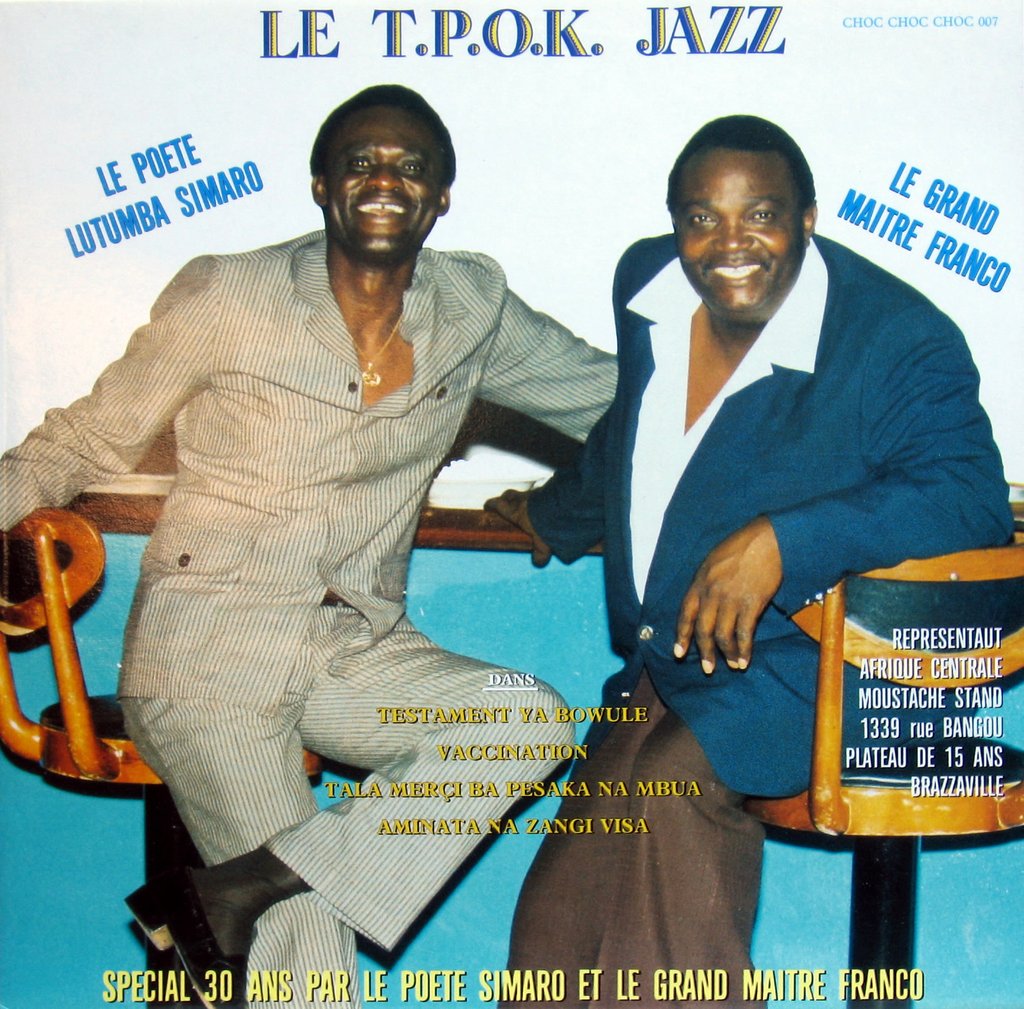
| 1980 | Title of “Grand Master”; creation of the Choc Choc label |
| 1985 | Release of Mario, a pan-African hit |
| 1989 | Death of Franco on October 12 |
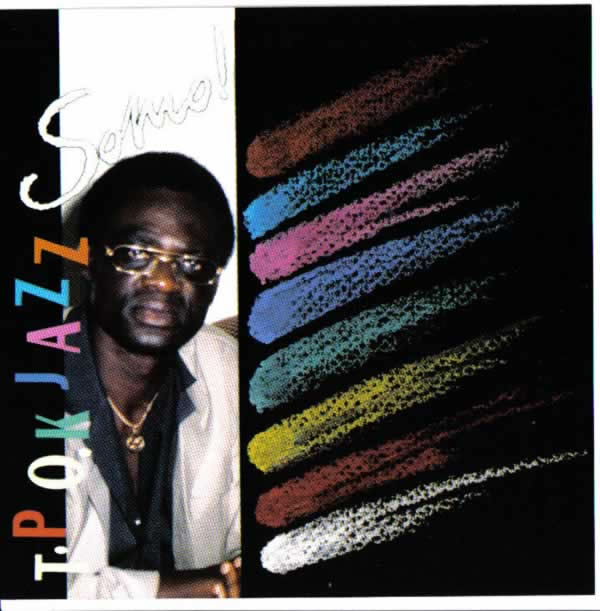
| 1993 | Breakup: Simaro Lutumba founds Bana OK with ~30 members |
From the OK Bar to “The Almighty”
François Luambo Makiadi was born on July 6, 1939, in the village of Sona-Bata, near Kinshasa. An orphan whose father had died, he grew up in poverty and, to help his mother who sold beignets, sang on the streets while strumming a homemade guitar. Passersby would stop, listen, and leave with beignets — Franco’s first audience. Around 1953, the Greek composer Jeronimidis, owner of Loningisa Editions, gave him his first electric guitar and recorded his first track, Esengo y a mokili (“Pleasure in the World”). Disobedience caused friction with Loningisa, but Omer Kashama, owner of the OK Bar, proposed he form a group with his friends.
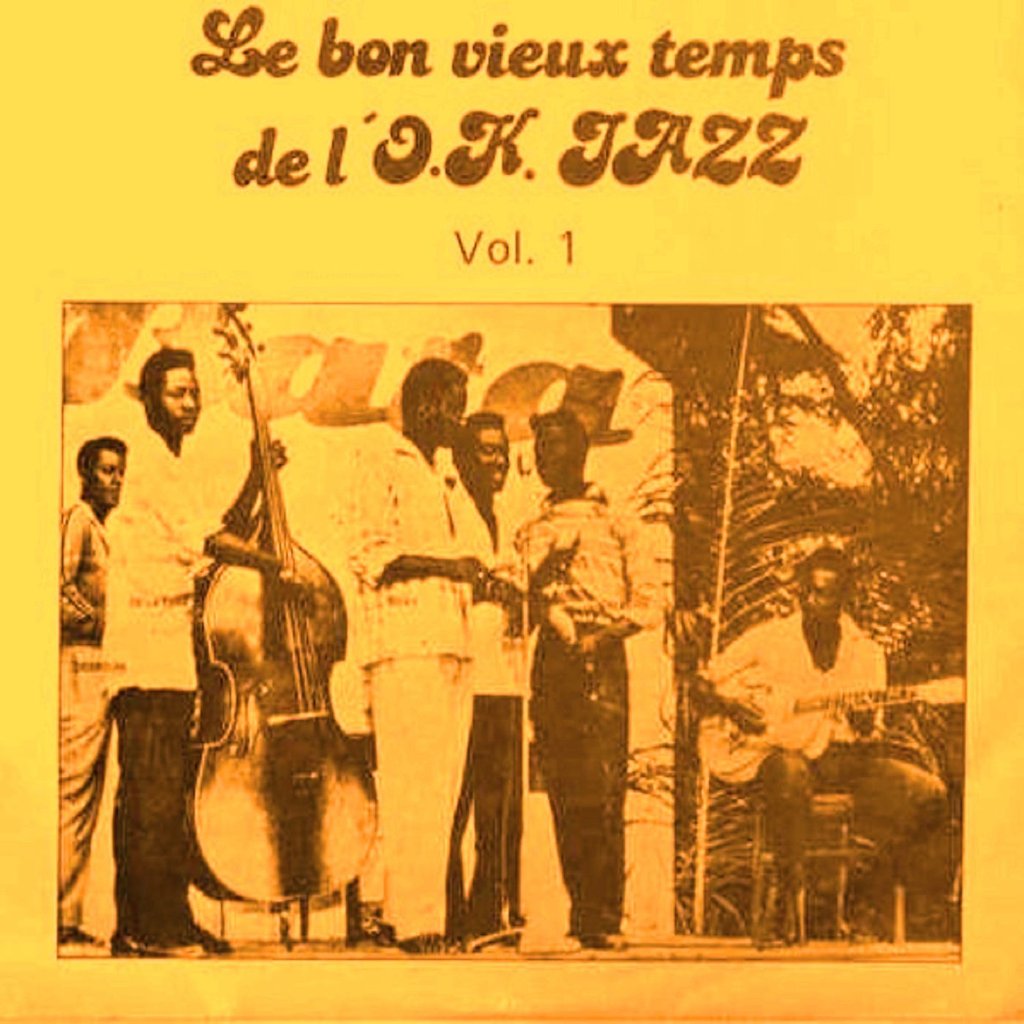
On June 6, 1956, OK Jazz was born, formed by nine young musicians from Léopoldville and Brazzaville: Vicky Longomba, Jean Serge Essous, Saturnin Pandi, Nicolas Bosuma “Dessoin”, Daniel Loubelo “De La Lune”, Augustin Moniania Roitelet, La Monta LiBerlin, Isaac Musekiwa — the Zimbabwe — and Franco. OK Jazz music drew from Cuban rhythms (son, rumba, cha-cha-cha) then popular in bars, and Congolese sound traditions. Franco, nicknamed the “guitar sorcerer,” invented the pachangué, a blend of patchanga and meringué, then gradually accelerated the rumba. The group earned the affectionate nickname “girls’ orchestra”: its love songs made women crack in battalions.
In 1968, after years of debt, Franco renamed the ensemble TP OK Jazz (adding T for Tout Puissant). The new name emerged from a night at the Vis-à-Vis bar in Matonge, Kinshasa’s nightlife district. The group launched a new rhythm, the bouché, more punchy. Franco developed the sébéné — these long guitar solos after the verse — which became his signature and was adopted by all Congolese groups. The orchestra, reaching up to fifty musicians at its peak, split into two halves to alternate residence in Kinshasa with international tours across Africa, Europe, and North America.
Legacy and Influence
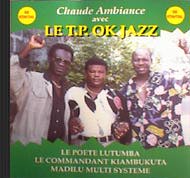
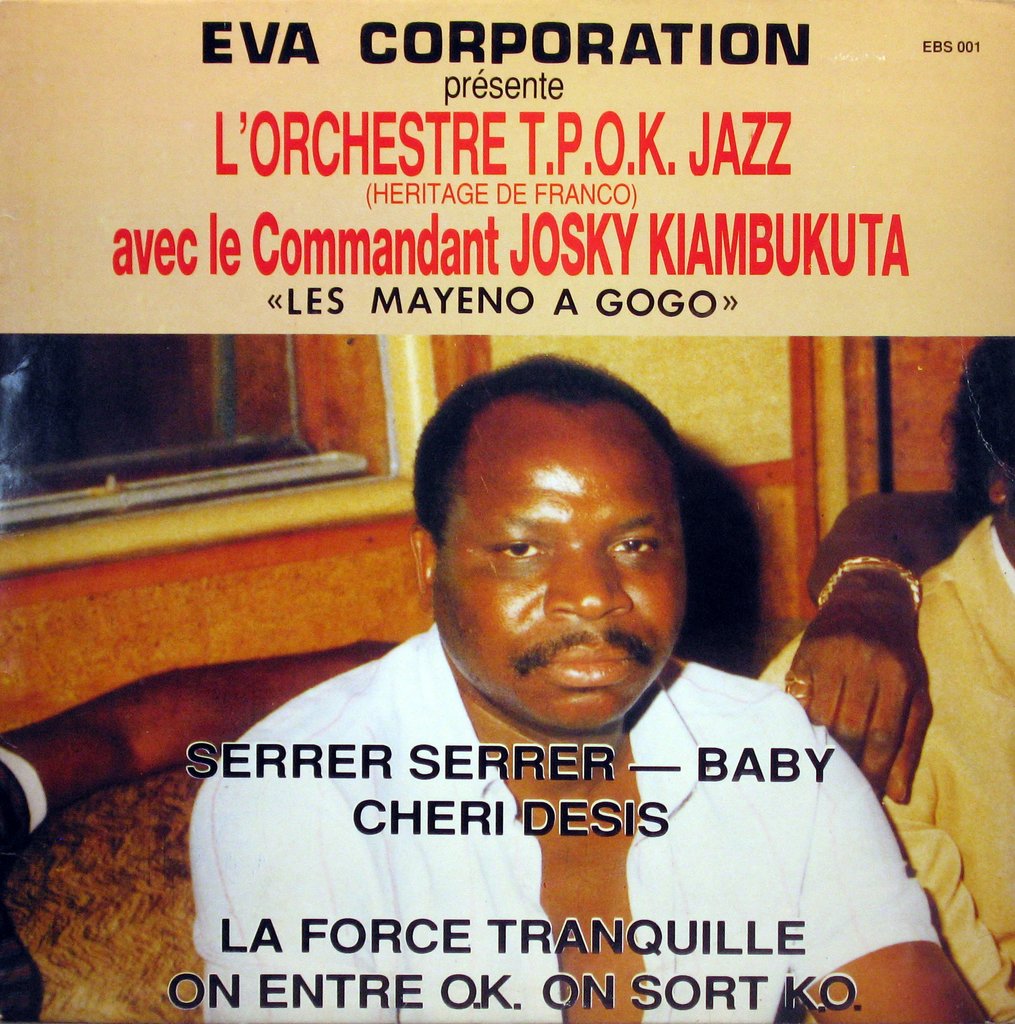
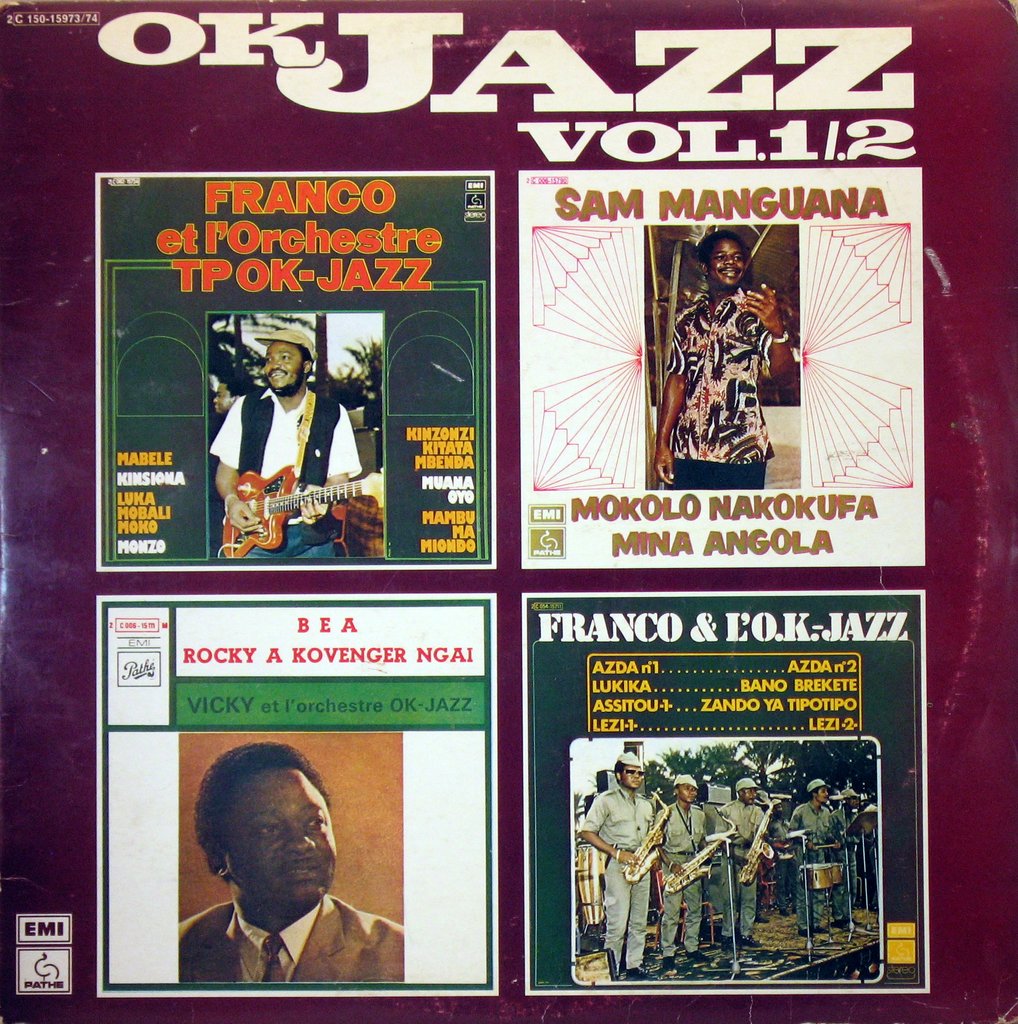
TP OK Jazz played an unparalleled nursery role: Sam Mangwana, Josky Kiambukuta, Madilu System, Ndombe Opetum, Zitan, and Gerry Dialungana — all these artists built brilliant solo careers after their time in the orchestra. Franco, considered one of Africa’s greatest guitarists alongside B.B. King and Chuck Berry, was also the first African to manage his own production and distribution himself. His discography — over 3,000 tracks and 150 albums — constitutes one of the continent’s most prolific musical legacies. After Franco’s death and the 1993 breakup, the sound of OK Jazz continues to resonate in dance halls, radio stations, and pan-African nightclubs.
Major Works
| Work | Year | Why It’s Essential |
|---|---|---|
| On Entre O.K. On Sort K.O. | 1956 | Slogan that became the group’s motto |
| Chicotte | 1966 | First major hit of the pre-TP era |
| Azda | 1974 | Commercial anthem; rumba as economic language |
| Mario | 1985 | Pan-African hit: satire of a seductive gigolo |
Sources and References
-
“TP OK Jazz”, Wikipedia (French version), https://fr.wikipedia.org/wiki/TP_OK_Jazz, accessed October 21, 2026.
-
“TPOK Jazz”, Wikipedia (English), https://en.wikipedia.org/wiki/TPOK_Jazz, accessed October 21, 2026.
-
“Franco — Biography”, AllMusic, https://www.allmusic.com/artist/franco-mn0000159406, accessed October 21, 2026.
-
“Remembering Congo’s rumba king”, BBC News, http://news.bbc.co.uk/2/hi/africa/8300170.stm, accessed October 21, 2026.
-
“Franco: The father of modern Congolese music”, RFI Musique, https://www.rfi.fr/fr/musique/20200623-franco, accessed October 21, 2026.
-
“Franco en compil”, RFI Musique, https://musique.rfi.fr/musique/20090311-franco-compil.html, accessed October 21, 2026.
-
“Franco. Sacred monster of Congolese music, 1969-1989”, Persée — Hommes et migrations, https://www.persee.fr/doc/homig_1142-852x_2007_num_1267_1_4620, accessed October 21, 2026.
-
“The rise and fall of TP OK Jazz”, Daily Nation (Kenya), https://nation.africa/kenya/life-and-style/dn2/the-rise-and-fall-of-tp-ok-jazz--814038, accessed October 21, 2026.
-
« TPOK Jazz », MusicBrainz, https://musicbrainz.org/artist/102046a0-945f-41da-a8e9-3655fcaea310, accessed on 21 October 2026.
-
« 6 June 1956–6 June 2025: 69 years of TP OK Jazz », Congoprofond, https://congoprofond.net/6-juin-1956-6-juin-2025-69-ans-de-tp-ok-jazz-la-legende-vivante-de-franco-luambo/, accessed on 21 October 2026.