Biography
Orchestra Baobab: the baobab that grows back after being cut down
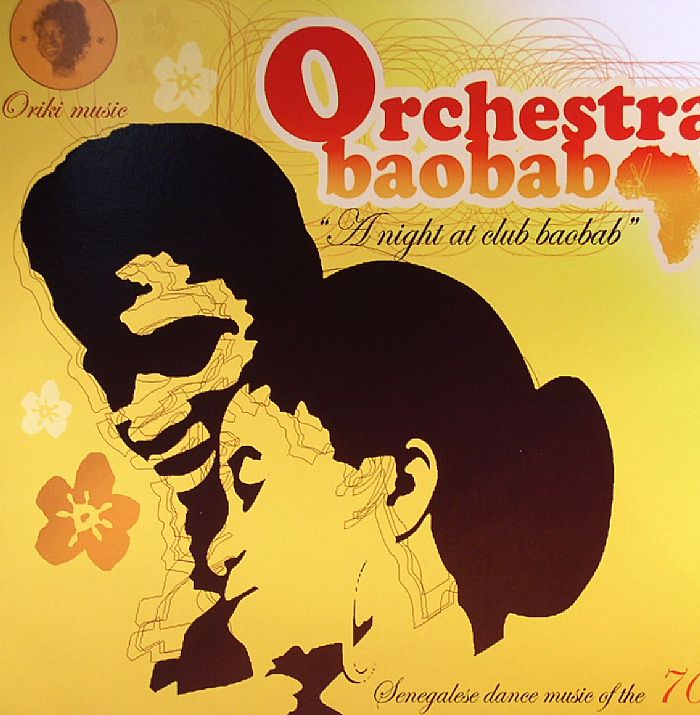
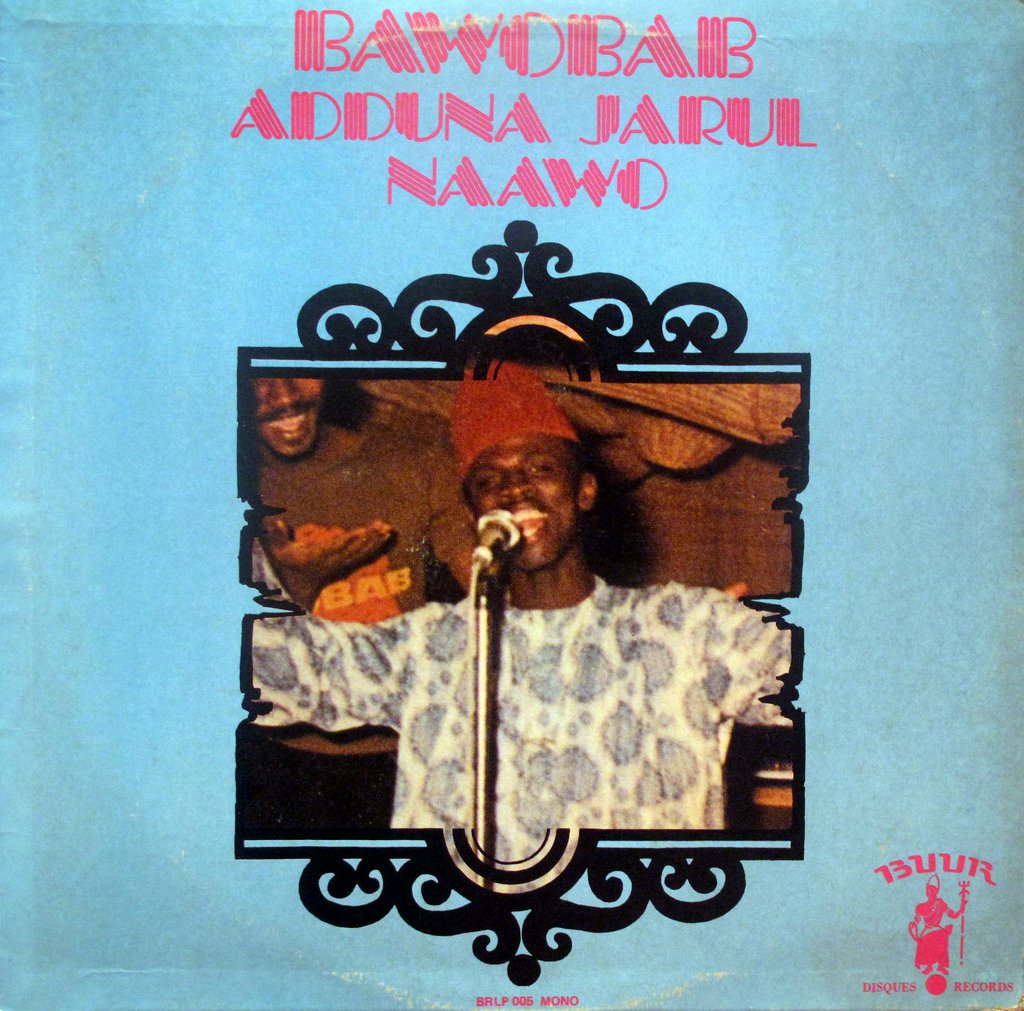
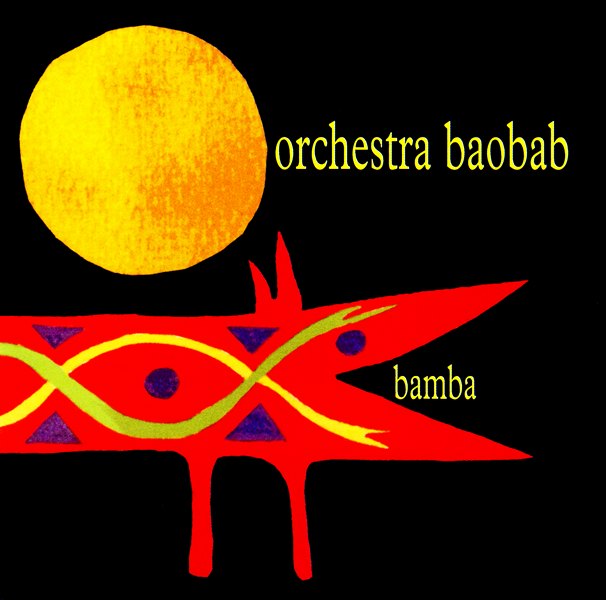
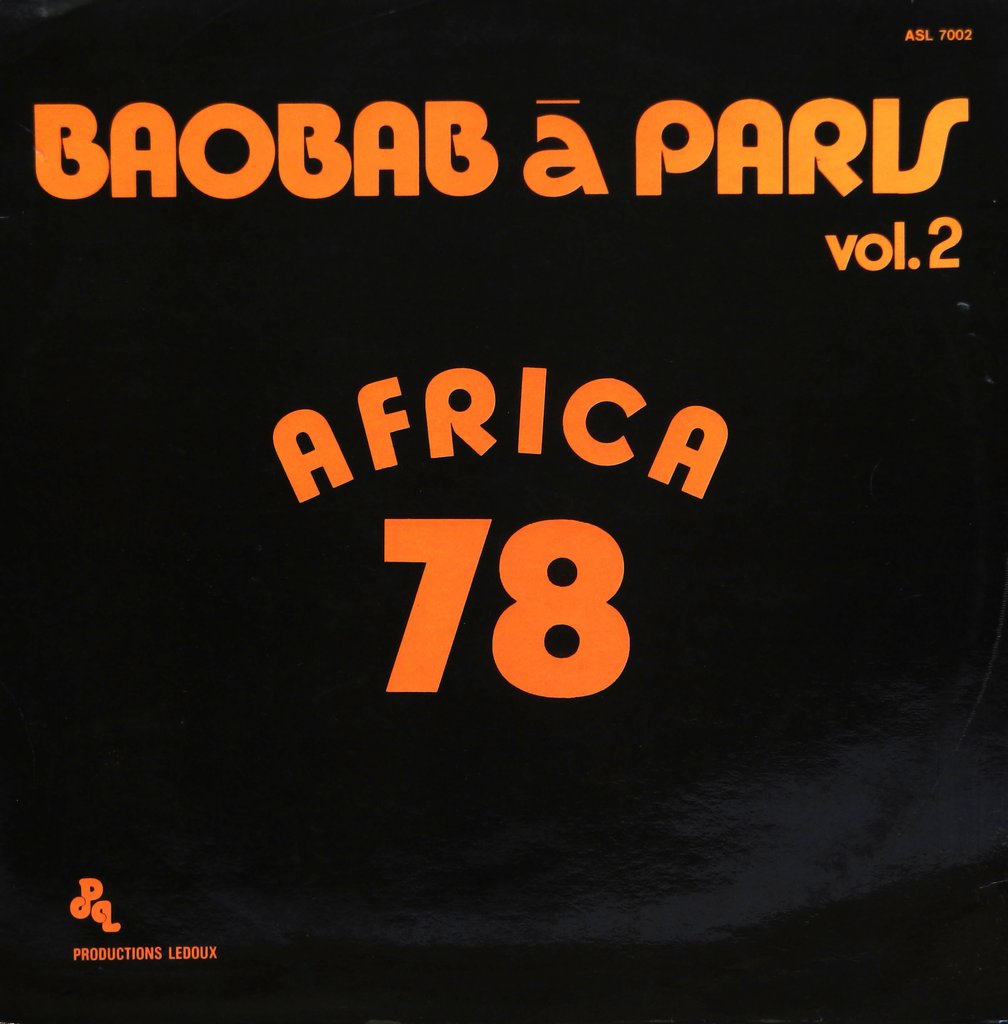
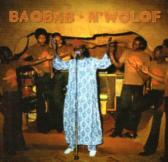
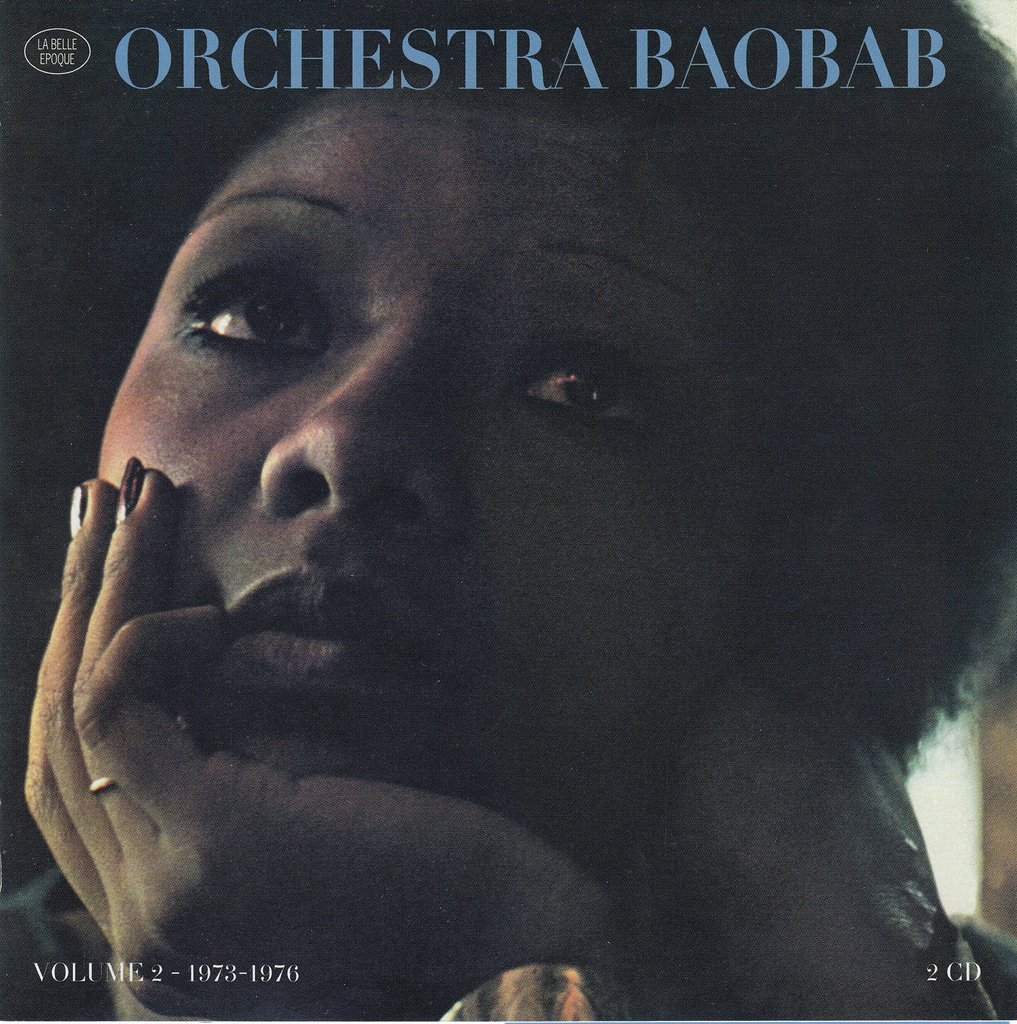
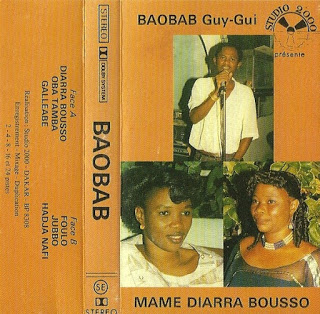
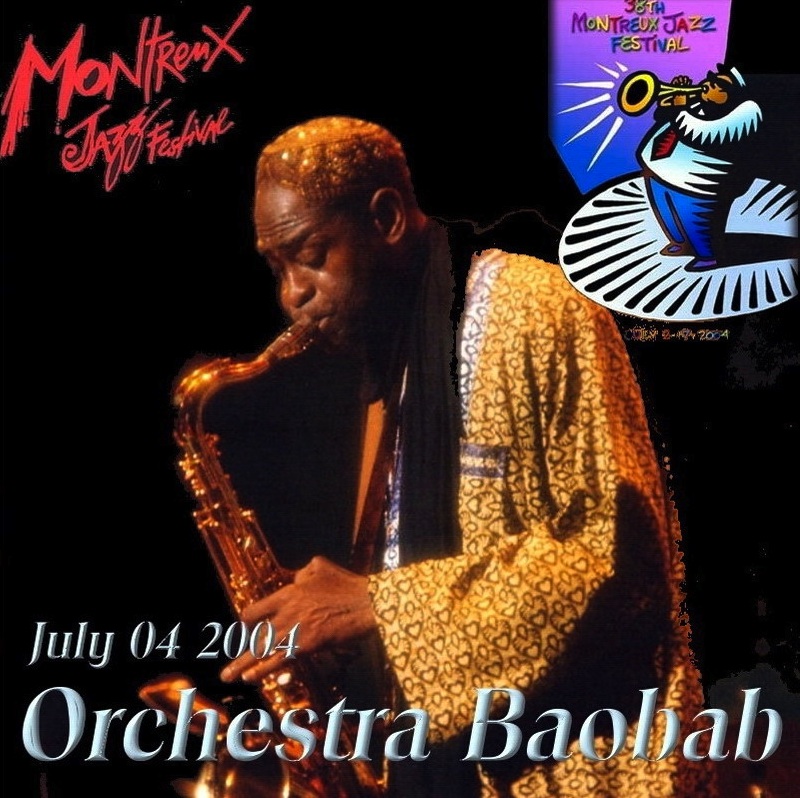
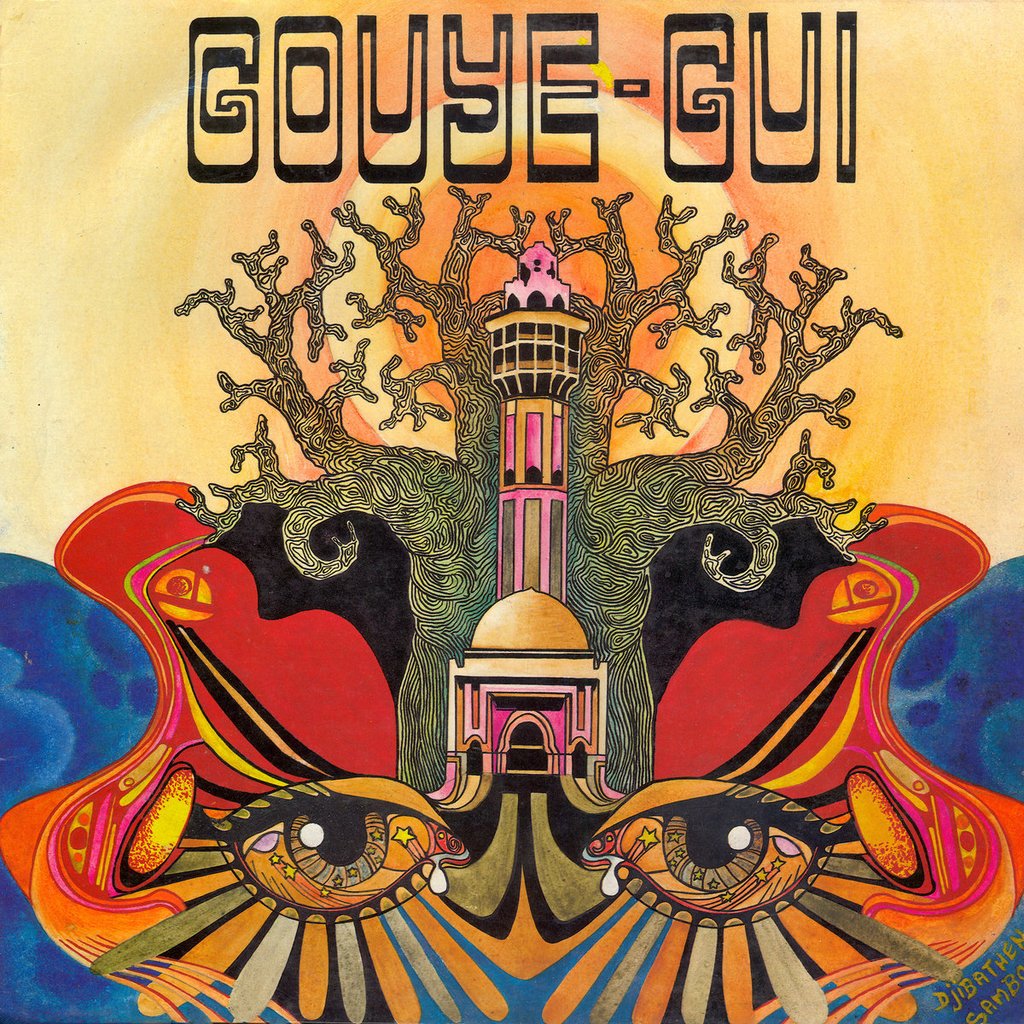
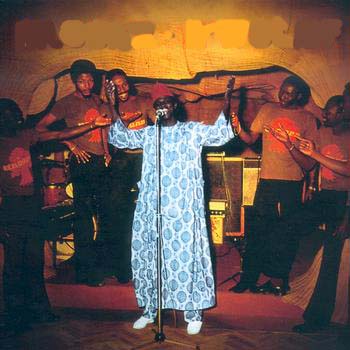
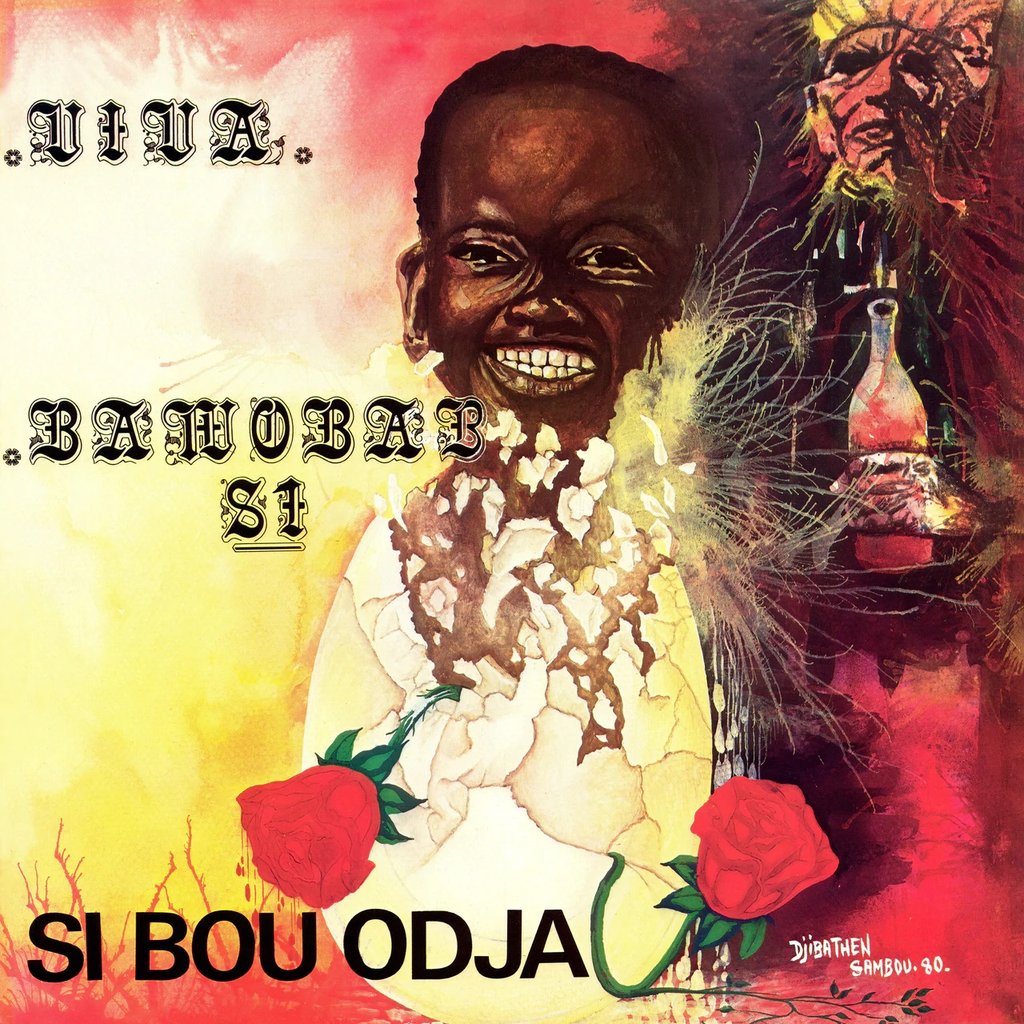
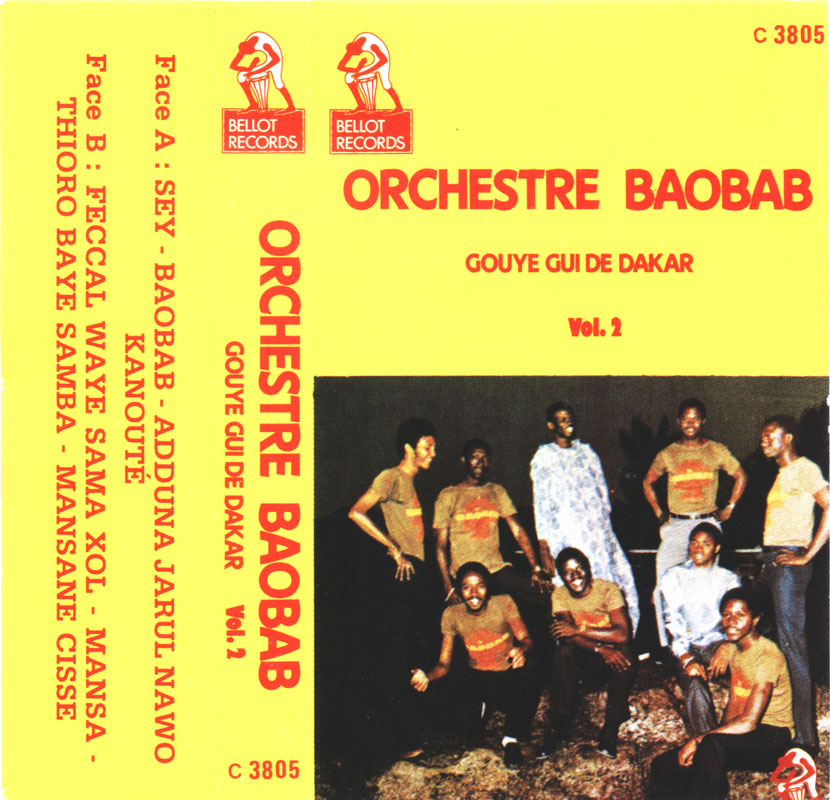
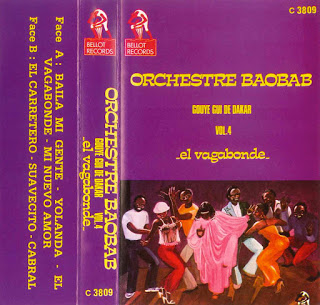
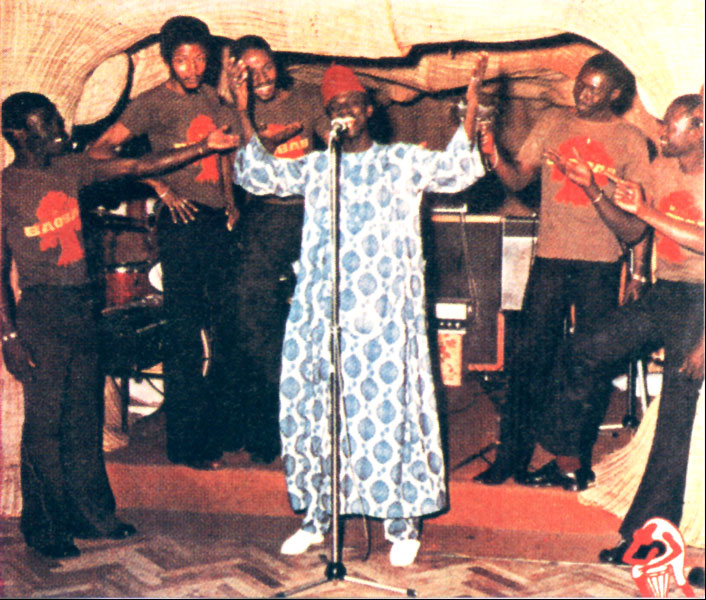
In 1970, six musicians left the Star Band of Dakar to found the musical house of the brand-new Club Baobab, named after the ancestral Senegalese tree. This group would become, in a few years, the most cosmopolitan and distinctive formation of African music — an orchestra where son cubano, this Cuban dance style imported by sailors since the 1940s, meets the harmonies of Casamance, Wolof melodies, and the arpeggios of a self-taught Togolese guitarist.
In brief
| Name | Orchestra Baobab (alias Gouye Guy de Dakar) |
| Origin | Dakar, Senegal |
| Genres | Son cubano, Wolof music, Manding traditions, Afro-Cuban jazz |
| Active period | 1970–1987, 2001–present |
| Founding members | Balla Sidibé (vocals, timbales), Rudy Gomis (vocals, percussion), Barthélémy Attisso (guitar), Issa Cissoko (saxophone), Baro N’Diaye (saxophone), Latfi Benjeloum (rhythm guitar) |
| Signature works | Specialist in All Styles, Pirates Choice, Made in Dakar, “On verra ça” |
| Distinctions | BBC Radio 3 Awards for World Music (2003); Grammy Award nomination |
Key dates
| Year | Event |
|---|---|
| 1970 | Formation at the Club Baobab in Dakar; recording of the first two albums |
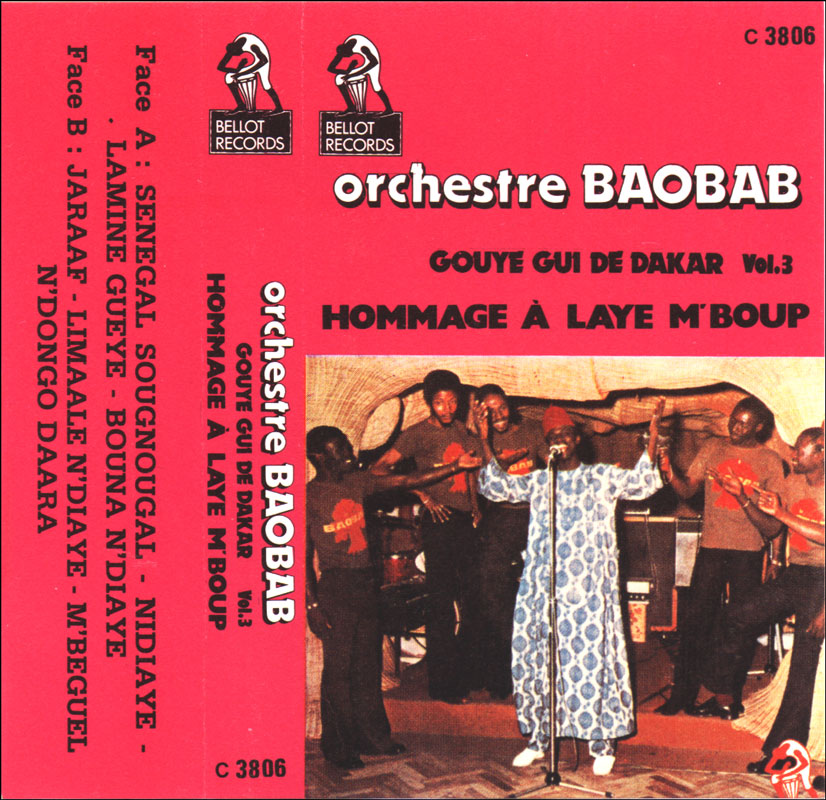
| 1974 | Death of Laye M’Boup, the first Wolof griot singer |
| 1975–79 | Peak of popularity in Senegal; closure of the Club Baobab |
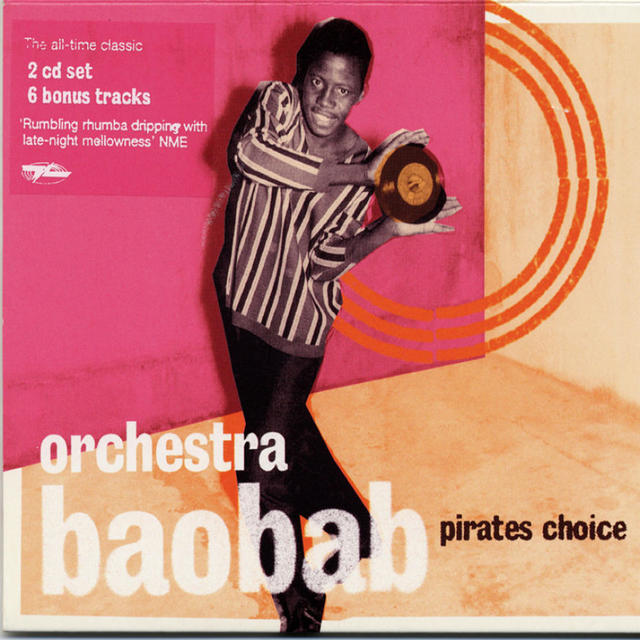
| 1982 | Legendary session of Ken Dou Werente (published in 1989 under the title Pirates Choice) |
| 1987 | Disbandment in the face of the rise of mbalax — a genre inspired by funk carried forward by Youssou N’Dour |
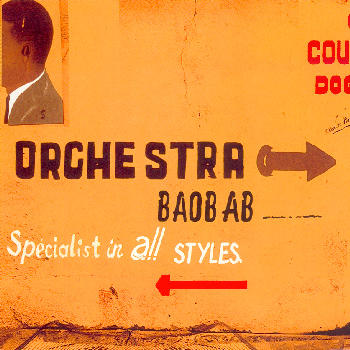
| 2002 | Release of Specialist in All Styles, produced with Youssou N’Dour |
| 2003 | Two BBC Awards and Grammy nomination |
| 2005 | Concert at Live 8 in Johannesburg |
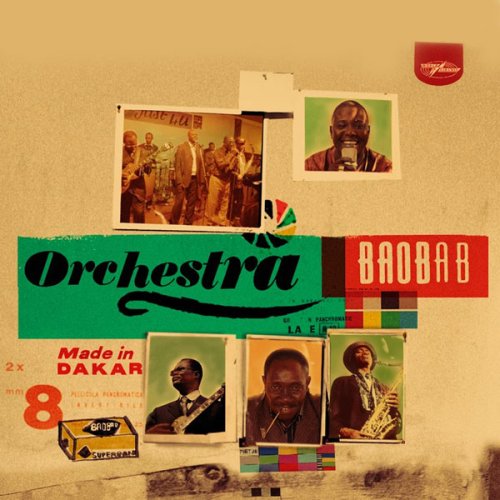
| 2007 | Release of Made in Dakar |
| 2016 | Death of Ndiouga Dieng; Tribute to Ndiouga Dieng (2017) |
| 2019–20 | Death of Issa Cissoko and Balla Sidibé; Thierno Koité takes over leadership |
Mixture, metamorphosis and rebirth
Son cubano — music stemming from Cuban dance rhythms, popularized in West Africa since the 1940s — had already nourished several Senegalese formations. Orchestra Baobab did something else: it took this Cuban base and married it to the most diverse traditions of its own continent. “Tradition didn’t fit too well into the Star Band, which was lively and modern. Experimenting with tradition, as Baobab did, was unique at the time,” explained Barthélémy Attisso later on (translated from English).
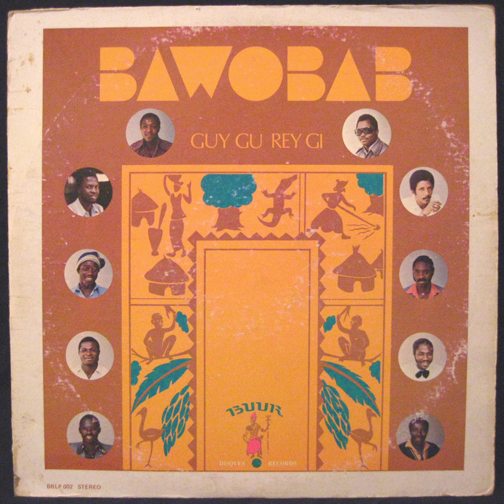
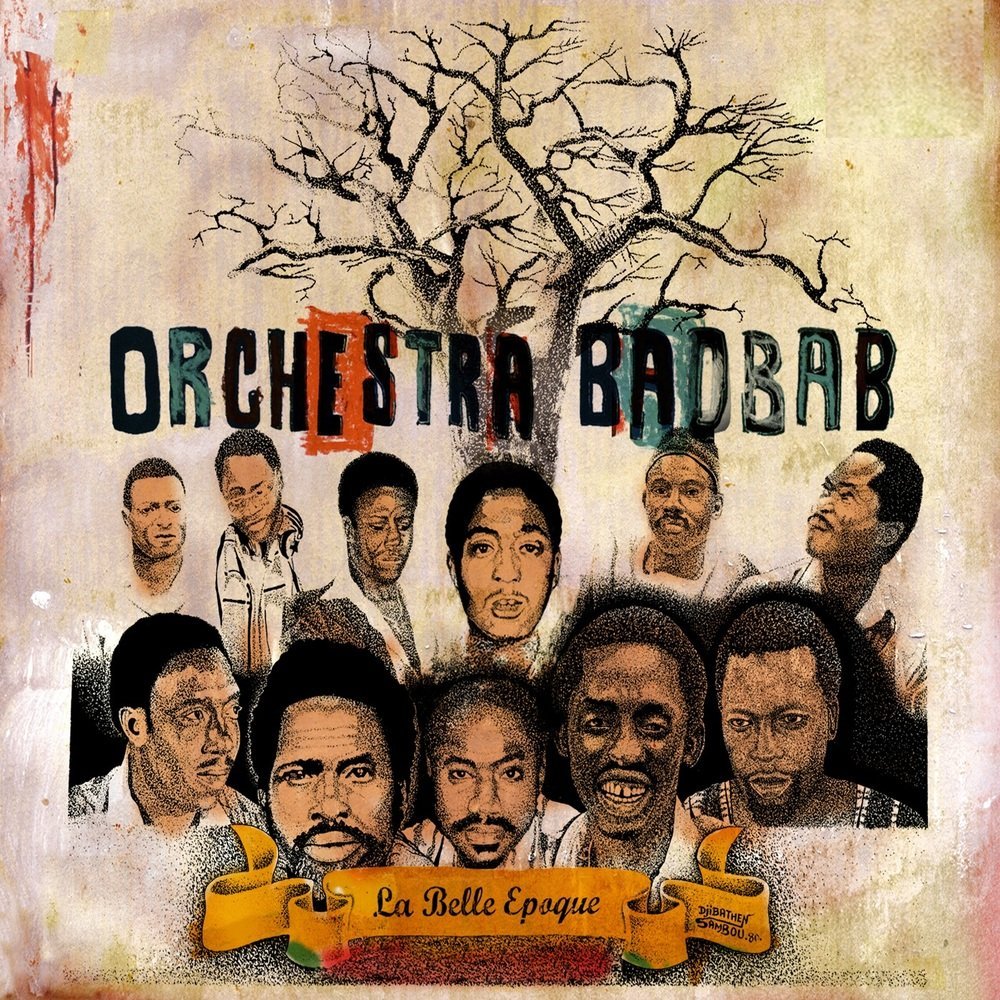
This mixed ambition was embodied in the very composition of the group. Laye M’Boup, Wolof griot, sang the traditions of the north; Balla Sidibé and Rudy Gomis, from Casamance (the cultural south of Senegal), brought the harmonies and Jola and Balanta percussion. The Togolese guitarist Attisso, self-taught and former law student, wove arpeggios of crystalline precision. The Malian saxophonist Issa Cissoko and the Casamanchean bassist Charlie N’Diaye completed this picture.
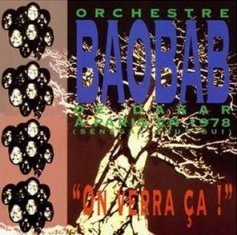
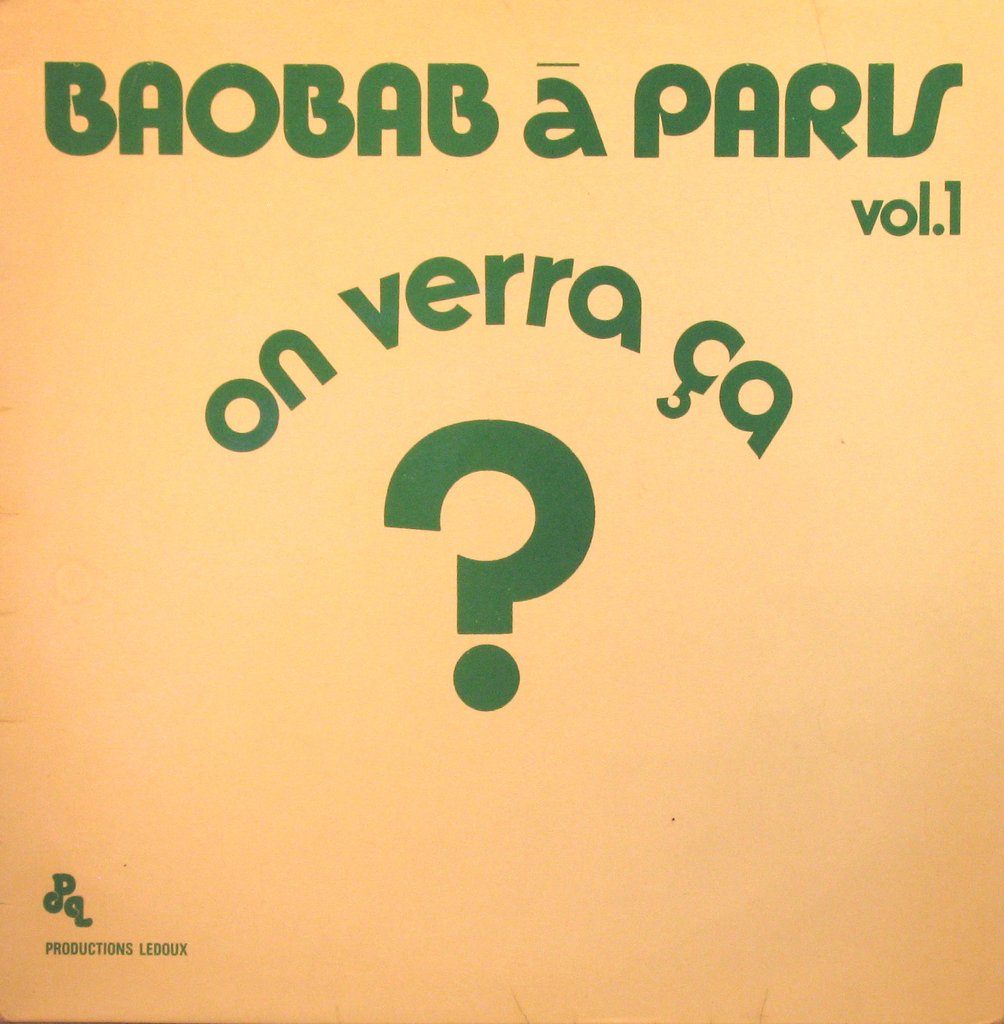
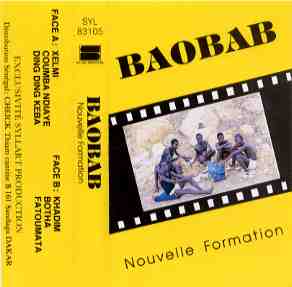
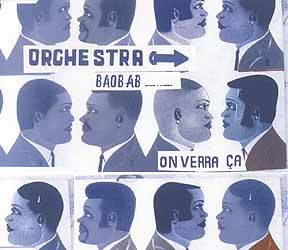
This mixture made them, from 1970 onwards, the most listened-to formation in Dakar. Their hit “On verra ça”, composed by Balla Sidibé, became the anthem of Senegalese evenings. But the tragic death of Laye M’Boup, cut down in an accident in 1974, marked a turning point. The group reorganized around new voices — Ndiouga Dieng, Wolof griot, and Thione Seck, who would later become a solo star.
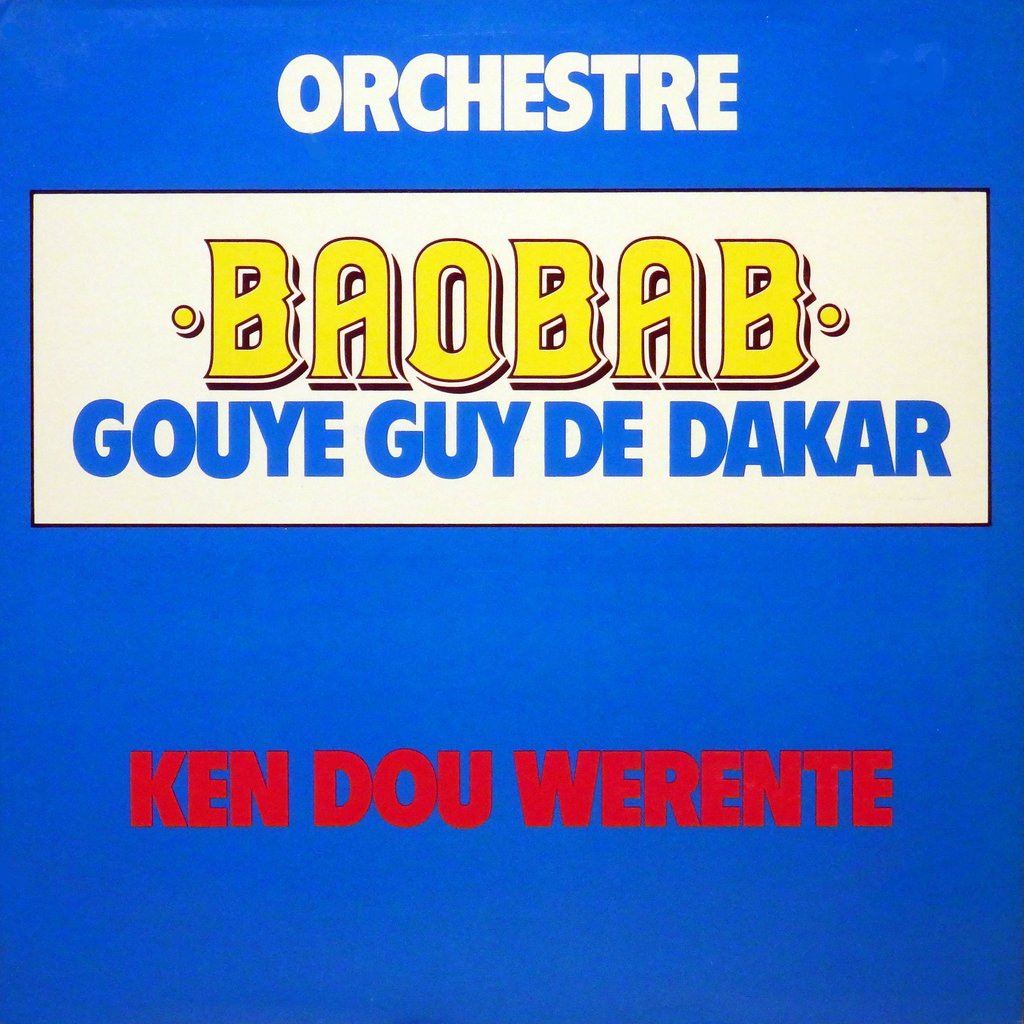
At the beginning of the 1980s, mbalax — this nervous style mixing sabar drums with funk and soul influences — invaded the nights of Dakar. Baobab’s slow sound seemed outdated. In 1987, the group split up. Attisso returned to Togo to practice law. But the story was not over. As the world music movement gained momentum in Europe, the British label World Circuit discovered the recordings. Ken Dou Werente, recorded in 1982, was published in 1989 under the title Pirates Choice. Specialized press found it “subtle, succulent, soft as velvet” (DJ Charlie Gillett, Songlines). Among connoisseurs, it reached cult status.
From 2001 onwards, Nick Gold, director of World Circuit, persuaded the former members to reunite. Irony of history, Youssou N’Dour — whose mbalax had contributed to Baobab’s decline — participated in the rebirth by co-producing Specialist in All Styles, published in 2002 and recorded in London over ten days. The album received unanimous acclaim, won two BBC Awards, and was nominated for a Grammy. “You cannot destroy a baobab. Cut it down, it grows back. This group was cut and grew back from the same root,” Attisso confessed (translated from English). Made in Dakar (2007) reinterpreted the classics. The album Tribute to Ndiouga Dieng (2017) paid tribute to the departed singer a year earlier. Thierno Koité, long-time saxophonist, continues to lead the group that keeps touring around the world.
Major works
| Work | Year | Why it’s essential |
|---|---|---|
| Pirates Choice (Ken Dou Werente) | 1989 | Reissue that revealed the group to the world — cult status among connoisseurs |
| Specialist in All Styles | 2002 | Triumphant comeback; two BBC Awards and Grammy nomination |
| Made in Dakar | 2007 | Masterful reinterpretation of the classics; confirmation of the group’s vitality |
| “On verra ça” | 1975 | Anthemic repertoire piece, illustrating the Wolof-cubano-Casamanchean fusion |
Legacy
Orchestra Baobab remains living proof that mixture is a form of excellence. Their sound — blending the Cuban base with the most diverse traditions of Senegal — paved the way for generations of African artists. More than forty years after their debut, the group continues to perform on world stages, carried forward by a new generation of singers who know the entire repertoire.
Sources and references
- “Orchestra Baobab”, World Circuit Records, https://worldcircuit.co.uk/artists/orchestra-baobab, accessed 21 October 2026.
- “Orchestra Baobab”, Wikipedia, https://en.wikipedia.org/wiki/Orchestra_Baobab, accessed 21 October 2026.
- “Orchestra Baobab Explains Their Hits”, Afropop Worldwide, https://www.afropop.org/articles/orchestra-baobab-explains-their-hits, accessed 21 October 2026.
- “Orchestra Baobab”, Last.fm, https://last.fm/music/Orchestra+Baobab/+wiki, accessed 21 October 2026.
- “Orchestra Baobab”, Encyclopedia.com (Contemporary Musicians), https://www.encyclopedia.com/education/news-wires-white-papers-and-books/orchestra-baobab, accessed 21 October 2026.
- “Orchestra Baobab, une autre histoire du Sénégal”, France TV Pro, https://www.francetvpro.fr/contenu-de-presse/14422820, accessed 21 October 2026.