Biography
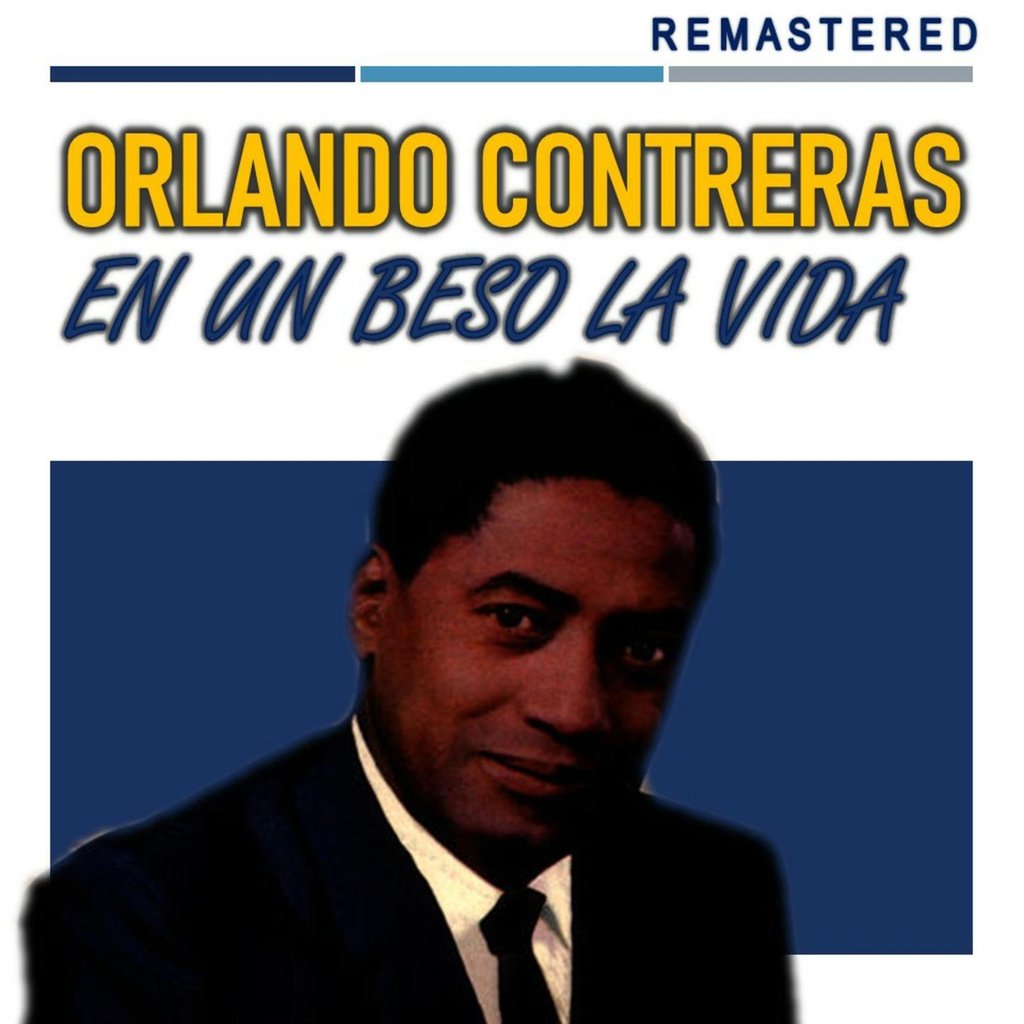
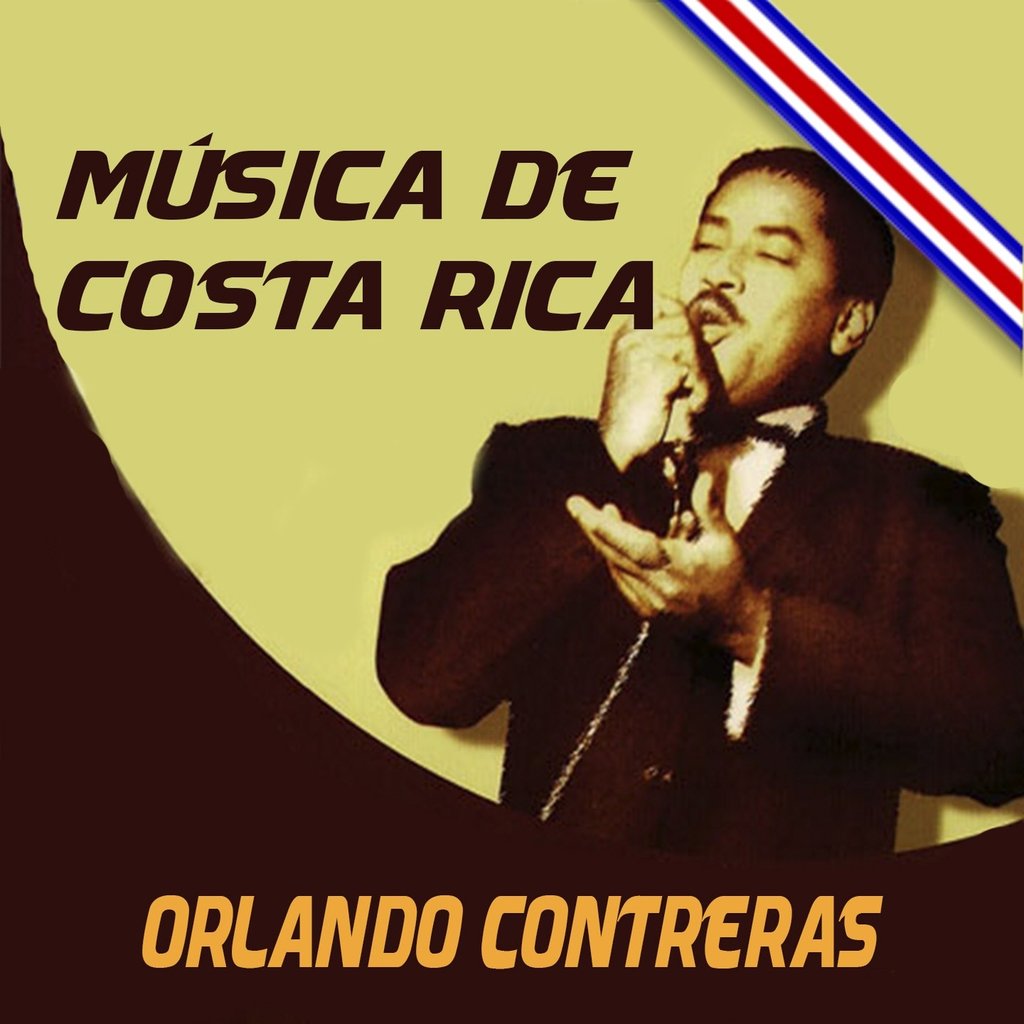
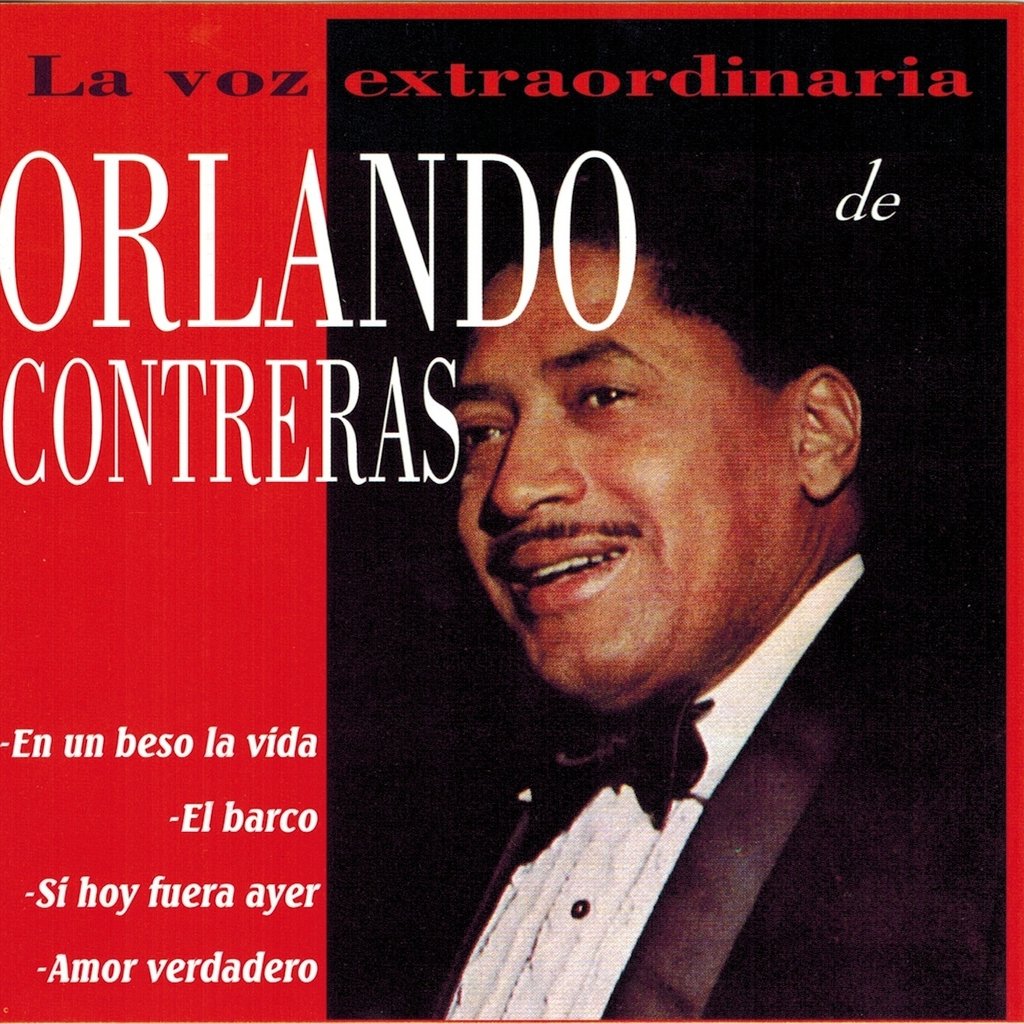
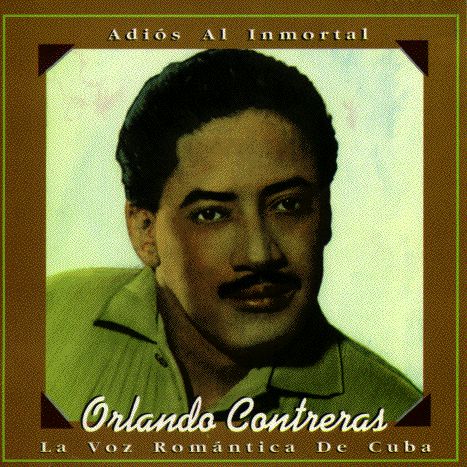
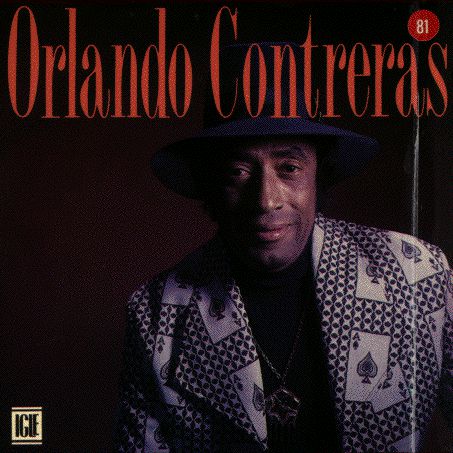
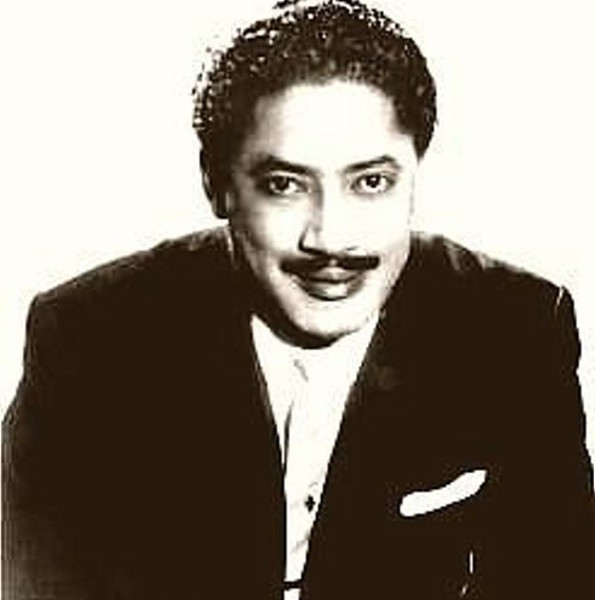
Orlando Contreras
In 1970, the bars of Medellín resonated with a tone that defied all labels. Orlando Contreras sang of heartbreak with raw intensity; this bolero was not for drawing rooms, but for the street, for flowing rum and raw betrayal. With Daniel Santos, he had earned the nickname los jefes among the regulars of Antioquian cantinas.
In Brief
| Full Name | Orlando González Soto, known by the stage name Orlando Contreras |
| Birth | May 22, 1930, Havana, Cuba (origin: Palma Soriano, Santiago de Cuba province) |
| Death | February 9, 1994, Medellín, Colombia (lung cancer) |
| Genre | Bolero (especially the bolero de despecho / bolero cortavenas), son montuno, guaracha |
| Signature Songs | “En un beso la vida”, “Mi corazonada”, “Sin egoísmo”, “Amigo de qué?” |
| Honors | Nicknamed by fans « La Voz Romántica de Cuba » (The Romantic Voice of Cuba) |
Key Dates
| Year | Event |
|---|---|
| 1930 | Born in Palma Soriano (Santiago de Cuba); took the artist name Contreras, from his father’s family |
| 1945-1948 | Debuts in Havana groups (Arty Valdés, Neno González) |
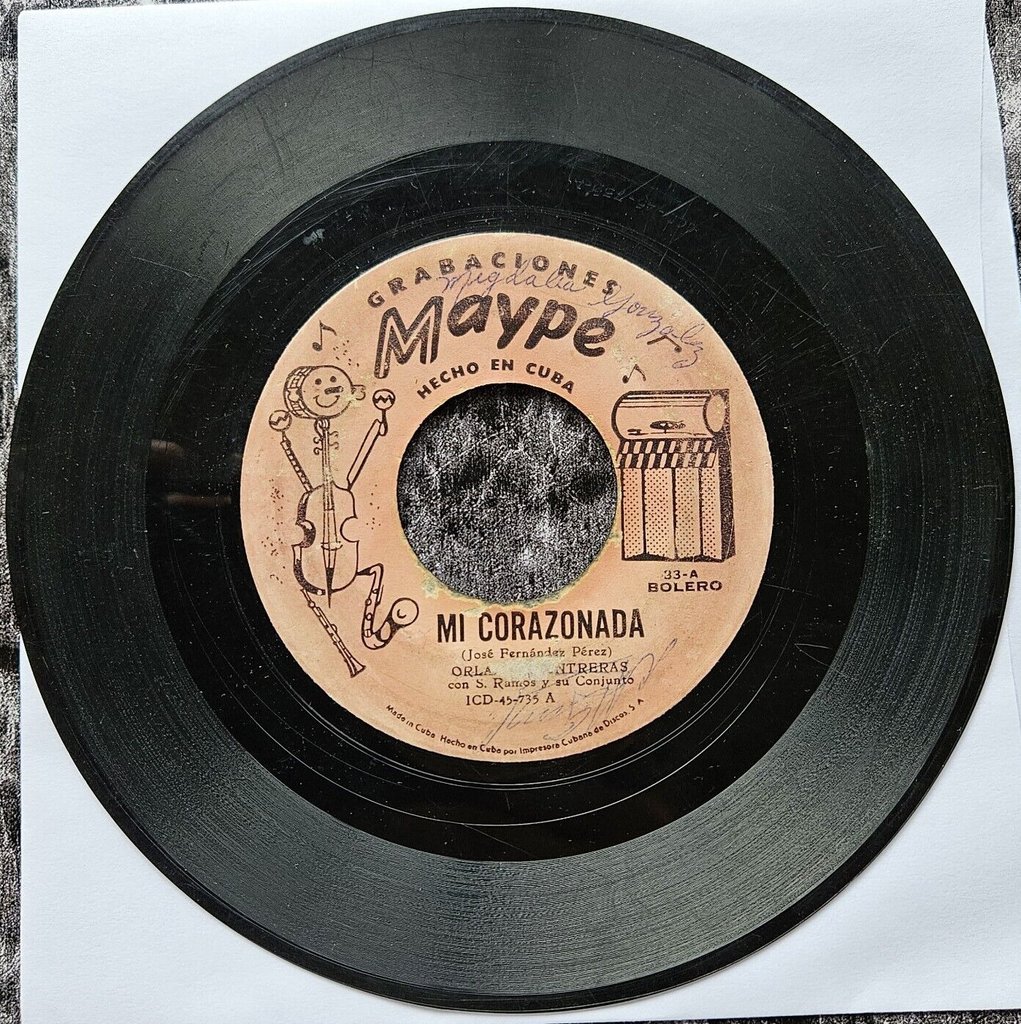
| 1961 | First solo album on the Maype label; massive success in Cuba (“Sin egoísmo”, “Amigo de qué?”, “Por borracha”); Artist of the Year according to Show |
| 1962-1965 | Nights at the Alí Bar, alongside Benny Moré; remained on the island after the revolution |
| 1965-1970 | Illegal emigration; star singer on a Portuguese cruise ship, recorded in Venezuela and Mexico |
| 1970-1984 | Settled in Medellín; collaboration with Daniel Santos and Fruko y sus Tesos |
| 1984-1993 | Active career in Colombia and Latin America; a total of 57 albums recorded |
| 1994 | Death in Medellín; the news broadcast on radio waves surprised his own family |
The Gril and Glory: From a Boy from Palma Soriano to the Alí Bar
Orlando González Soto was born in the eastern city of Palma Soriano, in Santiago de Cuba province. From adolescence, he watched for nightfall in front of the grils – worker bars where son, mambo, and wawancó were played. Music was in his blood: by marriage to the legendary Sonora Matancera, Orlando grew up with the rhythm of rehearsals.
Fate helped him one day when the orchestra’s singer fell ill. Orlando, 15 years old, was hoisted onto a beer crate to reach the microphone. He sang. They paid him one Cuban peso – his first ticket into an artist’s life.
At 18, he settled in Havana and founded the Kalamazoo. The path followed: trio with Arty Valdés, backing vocals for Beny Moré, then the decisive stop – Neno González’s orchestra and Conjunto Casino. Bolero became his specialty, but he also handled son montuno and guaracha.
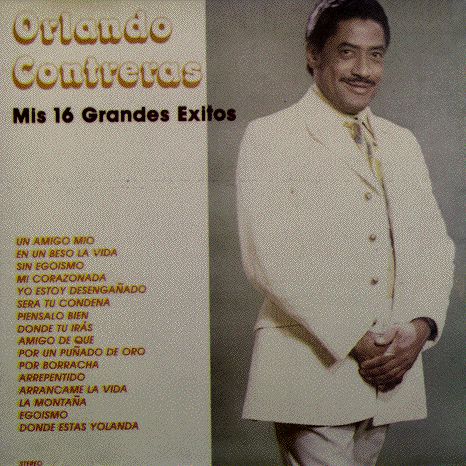
In 1961-1962, the soloist exploded: the titles “En un beso la vida”, “Sin egoísmo”, “Mi corazonada” and “Amigo de qué?” flooded Cuban radios. At the Alí Bar, he performed alongside Benny Moré – the giant of Cuban son. In 1961, the magazine Show awarded him Artist of the Year.
Cruise Ship and Barroom Crown: The Colombian Exile
In September 1965, Orlando Contreras decided to leave Cuba. He crossed the strait illegally with friends and reached Miami, then briefly settled in the United States.
A singular period marked his exile: between 1966 and 1970, he was the star singer aboard a Portuguese cruise ship. He recorded simultaneously in Venezuela (with Eduardo Cabrera, former pianist of Beny Moré) and in Mexico with Conjunto Sonora Tropical.
When he put down his bags in Medellín, in the 1970s, Orlando became an institution. With Daniel Santos, the Puerto Rican poet, they were greeted by cantina regulars as los jefes. Orlando’s music was not that of drawing rooms: it was the music of the gril. At that time, he also recorded with the orchestra Fruko y sus Tesos.
Orlando Contreras, contrary to the appearances of the bohemian and rebellious artist, led a sober life. He listened to his own music to improve himself and composed. Some of his titles drew from his own experiences, but also from anecdotes shared by friends: “Dolor de hombre”, “Será tu condena” or “Amigo de qué?” were born from this.
The Premature End: A Mystery That Strengthens the Myth
On February 9, 1994, Orlando Contreras passed away in Medellín from lung cancer at the age of 63. His family learned of it only through radio waves – they believed they could soon reunite with him. Rumors then flew (poisoning, suspicion about the circumstances of his end), fueled by a rapid cremation without the children’s consent. The official cause remains lung cancer, but the story still feeds the theories of admirers.
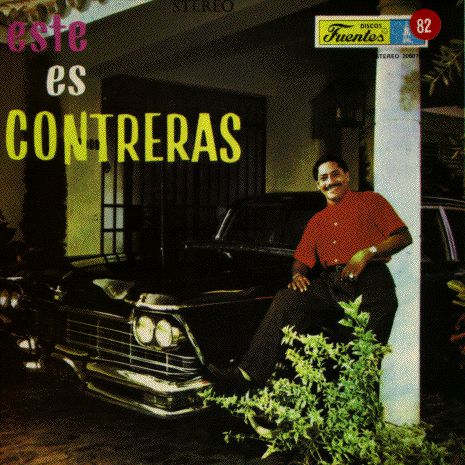
During 40 years of activity, Orlando recorded 57 albums on the labels Maype, Discos Fuentes and FM Discos y Cintas. He married six times, had sixteen children distributed between Cuba and New York, including two singers. His Colombian wife, Diana Cárdenas Jaramillo, outlived him. Orlando is buried in Medellín.
Major Works
| Work | Year | Why It Is Essential |
|---|---|---|
| “En un beso la vida” | 1961 | Cuban popular anthem later covered by Yordano; the bolero de despecho brought to its peak |
| “Mi corazonada” | 1961-62 | Composition by José Fernández Pérez; one of the titles that established Contreras as a soloist |
| “Sin egoísmo” | 1962 | Masterpiece of arrabalero bolero, one of the greatest successes of his Cuban career |
| “Amigo de qué?” | 1962 | Lingering question about betrayed friendship, remaining in all Latin American memories |
Heritage and influence
Orlando Contreras is a cornerstone of the bolero de despecho sub-genre, which transforms heartbreak into a weapon of cultural seduction. Alongside figures such as Felipe Pirela, Julio Jaramillo, and Blanca Rosa Gil, he contributed to building the bolero cortavenas. His raw and sincere version inspired generations of Latin American interpreters.
Even today, his name resonates in the grils of Medellín, Caracas, Havana, and Mexico City. His music never goes out of style because it speaks to the most primitive emotion.
Sources and references
- “Orlando Contreras – Biography, Discography, Albums & Expert Reviews”, AllMusic, https://www.allmusic.com/artist/orlando-contreras-mn0000481266, accessed November 16, 2026.
- “Orlando Contreras (músico)”, Wikipedia en español, https://es.wikipedia.org/wiki/Orlando_Contreras_(m%C3%BAsico), accessed November 16, 2026.
- “Orlando Contreras (singer)”, Wikipedia en anglais, https://en.wikipedia.org/wiki/Orlando_Contreras_(singer), accessed November 16, 2026.
- Orlando Leon Restrepo, “SE FUE CONTRERAS, LA VOZ DE LA BARRIADA”, El Tiempo, February 13, 1994, https://www.eltiempo.com/archivo/documento/mam-41502, accessed November 16, 2026.
- Kike Gavilán, “Pluma acústica | Orlando Contreras: la voz bohemia del despecho”, CiudadCCS, October 29, 2026, https://ciudadccs.info/index.php/publicacion/52738-pluma-acustica-orlando-contreras-la-voz-bohemia-del-despecho, accessed November 16, 2026.
- “Orlando Contreras”, Discogs, https://discogs.com/artist/1739197-Orlando-Contreras, accessed November 16, 2026.