
Biography
Orquesta Aragón: the eternal charanga
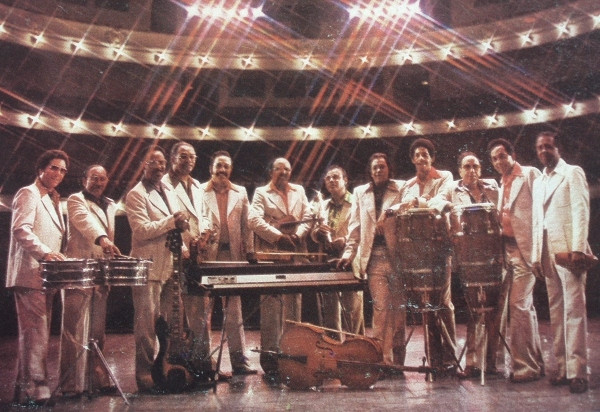
Cienfuegos, October 9, 1939. Young dancers freeze to an unknown rhythm1. It is neither bolero nor fox-trot: it is the Cuban charanga — violins and flute over an Afro-Cuban rhythm section — of a small provincial group. Over 85 years, the ensemble has never stopped reinventing the Cuban sound, driven by an ideal of musical collectivity.
In brief
| Name | Orquesta Aragón |
| Founded | September 30, 1939, Cienfuegos, Cuba |
| Founder | Orestes Aragón Cantero (double bass) |
| Genre | Cuban charanga — danzón, cha-cha-chá, son, bolero |
| Historical leader | Rafael Lay Apesteguía (1948–1982) |
| Current leader | Rafael Lay Bravo (since 1984) |
| Honors | Pablo Picasso UNESCO Medal (2005), Latin Music Hall of Fame (1999, 2012), Grammy and Latin Grammy nominations |
Key dates
| Year | Event |
|---|---|
| 1939 | Founded in Cienfuegos under the name Rítmica 39 |
| 1940 | Adoption of the name Orquesta Aragón; Rafael Lay (13) joins as first violin |
| 1948 | Orestes Aragón passes leadership to Rafael Lay, 20 |
| 1950 | First concert in Havana |
| 1953 | The advent of cha-cha-chá propels the group; RCA Victor contract |
| 1954 | Richard Egües, virtuoso flutist, joins the orchestra |
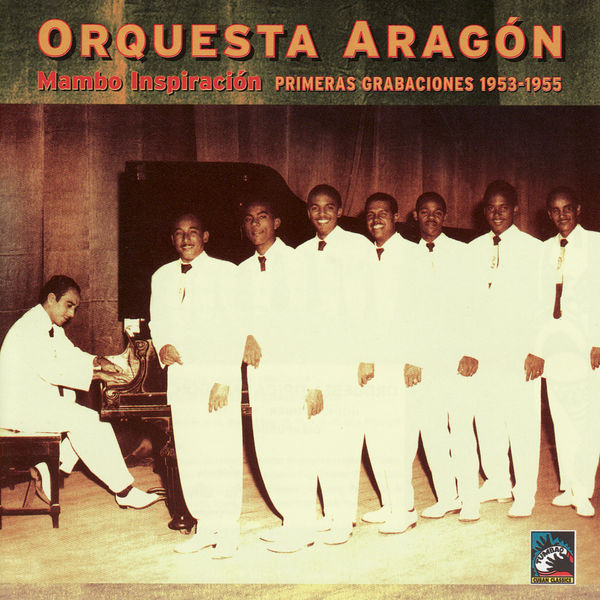
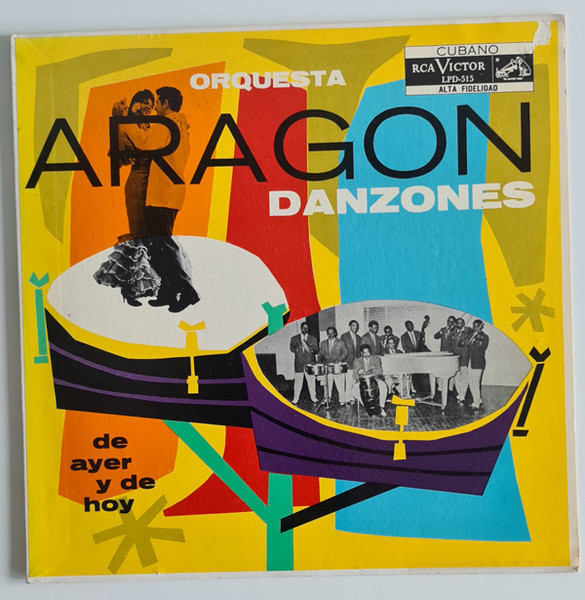
| 1955–1958 | Four RCA albums; nearly 100 tracks recorded |
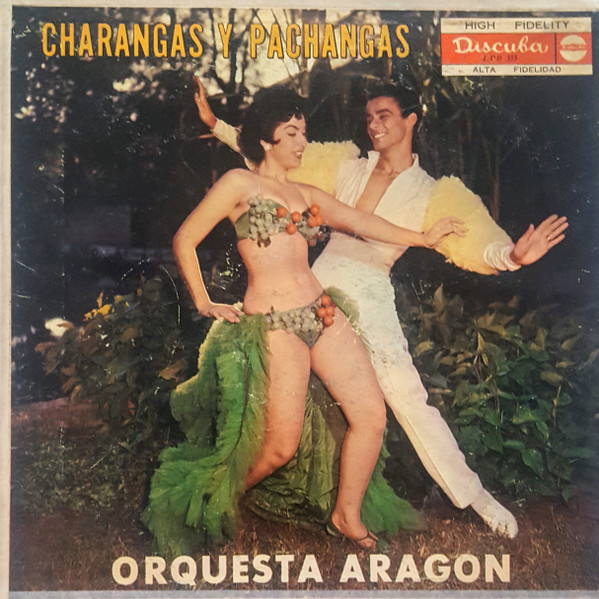
| 1959 | Beginning of the Discuba era; first international tours |
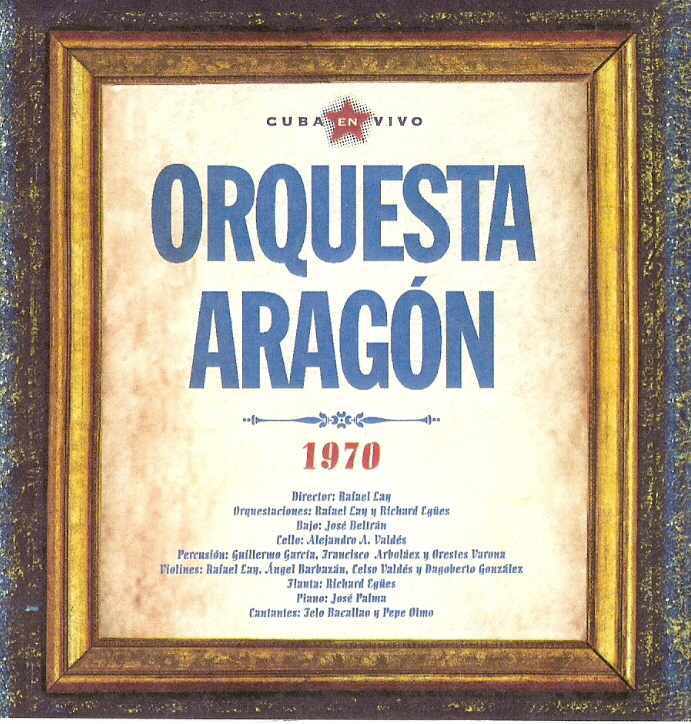
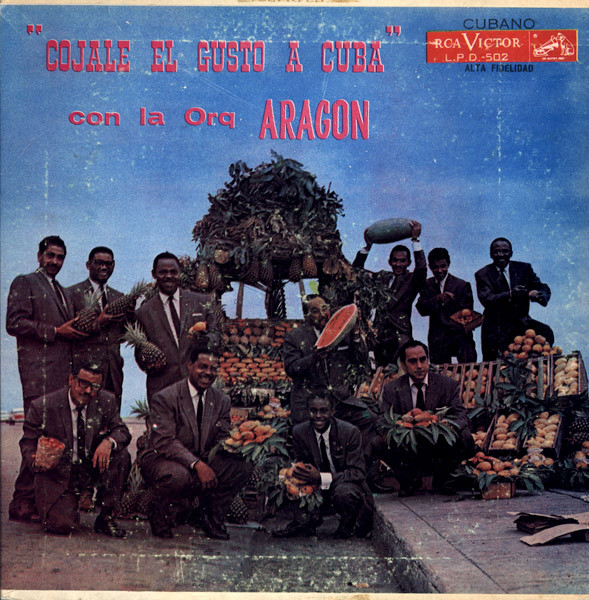
| 1960–1970 | Golden era; Africa, Europe, North America |
| 1982 | Death of Rafael Lay in an accident |
| 1984 | Rafael Lay Bravo takes the helm |
| 2021 | Latin Grammy for Cha Cha Chá: Homenaje a lo Tradicional |
From humble beginnings to the conquest of Havana
Orestes Aragón Cantero is a Marxist double bassist who believes in equal sharing2. “I want to found a musical family. I am not looking for virtuosos, musicians with human qualities.” With eight instrumentalists — violins, piano, flute, percussion, and vocals — he launches his charanga on September 30, 1939, in Cienfuegos. The initial repertoire mixes pasodobles, fox-trots, danzones, and boleros.
In 1948, Orestes Aragón, victim of a serious lung condition, passes the baton to Rafael Lay Apesteguía, 20, but already present for seven years as first violin3. Lay takes the group to Havana, what provincial musicians considered an impregnable fortress. The timing is perfect: in 1953, the cha-cha-chá, created by Enrique Jorrín, supplants the mambo as Cuba’s flagship genre.
The Egües sound and international consecration
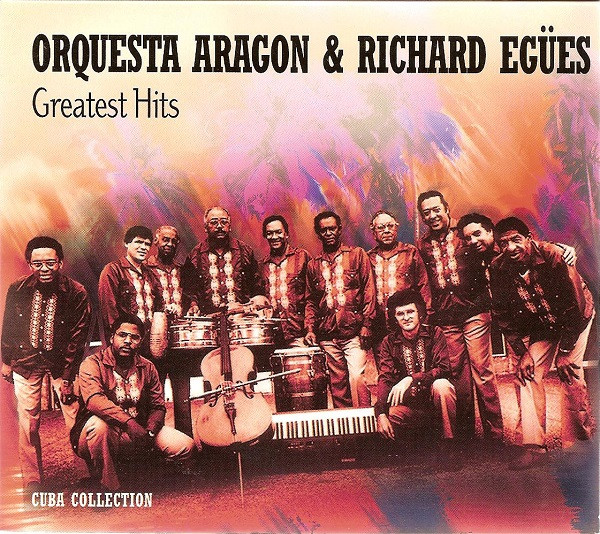
Richard Egües joins the charanga in 19544. His five-hole flute, coupled with Lay’s arrangements, forges an inimitable sound: tight ensemble violins, sparkling flute, Afro-Cuban percussion. “El Bodeguero,” composed by Egües, is taken up by Nat King Cole and plays on global waves. Between 1955 and 1958, the group records nearly 100 tracks for RCA.
Tours begin in 1956 (Panama), then Venezuela, the United States, and Europe2. During the Cuban Revolution, the Aragón applies the philosophy of social cooperation that Orestes Aragón had established: all musicians receive the same salary. Vocalist Felo Bacallao, also a dancer, captivates audiences with his choreography. In 1962, Alejandro Tomás Valdés invents the onda-cha — a dance inspired by Brazilian capoeira, with music blending Afro percussion and cha-cha-chá.
The institution perpetuates the flame
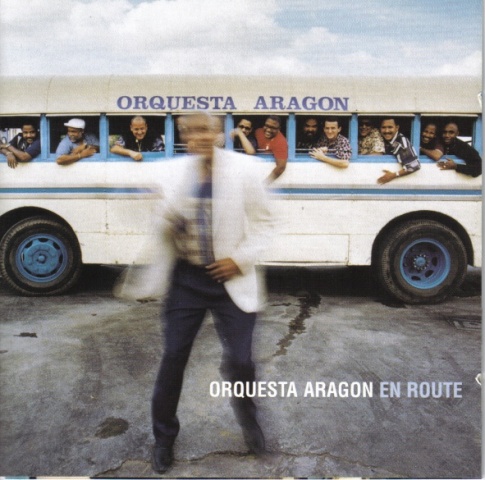
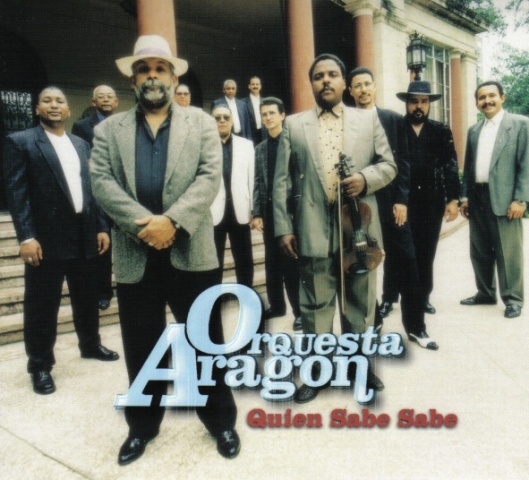
The death of Rafael Lay in 1982 plunges the group into mourning5. Richard Egües briefly succeeds him, then his son Rafael Lay Bravo takes the reins in 1984. Despite the economic difficulties of the 1990s, the charanga returns to the studio: Quien Sabe, Sabe (1997), La Charanga Eterna (1999), and En Route (2001) mark a renewal. The latter is nominated for a Grammy Award.
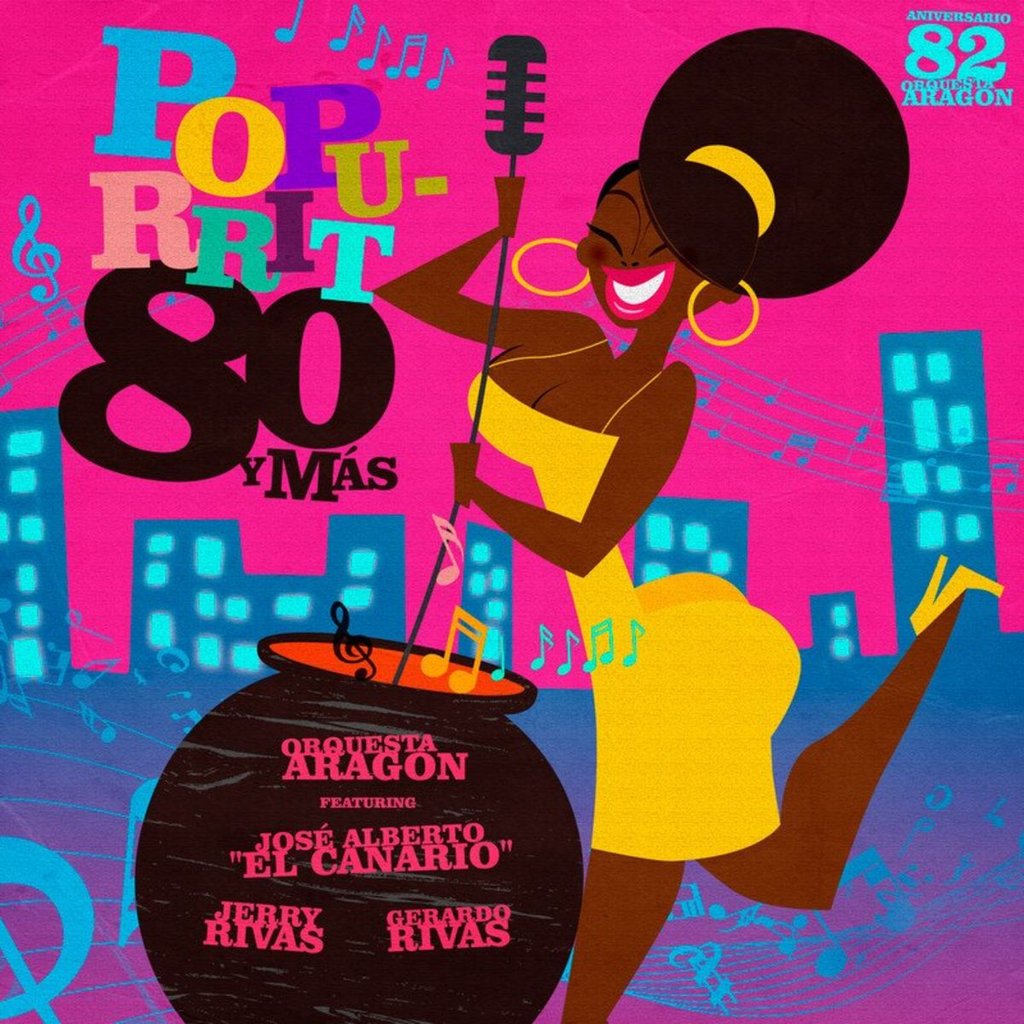
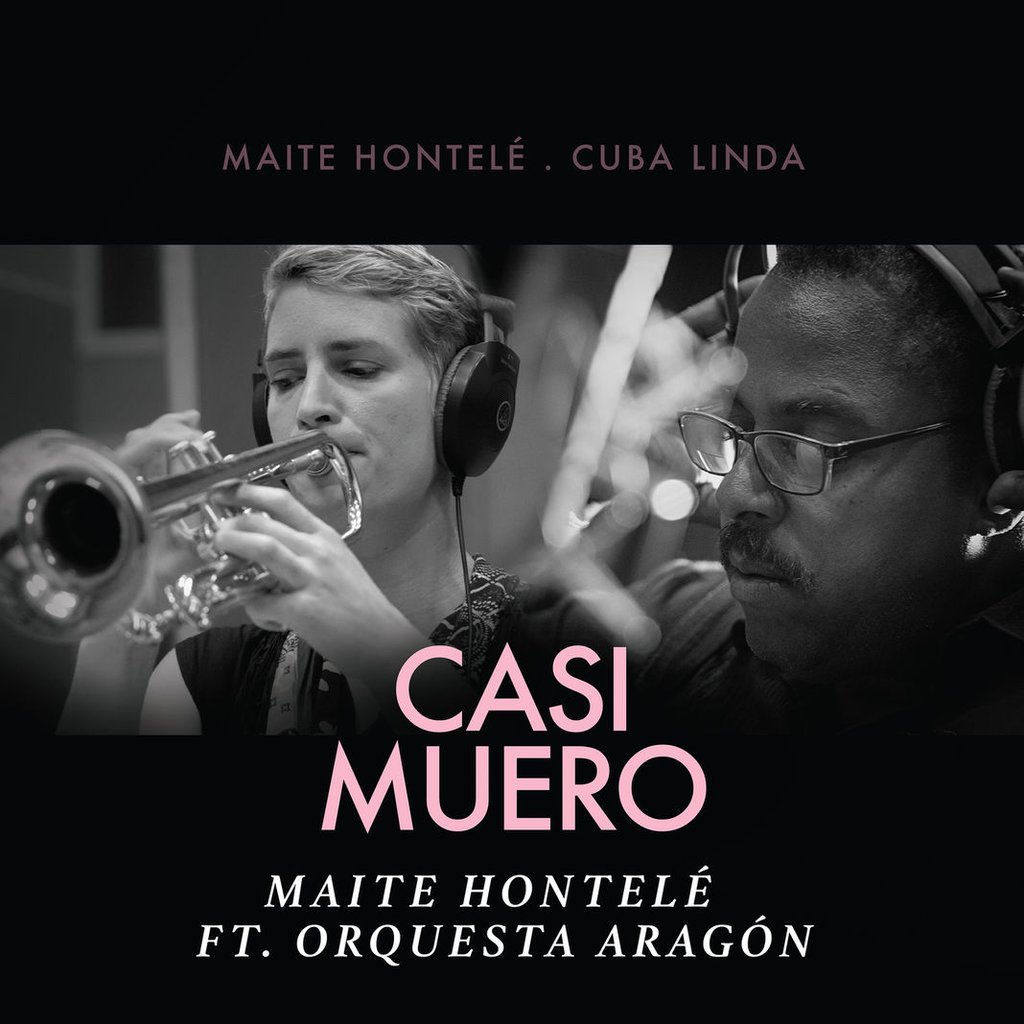
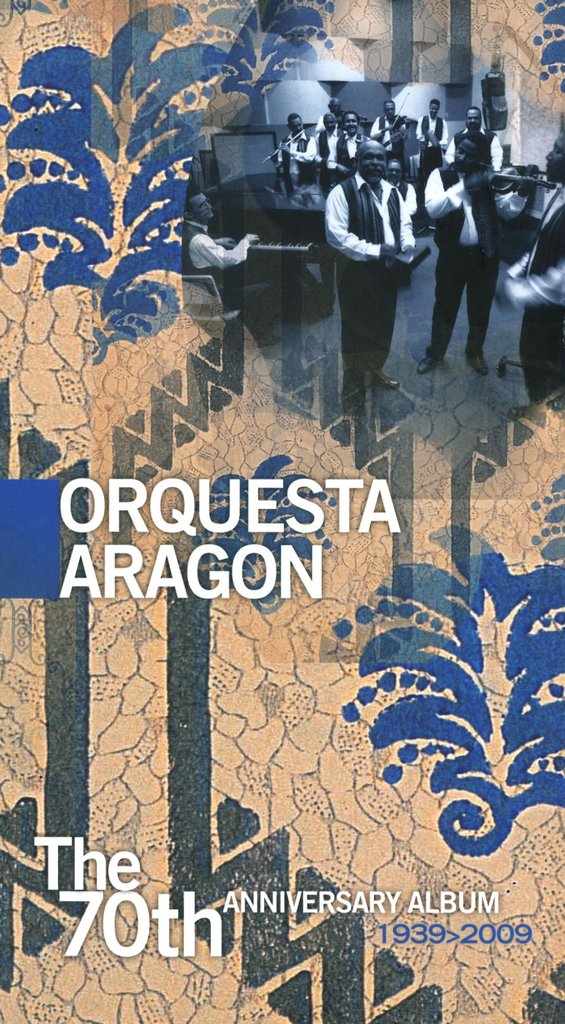
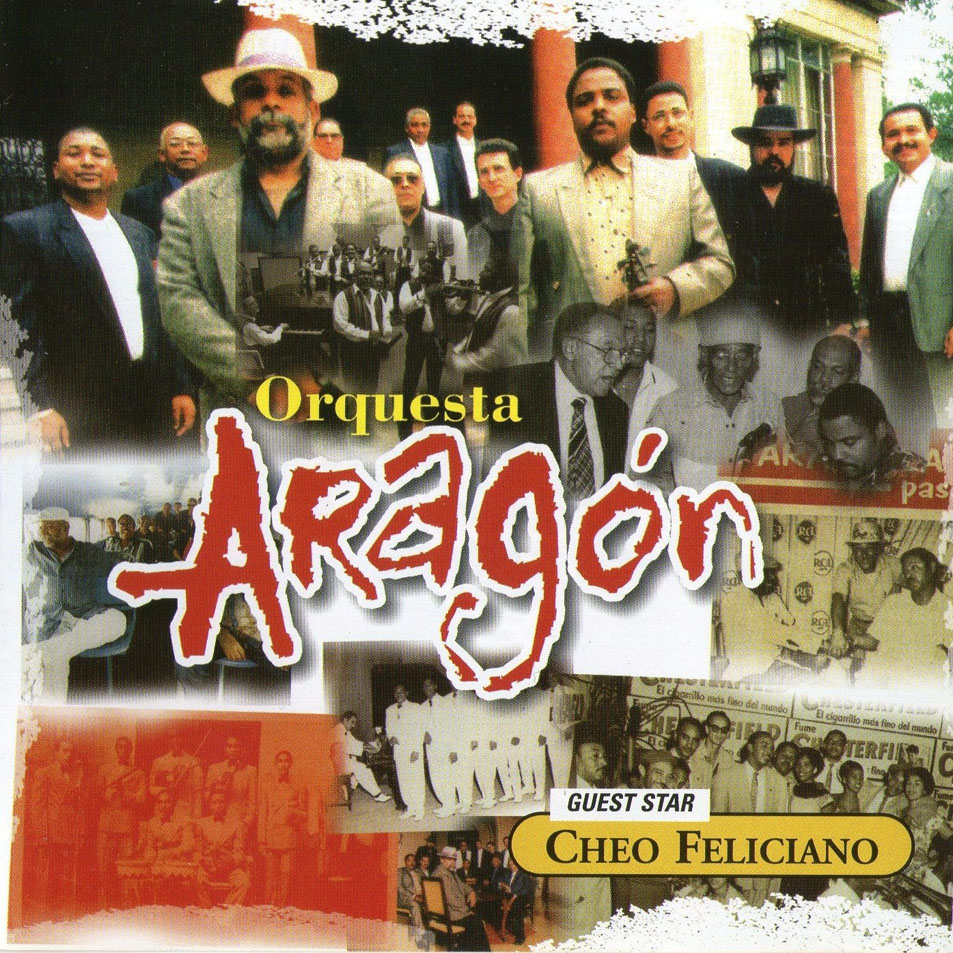
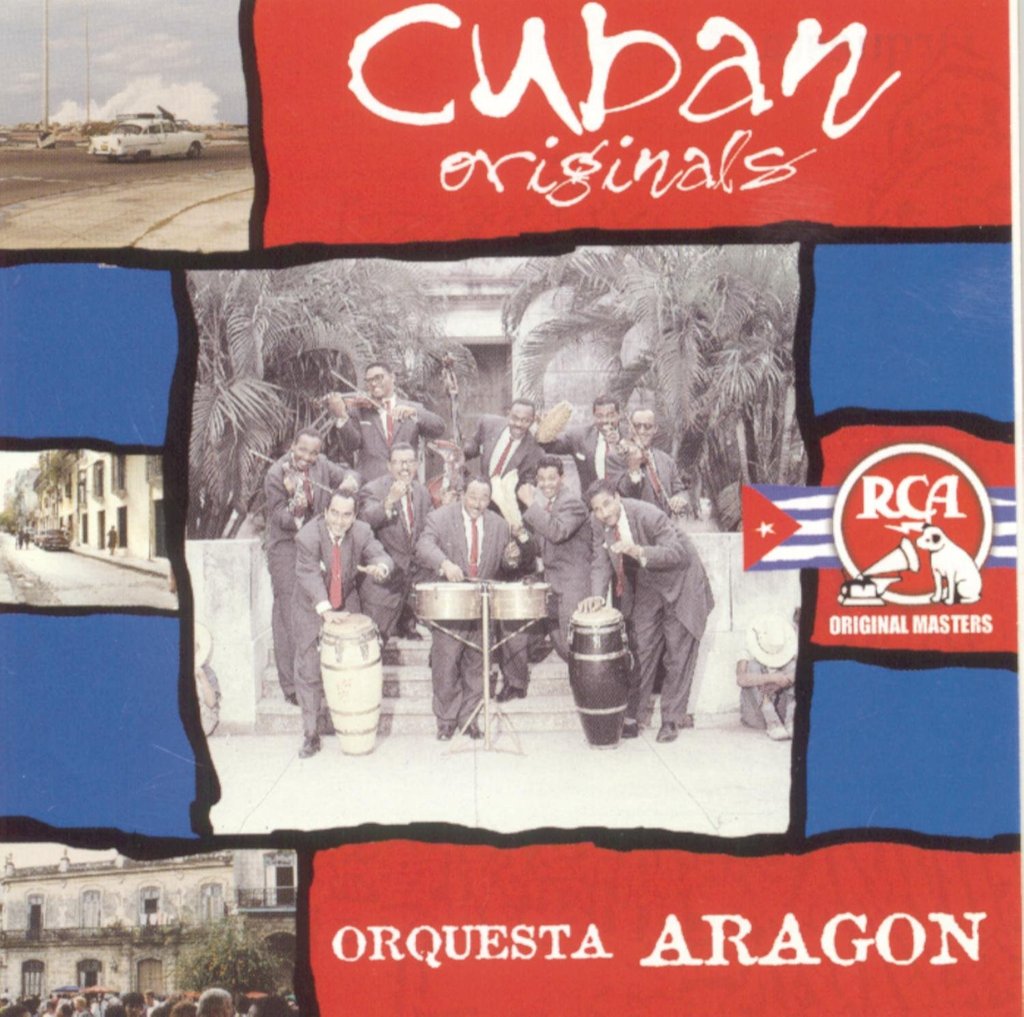
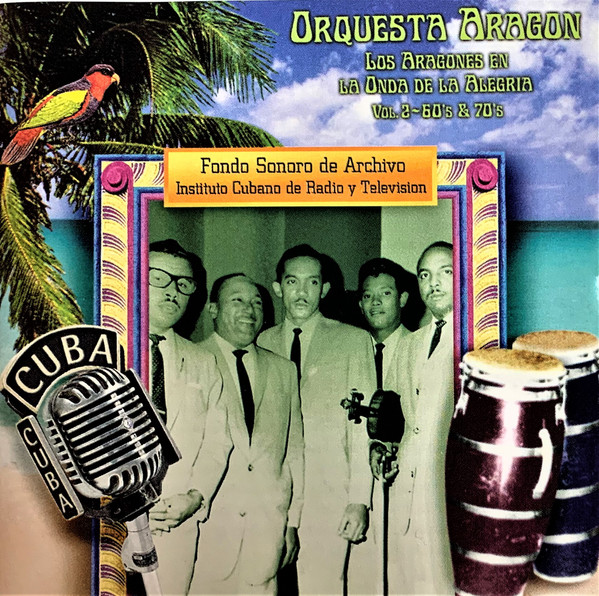
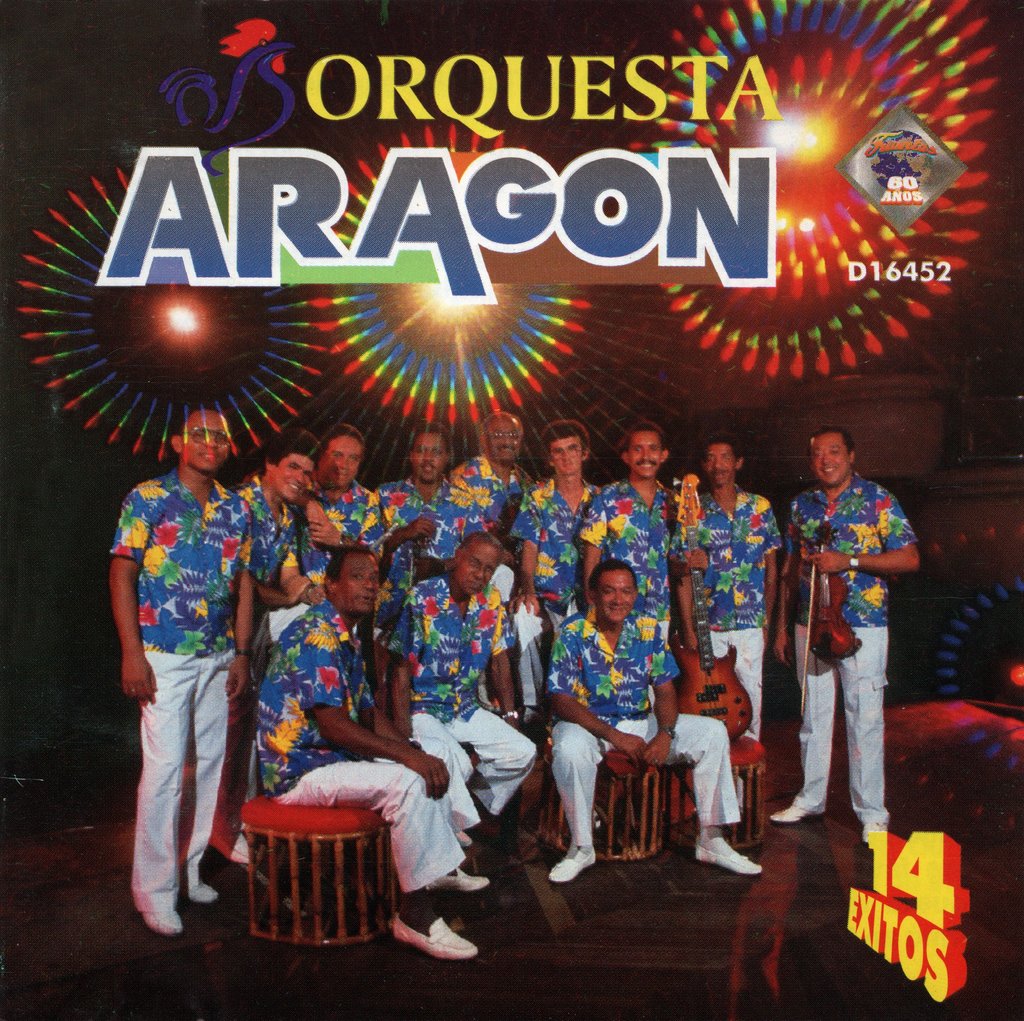
Today, Orquesta Aragón gathers old and young — children and nephews of the founders — on stages such as Carnegie Hall, the Paris Olympia, and Lincoln Center3. Cheo Feliciano, Omara Portuondo, and Oscar de León have collaborated with the ensemble. More than 100 albums, 85 years of career, and two Latin Grammys attest to the vitality of a group that has made the Cuban charanga a world institution.
Major works
| Work | Year | Why it is essential |
|---|---|---|
| “Cha Cha Cha” (RCA Victor LP 1130) | 1955 | First major album; anchors cha-cha-chá as a reference genre |
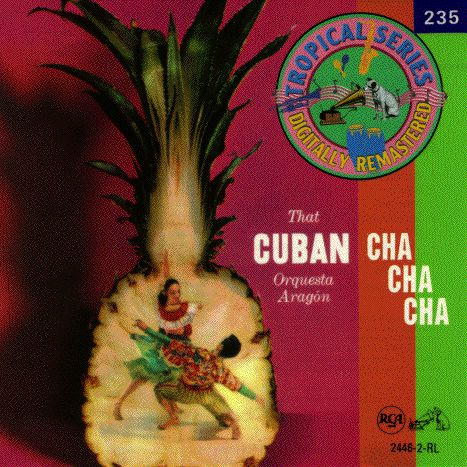
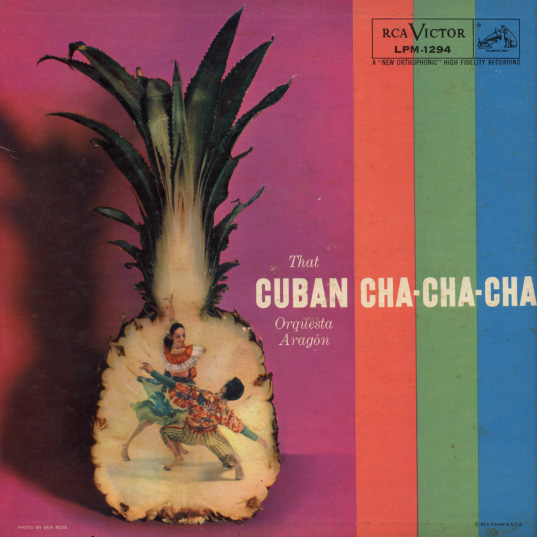
| “That Cuban Cha Cha Cha” | 1956 | International consecration; global dissemination of the Aragón sound |
| “El Bodeguero” | ~1955 | Egües’ flute taken up by Nat King Cole |
| “Quien Sabe, Sabe” | 1997 | 1990s renewal; return to roots |
| “En Route” | 2001 | Nominated for a Grammy Award; classic sound for a new generation |
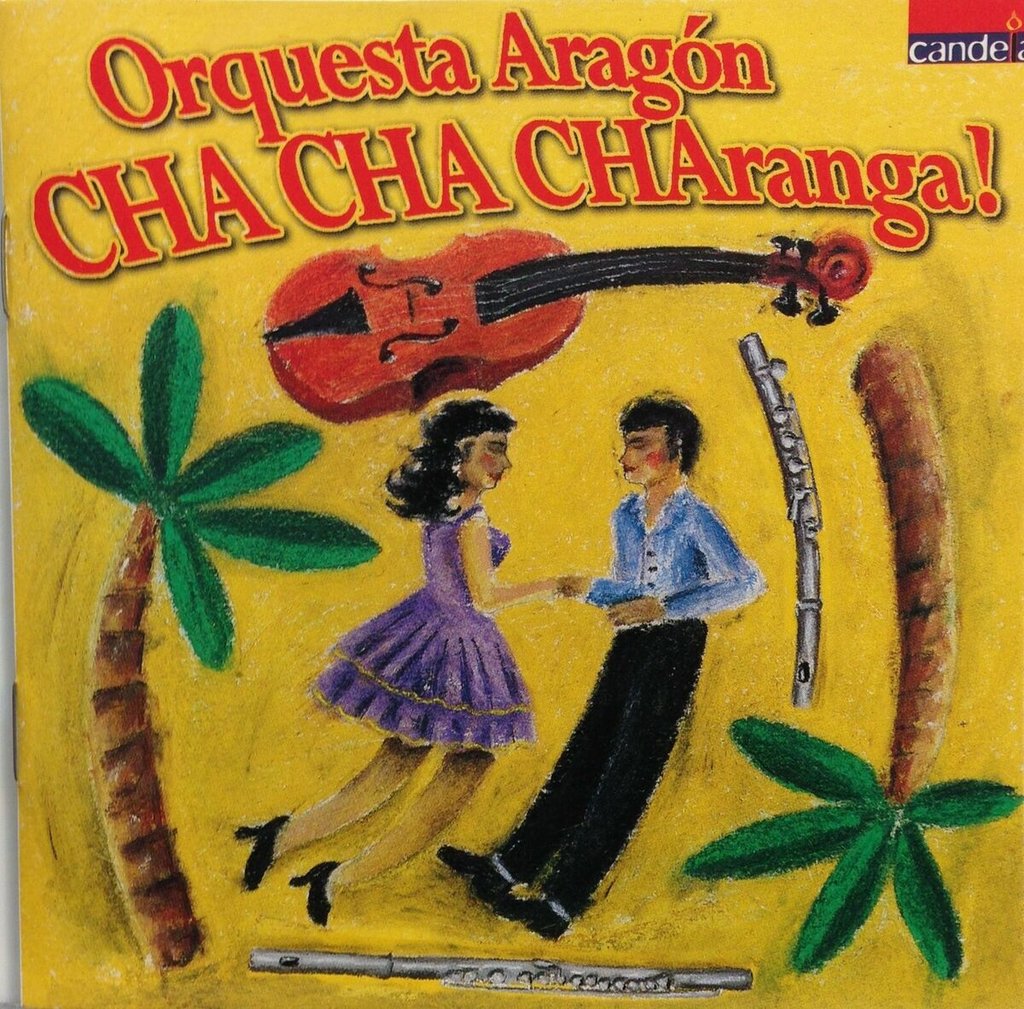
| “Cha Cha Chá: Homenaje a lo Tradicional” | 2021 | 2021 Latin Grammy; tribute with Issac Delgado |
Legacy
Orquesta Aragón transcends the status of a group: it is the concretization of a musical ideal born in small Cuban towns3. Orestes Aragón built an ensemble where collectivity prevails over individual ego. This philosophy, taken up by Rafael Lay, allowed the Cuban charanga to survive political upheavals. The group shaped the sound of generations of Cuban and African musicians, and the fusion of danzón, cha-cha-chá, and Afro-Cuban instruments constitutes today an invaluable musical heritage. La Orquesta Aragón continues to tour, violins leading — proof that a charanga founded by a provincial double bassist can survive its era.
Sources and references
-
All About Jazz, Orquesta Aragon, https://allaboutjazz.com/musicians/orquesta-aragon, accessed November 1, 2026. ↩︎
-
OnCubaNews, La verdadera historia de la orquesta Aragón, https://oncubanews.com/cultura/musica/la-verdadera-historia-de-la-orquesta-aragon/, accessed November 1, 2026. ↩︎ ↩︎
-
Orquesta Aragón, Sobre la Orquesta, https://orquestaaragon.com/sobre-la-orquesta-aragon/, accessed November 1, 2026. ↩︎ ↩︎ ↩︎
-
Milonga UK, Orquesta Aragón, https://milonga.co.uk/cuba/aragon/aragon.html, accessed November 1, 2026. ↩︎
-
CubaPLUS Magazine, Rafael Lay: his words and feelings, https://cubaplusmagazine.com/en/culture/music/rafael-lay-words-feelings.html, accessed November 1, 2026. ↩︎