Biography
Oswin Chin Behilia: the troubadour of Curaçao
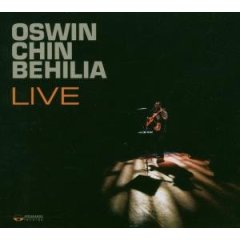
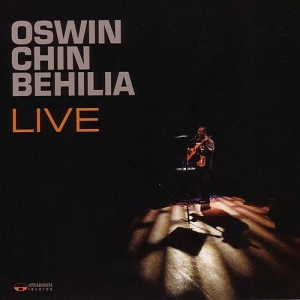
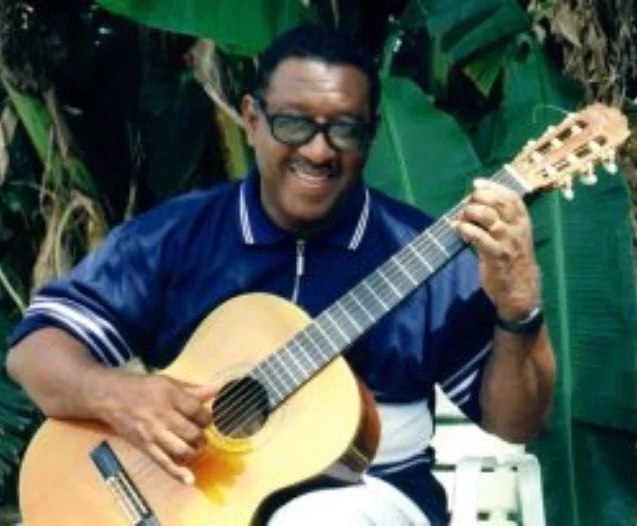
Since 1963, Oswin “Chin” Behilia has toured stages around the world with his guitar and a voice of bronze, offering papiamento — the creole language of the Dutch Antilles — a reach that far exceeds the horizons of Curaçao. His title “Plegaria” is considered an alternative hymn of the island, while his ballad “Sunú” ranks among the most popular love songs ever recorded in papiamento.
In brief
| Full name | Oswin Chin Behilia |
| Nickname | “Chin” |
| Birth | December 15, 1938, Curaçao |
| Field | Antillean music, papiamento, world music |
| Instruments | Guitar, vocals |
| Signature works | “Plegaria”, “Sunú”, Bendishon Disfrasa, Liber |
| Awards | Cola Debrot Prize (2005), Tapushi Literario (2004), Kruis van verdienste (2019) |
Key dates
| Year | Event |
|---|---|
| 1938 | Born on December 15 in Curaçao |
| 1963 | Formation of the group Los Tiarucos, which begins an international tour |
| 1969 | Temporary interruption of the stage due to his marriage; he continues composing |
| 1977-1990 | Relative retirement from the international stage, production of compositions over the decades |
| 1990 | Elected to the States of the Dutch Antilles with 5,000 votes, founder of the party Nos Patria |
| 1997 | Release of Troubadours of the World Singing Chin’s Compositions |
| 2002-2003 | Notable presence at WOMEX in Essen and Seville, programming on BBC Radio |
| 2003 | Release of Bendishon Disfrasa on the label Otrabanda Records |
| 2004 | Performance at the North Sea Jazz Festival with big band Tumbabó |
| 2005 | Cola Debrot Prize award for music |
| 2009-2010 | Release of Liber, a political protest album |
Origins: Los Tiarucos and the voice of Curaçao
Born on December 15, 1938 in Curaçao, Oswin Chin Behilia — still called “Chin” by his own and the public — belongs to that handful of singer-composers whose music combines memorable melodies and engaged lyrics. His name resonates among the young as well as the elders1.
He founded Los Tiarucos in 1963, a touring group that performed in the sixties and seventies in hotels and festivals in Curaçao, Saint-Martin, Miami, New York, the Dominican Republic, Puerto Rico, and Brazil2. These Caribbean and Latin American influences deeply permeate his music. In 1969, Chin interrupted his tours for his marriage but continued to compose.
His music is characterized by Antillean waltzes reminiscent of bossa nova, Cuban son, danzas, boleros, tumbas, and traditional sehú. He describes himself as a world troubadour3.
International revelation and engagement
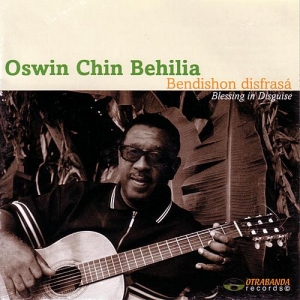
The turning point arrives starting from 2002, when European promoters discovered Chin at WOMEX in Essen and at WOMEX in Seville, where he was programmed twice on BBC Radio by Charlie Gillett. The album Bendishon Disfrasa (“Blessing in Disguise”) was selected by Songlines in the Top 50 summer albums of 2005 and designated “World Album of the Month” by Radio France International in August 2004. He performed as a guest singer with big band Tumbabó of Randal Corsen at the North Sea Jazz Festival in 2004, and undertook a tour of the United Kingdom in 2005 with the African Caribbean Music Circuit4.
On the political side, Chin was for thirteen years the presenter of his own talk show on Curaçao television, Tele Patria, where he allowed people to express their opinion, thus remaining at the heart of social concerns. When this contract ended, he founded his own political party, Nos Patria. In the 1990 elections, he obtained 5,000 votes and sat in the States of the Dutch Antilles, before leaving politics, which he deemed gekonkel5.
Legacy
Oswin Chin Behilia remains a central figure of Curaçaoan culture. More than one generation of musicians, including Izaline Calister — who took up “Sunú”, “No Bai” and “Plegaria” in jazz arrangements with pianist Randal Corsen — has drawn from his repertoire. His work continues to illustrate how music can carry, beyond all Caribbean rhythms, the questions that animate a society, from development to the dismantling of a federation.
His protest songs — “Zikinza”, “Ata Toni” and “Sigi Traha E Bom” — make him a powerful voice, mixing dance and engagement6. “Zikinza” warns that the beaches of the island will soon be forbidden to locals, “Ata Toni” deals with oil money that goes abroad, and “Sigi Traha E Bom” opposes the dissolution of the Dutch Antilles Federation.
Major works
| Work | Year | Why it is essential |
|---|---|---|
| Bendishon Disfrasa | 2003 | First international album, selected by Songlines and Radio France International |
| “Plegaria” | ~1960s | Alternative hymn of Curaçao, taken up by Tania Kross on De Wereld Draait Door in 2009 |
| “Sunú” | ~1970s | Universal classic of the papiamento love repertoire |
| Liber | 2009 | Political album integrating tumba, seú and Latin American influences |
Sources and references
-
World Music Network, Oswin Chin Behilia, worldmusic.co.uk, biography and discography ↩︎
-
Otrabanda Records, Bendishon disfrasá Liner Notes, June 10, 2016, album liner notes ↩︎
-
Dutch Wikipedia, Oswin Behilia, nl.wikipedia.org, complete biography (music, politics) ↩︎
-
Caribbean Beat Magazine, CD Reviews July/August 2010, caribbean-beat.com, review of the album Liber ↩︎
-
Dutch Wikipedia, Oswin Behilia, nl.wikipedia.org, political section and Tele Patria ↩︎
-
Caribbean Beat Magazine, CD Reviews July/August 2010, caribbean-beat.com, analysis of political songs ↩︎